
LOS ANGELES – The foreclosure crisis is getting worse as high unemployment and lackluster job prospects force homeowners in an increasing number of U.S. metropolitan areas into dire financial straits.

In Seattle, Houston and Chicago, cities that were relatively insulated from foreclosures early on in the housing bust, a growing number of homeowners are falling behind on mortgage payments and finding themselves on the receiving end of foreclosure warnings. Others have already seen their homes repossessed by lenders.
All told, foreclosure activity jumped in 149 of the country’s 206 largest metropolitan areas last year, foreclosure listing firm RealtyTrac Inc. said Thursday.
The firm tracks notices for defaults, scheduled home auctions and home repossessions — warnings that can lead up to a home eventually being lost to foreclosure.
Job loss, rather than time-bomb mortgages resetting to higher payments, has become the main driver behind rising foreclosures.
“We’ve actually had a sea change in what’s causing foreclosures, from the overheated home prices and bad loans to a second wave of foreclosures actually caused by unemployment and economic displacement,” says Rick Sharga, a senior vice president at RealtyTrac.
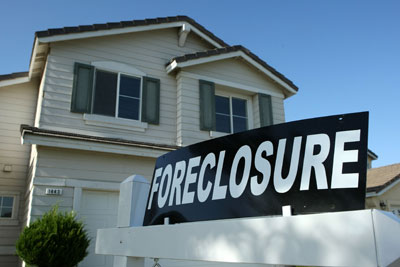
The Houston-Sugar Land-Baytown metropolitan area in Texas saw its foreclosure rate jump 26 percent from 2009, the largest increase among the top 20 biggest metro areas, the firm said.
Seattle-Tacoma-Bellevue, in Washington, ranked second with an increase of nearly 23 percent, while the Atlanta-Sandy Springs-Marietta metro area in Georgia was third with a 21 percent bump.
In the Chicago-Naperville-Joliet metropolitan area, foreclosure activity rose 16 percent, while home repossessions climbed nearly 20 percent, RealtyTrac said.
“As the economy and unemployment improve, you’ll see those markets recover fairly quickly, whereas you’re still going to have a bit of a hangover in places like California, Florida and Nevada,” Sharga said.
Those states, and Arizona, remain the country’s foreclosure hotbeds, accounting for 19 of the top 20 metropolitan areas with the highest foreclosure rates in 2010.
Still, foreclosure activity in many of the metro areas in these states actually declined last year.
Las Vegas-Paradise, Nev., registered the highest foreclosure rate in the nation, with one in every nine households receiving a foreclosure-related notice in 2010 — nearly five times the national average. But the metropolitan area’s foreclosure activity fell 7 percent from the prior year.
Three California metro areas posted among the biggest annual drops in foreclosure activity: Riverside-San Bernardino-Ontario, down 20 percent; San Diego-Carlsbad-San Marcos, down 17 percent; and, Los Angeles-Long Beach-Santa Ana, down 16 percent.

A big reason for the decline is lenders took steps to delay foreclosure actions in these states as they sought to manage the flow of troubled properties coming onto their books. In the final months of last year, several lenders went further, temporarily halting foreclosure activity to deal with allegations of improper evictions.
Most banks have since resumed taking action against borrowers behind in payments, however, and the pace of foreclosures is expected to pick up this year and ultimately outpace 2010 levels.
“We believe we’re going to see an abnormally high growth of foreclosure activity in the first quarter and we do expect that 2011 will be another record year for foreclosure activity and bank repossessions,” Sharga said, adding he projects bank repossessions will rise by at least 20 percent.
That’s likely to drag down home values further, potentially pushing more homeowners into negative equity — when a borrower owes more on their mortgage than the market value of their home.
About 2.4 million U.S. homeowners have only 5 percent or less equity in their homes, according to data from CoreLogic.
Lenders took back 1 million properties in 2010, and no metro area saw more homes repossessed by lenders than Phoenix-Mesa-Scottsdale in Arizona.
Some 55,372 properties were taken back by lenders there last year, up 17 percent from the year before.
The Chicago metro area was second, followed by the Detroit-Warren-Livonia metro area in Michigan. Its home repossessions rose 19 percent.

 The Hedge