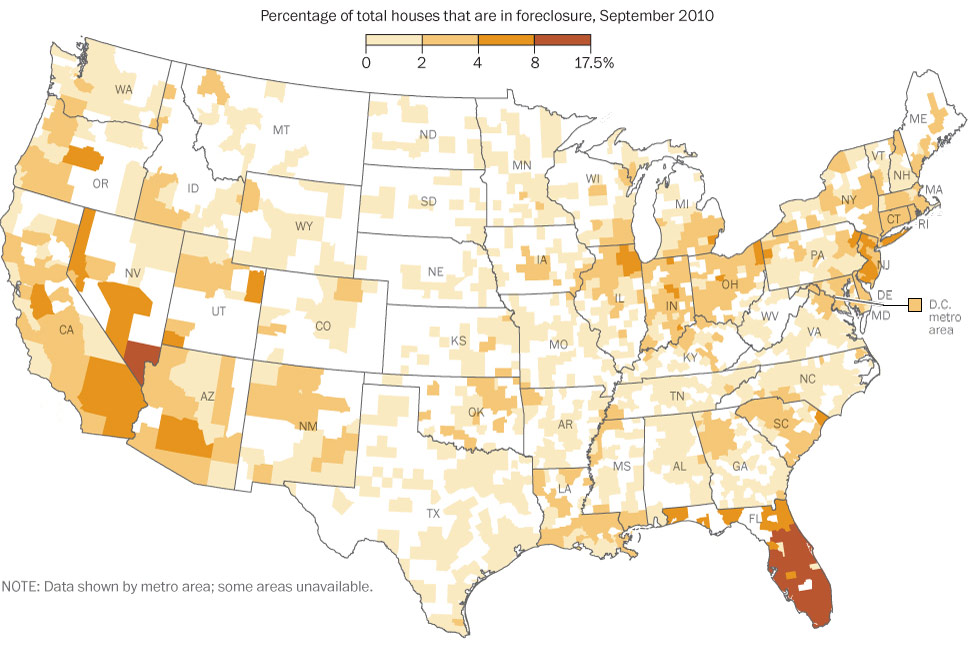
Eliminating Foreclosure Fraud: Setting the Record Straight on Bank of America, Part 2: (via Foreclosureblues)

Eliminating Foreclosure Fraud: Setting the Record Straight on Bank of America, Part 2: Eliminating Foreclosure Fraud: Setting the Record Straight on Bank of America, Part 2: Friday, November 05, 2010, 1:02:37 PM | Randall Wray William K. Black is an Associate Professor of Economics and Law at the University of Missouri-Kansas City. He is a white-collar criminologist and was a senior financial regulator. He is the author of The Best Way to Rob a Bank is to Own One. L. Randall Wray is a Professor of Economics at the University of Mis … Read More

via Foreclosureblues

talk to someone by the numbers

Property Preservation Servicer Contacts
Company Names Mailing Information Key Contacts Title/Department Phone
Amtrust Bank 1111 Chester Avenue
Cleveland, OH 44144 Jaques Hawkins
jhawkins@amtrust.com

Stephen Murphy
smurphy3@amtrust.com
Property Preservation Specialist, Foreclosure Dept.
Property Preservation Specialist, Foreclosure Dept. 216-588-5936

216-588-4541
American Home Mortgage 1525 S. Beltline Road
Coppell, TX 75067 Christine Morse
Christine.Morse@AHMSI3.com

Renena Summerfield
Renena.Summerfield@AHMSI3.com
Property Preservation Specialist

Property Preservation Specialist
469-645-3000, Ext 50229

469-645-3000, Ext. 50304
Aurora Loan Services 10350 Park Meadows Drive
Littleton, CO 80124 Brandon McGill AVP, Property Services 720-945-4775
Bank of America 400 National Way, Simi
Valley, CA 93065

301 E. Vanderbilt Way
San Bernardino, CA 92408

301 E. Vanderbilt Way
San Bernardino, CA 92408
Brian Zamani
brian.zamini@bankofamerica.com

Tiaquanda S. Turner
tiaquanda.turner@bankofamerica.com

Martha (Marta) Fulgham Sanchez
martha.fulgham@bankofamerica.com

Brendan Gail
brendan.gail@bankofamerica.com
AVP, FHA Conveyance/Claims

AVP, FHA Conveyance/Claims

VP, Control Tower/Field Services

VP, Operations/Field Services
805-306-8274

972-526-2353

972-526-6711

909-806-2525
BB&T 301 College Street
6th Floor
Greenville, SC 29601 PropertyPreservation@bbandt.com 800-827-3700
Carrington Mortgage Services, LLC 1610 E St. Andrew
Santa Ana, CA 92705 Sharif Touny
sharif.touny@carringtonms.com

Chris Castruita
chris.castruita@carringtonms.com

Victor Revis
victor.revis@carringtonms.com
Director of Default

Preservation

REO Manager
949-517-5162

949-517-5380

949-517-5598
Capital One P.O. Box 259330
Plano, TX 75025-9330 Jeremy Atkinson

Elaine Parker

Derrick Weber
dxweber@chevychasebank.net
Default Control

Default Control

Default Control
469-238-7041

469-238-7062

469-238-7062
Central Mortgage Company 801 John Barrow Road
Ste. 1
Little Rock, AR 72205 Shelia Roeling
Sroeling@Arvest.com

Chellie Stewart
MKStewart@Arvest.com

Jan Davis
JKDavis@Arvest.com
Asset Preservation Specialist-Default Asset Management Department
REO Supervisor-Default Asset Management Department
Default Asset Manager, Default Asset Management Department 501-716-4810

501-716-5758

501-716-5614
Chase 800 Brooksedge Blvd.
Westerville, OH 43081
Attn: MC OH1-8020 Michelle R. Stevens-Schultz
michelle.r.schultz@chase.com

Vicky Beever
vicky.beever@chase.com
Officer – Property Preservation & Hazard Claims
Officer – Property Preservation 614-776-8031

614-776-7010
Citi Mortgage 1000 Technology Drive
O’Fallon, MO 63368
MS 323 code.violation@citi.com

securing.needed@citi.com

David Mazanek
david.mazanek@safeguardproperties.com
Code Violations Department
Property Preservation Department
Field Service Contact 877-290-3997, Option 2

877-290-3997, Option 1

800-852-8306, Ext 1261
Dovenmuehle Mortgage, Inc. 1 Corporate Drive
Suite 360
Lake Zurich, IL 60047 Paula Borshell
borshep1@dmicorp.com

Rachel Deuser
deuserr1@dmicorp.com
Property Preservation Department Manager

Property Preservation Department Supervisor
847-550-7388

847-550-7514
Everhome Mortgage 8100 Nations Way
Jacksonville, FL 32256 Shannon Hudson
shannon.hudson@everhomemortgage.com Supervisor, Property Preservation 866-918-4507
Fannie Mae 14221 Dallas Parkway
Ste. 1000
Dallas, TX 75254 Elonda Crockett
property_preservation@fanniemae.com

Michael Lawler

Paul Hayes
Vice President, REO Fulfillment

Director, Loss Mitigation-Credit
Manager, REO Foreclsoure-Credit
972-773-4663

972-773-4663

972-773-4663
Fifth Third Bank 5001 Kingsley Drive
Cincinnati, OH 45227
MD 1MOB1o Jennifer Lewis
jennifer.leewis@53.com

Jill Cannon
jill.cannon@mcsnow.com
Supervisor. Property Preservation

Director, MCS
513-358-8575

214-451-0787
First Bank Mortgage 1 First Missouri Center
St. Louis, MO 63141 Karen Hanawinkel
karen.hanawinkel@fbol.com

Lou Sanders
lou.sanders@fbol.com

Autumn Kingsbury-Buck
kingsburybuck@fbol.com
Foreclosure Manager

Loss Mitigation Manager

Collection Manager
314-205-3118

314-205-3124

314-579-1659
First Niagara Bank 6950 S. Transit Rd.
PO Box 514
Lockport, NY 14095-0514 Trish Harris
trish.harris@fnfg.com

Christina Palmer
christina.palmer@fnfg.com
Collections

Recovery Services
716-932-3448

716-932-3463
Franklin Credit 101 Hudson Street
Jersey City, NJ 07302 Glenn Murphy
gmurphy@franklincredit.com Vice President 201-604-1800
Freddie Mac 8000 Jones Branch Drive
McLean, VA 22102 Joe Moschetto
joesph_moschetto@freddiemac.com

Deloise Browne-Miller
Deloise_E_Browne-Miller@freddiemac.com

Mahad Ali
mahad_ali@freddiemac.com
Senior Manager-FC/Bankruptcy Operations

Unit Mnaager-FC/Bankruptcy

FC/Bankruptcy Associate
703-388-7820

703-7624802

703-762-4055
GMAC Mortgage Corporation 3451 Hammond Ave.
Waterloo, IA 50702-5345 Patric F. McCool
pat.mccool@gmacm.com Key Partner Manager Analyst 319-236-4733
HSBC Mortgage Services, Inc. Mortgage Services
636 Grand Regency Blvd.
Brandon, FL 33510 Property Preservation Department Team
us.mortgage.property.preservation.team@us.hsbc.com Property Preservation Department 866-411-3810, Option 3
HSBC Mortgage Corporation Mortgage Corporation
2929 Walden ave., Depew
NY 14073 Code Violations Department
code.violations@safeguardproperties.com Safeguard Properties/Field Service Contact 800-852-8306, Ext 2173
HUD Prior To Conveyance: See MCB Below
http://www.hud.gov/offices/hsg/sfh/reo/mm/
mminfo.cfm

Post Conveyance: Follow Link For State Coverages & Contacts

Key Bank 4910 Tiedeman Road
Brooklyn, OH 44114 Lori Tierney
Liberty Bank 2251 Rombach Ave.
Wilmington, OH 45177 JB Stamper
Litton Loan Servicing 4828 Loop Cebtral Drive
Houston, TX 77081 Terrell Phearse
terrell.phearse@littonloan.com

Sharon Graham
Sharon.Graham@littonloan.com

Amy West
Amy.West@littonloan.com

Linda Milan
Linda.Milan@littioloan.com
Property Preservation Processor

Property Preservation Processor

Property Preservation Team Lead

Property Preservation Supervisor
713-218-4824

713-218-4666

713-218-4658

713-218-4669
M&T Bank One Fountain Plaza
6th Floor
Buffalo, NY 14203 Preservation Manager
propertypreservation@mtb.com

David Mazanek
david.mazanek@safeguardproperties.com
Preservation Department

Field Service Contact
800-724-1633

800-852-8306, Ext. 1261
Michaelson, Connor & Boul, Inc. (MCB) 4400 Will Rogers Parkway
Ste. 300
Oklahoma City, OK 73108 Ryan McDoulett
ryan.mcdoulett@mcbreo.com

Greg Nelson
greg.nelson@mcbreo.com

Sheree McClure
sheree.mcclure@mcbreo.com

Donna Telles
donna.telles@mcbreo.com

Kimberly Bell
kimberly.bell@mcbreo.com

Goeff Grafford
goeff.grafford@mcbreo.com

Damon Kornele
damon.kornele@mcbreo.com
Overallowables & Extensions

Occupied Conveyance Requests

Claims Department

Claims Department

Title Department

Appeals Department

Reconveyance Department
405-595-2000

405-595-2000

405-595-2000

405-595-2000

405-595-2000

405-595-2000

405-595-2000
Midland Mortgage/MidFirst Bank 999 NW Grand Blvd.
Oklahoma City, OK 73118 Midfirst Property Preservation
property.preservation@midfirst.com

Safeguard Code Violations
code.violations@safeguardproperties.com

MCS Code Violations
codeviolations@mcsnow.com

Mortgage Contracting Services One Urban Centre – Suite 950
4830 West Kennedy Blvd.
Tampa, FL 33609 Code.Compliance@mcsnow.com Field Service Provider 813-387-1100
Ocwen Financial Corporation 2300 M Street, NW, Suite 800
Washington, DC 20037 Tara Williams
tara.williams@altisource.com

Jasbir Chawdhary
jasbir.chawdhary@altisource.com
Vice President
Field Services

Senior Manager
Property Preservation and Inspection
(713) 647-8990
(800) 280-3863
Ex 296191
One West Bank 2900 Esperanza Crossing
Austin, TX 78758 Kim Magel
Kim.Magel@owb.com

Leah Collins
Leah.Collins@owb.com
Supervisor, Property Preservation (Pre-sale)

Supervisor, Property Preservation (REO)
512-506-6852

512-250-2859
PA Housing Finance Agency 211 North Front Street
PO Box8029
Harrisburg, PA 17105-8029 Tom Gouker
tgouker@phfa.org

Bonita Russell
brussell@phfa.org

Jennifer Smallwood
jsmallwood@phfa.org

Dave Mazanek
david.mazanek@safeguardproperties.com
Foreclosure Manager

Conventional REO Manager

FHA REO Manager

Field Services Provider
717-780-3869

717-780-1857

717-780-1844

800-852-8306, 1261
PHH Mortgage 2001 Bishops Gate Blvd
Mount Laurel, NJ 08002 Bieu T. Corl
bieu.corl@mortgagefamily.com

Dana Young
dana.young@mortgagefamily.com

Kelly Smyth
kelly.smyth@mortgagefamily.com

Safeguard Code Violations
code.violations@safeguardproperties.com

MCS Code Violations
codeviolations@mcsnow.com
P&P Rep II/Claims-REO

Claims Supervisor, REO Dept.

Claims Assistant Supervisor
856-917-8373

405-964-5676

856-917-8433

800-852-8306, Ext 2173

813-387-1100
PNC Mortgage (formally National City), dba Commonwealth United Mortgage, Accubank Mortgage and MidAmerica Bank 3232 Newmark Drive
Miamisburg, OH 45342 Property Preservation Team:
propertypreservation@pncmortgage.com

Gail Klein
gail.klein@pncmortgage.com

Julie Kick
Julie.Kick@pncmortgage.com

Dave Mazanek
david.mazanek@safeguardproperties.com
Process Leader

Process Manager

Field Services Contact/Safeguard Properties
937-910-4952

937-910-4563

937-910-3543

800-852-8306, Ext. 1261
Regions Mortgage 215 Forrest St.
PO Box 18001
Hattiesburg, MS 39401 Denise McLaurin
Denise.Mclaurin@regions.com

Paula Gilliland
paula.gilliland@regions.com
Legal Claims Processor 601-554-2386

601-554-2463
Residential Credit Solutions 4282 North Freeway
Ft. Worth, TX 76137 Susan Jorgensen
sjorgensen@residentialcredit.com

Jeff Gideon
jgideon@residentialcredit.com

Alicia Wood
awood@residentialcredit.com
Property Coordinator (REO)

VP, FC, BK & REO

VP, Loan Administration
817-321-6028

817-321-6015

817-321-6016
RRR 92 W 3900 South
Salt Lake City, UT 84107 Joe Arico
joe.arico@rrreview.com VP 801-293-2658
Safeguard Properties code.enforcement.violations@safeguard
properties.com Field Service Provider 800-852-8306, 2173
Saxon Mortgage Services 4708 Mercantile Drive, North, Fort Worth, TX 76137 Renee Tello
TelloR@saxonmsi.com

Peter Gilkey
GilkeyP@saxonmsi.com

Code Violations
CodeViolations@saxonmsi.com
Senior Manager, Property Preservation

Senior Manager, Property Preservation

Distribution Desk
817-665-7966

682-647-4993
SC State Housing 300C Outlet Pointe Blvd.
Columbia, SC 29210 Lisa E. Rivers
lisa.rivers@schousing.com Director, Mortgage Servicing 803-896-9384
Sovereign Bank Mail Code 10-6438-MD4
601 Penn Street
Reading, PA 19601 Connie Cocroft
Ccocroft@sovereignbank.comCcocroft@
sovereignbank.com

Shannon Lippert
Slippert@sovereignbank.com

Heather Solley
Hsolley@sovereignbank.com
Consumer Default VP

Consumer Default Manager

Consumer Default Manager
610-378-6313

610-378-6323

610-378-6879
Specialized 8742 Lucent Blvd.
Suite 300
Highland Ranch, CO 80129 Susan Beck
susan.beck@sls.net VP Consumer Support OP/DS 720-241-7385
Suntrust Mortgage, Inc. Foreclosure Dept. RVW3064
1001 Semmes Ave.
Fourth Florr
Richmond, VA 23224 Lorrie Pond
Lorrie.pond@suntrust.com

Tammi Stubbs
Tammi.stubbs@suntrust.com

Natish King
Natish.King@suntrust.com
AVP, Post Foreclosure & Property Preservation

Property Preservation Supervisor

Property Preservation Team Lead
804-319-4797

804-291-2515

804-319-1212
Wells Fargo Home Mortgage 1 Home Campus
Des Moines, IA 50328 Andrew Hohensee
andrew.d.hohensee@wellsfargo.com

Code Violations
codeviolations@wellsfargo.com

CoreLogic Field Services
wellsinquiries@corelogic.com

LPS Field Services
high.risk@lpsvcs.com

Mortgage Contracting Services
codeviolations@mcsnow.com
Violation Specialist

Field Service Provider

Field Service Provider

Field Service Provider
414-214-4383

440-633-4100, Option 3, Option 1

813-387-1100

* Spread the word
* StumbleUpon
* Digg
* Reddit
* Share
*

*
* Print
*
* Facebook
* Email
*
* Press This
*

Filed under: CDO, CORRUPTION, Eviction, GTC | Honor, Investor, Mortgage, bubble, currency, foreclosure, securities fraud
« Georgia Notary Fraud Revealed by TV Investigation Developer In the Shadows: Be Careful of What You Ask For »

Countrywide Financial Bankruptcy a Possibility for Bank of America (via Livinglies's Weblog)

Countrywide Financial Bankruptcy a Possibility for Bank of America Countrywide Financial Bankruptcy a Possibility for Bank of America Countrywide Financial, the distressed mortgage-lending arm of Bank of America, could file for bankruptcy, according to a leading stock analyst.Financial analyst Mike Mayo, who works for Credit Agricole, released a report this week saying the company might file for bankruptcy because it is still technically separate from Bank of America, according to a Wall Street Journal report.  … Read More

via Livinglies's Weblog

LUCY VUKI et al., Petitioners, v. THE SUPERIOR COURT OF ORANGE COUNTY, Respondent; HSBC BANK USA, Real Party in Interest

Filed 10/29/10
CERTIFIED FOR PUBLICATION
IN THE COURT OF APPEAL OF THE STATE OF CALIFORNIA
FOURTH APPELLATE DISTRICT
DIVISION THREE
LUCY VUKI et al.,
Petitioners,
v.
THE SUPERIOR COURT OF ORANGE COUNTY,
Respondent;
HSBC BANK USA,
Real Party in Interest.
G043544
(Super. Ct. No. 30-2010-00360268)
O P I N I O N
Original proceedings; petition for a writ of mandate to challenge an order of the Superior Court of Orange County, David C. Velasquez, Judge. Petition denied.
Law Offices of Moses S. Hall and Moses S. Hall for Petitioners.
No appearance for Respondent.
Severson & Werson, Suzanne M. Hankins, Jarlath M. Curran II and Jan T. Chilton for Real Party in Interest.
* * *
2
Lucy and Manatu Vuki lost their Buena Park home to foreclosure. The sale took place October 7, 2009, with their erstwhile lender, HSBC Bank USA (HSBC), as the buyer at the foreclosure sale. In early January 2010 the Vukis stipulated to entry of judgment in an unlawful detainer action (denominated a “Limited Civil” action) brought against them by HSBC. The stipulation provided for an immediate writ of possession, but allowed the Vukis to remain in the house until January 26, 2010.
However, the day before January 26, the Vukis filed for Chapter 7 bankruptcy. It took HSBC just a little more than 60 days to obtain relief from the automatic stay, which it did on March 30, 2010. Six days after that, on April 6, 2010, the Vukis filed this state court action against HSBC for, among other things, statutory violation of Civil Code sections 2923.52 and 2923.53.
On April 9, three days later, they filed an application for a temporary restraining order seeking a stay of eviction. Three days after that, on April 12, the trial court denied the request for that restraining order. The eviction was thus free to proceed.
But then the Vukis filed this writ proceeding on April 16. On April 20 this court stayed the eviction pending further order. In particular, we wanted to consider the scope of Civil Code sections 2923.52 and 2923.53, a question of first impression. (All further undesignated statutory references will be to the Civil Code.)
We have now heard oral argument in this proceeding. Because of the importance of the statutory issues presented, we publish this opinion explaining the reasons we deny the requested writ. (See Hecht, Solberg, Robinson, Goldberg & Bagley LLP v. Superior Court (2006) 137 Cal.App.4th 579, 584 [denying petition but issuing opinion “in an effort to clarify” law on issue]; Greenlining Institute v. Public Utilities Com. (2002) 103 Cal.App.4th 1324, 1326, 1329 [same].)
In particular, we conclude that, unlike section 2923.5 as construed by this court in Mabry v. Superior Court (2010) 185 Cal.App.4th 208 (Mabry), neither section 2923.52 or section 2923.53 provides any private right of action, even a very limited one as this court found in Mabry.
3
We also address a related question of the operation of section 2923.54. Subdivision (b) of that statute is clear that: “Failure to comply with Section 2923.52 or 2923.53 shall not invalidate any sale that would otherwise be valid under Section 2924f.” The Vukis, however, claim that the statute does not apply to lenders who themselves buy the property at foreclosure, i.e., to lenders who cannot claim the status of bona fide purchasers. This argument fails since any claim which the Vukis might have to invalidate the foreclosure sale based on sections 2923.52 and 2923.53 necessarily entails a private right of action which the statutes do not give them.
DISCUSSION
1. The Operation of Sections 2923.52 and 2923.53
a. basic requirements for a loan modification program
Civil Code section 2923.52 imposes a 90-day delay in the normal foreclosure process. But Civil Code section 2923.53 allows for an exemption to that delay if lenders have loan modification programs that meet certain criteria. Before section 2923.52 was enacted, there was a minimum of three months from any notice of default until any foreclosure sale (§ 2924, subd. (a)(3)). After the enactment of section 2923.52, at least for certain loans, another 90 days must be included “in order to allow the parties to pursue a loan modification to prevent foreclosure.” However, if lenders meet the requirements of section 2923.53, they are exempted from the 90-day delay imposed by section 2923.52.
Those requirements are set forth in subdivision (a) of section 2923.53. Readers should note the theme that the requirements are a matter of a general program, evaluated by regulatory commissioners:
“(1) The loan modification program is intended to keep borrowers whose principal residences are homes located in California in those homes . . . .
“(2) The loan modification program targets a ratio of the borrower‟s housing-related debt to the borrower‟s gross income of 38 percent or less, on an aggregate basis in the program.
4
“(3) The loan modification program includes some combination of the following features:
“(A) An interest rate reduction, as needed, for a fixed term of at least five years.
“(B) An extension of the amortization period for the loan term, to no more than 40 years from the original date of the loan.
“(C) Deferral of some portion of the principal amount of the unpaid principal balance until maturity of the loan.
“(D) Reduction of principal.
“(E) Compliance with a federally mandated loan modification program.
“(F) Other factors that the commissioner determines are appropriate. In determining those factors, the commissioner may consider efforts implemented in other jurisdictions that have resulted in a reduction in foreclosures.
“(4) When determining a loan modification solution for a borrower under the loan modification program, the servicer seeks to achieve long-term sustainability for the borrower.” (Italics added.)
b. application for an exemption
Subdivision (b) of section 2923.53 sets forth the process by which a lender may obtain an exemption from an otherwise applicable 90-day delay. Everything in the exemption process, in short, is funneled through the relevant commissioner:
“(b)(1) A mortgage loan servicer may apply to the commissioner for an order exempting loans that it services from Section 2923.52. If the mortgage loan servicer elects to apply for an order, the application shall be in the form and manner determined by the commissioner.
“(2) Upon receipt of an initial application for exemption under this section, the commissioner shall immediately notify the applicant of the date of receipt of the application and shall issue a temporary order, effective from that date of receipt, exempting the mortgage loan servicer from the provisions of subdivision (a) of Section
5
2923.52. The temporary order shall remain in effect until a final order has been issued by the commissioner pursuant to paragraph (3). If the initial application for exemption is denied pursuant to paragraph (3), the temporary order shall remain in effect for 30 days after the date of denial.
“(3) Within 30 days of receipt of an initial or revised application, the commissioner shall make a final determination on whether the application meets the criteria of subdivision (a). If, after review of the application, the commissioner concludes that the mortgage loan servicer has a comprehensive loan modification program that meets the requirements of subdivision (a), the commissioner shall issue a final order exempting the mortgage loan servicer from the requirements of Section 2923.52. If the commissioner concludes that the loan modification program does not meet the requirements of subdivision (a), the application for exemption shall be denied and a final order shall not be issued.
“(4) A mortgage loan servicer may submit a revised application if its application for exemption is denied.” (Italics added.)
c. enforcement of the statute
Similar to subdivision (b), subdivisions (c) and (d) of section 2923.53 commit enforcement of the statute to the relevant commissioner. That particular commissioner is given legislative authority to issue regulations fleshing out the process set forth in sections 2923.52 and 2923.53:
“(c) The commissioner may revoke a final order, upon reasonable notice and an opportunity to be heard, if the mortgage loan servicer has submitted a materially false or misleading application or if the approved loan modification program has been materially altered from the loan modification program on which the exemption was based. A revocation by the commissioner shall not be retroactive.
“(d) The commissioner shall adopt, no later than 10 days after the date this section takes effect, emergency and final regulations to clarify the application of this section and Section 2923.52, including the creation of the application for mortgage loan
6
servicers and requirements regarding the reporting of loan modification data by mortgage loan servicers.” (Italics added.)
Along the same lines, section 2923.53, subdivision (h), makes enforcement a matter of losing a license:
“(h) Any person who violates any provision of this section or Section 2923.52 shall be deemed to have violated his or her license law as it relates to these provisions.”
d. public assessment
Subdivision (e) sets forth requirements making the relevant commissioner report back to the Legislature on how the whole process is going, generally and throughout the state. Readers should note that the operation contemplates a sample for purposes of a report that does not even necessarily include every loan servicer. That is, the scope of the assessment process is one which is within the discretion of the relevant commissioner:
“(e) Three months after the first exemption is issued pursuant to subdivision (b) by order of any commissioner specified in paragraph (1) of subdivision (j), the Secretary of Business, Transportation and Housing shall submit a report to the Legislature regarding the details of the actions taken to implement this section and the numbers of applications received and orders issued. The secretary shall submit an additional report six months from the date of the submission of the first report and every six months thereafter. Within existing resources, the commissioners shall collect, from some or all mortgage loan servicers, data regarding loan modifications accomplished pursuant to this section and shall make the data available on an Internet Web site at least quarterly.” (Italics added.)
By the same token, subdivision (f) of section 2923.53 sets up a public informational system to determine who has exemptions and who doesn‟t:
“(f) The Secretary of Business, Transportation and Housing shall maintain on an Internet Web site a publicly available list disclosing the final orders granting
7
exemptions, the date of each order, and a link to Internet Web sites describing the loan modification programs.”
e. the enforcing commissioners
The definitions section of the legislation comes at the end of the statute. The most significant language here is that “the commissioner” is defined to include any one of three separate heads of executive branch departments:
“(k) For purposes of this section and Sections 2923.52 and 2923.54:
“(1) „Commissioner‟ means any of the following:
“(A) The Commissioner of Corporations for licensed residential mortgage lenders and servicers and licensed finance lenders and brokers servicing mortgage loans and any other entities servicing mortgage loans that are not described in subparagraph (B) or (C).
“(B) The Commissioner of Financial Institutions for commercial and industrial banks and savings associations and credit unions organized in this state servicing mortgage loans.
“(C) The Real Estate Commissioner for licensed real estate brokers servicing mortgage loans.”
f. analysis of the text
The text of sections 2923.52 and 2923.53 stands in sharp contrast to that of section 2923.5, which was the subject of this court‟s decision in Mabry, supra, 185 Cal.App.4th 208. As the italicized language quoted above shows, sections 2923.52 and 2923.53, read together, create a structure much more resembling the regulatory structure over general insurance industry claims practices that the Supreme Court held to be without a private right of action in Moradi-Shalal v. Fireman’s Fund Ins. Companies (1988) 46 Cal.3d 287. Enforcement of sections 2923.52 and 2923.53 is committed to regulatory agencies, which have implicit power to terminate the license of any company whose program is not in compliance. By contrast, in Mabry, nothing in the subject
8
statute (§ 2923.5) suggested that its enforcement was committed to a regulatory structure, and the individual, case-by-case approach of the statute indicated otherwise. (See Mabry, supra, 185 Cal.App.4th at p. 219 [“the enforcement mechanism at hand, in direct contrast to the one in Moradi-Shalal, is one that strongly implies individual enforcement of the statute”].) Not only is there no express unmistakable private right to sue (see Lu v. Hawaiian Gardens Casino, Inc. (2010) 50 Cal.4th 592, 597), there is a virtually unmistakable intent not to allow a private right to sue.
2. The Operation of Section 2923.54
Section 2923.54 first imposes a requirement that a notice of sale give information about whether the servicer has, or has not, obtained an exemption from the 90-day delay provisions of section 2923.52. But then section 2923.54 makes clear that whatever else is the case as regards actual compliance or noncompliance with sections 2923.52 and 2923.53, it will not invalidate any otherwise valid foreclosure sale:
“(b) Failure to comply with Section 2923.52 or 2923.53 shall not invalidate any sale that would otherwise be valid under Section 2924f.”
The Vukis argue that there is an implied exception in section 2923.54‟s used of the word “otherwise,” (as in “otherwise be valid under Section 2924f”). Their theory is that Section 2924f only protects bona fide purchasers for value (“BFP‟s”), and in this case HSBC cannot be a BFP because it would have purchased the Vukis‟ home knowing of its own noncompliance with section 2923.52 or 2923.53.
The argument fails because, as shown above, any noncompliance with sections 2923.52 and 2923.53 is entirely a regulatory matter, and cannot be remedied in a private action. The statutory scheme contains no express or implied exceptions for any lender who buys property knowing that it may not have complied with sections 2923.52 and 2923.53.
9
CONCLUSION
Because the Vukis claim for relief against the impending eviction rests entirely on alleged violations of statutes which afford them no private right of action, we need not address the additional argument made by HSBC that their stipulation for judgment in the unlawful detainer action is itself preclusive of their claim.
The stay of the eviction is hereby discharged. The petition for the requested writ is denied.
RYLAARSDAM, ACTING P. J.
WE CONCUR:
MOORE, J.
ARONSON, J.

recent cases on foreclosure law

California Cases – 2004 to Present
Including Federal cases interpreting California law
LISTED WITH MOST RECENT CASES FIRST
Go to cases 2000 – 2003

Vuki v. Superior Court Docket
Cal.App. 4th Dist., Div. 3 (G043544)  10/29/10TRUSTEE’S SALES: Unlike section 2923.5 as construed by this court in Mabry v. Superior Court (2010) 185 Cal.App.4th 208, neither Section 2923.52 or Section 2923.53 provides any private right of action, even a very limited one as this court found in Mabry. Civil Code section 2923.52 imposes a 90-day delay in the normal foreclosure process. But Civil Code section 2923.53 allows for an exemption to that delay if lenders have loan modification programs that meet certain criteria. The only enforcement mechanism is that a violation is deemed to be a violation of lenders license laws. Section 2923.54 provides that a violation of Sections 2923.52 or 2923.53 does not invalidate a trustee’s sale, and plaintiff also argued that a lender is not entitled to a bona fide purchaser protection. The court rejected that argument because any noncompliance is entirely a regulatory matter, and cannot be remedied in a private action.
Abers v. Rounsavell Docket
Cal.App. 4th Dist., Div. 3 (G040486)  10/18/10LEASES: Leases of residential condominium units required a re-calculation of rent after 30 years based on a percentage of the appraised value of the “leased land”. The term “leased land” was defined to consist of the condominium unit and an undivided interest in the common area of Parcel 1, and did not include the recreational area (Parcel 2), which was leased to the Homeowners Association. The Court held that the language of the leases was clear. The appraisals were to be based only on the value of the lessees’ interest in Parcel 1 and not on the value of the recreational parcel.
UNPUBLISHED: Residential Mortgage Capital v. Chicago Title Ins. Company Docket
Cal.App. 1st Dist. (A125695)  9/20/10ESCROW: An escrow holder released loan documents to a mortgage broker at the broker’s request in order to have the borrowers sign the documents at home. They were improperly backdated and the broker failed to provide duplicate copies of the notice of right to rescind. Due these discrepancies, the lender complied with the borrower’s demand for a rescission of the loan, and filed this action against the escrow holder for amounts reimbursed to the borrower for finance charges and attorney’s fees. The Court held that the escrow holder did not breach a duty to the lender because it properly followed the escrow instructions, and it is common for escrow to release documents to persons associated with the transaction in order for them to be signed elsewhere.
Starr v. Starr Docket
Cal.App. 2nd Dist. (B219539)  9/30/10COMMUNITY PROPERTY: In a divorce action the Court ordered the husband to convey title to himself and his former wife. Title had been taken in the husband’s name and the wife executed a quitclaim deed. But Family Code Section 721 creates a presumption that a transaction that benefits one spouse was the result of undue influence. The husband failed to overcome this presumption where the evidence showed that the wife executed the deed in reliance on the husband’s representation that he would subsequently add her to title. The husband was, nevertheless, entitled to reimbursement for his separate property contribution in purchasing the property.
Malkoskie v. Option One Mortgage Corp. Docket
Cal.App. 2nd Dist. (B221470)  9/23/10TRUSTEE’S SALES: After plaintiff stipulated to a judgment in an unlawful detainer action, she could not challenge the validity of the trustee’s sale in a subsequent action because the subsequent action is barred by collateral estoppel. Because the action was barred, the court did not reach the question of the validity of the trustee’s sale based on the substitution of trustee being recorded after trustee’s sale proceedings had commenced and based on assignments of the deed of trust into the foreclosing beneficiary being recorded after the trustee’s deed.
Lee v. Fidelity National Title Ins. Co. Docket
Cal.App. 1st Dist. (A124730)  9/16/10TITLE INSURANCE:
1. The insureds could have reasonably expected that they were buying a title insurance policy on APN 22, and not just APN 9, where both the preliminary report and policy included a reference to APN 22, listed exclusions from coverage that were specific to APN 22, and attached an assessor’s parcel map with an arrow pointing to both APN 9 and 22.
2. A preliminary report is merely an offer to issue a title policy, but an insured has the right to expect that the policy will be consistent with the terms of the offer.
3. There was a triable issue of fact as to whether a neighbor’s construction of improvements on APN 22 was sufficient to commence the running of the statute of limitations, where the insureds testified that they did not know the precise location of APN 22 and assumed that the neighbors constructed the improvements on their own property.
4. There was a triable issue of fact as to whether Fidelity National Title Insurance Company acted as escrow holder or whether the escrow was conducted by its affiliate, Fidelity National Title Company (only the insurance company was named as a defendant).
Vanderkous v. Conley Docket
Cal.App. 1st Dist (A125352)  9/2/10QUIET TITLE: 1) In a quiet title action the court has equitable powers to award compensation as necessary to do complete justice, even though neither party’s pleadings specifically requested compensation. 2) Realizing that the court was going to require plaintiff to compensate defendant in exchange for quieting title in plaintiff’s favor, plaintiff dismissed the lawsuit. However, the dismissal was invalid because it was filed following trial after the case had been submitted to the court.
Purdum v. Holmes Docket
Cal.App. 2nd Dist. (B216493)  7/29/10     Case complete 10/22/10NOTARIES: A notary was sued for notarizing a forged deed. He admitted that he knew the grantor had not signed the deed, but the lawsuit was filed more than six years after the deed was signed and notarized. The court held that the action was barred by the six-year limitation period in C.C.P. 338(f)(3) even though plaintiff did not discover the wrongful conduct until well within the six year period.
Perlas v. GMAC Mortgage Docket
Cal.App. 1st Dist. (A125212)  8/11/10     Case complete 10/10/10DEEDS OF TRUST: Borrowers filed an action against a lender to set aside a deed of trust, setting forth numerous causes of action. Borrowers’ loan application (apparently prepared by a loan broker) falsely inflated the borrowers’ income. In the published portion of the opinion. The court held in favor of the lender, explaining that a lender is not in a fiduciary relationship with borrowers and owes them no duty of care in approving their loan. A lender’s determination that the borrowers qualified for the loan is not a representation that they could afford the loan. One interesting issue in the unpublished portion of the opinion was the court’s rejection of the borrowers’ argument that naming MERS as nominee invalidated the deed of trust because, as borrower argued, the deed of trust was a contract with MERS and the note was a separate contract with the lender.
Soifer v. Chicago Title Company Modification Docket
Cal.App. 2nd Dist. (B217956)  8/10/10TITLE INSURANCE: A person cannot recover for errors in a title company’s informal communications regarding the condition of title to property in the absence of a policy of title insurance or the purchase of an abstract of title. There are two ways in which an interested party can obtain title information upon which reliance may be placed: an abstract of title or a policy of title insurance. Having purchased neither, plaintiff cannot recover for title company’s incorrect statement that a deed of trust in foreclosure was a first lien.
In re: Hastie (Weinkauf v. Florez) Docket Sup.Ct. Docket
Cal.App. 1st Dist. (A127069)  7/22/10     Petition for review by Cal Supreme Ct. filed late and DENIED 9/21/10DEEDS: An administrator of decedent’s estate sought to set aside two deeds on the basis that the grantees were the grandson and granddaughter of decedent’s caregiver. Defendant did not dispute that the transfers violated Probate Code Section 21350, which prohibits conveyances to a fiduciary, including a caregiver, or the fiduciary’s relatives, unless specified conditions are met. Instead, defendant asserted only that the 3-year statute of limitations had expired. The court held that the action was timely because there was no evidence indicating that the heirs had or should have had knowledge of the transfer, which would have commenced the running of the statute of limitations.
Bank of America v. Stonehaven Manor, LLC Docket Sup.Ct. Docket
Cal.App. 3rd Dist. (C060089)  7/12/10     Petition for review by Cal Supreme Ct. DENIED 10/20/10ATTACHMENT: The property of a guarantor of a debt–a debt which is secured by the real property of the principal debtor and also that of a joint and several co-guarantor–is subject to attachment where the guarantor has contractually waived the benefit of that security (i.e. waived the benefit of Civil Code Section 2849).
Luna v. Brownell Docket
Cal.App. 2nd Dist. (B212757)  6/11/10     Case complete 8/17/10DEEDS: A deed transferring property to the trustee of a trust is not void as between the grantor and grantee merely because the trust had not been created at the time the deed was executed, if (1) the deed was executed in anticipation of the creation of the trust and (2) the trust is in fact created thereafter. The deed was deemed legally delivered when the Trust was established.
Mabry v. Superior Court Docket Sup.Ct. Docket
Cal.App. 4th Dist., Div. 3 (G042911)  6/2/10     Petition for review by Cal Supreme Ct. DENIED 8/18/10TRUSTEE’S SALES: The court answered, and provided thorough explanations for, a laundry list of questions regarding Civil Code Section 2923.5, which requires a lender to explore options for modifying a loan with a borrower prior to commencing foreclosure proceedings.
1. May section 2923.5 be enforced by a private right of action?  Yes.
2. Must a borrower tender the full amount of the mortgage indebtedness due as a prerequisite to bringing an action under section 2923.5?  No.
3. Is section 2923.5 preempted by federal law?  No.
4. What is the extent of a private right of action under section 2923.5?  It is limited to obtaining a postponement of a foreclosure to permit the lender to comply with section 2923.5.
5. Must the declaration required of the lender by section 2923.5, subdivision (b) be under penalty of perjury?  No.
6. Does a declaration in a notice of default that tracks the language of section 2923.5(b) comply with the statute, even though such language does not on its face delineate precisely which one of three categories applies to the particular case at hand?  Yes.
7. If a lender forecloses without complying with section 2923.5, does that noncompliance affect the title acquired by a third party purchaser at the foreclosure sale?  No.
8. Did the lender comply with section 2923.5?  Remanded to the trial court to determine which of the two sides is telling the truth.
9. Can section 2923.5 be enforced in a class action in this case?  Not under these facts, which are highly fact-specific.
10. Does section 2923.5 require a lender to rewrite or modify the loan? No.
612 South LLC v. Laconic Limited Partnership Docket
Cal.App. 4th Dist., Div. 1 (D056646)  5/25/10     Case complete 7/26/10ASSESSMENT BOND FORECLOSURE:
1. Recordation of a Notice of Assessment under the Improvement Act of 1911 imparted constructive notice even though the notice did not name the owner of the subject property and was not indexed under the owner’s name. There is no statutory requirement that the notice of assessment be indexed under the name of the property owner.
2. A Preliminary Report also gave constructive notice where it stated: “The lien of special tax for the following municipal improvement bond, which tax is collected with the county taxes. . .”
3. A property owner is not liable for a deficiency judgment after a bond foreclosure because a property owner does not have personal liability for either delinquent amounts due on the bond or for attorney fees incurred in prosecuting the action.
Tarlesson v. Broadway Foreclosure Investments Docket
Cal.App. 1st Dist. (A125445)  5/17/10     Case complete 7/20/10HOMESTEADS: A judgment debtor is entitled to a homestead exemption where she continuously resided in property, even though at one point she conveyed title to her cousin in order to obtain financing and the cousin subsequently conveyed title back to the debtor. The amount of the exemption was $150,000 (later statutorily changed to $175,000) based on debtor’s declaration that she was over 55 years old and earned less than $15,000 per year, because there was no conflicting evidence in the record.
UNPUBLISHED: MBK Celamonte v. Lawyers Title Insurance Corporation Docket Sup.Ct. Docket
Cal.App. 4th Dist., Div. 3 (G041605)  4/28/10     Petition for review by Cal Supreme Ct. DENIED 7/21/10TITLE INSURANCE / ENCUMBRANCES: A recorded authorization for a Mello Roos Assessment constitutes an “encumbrance” covered by a title policy, even where actual assessments are conditioned on the future development of the property.
Plaza Home Mortgage v. North American Title Company Docket Sup.Ct. Docket
Cal.App. 4th Dist., Div. 1 (D054685)  4/27/10     Depublication request DENIED 8/11/10ESCROW / LOAN FRAUD: The buyer obtained 100% financing and managed to walk away with cash ($54,000) at close of escrow. (Actually, the buyer’s attorney-in-fact received the money.) The lender sued the title company that acted as escrow holder, asserting that it should have notified the lender when it received the instruction to send the payment to the buyer’s attorney-in-fact after escrow had closed. The court reversed a grant of a motion for summary judgment in favor of the escrow, pointing out that its decision is narrow, and holding only that the trial court erred when it determined the escrow did not breach the closing instructions contract merely because escrow had closed. The case was remanded in order to determine whether the escrow breached the closing instructions contract and if so, whether that breach proximately caused the lender’s damages.
Garcia v. World Savings Docket Sup.Ct. Docket
Cal.App. 2nd (B214822)  4/9/10     Petition for review and depublication by Cal Supreme Ct. DENIED 6/23/10TRUSTEE’S SALES: A lender told plaintiffs/owners that it would postpone a trustee’s sale by a week to give plaintiffs time to obtain another loan secured by other property in order to bring the subject loan current. Plaintiffs obtained a loan the following week, but the lender had conducted the trustee’s sale on the scheduled date and the property was sold to a third party bidder. Plaintiffs dismissed causes of action pertaining to setting aside the sale and pursued causes of action for breach of contract, wrongful foreclosure and promissory estoppel. The court held that there was no consideration that would support the breach of contract claim because plaintiffs promised nothing more than was due under the original agreement. Plaintiffs also could not prove a cause of action for wrongful foreclosure because that cause of action requires that the borrower tender funds to pay off the loan prior to the trustee’s sale. However, plaintiffs could recover based on promissory estoppel because procuring a high cost, high interest loan by using other property as security is sufficient to constitute detrimental reliance.
LEG Investments v. Boxler Docket
Cal.App. 3rd Dist. (C058743)  4/1/10     Certified for Partial Publication     Case complete 6/2/10PARTITION: A right of first refusal in a tenancy in common agreement does not absolutely waive the right of partition. Instead, the right of first refusal merely modifies the right of partition to require the selling cotenant to first offer to sell to the nonselling cotenant before seeking partition. [Ed. note: I expect that the result would have been different if the right of partition had been specifically waived in the tenancy in common agreement.]
Steiner v. Thexton Docket
Cal. Supreme Court (S164928)  3/18/10OPTIONS: A contract to sell real property where the buyer’s performance was entirely conditioned on the buyer obtaining regulatory approval to subdivide the property is an option. Although plaintiffs’ promise was initially illusory because no consideration was given at the outset, plaintiffs’ part performance of their bargained-for promise to seek a parcel split cured the initially illusory nature of the promise and thereby constituted sufficient consideration to render the option irrevocable.
Grotenhuis v. County of Santa Barbara Docket
Cal.App. 2nd Dist. (B212264)  3/15/10     Case complete 5/18/10PROPERTY TAXES: Subject to certain conditions, a homeowner over the age of 55 may sell a principle residence, purchase a replacement dwelling of equal or lesser value in the same county, and transfer the property tax basis of the principal residence to the replacement dwelling. The court held that this favorable tax treatment is not available where title to both properties was held by an individual’s wholly owned corporation. The court rejected plaintiffs’ argument that the corporation was their alter ego because that concept is used to pierce the corporate veil of an opponent, and not to enable a person “to weave in and out of corporate status when it suits the business objective of the day.”
Clear Lake Riviera Community Assn. v. Cramer Docket
Cal.App. 1st Dist. (A122205)  2/26/10     Case complete 4/29/10HOMEOWNER’S ASSOCIATIONS: Defendant homeowners were ordered to bring their newly built house into compliance with the homeowners association’s guidelines where the house exceed the guidelines’ height restriction by nine feet. Even though the cost to the defendants will be great, they built the house with knowledge of the restriction and their hardship will not be grossly disproportionate to the loss the neighbors would suffer if the violation were not abated, caused by loss in property values and loss of enjoyment of their properties caused by blocked views. The height restriction was contained in the associations guidelines and not in the CC&R’s, and the association did not have records proving the official adoption of the guidelines. Nevertheless, the court held that proper adoption was inferred from the circumstantial evidence of long enforcement of the guidelines by the association.
Forsgren Associates v. Pacific Golf Community Development Docket Sup. Ct. Docket
Cal.App. 4th Dist., Div. 2 (E045940)  2/23/10     Petition for review by Cal Supreme Ct. DENIED 6/17/10MECHANIC’S LIENS: 1. Owners of land are subject to mechanic’s liens where they were aware of the work being done by the lien claimant and where they failed to record a notice of non-responsibility.
2. Civil Code Section 3128 provides that a mechanic’s lien attaches to land on which the improvement is situated “together with a convenient space about the same or so much as may be required for the convenient use and occupation thereof”. Accordingly, defendant’s land adjacent to a golf course on which the lien claimant performed work is subject to a mechanic’s lien, but only as to the limited portions where a tee box was located and where an irrigation system was installed.
3. The fact that adjacent property incidentally benefits from being adjacent to a golf course does not support extending a mechanic’s lien to that property.
4. The owners of the adjacent property were liable for interest, but only as to their proportionate share of the amount of the entire mechanic’s lien.
Steinhart v. County of Los Angeles Docket
47 Cal.4th 1298 – Cal. Supreme Court (S158007)  2/4/10PROPERTY TAXES: A “change in ownership”, requiring a property tax reassessment, occurs upon the death of a trust settlor who transferred property to a revocable trust, and which became irrevocable upon the settlor’s death. The fact that one trust beneficiary was entitled to live in the property for her life, and the remaining beneficiaries received the property upon her death, did not alter the fact that a change in ownership of the entire title had occurred.
Kuish v. Smith Docket
181 Cal.App.4th 1419 – 4th Dist., Div. 3 (G040743)  2/3/10     Case complete 4/12/10CONTRACTS: 1. Defendants’ retention of a $600,000 deposit designated as “non-refundable” constituted an invalid forfeiture because a) the contract did not contain a valid liquidated damages clause, and b) plaintiff re-sold the property for a higher price, so there were no out-of-pocket damages. 2. The deposit did not constitute additional consideration for extending the escrow because it was labeled “non-refundable” in the original contract.
Kendall v. Walker (Modification attached) Docket
181 Cal.App.4th 584 – 1st Dist. (A105981)  12/30/09     Case complete 3/29/10WATER RIGHTS: An owner of land adjoining a navigable waterway has rights in the foreshore adjacent to his property separate from that of the general public. The court held that the boundary in the waterway between adjacent parcels of land is not fixed by extending the boundary lines into the water in the direction of the last course ending at the shore line. Instead, it is fixed by a line drawn into the water perpendicular to the shore line. Accordingly, the court enjoined defendants from allowing their houseboat from being moored in a manner that crossed onto plaintiffs’ side of that perpendicular boundary line.
Junkin v. Golden West Foreclosure Service Docket
180 Cal.App.4th 1150 – 1st Dist. (A124374)  1/5/10     Case complete 3/12/10USURY: The joint venture exception to the Usury Law, which has been developed by case law, provides that where the relationship between the parties is a bona fide joint venture or partnership, an advance by a joint venturer is an investment and not a loan, making the Usury Law inapplicable. The court applied the exception to a loan by one partner to the other because instead of looking at the loan in isolation, it looked at the entire transaction which it determined to be a joint venture. The case contains a good discussion of the various factors that should be weighed in determining whether the transaction is a bona fide joint venture. The presence or absence of any one factor is not, alone, determinative. The factors include whether or not: 1) there is an absolute obligation of repayment, 2) the investor may suffer a loss, 3) the investor has a right to participate in management, 4) the subject property was purchased from a third party and 5) the parties considered themselves to be partners.
Banc of America Leasing & Capital v. 3 Arch Trustee Services Docket
180 Cal.App.4th 1090 – 4th Dist., Div. 3 (G041480)  12/11/09     Case complete 3/8/10TRUSTEE’S SALES: A judgment lien creditor is not entitled to receive a notice of default, notice of trustee’s sale or notice of surplus sale proceeds unless the creditor records a statutory request for notice. The trustee is required to disburse surplus proceeds only to persons who have provided the trustee with a proof of claim. The burden rests with the judgment creditor to keep a careful watch over the debtor, make requests for notice of default and sales, and to submit claims in the event of surplus sale proceeds.
Park 100 Investment Group v. Ryan Docket
180 Cal.App.4th 795 – 2nd Dist. (B208189)  12/23/09     Case complete 2/26/10LIS PENDENS: 1. A lis pendens may be filed against a dominant tenement when the litigation involves an easement dispute. Although title to the dominant tenement would not be directly affected if an easement right was shown to exist, the owner’s right to possession clearly is affected

2.A recorded lis pendens is a privileged publication only if it identifies an action previously filed with a court of competent jurisdiction which affects the title or right of possession of real property. If the complaint does not allege a real property claim, or the alleged claim lacks evidentiary merit, the lis pendens, in addition to being subject to expungement, is not privileged.

Millennium Rock Mortgage v. T.D. Service Company Modification Docket
179 Cal.App.4th 804 – 3rd Dist. (C059875)  11/24/09     Case complete 1/26/10TRUSTEE’S SALES: A trustee’s sale auctioneer erroneously read from a script for a different foreclosure, although the correct street address was used. The auctioneer opened the bidding with the credit bid from the other foreclosure that was substantially less than the correct credit bid. The errors were discovered after the close of bidding but prior to the issuance of a trustee’s deed. The court held that the errors constituted an “irregularity” sufficient to give the trustee the right to rescind the sale.

The court distinguished 6 Angels v. Stuart-Wright Mortgage, in which the court held that a beneficiary’s negligent miscalculation of the amount of its credit bid was not sufficient to rescind the sale. In 6 Angels the error was totally extrinsic to the proper conduct of the sale itself. Here there was inherent inconsistency in the auctioneer’s description of the property being offered for sale, creating a fatal ambiguity in determining which property was being auctioned.

Fidelity National Title Insurance Company v. Schroeder Docket
179 Cal.App.4th 834 – 5th Dist. (F056339)  11/24/09     Case complete 1/25/10JUDGMENTS: A judgment debtor transferred his 1/2 interest in real property to the other cotenant prior to the judgment creditor recording an abstract of judgment. The court held that if the trial court on remand finds that the transfer was intended to shield the debtor’s property from creditors, then the transferee holds the debtor’s 1/2 interest as a resulting trust for the benefit of the debtor, and the creditor’s judgment lien will attach to that interest. The court also held that the transfer cannot be set aside under the Uniform Fraudulent Transfer Act because no recoverable value remained in the real property after deducting existing encumbrances and Gordon’s homestead exemption.

The case contains a good explanation of the difference between a resulting (“intention enforcing”) and constructive (“fraud-rectifying”) trust. A resulting trust carries out the inferred intent of the parties; a constructive trust defeats or prevents the wrongful act of one of them.

Zhang v. Superior Court Docket Sup.Ct. Docket
Cal.App. 4th Dist., Div. 2 (E047207) 10/29/09     Petition for review by Cal Supreme Ct. GRANTED 2/10/10INSURANCE / BAD FAITH: Fraudulent conduct by an insurer does not give rise to a private right of action under the Unfair Insurance Practices Act (Insurance Code section 790.03 et seq.), but it can give rise to a private cause of action under the Unfair Competition Law (Business and Professions Code section 17200 et seq.).
Presta v. Tepper Docket
179 Cal.App.4th 909 – 4th Dist., Div. 3 (G040427)  10/28/09     Case complete 1/25/10TRUSTS: An ordinary express trust is not an entity separate from its trustee, like a corporation is. Instead, a trust is merely a relationship by which one person or entity holds property for the benefit of some other person or entity. Consequently, where two men entered into partnership agreements as trustees of their trusts, the provision of the partnership agreement, which required that upon the death of a partner the partnership shall purchase his interest in the partnership, was triggered by the death of one of the two men.
Wells Fargo Bank v. Neilsen Modification Docket Sup.Ct. Docket
178 Cal.App.4th 602 – 1st Dist. (A122626)  10/22/09 (Mod. filed 11/10/09)     Petition for review by Cal Supreme Ct. DENIED 2/10/10CIRCUITY OF PRIORITY: The Court follows the rule in Bratcher v. Buckner, even though Bratcher involved a judgment lien and two deeds of trust and this case involves three deeds of trust. The situation is that A, B & C have liens on the subject property, and A then subordinates his lien to C’s lien. The problem with this is that C appears to be senior to A, which is senior to B, which is senior to C, so that each lien is senior and junior to one of the other liens.

The Court held that the lien holders have the following priority: (1) C is paid up to the amount of A’s lien, (2) if the amount of A’s lien exceeds C’s lien, A is paid the amount of his lien, less the amount paid so far to C, (3) B is then paid in full, (4) C is then paid any balance still owing to C, (5) A is then paid any balance still owing to A.

This is entirely fair because A loses priority as to the amount of C’s lien, which conforms to the intent of the subordination agreement. B remains in the same position he would be in without the subordination agreement since his lien remains junior only to the amount of A’s lien. C steps into A’s shoes only up to the amount of A’s lien.

NOTE: The odd thing about circuity of priority cases is that they result in surplus proceeds after a foreclosure sale being paid to senior lienholders. Normally, only junior lienholders and the foreclosed out owner are entitled to share in surplus proceeds, and the purchaser takes title subject to the senior liens.

Schmidli v. Pearce Docket
178 Cal.App.4th 305 – 3rd Dist. (C058270)  10/13/09      Case complete 12/15/09MARKETABLE RECORD TITLE ACT: This case was decided under the pre-2007 version of Civil Code Section 882.020, which provided that a deed of trust expires after 10 years if the maturity date is “ascertainable from the record”. The court held that this provision was not triggered by a Notice of Default, which set forth the maturity date and which was recorded prior to expiration of the 10-year period. NOTE: In 2007, C.C. Section 882.020 was amended to make it clear that the 10-year period applies only where the maturity date is shown in the deed of trust itself.
Nielsen v. Gibson Docket
178 Cal.App.4th 318 – 3rd Dist. (C059291)  10/13/09     Case complete 12/15/09ADVERSE POSSESSION: 1. The “open and notorious” element of adverse possession was satisfied where plaintiff possessed the subject property by actual possession under such circumstances as to constitute reasonable notice to the owner. Defendant was charged with constructive knowledge of plaintiff’s possession, even though defendant was out of the country the entire time and did not have actual knowledge.

2. The 5-year adverse possession period is tolled under C.C.P. Section 328 for up to 20 years if the defendant is “under the age of majority or insane”. In the unpublished portion of the opinion the court held that although the defendant had been ruled incompetent by a court in Ireland, there was insufficient evidence that defendant’s condition met the legal definition of “insane”.

Ricketts v. McCormack Docket Sup.Ct. Docket
177 Cal.App.4th 1324 – 2nd Dist. (B210123)  9/27/09     Petition for review by Cal Supreme Ct. DENIED 12/17/09RECORDING LAW: Civil Code Section 2941(c) provides in part, “Within two business days from the day of receipt, if received in recordable form together with all required fees, the county recorder shall stamp and record the full reconveyance or certificate of discharge.” In this class action lawsuit against the County recorder, the court held that indexing is a distinct function, separate from recording a document, and is not part of section 2941(c)’s stamp-and-record requirement.

The court distinguished indexing, stamping and recording:
Stamping: The “stamping” requirement of Section 2941(c) is satisfied when the Recorder endorses on a reconveyance the order of receipt, the day and time of receipt and the amount of fees paid.
Recording: The reconveyance is “recorded” once the Recorder has confirmed the document meets all recording requirements, created an entry for the document in the “Enterprise Recording Archive” system, calculated the required fees and confirmed payment of the correct amount and, finally, generated a lead sheet containing, among other things, a bar code, a permanent recording number and the words “Recorded/Filed in Official Records.”
Indexing: Government Code Section 27324 requires all instruments “presented for recordation” to “have a title or titles indicating the kind or kinds of documents contained therein,” and the recorder is “required to index only that title or titles captioned on the first page of a document.

Starlight Ridge South Homeowner’s Assn. v. Hunter-Bloor Docket
177 Cal.App.4th 440 – 4th Dist., Div. 2 (E046457)  8/14/09 (Pub. Order 9/3/09)     Case complete 10/19/09CC&R’s: Under Code Civ. Proc. Section 1859, where two provisions appear to cover the same matter, and are inconsistent, the more specific provision controls over the general provision. Here the provision of CC&R’s requiring each homeowner to maintain a drainage ditch where it crossed the homeowners’ properties was a specific provision that controlled over a general provision requiring the homeowner’s association to maintain landscape maintenance areas.
First American Title Insurance Co. v. XWarehouse Lending Corp. Docket
177 Cal.App.4th 106 – 1st Dist. (A119931)  8/28/09      Case complete 10/30/09TITLE INSURANCE: A loan policy provides that “the owner of the indebtedness secured by the insured mortgage” becomes an insured under the loan policy. Normally, this means that an assignee becomes an insured. However, where the insured lender failed to disburse loan proceeds for the benefit of the named borrower, an indebtedness never existed, and the warehouse lender/assignee who disbursed money to the lender did not become an insured. The court pointed out that the policy insures against defects in the mortgage itself, but not against problems related to the underlying debt.

NOTE: In Footnote 8 the court distinguishes cases upholding the right of a named insured or its assignee to recover from a title insurer for a loss due to a forged note or forged mortgage because in those cases, and unlike this case, moneys had been actually disbursed or credited to the named borrower by either the lender or its assignee.

Wells Fargo v. D & M Cabinets Docket
177 Cal.App.4th 59 – 3rd Dist. (C058486)  8/28/09     Case complete 10/28/09JUDGMENTS: A judgment creditor, seeking to sell an occupied dwelling to collect on a money judgment, may not bypass the stringent requirements of C.C.P. Section 704.740 et seq. when the sale is conducted by a receiver appointed under C.C.P Section 708.620. The judgment creditor must comply with Section 704.740, regardless of whether the property is to be sold by a sheriff or a receiver.
Sequoia Park Associates v. County of Sonoma Docket Sup.Ct. Docket
176 Cal.App.4th 1270 – 1st Dist. (A120049)  8/21/09     Petition for review by Cal Supreme Ct. DENIED 12/2/09PREEMPTION: A County ordinance professing to implement the state mobilehome conversion statutes was preempted for the following reasons: (1) Gov. Code Section 66427.5 expressly preempts the power of local authorities to inject other factors when considering an application to convert an existing mobilehome park from a rental to a resident-owner basis, (2) the ordinance is impliedly preempted because the Legislature has established a dominant role for the state in regulating mobilehomes, and has indicated its intent to forestall local intrusion into the particular terrain of mobilehome conversions and (3) the County’s ordinance duplicates several features of state law, a redundancy that is an established litmus test for preemption.
Citizens for Planning Responsibly v. County of San Luis Obispo Docket Sup.Ct. Docket
176 Cal.App.4th 357 – 2nd Dist (B206957)  8/4/09     Petition for review by Cal Supreme Ct. DENIED 10/14/09PREEMPTION: The court held that the State Aeronautics Act, which regulates the development and expansion of airports, did not preempt an initiative measure adopted by the voters because none of the following three factors necessary to establish preemption was present: (1) The Legislature may so completely occupy the field in a matter of statewide concern that all, or conflicting, local legislation is precluded, (2) the Legislature may delegate exclusive authority to a city council or board of supervisors to exercise a particular power over matters of statewide concern, or (3) the exercise of the initiative power would impermissibly interfere with an essential governmental function.
Delgado v. Interinsurance Exchange of the Auto Club of So. Cal. Docket
47 Cal.4th 302 – Cal. Supreme Court (S155129)  8/3/09INSURANCE / BAD FAITH: The case is not as relevant to title insurance as the lower court case, which held that an insurance company acted in bad faith as a matter of law where a potential for coverage was apparent from the face of the complaint. The Supreme Court reversed, basing its decision on the meaning of “accident” in a homeowner’s policy, and holding that an insured’s unreasonable belief in the need for self-defense does not turn the resulting intentional act of assault and battery into “an accident” within the policy’s coverage clause. Therefore, the insurance company had no duty to defend its insured in the lawsuit brought against him by the injured party.
1538 Cahuenga Partners v. Turmeko Properties Docket
176 Cal.App.4th 139 – 2nd Dist. (B209548)  7/31/09     Case complete 10/7/09RECONVEYANCE: [This is actually a civil procedure case that it not of much interest to title insurance business, but it is included here because the underlying action sought to cancel a reconveyance.] The court ordered that a reconveyance of a deed of trust be cancelled pursuant to a settlement agreement. The main holding was that a trial court may enforce a settlement agreement against a party to the settlement that has interest in the subject matter of the action even if the party is not named in the action, where the non-party appears in court and consents to the settlement.
Lee v. Lee Docket
175 Cal.App.4th 1553 – 5th Dist. (F056107)  7/29/09     Case complete 9/28/09DEEDS / STATUTE OF FRAUDS:
1. The Statute of Frauds does not apply to an executed contract, and a deed that is executed by the grantor and delivered to the grantee is an executed contract. The court rejected defendants’ argument that the deed did not reflect the terms of sale under a verbal agreement.
2. While the alteration of an undelivered deed renders the conveyance void, the alteration of a deed after it has been delivered to the grantee does not invalidate the instrument as to the grantee. The deed is void only as to the individuals who were added as grantees after delivery.
White v. Cridlebaugh Docket
178 Cal.App.4th 506 – 5th Dist. (F053843)  7/29/09  (Mod. 10/20/09)     Case complete 12/21/09MECHANIC’S LIENS: Under Business and Professions Code Section 7031, a property owner may recover all compensation paid to an unlicensed contractor, in addition to not being liable for unpaid amounts. Furthermore, this recovery may not be offset or reduced by the unlicensed contractor’s claim for materials or other services.
Linthicum v. Butterfield Docket Sup.Ct. Docket
175 Cal.App.4th 259 – 2nd Dist. (B199645)  6/24/09     Petition for review by Cal Supreme Ct. DENIED 9/9/09NOTE: This is a new opinion following a rehearing. The only significant changes from the original opinion filed 4/2/09 (modified 4/8/09) involve the issue of a C.C.P. 998 offer, which is not a significant title insurance or escrow issue.
EASEMENTS: The court quieted title to an easement for access based on the doctrine of “balancing conveniences ” or “relative hardship”. Prohibiting the continued use of the roadway would cause catastrophic loss to the defendants and insignificant loss to the plaintiffs. However, the court remanded the case for the trial court to determine the width of the easement, which should be the minimal width necessary. The court reversed the judgment insofar as it awarded a utility easement to the defendants because they did not seek to quiet title to an easement for utilities, even though they denied the material allegations of that cause of action.
United Rentals Northwest v. United Lumber Products Docket
174 Cal.App.4th 1479 – 5th Dist. (F055855)  6/18/09     Case complete 8/18/09MECHANIC’S LIENS: Under Civil Code Section 3106, a “work of improvement” includes the demolition and/or removal of buildings. The court held that lumber drying kilns are “buildings” so the contractor who dismantled and removed them was entitled to a mechanic’s lien.
People v. Shetty Docket Sup.Ct. Docket
174 Cal.App.4th 1488 – 2nd Dist. (B205061)  6/18/09     Petition for review by Cal Supreme Ct. DENIED 9/30/09HOME EQUITY SALES: This case is not significant from a title insurance standpoint, but it is interesting because it is an example of a successful prosecution under the Home Equity Sales Contract Act (Civil Code Section 1695 et seq.).
In re Marriage of Lund Docket
174 Cal.App.4th 40 – 4th Dist., Div. 3 (G040863)  5/21/09     Case complete 7/27/09COMMUNITY PROPERTY: An agreement accomplished a transmutation of separate property to community property even though it stated that the transfer was “for estate planning purposes”. A transmutation either occurs for all purposes or it doesn’t occur at all.
St. Marie v. Riverside County Regional Park, etc. Docket
46 Cal.4th 282 – Cal. Supreme Court (S159319)  5/14/09OPEN SPACE DEDICATION: Property granted to a Regional Park District is not “actually dedicated” under Public Resources Code Section 5540 for open space purposes until the district’s Board of Directors adopts a resolution dedicating the property for park or open space purposes. Therefore, until the Board of Directors adopts such a resolution, the property may be sold by the District without voter or legislative approval.
Manhattan Loft v. Mercury Liquors Docket Sup.Ct. Docket
173 Cal.App.4th 1040 – 2nd Dist. (B211070)  5/6/09     Petition for review by Cal Supreme Ct. DENIED 8/12/09LIS PENDENS: An arbitration proceeding is not an “action” that supports the recordation of a notice of pendency of action. The proper procedure is for a party to an arbitration agreement to file an action in court to support the recording of a lis pendens, and simultaneously file an application to stay the litigation pending arbitration.
Murphy v. Burch Docket
46 Cal.4th 157 – Cal. Supreme Court (S159489)  4/27/09EASEMENT BY NECESSITY: This case contains a good discussion of the law of easements by necessity, which the court held did not apply in this case to provide access to plaintiff’s property. This means plaintiff’s property is completely landlocked because the parties had already stipulated that a prescriptive easement could not be established.

An easement by necessity arises by operation of law when 1) there is a strict necessity as when a property is landlocked and 2) the dominant and servient tenements were under the same ownership at the time of the conveyance giving rise to the necessity. The second requirement, while not categorically barred when the federal government is the common grantor, requires a high burden of proof to show 1) the intent of Congress to establish the easement under federal statutes authorizing the patent and 2) the government’s lack of power to condemn the easement. Normally, a reservation of an easement in favor of the government would not be necessary because the government can obtain the easement by condemnation.

The court pointed out that there is a distinction between an implied grant and implied reservation, and favorably quotes a treatise that observes: “an easement of necessity may be created against the government, but the government agency cannot establish an easement by necessity over land it has conveyed because its power of eminent domain removes the strict necessity required for the creation of an easement by necessity.”

Abernathy Valley, Inc. v. County of Solano Docket
173 Cal.App.4th 42 – 1st Dist. (A121817)  4/17/09     Case complete 6/22/09SUBDIVISION MAP ACT: This case contains a very good history of California’s Subdivision Map Act statutes. The court held that parcels shown on a 1909 map recorded pursuant to the 1907 subdivision map law are not entitled to recognition under the Subdivision Map Act’s grandfather clause (Government Code Section 66499.30) because the 1907 act did not regulate the “design and improvement of subdivisions”. The court also held that a local agency may deny an application for a certificate of compliance that seeks a determination that a particular subdivision lot complies with the Act, where the effect of issuing a certificate would be to effectively subdivide the property without complying with the Act.
Linthicum v. Butterfield Modification Docket Sup.Ct. Docket
172 Cal.App.4th 1112 – 2nd Dist. (B199645)  4/2/09
SEE NEW OPINION FILED 6/24/09
EASEMENTS: The court quieted title to an easement for access based on the doctrine of “balancing conveniences ” or “relative hardship”. Prohibiting the continued use of the roadway would cause catastrophic loss to the defendants and insignificant loss to the plaintiffs. However, the court remanded the case for the trial court to determine the width of the easement, which should be the minimal width necessary. The court reversed the judgment insofar as it awarded a utility easement to the defendants because they did not seek to quiet title to an easement for utilities, even though they denied the material allegations of that cause of action.
McAvoy v. Hilbert Docket
172 Cal.App.4th 707 – 4th Dist., Div 1 (D052802)  3/24/09     Case complete 5/27/09ARBITRATION: C.C.P. Section 1298 requires that an arbitration provision in a real estate contract be accompanied by a statutory notice and that the parties indicate their assent by placing their initials on an adjacent space or line. The court held that a listing agreement that is part of a larger transaction for the sale of both a business and real estate is still subject to Section 1298, and refused to enforce an arbitration clause that did not comply with that statute.
Peak-Las Positas Partners v. Bollag Modification Docket
172 Cal.App.4th 101 – 2nd Dist. (B205091)  3/16/09     Case complete 5/27/09ESCROW: Amended escrow instructions provided for extending the escrow upon mutual consent which “shall not be unreasonably withheld or delayed”. The court held that substantial evidence supported the trial court’s determination that the seller’s refusal to extend escrow was unreasonable. The court pointed out the rule that equity abhors a forfeiture and that plaintiff had paid a non-refundable deposit of $465,000 and spent $5 million in project costs to obtain a lot line adjustment that was necessary in order for the property to be sold.
Alfaro v. Community Housing Improvement System & Planning Assn Modification Docket Sup.Ct. Docket
171 Cal.App.4th 1356 6th Dist. (H031127)  2/19/09     Petition for review by Cal Supreme Ct. DENIED 5/13/09CC&R’s: The court upheld the validity of recorded CC&R’s containing an affordable housing restriction that required property to remain affordable to buyers with low to moderate income. The court reached several conclusions:
1. Constructive notice of recorded CC&R’s is imparted even if they are not referenced in a subsequent deed,
2. CC&R’s may describe an entire tract, and do not need to describe individual lots in the tract,
3. An affordable housing restriction is a reasonable restraint on alienation even if it is of indefinite duration,
4. Defendants had a duty as sellers to disclose the existence of the CC&R’s. Such disclosure was made if plaintiffs were given, prior to close of escrow, preliminary reports that disclosed the CC&R’s.
5. The fact that a victim had constructive notice of a matter from public records is no defense to fraud. The existence of such public records may be relevant to whether the victim’s reliance was justifiable, but it is not, by itself, conclusive.
6. In the absence of a claim that defendants somehow prevented plaintiffs from reading the preliminary reports or deeds, or misled them about their contents, plaintiffs cannot blame defendants for their own neglect in reading the reports or deeds. Therefore, the date of discovery of alleged fraud for failing to disclose the affordable housing restriction would be the date plaintiffs received their preliminary reports or if they did not receive a preliminary report, the date they received their deeds.
Kwok v. Transnation Title Insurance Company Docket Sup.Ct. Docket
170 Cal.App.4th 1562 – 2nd Dist. (B207421)  2/10/09     Petition for review by Cal Supreme Ct. DENIED 4/29/09TITLE INSURANCE: Plaintiffs did not succeed as insureds “by operation of law” under the terms of the title insurance policy after transfer of the property from a wholly owned limited liability company, of which appellants were the only members, to appellants as trustees of a revocable family trust. This case highlights the importance of obtaining a 107.9 endorsement, which adds the grantee as an additional insured under the policy.
Pro Value Properties v. Quality Loan Service Corp. Docket
170 Cal.App.4th 579 – 2nd Dist. (B204853)  1/23/09     Case complete 3/27/09TRUSTEE’S SALES: A Trustee’s Deed was void because the trustee failed to record a substitution of trustee. The purchaser at the sale was entitled to a return of the money paid plus interest. The interest rate is the prejudgment interest rate of seven percent set forth in Cal. Const., Art. XV, Section 1. A trustee’s obligations to a purchaser are based on statute and not on a contract. Therefore, Civil Code Section 3289 does not apply, since it only applies to a breach of a contract that does not stipulate an interest rate.
Sixells v. Cannery Business Park Docket Sup.Ct. Docket
170 Cal.App.4th 648 – 3rd Dist. (C056267)  12/29/08     Petition for review by Cal Supreme Ct. DENIED 3/25/09CONTRACTS: The Subdivision Map Act (Gov. Code, Section 66410 et seq.) prohibits the sale of a parcel of real property until a final subdivision map or parcel map has been filed unless the contract to sell the property is “expressly conditioned” upon the approval and filing of a final map (66499.30(e)). Here, the contract satisfied neither requirement because it allowed the purchaser to complete the purchase if, at its election, the subject property was made into a legal parcel by recording a final map or if the purchaser “waived” the recording of a final map. Therefore the contract was void.
Patel v. Liebermensch Docket
45 Cal.4th 344 – Cal. Supreme Court (S156797)  12/22/08SPECIFIC PERFORMANCE: The material factors required for a  written contract are the seller, the buyer, the price to be paid, the time and manner of payment, and the property to be transferred, describing it so it may be identified. Here, specific performance of an option was granted even though it was not precise as to the time and manner of payment because where a contract for the sale of real property specifies no time of payment, a reasonable time is allowed. The manner of payment is also a term that may be supplied by implication.
In re Marriage of Brooks and Robinson Docket Sup.Ct. Docket
169 Cal.App.4th 176 – 4th Dist., Div. 2 (E043770)  12/16/08     Request for review and depublication by Cal Supreme Ct. DENIED 3/25/09COMMUNITY PROPERTY: The act of taking title to property in the name of one spouse during marriage with the consent of the other spouse effectively removes that property from the general presumption that the property is community property. Instead, there is a presumption that the parties intended title to be held as stated in the deed. This presumption can only be overcome by clear and convincing evidence of a contrary agreement, and not solely by tracing the funds used to purchase the property or by testimony of an intention not disclosed at the time of the execution of the conveyance. Because the court found that there was no agreement to hold title other than as the separate property of the spouse who acquired title in her own name, it did not reach the issue of whether a purchaser from that spouse was a BFP or would be charged with knowledge of that the seller’s spouse had a community property interest in the property.
The Formula, Inc. v. Superior Court Docket
168 Cal.App.4th 1455 – 3rd Dist. (C058894)  12/10/09     Case complete 2/10/09LIS PENDENS: A notice of litigation filed in another state is not authorized for recording under California’s lis pendens statutes. An improperly filed notice of an action in another state is subject to expungement by a California court, but not under the authority of C.C.P. Section 405.30, and an order of expungement is given effect by being recorded in the chain of title to overcome the effect of the earlier filing.
Ekstrom v. Marquesa at Monarch Beach HOA Docket Sup.Ct. Docket
168 Cal.App.4th 1111 – 4th Dist., Div. 3 (G038537)  12/1/08     Depublication request DENIED 3/11/09CC&R’s: A provision in CC&R’s requiring all trees on a lot to be trimmed so as to not exceed the roof of the house on the lot, unless the tree does not obstruct views from other lots, applies to palm trees even though topping a palm tree will kill it. All trees means “all trees”, so palm trees are not exempt from the requirement that offending trees be trimmed, topped, or removed.
Spencer v. Marshall Docket
168 Cal.App.4th 783 – 1st Dist. (A119437)  11/24/08     Case complete 1/26/09HOME EQUITY SALES: The Home Equity Sales Contract Act applies even where the seller is in bankruptcy and even where the seller’s Chapter 13 Bankruptcy Plan allows the seller to sell or refinance the subject property without further order of the court.
Kachlon v. Markowitz Docket
168 Cal.App.4th 316 – 2nd Dist. (B182816)  11/17/08     Case complete 1/27/09TRUSTEE’S SALES:
1. The statutorily required mailing, publication, and delivery of notices in nonjudicial foreclosure, and the performance of statutory nonjudicial foreclosure procedures, are privileged communications under the qualified, common-interest privilege, which means that the privilege applies as long as there is no malice. The absolute privilege for communications made in a judicial proceeding (the “litigation privilege”) does not apply.
2. Actions seeking to enjoin nonjudicial foreclosure and clear title based on the provisions of a deed of trust are actions on a contract, so an award of attorney fees under Civil Code Section 1717 and provisions in the deed of trust is proper.
3. An owner is entitled to attorney fees against the trustee who conducted trustee’s sale proceedings where the trustee did not merely act as a neutral stakeholder but rather aligned itself with the lender by denying that the trustor was entitled to relief.
Hines v. Lukes Docket
167 Cal.App.4th 1174 – 2nd Dist. (B199971)  10/27/08     Case complete 12/31/08EASEMENTS: [Not significant from a title insurance standpoint]. The underlying dispute concerns an easement but the case involves only civil procedure issues pertaining to the enforcement of a settlement agreement.
Satchmed Plaza Owners Association v. UWMC Hospital Corp. Docket
167 Cal.App.4th 1034 – 4th Dist., Div. 3 (G038119)  10/23/08     Case complete 12/23/08RIGHT OF FIRST REFUSAL: [Not significant from a title insurance standpoint]. The underlying dispute concerns a right of first refusal but the case involves only civil procedure issues pertaining to a party’s waiver of its right to appeal where it has accepted the benefits of the favorable portion of judgment.
Gray v. McCormick Docket Sup.Ct. Docket
167 Cal.App.4th 1019 – 4th Dist., Div. 3 (G039738)  10/23/08     Petition for review by Cal Supreme Ct. DENIED 1/14/09EASEMENTS: Exclusive easements are permitted under California law, but the use by the owner of the dominant tenement is limited to the purposes specified in the grant of easement, not all conceivable uses of the property.
In re Estate of Felder Docket
167 Cal.App.4th 518 – 2nd Dist.   (B205027)  10/9/08     Case complete 12/11/08CONTRACTS: [Not significant from a title insurance standpoint]. The case held that an estate had the right to retain the entire deposit upon a purchaser’s breach of a sales contract even though the estate had only a 1/2 interest in the subject property.
Secrest v. Security National Mortgage Loan Trust Order Modifying Opinion Docket Sup.Ct. Docket
167 Cal.App.4th 544 – 4th Dist., Div. 3 (G039065)  10/9/08, Modified 11/3/08     Petition for review by Cal Supreme Ct. DENIED 12/17/08LOAN MODIFICATION: Because a note and deed of trust come within the statute of frauds, a Forbearance Agreement also comes within the statute of frauds pursuant to Civil Code section 1698. Making the downpayment required by the Forbearance Agreement was not sufficient part performance to estop Defendants from asserting the statute of frauds because payment of money alone is not enough as a matter of law to take an agreement out of the statute, and the Plaintiffs have legal means to recover the downpayment if they are entitled to its return. In addition to part performance, the party seeking to enforce the contract must have changed position in reliance on the oral contract to such an extent that application of the statute of frauds would result in an unjust or unconscionable loss, amounting in effect to a fraud.
FDIC v. Dintino Docket
167 Cal.App.4th 333 – 4th Dist., Div. 1 (D051447)  9/9/08 (Pub. Order 10/2/08)     Case complete 12/2/08TRUST DEEDS: A lender who mistakenly reconveyed a deed of trust could not sue under the note because it would violate the one action rule. However, the lender prevailed on its unjust enrichment cause of action. The applicable statute of limitations was the 3-year statute for actions based on fraud or mistake, and not the 4-year statute for actions based on contract. Nevertheless, the action was timely because the statute did not begin to run until the lender reasonably discovered its mistake, and not from the date of recordation of the reconveyance. Finally, the court awarded defendant attorney’s fees attributable to defending the contract cause of action because defendant prevailed on that particular cause of action even though he lost the lawsuit.
California Coastal Commission v. Allen Docket Sup.Ct. Docket
167 Cal.App.4th 322 – 2nd Dist. (B197974)  10/1/08     Petition for review by Cal Supreme Ct. DENIED 1/14/09HOMESTEADS:
1. The assignees of a judgment properly established their rights as assignees by filing with the clerk of the court an acknowledgement of assignment of judgment.
2. The subject property was not subject to a homestead exemption because the debtor transferred the property to a corporation of which he was the sole shareholder. The homestead exemption only applies to the interest of a natural person in a dwelling.
3. The debtor could not claim that he was only temporarily absent from a dwelling in order to establish it as his homestead where he leased it for two years. This is true even though the debtor retained the right to occupy a single car section of the garage and the attic.
In re Marriage of Holtemann Docket Sup.Ct. Docket
162 Cal.App.4th 1175 – 2nd Dist. (B203089)  9/15/08     Petition for review by Cal Supreme Ct. DENIED 12/10/08COMMUNITY PROPERTY: Transmutation of separate property to community property requires language which expressly states that the characterization or ownership of the property is being changed. Here, an effective transmutation occurred because the transmutation agreement clearly specified that a transmutation was occurring and was not negated by arguably confusing language in a trust regarding the parties’ rights to terminate the trust. The court also stated that it was not aware of any authority for the proposition that a transmutation can be conditional or temporary. However, while questioning whether a transmutation can be conditional or temporary, the court did not specifically make that holding because the language used by the parties was not conditional.
Mission Shores Association v. Pheil Docket
166 Cal.App.4th 789 – 4th Dist., Div. 2 (E043932)  9/5/08     Case complete 11/7/08CC&R’s: Civil Code Section 1356 allows a court to reduce a super-majority voting requirement to amend CC&R’s where the court finds that the amendment is reasonable. Here the court reduced the 2/3 majority requirement to a simple majority for an amendment to limit rentals of homes to 30 days or more.
Zanelli v. McGrath Docket
166 Cal.App.4th 615 – 1st Dist. (A117111)  9/2/08     Case complete 11/4/08EASEMENTS:
1. The doctrine of merger codified in Civil Code Sections 805 and 811 applies when “the right to the servitude,” and “the right to the servient tenement” are not vested in a single individual, but in the same persons;

2. The doctrine of merger applies regardless of whether the owners held title as joint tenants or tenants in common. Also, the fact that one owner held his interest in one of the properties as trustee for his inter vivos revocable trust does not preclude merger because California law recognizes that when property is held in this type of trust the settlor has the equivalent of full ownership of the property. (If he had held title only in a representative capacity as a trustee for other beneficiaries under the terms of an irrevocable trust, then his ownership might not result in extinguishment by merger because he would only hold the legal title for the benefit of others.) The court cites Galdjie v. Darwish (2003) 113 Cal.App.4th 1331, stating that a revocable inter vivos trust is recognized as simply a probate avoidance device, but does not prevent creditors of the settlers from reaching trust property.

(3) After being extinguished by merger, an easement is not revived upon severance of the formerly dominant and servient parcels unless it is validly created once again.

Ritter & Ritter v. The Churchill Condominium Assn. Docket
166 Cal.App.4th 103 – 2nd Dist. (B187840) 7/22/08  (pub. order 8/21/08)     Case complete 10/21/08HOMEOWNERS’ ASSOCIATIONS: A member of a condominium homeowners’ association can recover damages from the association which result from a dangerous condition negligently maintained by the association in the common area. However, the court found in favor of the individual directors because a greater degree of fault is necessary to hold unpaid individual board members liable, and such greater degree of fault was not present here.
Kempton v. City of Los Angeles Docket Sup.Ct. Docket
165 Cal.App.4th 1344 – 2nd Dist. (B201128) 8/13/08     Request for Depublication by Cal Supreme Ct. DENIED 11/12/08NUISANCE: A private individual may bring an action against a municipality to abate a public nuisance when the individual suffers harm that is specially injurious to himself, or where the nuisance is a public nuisance per se, such as blocking a public sidewalk or road. The court held that plaintiff’s assertions that neighbors’ fences were erected upon city property, prevent access to plaintiff’s sidewalk area, and block the sightlines upon entering and exiting their garage were sufficient to support both a public nuisance per se and specific injury.
Claudino v. Pereira Docket Sup.Ct. Docket
165 Cal.App.4th 1282 – 3rd Dist. (C054808) 8/12/08     Petition for review by Cal Supreme Ct. DENIED 11/12//08SURVEYS: Determining the location of a boundary line shown on a plat recorded pursuant to the 1867 Townsite Acts requires an examination of both the plat and the surveyor’s field notes. Here, the plat showed the boundary as a straight line, but the court held that the boundary followed the center line of a gulch because the field notes stated that the boundary was “down said gulch”.
Zack’s, Inc. v. City of Sausalito Docket
165 Cal.App.4th 1163 – 1st Dist. (A118244) 8/11/08     Case complete 10/14/08TIDELANDS / PUBLIC STREETS: A statute authorizing the City’s lease of tidelands does not supersede other state laws establishing procedures for the abandonment of public streets. Because the City failed to follow the normal procedure for abandonment of the portion of the street upon which it granted a lease, the leasehold was not authorized and can therefore be deemed a nuisance.
Gehr v. Baker Hughes Oil Field Operations Docket Sup.Ct. Docket
165 Cal.App.4th 660 – 2nd Dist. (B201195) 7/30/08     Petition for review by Cal Supreme Ct. DENIED 10/16/08NUISANCE: Plaintiff purchased from Defendant real property that was contaminated, and Defendant had begun the remediation process. The 3-year statute of limitations for suing under a permanent nuisance theory had expired. So Plaintiff sued for nuisance damages under a continuing nuisance theory, seeking interest rate differential damages based on the difference in the interest rate between an existing loan and a loan that plaintiff could have obtained if not for the contamination.

The court held that plaintiff’s claim for interest rate differential damages is actually a claim for diminution in value, which may not be recovered under a continuing nuisance theory. Damages for diminution in value may only be recovered for permanent, not continuing, nuisances. When suing for a continuing nuisance, future or prospective damages are not allowed, such as damages for diminution in the value of the subject property. A nuisance can only be considered “continuing” if it can be abated, and therefore a plaintiff suing under this theory may only recover the costs of abating the nuisance.

If the nuisance has inflicted a permanent injury on the land, the plaintiff generally must bring a single lawsuit for all past, present, and future damages within three years of the creation of the nuisance. But if the nuisance is one which may be discontinued at any time, it is considered continuing in character and persons harmed by it may bring successive actions for damages until the nuisance is abated. Recovery is limited, however, to actual injury suffered prior to commencement of each action.

Witt Home Ranch v. County of Sonoma Docket Sup.Ct. Docket
165 Cal.App.4th 543 – 1st Dist. (A118911) 7/29/08     Petition for review by Cal Supreme Ct. DENIED 5/28/08SUBDIVISION MAP ACT: This case contains a good history of California’s Subdivision Map Act statutes. The court held that the laws governing subdivision maps in 1915 did not regulate the “design and improvement of subdivisions,” as required by the grandfather clause of Government Code Section 66499.30. The subdivision map in this case was recorded in 1915 and no lots were subsequently conveyed, so the map does not create a valid subdivision.
T.O. IX v. Superior Court Docket Sup.Ct. Docket
165 Cal.App.4th 140 – 2nd Dist. (B203794) 7/24/08     Petition for review by Cal Supreme Ct. DENIED 9/10/08MECHANIC’S LIENS: A mechanic’s lien claimant recorded a mechanic’s lien against each of the nine parcels in a project, each lien for the full amount due under the contract. The court held that defendant could record a single release bond under Civil Code Section 3143 to release all of the liens.
Kassir v. Zahabi Docket
164 Cal.App.4th 1352 – 4th Dist., Div. 3 (G038449) 3/5/08 (Pub. Order 4/3/08, Received 7/16/08)     Case complete 5/9/08SPECIFIC PERFORMANCE: The trial court ordered Defendant to specifically perform his contract to sell real property to Plaintiff, and further issued a judgment ordering Defendant to pay Plaintiff for rents accruing during the time Defendant was able to perform the agreement but refused to do so. The court held that because the property was overencumbered, Defendant would have received nothing under the agreement and no offset was required.

The court explained that because execution of the judgment in a specific performance action will occur later than the date of performance provided by the contract, financial adjustments must be made to relate their performance back to the contract date, namely: 1) when a buyer is deprived of possession of the property pending resolution of the dispute and the seller receives rents and profits, the buyer is entitled to a credit against the purchase price for the rents and profits from the time the property should have been conveyed to him, 2) a seller also must be treated as if he had performed in a timely fashion and is entitled to receive the value of his lost use of the purchase money during the period performance was delayed, 3) if any part of the purchase price has been set aside by the buyer with notice to the seller, the seller may not receive credit for his lost use of those funds and 4) any award to the seller representing the value of his lost use of the purchase money cannot exceed the rents and profits awarded to the buyer, for otherwise the breaching seller would profit from his wrong.

Grant v. Ratliff Docket Sup.Ct. Docket
164 Cal.App.4th 1304 – 2nd Dist. (B194368) 7/16/08     Request for depublication by Cal Supreme Ct. DENIED 10/1/08PRESCRIPTIVE EASEMENTS: The plaintiff/owner of Parcel A sought to establish a prescriptive easement to a road over Parcel B. In order to establish the requisite 5-year period of open and notorious possession, the plaintiff needed to include the time that the son of the owner of Parcel B spent living in a mobile home on Parcel A. The court held that the son’s use of Parcel A was not adverse but was instead a matter of “family accommodation” and, therefore, a prescriptive easement was not established. The court also discussed: 1) a party seeking to establish a prescriptive easement has the burden of proof by clear and convincing evidence and 2) once the owner of the dominant tenement shows that use of an easement has been continuous over a long period of time, the burden shifts to the owner of the servient tenement to show that the use was permissive, but the servient tenement owner’s burden is a burden of producing evidence, and not a burden of proof.
SBAM Partners v. Wang Docket
164 Cal.App.4th 903 – 2nd Dist. (B204191) 7/9/08     Case complete 9/10/08HOMESTEADS: Under C.C.P. Section 704.710, a homestead exemption is not allowed on property acquired by the debtor after the judgment has been recorded unless it was purchased with exempt proceeds from the sale, damage or destruction of a homestead within the six-month safe harbor period.
Christian v. Flora Docket
164 Cal.App.4th 539 – 3rd Dist. (C054523) 6/30/08     Case complete 9/2/08EASEMENTS: Where parcels in a subdivision are resubdivided by a subsequent parcel map, the new parcel map amends the provisions of any previously recorded parcel map made in compliance with the Map Act. Here, although the deeds to plaintiffs referred to the original parcel map, since the intent of the parties was that the easement shown on the amended parcel map would be conveyed, the grantees acquired title to the easement shown on the amended map.
Lange v. Schilling Docket
163 Cal.App.4th 1412 – 3rd Dist. (C055471) 5/28/08; pub. order 6/16/08     Case Complete 8/18/08REAL ESTATE AGENTS: The clear language of the standard California real estate purchase agreement precludes an award of attorney’s fees if a party does not attempt mediation before commencing litigation. Because plaintiff filed his lawsuit before offering mediation, there was no basis to award attorney’s fees.
Talbott v. Hustwit Docket Sup.Ct. Docket
164 Cal.App.4th 148 – 4th Dist., Div. 3 (G037424) 6/20/08     Petition for review and depublication DENIED by Cal Supreme Ct. 9/24/08GUARANTEES:
1. C.C.P. 580a, which requires an appraisal of the real property security before the court may issue a deficiency judgment, does not apply to an action against a guarantor.
2. A lender cannot recover under a guaranty where there the debtor and guarantor already have identical liability, such as with general partners or trustees of a revocable trust in which the debtor is the settlor, trustee and primary beneficiary. Here, however, a  guarantee signed by the trustees of the debtors’ trust is enforceable as a “true guarantee” because, although the debtors were the settlors, they were a) secondary, not primary, beneficiaries and b) were not the trustees.
Mayer v. L & B Real Estate Sup.Ct. Docket
43 Cal.4th 1231 – Cal. Supreme Court (S142211) 6/16/08TAX SALES: The one-year statute of limitations for attacking a tax sale does not begin to run against a property owner who is in “undisturbed possession” of the subject property until that owner has actual notice of the tax sale. Ordinarily, a property owner who has failed to pay property taxes has sufficient knowledge to put him on notice that a tax sale might result. However, in this case the property owners did not have notice because they purchased a single piece of commercial property and received a single yearly tax bill. They had no reason to suspect that due to errors committed by the tax assessor, a small portion of their property was being assessed separately and the tax bills were being sent to a previous owner.

NOTE: This creates a hazard for title companies insuring after a tax sale in reliance on the one-year statute of limitations in Revenue and Taxation Code Section 3725.

California Golf v. Cooper Docket Sup.Ct. Docket
163 Cal.App.4th 1053 – 2nd Dist. (B195211) 6/9/08     Petition for review by Cal Supreme Ct. DENIED 9/17/08TRUSTEE’S SALES:
1. A bidder at a trustee’s sale may not challenge the sale on the basis that the lender previously obtained a decree of judicial foreclosure because the doctrine of election of remedies benefits only the trustor or debtor.
2. A lender’s remedies against a bidder who causes a bank to stop payment on cashier’s checks based on a false affidavit asserting that the checks were lost is not limited to the remedies set forth in CC Section 2924h, and may pursue a cause of  action for fraud against the bidder.
(The case contains a good discussion (at pp. 25 – 26) of the procedure for stopping payment on a cashier’s check by submitting an affidavit to the issuing bank.)
Biagini v. Beckham Docket
163 Cal.App.4th 1000 – 3rd Dist. (C054915) 6/9/08     Case complete 8/11/08DEDICATION:
1. Acceptance of a dedication may be actual or implied. It is actual when formal acceptance is made by the proper authorities, and implied when a use has been made of the property by the public 1) of an  intensity that is reasonable for the nature of the road and 2) for such a length of time as will evidence an intention to accept the dedication. BUT the use in this case was not sufficient because the use was by neighbors whose use did not exceed what was permitted pursuant to a private easement over the same area.
2. A statutory offer of dedication can be revoked as to the public at large by use of the area that is inconsistent with the dedication, but the offer remains open for formal acceptance by the public entity to which the offer was made.
Steiner v. Thexton Docket Sup.Ct. Docket
Cal.App. 3rd Dist. (C054605) 5/28/08     REVERSED by Cal. Supreme Ct.OPTIONS: A contract to sell real property where the buyer’s performance was entirely conditioned on the buyer obtaining regulatory approval to subdivide the property is an option. An option must be supported by consideration, but was not here, where the buyer could back out at any time. Buyer’s promise to deliver to seller copies “of all information, reports, tests, studies and other documentation” was not sufficient consideration to support the option.
In re Marriage Cases Docket
43 Cal.4th 757 – Cal. Supreme Court (S147999) 5/15/08MARRIAGE: The language of Family Code Section 300 limiting the designation of marriage to a union “between a man and a woman” is unconstitutional and must be stricken from the statute, and the remaining statutory language must be understood as making the designation of marriage available both to opposite-sex and same-sex couples.
Harvey v. The Landing Homeowners Association Docket
162 Cal.App.4th 809 – 4th Dist., Div. 1 (D050263) 4/4/08 (Cert. for Pub. 4/30/08)     Case complete 6/30/08HOMEOWNERS ASSOCIATIONS: The Board of Directors of an HOA has the authority to allow owners to exclusively use common area accessible only to those owners where the following provision of the CC&R’s applied: “The Board shall have the right to allow an Owner to exclusively use portions of the otherwise nonexclusive Common Area, provided that such portions . . . are nominal in area and adjacent to the Owner’s Exclusive Use Area(s) or Living Unit, and, provided further, that such use does not unreasonably interfere with any other Owner’s use . . .” Also, this is allowed under Civil Code Section 1363.07(a)(3)(E).
Salma v. Capon Docket
161 Cal.App.4th 1275 – 1st Dist. (A115057) 4/9/08     Case complete 6/11/08HOME EQUITY SALES: A seller claimed he sold his house for far less than it was worth “due to the duress of an impending trustee’s sale and the deceit of the purchasers”. The case involves procedural issues that are not relevant to this web site. However, it is included here because it demonstrates the kind of mess that can occur when you are dealing with property that is in foreclosure. Be careful, folks.
Aviel v. Ng Docket
161 Cal.App.4th 809 – 1st Dist. (A114930) 2/28/08; pub. order 4/1/08     Case complete 5/6/08LEASES / SUBORDINATION: A lease provision subordinating the lease to “mortgages” also applied to deeds of trust because the two instruments are functionally and legally the same. Therefore a foreclosure of a deed of trust wiped out the lease.
People v. Martinez Docket
161 Cal.App.4th 754 – 4th Dist., Div. 2 (E042427) 4/1/08     Case complete 6/2/08FORGERY: This criminal case involves a conviction for forgery of a deed of trust. [NOTE: The crime of forgery can occur even if the owner actually signed the deed of trust. The court pointed out that “forgery is committed when a defendant, by fraud or trickery, causes another to execute a document where the signer is unaware, by reason of such trickery, that he is executing a document of that nature.”
Pacific Hills Homeowners Association v. Prun Docket
160 Cal.App.4th 1557 – 4th Dist., Div. 3 (G038244) 3/20/08     Case complete 5/27/08CC&R’s: Defendants built a gate and fence within the setback required by the CC&R’s. 1) The court held that the 5-year statute of limitations of C.C.P. 336(b) applies to unrecorded as well as recorded restrictions, so that the shorter 4-year statute of limitations of C.C.P. 337 is inapplicable. 2) The court upheld the trial court’s equitable remedy of requiring the HOA to pay 2/3 of the cost of relocation defendant’s gate based upon the HOA’s sloppiness in not pursuing its case more promptly.
Nicoll v. Rudnick Docket
160 Cal.App.4th 550 – 5th Dist. (F052948) 2/27/08     Case complete 4/28/08WATER RIGHTS: An appropriative water right established in a 1902 judgment applied to the entire 300 acre parcel so that when part of the parcel was foreclosed and subsequently re-sold, the water rights must be apportioned according to the acreage of each parcel, not according to the prior actual water usage attributable to each parcel. NOTE: This case contains a good explanation of California water rights law.
Real Estate Analytics v. Vallas Docket
160 Cal.App.4th 463 – 4th Dist., Div. 1 (D049161) 2/26/08     Case complete 5/29/08SPECIFIC PERFORMANCE: Specific performance is appropriate even where the buyer’s sole purpose and entire intent in buying the property was to earn money for its investors and turn a profit as quickly as possible. The fact that plaintiff was motivated solely to make a profit from the purchase of the property does not overcome the strong statutory presumption that all land is unique and therefore damages were inadequate to make plaintiff whole for the defendant’s breach.
Fourth La Costa Condominium Owners Assn. v. Seith Docket
159 Cal.App.4th 563 – 4th Dist., Div. 1 (D049276) 1/30/08     Case complete 4/1/08CC&R’s/HOMEOWNER’S ASSOCIATIONS: The court applied CC 1356(c)(2) and Corp. Code 7515, which allow a court to reduce the supermajority vote requirement for amending CC&R’s and bylaw because the amendments were reasonable and the balloting requirements of the statutes were met.
02 Development, LLC v. 607 South Park, LLC Docket
159 Cal.App.4th 609 – 2nd Dist. (B200226) 1/30/08     Case complete 4/3/08SPECIFIC PERFORMANCE: 1) An assignment of a purchaser’s rights under a purchase agreement prior to creation of the assignee as an LLC is valid because an organization can enforce pre-organization contracts if the organization adopts or ratifies them. 2) A purchaser does not need to prove that it already had the necessary funds, or already had binding commitments from third parties to provide the funds, when the other party anticipatorily repudiates the contract. All that plaintiff needed to prove was that it would have been able to obtain the necessary funding (or funding commitments) in order to close the transaction on time.
Richeson v. Helal Docket Sup.Ct. Docket
158 Cal.App.4th 268 – 2nd Dist. (B187273) 11/29/07; Pub. & mod. order 12/21/07 (see end of opinion) Petition for review by Cal Supreme Ct. DENIED 2/20/08CC&R’s / MUNICIPALITIES: An Agreement Imposing Restrictions (“AIR”) and CC&R’s did not properly lend themselves to an interpretation that would prohibit the City from changing the permitted use or zoning and, were they so construed, the AIR and CC&R’s would be invalid as an attempt by the City to surrender its future right to exercise its police power respecting the property. Here, the AIR and CC&R’s did not prohibit the City from issuing a new conditional use permit allowing the continued use of the subject property as a neighborhood market.
Bill Signs Trucking v. Signs Family Ltd. Partnership Docket Sup.Ct. Docket
157 Cal.App.4th 1515 – 4th Dist., Div. 1 (D047861) 12/18/07     Petition for review by Cal Supreme Ct. DENIED 4/9/08LEASES / RIGHT OF FIRST REFUSAL: A tenant’s right of first refusal under a commercial lease is not triggered by the conveyance of an interest in the property between co-partners in a family limited partnership that owns the property and is the landlord.
Schweitzer v. Westminster Investments Docket Sup.Ct. Docket
157 Cal.App.4th 1195 – 4th Dist., Div. 1 (D049589) 12/13/07     Petition for review by Cal Supreme Ct. DENIED 3/26/08EQUITY PURCHASERS:
1) The bonding requirement of the Home Equity Sales Contracts Act (Civil Code Section 1695.17) is void for vagueness under the due process clause and may not be enforced. Section 1695.17 is vague because it provides no guidance on the amount, the obligee, the beneficiaries, the terms or conditions of the bond, the delivery and acceptance requirements, or the enforcement mechanisms of the required bond.
2) Although the bond requirement may not be enforced, the remainder of the statutory scheme remains valid because the bond provisions are severable from the balance of the enactment.
3) The court refused to set aside the deed in favor of the equity purchaser because, first, the notice requirements of Civil Code Section 1695.5 appear to have been met and, second, the seller’s right to rescind applies before the deed is recorded but the statute “does not specify that a violation of section 1695.5 provides grounds for rescinding a transaction after recordation of the deed”.
Crestmar Owners Association v. Stapakis Docket
157 Cal.App.4th 1223 – 2nd Dist. (B191049) 12/13/07     Case complete 2/15/07CC&R’s: Where a developer failed to convey title to two parking spaces as required by the CC&R’s, the homeowner’s association was able to quiet title even though more than 20 years had passed since the parking spaces should have been conveyed. The statute of limitations does not run against someone, such as the homeowner’s association here, who is in exclusive and undisputed possession of the property.
Washington Mutual Bank v. Blechman Docket Sup.Ct. Docket
157 Cal.App.4th 662 – 2nd Dist. (B191125) 12/4/07     Petition for review by Cal Supreme Ct. DENIED 3/19/08TRUSTEE’S SALES: The foreclosing lender and trustee are indispensable parties to a lawsuit which seeks to set aside a trustee’s sale. Therefore, a default judgment against only the purchaser at the trustee’s sale is subject to collateral attack.
Garretson v. Post Docket Sup.Ct. Docket
156 Cal.App.4th 1508 – 4th Dist., Div.2 (E041858) 11/20/07     Petition for review by Cal Supreme Ct. DENIED 2/27/08TRUSTEE’S SALES: A cause of action for wrongful foreclosure does not fall within the protection of Code of Civil Procedure section 425.16, commonly referred to as the anti-SLAPP statute (strategic lawsuit against public participation).
Murphy v. Burch Docket Sup.Ct. Docket
Cal.App. 1st Dist. (A117051) 11/19/07
AFFIRMED by Cal Supreme Ct. 4/27/09EASEMENT BY NECESSITY: An easement by necessity arises by operation of law when 1) there is a strict necessity as when a property is landlocked and 2) the dominant and servient tenements were under the same ownership at the time of the conveyance giving rise to the necessity. However, the second requirement is not met when the properties were owned by the federal government because the Government has the power of eminent domain, rendering it unnecessary to resort to the easement by necessity doctrine in order to acquire easements.

The court attempts to distinguish Kellogg v. Garcia, 102 Cal.App.4th 796, by pointing out that in that case the issue of eminent domain did not arise because the dominant tenement was owned by a private party and the servient tenements by the federal government. [Ed. Note: the court does not adequately address the fact that the government does not always have the power of eminent domain. It only has that power if a public purpose is involved. Also, I do not think the court adequately distinguishes Kellogg, which seems to hold that common ownership by the federal government satisfies the requirement of common ownership.]

Elias Real Estate v. Tseng Docket Sup.Ct. Docket
156 Cal.App.4th 425 – 2nd Dist. (B192857) 10/25/07     Petition for review by Cal Supreme Ct. DENIED 2/13/08SPECIFIC PERFORMANCE: Acts of a partner falling within Corp. Code 16301(1) (acts in ordinary course of business) are not subject to the statute of frauds. Acts of a partner falling within Corp. Code 16301(2) (acts not in the ordinary course of business) are subject to the statute of frauds. In this case, a sale of the partnership’s real property was not in the ordinary course of business, so it fell within Corp. Code 16301(2) and plaintiff could not enforce a contract of sale signed by only one partner.
Strong v. State Board of Equalization Docket Sup.Ct. Docket
155 Cal.App.4th 1182 – 3rd Dist. (C052818) 10/2/07     Petition for review by Cal Supreme Ct. DENIED 1/3/08CHANGE OF OWNERSHIP: The statute that excludes transfers between domestic partners from property tax reassessment is constitutional.

Top Treasury Official: Investigation Begins on Pretender Lenders


Posted 1 day ago by Neil Garfield on Livinglies’s Weblog

“We are faced with a choice here,” Silvers said during the hearing. “We can either have a rational resolution to the foreclosure crisis or we can preserve the capital structure of the banks. We can’t do both.”

“Evidence has mounted that there are substantive problems with the liens that support significant numbers of securitized mortgages,” Damon Silvers, a member of the panel created to keep tabs on the bailout, who also works as director of policy and special counsel at the AFL-CIO, said Wednesday.

LLLLLLLLLLLLLLLLLLLLLLLLLLLLLLLLLLLLLLLLLLLLLLL

two Republicans on the panel, J. Mark McWatters and Kenneth R. Troske, advocated an approach embraced by progressives and experts in bankruptcy and contract law: forcing banks to recognize their losses on depreciated assets (sour or underwater mortgages), and restructuring that debt to the current market value. Though they stopped just short of advocating for the judicial restructuring of mortgages, otherwise known as cramdown, they stressed that lenders need to recognize losses and allow borrowers the opportunity to stay in their homes. In other words, principal writedowns.

LLLLLLLLLLLLLLLLLLLLLLLLLLLLLLLLLLLLLLLLLLLLLLLLLLLL

“How do we know that people who don’t have good liens aren’t getting public money essentially under the false pretense that they have a good lien?” Silvers asked Caldwell.

“Again, we don’t,” was her reply. “Our focus at this point has been on…”

Silvers quickly stopped her. “Hold it,” he said. “That’s the issue.” He added that he hoped Treasury “would be diligent” in trying to answer “what’s potentially at play — are servicers and banks getting public money under false pretenses? We ought to try to figure out whether that’s true or not,” Silvers added.

Caldwell agreed.

First Posted: 10-29-10 04:35 PM   |   Updated: 10-29-10 07:40 PM

Mortgage companies enrolled in the Obama administration’s signature foreclosure-prevention initiative may be receiving taxpayer funds despite not having a legal right to the home or to the mortgage, a top Treasury Department official revealed Wednesday.

But despite faulty or missing paperwork, the Obama administration allows mortgage companies to boot homeowners from the program, sticking the borrowers with massive bills that often leave them worse off.

During an oversight hearing, Phyllis Caldwell, Treasury’s housing rescue chief, acknowledged during questioning that Treasury doesn’t know whether mortgage companies and the owners of mortgages are receiving public money under “false pretenses.” Treasury is investigating, she said.

The contradiction highlights what many critics of the past two administrations’ policies have claimed for some time: they exert overwhelming force when it comes to saving financial institutions, but merely modest assistance when it comes to distressed homeowners.

More than $535 billion in taxpayer money went to firms and toxic assets as part of the Troubled Asset Relief Program and the bailout of Fannie Mae and Freddie Mac, according to the latest quarterly figures from two federal auditors. About $992 million has gone to homeowners, the same data show.

President Barack Obama’s promise to “enable as many as three to four million homeowners to modify the terms of their mortgages to avoid foreclosure,” which he detailed in a February 2009 speech, was “always modest compared to the incredible scale of the problem,” Senator Ted Kaufman, a Delaware Democrat and chairman of the Congressional Oversight Panel, a bailout watchdog, said Wednesday during the hearing with Caldwell. “Certainly, it was modest compared to the boldness shown in rescuing AIG, Fannie Mae, Freddie Mac, Bank of America, Citigroup and the auto companies.”

Caldwell’s revelation about the possible wrongful disbursement of taxpayer money comes on the heels of multiple nationwide criminal and civil investigations emanating from mortgage companies’ use of fraudulent paperwork to foreclose on homeowners.

The investigations and near-daily disclosures of improprieties has led to a growing crisis of confidence in the long-held assumption that lenders and other parties followed proper legal procedures when originating a loan and passing it through the chain of securitization. Over the past two weeks shares of Bank of America are down about 15 percent through Thursday; JPMorgan Chase is down seven percent.

“Evidence has mounted that there are substantive problems with the liens that support significant numbers of securitized mortgages,” Damon Silvers, a member of the panel created to keep tabs on the bailout, who also works as director of policy and special counsel at the AFL-CIO, said Wednesday.

The paperwork determines true ownership. If those documents weren’t properly passed along, then an investor who bought a piece of the mortgage or the company collecting those payments from homeowners, known as servicers, may not have the right to either the home or the mortgage.

The administration’s Home Affordable Modification Program, known as HAMP, doles out taxpayer funds to servicers, investors, lenders and homeowners for successfully restructuring a struggling homeowner’s mortgage and lowering their monthly payment so they can afford to stay in their home.

So taxpayer funds may be going to companies that have no right to it, admitted Caldwell, Treasury’s chief homeownership preservation officer.

“How do we know that people who don’t have good liens aren’t getting public money essentially under the false pretense that they have a good lien?” Silvers asked Caldwell.

“Again, we don’t,” was her reply. “Our focus at this point has been on…”

Silvers quickly stopped her. “Hold it,” he said. “That’s the issue.” He added that he hoped Treasury “would be diligent” in trying to answer “what’s potentially at play — are servicers and banks getting public money under false pretenses? We ought to try to figure out whether that’s true or not,” Silvers added.

Caldwell agreed.

Those companies continue to get the money, though. Meanwhile, borrowers are tossed from the program for the same reason — faulty paperwork.

“I am concerned by what appears to be a discrepancy between the treatment of paperwork defects on the part of homeowners seeking help from HAMP, and the treatment of servicers who are obtaining HAMP funds on the basis that they have a valid lien on the homeowner’s property,” Silvers said in an interview. “However, I think that our hearing may have focused the HAMP team on what the issues are here, and I hope they do as they said they were going to do in terms of looking into the status of these liens,” Silvers said.

Three megabanks — Bank of America, JPMorgan Chase, and Wells Fargo — service $5.4 trillion in home loans, or 50 percent of all outstanding residential mortgages, according to the latest quarterly data from MortgageStats.com and the Federal Reserve. BofA and JPMorgan, the nation’s two largest banks, have halted foreclosure sales. On Wednesday Wells Fargo acknowledged errors in its paperwork, and said it’s filing supplemental documents in 55,000 foreclosure proceedings.

The three lenders also stand to be the biggest recipients of bailout cash as part of HAMP. Of the $30 billion obligated to modifying loans, about $17 billion, or nearly three-fifths, is slated for BofA, JPMorgan and Wells Fargo, Treasury data as of Oct. 19 show.

“By fulfilling the goal of avoiding a financial collapse, there is no question that the dramatic steps taken by Treasury and other federal agencies through TARP and related programs were a success for Wall Street,” the Special Inspector General for the Troubled Asset Relief Program wrote in his Oct. 26 report to Congress. “Those actions have helped garner a swift and striking turnaround, accompanied by a return to profitability and seemingly ever-increasing executive bonuses. For large Wall Street banks, credit is cheap and plentiful and the stock market has made a tremendous rebound.”

For homeowners it’s a different story.

The watchdog said that HAMP can sometimes cause the foreclosures it’s supposed to prevent as applicants “end up unnecessarily depleting their dwindling savings in an ultimately futile effort to obtain the sustainable relief promised by the program guidelines.”

“Main Street has largely suffered alone, however, in those areas in which TARP has fallen short of its other goals,” SIGTARP wrote. “[T]he most specific of TARP’s Main Street goals, ‘preserving homeownership,’ has so far fallen woefully short.”

The criticism speaks to the larger attitude within the administration, something President Barack Obama explained Wednesday during a White House discussion with left-leaning bloggers.

“The biggest challenge,” Obama explained, is to help those homeowners “who really deserve help… without wasting that money on folks who don’t deserve help.” The undeserving include “speculators,” said Obama, a former community organizer.

His attitude towards homeowners is not shared among the two Republicans and three Democrats who make up the Congressional Oversight Panel.

While they all share the feeling that some foreclosures will undoubtedly happen, and that it’s not incumbent upon taxpayers to prevent every foreclosure, the panelists uniformly expressed deep disappointment with the results of the administration’s foreclosure-prevention initiative. Nearly 21 months after Obama promised that up to four million homeowners would be able to restructure their mortgages, just 640,300 homeowners remain in the program. Nearly 729,000 overburdened homeowners have been kicked out.

During Wednesday’s hearing, the panelists relentlessly hammered away at the administration’s approach in their questioning of Caldwell and Faith Schwartz, senior adviser to the Hope Now Alliance, a government-encouraged coalition of private industry lenders, servicers and investors that was formed out of the Housing Policy Council. The Council is part of the Financial Services Roundtable, the Washington trade group representing the nation’s biggest financial institutions.

In fact, the two Republicans on the panel, J. Mark McWatters and Kenneth R. Troske, advocated an approach embraced by progressives and experts in bankruptcy and contract law: forcing banks to recognize their losses on depreciated assets (sour or underwater mortgages), and restructuring that debt to the current market value. Though they stopped just short of advocating for the judicial restructuring of mortgages, otherwise known as cramdown, they stressed that lenders need to recognize losses and allow borrowers the opportunity to stay in their homes. In other words, principal writedowns.

The only problem is that’s the very approach most vigorously opposed by the banking industry. The Obama administration opposes it, too.

Basically, if the nation’s biggest lenders had to write down the value of their mortgage assets to their current value, experts believe they’d be wiped out and another bailout would be necessary. The administration says it opposes widespread principal cuts in part because it would reward reckless borrowers. Some have pointed to other considerations.

“We are faced with a choice here,” Silvers said during the hearing. “We can either have a rational resolution to the foreclosure crisis or we can preserve the capital structure of the banks. We can’t do both.”

McWatters, who once worked on Capitol Hill for Rep. Jeb Hensarling, a conservative Texas Republican, and Troske, who was picked for the panel by Senate Minority Leader Mitch McConnell, a Kentucky Republican, want banks to write down those mortgages.

“You know, I come at this problem as a corporate lawyer, M&A lawyer, tax lawyer,” McWatters said. “And when I look at it, I’m sort of mystified, because if someone came in my office — and [let’s] take off our foreclosure-mitigation hat and just think about a work-out deal — if someone comes in and says, ‘Yes, I paid $250,000 for something. It’s worth $150,000 today. There’s a second lien on it of $50,000, and a first lien of $200,000. What do I do?’

“And the first thing I’d ask them is, ‘It non-recourse debt?’ And if it’s non-recourse debt, I have an answer. Then if they say — then I would ask them, if it’s a recourse debt, and they say, ‘Yes, it’s recourse, but I’m broke.’ Okay. Now we have the facts.
“In a commercial setting, what you would do is you would write the loan down to $150,000. You wouldn’t fool around. You would just write it down to $150,000. Because guess what? That’s what the property’s worth. If you foreclose, nobody’s going to pay a dime over $150,000, so you go to [the] economic reality of $150,000.

“Now, first- and second-lien holders are not chumps. They’re going to say, ‘Well, what if the market turns?’

“Okay, I’ll give you an equity kicker. Okay? You give them an equity kicker.”

An equity kicker is a mechanism that allows for the holder of the debt — like the lender who owns the homeowner’s mortgage — to share in the appreciation of its value by giving the holder a stake in the collateral. For example, if the homeowner ends up selling the house at a premium, the lender would get a cut.

“In the second lien mortgage, what you should do is write them down to zero,” McWatters continued. “You can’t write them down to zero — they’re going to extort something out of you, right? They have a seat at the table. [So] you give them 10 cents on the dollar, you give them 20 cents on the dollar, but you make them happy. You give them an equity kicker. You write [the mortgage] down.
“Second thing you do is you refinance the loan to a market rate of interest — not 7 percent, not one of these ridiculous adjustable-rate things which people can’t pay. You take it down to a 3.75 or 4 percent risk-adjusted, 30-year fixed rate.

“Okay, what am I missing? Why doesn’t that work in this environment?”

Schwartz, representing the financial services industry, was the first to respond.

“Well, you have investor contracts that won’t let you write down mortgages. You have Fannie Mae, Freddie Mac and FHA [Federal Housing Administration], who won’t allow for a write-down like that,” she said.

“Well, those rules need to be changed, or someone needs to talk to them,” McWatters retorted.

Left unsaid by Schwartz was that the nation’s four biggest banks — Bank of America, JPMorgan Chase, Citigroup and Wells Fargo — together hold on their balance sheets nearly $434 billion in second lien mortgages, or nearly half of all outstanding seconds in the country, their most recent regulatory filings with the Fed show. Second liens are home equity loans, second mortgages and other debt that’s junior to the primary mortgage. If a borrower were to declare bankruptcy, those second liens would be wiped out before the debt from the primary mortgage would be affected. Nationwide, there were $996 billion in outstanding second liens as of June 30, the latest Federal Reserve data show. About $742 billion of that is held by commercial banks.

After some back and forth, during which Schwartz didn’t budge from her opposition to the widespread writing down of mortgage principal, McWatters had enough.

“Okay, so you’re saying there are rules that would inhibit a common sense, market-oriented response. Oh, that’s encouraging,” he said.

But the bankruptcy expert among the witnesses, Katherine M. Porter, a law professor at Harvard Law School on leave from the University of Iowa, expressed support for McWatters’s idea. She cautioned that financial firms may not be so supportive.

“I would tell them that’s a personal problem,” McWatters said. “They cut that deal back in 2004. I’m sorry they cut a bad deal. But guess what? If that deal had turned out to be a really good deal, do you think they would be calling [Treasury] Secretary [Timothy] Geithner and saying, ‘Hey, we made a whole bunch of dough. We want to give you some more?’ No, they would keep every dime of it. So they should live with the downside, too.”

During a separate exchange, Kaufman and Caldwell discussed the second lien issue. Kaufman noted the “reluctance of some financial institutions to extinguish second liens because they’re carrying them on the books at 90 percent of value.”

“It seems to me the only reason that they’re carrying the second liens is because they don’t want to write them down because they’re carrying them at 90 percent of value, and they’re worth nowhere near 90 percent of value,” he added.

“You know, that particular thing we hear a lot,” Caldwell said. But, she noted, those second liens “continue to be current.”

Experts outside the firms holding and selling second liens uniformly say there’s no reason for a homeowner to keep paying their seconds if they’re delinquent on or struggling with their primary mortgage.

The administration would never concede that point, though. Neither would the nation’s biggest banks. A deal is a deal, after all.

“For those who are concerned that somehow there’s something morally suspect about restructuring loans, I should note that every day on Wall Street the people of power and privilege in this society restructure their debt,” Silvers said. “It is commonplace for everyone but the poor.”

“As people have noted,” Troske explained, “we are at a point where… house prices are worth less than they were. Banks need to write that off, and of course, people need to write that off as well.”

*************************Shahien Nasiripour is the business reporter for The Huffington Post. You can send him an e-mail; bookmark his page; subscribe to his RSS feed; follow him on Twitter; friend him on Facebook; become a fan; and/or get e-mail alerts when he reports the latest news. He can be reached at 646-274-2455 begin_of_the_skype_highlighting              646-274-2455      end_of_the_skype_highlighting.

Rather Than Investigating Foreclosure Fraud, House Republicans Vow To Investigate Loans To Poor People


Posted 7 hours ago by Neil Garfield on Livinglies’s Weblog

COMBO Title and Securitization Search, Report, Documents, Analysis & Commentary COMBO Title and Securitization Search, Report, Documents, Analysis & Commentary

Editor’s Note: THAT’S IT. BLAME THE POOR PEOPLE — THE ONES WHO KNOW THE LEAST ABOUT FINANCE AND MORTGAGES.

It is not as ominous as it sounds. No matter where they look they are going to find that the mortgages, notes and obligation are hopelessly obscured. Finding loans to “poor people” or people who are NOW poor because of the mortgage fraud and foreclosure fraud by the banks is going to lead back to shady practices, predatory lending and invalid liens. It will also lead back to the fact that there was NO LOAN by the originator who appears on the mortgage documents. Politicians will TRY to do the bidding of the banks by diverting attention away from their own fraud, errors, perjury, forgery and fabrication, but the horse is already out of the barn.

by Pat Garafolo, Over the weekend, the Washington Post provided some more details about the ongoing foreclosure fraud scandal, noting that “virtually everyone involved – loan servicers, law firms, document processing companies and others – made more money as they evicted more borrowers from their homes, creating a system that was vulnerable to error and difficult for homeowners to challenge.” A bevy of Democratic lawmakers have called for examinations of the banks’ potentially fraudulent activities, while the Attorneys General of all fifty states have pledged a coordinated investigation.

Republicans, however, have been largely silent on the issue. And according to Rep. Darrell Issa (R-CA), who is slated to take over the House Committee on Government and Oversight should the Republicans gain a majority, the GOP is not really interested in the banks’ malpractice. Instead, Issa wants to “launch aggressive inquiries” into whether the government helped poor people buy houses they couldn’t afford:

The conservative Republican from California, who would become chairman of the powerful House oversight and government reform committee, said hearings would focus on whether the federal government should be involved at all in sponsoring home loans for the poor.

Such hearings would evidently “centre on the roles of Fannie Mae and Freddie Mac,” which Republicans have blamed for the financial collapse of 2008, despite the overwhelming evidence to the contrary. As the Wonk Room explains, Issa’s pronouncement is part of an ongoing conservative effort to scapegoat homeowners and government for Wall Street’s malfeasance.

While the GOP likes to blame homeowners for the country’s economic woes, in the last decade, as the Center for American Progress has documented, banks were still systematically charging minorities higher costs for loans and pushing them into expensive subprime mortgages, making government policies to ensure fair access to credit a necessary step. It says a lot about the Republican mindset that banks evicting homeowners who aren’t in foreclosure doesn’t merit an investigation, but a low-income family receiving a mortgage in a traditionally under-served community does.

The Robo-Signing Mess Is Just the Tip of the Iceberg, Mortgage Putbacks Will Be the Harbinger of the Collapse of Big Banks that Will Dwarf 2008!

The Robo-Signing Mess Is Just the Tip of the Iceberg, Mortgage Putbacks Will Be the Harbinger of the Collapse of Big Banks that Will Dwarf 2008!

Today, October 12, 2010, 1 hour ago | Reggie MiddletonGo to full article


Now that the Robo-Signing scandals have achieved full notoriety through the media, it is time to address the real issues facing investors in bank stocks. I also believe that the media is staring at the wrong target. Each major media outlet is copying what is popular or what the next outlet broke as a story versus where the true economic risks actually lie – which is essentially the real story and where the meat actually is. Here’s what’s truly at stake – the United States is now at risk of losing its hegemony as the financial capital of the world! Why? Because when we had the chance to put the injured banks to sleep and redirect resources to into new productivity, we instead allowed politics to shovel 100′s of billions in tax payer capital into zombie institutions as they turned around and paid much of it right back out as bonuses. As a result, significant capital has been destroyed, the original problem has metastized, and the banks are still in zombie status, but with share prices that are multiples of the actual values of the entities that they allegedly represent – a perfect storm for a market crash that will make 2008 look like a bull rally! For those who feel I am being sensationalist, I refer you first my track record in making such claims.

The Japanese tried to hide massive NPAs in its banking system after a credit fueled bubble burst by sweeping them under a rug for political reasons. Here’s a newsflash – it didn’t work, it hasn’t worked for 20 years, and despite that Japan is embarking on QE v3.3 because it simply doesn’t believe that it is not working. Here are the steps the US is consciously taking it its bid to enter a 20 year deflationary spiral like Japan, and may I add that these steps were clearly delineated on BoomBustBlog ONE YEAR ago (Bad CRE, Rotten Home Loans, and the End of US Banking Prominence? Thursday, November 12th, 2009), so no one can say this is a surprise.

Step one: Hide the Truth!

fasb_mark_to_market_chart.png

Step two: Formulate intricate lies to placate the masses

In this case, the US bank stress tests: You’ve Been Bamboozled, Hoodwinked and Lied To! Here’s the Proof. What Are You Going to Do About It?. We have government complicity in the purposeful opacity of the values of the mortgage assets (see the FDIC “Prudent Commercial Real Estate Loan Workouts” guidance issued Oct 30th, as reported by the WSJ: Banks Hasten to Adopt New Loan Rules and the new FDIC guidance that states performing loans “made to creditworthy borrowers” will not require write downs “solely because the value of the underlying collateral declined”).

Step three: Being forced to face the music

This is where we are now, and I will go through this in more detail below

Step four: The eradication of US banks from global prominence

Not the floundering of the banks that I predicted in 2007 and 2008, but the outright collapse of many (and probably most) of the big ones, or at the very least significant shrinkage. Does this sound outrageous to you? For those of you who believe that the government’s “pretend and extend” policy has any chance in hell of working, or better yet, that we are not following in the footsteps of Japan, let’s take a pictorial trip through recent history. There are practically no Japanese banks in the top 20 bank category on  global basis by 2003 – NONE (save potentially Nomura, which arguably survived in name, alone). As you can see, they literally dominated 90% of the space in 1990!

Click to enlarge…

top_20_banks.jpg

Source: Cap Gemini Banking M&A

The European banks are not faring much better than the US banks,either – reference the Pan-European Sovergein Debt Crisis, as I see it. This is so much more serious than robo-signing scandals, and I have been shouting about this non-sense of 3 years straight. Well, are we following the Japanese “Lost Path”? Notwithstanding the damning evidence of hide the truth and hide amongst lies linked to above, ponder the following rather dated, but still quite poignant data…


housing_price_futures.jpg

Source: Nomura on Balance Sheet Recessions

Keep in mind that the US housing futures data above is based on the unrealistically optimistic Case Shiller index – reference Those Who Blindly Follow Housing Prices Without Taking Other Metrics Into Consideration Are Missing the Housing Depression of the New Millennium.

Robo-Signing: What is the  real issue at hand?

The Robo-Signing issues have arisen because some mortgage servicers have been signing off foreclosure documents without actually reading them, or doing so without the presence of a notary. Thus, the Office of the Comptroller of the Currency (OCC) has directed seven of the US’ biggest lenders — BAC, JPM, WFC, Citi, HSBC, PNC and UBS  — to review their foreclosure processes. Consequently, Bank of America, JP Morgan Chase and GMAC Mortgage have suspended foreclosure cases in 23 states after noting their employees may have mishandled foreclosure documents. Goldman Sachs is following suit via their Litton Loans arm. It should also be noted that the document forgery issues penetrate much farther than just distressed properties and foreclosures. Evidence has surfaced that all types of forgeries and misrepresentations are abound in all types of mortgage paperwork. 4closureFraud (a sight where I sourced a lot of the recent robo-signing scandal info from) has a post that actually shows  President Obama’s mortgage paperwork as a “Victim to Chase Robo-Signer” This mess, in and of itself, will be difficult to untangle.

For those who didn’t notices, this is a regulatory “hold it” to the MERS system and an alert to its constituency, many of whom are subjects of extensive BoomBustBlog forensic analysis. Major MERS shareholders include:

These companies will start infighting as their myriad interest start to conflict with each other. Title insurers will balk at insuring what could be defective title, banks will fight insurers who will try to renege on insurance and/or put back loans through the warranties and representations clause as losses to investors mount though either increased expenses to work out the paperwork mess or outright losses due to fraud.

Make no mistake, the amount of litigation that is being thrown at these banks and service companies is significant, and they are shining lights on aspects of the banking world that were most conveniently kept secret, as in this class action suit that outlines the contradictory wording in the MERS paperwork (reference pages 10, 11 and 15). Pages 15 on makes issue of fraudulent assignments, of Robo-Signing fame – see for yourself;

Here is a deposition of one of the “said” secretaries from another suit in New Jersey…

#000000;”>Does MERS have any salaried employees?
A No.
Q Does MERS have any employees?
A Did they ever have any? I couldn’t hear you.
Q Does MERS have any employees currently?
A No.
Q In the last five years has MERS had any
employees
?
A No.
Q To whom do the officers of MERS report?
A The Board of Directors.
Q To your knowledge has Mr. Hallinan ever
reported to the Board?
A He would have reported through me if there was
something to report.
Q So if I understand your answer, at least the
MERS officers reflected on Hultman Exhibit 4, if they
had something to report would report to you even though
you’re not an employee of MERS, is that correct?
MR. BROCHIN: Object to the form of the
question.
A That’s correct.
Q And in what capacity would they report to you?
A As a corporate officer. I’m the secretary.
Q As a corporate officer of what?
Of MERS.
Q So you are the secretary of MERS, but are not
an employee of MERS?
A That’s correct.

#000000;”>etc…
How many assistant secretaries have you
appointed pursuant to the April 9, 1998 resolution; how
many assistant secretaries of MERS have you appointed?
A I don’t know that number.
Q Approximately?
A I wouldn’t even begin to be able to tell you
right now.
Q Is it in the thousands?
A Yes.
Q Have you been doing this all around the
country in every state in the country?
A Yes.
Q And all these officers I understand are unpaid
officers of MERS
?
A Yes.
Q And there’s no live person who is an employee
of MERS that they report to, is that correct, who is an
employee?
MR. BROCHIN: Object to the form of the
question.
A There are no employees of MERS.

And even more damning, this particular suit gets right to the heart of the matter from an economic AND legal perspective (something that the previous suits have not) and that is that the banks were complicit in overvaluing both the lender and the collateral at the point of underwriting, and doing so on a broad basis. This is the notion behind my premise that a wave of losses and litigation will be coming any minute now as investors and the insurers facing claims from those investors attempt to put back loans on a wide scale and near universal basis as the rampant fraud of the real estate bubble of the new millenium is exposed and litigated throughout the court system.Those entities that swallowed loan mills such as Wachovia, Countrywide, Nationwide, Lehman, Bear Sterns, Merrill Lynch and WaMu will be feeling their indigestion.

I read through portions of a couple of filings and there appears to be some technical errors and maybe even a slight misunderstanding of the banking business, but if these guys (the plaintiff’s attorneys) get their act together in terms of coordinating with each other and getting some real expertise on the subject matter to bolster their filings, I really don’t see how this will not – at the very least – materially drive the expense ratios of both the banks and the investment pools, and at worst hasten the inevitable demise of those entities that underwrote or bought the bad paper then paid the gift of US taxpayer capital (TARP,ZIRP, PPIP, etc. ) out as bonuses versus alleviating the matter at hand.

Impact on RMBS and CDOs

Most analysts believe that a break in foreclosures will not be an optimistic sign for Residential Mortgage Backed Securities (RMBS).  This is because RMBS portfolios that contain the foreclosure loans will likely experience higher loss severities due to longer liquidation timelines.  Additionally, the RMBS market is expected to witness a large number of repurchases as well as higher monetary losses and ratings downgrades if it is proved that loans were not serviced in accordance with regulatory guidelines. Of course, I believe that servicing is the minor issue. It is the faulty underwriting that is the canary in the goldmine here, and the servicing issues is simply the impetus that will shine the light on the premise that at least half of the high LTV loans written were done so on a fraudulent basis.

GMAC Mortgage Class Action Lawsuit Complaint Filed Over Alleged … Oct 4, 2010 GMAC Homeowners In Maine File Class Action Lawsuit Complaint Against GMAC Mortgage Over Alleged False Foreclosure Documents, Affidavits and.
classactionlawsuitsinthenews.com/classactionlawsuits/gmac-mortgage-classactionlawsuit-complaint-filed-over-alleged-false-foreclosure-docu…Cached

Wrongful Foreclosure Class Action « Timothymccandless’s Weblog

Jan 15, 2010 13 Responses to “Wrongful Foreclosure Class Action” I would like to be included in your class action lawsuit. I am a victim of predatory
timothymccandless.wordpress.com/…/wrongful-foreclosureclassaction/

o    According to Canadian rating agency DBRS “The recent findings could have far reaching implications throughout the industry with hundreds of thousands of homeowners contesting foreclosures that are in process or have been completed; ultimately causing servicers to face losses due to expensive litigation and class action lawsuits. The biggest uncertainty remains on how the courts will view the “legality” of foreclosures that have already taken place and what actions, if any, will be taken to remedy the situation.

DBRS believes that servicers will be able to quickly correct and refile any deficient affidavits in addition to implementing the appropriate controls to ensure there is not another breakdown in process. However, RMBS that contain these loans will likely experience higher loss severities due to longer liquidation timelines, negative rating actions and the potential for loans to be repurchased out of the transaction due to breaches of representation and warranties if it is proven that they were not serviced in accordance with applicable guidelines. DBRS will continue to monitor the impact of this situation on its rated transactions and take any rating actions as necessary” (Source: http://ftalphaville.ft.com/blog/2010/10/05/360811/from-robo-signing-to-rmbs/)

o    Researchers at DBRS also highlighted that the robo-signing debacle will likely lead to a large number of residential mortgage-backed securities repurchases as well as higher monetary losses and continual ratings downgrades if it is proven that loans were not serviced in accordance with federal guidelines. (Source: http://foreclosureblues.wordpress.com/2010/10/04/rmbs-buybacks-expected-to-increase-due-to-robo-signing-dbrs/)

Every material development is impetus for the potential for putbacks due to breaches of representation and warranties Uncertainty in the RMBS market in terms of actual valuation is a result of rampant and provable inflation of appraisal prices during the underwriting of said mortgages and not so much falsification of documents since in many cases those documents can be cured, but misrepresentation cannot! You do not hear this in the media circuits, but it is a fact. Thus, the underwriting banks face the chance of systemic losses. I have warned of this about a year ago – Banks Swallow Another $30 billion or So in More Losses as Their Share Prices Surge (Again). You see, banks often allowed for the inflation of appraisal values and/or income/assets, but the broker channel did it as par for the course.

This is the part that everybody seems to be overlooking…

All you really need to do is find the banks that accepted a lot of broker business, factor in the expense of the class action suit litigation that is popping up in nearly every state (try Googling it, you will be amazed as big firms and store front lawyers alike are throwing their hats in the ring), and you will see the easiest way out of a potentially tough bind for investors is the put back. Where does this land? Squarely on the balance sheet of the banks – who, BTW have the money to attract even more predatory lawyers. A forensic review of high LTV loans between 2003 and 2007 should find that at the very least 30% were aggressively valued, with a more realistic number coming in at about 60%. Ask anyone who was in in the business at that time, I doubt they will disagree.

When I warned of this LAST YEAR, it was not taken very seriously. I suggest all should think again – Reggie Middleton on JP Morgan’s “Blowout” Q4-09 Results. Let’s reminisce…

I pointed out an anomaly in JP Morgan’s “blowout” quarterly earnings release – #1f1f1f;”>Reggie Middleton on JP Morgan’s “Blowout” Q4-09 Results#000000;”>. Let’s reminisce…

#1f1f1f;”>

#333333;”>Warranties of representation, and forced repurchase of loans

#333333;”>JP Morgan has increased its reserves with regards to repurchase of sold securities but the information surround these actions are very limited as the company does not separately report the repurchase reserves created to meet contingencies. However, the Company’s income from mortgage servicing was severely impacted by increase in repurchase reserves. Mortgage production revenue was negative $192 million against negative $70 million in 3Q09 and positive $62 million in 4Q08.

Counterparties who are accruing losses from bad loans, (ex. monoline insurers such as Ambac and MBIA, see A Super Scary Halloween Tale of 104 Basis Points Pt I & II, by Reggie Middleton circa November 2007,) are stepping up their aggression in pushing loans that appear to breach certain warranties or smack of fraud. I expect this activity to pick up significantly, and those banks that made significant use of brokers and third parties to place mortgages will be at material risk – much more so than the primarily direct writers. I’ll give you two guesses at which two banks are suspect. If you need a hint, take a look at who is increasing reserves for repurchases! JP Morgan and their not so profitable acquisition, WaMu!

https://i0.wp.com/boombustblog.com/images/stories/regional_banks/32bustedbanks/thumbnails/thumb_image020.png

As I said, losses should be ramping up on the mortgage sector. Notice the trend of housing prices after the onset of government bubble blowing: If Anybody Bothered to Take a Close Look at the Latest Housing Numbers…

PNC Bank and Wells Fargo are in very similar situations regarding acquiring stinky loan portfolios. I suggest subscribers review the latest forensic reports on each company to refresh as the companies report Q4 2009 earnings. Unlike JPM, these banks do not have the investment banking and trading fees of significance (albeit decreasing significance) to fall back on as a cushion to consumer and mortgage credit losses.

#1f1f1f;”>

Well, it looks as if I was onto something. From Bloomberg:


March 5 (Bloomberg) – Fannie Mae andFreddie Mac may force lenders includingBank of America Corp.JPMorgan Chase & Co.Wells Fargo & Co. and Citigroup Inc. to buy back $21 billion of home loans this year as part of a crackdown on faulty mortgages.

That’s the estimate of Oppenheimer & Co. analyst Chris Kotowski, who says U.S. banks could suffer losses of $7 billion this year when those loans are returned and get marked down to their true value. Fannie Mae and Freddie Mac, both controlled by the U.S. government, stuck the four biggest U.S. banks with losses of about $5 billion on buybacks in 2009, according to company filings made in the past two weeks.


The surge shows lenders are still paying the price for lax standards three years after mortgage markets collapsed under record defaults. Fannie Mae and Freddie Mac are looking for more faulty loans to return after suffering $202 billion of losses since 2007, and banks may have to go along, since the two U.S.- owned firms now buy at least 70 percent of new mortgages.


Freddie Mac forced lenders to buy back $4.1 billion of mortgages last year, almost triple the amount in 2008, according to a Feb. 26 filing. As of Dec. 31, Freddie Mac had another $4 billion outstanding loan-purchase demands that lenders hadn’t met, according to the filing. Fannie Mae didn’t disclose the amount of its loan-repurchase demands. Both firms were seized by the government in 2008 to stave off their collapse.


….


The government’s efforts might be counterproductive, since the Treasury and Federal Reserve are trying to help banks heal, FBR’s Miller said. The banks have to buy back the loans at par, and then take an impairment, because borrowers usually have stopped paying and the price of the underlying homehas plunged. JPMorgan said in a presentation last month that it loses about 50 cents on the dollar for every loan it has to buy back.


Striking a Balance


“It’s a fine line you’re walking, because the government’s trying to recapitalize the banks, not put them in bankruptcy, and then here’s Fannie and Freddie putting more pressure on the banks through these buybacks,” FBR’s Miller said. “If it becomes too big of an issue, the banks are going to complain to Congress, and they’re going to stop it.” [Of, course! Let the taxpayer eat the losses borne from our purposefully sloppy underwriting]


Bank of America recorded a $1.9 billion “warranties expense” for past and future buybacks of loans that weren’t properly written, seven times the 2008 amount, the bank said in a Feb. 26 filing. A spokesman for Charlotte, North Carolina- based Bank of America, Scott Silvestri, declined to comment.


JPMorgan, based in New York, recorded $1.6 billion of costs in 2009 from repurchases, including $500 million of losses on repurchased loans and $1 billion to increase reserves for future losses, according to a Feb. 24 filing.


“It’s become a very meaningful issue, and it will continue to be a meaningful issue for the next couple of years,” Charlie Scharf, JPMorgan’s head of retail banking, said at a Feb. 26 investor conference. He declined to say when the repurchase demands might peak.


“I can’t forecast the rates at which they’re going to continue,” she said. Her division lost $3.84 billion last year, as the bank overall posted a $6.28 billion profit. “The volume is increasing.”


Wells Fargo, ranked No. 1 among U.S. home lenders last year, bought back $1.3 billion of loans in 2009, triple the year-earlier amount, according to a Feb. 26 filing. The San Francisco-based bank recorded $927 million of costs last year associated with repurchases and estimated future losses.


Citigroup increased its repurchase reserve sixfold to $482 million, because of increased “trends in requests by investors for loan-documentation packages to be reviewed,” according to a Feb. 26 filing.


“The request for loan documentation packages is an early indicator of a potential claim,” New York-based Citigroup said.


According to a WSJ analysis, the RMBS market may have a balanced impact with the junior bondholders typically at the bottom of the credit structure could actually end up better off than expected. Senior bondholders, typically at the top, could end up worse off.  This is because when houses that have been packaged into a mortgage bond are liquidated at a foreclosure sale—the very end of the foreclosure processes—the holders of the junior, or riskiest debt, would be the first investors to take losses. But if a foreclosure is delayed, the servicer must typically keep advancing payments that will go to all bondholders, including the junior debt holders, even though the home loan itself is producing no revenue stream. In addition, how the allocation of cost of re-processing the foreclosed loans, which could be significant also, remains a key concern. (Source: http://ftalphaville.ft.com/blog/2010/10/07/363876/updating-the-us-foreclosure-scandal/)

However, some analysts and bond traders have a contrarian view that the “Robo-signing” issues will not have a significant effect on the RMBS valuations, as most RMBS investments have been made after stringent performance modeling (Yeeeahhh, right! Just like the HPA (perpetual housing price appreciation assumptions utilized by Fitch during the boom to dole out AAA ratings on subprime trash! This is total and absolute BULLSHIT, but I am including it so as to be as balanced as possible). More so, they believe that the actual impact on RMBS valuations will depend on how long it takes for banks to tackle the problem.

  • According to a RMBS manager at one capital market group, “the majority of investors currently involved in trading RMBS performed stringent performance modeling. Anyone who bought RMBS from 2006 and 2007, vintages from when presumably these robo-signed foreclosures were inked, would have run the collateral through extended resolution scenarios”. He also expects that bond rally will continue, and that problem would not emerge unless the robo-signing issue is not resolved in less than six months. As per the RMBS manager, “RMBS right now is trading like stocks. Besides, in the year-end, the book always goes up, it’s window dressing the portfolio.
  • Another bond trader, who is also has a bullish view for the market, believes that every single major servicer will face problems similar to Ally and JPMorgan, but still expects RMBS to remain well-valued considering overall loss severities are level and constant repayment rates remain healthy (source: http://www.housingwire.com/2010/10/01/robo-signers-dont-scare-the-mortgage-bond-market).
  • According to Brett Schaffer, the president of Phoenix Capital Inc. and Phoenix Analytics Services Inc, “it’s premature to determine how big of a hit the “robo-signing” scandal will have on servicing valuations. Much depends on how long it takes for servicers to address the problem. If this gets resolved in fairly short order within a month or six weeks and … there isn’t any critical flaw in the mortgage servicers’ practices in general, then I don’t think it has really any impact,” On the other hand, if it is determined that there is a material flaw and there is going to be long-term foreclosure halts, then it probably would have a material impact on those particular firms. It’s not just a blanket statement for the market.”
  • According to Robert Lee, senior vice president at Mortgage Industry Advisory Corp. in New York, “Servicing costs are going to rise regardless of how long it takes for the issue to be resolved, as companies hire employees to work through the documents and the foreclosure process is delayed. But the impact of those higher costs on mortgage servicing asset values may be minimal because many servicers have been conservative in their estimates. Servicing rights themselves right now are weaker than where the cash flow values are.” He also estimated the hit to most portfolios’ value from the fallout of the documentation scandal will be less than 10 basis points. (Servicing values are expressed as a percentage of the unpaid principal balance of the loans in a portfolio).

Overall, we at the BoomBust believe that the uncertainty on the impact of robo-signing on RMBS valuation will remain until the banks give clarity on how long the foreclosures are expected to remain suspended. We also believe that the media is staring at the wrong target. Each major media outlet is copying what is popular or what the next outlet broke as a story versus where the true economic risks actually lie – which is essentially the real story and where the meat actually is. Watch the W&R number over the next two quarters for those banks that purchased cesspool portfolios such as Countrywide, National City, Wachovia and WaMu, and let me know if they start to skyrocket.


In the meantime, I will be updating my forensic valuations of the big banks that I have covered right about the time they report in the upcoming weeks. These updates will include Morgan Stanley, Goldman Sachs, PNC, Wells Fargo, and JP Morgan. I will put them through the realistic stress test scenarios that our government failed to and have the results available to paying subscribers. Of course, I will factor in the very real probability of a surge in W&R activity, just as I warned last year. This is something that is just not found in banking analysis that I see on the Street. Below is an example of what was done last year for PNC…….

#ffffff;”>For those of you want to know what the stress tests results of the big banks were if they used the NY Fed/FDIC official loss data, I have run the numbers for you. It doesn’t look very pretty in some cases. This content is paid subscriber-only, except for the two links that have public-lite and public excerpt included! Let’s walk through the PNC free data, in light of how misleading their latest quarterly report was (see For those that didn’t notice – Reggie Middleton on PNCl Q3-09 Results and then be sure to read At What Point Does Accounting Gimmickery Become an Outright Lie? Let’s Ask PNC).

#ffffff;”>Click any of these graphics to enlarge…

pnc_stress1.png

#ffffff;”>Notice the amount of leverage that PNC is using if one were to use the NY Fed and FDIC data in lieu of what PNC has proffered through their take home test.

#ffffff;”>pnc_stress2.png

#ffffff;”>As you can see from above, there is a significant difference between what the government’s SCAP tests reveal PNC will lose and what the government’s NY Fed and FDIC call sheet data says PNC will lose – a very significant difference. Solely as a result of looking at this chart, one should be willing to demand a second round of considerably more stringent stress testing.

#ffffff;”>pnc_stress3.png

#ffffff;”>If one were to granularly break down the foreseen losses to PNC’s portfolio using the government data…

#ffffff;”>pnc_stress4.png

#ffffff;”>As you can see, going through each major loan category in PNC’s books reveals a much LESS optimistic scenario than ANY portrayed in their SCAP take home test results…

#ffffff;”>In an act of near unprecedented generosity, I have included the PNC valuation along with the Blackrock contribution in the free PNC lite public download below (in alphabetical order).

#ffffff;”>


Subscriber content that reveals what the banks REALLY needed in terms of capital and cushions to whether the true rate of losses and unemployment to come. You may subscribe here to access this content.#ffffff;”>Goldman Sachs Stress Test Professional Goldman Sachs Stress Test Professional 2009-04-20 10:06:45 4.04 Mb

Goldman Sachs Stress Test Retail Goldman Sachs Stress Test Retail 2009-04-20 10:08:06 720.25 Kb

MS Simulated Government Stress Test MS Simulated Government Stress Test 2009-05-05 11:36:25 2.49 Mb

MS Stess Test Model Assumptions and Stress Test Valuation MS Stess Test Model Assumptions and Stress Test Valuation 2009-04-22 07:55:17 339.99 Kb

PNC SCAP Results recast using FDIC and NY Fed data - Pro PNC SCAP Results recast using FDIC and NY Fed data – Pro 2009-05-15 07:31:21 455.37 Kb

PNC SCAP Results recast using FDIC and NY Fed data - Retail PNC SCAP Results recast using FDIC and NY Fed data – Retail 2009-05-15 07:30:25 395.18 Kb

PNC Stress Test Pro PNC Stress Test Pro 2009-04-13 02:10:17 3.11 Mb

PNC Stress Test update - Professional PNC Stress Test update – Professional 2009-04-21 15:55:56 3.00 Mb

PNC Stress Test Retail PNC Stress Test Retail 2009-04-13 02:11:08 323.51 Kb

PNC Stress Test update - Retail PNC Stress Test update – Retail 2009-04-21 15:53:52 777.50 Kb

PNC stress test write up - public lite PNC stress test write up – public lite 2009-07-27 02:37:11 995.30 Kb

Sun Trust Banks Simulated Government Stress Test Sun Trust Banks Simulated Government Stress Test 2009-05-05 11:37:13 1016.17 Kb

JPM Public Excerpt of Forensic Analysis Subscription JPM Public Excerpt of Forensic Analysis Subscription 2009-09-22 14:33:53 1.51 Mb


BofA Finds Foreclosure Document Errors

BofA Finds Foreclosure Document Errors


By DAN FITZPATRICK

Bank of America Corp. for the first time acknowledged finding some mistakes in foreclosure files as it begins to resubmit documents in 102,000 cases.

The Charlotte, N.C., lender discovered errors in 10 to 25 out of the first several hundred foreclosure cases it examined starting last Monday. The problems included improper paperwork, lack of signatures and missing files, said people familiar with the results. In certain cases, information about the property and payment history didn’t match.

Some of the defects seem relatively minor, according to the bank, and bank officials said they haven’t uncovered any evidence of wrongful foreclosures. There was an address missing one of five digits, misspellings of borrowers’ names, a transposition of a first and last name and a missing signature on one document “underlying” an affidavit, a bank spokesman said.

Editors’ Deep Dive: Rebuilding the Mortgage Market

Access thousands of business sources not available on the free web. Learn More

But the bank uncovered these mistakes while preparing less than 1% of the first foreclosure files that it intends to resubmit to the courts in 23 states. As the nation’s largest mortgage lender, the bank is under pressure to show that its mortgage process isn’t flawed amid revelations that many banks used “robo-signers” to approve large numbers of foreclosure documents without reading them closely.

State and federal agencies launched investigations into the allegations, and some officials, including Iowa’s attorney general, said they wouldn’t necessarily trust the banks’ self-assessments.

Several statements from bank officers about foreclosure practices have come under scrutiny. Wells Fargo & Co. Chief Executive John Stumpf on Oct. 20 said: “I don’t know how other companies do it, but in our company the affidavit signer and the reviewer are the same team member.” Days later a deposition emerged from a bankruptcy case indicating that Wells Fargo had in fact used a robo-signer who didn’t verify documents she approved.

A Wells Fargo spokeswoman said “we don’t believe any of those cases or depositions should be taken out of context. If we find some errors and need for improvements we will take that action.”

Bank of America in several recent public comments about the foreclosure issue hadn’t previously acknowledged even minor errors. Yet last week it uncovered a group of mistakes as it prepared to resubmit the first batch of documents and shared the information internally, according to people familiar with the matter. Executives are briefed twice daily about what was found.

When the bank announced Oct. 18 that it would lift a freeze on foreclosure sales in 23 states, it emphasized the accuracy of its internal review. “Our initial assessment findings show the basis for our foreclosure decisions is accurate,” the company said in a statement.

That conclusion, it turns out, was based on an earlier sample of fewer than 1,000 files. The bank found no mistakes in the sample, a spokesman said, but it decided to make changes to its affidavit approval procedures before going through all 102,000 cases. Now, for example, a notary will sit next to the signer of the affidavit as the documents are being reviewed.

The day after the bank began its comprehensive review of all documents, CEO Brian Moynihan told analysts on an Oct. 19 conference call that “the teams reviewing the data have not found information which was inaccurate, which would affect the plain facts of the foreclosure” such as whether the customer was actually delinquent on the loan. The errors uncovered so far support Mr. Moynihan’s statement, bank officials said, and all mistakes are being corrected before the bank resubmits documents to the courts.

Barbara Desoer, president of home loans for Bank of America, said Sunday that Mr. Moynihan’s Oct. 19 comments were “consistent” with the review findings. “The basis for the foreclosure decisions have been accurate and correct,” she said.

Its not Robo-Singning its lying !!!

Like everyone else, I’d been reading with amazement the stories about one of those legal problems: the robo-signing scandal that has ensnared all the banks with mortgage servicing subsidiaries, Bank of America included. That’s the scandal in which a tiny handful of employees had signed — or allowed others to forge their signatures — on thousands of affidavits confirming that the banks had the legal right to foreclose on properties they serviced. In truth, they had often never seen the documents proving the bank had that legal right. In some cases, the documents didn’t even exist. As a result of the mounting publicity, many big banks had halted all foreclosures while they reviewed the legality of their affidavits. Its more than just the process of robo-signing its lying. In California in 2008 the California Foreclosure prevention act was passed requiring lenders to contact Borrowers and assess their financial condition before a valid foreclosure could be initiated. Rather some Mers employee signs a declaration that the borrower was contacted. They do not follow the law civil code 2923.5 and 2923.6 and 2924.

Southern California (909)890-9192  in Northern California(925)957-9797

A wrongful foreclosure action typically occurs when the lender starts a non judicial foreclosure action when it simply has no legal cause. This is even more evident now since California passed the Foreclosure prevention act of 2008 SB 1194 codified in Civil code 2923.5 and 2923.6. In 2009 it is this attorneys opinion that 90% of all foreclosures are wrongful in that the lender does not comply (just look at the declaration page on the notice of default). The lenders most notably Indymac, Countrywide, and Wells Fargo have taken a calculated risk. To comply would cost hundreds of millions in staff, paperwork, and workouts that they don’t deem to be in their best interest. The workout is not in there best interest because our tax dollars are guaranteeing the Banks that are To Big to Fail’s debt. If they don’t foreclose and if they work it out the loss is on them. There is no incentive to modify loan for the benefit of the consumer.

Sooooo they proceed to foreclosure without the mandated contacts with the borrower. Oh and yes contact is made by a computer or some outsourcing contact agent based in India. But compliance with 2923.5 is not done. The Borrower is never told that he or she have the right to a meeting within 14 days of the contact. They do not get offers to avoid foreclosure there are typically two offers short sale or a probationary mod that will be declined upon the 90th day.

Wrongful foreclosure actions are also brought when the service providers accept partial payments after initiation of the wrongful foreclosure process, and then continue on with the foreclosure process. These predatory lending strategies, as well as other forms of misleading homeowners, are illegal.

Eviction statute california ccp 1161a

California Code of Civil Procedure Section 1161a

Legal Research Home > California Lawyer > Code of Civil Procedure > California Code of Civil Procedure Section 1161a

(a) As used in this section:
   (1) "Manufactured home" has the same meaning as provided in
Section 18007 of the Health and Safety Code.
   (2) "Mobilehome" has the same meaning as provided in Section 18008
of the Health and Safety Code.
   (3) "Floating home" has the same meaning as provided in
subdivision (d) of Section 18075.55 of the Health and Safety Code.
   (b) In any of the following cases, a person who holds over and
continues in possession of a manufactured home, mobilehome, floating
home, or real property after a three-day written notice to quit the
property has been served upon the person, or if there is a subtenant
in actual occupation of the premises, also upon such subtenant, as
prescribed in Section 1162, may be removed therefrom as prescribed in
this chapter:
   (1) Where the property has been sold pursuant to a writ of
execution against such person, or a person under whom such person
claims, and the title under the sale has been duly perfected.
   (2) Where the property has been sold pursuant to a writ of sale,
upon the foreclosure by proceedings taken as prescribed in this code
of a mortgage, or under an express power of sale contained therein,
executed by such person, or a person under whom such person claims,
and the title under the foreclosure has been duly perfected.
   (3) Where the property has been sold in accordance with Section
2924 of the Civil Code, under a power of sale contained in a deed of
trust executed by such person, or a person under whom such person
claims, and the title under the sale has been duly perfected.
   (4) Where the property has been sold by such person, or a person
under whom such person claims, and the title under the sale has been
duly perfected.
   (5) Where the property has been sold in accordance with Section
18037.5 of the Health and Safety Code under the default provisions of
a conditional sale contract or security agreement executed by such
person, or a person under whom such person claims, and the title
under the sale has been duly perfected.
   (c) Notwithstanding the provisions of subdivision (b), a tenant or
subtenant in possession of a rental housing unit which has been sold
by reason of any of the causes enumerated in subdivision (b), who
rents or leases the rental housing unit either on a periodic basis
from week to week, month to month, or other interval, or for a fixed
period of time, shall be given written notice to quit pursuant to
Section 1162, at least as long as the term of hiring itself but not
exceeding 30 days, before the tenant or subtenant may be removed
therefrom as prescribed in this chapter.
   (d) For the purpose of subdivision (c), "rental housing unit"
means any structure or any part thereof which is rented or offered
for rent for residential occupancy in this state.

insider mers memo foreclosure procedures all states

State-by-State
MERS Recommended
Foreclosure Procedures
Updated 2002
Corporate Offices
1818 Library Street, Suite 300
Reston, VA 20190
tel (800) 646-6377
fax (703) 748-0183
http://www.mersinc.org
TABLE OF CONTENTS
INTRODUCTION__________________________________________________________3
RECOMMENDED FORECLOSURE PROCEDURES:
Alabama___________________________________________________________________________8
Alaska____________________________________________________________________________10
Arizona___________________________________________________________________________12
Arkansas__________________________________________________________________________14
California__________________________________________________________________________16
Colorado__________________________________________________________________________18
Connecticut________________________________________________________________________20
Delaware__________________________________________________________________________22
District of Columbia_________________________________________________________________24
Florida____________________________________________________________________________26
Georgia___________________________________________________________________________28
Hawaii____________________________________________________________________________30
Idaho_____________________________________________________________________________32
Illinois____________________________________________________________________________34
Indiana____________________________________________________________________________36
Iowa______________________________________________________________________________38
Kansas____________________________________________________________________________40
Kentucky__________________________________________________________________________42
Louisiana__________________________________________________________________________44
Maine_____________________________________________________________________________46
Maryland__________________________________________________________________________48
Massachusetts______________________________________________________________________50
Michigan__________________________________________________________________________52
Minnesota_________________________________________________________________________54
Mississippi_________________________________________________________________________56
Missouri___________________________________________________________________________58
Montana___________________________________________________________________________60
Nebraska__________________________________________________________________________62
Nevada___________________________________________________________________________64
New Hampshire_____________________________________________________________________66
New Jersey________________________________________________________________________68
New Mexico_______________________________________________________________________70
New York_________________________________________________________________________72
North Carolina______________________________________________________________________74
North Dakota_______________________________________________________________________76
Ohio______________________________________________________________________________78
Oklahoma_________________________________________________________________________80
Oregon____________________________________________________________________________83
Pennsylvania_______________________________________________________________________85
Rhode Island_______________________________________________________________________87
South Carolina______________________________________________________________________89
South Dakota_______________________________________________________________________91
Tennessee_________________________________________________________________________93
Texas_____________________________________________________________________________95
Utah______________________________________________________________________________97
Vermont___________________________________________________________________________99
Virginia__________________________________________________________________________102
Washington_______________________________________________________________________104
West Virginia_____________________________________________________________________106
Wisconsin________________________________________________________________________108
Wyoming_________________________________________________________________________110
Introduction
MERS has put together this Foreclosure Manual to provide a state by state guideline for our Members to follow when foreclosing a mortgage loan in the name of MERS. Each state’s procedure was developed jointly with local counsel in that respective state. There may be future versions of this Manual if needed. If you have any questions about this Foreclosure Manual, please contact MERS.
Sharon McGann Horstkamp
Corporate Counsel
3
What is MERS?
MERS serves two purposes. First, it is a national electronic registry for tracking servicing rights and beneficial ownership interests in mortgage loans. Second, MERS acts as nominee (a form of agent) for the servicer and beneficial owner of a mortgage loan in the public land records. MERS is designed to operate within the existing legal framework in all U.S. jurisdictions and did not require any changes to existing laws.
How is this made possible? Its members appoint MERS as the mortgagee of record on all loans that they register on the MERS System. This appointment eliminates the need for any future assignments when servicing rights are sold from one MERS Member to another. Instead of preparing a paper assignment to track the change in the county land records, all subsequent transfers are tracked electronically on the MERS System.
MERS does not create or transfer beneficial interests in mortgage loans or create electronic assignments of the mortgage. What MERS does do is eliminate the need for subsequent recorded assignments altogether. The transfer process of the beneficial ownership of mortgage loans does not change with the arrival of MERS. Promissory notes still require an endorsement and delivery from the current owner to the next owner in order to change the beneficial ownership of a mortgage loan.
MERS is a Delaware corporation with a broad base of ownership from the mortgage industry. American Land Title Association is among our owners and has a seat on the MERS Board of Directors. Other owners with substantial investments in MERS include the Mortgage Bankers Association of America (MBA), Fannie Mae, and Freddie Mac. These parties, along with Ginnie Mae, decided several years ago that MERS would be a major benefit to the mortgage industry and worked together to create the MERS of today.
How does MERS become the Mortgagee of Record?
MERS is put in this position in one of two ways: the first is by an assignment from a lender or servicer to MERS. This method is usually associated with bulk transfers of servicing. The second way is with the lender naming MERS as the mortgagee of record as nominee for itself (and its successors and assigns) in the original security instrument at the time the loan is closed. We call this second option “MOM”, which stands for MERS as Original Mortgagee.
4
“MOM” was a significant milestone for MERS and the mortgage industry. Fannie Mae, Freddie Mac, and Ginnie Mae have each approved the use of MERS as original mortgagee as nominee for a lender on the security instrument for loans sold to them and registered on the MERS System.
In order to make MOM work, changes were made by Fannie Mae and Freddie Mac to their uniform security instruments allowing MERS to be named as the mortgagee in a nominee capacity for the lender. First, to reflect the interrelationship of the promissory note and mortgage and to ensure these two instruments are tied together properly, the recital paragraph names MERS, solely as nominee for Lender, as beneficiary. Second, it is made clear that the originating lender rather than MERS is defined as the “Lender”. This change was made so that everyone understands that MERS is not involved in the loan administration process. Third, as mortgagee of record, MERS needs to have the authority to release the lien of security instrument, or if necessary, foreclose on the collateral on behalf of the lender. Such authority is provided by adding a paragraph to the security instrument informing the borrower that MERS holds only legal title to the interests granted by the borrower. It also informs the borrower that, if necessary to comply with law or custom, MERS may exercise the right to foreclose and sell the property and may take any action required of the Lender to release or cancel the security instrument.
Once MERS is named in the original security instrument or by way of an assignment, the document is then recorded in the appropriate public land records. From this point on, no subsequent assignments of the mortgage to a MERS member needs to be recorded. MERS remains in the land records, as mortgagee, throughout the life of the loan so long as servicing is not sold to a non-MERS member. All subsequent transfers of ownership in mortgage loans and servicing rights for that loan are tracked electronically between MERS members through the MERS System. This process eliminates the opportunity for a break in the chain of title.
Moreover, unless a MERS member transfers servicing rights to a loan registered on the MERS System to a non-MERS member, the loan stays on the system until it is paid off. The process to transfer servicing rights between MERS members requires an electronic confirmation from the buyer. It begins with the seller entering loan transfer information into the system, including the Mortgage Identification Number (explained below), the new servicer organizational identification number, the sale date, and the transfer effective date. The buyer then must submit a confirmation acknowledgment to the system. The old servicer and the new servicer are still required to notify the homeowner in writing when loan servicing is traded as required under the Real Estate Settlement Procedures Act (RESPA), 12 U.S.C. § 2601 et seq. A loan is de-registered from the system only if its servicing rights to a loan are transferred to a non-MERS member.
With every new loan that is registered on the MERS System, it becomes more likely that you will come in contact with a mortgage loan having MERS as the mortgage holder in the chain of title. MERS is put in this position in one of two ways: the first is by an assignment from a lender or servicer to MERS. This method is usually associated with bulk transfers of servicing. The second way is with the lender naming MERS as the mortgagee of record as
5
nominee for itself (and its successors and assigns) in the original security instrument at the time the loan is closed. We call this second option “MOM”, which stands for MERS as Original Mortgagee.
“MOM” was a significant milestone for MERS and the mortgage industry. Fannie Mae, Freddie Mac, and Ginnie Mae have each approved the use of MERS as original mortgagee as nominee for a lender on the security instrument for loans sold to them and registered on the MERS System.
In order to make MOM work, changes were made by Fannie Mae and Freddie Mac to their uniform security instruments allowing MERS to be named as the mortgagee in a nominee capacity for the lender. First, to reflect the interrelationship of the promissory note and mortgage and to ensure these two instruments are tied together properly, the recital paragraph names MERS, solely as nominee for Lender, as beneficiary. Second, it is made clear that the originating lender rather than MERS is defined as the “Lender”. This change was made so that everyone understands that MERS is not involved in the loan administration process. Third, as mortgagee of record, MERS needs to have the authority to release the lien of security instrument, or if necessary, foreclose on the collateral on behalf of the lender. Such authority is provided by adding a paragraph to the security instrument informing the borrower that MERS holds only legal title to the interests granted by the borrower. It also informs the borrower that, if necessary to comply with law or custom, MERS may exercise the right to foreclose and sell the property and may take any action required of the Lender to release or cancel the security instrument.
Once MERS is named in the original security instrument or by way of an assignment, the document is then recorded in the appropriate public land records. From this point on, no subsequent assignments of the mortgage to a MERS member needs to be recorded. MERS remains in the land records, as mortgagee, throughout the life of the loan so long as servicing is not sold to a non-MERS member. All subsequent transfers of ownership in mortgage loans and servicing rights for that loan are tracked electronically between MERS members through the MERS System. This process eliminates the opportunity for a break in the chain of title.
Moreover, unless a MERS member transfers servicing rights to a loan registered on the MERS System to a non-MERS member, the loan stays on the system until it is paid off. The process to transfer servicing rights between MERS members requires an electronic confirmation from the buyer. It begins with the seller entering loan transfer information into the system, including the Mortgage Identification Number (explained below), the new servicer organizational identification number, the sale date, and the transfer effective date. The buyer then must submit a confirmation acknowledgment to the system. The old servicer and the new servicer are still required to notify the homeowner in writing when loan servicing is traded as required under the Real Estate Settlement Procedures Act (RESPA), 12 U.S.C. § 2601 et seq. A loan is de-registered from the system only if its servicing rights to a loan are transferred to a non-MERS member.
6
Why Foreclose in the Name of MERS
The mortgage establishes the remedy to foreclose and sell the property if the borrower does not pay back the amount loaned to the borrower according to schedule. Typically, the loan servicer, as the mortgagee of record, is the party that initiates the foreclosure proceedings on behalf of the investor. When MERS is the mortgagee of record, the foreclosure can be commenced in the name of MERS in place of the loan servicer. For another entity to foreclose, an assignment is required from MERS to the other entity.
Establishing MERS as mortgagee of record will not cause any significant changes to current foreclosure practices in any state when the beneficial owner wants to proceed with foreclosures in the name of MERS. Just take a look at the recommended procedures.
7
MERS RECOMMENDED FORECLOSURE PROCEDURE
FOR ALABAMA
Foreclosing a loan in the name of Mortgage Electronic Registration Systems, Inc. is something new in the foreclosure arena. However, when the role of MERS is examined, it becomes clear that MERS stands in the same position to foreclose as the servicer. MERS, like the servicer, will be the record mortgage holder. It is through the mortgage or deed of trust that MERS is given the authority to foreclose.
To help make a smooth transition from foreclosing loans in the name of the servicer to foreclosing loans in the name of MERS, we have developed state by state recommended guidelines to follow. These guidelines were developed in conjunction with experienced foreclosure counsel in your state. We have been able to keep the MERS recommended procedures consistent with the existing foreclosure procedures. The goal of the recommended procedures is to avoid adding any extra steps or incurring any additional taxes or costs by foreclosing in the name of MERS instead of the servicer.
MERS will continually review the guidelines and, if necessary, will issue revisions. The recommended guidelines to follow in your state are as follows:
Mortgages are foreclosed non-judicially under power of sale. Local counsel advises that a foreclosure can be brought in the name of MERS. Notice of the foreclosure sale is published with Mortgage Electronic Registration Systems, Inc. (MERS) named as the foreclosing entity instead of the servicer.
Employees of the servicer will be certifying officers of MERS. This means they are authorized to sign any necessary documents as an officer of MERS. The certifying officer is granted this power by a corporate resolution of MERS. In other words, the same individual that signs the documents for the servicer will continue to sign the documents, but now as an officer of MERS.
The agencies (Fannie Mae, Freddie Mac and Ginnie Mae) require the promissory note be endorsed in blank when the seller/servicer sells a mortgage loan to them. Therefore, the note should remain endorsed in blank when the foreclosure is commenced in the name of MERS. However, we have been advised that sometimes there is an endorsement of the promissory note to the servicer prior to foreclosure. We recommend that the agencies’ policies be followed.
At the foreclosure sale, the certifying officer will instruct the foreclosing attorney regarding the bid to be entered on behalf of MERS. If the bid is the highest bid, then the auctioneer will be instructed to deed the property directly to the investor. We have been advised that this is the same procedure followed when foreclosing in the name of the servicer. Because the MERS recommended procedure follows the same procedure that is used when the servicer forecloses in its name, no additional taxes are incurred by foreclosing in the name of MERS.
Version 1.1
November 1999
8
Evictions are handled the same way they are handled when the servicer commences the foreclosure as the foreclosing entity. If it is an FHA-insured loan and an eviction is necessary, then the auctioneer deed can be issued to the servicer. This way, the eviction can be brought in the name of the servicer. Once the eviction is completed, then the servicer can issue a deed to HUD. Again, you should follow the same procedures you follow when foreclosing in the name of the servicer.
If the debtor declares bankruptcy, the proof of claim should be filed jointly in the name of Mortgage Electronic Registration Systems, Inc. and the servicer. It is advised to file in both names in order to disclose to the court the relationship of MERS and the servicer. The address to be used is the servicer’s address so that all trustee payments go directly to the servicer, not to MERS. The Motion for Relief from Stay may be filed either solely in the name of MERS or jointly with the servicer. If MERS is the foreclosing entity, then it is MERS that needs the relief from the bankruptcy.
Version 1.1
November 1999
9
MERS RECOMMENDED FORECLOSURE PROCEDURE
FOR ALASKA
Foreclosing a loan in the name of Mortgage Electronic Registration Systems, Inc. is something new in the foreclosure arena. However, when the role of MERS is examined, it becomes clear that MERS stands in the same position to foreclose as the servicer. MERS, like the servicer, will be the record mortgage holder. It is through the mortgage or deed of trust that MERS is given the authority to foreclose.
To help make a smooth transition from foreclosing loans in the name of the servicer to foreclosing loans in the name of MERS, we have developed state by state recommended guidelines to follow. These guidelines were developed in conjunction with experienced foreclosure counsel in your state. We have been able to keep the MERS recommended procedures consistent with the existing foreclosure procedures. The goal of the recommended procedures is to avoid adding any extra steps or incurring any additional taxes or costs by foreclosing in the name of MERS instead of the servicer.
MERS will continually review the guidelines and, if necessary, will issue revisions. The recommended guidelines to follow in your state are as follows:
Deeds of Trust are typically used and are foreclosed non-judicially by the power of sale contained therein. MERS local counsel advises that a foreclosure can be done in the name of MERS. Local counsel confirmed with First American Title Insurance Company that with a few minor caveats, foreclosing in the name of MERS should not present any problems.
Employees of the servicer will be certifying officers of MERS. This means they are authorized to sign any necessary documents, such as the substitution of trustee, as an officer of MERS. The certifying officer is granted this power by a corporate resolution of MERS. In other words, the same individual that signs the documents for the servicer will continue to sign the documents, but now as an officer of MERS.
The agencies’ policy is that the promissory note is endorsed in blank when the seller/servicer sells the loan to them. Therefore, the note should remain endorsed in blank when the foreclosure is commenced in the name of MERS. We have been advised that sometimes the Note is endorsed to the servicer prior to the foreclosure, but unless it is legally required, the Note should remain endorsed in blank. MERS stands in the same shoes as the servicer to the extent that it is not the beneficial owner of the promissory note. An investor, typically a secondary market investor, will still be the ultimate owner of the promissory note.
The trustee, who is typically a title company, commences the foreclosure by executing and recording the Notice of Default. The Notice of Default is filed and published the same way with the same required information except that Mortgage Electronic Registration Systems, Inc. (MERS) will be named as the foreclosing
Version 1.1
November 1999
10
entity. At the foreclosure sale, an “offset bid” is entered on behalf of MERS who is acting in the capacity as “agent” for the servicer. Local counsel advises that the Beneficiary’s Declaration of Default can be modified to describe the relationship of MERS and the Servicer. This should enable the servicer, instead of MERS, to be the named grantee of the Trustee’s Deed. The servicer can then issue a deed to the investor. This procedure is consistent with the current two-deed foreclosure practice.
While initially there may be some hesitation to accept an “offset bid” by the servicer, MERS local counsel states that usually a title company is willing to recognize the substance of who actually owns the loan rather than the form of the record ownership.1 In that instance, if the servicer is successful at the foreclosure sale, the trustee’s deed will be issued directly to the servicer.
Evictions are handled the same way they are handled when the servicer commences the foreclosure as the foreclosing entity. If it is an FHA-insured loan and an eviction is necessary, then the servicer, by being the grantee of the trustee’s deed, is able to commence the eviction. This way, the servicer will proceed with the eviction the same way it would if the foreclosure were filed in its own name.
If the debtor declares bankruptcy, the proof of claim should be filed jointly in the name of Mortgage Electronic Registration Systems, Inc. and the servicer. It is advised to file in both names in order to disclose to the court the relationship of MERS and the servicer. The address to be used is the servicer’s address so that all trustee payments go directly to the servicer, not to MERS. The Motion for Relief from Stay may be filed either solely in the name of MERS or jointly with the servicer. If MERS is the foreclosing entity, then it is MERS that needs the relief from the bankruptcy.
1 If the “offset bid” is not accepted, then the trustee’s deed may need to be granted to MERS. If MERS takes title to the property, a subsequent deed should be executed to the investor as soon as possible.
Version 1.1
November 1999
11
MERS RECOMMENDED FORECLOSURE PROCEDURE
FOR ARIZONA
Foreclosing a loan in the name of Mortgage Electronic Registration Systems, Inc. is something new in the foreclosure arena. However, when the role of MERS is examined, it becomes clear that MERS stands in the same position to foreclose as the servicer. MERS, like the servicer, will be the record mortgage holder. It is the deed of trust that gives the authority to foreclose.
To help make a smooth transition from foreclosing loans in the name of the servicer to foreclosing loans in the name of MERS, we have developed state by state recommended guidelines to follow. These guidelines were developed in conjunction with experienced foreclosure counsel in your state. We have been able to keep the MERS recommended procedures consistent with the existing foreclosure procedures. The goal of the recommended procedures is to avoid adding any extra steps or incurring any additional taxes or costs by foreclosing in the name of MERS instead of the servicer.
MERS will continually review the guidelines and, if necessary, will issue revisions. The recommended guidelines to follow in your state are as follows:
Deeds of Trust are used and are generally foreclosed non-judicially under a power of sale in the security instrument. Local counsel advises that a foreclosure can be brought in the name of MERS. The Notice of Trustee’s Sale is filed and published the same way it is when foreclosing in the name of the servicer except that Mortgage Electronic Registration Systems, Inc. (MERS) will be named as the foreclosing entity. It is important to note that the same procedures and state requirements that are required when foreclosing in the servicer’s name still must be followed when foreclosing in the name of MERS.
Employees of the servicer will be certifying officers of MERS. This means they are authorized to sign any necessary documents, such as the Substitution of Trustee, as an officer of MERS. The certifying officer is granted this power by a corporate resolution of MERS. In other words, the same individual that signs the documents for the servicer will continue to sign the documents, but now as an officer of MERS. The substituted trustee is typically the foreclosing attorney.
The agencies (Fannie Mae, Freddie Mae and Ginnie Mae) require a blank endorsement of the promissory note when the seller/servicer sells the loan to them. The note is to remain endorsed in the blank when a servicer commences foreclosure. Therefore, the note should remain endorsed in blank when the foreclosure is commenced in the name of MERS.
At the trustee sale, the certifying officer will instruct the trustee regarding the bid to be entered on behalf of MERS for the investor. This is the same process that is used today when foreclosing in the servicer’s name. We have been advised that the
Version 1.1
November 1999
12
current foreclosure procedure is a one-deed process with the investor directly taking title from the Trustee’s Deed. Therefore, the MERS recommended procedure is the same as when foreclosing in the name of the servicer. The bid is made on behalf of the investor so that the Trustee’s deed will be issued directly to the investor. Because the MERS recommended procedure follows the same procedure that is used when the servicer forecloses in its name, no additional recording or taxes are incurred by foreclosing in the name of MERS.
Evictions are handled the same way they are handled when the servicer commences the foreclosure as the foreclosing entity. If it is an FHA-insured loan, then the trustee’s deed is not recorded to the investor until after the eviction is completed. The eviction is conducted the same way it would be conducted if the servicer foreclosures.
If the debtor declares bankruptcy, the proof of claim should be filed jointly in the name of Mortgage Electronic Registration Systems, Inc. and the servicer. It is advised to file in both names in order to disclose to the court the relationship of MERS and the servicer. The address to be used is the servicer’s address so that all trustee payments go directly to the servicer, not to MERS. The Motion for Relief from Stay may be filed either solely in the name of MERS or jointly with the servicer. If MERS is the foreclosing entity, then it is MERS that needs the relief from the bankruptcy.
Version 1.1
November 1999
13
MERS RECOMMENDED FORECLOSURE PROCEDURE
FOR ARKANSAS
Foreclosing a loan in the name of Mortgage Electronic Registration Systems, Inc. is something new in the foreclosure arena. However, when the role of MERS is examined, it becomes clear that MERS stands in the same position to foreclose as the servicer. MERS, like a servicer , will be the record mortgage holder. It is the mortgage or deed of trust that gives MERS the authority to foreclose.
To help make a smooth transition from foreclosing loans in the name of the servicer to foreclosing loans in the name of MERS, we have developed state by state recommended guidelines to follow. These guidelines were developed in conjunction with experienced foreclosure counsel in your state. We have been able to keep the MERS recommended procedures consistent with the existing foreclosure procedures. The goal of the recommended procedures is to avoid adding any extra steps or incurring any additional taxes or costs by foreclosing in the name of MERS instead of the servicer.
MERS will continually review the guidelines and, if necessary, will issue revisions. The recommended guidelines to follow in your state are as follows:
Deeds of Trust are used and are generally foreclosed non-judicially under a power of sale in the security instrument. Local counsel advises that a foreclosure can be brought in the name of MERS. The Notice of Default is filed and published the same way it is when foreclosing in the name of the servicer except that Mortgage Electronic Registration Systems, Inc. (MERS) will be named as the foreclosing entity.
Employees of the servicer will be certifying officers of MERS. This means they are authorized to sign any necessary documents, such as the Substitution of Trustee, as an officer of MERS. The certifying officer is granted this power by a corporate resolution of MERS. In other words, the same individual that signs the documents for the servicer will continue to sign the documents, but now as an officer of MERS. The substituted trustee is typically the foreclosing attorney.
The agencies (Fannie Mae, Freddie Mac and Ginnie Mae) require a blank endorsement of the promissory note when the seller/servicer sells a mortgage loan to them. Therefore, the note should remain endorsed in blank when the foreclosure is commenced in the name of MERS.
At the trustee sale, the certifying officer will instruct the trustee regarding the bid to be entered on behalf of MERS. The Trustee’s deed will be issued directly to the assignee of the bid. We have been advised that the current foreclosure procedure is a two-deed process with the servicer taking title and then executing a subsequent deed to the investor. Therefore, the MERS recommended procedure is the same as the current practice of assigning the bid to the servicer. Because the MERS recommended procedure follows the same procedure that is used when the servicer
Version 1.1
November 1999
14
forecloses in its name, no additional taxes are incurred by foreclosing in the name of MERS.
Evictions are handled the same way they are handled when the servicer commences the foreclosure as the foreclosing entity. If it is an FHA-insured loan and an eviction is necessary, then the servicer, by being the grantee of the trustee’s deed, can commence the eviction. This way, the servicer will proceed with the eviction the same way it would if the foreclosure were filed in its own name.
If the debtor declares bankruptcy, the proof of claim should be filed jointly in the name of Mortgage Electronic Registration Systems, Inc. and the servicer. It is advised to file in both names in order to disclose to the court the relationship of MERS and the servicer. The address to be used is the servicer’s address so that all trustee payments go directly to the servicer. The Motion for Relief from Stay may be filed either solely in the name of MERS or jointly with the servicer. If MERS is the foreclosing entity, then it is MERS that needs the relief from the bankruptcy.
Version 1.1
November 1999
15
MERS RECOMMENDED FORECLOSURE PROCEDURE
FOR CALIFORNIA
A deed of trust in which the Mortgage Electronic Registration Systems, Inc. (MERS) is named as beneficiary requires special non-judicial foreclosure procedures. MERS was created to avoid the cost and delays caused by assignments of mortgages and deeds of trust. To avoid the need to prepare and record an assignment with the County Recorder’s office, MERS holds title as nominee for the true mortgagee/beneficiary of the mortgage/deed of trust and as transfers occur, they are recorded on the MERS computer in a book entry systems similar to the transfer of stocks.
The MERS procedure for tracking the ownership of mortgages has a direct effect on the foreclosure process. On MERS loans, MERS is shown as the record beneficiary and therefore a MERS foreclosure is brought in the name of MERS. However, at the time of sale the true beneficiary is determined by MERS and the Trustee’s Deed Upon Sale is recorded in the name of that true beneficiary. There are no assignments, additional taxes or costs when foreclosing under the MERS’ foreclosure procedures.
To achieve this result, the following non-judicial foreclosure guidelines are recommended:
On MERS loans, MERS will show as the beneficiary of record. Foreclosures should be commenced in the name of MERS. To effectuate this process, MERS has allowed each servicer to choose a select number of its own employees to act as officers for MERS. Through this process, appropriate documents may be executed at the servicer’s site on behalf of MERS by the same servicing employee that signs foreclosure documents for non-MERS loans.
Until the time of sale, the foreclosure is handled in same manner as non-MERS foreclosures. At the time of sale, if the property reverts, the Trustee’s Deed Upon Sale will follow a different procedure. Since MERS acts as nominee for the true beneficiary, it is important that the Trustee’s Deed Upon Sale be made in the name of the true beneficiary and not MERS. Your title company or MERS officer can easily determine the true beneficiary. Title companies have indicated that they will insure subsequent title when these procedures are followed.
Normally, where the name of the grantee under the Trustee’s Deed Upon Sale is different than the name of the foreclosing entity, the Trustee’s Deed Upon Sale states that the “Grantee was not the foreclosing beneficiary.” This designation triggers the imposition of transfer taxes on the sale. It is important to note that in a MERS foreclosure sale, even where the property reverts, the name of the grantee will be different than the name of the entity foreclosing. Nonetheless, the Trustee’s
Version 1.1
November 1999
16
Deed Upon Sale should state that “The Grantee was the foreclosing beneficiary.” This is because MERS merely holds title as nominee for the true beneficiary; it is the true beneficiary that has actually foreclosed and acquired title.
Finally, should a bankruptcy be filed, servicers should use the same procedures they use for other investor loans. Motions for Relief from Stay should be brought by the real party in interest, namely “Mortgage Electronic Registration Systems, Inc. as record holder and nominee for the true beneficiary _________.” On Proofs of Claim, both the servicer and Mortgage Electronic Registration Systems, Inc. should be jointly named. The address to be used is the servicer’s address so that all trustee payments go directly to the servicer.
Version 1.1
November 1999
17
MERS RECOMMENDED FORECLOSURE PROCEDURE
FOR COLORADO
Foreclosing a loan in the name of Mortgage Electronic Registration Systems, Inc.
(MERS) has been around since 1998. The reason why it works is because when the role
of MERS is examined, it becomes clear that MERS stands in the same position to
foreclose as the servicer. MERS, like the servicer, will be the record mortgage holder. It
is the Deed of Trust that gives MERS the authority to foreclose. However, because
Colorado differs from other states in that the Promissory Note controls, and MERS is not
the beneficial note holder, we recommend foreclosing in the servicer’s name by
endorsing the Note to the servicer.
We are amending our prior recommended Procedure to foreclose in MERS name due to
recent changes in the Colorado Foreclosure Statute. This revision was developed in
conjunction with experienced foreclosure counsel. The goal of the recommended
procedures is to avoid adding any extra steps or incurring any additional taxes or costs.
MERS will continually review the guidelines and, if necessary, will issue revisions.
The recommended guidelines to follow in your state are as follows:
Deeds of Trust are used and are generally foreclosed non-judicially pursuant to a power
of sale. In Colorado, the deed of trust names a Colorado public trustee rather than a
private trustee. Local counsel advises that a foreclosure can be brought in the name of
MERS. However, because the endorsement on the Note controls, and MERS holds the
mortgage lien on behalf of the Note Holder, it is a better practice to foreclose in the Note
Holder’s name. That may be the servicer of the loan.. This does not impact MERS
position as the mortgagee and no assignment from MERS to the servicer is necessary to initiate the foreclosure and the mortgage loan should remain registered on the MERS® System.
Keep in mind that the agencies (Fannie Mae, Freddie Mac and Ginnie Mae) require a
blank endorsement of the promissory note when the seller/servicer sells a mortgage
loan to them. However, in Colorado, the requirement is that the promissory note
needs to be endorsed to the foreclosing entity, which is usually the servicer. Therefore, the note should be endorsed to servicer.
This switch in our recommendation is also predicated on the change in the Colorado Foreclosure Statute that now allows for a copy of the Note rather than the original
Note to be produced together with a Certificate that can be filed by certain entities of which MERS does not fit into in its current corporate structure. The certificate states
that the foreclosing entity is the owner of the Note/debt and is a qualified entity
under the Statute to use a copy of the Note. Please consult with your own counselon
how this change impacts your current foreclose procedure.
Version 2.0 18
December 2002
If the debtor declares bankruptcy, the proof of claim should be filed jointly in the
name of Mortgage Electronic Registration Systems, Inc. and the servicer. It is advised to file in both names in order to disclose to the court the relationship of
MERS and the servicer. The address to be used is the servicer’s address so that all
trustee payments go directly to the servicer, not to MERS. The Motion for Relief
from Stay may be filed either solely in the name of MERS or jointly with the
servicer. If MERS is the foreclosing entity, then it is MERS that needs the relief from the bankruptcy.
MERS Local Counsel:
Caren Castle, Esq.
Castle & Castle, P.C.
Denver Place Plaza Tower
1099 18th Street, Suite 2300
Denver, CO 80202
Tel: (303) 299-1800
Fax: (303) 299-1808
Version 2.0 19
December 2002
MERS RECOMMENDED FORECLOSURE PROCEDURE
FOR CONNECTICUT
Foreclosing a loan in the name of Mortgage Electronic Registration Systems, Inc. is something new in the foreclosure arena. When the role of MERS is examined, it becomes clear that MERS stands in the same position to foreclose as the servicer. MERS, like the servicer, will be the record mortgage holder. It is through the mortgage or deed of trust that the authority is given to MERS to foreclose.
To help make a smooth transition from foreclosing loans in the name of the servicer to foreclosing loans in the name of MERS, we have developed state by state recommended guidelines to follow. These guidelines were developed in conjunction with experienced foreclosure counsel in your state. We have been able to keep the MERS recommended procedures consistent with the existing foreclosure procedures. The goal of the recommended procedures is to avoid adding any extra steps or incurring any additional taxes or costs by foreclosing in the name of MERS instead of the servicer.
MERS will continually review the guidelines and, if necessary, will issue revisions. The recommended guidelines to follow in your state are as follows:
Mortgages are typically used and are foreclosed judicially either by strict foreclosure or by a power of sale. MERS local counsel advises that a loan can be foreclosed in the name of MERS. It up to the judge to decide which method will be used. The caption of the complaint should state Mortgage Electronic Registration Systems, Inc. as the plaintiff.
The body of the complaint should be the same as when foreclosing in the name of the servicer. MERS stands in the same shoes as the servicer to the extent that it is not the beneficial owner of the promissory note. An investor, typically a secondary market investor, will still be the ultimate owner of the promissory note.
The agencies (Fannie Mae, Freddie Mac and Ginnie Mae) require a blank endorsement of the promissory note when the seller/servicer sells a mortgage loan to them. Therefore, the note should remain endorsed in blank when the foreclosure is commenced in the name of MERS unless it is legally required to be endorsed to the foreclosing entity, and not just the preferred method.3 If it is required to endorse the promissory note to the foreclosing entity, then the note may need to be endorsed to MERS.
Employees of the servicer will be certifying officers of MERS. This means they are authorized to sign any necessary documents as an officer of MERS. The certifying officer is granted this power by a corporate resolution of MERS. In other words, the
Version 1.1
November 1999
20
3 Local Counsel advises us that certain judges take the position that the note and mortgage must be held by the same entity. This is typically considered to be the servicer because if the promissory note is endorsed in blank and the servicer has physical custody of the note, the servicer will technically be the note holder as well as the record mortgage holder. By virtue of having the servicer’s employees be certifying officers of MERS, there can be an in-house transfer of possession of the note so that MERS is considered the note holder for purposes of foreclosing the loan.
same individual that signs the documents today for the servicer will continue to sign the documents, but now as an officer of MERS.
In a strict foreclosure, once the Judgement of Strict Foreclosure is entered, and the applicable redemption period has expired, a certificate of Foreclosure is filed on the land records that will reflect MERS as the property owner. MERS should remain in the land records for as short a time as possible. A subsequent deed should be prepared from MERS to the investor.4 Alternatively, at the time of the entering of the judgment, if an assignment of judgment is executed by MERS, judgment could automatically be entered into the investor’s name.
In a foreclosure by sale, a motion should be submitted to the judge requesting the judge that the servicer be allowed to bid at the auction. If it is the highest bid, then after approval of the sale by the Court, a closing will be scheduled whereby title should vest in the servicer.5
Because the MERS recommended procedure follows the same procedure that is used when the servicer forecloses in its name for the investor, no additional taxes or recording fees are incurred.
Evictions are handled the same way they are handled when the servicer commences the foreclosure as the foreclosing entity.
If the debtor declares bankruptcy, the proof of claim should be filed jointly in the name of Mortgage Electronic Registration Systems, Inc. and the title holder. It is advised to file in both names in order to disclose to the court the relationship of MERS and the servicer. The address to be used is the servicer’s address so that all trustee payments go directly to the servicer, not to MERS. The Motion for Relief from Stay may be filed either solely in the name of MERS or jointly with the name of the title holder. If MERS is the foreclosing entity, then it is MERS that needs the relief from the bankruptcy.
4 Some Connecticut Revenue Officers have taken the position that a state conveyance tax is due on the subsequent deed from the servicer to the investor. MERS local counsel is currently appealing this issue.
5 If a judge will not allow the servicer to “credit” bid, then a bid may be entered on behalf of MERS. Title will then vest with MERS momentarily until the deed to the investor is executed and recorded.
Version 1.1
November 1999
21
MERS RECOMMENDED FORECLOSURE PROCEDURE
FOR DELAWARE
Foreclosing a loan in the name of Mortgage Electronic Registration Systems, Inc. is something new in the foreclosure arena. However, when the role of MERS is examined, it becomes clear that MERS stands in the same position to foreclose as the servicer. MERS, like the servicer, will be the record mortgage holder. It is the mortgage that gives MERS the authority to foreclose.
To help make a smooth transition from foreclosing loans in the name of the servicer to foreclosing loans in the name of MERS, we have developed state by state recommended guidelines to follow. These guidelines were developed in conjunction with experienced foreclosure counsel in your state. We have been able to keep the MERS recommended procedures consistent with the existing foreclosure procedures. The goal of the recommended procedures is to avoid adding any extra steps or incurring any additional taxes or costs by foreclosing in the name of MERS instead of the servicer.
MERS will continually review the guidelines and, if necessary, will issue revisions. The recommended guidelines to follow in your state are as follows:
Mortgages are typically used and are foreclosed judicially. MERS local counsel advises that a loan can be foreclosed in the name of MERS. The same procedures and requirements that are followed when foreclosing in the name of the servicer are still followed when foreclosing in the name of Mortgage Electronic Registration Systems, Inc. The major difference is that the caption of the complaint should state Mortgage Electronic Registration Systems, Inc. as the plaintiff.
The body of the complaint should be the same as when foreclosing in the name of the servicer. MERS stands in the same shoes as the servicer to the extent that it is not the beneficial owner of the promissory note. An investor, typically a secondary market investor, will still be the ultimate owner of the promissory note.6
The agencies (Fannie Mae, Freddie Mac and Ginnie Mae) require a blank endorsement of the promissory note when the seller/servicer sells a mortgage loan to them. Therefore, the note should remain endorsed in blank when the foreclosure is commenced in the name of MERS unless it is legally required to be endorsed to the foreclosing entity and not just the preferred method.7
6 Even though the servicer has physical custody of the note, custom in the mortgage industry is that the investor (Fannie Mae, Freddie Mac, Ginnie Mae or a private investor) owns the beneficial rights to the promissory note.
7 If the promissory note is endorsed in blank and the servicer has physical custody of the note, the servicer will technically be the note holder as well as the record mortgage holder. By virtue of having the servicer’s employees be certifying officers of MERS, there can be an in-house transfer of possession of the note so that MERS is considered the note holder for purposes of foreclosing the loan.
Version 1.1
November 1999
22
Employees of the servicer will be certifying officers of MERS. This means they are authorized to sign any necessary documents as an officer of MERS. The certifying officer is granted this power by a corporate resolution of MERS. In other words, the same individual that signs the documents for the servicer will continue to sign the documents, but now as an officer of MERS.
After a judgment to MERS is entered, a sheriff’s sale is held. The certifying officer will instruct the foreclosing attorney regarding the bid to be entered on behalf of MERS. If it is the successful bid, the sheriff will be instructed to execute a deed directly to the investor. This is the same method that is used when the servicer forecloses in its name. The sheriff then issues a sheriff’s deed directly to the investor. Because the MERS recommended procedure follows the same procedure that is used when the servicer forecloses in its name, no additional recording or taxes are incurred by foreclosing in the name of MERS.
Evictions are handled the same way they are handled when the servicer commences the foreclosure as the foreclosing entity. If it is an FHA-insured loan and an eviction is necessary, then the bid assignment is given to the servicer instead of to HUD. This way, the servicer will proceed with the eviction the same way it would if the foreclosure were filed in its own name.
If the debtor declares bankruptcy, the proof of claim should be filed jointly in the name of Mortgage Electronic Registration Systems, Inc. and the servicer. It is advised to file in both names in order to disclose to the court the relationship of MERS and the servicer. The address to be used is the servicer’s address so that all trustee payments go directly to the servicer, not to MERS. The Motion for Relief from Stay may be filed either solely in the name of MERS or jointly with the servicer. If MERS is the foreclosing entity, then it is MERS that needs the relief from the bankruptcy.
Version 1.1
November 1999
23
MERS RECOMMENDED FORECLOSURE PROCEDURE
FOR DISTRICT OF COLUMBIA
Foreclosing a loan in the name of Mortgage Electronic Registration Systems, Inc. is something new in the foreclosure arena. However, when the role of MERS is examined, it becomes clear that MERS stands in the same position to foreclose as the servicer. MERS, like the servicer, will be the record mortgage holder. It is the deed of trust that gives MERS the authority to foreclose.
To help make a smooth transition from foreclosing loans in the name of the servicer to foreclosing loans in the name of MERS, we have developed state by state recommended guidelines to follow. These guidelines were developed in conjunction with experienced foreclosure counsel in your state. We have been able to keep the MERS recommended procedures consistent with the existing foreclosure procedures. The goal of the recommended procedures is to avoid adding any extra steps or incurring any additional taxes or costs by foreclosing in the name of MERS instead of the servicer.
MERS will continually review the guidelines and, if necessary, will issue revisions. The recommended guidelines to follow in your state are as follows:
Deeds of Trust are foreclosed non-judicially. Local counsel advises that a foreclosure can be brought in the name of MERS. The Notice of Sale is sent, filed and published the same way it is when foreclosing in the name of the servicer with the same required information except that Mortgage Electronic Registration Systems, Inc. (MERS) will be named as the foreclosing entity.
Employees of the servicer will be certifying officers of MERS. This means they are authorized to sign any necessary documents, such as Substitution of Trustee, as an officer of MERS. The certifying officer is granted this power by a corporate resolution of MERS. In other words, the same individual that signs the documents the servicer will continue to sign the documents, but now as an officer of MERS.
The agencies (Fannie Mae, Freddie Mac and Ginnie Mae) require a blank endorsement of the promissory note when the seller/servicer sells a mortgage loan to them. Therefore, the note should remain endorsed in blank when the foreclosure is commenced in the name of MERS. This is the same requirement when foreclosing a loan in the name of the servicer. We have found that it is not legally required to have the note endorsed to MERS prior to the foreclosure.
At the trustee sale, the certifying officer will instruct the trustee regarding the bid to be entered on behalf of MERS. If the bid is the highest bid, then an unrecorded assignment of the deed of trust to the investor is given to the trustee prior to the sale. This assignment allows the Trustee’s Deed to be issued directly to the investor. We have been advised that this is the procedure used when foreclosing in the name of the servicer. Because the MERS recommended procedure follows the same Version 1.1
November 1999
24
procedure that is used when the servicer forecloses in its name, no additional taxes are incurred by foreclosing in the name of MERS.
Evictions are handled the same way they are handled when the servicer commences the foreclosure as the foreclosing entity. If it is an FHA-insured loan and an eviction is necessary, then the eviction can be brought in the name of MERS. At this point, MERS holds only equitable title. Once the eviction is completed, then the investor can be substituted in as the party to receive the Trustee’s Deed. Again, the same procedures should be followed as you do when foreclosing in the name of the servicer.
If the debtor declares bankruptcy, the proof of claim should be filed jointly in the name of Mortgage Electronic Registration Systems, Inc. and the servicer. It is advised to file in both names in order to disclose to the court the relationship of MERS and the servicer. The address to be used is the servicer’s address so that all trustee payments go directly to the servicer, not to MERS. The Motion for Relief from Stay may be filed either solely in the name of MERS or jointly with the servicer. If MERS is the foreclosing entity, then it is MERS that needs the relief from the bankruptcy.
Version 1.1
November 1999
25
MERS RECOMMENDED FORECLOSURE PROCEDURE
FOR FLORIDA
Foreclosing a loan in the name of Mortgage Electronic Registration Systems, Inc. is something new in the foreclosure arena. However, when the role of MERS is examined, it becomes clear that MERS stands in the same position to foreclose as the servicer. MERS, like the servicer, will be the mortgagee of record. It is the mortgage that gives MERS the authority to foreclose.
To help make a smooth transition from foreclosing loans in the name of the servicer to foreclosing loans in the name of MERS, we have developed state by state recommended guidelines to follow. These guidelines were developed in conjunction with experienced foreclosure counsel in your state. We have been able to keep the MERS recommended procedures consistent with the existing foreclosure procedures. The goal of the recommended procedures is to avoid adding any extra steps or incurring any additional taxes or costs by foreclosing in the name of MERS instead of the servicer.
MERS will continually review the guidelines and, if necessary, will issue revisions. The recommended guidelines to follow in your state are as follows:
Mortgages are typically used and are foreclosed judicially. MERS local counsel advises that a loan can be foreclosed in the name of MERS. When MERS has been assigned the mortgage, the caption of the complaint should state Mortgage Electronic Registration Systems, Inc. as the plaintiff. However, this changes slightly if MERS is the original mortgagee of record, meaning that MERS is named on the mortgage in a nominee capacity for the originating lender. The caption should then state Mortgage Electronic Registration Systems, Inc. as nominee for [insert name of the current servicer]. The key is how MERS is named as the mortgagee of record.
The body of the complaint should be the same as when foreclosing in the name of the servicer. MERS stands in the same shoes as the servicer to the extent that it is not the beneficial owner of the promissory note. An investor, typically a secondary market investor, will be the ultimate owner of the note.8
The agencies (Fannie Mae, Freddie Mac and Ginnie Mae) require a blank endorsement of the promissory note when the seller/servicer sells a mortgage loan to them. Therefore, the note should remain endorsed in blank when the foreclosure is commenced unless it is legally required to be endorsed to the foreclosing entity and not just the preferred method. If it is required to endorse the promissory note to the foreclosing entity, then the note may need to be endorsed to MERS. However, we have not found it a requirement in Florida that the Note needs to be endorsed to the foreclosing entity.9
8 Even though the servicer has physical custody of the note, custom in the mortgage industry is that the investor (Fannie Mae, Freddie Mac, Ginnie Mae or a private investor) owns the beneficial rights to the promissory note.
9 If the promissory note is endorsed in blank and the servicer has physical custody of the note, the servicer will technically be the note holder as well as the record mortgage holder. By virtue of Version 1.1
November 1999
26
Employees of the servicer will be certifying officers of MERS. This means they are authorized to sign any necessary documents as an officer of MERS. The certifying officer is granted this power by a corporate resolution from MERS. In other words, the same individual that signs the documents for the servicer will continue to sign the documents, but now as an officer of MERS.
After a foreclosure judgment to MERS is entered, a public sale is held. The Plaintiff (MERS) has the option of assigning the foreclosure bid either prior to the foreclosure sale or in the ten (10) day period between the sale and the issuance of the Certificate of Title. The assignment is done with a motion filed with the court, and a court order is entered. If the bid is assigned, the certificate of title is issued directly to the assignee. This is the same method that is used when the servicer forecloses in its own name. Because the MERS recommended procedure follows the same procedure that is used when the servicer foreclosures in its name, no additional recording or transfer taxes are incurred by foreclosing in the name of MERS.
Evictions are handled the same way they are handled when the servicer commences the foreclosure as the foreclosing entity. If it is an FHA-insured loan and an eviction is necessary, then the bid assignment is given to the servicer instead of to HUD. This way, the servicer will proceed with the eviction the same way it would if the foreclosure were filed in its own name.
If the debtor declares bankruptcy, then proof of claim should be filed jointly in the name of Mortgage Electronic Registration Systems, Inc. and the servicer. It is advised to file in both names in order to disclose to the court the relationship of MERS and the servicer. The address to be used is the servicer’s address so that all trustee payments go directly to the servicer, not to MERS. The Motion for Relief from Stay may be filed either solely in the name of MERS or jointly with the servicer. If MERS is the foreclosing entity, then it is MERS that needs the relief from the bankruptcy.
having the servicer’s employees be certifying officers of MERS, there can be an in-house transfer of possession of the note so that MERS is considered the note holder for purposes of foreclosing the loan.
Version 1.1
November 1999
27
MERS RECOMMENDED FORECLOSURE PROCEDURE
FOR GEORGIA
Foreclosing a loan in the name of Mortgage Electronic Registration Systems, Inc. is something new in the foreclosure arena. However, when the role of MERS is examined, it becomes clear that MERS stands in the same position to foreclose as the servicer. MERS, like the servicer, will be the record mortgage holder. It is through the mortgage or deed of trust that MERS is given the authority to foreclose.
To help make a smooth transition from foreclosing loans in the name of the servicer to foreclosing loans in the name of MERS, we have developed state by state recommended guidelines to follow. These guidelines were developed in conjunction with experienced foreclosure counsel in your state. We have been able to keep the MERS recommended procedures consistent with the existing foreclosure procedures. The goal of the recommended procedures is to avoid adding any extra steps or incurring any additional taxes or costs by foreclosing in the name of MERS instead of the servicer.
MERS will continually review the guidelines and, if necessary, will issue revisions. The recommended guidelines to follow in your state are as follows:
Security Deeds are used and are generally foreclosed non-judicially pursuant to a power of sale. Local counsel advises that a foreclosure can be brought in the name of MERS. It is important to note that the same procedures and state requirements that are required to be followed when foreclosing in the servicer’s name still must be followed when foreclosing in the name of MERS. The foreclosure proceeding is commenced by advertising the foreclosure in the official county newspaper once a week for four consecutive weeks prior to the date of the foreclosure sale. A notice is mailed to the debtor’s residence at least 15 days prior to the sale date. You will continue to do everything that you normally do when foreclosing a mortgage in the servicer’s name. The only difference is that the foreclosing entity is Mortgage Electronic Registration Systems, Inc.
Employees of the servicer will be certifying officers of MERS. This means they are authorized to sign any necessary documents as an officer of MERS. The certifying officer is granted this power by a corporate resolution from MERS. In other words, the same individual that signs the documents today for the servicer will continue to sign the documents, but now as an officer of MERS.
The agencies (Fannie Mae, Freddie Mac and Ginnie Mae) require a blank endorsement of the promissory note when the seller/servicer sells a mortgage loan to them. Therefore, the note should remain endorsed in blank when the foreclosure is commenced in the name of MERS.
At the sale, the certifying officer will instruct the foreclosing attorney to enter a bid on behalf of the servicer. This is the same process that is used today when
Version 1.1
November 1999
28
foreclosing in the servicer’s name. If it is the successful bid, then the attorney will be instructed to execute the deed under power directly to the servicer. We have been advised that the current foreclosure procedure is a two-deed process with the servicer taking title and then executing a special warranty deed to the investor. Therefore, the MERS recommended procedure would conform to the current practice. Because the MERS recommended procedure follows the same procedure that is used when the servicer forecloses in its name, no additional recording or transfer taxes are incurred by foreclosing in the name of MERS.
Evictions are handled the same way they are handled when the servicer commences the foreclosure as the foreclosing entity. The servicer is issued the deed under power and therefore commences the eviction in the servicer’s name.
If the debtor declares bankruptcy, the proof of claim should be filed jointly in the name of Mortgage Electronic Registration Systems, Inc. and the servicer. It is advised to file in both names in order to disclose to the court the relationship of MERS and the servicer. The address to be used is the servicer’s address so that all trustee payments go directly to the servicer, not to MERS. The Motion for Relief from Stay may be filed either solely in the name of Mortgage Electronic Registration Systems, Inc. or jointly with the servicer. If MERS is the foreclosing entity, then it is MERS that needs the relief from the bankruptcy.
Version 1.1
November 1999
29
MERS RECOMMENDED FORECLOSURE PROCEDURE
FOR HAWAII
Foreclosing a loan in the name of MERS is something new in the foreclosure arena. However, when the role of MERS is examined, it becomes clear that MERS stands in the same position to foreclose as the servicer. MERS, like the servicer, will be the record mortgage holder. It is through the mortgage or deed of trust that MERS is given the authority to foreclose.
To help make a smooth transition from foreclosing loans in the name of the servicer to foreclosing loans in the name of MERS, we have developed state by state recommended guidelines to follow. These guidelines were developed in conjunction with experienced foreclosure counsel in your state. We have been able to keep the MERS recommended procedures consistent with the existing foreclosure procedures. The goal of the recommended procedures is to avoid adding any extra steps or incurring any additional taxes or costs by foreclosing in the name of MERS instead of the servicer.
MERS will continually review the guidelines and, if necessary, will issue revisions. The recommended guidelines to follow in your state are as follows:
Mortgages are typically used and are foreclosed judicially10. MERS local counsel advises that a loan can be foreclosed in the name of MERS. The same procedures and state requirements that are followed when foreclosing in the name of the servicer are still followed when foreclosing in the name of Mortgage Electronic Registration Systems, Inc. The major difference is that the caption of the complaint will state Mortgage Electronic Registration Systems, Inc. in place of the servicer’s name.
The body of the complaint should be the same as when foreclosing in the name of the servicer. MERS stands in the same shoes as the servicer to the extent that it is not the beneficial owner of the promissory note. A secondary market investor will still be the ultimate owner of the promissory note.
The agencies (Fannie Mae, Freddie Mac and Ginnie Mae) require a blank endorsement of the promissory note when the seller/servicer sells a mortgage loan to them. Therefore, the note should remain endorsed in blank when the foreclosure is commenced in the name of MERS.
Employees of the servicer will be certifying officers of MERS. This means they are authorized to sign any necessary documents as an officer of MERS. The certifying officer is granted this power by a corporate resolution from MERS. In other words, the same individual that signs the documents for the servicer will continue to sign the documents, but now as an officer of MERS.
10 Freddie Mac has initiated a non-judicial program in Hawaii effective January 1, 1998.
Version 1.1
November 1999
30
After a foreclosure judgment to MERS is entered, a public auction is held. A bid is entered on behalf of MERS, and if the successful bid, then the Commissioner will be instructed that MERS has selected a nominee to be the ultimate purchaser of the property. (The nominee can be the servicer or the investor).
After the hearing to confirm the sale and the confirmation order, a deed is executed directly to the nominee. This is the same method that is used today when the servicer forecloses in its name. Because the MERS recommended procedure follows the same procedure that is used when the servicer forecloses in its name, no additional recording fees or taxes are incurred by foreclosing in the name of MERS. A conveyance tax and recording fee is paid on the transfer of the property from the commissioner to the nominee of MERS.
Evictions are handled the same way they are handled when the servicer commences the foreclosure as the foreclosing entity. If it is an FHA-insured loan and an eviction is necessary, then the bid assignment is given to the servicer instead of to HUD. This way, the servicer will proceed with the eviction the same way it would if the foreclosure had been filed in its own name.
If the debtor declares bankruptcy, the proof of claim should be filed jointly in the name of MERS and the servicer. It is advised to file in both names in order to disclose to the court the relationship of MERS and the servicer. The address to be used is the servicer’s address so that all trustee payments go directly to the servicer, not to MERS. The Motion for Relief from Stay may be filed either solely in the name of MERS or jointly with the servicer. If MERS is the foreclosing entity, then it is MERS that needs the relief from the bankruptcy.
Version 1.1
November 1999
31
MERS RECOMMENDED FORECLOSURE PROCEDURE
FOR IDAHO
Foreclosing a loan in the name of Mortgage Electronic Registration Systems, Inc. is something new in the foreclosure arena. However, when the role of MERS is examined, it becomes clear that MERS stands in the same position to foreclose as the servicer. MERS, like the servicer, will be the record mortgage holder. It is through the deed of trust that MERS is given the authority to foreclose.
To help make a smooth transition from foreclosing loans in the name of the servicer to foreclosing loans in the name of MERS, we have developed state by state recommended guidelines to follow. These guidelines were developed in conjunction with experienced foreclosure counsel in your state. We have been able to keep the MERS recommended procedures consistent with the existing foreclosure procedures. The goal of the recommended procedures is to avoid adding any extra steps or incurring any additional taxes or costs by foreclosing in the name of MERS instead of the servicer.
MERS will continually review the guidelines and, if necessary, will issue revisions. The recommended guidelines to follow in your state are as follows:
Trust Deeds are used and are generally foreclosed non-judicially pursuant to a power of sale. Local counsel advises that a foreclosure can be brought in the name of MERS. It is important to note that the same procedures and requirements that are followed when foreclosing in the servicer’s name must still be followed when foreclosing in the name of MERS. The Trustee must still file and record the Notice of Default and provide the grantor with a Notice of Sale. The Notice of Sale is published the same way is it when foreclosing in the name of the servicer except that Mortgage Electronic Registration Systems, Inc. (MERS) will be named as the foreclosing entity.
Employees of the servicer will be certifying officers of MERS. This means they are authorized to sign any necessary documents, such as the Substitution of Trustee, as an officer of MERS. The certifying officer is granted this power by a corporate resolution of MERS. In other words, the same individual that signs the documents for the servicer will continue to sign the documents, but now as an officer of MERS.
The agencies (Fannie Mae, Freddie Mac and Ginnie Mae) require a blank endorsement of the promissory note when the seller/servicer sells a mortgage loan to them. The note should remain endorsed in blank when the servicer commences foreclosure. Therefore, the note should remain endorsed in blank when the foreclosure is commenced in the name of MERS. We have not found that it is legally required that the note be endorsed to the foreclosing entity.
At the trustee sale, the certifying officer will instruct the trustee regarding the bid to be entered on behalf of MERS. If it is the highest bid, then the trustee will be instructed by an instruction letter to execute the Trustee’s Deed directly to the
Version 1.1
November 1999
32
investor. We have been advised that the current foreclosure procedure is a one-deed process with the trustee executing the Trustee’s Deed directly to the investor. The MERS recommended procedure is the same procedure followed when foreclosing in the name of the servicer. Therefore, no additional recording or transfer taxes are incurred by foreclosing in the name of MERS.
Evictions are handled the same way they are handled when the servicer commences the foreclosure as the foreclosing entity. If it is an FHA-insured loan, then the Trustee’s Deed may be issued to the servicer in order for the servicer to commence the eviction. Another option may be that the trustee’s deed is not recorded to the investor until after the eviction is completed. The eviction should be conducted the same way it would be conducted if the servicer commenced the foreclosure.
If the debtor declares bankruptcy, the proof of claim should be filed jointly in the name of Mortgage Electronic Registration Systems, Inc. and the servicer. It is advised to file in both names in order to disclose to the court the relationship of MERS and the servicer. The address to be used is the servicer’s address so that all trustee payments go directly to the servicer, not to MERS. The Motion for Relief from Stay may be filed either solely in the name of MERS or jointly with the servicer. If MERS is the foreclosing entity, then it is MERS that needs the relief from the bankruptcy.
Version 1.1
November 1999
33
MERS RECOMMENDED FORECLOSURE PROCEDURE
FOR ILLINOIS
Foreclosing a loan in the name of Mortgage Electronic Registration Systems, Inc. is something new in the foreclosure arena. However, when the role of MERS is examined, it becomes clear that MERS stands in the same position to foreclose as the servicer. MERS, like the servicer, will be the record mortgage holder. It is through the mortgage or deed of trust that MERS is given the authority to foreclose.
To help make a smooth transition from foreclosing loans in the name of the servicer to foreclosing loans in the name of MERS, we have developed state by state recommended guidelines to follow. These guidelines were developed in conjunction with experienced foreclosure counsel in your state. We have been able to keep the MERS recommended procedures consistent with the existing foreclosure procedures. The goal of the recommended procedures is to avoid adding any extra steps or incurring any additional taxes or costs by foreclosing in the name of MERS instead of the servicer.
MERS will continually review the guidelines and, if necessary, will issue revisions. The recommended guidelines to follow in your state are as follows:
Mortgages are typically used and are foreclosed judicially. MERS local counsel advises that a loan can be foreclosed in the name of MERS. The caption of the complaint should state Mortgage Electronic Registration Systems, Inc. as the plaintiff. The body of the complaint should be the same as when foreclosing in the name of the servicer.
MERS stands in the same shoes as the servicer to the extent that it is not the beneficial owner of the promissory note. An investor, typically a secondary market investor, will still be the ultimate owner of the promissory note.11
The agencies (Fannie Mae, Freddie Mac and Ginnie Mae) require a blank endorsement of the promissory note when the seller/servicer sells a mortgage loan to them. Therefore, the note should remain endorsed in blank when the foreclosure is commenced in the name of MERS unless it is legally required to be endorsed to the foreclosing entity and not just the preferred method. We have been advised that sometimes there is an endorsement of the note to the servicer prior to foreclosure. However, we recommend the agencies’ policies be followed.
Employees of the servicer will be certifying officers of MERS. This means they are authorized to sign any necessary documents as an officer of MERS. The certifying
11 If the promissory note is endorsed in blank and the servicer has physical custody of the note, the servicer will technically be the note holder as well as the record mortgage holder. By virtue of having its employees become certifying officers of MERS, there can be an in-house transfer of possession of the note so that MERS is considered the note holder for purposes of foreclosing the loan.
Version 1.1
November 1999
34
officer is granted this power by a corporate resolution of MERS. In other words, the same individual that signs the documents for the servicer will continue to sign the documents, but now as an officer of MERS.
After a judgment to MERS is entered and the applicable redemption period expires, a foreclosure sale is held. A bid is entered on behalf of MERS, and if the successful bid, then the Certificate of Sale would be assigned to the investor. This assignment is not normally recorded. A confirmation hearing will be held confirming the sale. This is the same method that is used when the servicer forecloses in its name for the investor. After the entry of the Order of Confirmation, the holder of the Certificate of Sale is entitled to a deed. Because the MERS recommended procedure follows the same procedure that is used when the servicer forecloses in its name, no additional taxes are incurred by foreclosing in the name of MERS.
Evictions are handled the same way they are handled when the servicer commences the foreclosure as the foreclosing entity. If it is an FHA-insured loan and an eviction is necessary, then the deed is not recorded until after the eviction is completed. This way, the servicer will proceed with the eviction the same way it would if the foreclosure were filed in its own name.
If the debtor declares bankruptcy, the proof of claim should be filed jointly in the name of MERS and the servicer. It is advised to file in both names in order to disclose to the court the relationship of MERS and the servicer. The address to be used is the servicer’s address so that all trustee payments go directly to the servicer. The Motion for Relief from Stay may be filed either solely in the name of MERS or jointly with the servicer. If MERS is the foreclosing entity, then it is MERS that needs the relief from the bankruptcy.
Version 1.1
November 1999
35
MERS RECOMMENDED FORECLOSURE PROCEDURE
FOR INDIANA
Foreclosing a loan in the name of Mortgage Electronic Registration Systems, Inc. is something new in the foreclosure arena. However, when the role of MERS is examined, it becomes clear that MERS stands in the same position to foreclose as the servicer. MERS, like the servicer, will be the record mortgage holder. It is the mortgage or deed of trust that gives MERS the authority to foreclose.
To help make a smooth transition from foreclosing loans in the name of the servicer to foreclosing loans in the name of MERS, we have developed state by state recommended guidelines to follow. These guidelines were developed in conjunction with experienced foreclosure counsel in your state. We have been able to keep the MERS recommended procedures consistent with the existing foreclosure procedures. The goal of the recommended procedures is to avoid adding any extra steps or incurring any additional taxes or costs by foreclosing in the name of MERS instead of the servicer.
MERS will continually review the guidelines and, if necessary, will issue revisions. The recommended guidelines to follow in your state are as follows:
Mortgages are typically used and are foreclosed judicially. MERS local counsel advises that a loan can be foreclosed in the name of MERS. When MERS has been assigned the mortgage, the caption of the complaint should state Mortgage Electronic Registration Systems, Inc. as the plaintiff. However, this changes slightly if MERS is the original mortgagee of record, meaning that MERS is named on the mortgage in a nominee capacity for the originating lender. The caption should then state Mortgage Electronic Registration Systems, Inc. as nominee for [insert name of the current servicer]. The key is how MERS is named as the mortgagee of record.
The body of the complaint should be the same as when foreclosing in the name of the servicer. MERS stands in the same shoes as the servicer to the extent that it is not the beneficial owner of the promissory note.12 An investor, typically a secondary market investor, will still be the ultimate owner of the promissory note.
The agencies (Fannie Mae, Freddie Mac and Ginnie Mae) require a blank endorsement of the promissory note when the seller/servicer sells a mortgage loan to them. Therefore, the note should remain endorsed in blank when the foreclosure is commenced in the name of MERS. We have been advised that sometimes there is an endorsement of the note to the servicer prior to foreclosure. However, we recommend that the agencies’ policies be followed.
12 If the promissory note is endorsed in blank and the servicer has physical custody of the note, the servicer will technically be the note holder as well as the record mortgage holder. By virtue of having its employees become certifying officers of MERS, there can be an in-house transfer of possession of the note so that MERS is considered the note holder for purposes of foreclosing the loan.
Version 1.1
November 1999
36
Employees of the servicer will be certifying officers of MERS. This means they are authorized to sign any necessary documents as an officer of MERS. The certifying officer is granted this power by a corporate resolution from MERS. In other words, the same individual that signs the documents for the servicer will continue to sign the documents, but now as an officer of MERS.
After a foreclosure judgment to MERS is entered, MERS will assign the judgment and the right to bid to the servicer. This assignment of the judgment is filed with the Clerk of the Court in which the judgment is pending. A sheriff’s sale is scheduled as a result of the filing of a praecipe for sale. The servicer will enter a bid as the bid assignee and if the highest bidder, the Return of Sale will reflect this. The assignment of the judgment allows the servicer to bid so that title can be taken directly by the servicer. The servicer can then convey a subsequent deed to the investor. Because the MERS recommended procedure closely follows the same procedure that is used when the servicer forecloses in its name, no additional transfer taxes are incurred by foreclosing in the name of MERS.
Evictions are handled the same way they are handled when the servicer commences the foreclosure as the foreclosing entity. Because the foreclosure judgment is assigned to the servicer, the eviction can be brought in the name of the servicer.
If the debtor declares bankruptcy, the proof of claim should be filed jointly in the name of MERS and the servicer. It is advised to file in both names in order to disclose to the court the relationship of MERS and the servicer. The address to be used is the servicer’s address so that all trustee payments go directly to the servicer. The Motion for Relief from Stay may be filed either solely in the name of MERS or jointly with the servicer. If MERS is the foreclosing entity, then it is MERS that needs the relief from the bankruptcy.
Version 1.1
November 1999
37
MERS RECOMMENDED FORECLOSURE PROCEDURE
FOR IOWA
Foreclosing a loan in the name of Mortgage Electronic Registration Systems, Inc. is something new in the foreclosure arena. However, when the role of MERS is examined, it becomes clear that MERS stands in the same position to foreclose as the servicer. MERS, like the servicer, will be the record mortgage holder. It is the mortgage or deed of trust that gives MERS the authority to foreclose.
To help make a smooth transition from foreclosing loans in the name of the servicer to foreclosing loans in the name of MERS, we have developed state by state recommended guidelines to follow. These guidelines were developed in conjunction with experienced foreclosure counsel in your state. We have been able to keep the MERS recommended procedures consistent with the existing foreclosure procedures. The goal of the recommended procedures is to avoid adding any extra steps or incurring any additional taxes or costs by foreclosing in the name of MERS instead of the servicer.
MERS will continually review the guidelines and, if necessary, will issue revisions. The recommended guidelines to follow in your state are as follows:
Generally, mortgages are used and are foreclosed judicially. MERS local counsel advises that a loan can be foreclosed in the name of MERS. The caption of the petition of foreclosure should name Mortgage Electronic Registration Systems, Inc. (MERS) as the plaintiff. The body of the complaint should be the same as when foreclosing in the name of the servicer. MERS stands in the same shoes as the servicer to the extent that it is not the beneficial owner of the promissory note. An investor, typically a secondary market investor, will still be the ultimate owner of the promissory note.
The agencies (Fannie Mae, Freddie Mac and Ginnie Mae) require a blank endorsement when a seller/servicer sells a mortgage loan to them. Therefore, the note should remain endorsed in blank when the foreclosure is commenced in the name of MERS. We have been advised that sometimes there is an endorsement of the note to the servicer prior to foreclosure. However, we recommend that the agencies’ policies be followed.
Employees of the servicer will be certifying officers of MERS. This means they are authorized to sign any necessary documents, such as the substitution of trustee, as an officer of MERS. The certifying officer is granted this power by a corporate resolution of MERS. In other words, the same individual that signs the documents for the servicer will continue to sign the documents, but now as an officer of MERS.
After the foreclosure judgment to MERS is entered, there is a sheriff’s foreclosure sale. At the sale, a bid would be entered on behalf of MERS, and if the bid is successful, MERS will receive a certificate of purchase which it will assign to the
Version 1.1
November 1999
38
servicer or the investor.13 The sheriff’s deed is then issued directly to the servicer or investor. Because the MERS recommended procedure follows the procedures used when foreclosing in the name of the servicer, no additional transfer taxes are incurred.
Evictions are handled the same way they are handled when the servicer commences the foreclosure as the foreclosing entity. If it is an FHA-insured loan and an eviction is necessary, then the servicer will proceed with the eviction the same way it would if the foreclosure were filed in its own name.
If the debtor declares bankruptcy, the proof of claim should be filed jointly in the name of Mortgage Electronic Registration Systems, Inc. and the servicer. It is advised to file in both names in order to disclose to the court the relationship of MERS and the servicer. The address to be used is the servicer’s address so that all trustee payments go directly to the servicer, not to MERS. The Motion for Relief from Stay may be filed either solely in the name of MERS or jointly with the servicer. If MERS is the foreclosing entity, then it is MERS that needs the relief from the bankruptcy.
13 On a foreclosure without the right of redemption, there is no Certificate of Purchase issued. Instead, the foreclosure judgment should be assigned to the servicer or investor. To whom the judgment is issued will depend upon the instructions given from the servicer or investor. If the judgment is not assigned from MERS, this may cause title to be issued directly to MERS if a bid is entered on the behalf of MERS at the sheriff’s sale. If title is then subsequently passed to a private investor, revenue stamps may be incurred.
Version 1.1
November 1999
39
MERS RECOMMENDED FORECLOSURE PROCEDURE
FOR KANSAS
Foreclosing a loan in the name of Mortgage Electronic Registration Systems, Inc. is something new in the foreclosure arena. However, when the role of MERS is examined, it becomes clear that MERS stands in the same position to foreclose as the servicer. MERS, like the servicer, will be the record mortgage holder. It is through the deed of trust that MERS is given the authority to foreclose.
To help make a smooth transition from foreclosing loans in the name of the servicer to foreclosing loans in the name of MERS, we have developed state by state recommended guidelines to follow. These guidelines were developed in conjunction with experienced foreclosure counsel in your state. We have been able to keep the MERS recommended procedures consistent with the existing foreclosure procedures. The goal of the recommended procedures is to avoid adding any extra steps or incurring any additional taxes or costs by foreclosing in the name of MERS instead of the servicer.
MERS will continually review the guidelines and, if necessary, will issue revisions. The recommended guidelines to follow in your state are as follows:
Mortgages are typically used and are foreclosed judicially. MERS local counsel advises that a loan can be foreclosed in the name of MERS. The caption of the complaint should state Mortgage Electronic Registration Systems, Inc. as the plaintiff. The body of the complaint should be the same as when foreclosing in the name of the servicer. MERS stands in the same shoes as the servicer to the extent that it is not the beneficial owner of the promissory note. An investor, typically a secondary market investor, will still be the ultimate owner of the promissory note.
The agencies (Fannie Mae, Freddie Mac and Ginnie Mae) require that the promissory note be endorsed in blank when the seller/servicer sells a mortgage loan to them. Therefore, the note should remain endorsed in blank when the foreclosure is commenced in the name of MERS unless it is legally required to be endorsed to the foreclosing entity and not just the preferred method. We have been advised that sometimes there is an endorsement of the note to the servicer prior to the foreclosure. However, we recommend that the agencies’ requirements be followed.
Employees of the servicer will be certifying officers of MERS. This means they are authorized to sign any necessary documents as an officer of MERS. The certifying officer is granted this power by a corporate resolution of MERS. In other words, the same individual that signs the documents for the servicer will continue to sign the documents, but now as an officer of MERS.
After a judgment to MERS is entered, and the district court issues an order of sale, a notice of the sheriff’s sale is published and a sale is then held. The certifying officer will instruct the foreclosing attorney as to the bid to be entered on behalf of MERS. Version 1.1
November 1999
40
If the successful bid, the sheriff will issue a certificate of purchase to MERS. This certificate will then be assigned from MERS to the investor. This is the same method that is used when the servicer forecloses in its name. After the applicable redemption period, a deed will be issued directly to the investor. Because the MERS recommended procedure follows the same procedure that is used when the servicer forecloses in its name, no additional taxes are incurred by foreclosing in the name of MERS.
Evictions are handled the same way they are handled when the servicer commences the foreclosure as the foreclosing entity. If it is an FHA-insured loan and an eviction is necessary, then the bid assignment is given to the servicer instead of to HUD. This way, the servicer will proceed with the eviction the same way it would if the foreclosure were filed in its own name.
If the debtor declares bankruptcy, the proof of claim should be filed jointly in the name of Mortgage Electronic Registration Systems, Inc. and the servicer. It is advised to file in both names in order to disclose to the court the relationship of MERS and the servicer. The address to be used is the servicer’s address so that all trustee payments go directly to the servicer, not to MERS. The Motion for Relief from Stay may be filed either solely in the name of MERS or jointly with the servicer. If MERS is the foreclosing entity, then it is MERS that needs the relief from the bankruptcy.
Version 1.1
November 1999
41
MERS RECOMMENDED FORECLOSURE PROCEDURE
FOR KENTUCKY
Foreclosing a loan in the name of Mortgage Electronic Registration Systems, Inc. is something new in the foreclosure arena. However, when the role of MERS is examined, it becomes clear that MERS stands in the same position to foreclose as the servicer. MERS, like the servicer, will be the record mortgage holder. It is through the mortgage or deed of trust that MERS is given the authority to foreclose.
To help make a smooth transition from foreclosing loans in the name of the servicer to foreclosing loans in the name of MERS, we have developed state by state recommended guidelines to follow. These guidelines were developed in conjunction with experienced foreclosure counsel in your state. We have been able to keep the MERS recommended procedures consistent with the existing foreclosure procedures. The goal of the recommended procedures is to avoid adding any extra steps or incurring any additional taxes or costs by foreclosing in the name of MERS instead of the servicer.
MERS will continually review the guidelines and, if necessary, will issue revisions. The recommended guidelines to follow in your state are as follows:
Mortgages are typically used and are foreclosed judicially. MERS local counsel advises that a loan can be foreclosed in the name of MERS. The caption of the complaint should state Mortgage Electronic Registration Systems, Inc. as the plaintiff. The body of the complaint should be the same as when foreclosing in the name of the servicer. MERS stands in the same shoes as the servicer to the extent that it is not the beneficial owner of the promissory note. An investor, typically a secondary market investor, will still be the ultimate owner of the promissory note.
The agencies (Fannie Mae, Freddie Mac and Ginnie Mae) require a blank endorsement of the promissory note when the seller/servicer sells a mortgage loan to them. Therefore, the note should remain endorsed in blank when the foreclosure is commenced in the name of MERS. We have been advised that sometimes there is an endorsement of the note to the servicer prior to foreclosure. However, we recommend that the agencies’ policies be followed.
Employees of the servicer will be certifying officers of MERS. This means they are authorized to sign any necessary documents as an officer of MERS. The certifying officer is granted this power by a corporate resolution of MERS. In other words, the same individual that signs the documents for the servicer will continue to sign the documents, but now as an officer of MERS.
After a judgment to MERS is entered, a foreclosure sale is held. The certifying officer will instruct the foreclosing attorney regarding the bid to be entered on behalf of MERS. If it is the successful bid, it will be assigned to the investor by simple documentation that is signed by the foreclosing attorney. The bid assignment does
Version 1.1
November 1999
42
not need to be recorded. This is the same method that is used today when the servicer forecloses in its name.
The Motion to Confirm the sale is filed, and after the sale is confirmed, a deed will be prepared by the Master Commissioner to the investor. Because the MERS recommended procedure follows the same procedure that is used when the servicer forecloses in its name, no additional recording fees or transfer taxes are incurred by foreclosing in the name of MERS.
Evictions are handled the same way they are handled when the servicer commences the foreclosure as the foreclosing entity. If it is an FHA-insured loan and an eviction is necessary, then the bid assignment is given to the servicer instead of to HUD. This way, the servicer will proceed with the eviction the same way it would if the foreclosure were filed in its own name.
If the debtor declares bankruptcy, the proof of claim should be filed jointly in the name of Mortgage Electronic Registration Systems, Inc. and the servicer. It is advised to file in both names in order to disclose to the court the relationship of MERS and the servicer. The address to be used is the servicer’s address so that all trustee payments go directly to the servicer, not to MERS. The Motion for Relief from Stay may be filed either solely in the name of MERS or jointly with the servicer. If MERS is the foreclosing entity, then it is MERS that needs the relief from the bankruptcy.
Version 1.1
November 1999
43
MERS RECOMMENDED FORECLOSURE PROCEDURE
FOR LOUISIANA
Foreclosing a loan in the name of Mortgage Electronic Registration Systems, Inc. is something new in the foreclosure arena. However, when the role of MERS is examined, it becomes clear that MERS stands in the same position to foreclose as the servicer. MERS, like the servicer, will be the record mortgage holder. It is through the mortgage or deed of trust that MERS is given the authority to foreclose.
To help make a smooth transition from foreclosing loans in the name of the servicer to foreclosing loans in the name of MERS, we have developed state by state recommended guidelines to follow. These guidelines were developed in conjunction with experienced foreclosure counsel in your state. We have been able to keep the MERS recommended procedures consistent with the existing foreclosure procedures. The goal of the recommended procedures is to avoid adding any extra steps or incurring any additional taxes or costs by foreclosing in the name of MERS instead of the servicer.
MERS will continually review the guidelines and, if necessary, will issue revisions. The recommended guidelines to follow in your state are as follows:
Mortgages are employed in Louisiana in real estate transactions and must be foreclosed judicially, usually by a proceeding known as “Executory Process.” MERS local counsel advises that Louisiana law does not prohibit a loan from being foreclosed in the name of MERS.14 When MERS has been assigned the mortgage, the caption of the complaint should state Mortgage Electronic Registration Systems, Inc. as the plaintiff. However, this changes slightly if MERS is the original mortgagee of record, meaning that MERS is named on the mortgage in a nominee capacity for the originating lender, its successors and assigns. The caption should then state Mortgage Electronic Registration Systems, Inc. as nominee for [insert name of the current servicer]. The key is how MERS becomes the mortgage holder.
The body of the complaint should be the same as when foreclosing in the name of the servicer. MERS stands in the same shoes as the servicer to the extent that it is not the beneficial owner of the promissory note. An investor, typically a secondary market investor, will still be the ultimate owner of the promissory note.15
The agencies (Fannie Mae, Freddie Mac and Ginnie Mae) require a blank endorsement of the promissory note when the seller/servicer sells a mortgage loan to them.16 Therefore, the note should remain endorsed in blank when the foreclosure is commenced in the name of MERS. However, it seems to be the standard practice that the blank endorsement is cancelled and the note is endorsed to the servicer to
14 Please Note: Fannie Mae’s foreclosure regulations require an assignment from MERS to Fannie Mae in the Parish of Orleans. This means that Fannie Mae will be the foreclosing entity. This is the same requirement that exists when the servicer is the record mortgage holder.
15 Even though the servicer has physical custody of the note, custom in the mortgage industry is that the investor (Fannie Mae, Freddie Mac, Ginnie Mae or a private investor) owns the beneficial rights to the promissory note.
Version 1.1
November 1999
44
possession of the note so that MERS is considered the note holder for purposes of foreclosing the loan.
foreclose. If it is required to endorse the promissory note to the foreclosing entity, then the note may need to be endorsed to MERS.
Employees of the servicer will be certifying officers of MERS. This means they are authorized to sign any necessary documents as an officer of MERS. The certifying officer is granted this power by a corporate resolution of MERS. In other words, the same individual that signs the documents for the servicer will continue to sign the documents, but now as an officer of MERS.
After the Petition is filed and the judge signs an order of executory process, the writ of seizure and sale is issued by the clerk and is served by the sheriff upon the mortgagor. After the foreclosure is published for the required amount of time, a sheriff’s sale is held. The certifying officer will instruct the foreclosing attorney as to the bid to be entered on behalf of MERS. If it is the successful bid, then the sheriff will issue a deed to MERS. MERS will then issue a subsequent deed to the investor.17 This is the same method that is used when the servicer forecloses in its name. Because the MERS recommended procedure follows the same procedure that is used when the servicer forecloses in its name, no additional taxes are incurred by foreclosing in the name of MERS.
Evictions are handled the same way they are handled when the servicer commences the foreclosure as the foreclosing entity.
If the debtor declares bankruptcy, the proof of claim should be filed jointly in the name of Mortgage Electronic Registration Systems, Inc. and the servicer. It is advised to file in both names in order to disclose to the court the relationship of MERS and the servicer. The address to be used is the servicer’s address so that all trustee payments go directly to the servicer, not to MERS. The Motion for Relief from Stay may be filed either solely in the name of MERS or jointly with the servicer. If MERS is the foreclosing entity, then it is MERS that needs the relief from the bankruptcy.
17 If the promissory note is endorsed in blank and the servicer has physical custody of the note, the servicer will technically be the note holder as well as the record mortgage holder. By virtue of having the servicer’s employees be certifying officers of MERS, there can be an in-house transfer of
17 MERS should remain as the titleholder for as short of time as possible.
Version 1.1
November 1999
45
MERS RECOMMENDED FORECLOSURE PROCEDURE
FOR MAINE
Foreclosing a loan in the name of Mortgage Electronic Registration Systems, Inc. is something new in the foreclosure arena. However, when the role of MERS is examined, it becomes clear that MERS stands in the same position to foreclose as the servicer. MERS, like the servicer, will be the record mortgage holder. It is through the mortgage or deed of trust that MERS is given the authority to foreclose.
To help make a smooth transition from foreclosing loans in the name of the servicer to foreclosing loans in the name of MERS, we have developed state by state recommended guidelines to follow. These guidelines were developed in conjunction with experienced foreclosure counsel in your state. We have been able to keep the MERS recommended procedures consistent with the existing foreclosure procedures. The goal of the recommended procedures is to avoid adding any extra steps or incurring any additional taxes or costs by foreclosing in the name of MERS instead of the servicer.
MERS will continually review the guidelines and, if necessary, will issue revisions. The recommended guidelines to follow in your state are as follows:
Mortgages are typically used and are foreclosed judicially. MERS local counsel advises that a loan can be foreclosed in the name of MERS.18 The caption of the complaint should state Mortgage Electronic Registration Systems, Inc. as the plaintiff.
The body of the complaint should be the same as when foreclosing in the name of the servicer. MERS stands in the same shoes as the servicer to the extent that it is not the beneficial owner of the promissory note. An investor, typically a secondary market investor, will still be the ultimate owner of the promissory note.19
The agencies (Fannie Mae, Freddie Mac and Ginnie Mae) require a blank endorsement of the promissory note when the seller/servicer sells a mortgage loan to them. Therefore, the note should remain endorsed in blank when the foreclosure is commenced in the name of MERS. We have been advised that sometimes there is an endorsement of the note to the servicer prior to the foreclosure. However, we recommend adhering to the agencies’ policies.
18 We have been advised that the named plaintiff in the foreclosure action should be both the record holder of the mortgage and the holder of the promissory note. This is typically considered to be the servicer because if the promissory note is endorsed in blank and the servicer has physical custody of the note, the servicer will technically be the note holder as well as the record mortgage holder. By virtue of having the servicer’s employees be certifying officers of MERS, there can be an in-house transfer of possession of the note so that MERS is considered the note holder for purposes of foreclosing the loan.
19 Even though the servicer has physical custody of the note, custom in the mortgage industry is that the investor (Fannie Mae, Freddie Mac, Ginnie Mae or a private investor) owns the beneficial rights to the promissory note.
Version 1.1
November 1999
46
Employees of the servicer will be certifying officers of MERS. This means they are authorized to sign any necessary documents as an officer of MERS. The certifying officer is granted this power by a corporate resolution of MERS. In other words, the same individual that signs the documents for the servicer will continue to sign the documents, but now as an officer of MERS.
After a judgment to MERS is entered and the redemption period has expired, a public auction is held. The certifying officer will instruct the foreclosing attorney as to the bid to be entered on behalf of MERS. If the successful bid, then MERS will assign its bid and any deficiency judgment to the investor. This is the same method that is used when the servicer forecloses in its name. The foreclosure deed will issue directly to the investor. Because the MERS recommended procedure follows the same procedure that is used when the servicer forecloses in its name, no additional taxes are incurred by foreclosing in the name of MERS.
Evictions are handled the same way they are handled when the servicer commences the foreclosure as the foreclosing entity. If it is an FHA-insured loan and an eviction is necessary, then the bid assignment is given to the servicer instead of to HUD. This way, the servicer will proceed with the eviction the same way it would if the foreclosure were filed in its own name.
If the debtor declares bankruptcy, the proof of claim should be filed jointly in the name of Mortgage Electronic Registration Systems, Inc. and the servicer. It is advised to file in both names in order to disclose to the court the relationship of MERS and the servicer. The address to be used is the servicer’s address so that all trustee payments go directly to the servicer, not to MERS. The Motion for Relief from Stay may be filed either solely in the name of MERS or jointly with the servicer. If MERS is the foreclosing entity, then it is MERS that needs the relief from the bankruptcy.
Version 1.1
November 1999
47
MERS RECOMMENDED FORECLOSURE PROCEDURE
FOR MARYLAND
Foreclosing a loan in the name of Mortgage Electronic Registration Systems, Inc. is something new in the foreclosure arena. However, when the role of MERS is examined, it becomes clear that MERS stands in the same position to foreclose as the servicer. MERS, like the servicer, will be the mortgagee of record. It is through the deed of trust that MERS is given the authority to foreclose.
To help make a smooth transition from foreclosing loans in the name of the servicer to foreclosing loans in the name of MERS, we have developed state by state recommended guidelines to follow. These guidelines were developed in conjunction with experienced foreclosure counsel in your state. We have been able to keep the MERS recommended procedures consistent with the existing foreclosure procedures. The goal of the recommended procedures is to avoid adding any extra steps or incurring any additional taxes or costs by foreclosing in the name of MERS instead of the servicer.
MERS will continually review the guidelines and, if necessary, will issue revisions. The recommended guidelines to follow in your state are as follows:
Deeds of Trust are foreclosed non-judicially. Local counsel advises that a foreclosure can be brought in the name of MERS. The foreclosure is filed and placed on the docket of the applicable circuit court with the same required information except that Mortgage Electronic Registration Systems, Inc. (MERS) will be the named as the foreclosing entity instead of the servicer.
Employees of the servicer will be certifying officers of MERS. This means they are authorized to sign any necessary documents, such as the Substitution of Trustee, as an officer of MERS. The certifying officer is granted this power by a corporate resolution of MERS. In other words, the same individual that signs the documents for the servicer will continue to sign the documents, but now as an officer of MERS.
The agencies (Fannie Mae, Freddie Mac and Ginnie Mae) require a blank endorsement of the promissory note when the seller/servicer sells a mortgage loan to them. Therefore, the note should remain endorsed in blank when the foreclosure is commenced in the name of MERS. However, we have been advised that there is sometimes an endorsement to the servicer in order to foreclose. We have not found this to be a legal requirement, and therefore, the agencies’ policies should be followed.
At the trustee sale, the certifying officer will instruct the trustee regarding the bid to be entered on behalf of MERS. If the bid is the highest bid, then before ratification, a motion to substitute interests will be filed so that the deed is issued directly to the investor. We have been advised that this is the procedure used when foreclosing in the name of the servicer. Because the MERS recommended procedure follows the
Version 1.1
November 1999
48
same procedure that is used when the servicer forecloses in its name, no additional taxes are incurred by foreclosing in the name of MERS.
Evictions are handled the same way they are handled when the servicer commences the foreclosure as the foreclosing entity. If it is an FHA-insured loan and an eviction is necessary, then the servicer can be substituted as the interested party. This way, the eviction can be brought in the name of the servicer. Once the eviction is completed, then the servicer can issue a deed to HUD. Again, you should follow the same procedures you follow when foreclosing in the name of the servicer.
If the debtor declares bankruptcy, the proof of claim should be filed jointly in the name of Mortgage Electronic Registration Systems, Inc. and the servicer. It is advised to file in both names in order to disclose to the court the relationship of MERS and the servicer. The address to be used is the servicer’s address so that all trustee payments go directly to the servicer, not to MERS. The Motion for Relief from Stay may be filed either solely in the name of MERS or jointly with the servicer. If MERS is the foreclosing entity, then it is MERS that needs the relief from the bankruptcy.
Version 1.1
November 1999
49
MERS RECOMMENDED FORECLOSURE PROCEDURE
FOR MASSACHUSETTS
Foreclosing a loan in the name of Mortgage Electronic Registration Systems, Inc. is something new in the foreclosure arena. However, when the role of MERS is examined, it becomes clear that MERS stands in the same position to foreclose as the servicer. MERS, like the servicer, will be the record mortgage holder. It is the mortgage or deed of trust that gives MERS the authority to foreclose.
To help make a smooth transition from foreclosing loans in the name of the servicer to foreclosing loans in the name of MERS, we have developed state by state recommended guidelines to follow. These guidelines were developed in conjunction with experienced foreclosure counsel in your state. We have been able to keep the MERS recommended procedures consistent with the existing foreclosure procedures. The goal of the recommended procedures is to avoid adding any extra steps or incurring any additional taxes or costs by foreclosing in the name of MERS instead of the servicer.
MERS will continually review the guidelines and, if necessary, will issue revisions. The recommended guidelines to follow in your state are as follows:
Mortgages are used and are foreclosed using the mortgage power of sale together with a Land Court Judgment. MERS local counsel advises that a loan can be foreclosed in the name of Mortgage Electronic Registration Systems, Inc. Employees of the servicer will be certifying officers of MERS. This means they are authorized to sign any necessary documents as an officer of MERS. The certifying officer is granted this power by a corporate resolution of MERS. In other words, the same individual that signs the documents on behalf of the servicer will continue to sign the documents, but now as an officer of MERS.
The agencies (Fannie Mae, Freddie Mac and Ginnie Mae) require a blank endorsement of the promissory note when the seller/servicer sells a mortgage loan to them. Therefore, the note should remain endorsed in blank when the foreclosure is commenced in the name of MERS. We have been advised that sometimes the Note is endorsed to the servicer prior to the foreclosure. However, we recommend that the agencies’ policies be followed.
MERS stands in the same position as the servicer to the extent that it is not the beneficial owner of the promissory note. An investor, typically a secondary market investor, will still be the ultimate owner of the promissory note.20
At the foreclosure auction, MERS can waive the requirement of a deposit as to the investor. This way, the servicer can enter a bid on behalf of the investor without the
20 Even though the servicer has physical custody of the note, custom in the mortgage industry is that the investor (Fannie Mae, Freddie Mac, Ginnie Mae or a private investor) owns the beneficial rights of the promissory note.
Version 1.1
November 1999
50
investor needing to produce any funds. If it is the highest bid, the foreclosure deed can be issued directly to the investor. We have been advised that this procedure is the same procedure used when Freddie Mac or Ginnie Mae are the investors. Because the MERS recommended procedure follows the same procedure that is used when the servicer forecloses in its name, no additional taxes are incurred by foreclosing in the name of MERS.
Evictions are handled the same way they are handled when the servicer commences the foreclosure as the foreclosing entity.
If the debtor declares bankruptcy, the proof of claim should be filed jointly in the name of Mortgage Electronic Registration Systems, Inc. and the servicer. It is advised to file in both names in order to disclose to the court the relationship of MERS and the servicer. The address to be used is the servicer’s address so that all trustee payments go directly to the servicer, not to MERS. The Motion for Relief from Stay may be filed either solely in the name of MERS or jointly with the servicer. If MERS is the foreclosing entity, then it is MERS that needs the relief from the bankruptcy.
Version 1.1
November 1999
51
MERS RECOMMENDED FORECLOSURE PROCEDURE
FOR MICHIGAN
Foreclosing a loan in the name of Mortgage Electronic Registration Systems, Inc. is something new in the foreclosure arena. However, when the role of MERS is examined, it becomes clear that MERS stands in the same position to foreclose as the servicer. MERS, like the servicer, will be the record mortgage holder. It is through the mortgage that MERS is given the authority to foreclose.
To help make a smooth transition from foreclosing loans in the name of the servicer to foreclosing loans in the name of MERS, we have developed state by state recommended guidelines to follow. These guidelines were developed in conjunction with experienced foreclosure counsel in your state. We have been able to keep the MERS recommended procedures consistent with the existing foreclosure procedures. The goal of the recommended procedures is to avoid adding any extra steps or incurring any additional taxes or costs by foreclosing in the name of MERS instead of the servicer.
MERS will continually review the guidelines and, if necessary, will issue revisions. The recommended guidelines to follow in your state are as follows:
Mortgages are foreclosed non-judicially usually by a power of sale contained in the mortgage. Local counsel advises that a foreclosure can be brought in the name of MERS. The foreclosure is advertised by publishing the notice for four (4) consecutive weeks. The attorney should follow the same procedure followed when foreclosing in the name of the servicer except that the foreclosing entity is Mortgage Electronic Registration Systems, Inc. (MERS).
Employees of the servicer will be certifying officers of MERS. This means they are authorized to sign any necessary documents as an officer of MERS. The certifying officer is granted this power by a corporate resolution of MERS. In other words, the same individual that signs the documents for the servicer will continue to sign the documents, but now as an officer of MERS.
The agencies (Fannie Mae, Freddie Mac and Ginnie Mae) require a blank endorsement of the promissory note when the seller/servicer sells a mortgage loan to them. The endorsement is to remain in blank even if the servicer commences foreclosure. Therefore, the note should remain endorsed in blank when the foreclosure is commenced in the name of MERS. However, we have been advised that sometimes there is an endorsement of the promissory notes to the servicer to foreclose. However, we recommend that the agencies’ policies be followed. We have not found an endorsement to the foreclosure entity to be a legal requirement, and therefore, the note should not be endorsed to MERS prior to the foreclosure.
At the auction, the certifying officer will instruct the foreclosing attorney regarding the bid to be entered on behalf of MERS. If the bid is the highest bid, then a deed may be issued to MERS. However, when the role of MERS, the servicer and the
Version 1.1
November 1999
52
investor is explained and understood, the servicer may be allowed to bid on its own behalf without having to produce any funds at the sale. This would be the preferred method to use if at all possible. This way, the deed is executed directly to the servicer. If this is not possible, and MERS must take title, then title should be held by MERS for as short of time as possible. A subsequent deed from MERS to the investor should be executed immediately so that MERS remains in the chain of title only for an instant. We have been advised that the current practice used when foreclosing in the name of the servicer, is for the servicer to take title and then execute a subsequent deed to the investor. Because the MERS recommended procedure follows the same procedure that is used when the servicer forecloses in its name, no additional taxes are incurred by foreclosing in the name of MERS.
Evictions are handled the same way they are handled when the servicer commences the foreclosure as the foreclosing entity.
If the debtor declares bankruptcy, the proof of claim should be filed jointly in the name of Mortgage Electronic Registration Systems, Inc. and the servicer. It is advised to file in both names in order to disclose to the court the relationship of MERS and the servicer. The address to be used is the servicer’s address so that all trustee payments go directly to the servicer, not to MERS. The Motion for Relief from Stay may be filed either solely in the name of MERS or jointly with the servicer. If MERS is the foreclosing entity, then it is MERS that needs the relief from the bankruptcy.
Version 1.1
November 1999
53
MERS RECOMMENDED FORECLOSURE PROCEDURE
FOR MINNESOTA
Foreclosing a loan in the name of Mortgage Electronic Registration Systems, Inc. is something new in the foreclosure arena. However, when the role of MERS is examined, it becomes clear that MERS stands in the same position to foreclose as the servicer. MERS, like the servicer, will be the record mortgage holder. It is the mortgage or deed of trust that gives MERS the authority to foreclose.
To help make a smooth transition from foreclosing loans in the name of the servicer to foreclosing loans in the name of MERS, we have developed state by state recommended guidelines to follow. These guidelines were developed in conjunction with experienced foreclosure counsel in your state. We have been able to keep the MERS recommended procedures consistent with the existing foreclosure procedures. The goal of the recommended procedures is to avoid adding any extra steps or incurring any additional taxes or costs by foreclosing in the name of MERS instead of the servicer.
MERS will continually review the guidelines and, if necessary, will issue revisions. The recommended guidelines to follow in your state are as follows:
Mortgages are used and are typically foreclosed non-judicially. MERS local counsel advises that a loan can be foreclosed in the name of Mortgage Electronic Registration Systems, Inc. Employees of the servicer will be certifying officers of MERS. This means they are authorized to sign any necessary documents, such as the power of attorney to foreclose the mortgage, as an officer of MERS. The certifying officer is granted this power by a corporate resolution of MERS. In other words, the same individual that currently sign the documents for the servicer will continue to sign the documents, but now as an officer of MERS.
The agencies (Fannie Mae, Freddie Mac and Ginnie Mae) require a blank endorsement of the promissory note when the seller/servicer sells a mortgage loan to them. Therefore, the note should remain endorsed in blank when the foreclosure is commenced in the name of MERS. We have been advised that sometimes there is an endorsement of the note to the servicer prior to foreclosure. However, we recommend that the agencies’ policies be followed.
At the foreclosure sale, the certifying officer will instruct the foreclosing attorney to enter a bid on behalf of MERS. A sheriff’s certificate is issued to the highest bidder. If MERS is the highest bidder, then the Sheriff’s certificate will be issued to MERS. The sheriff’s certificate operates as the conveyance of title. The certificate is executed and recorded during the redemption period. At the end of the redemption period, a deed will be issued from MERS to the investor.21 However, not every
21 During the redemption period, MERS will be considered to be titleholder. However, at the end of the redemption period, a deed to the investor should be executed as soon as possible so that MERS remains in the chain of title for as short a time as possible.
Version 1.1
November 1999
54
foreclosure counsel follows this procedure currently when foreclosing mortgage loans in the name of the servicer. If your current practice is to assign the sheriff’s certificate to the investor, then this is also an acceptable option.22
Evictions are handled the same way they are handled when the servicer commences the foreclosure as the foreclosing entity. If it is an FHA-insured loan and an eviction is necessary, then the eviction can be brought in the name of MERS if MERS is the sheriff’s certificate holder. However, if you use the option of assigning the sheriff’s certificate, then the certificate is assigned to the servicer instead of to HUD. This way, the servicer will proceed with the eviction the same way it would if the foreclosure were filed in its own name.
If the debtor declares bankruptcy, the proof of claim should be filed jointly in the name of Mortgage Electronic Registration Systems, Inc. and the servicer. It is advised to file in both names in order to disclose to the court the relationship of MERS and the servicer. The address to be used is the servicer’s address so that all trustee payments go directly to the servicer. The Motion for Relief from Stay may be filed either solely in the name of MERS or jointly with the servicer. If MERS is the foreclosing entity, then it is MERS that needs the relief from the bankruptcy.
22 The difference between the two options is that some counsels prefer a one-deed process implementing an assignment of the sheriff’s certificate to the investor. Other counsels use a two-deed process with the servicer first taking title, and then executing a subsequent deed to the investor. Counsel should continue to follow the instructions given to them by the servicer of the mortgage loan.
Version 1.1
November 1999
55
MERS RECOMMENDED FORECLOSURE PROCEDURE
FOR MISSISSIPPI
Foreclosing a loan in the name of Mortgage Electronic Registration Systems, Inc. is something new in the foreclosure arena. However, when the role of MERS is examined, it becomes clear that MERS stands in the same position to foreclose as the servicer. MERS, like the servicer, will be the record mortgage holder. It is through the mortgage or deed of trust that MERS is given the authority to foreclose.
To help make a smooth transition from foreclosing loans in the name of the servicer to foreclosing loans in the name of MERS, we have developed state by state recommended guidelines to follow. These guidelines were developed in conjunction with experienced foreclosure counsel in your state. We have been able to keep the MERS recommended procedures consistent with the existing foreclosure procedures. The goal of the recommended procedures is to avoid adding any extra steps or incurring any additional taxes or costs by foreclosing in the name of MERS instead of the servicer.
MERS will continually review the guidelines and, if necessary, will issue revisions. The recommended guidelines to follow in your state are as follows:
Deeds of Trust are foreclosed non-judicially. Local counsel advises that a foreclosure can be brought in the name of MERS. The foreclosure is advertised with the same required information except that Mortgage Electronic Registration Systems, Inc. (MERS) will be named as the foreclosing entity instead of the servicer.
Employees of the servicer will be certifying officers of MERS. This means they are authorized to sign any necessary documents, such as the Deed of Appointment substituting Trustees, as an officer of MERS. The certifying officer is granted this power by a corporate resolution of MERS. In other words, the same individual that signs the documents on behalf of the servicer will continue to sign the documents, but now as an officer of MERS.
The agencies (Fannie Mae, Freddie Mac and Ginnie Mae) require a blank endorsement of the promissory note when the seller/servicer sells a mortgage loan to them. Therefore, the note should remain endorsed in blank when the foreclosure is commenced in the name of MERS. We have been advised that sometimes there is a blank note endorsement to the servicer prior to foreclosure. We have not found this to be a legal requirement, and therefore, the note should not be endorsed to MERS prior to the foreclosure.
At the trustee sale, the certifying officer will instruct the trustee regarding the bid to be entered on behalf of MERS. If the bid is the highest bid, then MERS can assign the bid to the investor. This assignment is simply a paragraph incorporated in the substitution of trustee document authorizing the substituted trustee to convey the property directly to the investor in the Substituted Trustee’s Deed. We have been
Version 1.1
November 1999
56
advised that this procedure is the same procedure used when foreclosing in the name of the servicer. Because the MERS recommended procedure follows the same procedure that is used when the servicer forecloses in its name, no additional taxes are incurred by foreclosing in the name of MERS.
Evictions are handled the same way they are handled when the servicer commences the foreclosure as the foreclosing entity. If it is an FHA-insured loan and an eviction is necessary, then the servicer can be assigned the bid. This way, the eviction can be brought in the name of the servicer. Once the eviction is completed, then the servicer can issue a deed to HUD. Again, you should follow the same procedures you follow when foreclosing in the name of the servicer.
If the debtor declares bankruptcy, the proof of claim should be filed jointly in the name of MERS and the servicer. It is advised to file in both names in order to disclose to the court the relationship of MERS and the servicer. The address to be used is the servicer’s address so that all trustee payments go directly to the servicer, not to MERS. The Motion for Relief from Stay may be filed either solely in the name of MERS or jointly with the servicer. If MERS is the foreclosing entity, then it is MERS that needs the relief from the bankruptcy.
Version 1.1
November 1999
57
MERS RECOMMENDED FORECLOSURE PROCEDURE
FOR MISSOURI
Foreclosing a loan in the name of Mortgage Electronic Registration Systems, Inc. is something new in the foreclosure arena. However, when the role of MERS is examined, it becomes clear that MERS stands in the same position to foreclose as the servicer. MERS, like the servicer, will be the record mortgage holder. It is through the deed of trust that MERS is given the authority to foreclose.
To help make a smooth transition from foreclosing loans in the name of the servicer to foreclosing loans in the name of MERS, we have developed state by state recommended guidelines to follow. These guidelines were developed in conjunction with experienced foreclosure counsel in your state. We have been able to keep the MERS recommended procedures consistent with the existing foreclosure procedures. The goal of the recommended procedures is to avoid adding any extra steps or incurring any additional taxes or costs by foreclosing in the name of MERS instead of the servicer.
MERS will continually review the guidelines and, if necessary, will issue revisions. The recommended guidelines to follow in your state are as follows:
Deeds of Trust are foreclosed non-judicially under a power of sale. Local counsel advises that a foreclosure can be brought in the name of MERS. A notice of sale is published and the borrower is notified along with all parties entitled to notice under state laws. A sale is then held. The same requirements continue to be followed except that Mortgage Electronic Registration Systems, Inc. (MERS) will be named as the foreclosing entity instead of the servicer.
Employees of the servicer will be certifying officers of MERS. This means they are authorized to sign any necessary documents, such as the Substitution of Trustee, as an officer of MERS. The certifying officer is granted this power by a corporate resolution of MERS. In other words, the same individual that signs the documents for the servicer will continue to sign the documents, but now as an officer of MERS.
The agencies (Fannie Mae, Freddie Mac and Ginnie Mae) require that the promissory note be endorsed in blank when the seller/servicer sells a mortgage loan to them. Therefore, the note should remain endorsed in blank when the foreclosure is commenced. We have been advised that sometimes there is an endorsement of the note to the servicer prior to the foreclosure. However, we recommend that the agencies’ requirements be followed.
At the trustee sale, the certifying officer will instruct the trustee by a written bid letter that the bid is being assigned to the investor and that title should vest with the investor. We have been advised that this procedure is the same procedure used when foreclosing in the name of the servicer. Therefore, no additional fees are incurred by foreclosing in the name of MERS.
Version 1.1
November 1999
58
Evictions are handled the same way they are handled when the servicer commences the foreclosure as the foreclosing entity. If it is an FHA-insured loan and an eviction is necessary, then the servicer can be the assignee of the bid. This way, the eviction can be brought in the name of the servicer. Once the eviction is completed, then the servicer can issue a deed to HUD. Again, you should follow the same procedures you follow when foreclosing in the name of the servicer.
If the debtor declares bankruptcy, the proof of claim should be filed jointly in the name of Mortgage Electronic Registration Systems, Inc. and the servicer. It is advised to file in both names in order to disclose to the court the relationship of MERS and the servicer. The address to be used is the servicer’s address so that all trustee payments go directly to the servicer, not to MERS. The Motion for Relief from Stay may be filed either solely in the name of MERS or jointly with the servicer. If MERS is the foreclosing entity, then it is MERS that needs the relief from the bankruptcy.
Version 1.1
November 1999
59
MERS RECOMMENDED FORECLOSURE PROCEDURE
FOR MONTANA
Foreclosing a loan in the name of Mortgage Electronic Registration Systems, Inc. is something new in the foreclosure arena. However, when the role of MERS is examined, it becomes clear that MERS stands in the same position to foreclose as the servicer. MERS, like the servicer, will be the record mortgage holder. It is through the mortgage or deed of trust that MERS is given the authority to foreclose.
To help make a smooth transition from foreclosing loans in the name of the servicer to foreclosing loans in the name of MERS, we have developed state by state recommended guidelines to follow. These guidelines were developed in conjunction with experienced foreclosure counsel in your state. We have been able to keep the MERS recommended procedures consistent with the existing foreclosure procedures. The goal of the recommended procedures is to avoid adding any extra steps or incurring any additional taxes or costs by foreclosing in the name of MERS instead of the servicer.
MERS will continually review the guidelines and, if necessary, will issue revisions. The recommended guidelines to follow in your state are as follows:
Deeds of Trust are foreclosed non-judicially. Local counsel advises that a foreclosure can be brought in the name of MERS. The Notice of Sale includes the same required information as when foreclosing in the name of the servicer except that Mortgage Electronic Registration Systems, Inc. (MERS) will be named as the foreclosing entity instead of the servicer. The Notice of Sale is recorded in the county where the property is located and is published in a newspaper of general circulation.
Employees of the servicer will be certifying officers of MERS. This means they are authorized to sign any necessary documents, such as the Substitution of Trustee, as an officer of MERS. The certifying officer is granted this power by a corporate resolution of MERS. In other words, the same individual that signs the documents on behalf of the servicer will continue to sign the documents, but now as an officer of MERS.
The agencies (Fannie Mae, Freddie Mac and Ginnie Mae) require a blank endorsement of the promissory note when the seller/servicer sells the loan to them. Therefore, the note should remain endorsed in blank when the foreclosure is commenced in the name of MERS.
At the trustee sale, the certifying officer will instruct the trustee regarding the bid to be entered on behalf of MERS. If the bid is the highest bid, then a trustee’s deed will be issued to MERS. Title should only remain with MERS for as short of time as possible. A certifying officer of MERS will subsequently execute a Grant Deed to the investor. We have been advised that this procedure is the same procedure used when foreclosing in the name of the servicer. Because the MERS recommended
Version 1.1
November 1999
60
procedure follows the same procedure that is used when the servicer forecloses in its name, no additional taxes are incurred by foreclosing in the name of MERS.
Evictions are handled the same way they are handled when the servicer commences the foreclosure as the foreclosing entity.
If the debtor declares bankruptcy, the proof of claim should be filed jointly in the name of Mortgage Electronic Registration Systems, Inc. and the servicer. It is advised to file in both names in order to disclose to the court the relationship of MERS and the servicer. The address to be used is the servicer’s address so that all trustee payments go directly to the servicer, not to MERS. The Motion for Relief from Stay may be filed either solely in the name of MERS or jointly with the servicer. If MERS is the foreclosing entity, then it is MERS that needs the relief from the bankruptcy.
Version 1.1
November 1999
61
MERS RECOMMENDED FORECLOSURE PROCEDURE
FOR NEBRASKA
Foreclosing a loan in the name of Mortgage Electronic Registration Systems, Inc. is something new in the foreclosure arena. However, when the role of MERS is examined, it becomes clear that MERS stands in the same position to foreclose as the servicer. MERS, like the servicer, will be the record mortgage holder. It is through the mortgage or deed of trust that MERS is given the authority to foreclose.
To help make a smooth transition from foreclosing loans in the name of the servicer to foreclosing loans in the name of MERS, we have developed state by state recommended guidelines to follow. These guidelines were developed in conjunction with experienced foreclosure counsel in your state. We have been able to keep the MERS recommended procedures consistent with the existing foreclosure procedures. The goal of the recommended procedures is to avoid adding any extra steps or incurring any additional taxes or costs by foreclosing in the name of MERS instead of the servicer.
MERS will continually review the guidelines and, if necessary, will issue revisions. The recommended guidelines to follow in your state are as follows:
If a mortgage is used, it is foreclosed judicially. If a deed of trust is used, it can be foreclosed non-judicially under power of sale. Regardless of the type of security instrument used, MERS local counsel advises that a loan can be foreclosed in the name of MERS.
In a judicial foreclosure, when MERS has been assigned the mortgage, the caption of the complaint should state Mortgage Electronic Registration Systems, Inc. as the plaintiff. However, this changes slightly if MERS is the original mortgagee of record, meaning that MERS is named on the mortgage in a nominee capacity for the originating lender. The caption should then state Mortgage Electronic Registration Systems, Inc. as nominee for [insert name of the current servicer].23 The key is how MERS is named as the mortgagee of record.
The body of the complaint should be the same as when foreclosing in the name of the servicer. However, it is advised that a paragraph be inserted that explains that the servicer is the entity that is servicing the loan. MERS stands in the same shoes as the servicer to the extent that it is not the beneficial owner of the promissory note. An investor, typically a secondary market investor, will still be the ultimate owner of the promissory note.
In a non-judicial foreclosure, a notice of default is filed and recorded with the register of deeds in the county in which the property is located. The same procedures that are followed when foreclosing in the name of the servicer should continue to be followed except that Mortgage Electronic Registration Systems, Inc. will be named as the foreclosing entity.
Version 1.1
November 1999
62
23 We have been advised that the named plaintiff in the foreclosure action should be both the record holder of the mortgage and the owner and holder of the promissory note. This is typically considered to be the servicer because if the promissory note is endorsed in blank and the servicer has physical custody of the note, the servicer will technically be the note holder as well as the record mortgage holder. By virtue of having its employees become certifying officers of MERS, there can be an in-house transfer of possession of the note so that MERS is considered the note holder for purposes of foreclosing the loan. Therefore, MERS is both the mortgage holder and the note holder as nominee for the current servicer.
The agencies (Fannie Mae, Freddie Mac and Ginnie Mae) require a blank endorsement of the promissory note when the seller/servicer sells a mortgage loan to them. Therefore, the note should remain endorsed in blank when the foreclosure is commenced in the name of MERS unless it is legally required to be endorsed to the foreclosing entity and not just the preferred method.24
Employees of the servicer will be certifying officers of MERS. This means they are authorized to sign any necessary documents as an officer of MERS. The certifying officer is granted this power by a corporate resolution of MERS. In other words, the same individual that signs the documents today on behalf of the servicer will continue to sign the documents, but now as an officer of MERS.
After a judgment to MERS is entered in a judicial foreclosure, a foreclosure sale is held. The certifying officer enters a bid on behalf of MERS. If it is the successful bid, then the bid will be assigned to the investor. The sheriff’s deed will be issued directly to the investor. This is the same method that is used when the servicer forecloses in its name. Because the MERS recommended procedure is the same as when the servicer forecloses in its name, no additional taxes are incurred by foreclosing in the name of MERS.
Evictions are handled the same way they are handled when the servicer commenced the foreclosure as the foreclosing entity. If it is an FHA-insured loan and an eviction is necessary, then the bid assignment is given to the servicer instead of to HUD. This way, the servicer will proceed with the eviction the same way it would if the foreclosure were filed in its own name.
If the debtor declares bankruptcy, the proof of claim should be filed jointly in the name of MERS and the servicer. It is advised to file in both names in order to disclose to the court the relationship between MERS and the servicer. The address to be used is the servicer’s address so that all trustee payments go directly to the servicer, not to MERS. The Motion for Relief from Stay may be filed either solely in the name of MERS or jointly with the servicer. If MERS is the foreclosing entity, then it is MERS that needs the relief from the bankruptcy.
24 Even though the servicer has physical custody of the note, custom in the mortgage industry is that the investor (Fannie Mae, Freddie Mac, Ginnie Mae or a private investor) owns the beneficial rights to the promissory note.
Version 1.1
November 1999
63
MERS RECOMMENDED FORECLOSURE PROCEDURE
FOR NEVADA
Foreclosing a loan in the name of Mortgage Electronic Registration Systems, Inc. is something new in the foreclosure arena. However, when the role of MERS is examined, it becomes clear that MERS stands in the same position to foreclose as the servicer. MERS, like the servicer, will be the record mortgage holder. It is the deed of trust that gives MERS the authority to foreclose.
To help make a smooth transition from foreclosing loans in the name of the servicer to foreclosing loans in the name of MERS, we have developed state by state recommended guidelines to follow. These guidelines were developed in conjunction with experienced foreclosure counsel in your state. We have been able to keep the MERS recommended procedures consistent with the existing foreclosure procedures. The goal of the recommended procedures is to avoid adding any extra steps or incurring any additional taxes or costs by foreclosing in the name of MERS instead of the servicer.
MERS will continually review the guidelines and, if necessary, will issue revisions. The recommended guidelines to follow in your state are as follows:
Deeds of Trust are used and are generally foreclosed non-judicially pursuant to a power of sale. Local counsel advises that a foreclosure can be brought in the name of MERS. It is important to note that the same procedures and state requirements that are required to be followed when foreclosing in the servicer’s name must still be followed when foreclosing in the name of MERS. The Trustee must still record the Notice of Default and Election to Sell the Property. After the expiration of the three-month period, the Notice of Trustee’s Sale is filed and published the same way it is when foreclosing in the name of the servicer except that Mortgage Electronic Registration Systems, Inc. (MERS) will be named as the foreclosing entity.
Employees of the servicer will be certifying officers of MERS. This means they are authorized to sign any necessary documents, such as the Substitution of Trustee, as an officer of MERS. The certifying officer is granted this power by a corporate resolution of MERS. In other words, the same individual that signs the documents for the servicer will continue to sign the documents, but now as an officer of MERS. The substituted trustee is typically the foreclosing attorney.
The agencies (Fannie Mae, Freddie Mac and Ginnie Mae) require a blank endorsement of the promissory note when the seller/servicer sells a mortgage loan to them. The note should remain endorsed in blank when the servicer commences the foreclosure. Therefore, the note should remain endorsed in blank when the foreclosure is commenced in the name of MERS.
At the trustee sale, the certifying officer will instruct the trustee regarding the bid to be entered on behalf of MERS for the investor. This is the same process that is used
Version 1.1
November 1999
64
when foreclosing in the servicer’s name. If it is the successful bid, then the trustee will be instructed to execute the Trustee’s Deed directly to the investor. Therefore, the MERS recommended procedure is the same as the current practice of bidding on behalf of the investor so that the Trustee’s Deed is issued directly to the investor. Because the MERS recommended procedure follows the same procedure that is used when the servicer forecloses in its name, no additional recording or transfer taxes are incurred by foreclosing in the name of MERS. Furthermore, there will not be a transfer tax when the trustee’s deed is issued directly to Fannie Mae, Freddie Mac, VA or HUD.
Evictions are handled the same way they are handled when the servicer commences the foreclosure as the foreclosing entity. If it is an FHA-insured loan, then the deed is not recorded to the investor until after the eviction is completed. The eviction is conducted the same way it is conducted when the foreclosure is brought in the name of the servicer.
If the debtor declares bankruptcy, the proof of claim should be filed jointly in the name of Mortgage Electronic Registration Systems, Inc. and the servicer. It is advised to file in both names in order to disclose to the court the relationship of MERS and the servicer. The address to be used is the servicer’s address so that all trustee payments go directly to the servicer, not to MERS. The Motion for Relief from Stay may be filed either solely in the name of MERS or jointly with the servicer. If MERS is the foreclosing entity, then it is MERS that needs the relief from the bankruptcy.
Version 1.1
November 1999
65
MERS RECOMMENDED FORECLOSURE PROCEDURE
FOR NEW HAMPSHIRE
Foreclosing a loan in the name of Mortgage Electronic Registration Systems, Inc. (MERS) is something new in the foreclosure arena. However, when the role of MERS is examined, it becomes clear that MERS stands in the same position to foreclose as the servicer. MERS, like the servicer, will be record mortgage holder. It is the mortgage or deed of trust that gives MERS the authority to foreclose.
To help make a smooth transition from foreclosing loans in the name of the servicer to foreclosing loans in the name of MERS, we have developed state by state recommended guidelines to follow. These guidelines were developed in conjunction with experienced foreclosure counsel in your state. We have been able to keep the MERS recommended procedures consistent with the existing foreclosure procedures. The goal of the recommended procedures is to avoid adding any extra steps or incurring any additional taxes or costs by foreclosing in the name of MERS instead of the servicer.
MERS will continually review the guidelines and, if necessary, will issue revisions. The recommended guidelines to follow in your state are as follows:
Mortgages are used and are generally foreclosed non-judicially under a power of sale in the security instrument. Local counsel advises that a foreclosure can be brought in the name of MERS.25 The Notice of Sales must be published with all required information except that Mortgage Electronic Registration Systems, Inc. (MERS) will be named as the foreclosing entity instead of the servicer.
Employees of the servicer will be certifying officers of MERS. This means they are authorized to sign any necessary documents as an officer of MERS. The certifying officer is granted this power by a corporate resolution of MERS. In other words, the same individual that signs the documents for the servicer will continue to sign the documents, but now as an officer of MERS.
The agencies’ (Fannie Mae, Freddie Mac and Ginnie Mae) require a blank endorsement of the promissory note when the seller/servicer sells a mortgage loan to them. Therefore, the note should remain endorsed in blank when the foreclosure is commenced in the name of MERS.
At the foreclosure auction, the certifying officer will instruct the foreclosing attorney regarding the bid to be entered on behalf of MERS. If the bid is the highest bid, MERS will assign the bid to the investor so that the foreclosure deed is issued directly to the investor. We have been advised that the current foreclosure procedure is a one-deed process with the investor taking title. Therefore, the MERS
25 Please Note: Fannie Mae’s foreclosure regulations require an assignment from MERS to Fannie Mae in New Hampshire. This means that Fannie Mae will be the foreclosing entity. This is the same requirement that exists when the servicer is the record mortgage holder.
Version 1.1
November 1999
66
recommended procedure is same the as the current practice with an assignment of the bid to the investor. Therefore, no additional taxes are incurred by foreclosing in the name of MERS in place of the servicer.
Evictions are handled the same way they are handled when the servicer commences the foreclosure as the foreclosing entity. If it is an FHA-insured loan and an eviction is necessary, then the servicer may be assigned the bid so that the servicer is the grantee of the foreclosure deed. This way, the servicer is able to commence the eviction. The servicer will proceed with the eviction the same way it would if the foreclosure were filed in its own name. After the eviction is completed, the servicer will then issue a deed to HUD.
If the debtor declares bankruptcy, the proof of claim should be filed jointly in the name of Mortgage Electronic Registration Systems, Inc. and the servicer. It is advised to file in both names in order to disclose to the court the relationship of MERS and the servicer. The address to be used is the servicer’s address so that all trustee payments go directly to the servicer, not to MERS. The Motion for Relief from Stay may be filed either solely in the name of MERS or jointly with the servicer. If MERS is the foreclosing entity, then it is MERS that needs the relief from the bankruptcy.
Version 1.1
November 1999
67
MERS RECOMMENDED FORECLOSURE PROCEDURE
FOR NEW JERSEY
Foreclosing a loan in the name of Mortgage Electronic Registration Systems, Inc. is something new in the foreclosure arena. However, when the role of MERS is examined, it becomes clear that MERS stands in the same position to foreclose as the servicer. MERS, like the servicer, will be the record mortgage holder. It is through the mortgage or deed of trust that MERS is given the authority to foreclose.
To help make a smooth transition from foreclosing loans in the name of the servicer to foreclosing loans in the name of MERS, we have developed state by state recommended guidelines to follow. These guidelines were developed in conjunction with experienced foreclosure counsel in your state. We have been able to keep the MERS recommended procedures consistent with the existing foreclosure procedures. The goal of the recommended procedures is to avoid adding any extra steps or incurring any additional taxes or costs by foreclosing in the name of MERS instead of the servicer.
MERS will continually review the guidelines and, if necessary, will issue revisions. The recommended guidelines to follow in your state are as follows:
Mortgages are typically used and are foreclosed judicially. MERS local counsel advises that a loan can be foreclosed in the name of MERS. When MERS has been assigned the mortgage, the caption of the complaint should state Mortgage Electronic Registration Systems, Inc. as the plaintiff. However, this changes slightly if MERS is the original mortgagee of record, meaning that MERS is named on the mortgage in a nominee capacity for the originating lender. The caption should then state Mortgage Electronic Registration Systems, Inc. as nominee for [insert name of the current servicer]. The key is how MERS become the mortgage holder.
The body of the complaint should be the same as when foreclosing in the name of the servicer. MERS stands in the same shoes as the servicer to the extent that it is not the beneficial owner of the promissory note. An investor, typically a secondary market investor, will still be the ultimate owner of the promissory note.26
The agencies (Fannie Mae, Freddie Mac and Ginnie Mae) require a blank endorsement of the promissory note when the seller/servicer sells a mortgage loan to them. Therefore, the note should remain endorsed in blank when the foreclosure is commenced in the name of MERS. We have been advised that sometimes there is an endorsement of the note to the servicer prior to the foreclosure. However, we recommend following the agencies’ policies.
26 If the promissory note is endorsed in blank and the servicer has physical custody of the note, the servicer will technically be the note holder as well as the record mortgage holder. By virtue of having the servicer’s employees be certifying officers of MERS, there can be an in-house transfer of possession of the note so that MERS is considered the note holder for purposes of foreclosing the loan.
Version 1.1
November 1999
68
Employees of the servicer will be certifying officers of MERS. This means they are authorized to sign any necessary documents as an officer of MERS. The certifying officer is granted this power by a corporate resolution of MERS. In other words, the same individual that signs the documents for the servicer will continue to sign the documents, but now as an officer of MERS.
After a judgment to MERS is entered, a sheriff’s sale is held. The certifying officer will instruct the foreclosing attorney as to the bid to be entered on behalf of MERS. If it is the highest bid, then the sheriff would be instructed that MERS has assigned its bid to the investor. This is the same method that is used when the servicer forecloses in its name. The sheriff would issue a sheriff’s deed directly to the investor. Local counsel advises that only VA and HUD are exempt from transfer taxes on the sheriff’s deed. Because the MERS recommended procedure follows the same procedure that is used when the servicer forecloses in its name, no additional taxes are incurred by foreclosing in the name of MERS.
Evictions are handled the same way they are handled when the servicer commences the foreclosure as the foreclosing entity. If it is an FHA-insured loan and an eviction is necessary, then the bid assignment is given to the servicer instead of to HUD. This way, the servicer will proceed with the eviction the same way it would if the foreclosure were filed in its own name.
If the debtor declares bankruptcy, the proof of claim should be filed jointly in the name of Mortgage Electronic Registration Systems, Inc. and the servicer. It is advised to file in both names in order to disclose to the court the relationship of MERS and the servicer. The address to be used is the servicer’s address so that all trustee payments go directly to the servicer, not to MERS. The Motion for Relief from Stay may be filed either solely in the name of MERS or jointly with the servicer. If MERS is the foreclosing entity, then it is MERS that needs the relief from the bankruptcy.
Version 1.1
November 1999
69
MERS RECOMMENDED FORECLOSURE PROCEDURE
FOR NEW MEXICO
Foreclosing a loan in the name of Mortgage Electronic Registration Systems, Inc. is something new in the foreclosure arena. However, when the role of MERS is examined, it becomes clear that MERS stands in the same position to foreclose as the servicer. MERS, like the servicer, will be the record mortgage holder. It is the mortgage or deed of trust that gives MERS the authority to foreclose.
To help make a smooth transition from foreclosing loans in the name of the servicer to foreclosing loans in the name of MERS, we have developed state by state recommended guidelines to follow. These guidelines were developed with experienced foreclosure counsel in your state. We have been able to keep the MERS recommended procedures consistent with the existing foreclosure procedures. The goal of the recommended procedures is to avoid adding any extra steps or incurring any additional taxes or costs by foreclosing in the name of MERS instead of the servicer.
MERS will continually review the guidelines and, if necessary, will issue revisions. The recommended guidelines to follow in your state are as follows:
Mortgages are typically used and are foreclosed judicially. MERS local counsel advises that a loan can be foreclosed in the name of MERS. When MERS has been assigned the mortgage, the caption of the complaint should state Mortgage Electronic Registration Systems, Inc. as the plaintiff. However, this changes slightly if MERS is the original mortgagee of record, meaning that MERS is named on the mortgage in a nominee capacity for the originating lender. The caption should then state Mortgage Electronic Registration Systems, Inc. as nominee for [insert name of the current servicer]. The key is how MERS is named as the mortgagee of record.
The body of the complaint should be the same as when foreclosing in the name of the servicer. MERS stands in the same position as the servicer to the extent that it is not the beneficial owner of the promissory note. An investor, typically a secondary market investor, will still be the ultimate owner of the promissory note.27
The agencies (Fannie Mae, Freddie Mac and Ginnie Mae) require a blank endorsement of the promissory note when the seller/servicer sells a mortgage loan to them. Therefore, the note should remain endorsed in blank when the foreclosure is commenced in the name of MERS.28 We have not found it to be a requirement in New Mexico that the Note be endorsed to the foreclosing entity.
27 Even though the servicer has physical custody of the note, custom in the mortgage industry is that the investor (Fannie Mae, Freddie Mac, Ginnie Mae or a private investor) owns the beneficial rights of the promissory note.
28 If the promissory note is endorsed in blank and the servicer has physical custody of the note, the servicer will technically be the note holder as well as the record mortgage holder. By virtue of having the servicer’s employees be certifying officers of MERS, there can be an in-house transfer of possession of the note so that MERS is considered the note holder for purposes of foreclosing the loan.
Version 1.1
November 1999
70
Employees of the servicer will be certifying officers of MERS. This means they are authorized to sign any necessary documents as an officer of MERS. The certifying officer is granted this power by a corporate resolution from MERS. In other words, the same individual that signs the documents for the servicer will continue to sign the documents, but now as an officer of MERS.
After a foreclosure judgment to MERS is entered, a Notice of Sale is published. The certifying officer will instruct the attorney regarding the bid to be entered on behalf of MERS. After the sale, a Report of Special Master is filed and an Order approving Sale and Special Master’s Report is filed. If MERS bid is the highest bid, then the Special Master’s Deed is recorded conveying the title to MERS. The title should only be held by MERS momentarily. A second deed should be prepared as soon as possible conveying the property from MERS to the investor. This is the same method that is used when the servicer forecloses in its own name. Because the MERS recommended procedure follows the same procedure that is used when the servicer forecloses in its name, no additional recording or transfer taxes are incurred by foreclosing in the name of MERS.
Evictions are handled the same way they are handled when the servicer commences the foreclosure as the foreclosing entity.
If the debtor declares bankruptcy, the proof of claim should be filed jointly in the name of MERS and the servicer. It is advised to file in both names in order to disclose to the court the relationship of MERS and the servicer. The address to be used is the servicer’s address so that all trustee payments go directly to the servicer, not to MERS. The Motion for Relief from Stay may be filed either solely in the name of MERS or jointly with the servicer. If MERS is the foreclosing entity, then it is MERS that needs the relief from the bankruptcy.
Version 1.1
November 1999
71
MERS RECOMMENDED FORECLOSURE PROCEDURE
FOR NEW YORK
Foreclosing a loan in the name of Mortgage Electronic Registration Systems, Inc. is something new in the foreclosure arena. However, when the role of MERS is examined, it becomes clear that MERS stands in the same position to foreclose as the servicer. MERS, like the servicer, will be the record mortgage holder. It is the mortgage or deed of trust that gives MERS the authority to foreclose.
To help make a smooth transition from foreclosing loans in the name of the servicer to foreclosing loans in the name of MERS, we have developed state by state recommended guidelines to follow. These guidelines were developed in conjunction with experienced foreclosure counsel in your state. We have been able to keep the MERS recommended procedures consistent with the existing foreclosure procedures. The goal of the recommended procedures is to avoid adding any extra steps or incurring any additional taxes or costs by foreclosing in the name of MERS instead of the servicer.
MERS will continually review the guidelines and, if necessary, will issue revisions. The recommended guidelines to follow in your state are as follows:
Mortgages are typically used and are foreclosed judicially. When MERS has been assigned the mortgage, the caption of the complaint should state Mortgage Electronic Registration Systems, Inc. as the plaintiff. However, this changes slightly if MERS is the original mortgagee of record, meaning that MERS is named on the mortgage in a nominee capacity for the originating lender, its successors and assigns. In that case, the caption should then state Mortgage Electronic Registration Systems, Inc. as nominee for [insert name of the current servicer]. The key is how did MERS become the mortgagee of record.
The body of the complaint should be the same as when foreclosing in the name of the servicer. MERS stands in the same shoes as the servicer to the extent that it is not the beneficial owner of the promissory note. An investor, typically a secondary market investor, will still be the ultimate owner of the promissory note.
The agencies (Fannie Mae, Freddie Mac and Ginnie Mae) require a blank endorsement of the promissory note when the seller/servicer sells a mortgage loan to them. Therefore, the note should remain endorsed in blank when the foreclosure is commenced in the name of MERS. We have been advised that sometimes there is an endorsement of the note to the servicer prior to foreclosure. However, we recommend that the agencies’ policies be followed.
Employees of the servicer will be authorized to sign any necessary documents as a certifying officer of MERS. The certifying officer is granted this power by a corporate resolution of MERS. This typically will be the same individual that signs the documents for the servicer, but now will be signing as an officer of MERS.
Version 1.1
November 1999
72
A foreclosure judgment to MERS would be entered. At the foreclosure sale the certifying officer will instruct the foreclosing attorney regarding the bid to be entered on behalf of MERS. If it is the successful bid, MERS will assign the bid to the investor. The assignment of the bid is a simple one-sentence reference that is submitted to the referee that states MERS assigns the bid to investor. The referee’s deed would be directly issued to the investor. This is the same method that is used when the servicer forecloses in its name. Because the MERS recommended procedure follows the same procedure that is used when the servicer forecloses in its name, no additional taxes are incurred by foreclosing in the name of MERS.
Evictions are handled the same way they are handled when the servicer commences the foreclosure as the foreclosing entity. If it is an FHA-insured loan and an eviction is necessary, then the bid assignment is given to the servicer instead of to HUD. This way, the servicer will proceed with the eviction the same way it would if the foreclosure were filed in its own name.
If the debtor declares bankruptcy, the proof of claim should be filed jointly in the name of Mortgage Electronic Registration Systems, Inc. and the servicer. It is advised to file in both names in order to disclose to the court the relationship of MERS and the servicer. The address to be used is for the servicer so that all trustee payments go directly to the servicer, not to MERS. The Motion for Relief from Stay may be filed either solely in the name of MERS or jointly with the servicer. If MERS is the foreclosing entity, then it is MERS that needs the relief from the bankruptcy.
Version 1.1
November 1999
73
MERS RECOMMENDED FORECLOSURE PROCEDURE
FOR NORTH CAROLINA
Foreclosing a loan in the name of Mortgage Electronic Registration Systems, Inc. is something new in the foreclosure arena. However, when the role of MERS is examined, it becomes clear that MERS stands in the same position to foreclose as the servicer. MERS, like the servicer, will be the record mortgage holder. It is through the deed of trust that MERS is given the authority to foreclose.
To help make a smooth transition from foreclosing loans in the name of the servicer to foreclosing loans in the name of MERS, we have developed state by state recommended guidelines to follow. These guidelines were developed in conjunction with experienced foreclosure counsel in your state. We have been able to keep the MERS recommended procedures consistent with the existing foreclosure procedures. The goal of the recommended procedures is to avoid adding any extra steps or incurring any additional taxes or costs by foreclosing in the name of MERS instead of the servicer.
MERS will continually review the guidelines and, if necessary, will issue revisions. The recommended guidelines to follow in your state are as follows:
Deeds of Trust are foreclosed non-judicially under power of sale. Local counsel advises that a foreclosure can be brought in the name of MERS. Notices are sent to all interested parties, and a hearing is scheduled with the Clerk of Superior Court. The same process followed when foreclosing in the name of the servicer continues to be followed except that Mortgage Electronic Registration Systems, Inc. (MERS) will be named as the foreclosing entity instead of the servicer.
Employees of the servicer will be certifying officers of MERS. This means they are authorized to sign any necessary documents, such as the Substitution of Trustee, as an officer of MERS. The certifying officer is granted this power by a corporate resolution of MERS. In other words, the same individual that signs the documents on behalf of the servicer will continue to sign the documents, but now as an officer of MERS.
The agencies (Fannie Mae, Freddie Mac and Ginnie Mae) require a blank endorsement of the promissory note when the seller/servicer sells a mortgage loan to them. Therefore, the note should remain endorsed in blank when the foreclosure is commenced in the name of MERS. However, we have been advised that sometimes there is an endorsement of the note to the servicer prior to the commencement of the foreclosure. We have not found this to be a legal requirement, and therefore, the agencies’ requirements should be followed.
At the trustee sale, the certifying officer will instruct the trustee regarding the bid to be entered on behalf of MERS. If the bid is the highest bid, then MERS will assign its bid to the investor. We have been advised that this procedure is the same Version 1.1
November 1999
74
procedure followed when foreclosing in the name of the servicer. Because it is the same procedure, no additional taxes are incurred by foreclosing in the name of MERS.
Evictions are handled the same way they are handled when the servicer commences the foreclosure as the foreclosing entity. If it is an FHA-insured loan and an eviction is necessary, then the bid can be assigned to the servicer. This way, the eviction can be brought in the name of the servicer. Once the eviction is completed, then the servicer can issue a deed to HUD. Again, you should follow the same procedures you follow when foreclosing in the name of the servicer.
If the debtor declares bankruptcy, the proof of claim should be filed jointly in the name of Mortgage Electronic Registration Systems, Inc. and the servicer. It is advised to file in both names in order to disclose to the court the relationship between MERS and the servicer. The address to be used is the servicer’s address so that all trustee payments go directly to the servicer, not to MERS. The Motion for Relief from Stay may be filed either solely in the name of MERS or jointly with the servicer. If MERS is the foreclosing entity, then it is MERS that needs the relief from the bankruptcy.
Version 1.1
November 1999
75
MERS RECOMMENDED FORECLOSURE PROCEDURE
FOR NORTH DAKOTA
Foreclosing a loan in the name of Mortgage Electronic Registration Systems, Inc. is something new in the foreclosure arena. However, when the role of MERS is examined, it becomes clear that MERS stands in the same position to foreclose as the servicer. MERS, like the servicer, will be the record mortgage holder. It is through this instrument that the authority is given to MERS to foreclose.
To help make a smooth transition from foreclosing loans in the name of the servicer to foreclosing loans in the name of MERS, we have developed state by state recommended guidelines to follow. These guidelines were developed in conjunction with experienced foreclosure counsel in your state. We have been able to keep the MERS recommended procedures consistent with the existing foreclosure procedures. The goal of the recommended procedures is to avoid adding any extra steps or incurring any additional taxes or costs by foreclosing in the name of MERS instead of the servicer.
MERS will continually review the guidelines and, if necessary, will issue revisions. The recommended guidelines to follow in your state are as follows:
Mortgages are typically used and are foreclosed judicially. MERS local counsel advises that a loan can be foreclosed in the name of MERS.29 When MERS has been assigned the mortgage, the caption of the complaint should state Mortgage Electronic Registration Systems, Inc. as the plaintiff. However, this changes slightly if MERS is the original mortgagee of record, meaning that MERS is named on the mortgage in a nominee capacity for the originating lender. The caption should then state Mortgage Electronic Registration Systems, Inc. as nominee for [insert name of the current servicer]. The key is how MERS is named as the mortgagee of record.
The body of the complaint should be the same as when foreclosing in the name of the servicer. However, it is advised that a paragraph be inserted that explains that the servicer is the entity that is servicing the loan. MERS stands in the same shoes as the servicer to the extent that it is not the beneficial owner of the promissory note. An investor, typically a secondary market investor, will still be the ultimate owner of the promissory note.30
The agencies (Fannie Mae, Freddie Mac and Ginnie Mae) require a blank endorsement of the promissory note when the seller/servicer sells a mortgage loan to
29 We have been advised that the named plaintiff in the foreclosure action should be both the record holder of the mortgage and the holder of the promissory note. This is typically considered to be the servicer because if the promissory note is endorsed in blank and the servicer has physical custody of the note, the servicer will technically be the note holder as well as the record mortgage holder. By virtue of having the servicer’s employees be certifying officers of MERS, there can be an in-house transfer of possession of the note so that MERS is considered the note holder for purposes of foreclosing the loan.
Version 1.1
November 1999
76
30 Even though the servicer has physical custody of the note, custom in the mortgage industry is that the investor (Fannie Mae, Freddie Mac, Ginnie Mae or a private investor) owns the beneficial rights to the promissory note.
them. Therefore, the note should remain endorsed in blank when the foreclosure is commenced in the name of MERS unless it is legally required to be endorsed to the foreclosing entity and not just the preferred method. If it is required to endorse the promissory note to the foreclosing entity, then the note may need to be endorsed to MERS. However, we have not found it a requirement in North Dakota that the Note be endorsed to the foreclosing entity.
Employees of the servicer will be certifying officers of MERS. This means they are authorized to sign any necessary documents as an officer of MERS. The certifying officer is granted this power by a corporate resolution of MERS. In other words, the same individual that signs the documents today on behalf of the servicer will continue to sign the documents, but now as an officer of MERS.
After a judgment to MERS is entered, a sheriff’s sale is held. A bid is entered on behalf of MERS, and if the successful bid, then the certificate of sale can be issued to MERS. At the sale, only the party who conducted the foreclosure is entitled to “credit.” At this point, one of two options can be followed. One is to assign the certificate of sale to the servicer or the investor. This way, the sheriff’s deed will be issued directly to the assignee. The other is the sheriff’s deed can be issued to MERS, and a Grant Deed will be subsequently issued to the investor. The latter option is the same method that is used when the servicer forecloses in its name. Because the MERS recommended procedure follows the same procedure that is used when the servicer forecloses in its name, no additional taxes are incurred by foreclosing in the name of MERS.
Evictions are handled the same way they are handled when the servicer commences the foreclosure as the foreclosing entity.
If the debtor declares bankruptcy, the proof of claim should be filed jointly in the name of Mortgage Electronic Registration Systems, Inc. and the servicer. It is advised to file in both names in order to disclose to the court the relationship of MERS and the servicer. The address to be used is for the servicer so that all trustee payments go directly to the servicer, not to MERS. The Motion for Relief from Stay may be filed either solely in the name of MERS or jointly with the servicer. If MERS is the foreclosing entity, then it is MERS that needs the relief from the bankruptcy.
Version 1.1
November 1999
77
MERS RECOMMENDED FORECLOSURE PROCEDURE
FOR OHIO
Foreclosing a loan in the name of Mortgage Electronic Registration Systems, Inc. is something new in the foreclosure arena. However, when the role of MERS is examined, it becomes clear that MERS stands in the same position to foreclose as the servicer. MERS, like the servicer, will be the record mortgage holder. It is through the mortgage or deed of trust that MERS is given the authority to foreclose.
To help make a smooth transition from foreclosing loans in the name of the servicer to foreclosing loans in the name of MERS, we have developed state by state recommended guidelines to follow. These guidelines were developed in conjunction with experienced foreclosure counsel in your state. We have been able to keep the MERS recommended procedures consistent with the existing foreclosure procedures. The goal of the recommended procedures is to avoid adding any extra steps or incurring any additional taxes or costs by foreclosing in the name of MERS instead of the servicer.
MERS will continually review the guidelines and, if necessary, will issue revisions. The recommended guidelines to follow in your state are as follows:
Mortgages are used and are foreclosed judicially. MERS local counsel advises that a loan can be foreclosed in the name of MERS. The caption should state Mortgage Electronic Registration Systems, Inc. as the plaintiff. The body of the complaint should be the same as when foreclosing in the name of the servicer. MERS stands in the same shoes as the servicer to the extent that it is not the beneficial owner of the promissory note. An investor, typically a secondary market investor, will still be the ultimate owner of the promissory note.
The agencies (Fannie Mae, Freddie Mac and Ginnie Mae) require a blank endorsement of the promissory note when the seller/servicer sells a mortgage loan to them. Therefore, the note should remain endorsed in blank when the foreclosure is commenced in the name of MERS. We have been advised that sometimes there is an endorsement of the note to the servicer prior to foreclosure. However, we recommend that the agencies’ policies be followed.
Employees of the servicer will be certifying officers of MERS. This means they are authorized to sign any necessary documents as an officer of MERS. The certifying officer is granted this power by a corporate resolution of MERS. In other words, the same individual that signs the documents for the servicer will continue to sign the documents, but now as an officer of MERS.
After a judgment to MERS is entered, a sheriff’s sale is held. The certifying officer will instruct the foreclosing attorney as to the bid to be entered on behalf of MERS. If it is the successful bid, then MERS will assign its bid to the investor. The deed will then be issued directly to the investor. This is the same method that is used
Version 1.1
November 1999
78
when the servicer forecloses in its name. Because the MERS recommended procedure follows the same procedure that is used when the servicer foreclosures in its name, no additional taxes are incurred by foreclosing in the name of MERS.
Evictions are handled the same way they are handled when the servicer commences the foreclosure as the foreclosing entity. If it is an FHA-insured loan and an eviction is necessary, then the bid assignment is given to the servicer instead of to HUD. This way, the servicer will proceed with the eviction the same way it would if the foreclosure were filed in its own name.
If the debtor declares bankruptcy, the proof of claim should be filed jointly in the name of Mortgage Electronic Registration Systems, Inc. and the servicer. It is advised to file in both names in order to disclose to the court the relationship of MERS and the servicer. The address to be used is the servicer’s address so that all trustee payments go directly to the servicer, not to MERS. The Motion for Relief from Stay may be filed either solely in the name of MERS or jointly with the servicer. If MERS is the foreclosing entity, then it is MERS that needs the relief from the bankruptcy.
Version 1.1
November 1999
79
MERS RECOMMENDED FORECLOSURE PROCEDURE
FOR OKLAHOMA
Foreclosing a loan in the name of Mortgage Electronic Registration Systems, Inc. is something new in the foreclosure arena. However, when the role of MERS is examined, it becomes clear that MERS stands in the same position to foreclose as the servicer. MERS, like the servicer, will be the record mortgage holder. It is through the mortgage or deed of trust that MERS is given the authority to foreclose.
To help make a smooth transition from foreclosing loans in the name of the servicer to foreclosing loans in the name of MERS, we have developed state by state recommended guidelines to follow. These guidelines were developed in conjunction with experienced foreclosure counsel in your state. We have been able to keep the MERS recommended procedures consistent with the existing foreclosure procedures. The goal of the recommended procedures is to avoid adding any extra steps or incurring any additional taxes or costs by foreclosing in the name of MERS instead of the servicer.
MERS will continually review the guidelines and, if necessary, will issue revisions. The recommended guidelines to follow in your state are as follows:
Mortgages are typically used and are foreclosed judicially. MERS local counsel advises that a loan can be foreclosed in the name of MERS, so long as MERS is the record mortgage holder and the holder of the promissory note (even if not the beneficial owner of the promissory note). The caption should reflect Mortgage Electronic Registration Systems, Inc. as the plaintiff. The body of the complaint should be the same as when foreclosing in the name of the servicer. MERS stands in the same shoes as the servicer to the extent that it is not the beneficial owner of the promissory note.31 An investor, typically a secondary market investor, will still be the beneficial owner of the promissory note.
The agencies (Fannie Mae, Freddie Mac and Ginnie Mae) require a blank endorsement of the promissory note when the seller/servicer sells a mortgage loan to them.32 Therefore, the note should remain endorsed in blank when the foreclosure is commenced in the name of MERS. However, we have been advised that sometimes there is an endorsement of the note to the servicer prior to foreclosure. However, we recommend that the agencies’ policies be followed.
31 Even though the servicer has physical custody of the note, custom in the mortgage industry is that the investor (Fannie Mae, Freddie Mac, Ginnie Mae or a private investor) owns the beneficial rights to the promissory note.
32 If the promissory note is endorsed in blank and the servicer has physical custody of the note, the servicer will technically be the note holder as well as the record mortgage holder. By virtue of having the servicer’s employees be certifying officers of MERS, there can be an in-house transfer of possession of the note so that MERS is considered the note holder for purposes of foreclosing the loan.
Version 1.1
November 1999
80
Employees of the servicer will be certifying officers of MERS. This means they are authorized to sign any necessary documents as an officer of MERS. The certifying officer is granted this power by a corporate resolution of MERS. In other words, the same individual that signs the documents for the servicer will continue to sign the documents, but now as an officer of MERS.
After a judgment to MERS is entered, a Special Execution and Order of Sale is issued. The party instituting a foreclosure action must send a notice of the sheriff’s sale date to the borrower and all other persons that have a recorded interest or other known interest in the property that will be extinguished by the sale. This would include any junior lienholders, current owners or tenants and the holders of any other encumbrances on the property. The notice must be executed by the county sheriff and must contain a legal description of the property, as well as the date, time and place of sale. This notice must be sent at least 10 days prior to the date of sale. The attorney for the foreclosing party must execute and file an affidavit of compliance with these notice rules.
In addition, the party instituting a foreclosure action must publish notice of public sale for two successive weeks in the newspaper of the county in which the property is situated. The notice must also be executed by the sheriff and must state the names of persons having an interest in the property that will be extinguished by the sale. If the county does not have a newspaper, then a notice must be published on the court house, in 5 other public places in the county, as well as in any general circulation paper distributed in the county. If the county has a population of 110,000 as of the latest federal census, then the notice of sale must be published in a newspaper in the city or township in which the property is situated, or if no such paper exists, then the notice must be published in some newspaper published in the county. Okla. Stat. Tit. 12, section 764 (1995).
The sale is conducted by the county sheriff and must be held not less than 30 days after the date of the first publication or posting of the sale notice. Okla. Stat. Tit. 12, section 764 (1995). The sale is conducted through a public auction and the property is awarded to the highest bidder.
The certifying officer will instruct the foreclosing attorney to enter a bid on behalf of MERS. If it is the highest bid, then in the motion to confirm sale, MERS will request that the sheriff’s deed be issued to the investor. Upon the entering of the order confirming sale, the sheriff’s deed will be executed in favor of the investor. The MERS recommended procedures do not cause any additional taxes to be incurred.
Evictions are handled the same way they are handled when the servicer commences the foreclosure as the foreclosing entity.
If the debtor declares bankruptcy, the proof of claim should be filed jointly in the name of MERS and the servicer. It is advised to file in both names in order to
Version 1.1
November 1999
81
disclose to the court the relationship of MERS and the servicer. The address to be used is the servicer’s address so that all trustee payments go directly to the servicer. The Motion for Relief from Stay may be filed either solely in the name of MERS or jointly with the servicer. If MERS is the foreclosing entity, then it is MERS that needs the relief from the bankruptcy.
Version 1.1
November 1999
82
MERS RECOMMENDED FORECLOSURE PROCEDURE
FOR OREGON
Foreclosing a loan in the name of Mortgage Electronic Registration Systems, Inc. is something new in the foreclosure arena. However, when the role of MERS is examined, it becomes clear that MERS stands in the same position to foreclose as the servicer. MERS, like the servicer, will be the record mortgage holder. It is the mortgage or deed of trust that gives MERS the authority to foreclose.
To help make a smooth transition from foreclosing loans in the name of the servicer to foreclosing loans in the name of MERS, we have developed state by state recommended guidelines to follow. These guidelines were developed in conjunction with experienced foreclosure counsel in your state. We have been able to keep the MERS recommended procedures consistent with the existing foreclosure procedures. The goal of the recommended procedures is to avoid adding any extra steps or incurring any additional taxes or costs by foreclosing in the name of MERS instead of the servicer.
MERS will continually review the guidelines and, if necessary, will issue revisions. The recommended guidelines to follow in your state are as follows:
Deeds of Trust are used and are foreclosed non-judicially by conferring a power of sale on the trustee in the event of default by the borrower. MERS local counsel advises that a loan can be foreclosed in the name of MERS.
Employees of the servicer will be certifying officers of MERS. This means they are authorized to sign any necessary documents, such as the substitution of trustee, as an officer of MERS. The certifying officer is granted this power by a corporate resolution of MERS. In other words, the same individual that signs the documents for the servicer will continue to sign the documents, but now as an officer of MERS.
The only change to the foreclosure procedure is to name Mortgage Electronic Registration Systems, Inc. in the foreclosure notices as the beneficiary instead of to name the servicer. At the trustee’s sale, a bid will be entered on behalf of MERS. The bid is entered the same way it is entered for the servicer when foreclosing in the servicer’s name. If the bid is the highest bid, then the trustee’s deed can be issued directly to the investor. The Trustee’s deed will identify the investor as the grantee under the trustee’s deed and will recite that MERS, as nominee, successfully bid for the property at the trustee’s sale. Because the MERS recommended procedure follows the same procedure that is used when the servicer forecloses in its name, no additional taxes are incurred by foreclosing in the name of MERS.
The agencies (Fannie Mae, Freddie Mac and Ginnie Mae) require a blank endorsement of the promissory note when the seller/servicer sells a mortgage loan to them. Therefore, the note should remain endorsed in blank when the foreclosure is commenced in the name of MERS.
Version 1.1
November 1999
83
Evictions are handled the same way they are handled when the servicer commences the foreclosure as the foreclosing entity. If it is an FHA-insured loan and an eviction is necessary, then the bid assignment is given to the servicer instead of to HUD. This way, the servicer will proceed with the eviction the same way it would if the foreclosure were filed in its own name.
If the debtor declares bankruptcy, the proof of claim should be filed jointly in the name of Mortgage Electronic Registration Systems, Inc. and the servicer. It is advised to file in both names in order to disclose to the court the relationship of MERS and the servicer. The address to be used is the servicer’s address so that all trustee payments go directly to the servicer, not to MERS. The Motion for Relief from Stay may be filed either solely in the name of MERS or jointly with the servicer. If MERS is the foreclosing entity, then it is MERS that needs the relief from the bankruptcy.
Version 1.1
November 1999
84
MERS RECOMMENDED FORECLOSURE PROCEDURE
FOR PENNSYLVANIA
Foreclosing a loan in the name of Mortgage Electronic Registration Systems, Inc. is something new in the foreclosure arena. However, when the role of MERS is examined, it becomes clear that MERS stands in the same position to foreclose as the servicer. MERS will be the record mortgage holder. It is through the mortgage that MERS is given the authority to foreclose.
To help make a smooth transition from foreclosing loans in the name of the servicer or the investor to foreclosing loans in the name of MERS, we have developed state by state recommended guidelines to follow. These guidelines were developed in conjunction with experienced foreclosure counsel in your state. We have been able to keep the MERS recommended procedures consistent with the existing foreclosure procedures. The goal of the recommended procedures is to avoid adding any extra steps or incurring any additional taxes or costs by foreclosing in the name of MERS instead of the servicer.
MERS will continually review the guidelines and, if necessary, will issue revisions. The recommended guidelines to follow in your state are as follows:
Mortgages are typically used and are foreclosed judicially. The caption of the complaint should state Mortgage Electronic Registration Systems, Inc. as the plaintiff. The body of the complaint should be the same as when foreclosing in the name of the servicer or investor. A paragraph should be added that MERS, is or will be, the owner of legal title to the mortgage that is the subject of this action, and nominee for the [insert name of investor, or name of current servicer, if investor is Fannie Mae or Freddie Mac], which is the owner of the entire beneficial interest in the mortgage.
Employees of the servicer will be certifying officers of MERS. This means they are authorized to sign any necessary documents as an officer of MERS. The certifying officer is granted this power by a corporate resolution of MERS. In other words, the same individual that signs the documents for the servicer will continue to sign the documents, but now as an officer of MERS.
The agencies (Fannie Mae, Freddie Mac and Ginnie Mae) require a blank endorsement of the promissory note when the seller/servicer sells a mortgage loan to them. Therefore, the note should remain endorsed in blank when the foreclosure is commenced in the name of MERS. We have been advised that sometimes there is an endorsement of the note to the servicer prior to foreclosure. However, we recommend that the agencies’ policies be followed.
After the foreclosure judgment is entered in favor of MERS, the sheriff’s sale is scheduled. The servicer provides bidding instructions to the foreclosure attorney. After the sale, assuming that the foreclosure attorney was the successful bidder, the
Version 1.1
November 1999
85
attorney instructs the sheriff, in writing, to assign the bid to the investor and to name the investor as grantee on the sheriff’s deed.33
The name of MERS must not appear on any post-sale documents, including sheriff’s deeds and complaints in ejectment. For FHA-insured loans that require evictions, the attorney must instruct the sheriff, in writing, to assign the bid to the investor, instead of to HUD, and to name the investor as grantee on the sheriff’s deed. The servicer, on behalf of the investor, proceeds with the eviction and deeds the property to HUD once the eviction is completed.
If the debtor declares bankruptcy, the proof of claim should be filed jointly in the name of MERS and the servicer. It is advised to file in both names in order to disclose to the court the relationship of MERS and the servicer. The address to be used is the servicer’s address so that all trustee payments go directly to the servicer, not to MERS. The Motion for Relief from Stay may be filed either solely in the name of MERS or jointly with the servicer. If MERS is the foreclosing entity, then it is MERS that needs the relief from the bankruptcy.
33 MERS local counsel has contacted and received a letter from the Department of Revenue of the Commonwealth of Pennsylvania that indicates the investor can use the foreclosing mortgagee transfer tax exemption by showing that MERS participated in the sheriff’s sale merely as an agent of the investor.
Version 1.1
November 1999
86
MERS RECOMMENDED FORECLOSURE PROCEDURE
FOR RHODE ISLAND
Foreclosing a loan in the name of Mortgage Electronic Registration Systems, Inc. is something new in the foreclosure arena. However, when the role of MERS is examined, it becomes clear that MERS stands in the same position to foreclose as the servicer. MERS, like the servicer, will be the record mortgage holder. It is the mortgage or deed of trust that gives MERS the authority to foreclose.
To help make a smooth transition from foreclosing loans in the name of the servicer to foreclosing loans in the name of MERS, we have developed state by state recommended guidelines to follow. These guidelines were developed in conjunction with experienced foreclosure counsel in your state. We have been able to keep the MERS recommended procedures consistent with the existing foreclosure procedures. The goal of the recommended procedures is to avoid adding any extra steps or incurring any additional taxes or costs by foreclosing in the name of MERS instead of the servicer.
MERS will continually review the guidelines and, if necessary, will issue revisions. The recommended guidelines to follow in your state are as follows:
Mortgages are used and are foreclosed non-judicially. MERS local counsel advises a loan can be foreclosed in the name of Mortgage Electronic Registration Systems, Inc.34 The foreclosure is advertised with Mortgage Electronic Registration Systems, Inc. as the named foreclosing entity.
Employees of the servicer will be certifying officers of MERS. This means they are authorized to sign any necessary documents as an officer of MERS. The certifying officer is granted this power by a corporate resolution of MERS. In other words, the same individual that signs the documents on behalf of the servicer will continue to sign the documents, but now as an officer of MERS.
The agencies (Fannie Mae, Freddie Mac and Ginnie Mae) require a blank endorsement of the promissory note when the seller/servicer sells a mortgage loan to them. Therefore, the note should remain endorsed in blank when the foreclosure is commenced in the name of MERS. We have been advised that sometimes there is an endorsement of the Note to the servicer prior to foreclosure. However, we recommend that the agencies’ policies be followed.
34 Please Note: Fannie Mae’s foreclosure regulations require an assignment from MERS to Fannie Mae in Rhode Island. This means that Fannie Mae will be the foreclosing entity. This is the same requirement that exists when the servicer is the record mortgage holder.
Version 1.1
November 1999
87
MERS stands in the same shoes as the servicer to the extent that it is not the beneficial owner of the promissory note. An investor, typically a secondary market investor, will still be the ultimate owner of the promissory note.35
At the foreclosure auction, MERS can waive the requirement of a deposit as to the investor. This way, the servicer can enter a bid on behalf of the investor without the investor needing to produce any funds. If it is the highest bid, the foreclosure deed can be issued directly to the investor. We have been advised that this procedure is the same procedure used when Freddie Mac or Ginnie Mae are the investors. Because the MERS recommended procedure follows the same procedure that is used when the servicer foreclosures in its name, no additional taxes are incurred by foreclosing in the name of MERS.
Evictions are handled the same way they are handled when the servicer commences the foreclosure as the foreclosing entity.
If the debtor declares bankruptcy, the proof of claim should be filed jointly in the name of Mortgage Electronic Registration Systems, Inc. and the servicer. It is advised to file in both names in order to disclose to the court the relationship of MERS and the servicer. The address to be used is the servicer’s address so that all trustee payments go directly to the servicer, not to MERS. The Motion for Relief from Stay may be filed either solely in the name of MERS or jointly with the servicer. If MERS is the foreclosing entity, then it is MERS that needs the relief from the bankruptcy.
35 Even though the servicer has physical custody of the note, custom in the mortgage industry is that the investor (Fannie Mae, Freddie Mac, Ginnie Mae or a private investor) owns the beneficial right to the promissory note.
Version 1.1
November 1999
88
MERS RECOMMENDED FORECLOSURE PROCEDURE
FOR SOUTH CAROLINA
Foreclosing a loan in the name of Mortgage Electronic Registration Systems, Inc. is something new in the foreclosure arena. However, when the role of MERS is examined, it becomes clear that MERS stands in the same position to foreclose as the servicer. MERS, like the servicer, will be the record mortgage holder. It is through the mortgage that MERS is given the authority to foreclose.
To help make a smooth transition from foreclosing loans in the name of the servicer to foreclosing loans in the name of MERS, we have developed state by state recommended guidelines to follow. These guidelines were developed in conjunction with experienced foreclosure counsel in your state. We have been able to keep the MERS recommended procedures consistent with the existing foreclosure procedures. The goal of the recommended procedures is to avoid adding any extra steps or incurring any additional taxes or costs by foreclosing in the name of MERS instead of the servicer.
MERS will continually review the guidelines and, if necessary, will issue revisions. The recommended guidelines to follow in your state are as follows:
Mortgages are typically used and are foreclosed judicially. MERS local counsel advises that a loan can be foreclosed in the name of MERS.36 When MERS has been assigned the mortgage, the caption of the complaint should state Mortgage Electronic Registration Systems, Inc. as the plaintiff. However, this changes slightly if MERS is the original mortgagee of record, meaning that MERS is named on the mortgage in a nominee capacity for the originating lender, its successors and assigns. The caption should then state Mortgage Electronic Registration Systems, Inc. as nominee for [insert name of the current servicer]. The key is how MERS is named as the mortgagee of record.
The body of the complaint should be the same as when foreclosing in the name of the servicer. However, it is advised that a paragraph be inserted that explains that the servicer is the entity that is servicing the loan. MERS stands in the same shoes as the servicer to the extent that it is not the beneficial owner of the promissory note. An investor, typically a secondary market investor, will still be the ultimate owner of the promissory note. 37
The agencies (Fannie Mae, Freddie Mac and Ginnie Mae) require that the promissory note be endorsed in blank when the seller/servicer sells a mortgage loan to them. Therefore, the note should remain endorsed in blank when the foreclosure
36 We have been advised that the named plaintiff in the foreclosure action should be both the record holder of the mortgage and the holder of the promissory note. This is typically considered to be the servicer because if the promissory note is endorsed in blank and the servicer has physical custody of the note, the servicer will technically be the note holder as well as the record mortgage holder. By virtue of having the servicer’s employees be certifying officers of MERS, there can be an in-house transfer of possession of the note so that MERS is considered the note holder for purposes of foreclosing the loan.
Version 1.1
November 1999
89
37 Even though the servicer has physical custody of the note, custom in the mortgage industry is that the investor (Fannie Mae, Freddie Mac, Ginnie Mae or a private investor) owns the beneficial rights to the promissory note.
is commenced in the name of MERS unless it is legally required to be endorsed to the foreclosing entity and not just the preferred method. We have been advised that sometimes there is an endorsement of the note to the servicer prior to the foreclosure. However, we recommend that the agencies’ requirements be followed.
Employees of the servicer will be certifying officers of MERS. This means they are authorized to sign any necessary documents as an officer of MERS. The certifying officer is granted this power by a corporate resolution of MERS. In other words, the same individual that signs the documents for the servicer will continue to sign the documents, but now as an officer of MERS.
After a judgment to MERS is entered, a foreclosure sale is held. A bid is entered on behalf of MERS, and if the successful bid, then the bid will be assigned to the investor by using a one-page form instructing the sheriff of the assignment of bid. This is the same method that is used when the servicer forecloses in its name. The master in equity or the special referee would issue a deed directly to the investor. Local counsel advises that Fannie Mae, Freddie Mac, VA and HUD are exempt from transfer taxes on the sheriff’s deed. Because the MERS recommended procedure follows the same procedure that is used when the servicer forecloses in its name, no additional taxes are incurred by foreclosing in the name of MERS.
Evictions are handled the same way they are handled when the servicer commences the foreclosure as the foreclosing entity. If it is an FHA-insured loan and an eviction is necessary, then the bid assignment is given to the servicer instead of to HUD. This way, the servicer will proceed with the eviction the same way it would if the foreclosure were filed in its own name.
If the debtor declares bankruptcy, the proof of claim should be filed jointly in the name of Mortgage Electronic Registration Systems, Inc. and the servicer. It is advised to file in both names in order to disclose to the court the relationship of MERS and the servicer. The address to be used is the servicer’s address so that all trustee payments go directly to the servicer, not to MERS. The Motion for Relief from Stay may be filed either solely in the name of MERS or jointly with the servicer. If MERS is the foreclosing entity, then it is MERS that needs the relief from the bankruptcy.
Version 1.1
November 1999
90
MERS RECOMMENDED FORECLOSURE PROCEDURE
FOR SOUTH DAKOTA
Foreclosing a loan in the name of Mortgage Electronic Registration Systems, Inc. is something new in the foreclosure arena. However, when the role of MERS is examined, it becomes clear that MERS stands in the same position to foreclose as the servicer. MERS, like the servicer, will be the record mortgage holder. It is through the mortgage or deed of trust that MERS is given the authority to foreclose.
To help make a smooth transition from foreclosing loans in the name of the servicer to foreclosing loans in the name of MERS, we have developed state by state recommended guidelines to follow. These guidelines were developed in conjunction with experienced foreclosure counsel in your state. We have been able to keep the MERS recommended procedures consistent with the existing foreclosure procedures. The goal of the recommended procedures is to avoid adding any extra steps or incurring any additional taxes or costs by foreclosing in the name of MERS instead of the servicer.
MERS will continually review the guidelines and, if necessary, will issue revisions. The recommended guidelines to follow in your state are as follows:
Mortgages are typically used and are foreclosed judicially. MERS local counsel advises that a loan can be foreclosed in the name of MERS. When MERS has been assigned the mortgage, the caption of the complaint should state Mortgage Electronic Registration Systems, Inc. as the plaintiff. However, this changes slightly if MERS is the original mortgagee of record, meaning that MERS is named on the mortgage in a nominee capacity for the originating lender. The caption should then state Mortgage Electronic Registration Systems, Inc. as nominee for [insert name of the current servicer]. The key is how MERS become the mortgage holder.
The body of the complaint should be the same as when foreclosing in the name of the servicer. MERS stands in the same shoes as the servicer in relation to not being the beneficial owner of the promissory note. An investor, typically a secondary market investor, will still be the ultimate owner of the promissory note.38
The agencies (Fannie Mae, Freddie Mac and Ginnie Mae) require a blank endorsement of the promissory note when the seller/servicer sells a mortgage loan to them. Therefore, the note should remain endorsed in blank when the foreclosure is commenced in the name of MERS.
Employees of the servicer will be certifying officers of MERS. This means they are authorized to sign any necessary documents as an officer of MERS. The certifying officer is granted this power by a corporate resolution of MERS. In other words, the
38 Even though the servicer has physical custody of the note, custom in the mortgage industry is that the investor (Fannie Mae, Freddie Mac, Ginnie Mae or a private investor) owns the beneficial right to the promissory note.
Version 1.1
November 1999
91
same individual that signs the documents for the servicer will continue to sign the documents, but now as an officer of MERS.
After a judgment to MERS is entered, a sheriff’s sale is held. The certifying officer will instruct the foreclosing attorney as to the bid to be entered on behalf of MERS. If it is the successful bid, then one of two options can be followed39. The first is that the Certificate of Sale may be assigned from MERS to the investor. This way, upon expiration of the redemption period, the sheriff’s deed will issue directly to the investor. There is a recording cost for the Certificate of Sale. The second option is that upon the expiration of the redemption period, MERS is issued the sheriff’s deed by virtue of being the holder of the Certificate of Sale. If this option is followed, MERS should only remain in the chain of title for as short of time as possible. A subsequent deed will then be executed from MERS to the investor. We have been advised that this latter option is the method that is used when the servicer forecloses in its name. Typically the servicer is issued the sheriff’s deed, and then issues a subsequent deed to the investor. Because the MERS recommended procedure follows the same procedure that is used when the servicer forecloses in its name, no additional taxes are incurred by foreclosing in the name of MERS.
Evictions are handled the same way they are handled when the servicer commences the foreclosure as the foreclosing entity.
If the debtor declares bankruptcy, the proof of claim should be filed jointly in the name of Mortgage Electronic Registration Systems, Inc. and the servicer. It is advised to file in both names in order to disclose to the court the relationship of MERS and the servicer. The address to be used is the servicer’s address so that all trustee payments go directly to the servicer, not to MERS. The Motion for Relief from Stay may be filed either solely in the name of MERS or jointly with the servicer. If MERS is the foreclosing entity, then it is MERS that needs the relief from the bankruptcy.
39 MERS prefers to not take title to the property, so the Certificate of Sale should be assigned if possible. However, either option is acceptable.
Version 1.1
November 1999
92
MERS RECOMMENDED FORECLOSURE PROCEDURE
FOR TENNESSEE
Foreclosing a loan in the name of Mortgage Electronic Registration Systems, Inc. is something new in the foreclosure arena. However, when the role of MERS is examined, it becomes clear that MERS stands in the same position to foreclose as the servicer. MERS, in place of the servicer, will be the record mortgage holder. It is the mortgage or deed of trust that gives MERS the authority to foreclose.
To help make a smooth transition from foreclosing loans in the name of the servicer to foreclosing loans in the name of MERS, we have developed state by state recommended guidelines to follow. These guidelines were developed in conjunction with experienced foreclosure counsel in your state. We have been able to keep the MERS recommended procedures consistent with the existing foreclosure procedures. The goal of the recommended procedures is to avoid adding any extra steps or incurring any additional taxes or costs by foreclosing in the name of MERS instead of the servicer.
MERS will continually review the guidelines and, if necessary, will issue revisions. The recommended guidelines to follow in your state are as follows:
Deeds of Trust are used and are generally foreclosed non-judicially under a power of sale in the security instrument. Local counsel advises that a foreclosure can be brought in the name of MERS. The Notice of Default is filed and published the same way it is when foreclosing in the name of the servicer except that Mortgage Electronic Registration Systems, Inc. (MERS) will be named as the foreclosing entity.
Employees of the servicer will be certifying officers of MERS. This means they are authorized to sign any necessary documents, such as the Appointment of Substitution of Trustee, as an officer of MERS. The certifying officer is granted this power by a corporate resolution of MERS. In other words, the same individual that signs the documents for the servicer will continue to sign the documents, but now as an officer of MERS.
The agencies (Fannie Mae, Freddie Mac and Ginnie Mae) require a blank endorsement of the promissory note when the seller/servicer sells a mortgage loan to them. Therefore, the note should remain endorsed in blank when the foreclosure is commenced in the name of MERS.
At the trustee sale, the certifying officer will instruct the trustee regarding the bid to be entered on behalf of MERS. In the Trustee’s Deed, the bid will be assigned to the investor, unless the certifying officer instructs the trustee to assign the bid to the servicer. We have been advised that the current foreclosure procedure is a one-deed process with the investor directly taking title upon the conclusion of the trustee’s sale. Therefore, the MERS recommended procedure is the same as the current practice of assigning the bid to the investor. Because the MERS recommended
Version 1.1
November 1999
93
procedure follows the same procedure that is used when the servicer forecloses in its name, no additional taxes are incurred by foreclosing in the name of MERS.
Evictions are handled the same way they are handled when the servicer commences the foreclosure as the foreclosing entity. If it is an FHA-insured loan, the eviction may need to be brought in the name of MERS. Therefore, MERS may need to be the grantee of the trustee’s deed. After the eviction is completed, MERS will then issue a deed to HUD.40
If the debtor declares bankruptcy, the proof of claim should be filed jointly in the name of MERS and the servicer. It is advised to file in both names in order to disclose to the court the relationship of MERS and the servicer. The address to be used is the servicer’s address so that all trustee payments go directly to the servicer. The Motion for Relief from Stay may be filed either solely in the name of MERS or jointly with the servicer. If MERS is the foreclosing entity, then it is MERS that needs the relief from the bankruptcy.
40 MERS should only be in the chain of title for as short of a time as possible. As soon as the eviction is completed, the deed to HUD should be recorded.
Version 1.1
November 1999
94
MERS RECOMMENDED FORECLOSURE PROCEDURE
FOR TEXAS
Foreclosing a loan in the name of Mortgage Electronic Registration Systems, Inc. is something new in the foreclosure arena. However, when the role of MERS is examined, it becomes clear that MERS stands in the same position to foreclose as the servicer. MERS, like the servicer, will be the mortgagee or beneficiary of record in the chain of title. It is through the power of sale in the deed of trust that MERS is given the authority to foreclose.
To help make a smooth transition from foreclosing loans in the name of the servicer to foreclosing loans in the name of MERS, we have developed state by state recommended guidelines to follow. These guidelines were developed in conjunction with experienced foreclosure counsel in your state. We have been able to keep the MERS recommended procedures consistent with the existing foreclosure procedures. The goal of the recommended procedures is to avoid adding any extra steps or incurring any additional taxes or costs by foreclosing in the name of MERS instead of the servicer.
MERS will continually review the guidelines and, if necessary, will issue revisions. The recommended guidelines to follow in your state are as follows:
Deeds of Trust are foreclosed non-judicially. Local counsel advises that a foreclosure can be brought in the name of MERS. The foreclosure is commenced the same way as if it were being brought in the servicer’s name except that Mortgage Electronic Registration Systems, Inc. (MERS) will be named the foreclosing entity as the mortgagee or beneficiary of record as the nominee for the current servicer.
Employees of the servicer will be certifying officers of MERS. This means they are authorized to sign any necessary documents, such as the Appointment of Substitution of Trustee, as an officer of MERS. The certifying officer is granted this power by a corporate resolution of MERS. In other words, the same individual that signs the documents for the servicer will continue to sign the documents, but now as an officer of MERS.
The agencies (Fannie Mae, Freddie Mac and Ginnie Mae) require a blank endorsement of the promissory note when the seller/servicer sells a mortgage loan to them. Therefore, the note should remain endorsed in blank when the foreclosure is commenced in the name of MERS.
At the trustee sale, the certifying officer will instruct the trustee regarding the bid to be entered on behalf of MERS as the mortgagee of record. If the bid is the highest bid, then the trustee’s deed is issued to MERS as the mortgagee of record and as the nominee for the current servicer. The servicer, as a duly appointed officer of MERS, can then convey the property by deed to the investor which is the same as the current practice that is used when foreclosing in the name of the servicer as mortgagee or
Version 1.1
November 1999
95
beneficiary of record. Because the MERS recommended procedure follows the same procedure that is used when the servicer forecloses in its name, no additional taxes are incurred by foreclosing in the name of MERS.
Evictions are handled the same way they are handled when the servicer commences the foreclosure as the foreclosing entity.
If the debtor declares bankruptcy, the proof of claim should be filed jointly in the name of MERS and the servicer. It is advised to file in both names in order to disclose to the court the relationship of MERS and the servicer. The address to be used is the servicer’s address so that all trustee payments go directly to the servicer, not to MERS. The Motion for Relief from Stay may be filed either solely in the name of MERS or jointly with the servicer. If MERS is the foreclosing entity, then it is MERS that needs the relief from the bankruptcy.
Version 1.1
November 1999
96
MERS RECOMMENDED FORECLOSURE PROCEDURE
FOR UTAH
Foreclosing a loan in the name of Mortgage Electronic Registration Systems, Inc. is something new in the foreclosure arena. However, when the role of MERS is examined, it becomes clear that MERS stands in the same position to foreclose as the servicer. MERS, like the servicer, will be the record mortgage holder. It is through the mortgage or deed of trust that MERS is given the authority to foreclose.
To help make a smooth transition from foreclosing loans in the name of the servicer to foreclosing loans in the name of MERS, we have developed state by state recommended guidelines to follow. These guidelines were developed in conjunction with experienced foreclosure counsel in your state. We have been able to keep the MERS recommended procedures consistent with the existing foreclosure procedures. The goal of the recommended procedures is to avoid adding any extra steps or incurring any additional taxes or costs by foreclosing in the name of MERS instead of the servicer.
MERS will continually review the guidelines and, if necessary, will issue revisions. The recommended guidelines to follow in your state are as follows:
Deeds of Trust are foreclosed non-judicially. Local counsel advises that a foreclosure can be brought in the name of MERS. The Notice of Default and Election to Sell is filed with the county recorder. Mortgage Electronic Registration Systems, Inc. (MERS) will be named as the foreclosing entity instead of the servicer.
Employees of the servicer will be certifying officers of MERS. This means they are authorized to sign any necessary documents, such as the Substitution of Trustee, as an officer of MERS. The certifying officer is granted this power by a corporate resolution of MERS. In other words, the same individual that signs the documents for the servicer will continue to sign the documents, but now as an officer of MERS.
The agencies (Fannie Mae, Freddie Mac and Ginnie Mae) require a blank endorsement when the seller/servicer sells a mortgage loan to them. Therefore, the note should remain endorsed in blank when the foreclosure is commenced in the name of MERS.
After the reinstatement period expires, the Notice of Sale is published for the required length of time. Once this is completed, the foreclosure sale is held. The certifying officer will instruct the trustee regarding the bid to be entered on behalf of MERS. If the bid is the highest bid, the certifying officer will instruct the trustee to deed the property directly to the investor. We have been advised that this procedure is the same procedure used when foreclosing in the name of the servicer. Therefore, no additional taxes are incurred by foreclosing in the name of MERS in place of the servicer.
Version 1.1
November 1999
97
Evictions are handled the same way they are handled when the servicer commences the foreclosure as the foreclosing entity. If it is an FHA-insured loan and an eviction is necessary, then the servicer can be substituted as the interested party.41 This way, the eviction can be brought in the name of the servicer. Once the eviction is completed, then the servicer can issue a deed to HUD. Again, you should follow the same procedures you follow when foreclosing in the name of the servicer.
If the debtor declares bankruptcy, the proof of claim should be filed jointly in the name of Mortgage Electronic Registration Systems, Inc. and the servicer. It is advised to file in both names in order to disclose to the court the relationship of MERS and the servicer. The address to be used is the servicer’s address so that all trustee payments go directly to the servicer, not to MERS. The Motion for Relief from Stay may be filed either solely in the name of MERS or jointly with the servicer. If MERS is the foreclosing entity, then it is MERS that needs the relief from the bankruptcy.
41 MERS local counsel advises that an eviction is brought in the name of the party that takes title to the property following the foreclosure sale.
Version 1.1
November 1999
98
MERS RECOMMENDED FORECLOSURE PROCEDURE
FOR VERMONT
Foreclosing a loan in the name of Mortgage Electronic Registration Systems, Inc. is something new in the foreclosure arena. When the role of MERS is examined, it becomes clear that MERS stands in the same position to foreclose as the servicer. MERS, like the servicer, will be the record mortgage holder. It is through the mortgage that MERS is given the authority to foreclose.
To help make a smooth transition from foreclosing loans in the name of the servicer to foreclosing loans in the name of MERS, we have developed state by state recommended guidelines to follow. These guidelines were developed in conjunction with experienced foreclosure counsel in your state. We have been able to keep the MERS recommended procedures consistent with the existing foreclosure procedures. The goal of the recommended procedures is to avoid adding any extra steps or incurring any additional taxes or costs by foreclosing in the name of MERS instead of the servicer.
MERS will continually review the guidelines and, if necessary, will issue revisions. The recommended guidelines to follow in your state are as follows:
Mortgages are typically used and are foreclosed judicially. MERS local counsel advises that a loan can be foreclosed in the name of MERS. Over 90% of the foreclosures are by strict foreclosures. When MERS has been assigned the mortgage, the caption of the complaint should state Mortgage Electronic Registration Systems, Inc. as the plaintiff. However, this changes slightly if MERS is the original mortgagee of record, meaning that MERS is named on the mortgage in a nominee capacity for the originating lender, its successors and assigns. The caption should then state Mortgage Electronic Registration Systems, Inc. as nominee for [insert name of the current servicer]. The key is how MERS is named as the mortgagee of record.
The body of the complaint should be the same as when foreclosing in the name of the servicer. MERS stands in the same shoes as the servicer to the extent that it is not the beneficial owner of the promissory note. An investor, typically a secondary market investor, will still be the ultimate owner of the promissory note.42
The agencies (Fannie Mae, Freddie Mac and Ginnie Mae) require a blank endorsement of the promissory note when the seller/servicer sells a mortgage loan to them. Therefore, the note should remain endorsed in blank when the foreclosure is commenced in the name of MERS unless it is legally required to be endorsed to the
42 The servicer usually has physical custody of the note at the time of the foreclosure with a blank endorsement. This makes the servicer the noteholder for the purposes of foreclosing. However, custom in the mortgage industry is that the investor (Fannie Mae, Freddie Mac, Ginnie Mae or a private investor) owns the beneficial rights to the promissory note.
Version 1.1
November 1999
99
foreclosing entity. If it is required to endorse the promissory note to the foreclosing entity, then the note may need to be endorsed to MERS. Local counsel has advised that it is essential that the Promissory Note be held in the name of the mortgage holder.43
Employees of the servicer will be certifying officers of MERS. This means they are authorized to sign any necessary documents as an officer of MERS. The certifying officer is granted this power by a corporate resolution of MERS. In other words, the same individual that signs the documents for the servicer will continue to sign the documents, but now as an officer of MERS.
Because the majority of the foreclosures are by strict foreclosure, title will vest in MERS momentarily.44 The certifying officer will submit an affidavit of amounts due to the Clerk of Court, after which a default or summary judgment will be issued by the Court. The Clerk will prepare an accounting. Once the accounting is received, a judgment is prepared and served. The judgment is then signed by the Court. After the redemption period expires, a Certificate of Non-Redemption and Writ of Possession will be issued by the Court to MERS. The property will then be deeded from MERS to the investor. This is the same process that occurs when the servicer of the mortgage loan forecloses in its name. Because the MERS recommended procedure follows the same procedure that is used when the servicer forecloses in its name, no additional taxes are incurred by foreclosing in the name of MERS.
An alternative option is to file a Motion for Substitution of Parties after the judgment to MERS is entered. At this time, an unrecorded assignment of the mortgage needs to be shown to the judge. It should be noted that certain courts are not staffed with full time judges and there may be a slight increase in time before this Motion can be decided. It is recommended that this Motion be filed as soon as possible after the judgment is entered so that it is completed prior to the expiration of the redemption period. At the end of the redemption period, a Certificate of Non-Redemption is recorded which transfers the title. Prior to the Certificate being issued, the assignment of the mortgage is recorded.
Local counsel advises that Fannie Mae, Freddie Mac, VA and HUD are exempt from transfer taxes on the sheriff’s deed.
43 We have been advised that the named plaintiff in the foreclosure action should be both the record holder of the mortgage and the holder of the promissory note. This is typically considered to be the servicer because if the promissory note is endorsed in blank and the servicer has physical custody of the note, the servicer will technically be the note holder as well as the record mortgage holder. By virtue of having the servicer’s employees be certifying officers of MERS, there can be an in-house transfer of possession of the note so that MERS is considered the note holder for purposes of foreclosing the loan.
44 MERS should only remain the titleholder for as short as time as possible. A subsequent deed should be executed to the investor immediately. Version 1.1
November 1999
100
Evictions are handled the same way they are handled when the servicer commences the foreclosure as the foreclosing entity.
If the debtor declares bankruptcy, the proof of claim should be filed jointly in the name of Mortgage Electronic Registration Systems, Inc. and the servicer. It is advised to file in both names in order to disclose to the court the relationship of MERS and the servicer. The address to be used is the servicer’s address so that all trustee payments go directly to the servicer, not to MERS. The Motion for Relief from Stay may be filed either solely in the name of MERS or jointly with the servicer. If MERS is the foreclosing entity, then it is MERS that needs the relief from the bankruptcy.
Version 1.1
November 1999
101
MERS RECOMMENDED FORECLOSURE PROCEDURE
FOR VIRGINIA
Foreclosing a loan in the name of Mortgage Electronic Registration Systems, Inc. is something new in the foreclosure arena. However, when the role of MERS is examined, it becomes clear that MERS stands in the same position to foreclose as the servicer. MERS, like the servicer, will be the record mortgage holder. It is through the mortgage or deed of trust that MERS is given the authority to foreclose.
To help make a smooth transition from foreclosing loans in the name of the servicer to foreclosing loans in the name of MERS, we have developed state by state recommended guidelines to follow. These guidelines were developed in conjunction with experienced foreclosure counsel in your state. We have been able to keep the MERS recommended procedures consistent with the existing foreclosure procedures. The goal of the recommended procedures is to avoid adding any extra steps or incurring any additional taxes or costs by foreclosing in the name of MERS instead of the servicer.
MERS will continually review the guidelines and, if necessary, will issue revisions. The recommended guidelines to follow in your state are as follows:
Deeds of Trust are foreclosed non-judicially by a power of sale given to the Trustee upon default. Local counsel advises that a foreclosure can be brought in the name of MERS.45 The same procedure that is followed when foreclosing in the name of the servicer is followed when foreclosing in the name of MERS except that Mortgage Electronic Registration Systems, Inc. (MERS) will be named as the foreclosing entity.
Employees of the servicer will be certifying officers of MERS. This means they are authorized to sign any necessary documents, such as the Substitution of Trustee, as an officer of MERS. The certifying officer is granted this power by a corporate resolution of MERS. In other words, the same individual that signs the documents for the servicer will continue to sign the documents, but now as an officer of MERS.
The agencies (Fannie Mae, Freddie Mac and Ginnie Mae) require a blank endorsement of the promissory note when the seller/servicer sells a mortgage loan to them. Because the original note is required to be shown to the Commissioner at the time of the final accounting, the note is usually endorsed to the servicer when foreclosing in the name of the servicer. Therefore, local counsel advises that the note may need to be endorsed to MERS as the foreclosing entity. The endorsement of the note to the servicer is the same procedure that is followed when foreclosing in the name of the servicer.
45 Local Counsel advises that the promissory note is endorsed to the servicer prior to commencing a foreclosure so that the servicer becomes the noteholder. In order for a foreclosure to be brought in the name of MERS, the note should be endorsed to MERS so that MERS is the noteholder.
Version 1.1
November 1999
102
At the trustee sale, the certifying officer will instruct the trustee regarding the bid to be entered on behalf of MERS. If the bid is the highest bid, then the trustee will be instructed to deed the property directly to the investor. We have been advised that this procedure is the same used when foreclosing in the name of the servicer. Therefore, no additional taxes are incurred by foreclosing in the name of MERS.
Evictions are handled the same way they are handled when the servicer commences the foreclosure as the foreclosing entity. If it is an FHA-insured loan and an eviction is necessary, then the servicer can be deeded the property so that the eviction can be brought in the name of the servicer. Once the eviction is completed, then the servicer can issue a deed to HUD. Again, you should follow the same procedures you follow when foreclosing in the name of the servicer.
If the debtor declares bankruptcy, the proof of claim should be filed jointly in the name of Mortgage Electronic Registration Systems, Inc. and the servicer. It is advised to file in both names in order to disclose to the court the relationship of MERS and the servicer. The address to be used is the servicer’s address so that all trustee payments go directly to the servicer, not to MERS. The Motion for Relief from Stay may be filed either solely in the name of MERS or jointly with the servicer. If MERS is the foreclosing entity, then it is MERS that needs the relief from the bankruptcy.
Version 1.1
November 1999
103
MERS RECOMMENDED FORECLOSURE PROCEDURE
FOR WASHINGTON
Foreclosing a loan in the name of Mortgage Electronic Registration Systems, Inc. is something new in the foreclosure arena. However, when the role of MERS is examined, it becomes clear that MERS stands in the same position to foreclose as the servicer. MERS, like the servicer, will be the record mortgage holder. It is through the mortgage or deed of trust that MERS is given the authority to foreclose.
To help make a smooth transition from foreclosing loans in the name of the servicer to foreclosing loans in the name of MERS, we have developed state by state recommended guidelines to follow. These guidelines were developed in conjunction with experienced foreclosure counsel in your state. We have been able to keep the MERS recommended procedures consistent with the existing foreclosure procedures. The goal of the recommended procedures is to avoid adding any extra steps or incurring any additional taxes or costs by foreclosing in the name of MERS instead of the servicer.
MERS will continually review the guidelines and, if necessary, will issue revisions. The recommended guidelines to follow in your state are as follows:
Deeds of Trust are used and are foreclosed non-judicially by conferring a power of sale on the trustee in the event of default by the borrower. MERS local counsel advises that a loan can be foreclosed in the name of MERS.
Employees of the servicer will be certifying officers of MERS. This means they are authorized to sign any necessary documents, such as the substitution of trustee, as an officer of MERS. The certifying officer is granted this power by a corporate resolution of MERS. In other words, the same individual that signs the documents for the servicer will continue to sign the documents, but now as an officer of MERS.
The agencies (Fannie Mae, Freddie Mac and Ginnie Mae) require a blank endorsement of the promissory note when the seller/servicer sells a mortgage loan to them. Therefore, the note should remain endorsed in blank when the foreclosure is commenced in the name of MERS.
The only change to the foreclosure procedure is to name Mortgage Electronic Registration Systems, Inc. as the foreclosing entity. The Notice of Default and Notice of Trustee’s Sale is still required to be sent and published and all requirements related to these Notices must be followed. At the trustee’s sale, a bid will be entered on behalf of MERS. The bid is entered the same way it is entered for the servicer when foreclosing in the servicer’s name. If the bid is the highest bid, then the trustee’s deed can be issued directly to the investor. This is the same procedure that is followed when commencing a foreclosure in the name of the servicer. The Trustee’s deed will identify the investor as the grantee under the trustee’s deed and will recite that MERS, as nominee, successfully bid for the
Version 1.1
November 1999
104
property at the trustee’s sale. Because the MERS recommended procedure follows the same procedure that is used when the servicer forecloses in its name, no additional recording or transfer taxes are incurred by foreclosing in the name of MERS.
Evictions are handled the same way they are handled when the servicer commences the foreclosure as the foreclosing entity. If it is an FHA-insured loan and an eviction is necessary, then the bid assignment is given to the servicer instead of to HUD. This way, the servicer will proceed with the eviction the same way it would if the foreclosure were filed in its own name.
If the debtor declares bankruptcy, the proof of claim should be filed jointly in the name of Mortgage Electronic Registration Systems, Inc. and the servicer. It is advised to file in both names in order to disclose to the court the relationship of MERS and the servicer. The address to be used is the servicer’s address so that all trustee payments go directly to the servicer, not to MERS. The Motion for Relief from Stay may be filed either solely in the name of MERS or jointly with the servicer. If MERS is the foreclosing entity, then it is MERS that needs the relief from the bankruptcy.
Version 1.1
November 1999
105
MERS RECOMMENDED FORECLOSURE PROCEDURE
FOR WEST VIRGINIA
Foreclosing a loan in the name of Mortgage Electronic Registration Systems, Inc. is something new in the foreclosure arena. However, when the role of MERS is examined, it becomes clear that MERS stands in the same position to foreclose as the servicer. MERS, like the servicer, will be the record mortgage holder. It is through the mortgage or deed of trust that MERS is given the authority to foreclose.
To help make a smooth transition from foreclosing loans in the name of the servicer to foreclosing loans in the name of MERS, we have developed state by state recommended guidelines to follow. These guidelines were developed with experienced foreclosure counsel in your state. We have been able to keep the MERS recommended procedures consistent with the existing foreclosure procedures. The goal of the recommended procedures is to avoid adding any extra steps or incurring any additional taxes or costs by foreclosing in the name of MERS instead of the servicer.
MERS will continually review the guidelines and, if necessary, will issue revisions. The recommended guidelines to follow in your state are as follows:
Deeds of Trust are foreclosed non-judicially. Local counsel advises that a foreclosure can be brought in the name of MERS. The notice of sale is served on the grantor of the Deed of Trust by certified mail. The foreclosure sale is published according to the same requirements followed when foreclosing in the name of the servicer. Mortgage Electronic Registration Systems, Inc. (MERS) will be named as the foreclosing entity instead of the servicer.
Employees of the servicer will be certifying officers of MERS. This means they are authorized to sign any necessary documents, such as the Substitution of Trustee, as an officer of MERS. The certifying officer is granted this power by a corporate resolution of MERS. In other words, the same individual that signs the documents for the servicer will continue to sign the documents, but now as an officer of MERS.
The agencies (Fannie Mae, Freddie Mac and Ginnie Mae) require a blank endorsement of the promissory note when the seller/servicer sells a mortgage loan to them. Therefore, the note should remain endorsed in blank when the foreclosure is commenced in the name of MERS.
At the trustee auction, the certifying officer will instruct the trustee regarding the bid to be entered on behalf of MERS. If the bid is the highest bid, then the certifying officer will instruct the trustee on how to deed the property. A three-party deed can be used with the trustee transferring the property to the investor. MERS simply signs the deed and states that it has assigned its right in its bid to the investor. We have been advised that this procedure is the same procedure used when foreclosing
Version 1.1
November 1999
106
in the name of the servicer. Therefore, no additional taxes are incurred by foreclosing in the name of MERS.
Evictions are handled the same way they are handled when the servicer commences the foreclosure as the foreclosing entity. If it is an FHA-insured loan and an eviction is necessary, then the property can be deeded to the servicer. This way, the eviction can be brought in the name of the servicer. Once the eviction is completed, the servicer can issue a deed to HUD. Again, you should follow the same procedures you follow when foreclosing in the name of the servicer.
If the debtor declares bankruptcy, the proof of claim should be filed jointly in the name of Mortgage Electronic Registration Systems, Inc. and the servicer. It is advised to file in both names in order to disclose to the court the relationship of MERS and the servicer. The address to be used is the servicer’s address so that all trustee payments go directly to the servicer, not to MERS. The Motion for Relief from Stay may be filed either solely in the name of MERS or jointly with the servicer. If MERS is the foreclosing entity, then it is MERS that needs the relief from the bankruptcy.
Version 1.1
November 1999
107
MERS RECOMMENDED FORECLOSURE PROCEDURE
FOR WISCONSIN
Foreclosing a loan in the name of Mortgage Electronic Registration Systems, Inc. is something new in the foreclosure arena. However, when the role of MERS is examined, it becomes clear that MERS stands in the same position to foreclose as the servicer. MERS, like a servicer, will be the record mortgage holder. It is through the mortgage or deed of trust that MERS is given the authority to foreclose.
To help make a smooth transition from foreclosing loans in the name of the servicer to foreclosing loans in the name of MERS, we have developed state by state recommended guidelines to follow. These guidelines were developed in conjunction with experienced foreclosure counsel in your state. We have been able to keep the MERS recommended procedures consistent with the existing foreclosure procedures. The goal of the recommended procedures is to avoid adding any extra steps or incurring any additional taxes or costs by foreclosing in the name of MERS instead of the servicer.
MERS will continually review the guidelines and, if necessary, will issue revisions. The recommended guidelines to follow in your state are as follows:
Mortgages are typically used and are foreclosed judicially. The caption of the complaint should name Mortgage Electronic Registration Systems, Inc. (MERS) as the plaintiff. The body of the complaint should be the same as when foreclosing in the name of the servicer. MERS stands in the same shoes as the servicer to the extent that it is not the beneficial owner of the promissory note. A secondary market investor will still be the owner of the promissory note. A paragraph can be added to the complaint to explain the role of MERS as being the mortgagee of record with the authority to foreclose.
The agencies (Fannie Mae, Freddie Mac and Ginnie Mae) require a blank endorsement of the promissory note when a seller/servicer sells a mortgage loan to them. Therefore, the note should remain endorsed in blank when the foreclosure is commenced in the name of MERS.
Employees of the servicer will be certifying officers of MERS. This means they are authorized to sign any necessary documents as an officer of MERS. The certifying officer is granted this power by a corporate resolution of MERS. In other words, the same individual that signs the documents for the servicer will continue to sign the documents, but now as an officer of MERS.
After a foreclosure judgment in favor of MERS is entered and after expiration of the redemption period, a foreclosure sale is held. The certifying officer will provide local counsel with bid instructions. A bid will be entered on behalf of MERS, and if it is the highest bid, MERS will assign its bid to the investor and the investor can appear as the grantee on the Sheriff’s Deed. The Sheriff’s deed is then issued
Version 1.1
November 1999
108
directly to the investor. The assignment of the bid is the method that is being used when the servicer forecloses in its name. The sheriff’s deed is exempt from transfer tax as are sheriff’s deeds following an assignment of bid. Certain other transfers, as between “principal and agent for no consideration may also be exempt from transfer tax. Because the MERS recommended procedure follows the procedure used when foreclosing in the servicer’s name, no additional taxes are incurred.
Evictions are handled the same way they are handled when the servicer commences the foreclosure as the foreclosing entity. If it is an FHA-insured loan and an eviction is necessary, then the bid assignment is given to the servicer instead of to the investor (HUD). This way, the servicer will proceed with the eviction the same way it would if the foreclosure were filed in its own name.
If the debtor declares bankruptcy, the proof of claim should be filed jointly in the name of Mortgage Electronic Registration Systems, Inc. and the servicer. It is advised to file in both names in order to disclose to the court the relationship of MERS and the servicer. The address to be used is the servicer’s address so that all trustee payments go directly to the servicer, not to MERS. The Motion for Relief from Stay may be filed either solely in the name of MERS or jointly with the servicer. If MERS is the foreclosing entity, then it is MERS that needs the relief from the bankruptcy.
Version 1.1
November 1999
109
MERS RECOMMENDED FORECLOSURE PROCEDURE
FOR WYOMING
Foreclosing a loan in the name of Mortgage Electronic Registration Systems, Inc. is something new in the foreclosure arena. However, when the role of MERS is examined, it becomes clear that MERS stands in the same position to foreclose as the servicer. MERS, like the servicer, will be the record mortgage holder. It is through the mortgage or deed of trust that MERS is given the authority to foreclose.
To help make a smooth transition from foreclosing loans in the name of the servicer to foreclosing loans in the name of MERS, we have developed state by state recommended guidelines to follow. These guidelines were developed with experienced foreclosure counsel in your state. We have been able to keep the MERS recommended procedures consistent with the existing foreclosure procedures. The goal of the recommended procedures is to avoid adding any extra steps or incurring any additional taxes or costs by foreclosing in the name of MERS instead of the servicer.
MERS will continually review the guidelines and, if necessary, will issue revisions. The recommended guidelines to follow in your state are as follows:
Mortgages are foreclosed non-judicially by a power of sale contained in the mortgage. Local counsel advises that a foreclosure can be brought in the name of MERS. Notice of the sale is recorded in the real estate records and mailed by certified mail to all interested parties. The same procedures followed when foreclosing a mortgage loan in the name of the servicer is followed when foreclosing in the name of MERS except that Mortgage Electronic Registration Systems, Inc. (MERS) will be named as the foreclosing entity instead of the servicer. Publication of the sale occurs ten (10) days after the recording and mailing of the Notice.
Employees of the servicer will be certifying officers of MERS. This means they are authorized to sign any necessary documents as an officer of MERS. The certifying officer is granted this power by a corporate resolution of MERS. In other words, the same individual that signs the documents for the servicer will continue to sign the documents, but now as an officer of MERS.
The agencies (Fannie Mae, Freddie Mac and Ginnie Mae) require a blank endorsement of the promissory note when the seller/servicer sells a mortgage loan to them. Therefore, the note should remain endorsed in blank when the foreclosure is commenced in the name of MERS.
At the sheriff’s sale, the certifying officer will instruct the sheriff regarding the bid to be entered on behalf of MERS. If the bid is the highest bid, then MERS will be issued a Certificate of Purchase. The Certificate of Purchase will be assigned to the investor. We have been advised that this is the same procedure used when foreclosing in the name of the servicer. Because the MERS recommended procedure
Version 1.1
November 1999
110
follows the same procedure that is used when the servicer forecloses in its name, no additional recording costs are incurred by foreclosing in the name of MERS. Wyoming does not have transfer taxes.
Evictions are handled the same way they are handled when the servicer commences the foreclosure as the foreclosing entity. If it is an FHA-insured loan and an eviction is necessary, then the servicer can be assigned the Certificate. This way, the eviction can be brought in the name of the servicer. Once the eviction is completed, then the servicer can issue a deed to HUD. Again, you should follow the same procedures you follow when foreclosing in the name of the servicer.
If the debtor declares bankruptcy, the proof of claim should be filed jointly in the name of Mortgage Electronic Registration Systems, Inc. and the servicer. It is advised to file in both names in order to disclose to the court the relationship of MERS and the servicer. The address to be used is the servicer’s address so that all trustee payments go directly to the servicer, not to MERS. The Motion for Relief from Stay may be filed either solely in the name of MERS or jointly with the servicer. If MERS is the foreclosing entity, then it is MERS that needs the relief from the bankruptcy.
Version 1.1
November 1999
111

Bank Robo-Signers Oust Homeowners

It could almost come from a science fiction movie where tens of thousands are forced out of their homes by a cold, mechanized Robo-Signer. But it’s not science fiction. It’s reality.

Over the past two weeks, both Bank of America and JPMorgan Chase have suspended their foreclosure proceedings for tens of thousands of mortgages as they look at their foreclosure process. The issue? Robo-Signers are authorizing thousands of foreclosures every week denying homeowners a proper, human review and proper consideration for their individual foreclosure case.

At least RoboCop had it right when he said, “Serve the public trust, protect the innocent, uphold the law.” Have banks’ foreclosure practices violated the public trust? Foreclosed on innocent homeowners? Broken the law?

In fact, banks in Florida, Texas, Maine and other states are withdrawing their foreclosure affidavits that were signed by Robo-Signers. GMAC and Chase in particular have admitted in sworn depositions that they have used Robo-Signers to authorize as many as 10,000 foreclosure documents a month without proper review and notorization.

Banks like GMAC claim that the errors are technical in nature and didn’t result in any inappropriate foreclosures. Attorneys General in states like Colorado, Texas, Iowa and others are looking into GMAC’s practices to see if they constitute criminal fraud.

Unfortunately, many homeowners, maybe 60% or more, facing foreclosure do little or nothing to safeguard their rights allowing Robo-Signers to run rough-shod over them. But some homeowners who have fought back have found irregularities in the foreclosure process used by banks. In some cases, the bank didn’t even own the loan it. It had been sold into a securitized trust held by other investors meaning that the bank had no basis for foreclosure.

According to the Wall Street Journal, IndyMac used a Robo-Signer named Erica A Johnson-Seck to sign more than 6,000 documents a week. Upon review by a court, it was determined that IndyMac couldn’t possibly have properly reviewed foreclosure cases as required by law.

More and more homeowners are beginning to fight their foreclosure process. Some complain that this will slow down the foreclosure process and, thus, the housing recovery.

Homeowner v Robo-signer

Bank Robo-Signers Oust Homeowners

It could almost come from a science fiction movie where tens of thousands are forced out of their homes by a cold, mechanized Robo-Signer. But it’s not science fiction. It’s reality.

Over the past two weeks, both Bank of America and JPMorgan Chase have suspended their foreclosure proceedings for tens of thousands of mortgages as they look at their foreclosure process. The issue? Robo-Signers are authorizing thousands of foreclosures every week denying homeowners a proper, human review and proper consideration for their individual foreclosure case.

At least RoboCop had it right when he said, “Serve the public trust, protect the innocent, uphold the law.” Have banks’ foreclosure practices violated the public trust? Foreclosed on innocent homeowners? Broken the law?

In fact, banks in Florida, Texas, Maine and other states are withdrawing their foreclosure affidavits that were signed by Robo-Signers. GMAC and Chase in particular have admitted in sworn depositions that they have used Robo-Signers to authorize as many as 10,000 foreclosure documents a month without proper review and notorization.

Banks like GMAC claim that the errors are technical in nature and didn’t result in any inappropriate foreclosures. Attorneys General in states like Colorado, Texas, Iowa and others are looking into GMAC’s practices to see if they constitute criminal fraud.

Unfortunately, many homeowners, maybe 60% or more, facing foreclosure do little or nothing to safeguard their rights allowing Robo-Signers to run rough-shod over them. But some homeowners who have fought back have found irregularities in the foreclosure process used by banks. In some cases, the bank didn’t even own the loan it. It had been sold into a securitized trust held by other investors meaning that the bank had no basis for foreclosure.

According to the Wall Street Journal, IndyMac used a Robo-Signer named Erica A Johnson-Seck to sign more than 6,000 documents a week. Upon review by a court, it was determined that IndyMac couldn’t possibly have properly reviewed foreclosure cases as required by law.

More and more homeowners are beginning to fight their foreclosure process. Some complain that this will slow down the foreclosure process and, thus, the housing recovery.

Bank Of America foreclosure fraud

The Devastating Report On Bank Of America That Everyone Is Talking About

Posted by Foreclosure Fraud on October 17, 2010 · 3 Comments 

Full report below, but first some background…

First from Business Insider…

Here’s That Devastating Report On Bank Of America That Everyone Is Talking About Today

Editors note: This was originally published yesterday, but continues to get plenty of attention today, and was just referenced by David Fasber on CNBC. Without further ado...

Earlier, we wrote about Felix Salmon’s contention that there’s a new mortgage fraud scandal that has the potential to dwarf Goldman’s ABACUS dealings. In this fraud scenario, banks took advantage of their information advantage and sold CDOs with mortgages they knew to be bad without clear representation to investors.

In August, Manal Mehta and Branch Hill Capital put together a presentation targeting Bank of America’s potential exposure to this mortgage fraud, as well as other problems in the mortgage market.

The presentation comes to a pretty damning conclusion: Bank of America’s exposure could nearly halve its share price.

Read more: http://www.businessinsider.com/bank-of-america-mortgage-report-2010-10#ixzz12dvMtRAf

Then we have the spin zone…

CNBC

Sorry Folks, The Put-Back Apocalypse Ain’t Gonna Happen

You should probably be a buyer of Bank of America right now.

But Bank of America’s recent decline—down almost 10% this week—is driven by fears that the bank could be hit with huge liabilities for faulty mortgage pools. And I’m pretty sure that is not going to happen.

Why not?

Because the politicians will not let the financial stability of the largest bank in the nation be threatened by contractual rights. Not when there’s an easy fix available that won’t cost taxpayers a dime.

Here’s what is going to happen: Congress will pass a law called something like “The Financial Modernization and Stability Act of 2010” that will retroactively grant mortgage pools the rights in the underlying mortgages that people are worried about. All the screwed up paperwork, lost notes, unassigned security interests will be forgiven by a legislative act.

There’s a big difference between the financial crisis of 2008 and the new crisis. In 2008, banks were destabilized by the growing realization that they were over-exposed to the real estate market. Huge portions of their balance sheets were committed to mortgage-linked investments that were no longer generating the expected revenues or producing losses. That was a problem of economics that could only be solved by recapitalizing banks or letting some of the biggest banks in the U.S. fail.

The put-back crisis is not driven by economics. It is driven by legal rights. And there’s simply zero probability that the politicians in Washington are going to let Bank of America or Citigroup or JP Morgan Chase fail because of a legal issue.

So here’s what I expect will happen. The lame duck session of Congress will pass a bill that essentially papers over the misdeeds of the banks that originated mortgage securities. Every member of Congress and every Senator who has been voted out of office will cast a vote for the bill. And the President will sign it.

You can check out the rest of this along with comments here…

If the latter is what comes to be, am I terrified on what the repercussions will bring…

There will be no rule of law left in America.

If wall street does not have follow the law, why should main street?

We are in critical times here folks…

Oh, and one more thing.

How do you defraud the investor without defrauding the borrower?

They were both sold an empty box…

documents to look for to prepare for a bankruptcy filing

California Bankruptcy Statistics

As Southern Californians deal with the fallout from the mortgage crisis, many homeowners and families have found themselves saddled with debt they cannot afford. As a result of this unfortunate situation, individuals are increasingly turning to bankruptcy to get their financial lives back on track. A majority of individuals file a Chapter 7 bankruptcy to help wipe out most, if not all, of their unsecured debts, including credit card bills, medical bills and judgments. For those individuals who do not qualify for a Chapter 7 bankruptcy, a Chapter 13 bankruptcy is beneficial where the debtor has significant property and/or wants to eliminate a second mortgage on the residence.

At the McCandless Law Firm, we are committed to providing personalized service and our team of professionals will help you obtain a fresh start for you and your family. Contact us today to arrange a free office consultation. Documents to Collect Before filing, the following documents will be necessary to complete your bankruptcy petition:

1. Copy of each debtor’s social security card and bring original with you to your hearing

2. Copy of each debtor’s drivers’ license and bring original with you to the hearing

3. Documentation of any wage garnishments, wage assignments or other legal actions, including lawsuits

4. Copy of recent real estate appraisal, if any

5. Copy of most recent real estate tax bill

6. Pay stubs for each debtor for prior 6 months

7. Documentation of other income i.e. child support, social security, pension, disability, unemployment for prior 6 months

8. Copies of federal and state tax returns complete with all schedules including W-2’s for the prior 4 years

9. Copies of checking account, savings account, and money market account bank statements complete with copies of canceled checks for the prior 6 months (you will be asked to supplement this at a later date)

10. Copy of any life insurance policies except ones through employment including a statement regarding the current cash value

11. Copy of most recent brokerage account statement

12. Copy of most recent individual retirement account statement

13. Copy of most recent pension/retirement account statement

14. Copy of most recent 401K, 401B or 401E account statement

15. Copy of any contract for deed in which you are a buyer or seller

16. Copy of divorce decrees and/or domestic support obligation orders (child support or alimony)

Creditor laws and the fair debt collection practices act fdcpa

Creditor Laws

While creditors must follow specific laws when it comes to collecting on debts, creditors often resort to unscrupulous collection practices which violate the Fair Debt Collection Act and risk being fined, or sued, depending upon the severity of the violation by attempting to take advantage of consumers who are ignorant when it comes to debt collection practices.

Fair Debt Collection Practices
Creditors must follow fair debt collection practices if attempting to collect on a debt. There are several laws in place governing creditor communication, including:

• Creditors cannot call and harass you throughout the day.  One phone call per day is allowed, provided that they actually speak with you.
• Creditors cannot misrepresent themselves to be a lawyer, police or other governmental entity.
• Creditors cannot threaten, harass, or annoy you.  They may not use profanity or threaten to sue you, garnish your wages or take other actions that they do not really plan to take.
• Creditors cannot call at inconvenient times, or contact you by telephone after you have requested that they stop calling.

Automatic Stay Violations

If you have filed for bankruptcy protection, creditors cannot attempt to collect on a debt for as long as the automatic stay is in place. Creditors that violate the automatic stay may be subject to legal action, and monetary damages. An automatic stay goes into place as soon as your paperwork is accepted by the bankruptcy court.  If you are contacted by creditors after they have been informed of your bankruptcy, you may be able to pursue the creditors in court.

Bankruptcy Discharge Violations

If a debt is listed as discharged on your bankruptcy filing and a creditor still attempts to collect on the debt, you may be entitled to damages. Speak with a reputable San Bernardino County Bankruptcy Attorney and get the representation that you need in this case.

Even though creditors have a right to collect the debts they are owed, they have to collect them within the boundaries of the law.  Fair debt collection practices were put into place to protect consumers like you, and you may have the right to seek damages if creditors employ abusive collection techniques. Contact us to speak to an experienced bankruptcy attorney if you have contacted in violation of the Fair Debt Collection Practices Act, and get the legal representation you need to recover damages and prevent further abuse.

Debtor Laws and complete disclosure in Bankruptcy petition

Once you have decided to file for bankruptcy, you must be truthful about your financial situation in order to take advantage of bankruptcy protections.  While this does not pose a problem for a majority of individuals, it is often unwise for a debtor undergoing a bankruptcy to seek to secrete or hide assets.

When you file bankruptcy, expect that the trustee will perform a thorough investigation of your assets and your financial transactions for a year or more prior to the bankruptcy.  If the trustee determines that you have sold or given away valuable items before filing for bankruptcy protection, this can cause your case to be dismissed.  If this happens, you will have to re-file and may not benefit from the protection afforded by the automatic stay which means that creditors will be free to pursue their collection attempts.  Additionally, debtors who attempt to hide assets may be guilty of fraud, accordingly, it is important to disclose any and all financial activities in your initial petition.

Despite innocent intentions, certain actions may require that you to have to wait in order to file for bankruptcy in order to avoid dismissal.  If you have recently sold or given away valuable property, you may have to wait for a year before you file, which is why it is important that you speak with a reputable bankruptcy attorney if you are considering filing for bankruptcy.  The McCandless Law Firm offers legal advice for anyone who may be considering filing for bankruptcy, contact us today to set up a free, no-obligation case evaluation.

What is Causing All of These Bankruptcy Filings?

There are several common causes which lead to filing for bankruptcy.  These included, but are not limited to the following:

1. Lawsuits/Garnishments

Nobody wants to be sued and brought to judgment.  Nobody wants to have 10%-25% of their hard earned wages deducted from their pay.  In many cases, the taking of 10%-25% of one’s wages leads to the inability of that person to pay his rent, utilities or auto payment.  Just the thought of the employer potentially having to garnish wages leads many to panic.  Debtors do not want their employers or co-workers knowing of their financial troubles.

2. Auto Repossessions

Imagine waking one morning, heading out the door to work, only to find that your car is not where you parked it.  Sure you were a little late on the auto payment, but you thought the finance company would wait for you to get current on your own.  Auto lenders will do whatever it takes to get you financed, regardless of whether you are actually capable of affording the car.  They realize that if you can’t pay the installment, they can take back their vehicle and re-sell it before it fully depreciates.  They do this through the use of auto auctions where the vehicle sells for substantially less than what is owed.  This leads to a deficiency amount which the lender seeks to recover from the debtor, you.  Talk about insult to injury, the debtor first loses possession of the vehicle and then gets sued for the outstanding deficiency balance.  Who wants to pay for something that they no longer have?

3. Unpaid Medicals

With more and more Americans going without medical insurance (45.8 million, per the U.S. Census Bureau press release dated 8/30/05), they risk losing whatever they have earned throughout their lifetime should a major medical problem occur.  Most claim that they can’t afford to carry medical insurance.  In reality, they can’t afford not to.  The rising cost of health care could significantly deplete one’s savings should a serious illness or injury occur.  Even those with co-payment coverages are having a difficult time meeting their burden of the bill.

4. High Interest Loans

There have always been high interest personal loans from many sources.  In recent times, the advent of the payday loan has surfaced.  These loans have exorbitant interest, which is often carried over to extend the loan.  People who cannot survive until their next payday are giving up a huge portion of their paycheck to get the money in advance.  This dangerous cycle leads to further borrowing with less and less money actually going into the worker’s pocket.

6. Foreclosures

The pride and joy of being a homeowner can be easily tempered by the hard work and cost of maintaining the home.  Calling the landlord to make repairs is not an option; you are your own landlord.  When the water is not flowing to the main sewer, you have no option, but to make the repairs.  Additionally, the mortgage needs to be timely paid no matter what your special circumstance may be.  Real estate taxes and homeowner’s insurance are also required to be paid regularly or you face a foreclosure suit.  Changes in employment, health, income and marital status can lead to one’s failure to make timely payments.  Many take second mortgages or lines of credit which simply create an additional, financial burden on the homeowner.  When faced with the reality that they cannot afford the home, debtors can vacate the home and extinguish any mortgage liability through  bankruptcy.

7. Overzealous Lending

How many credit card applications have you received in the mail this year?  If you are like many Americans, the applications continue to appear regularly.  Have you received convenience checks or offers for additional lines of credit?  If so, you may have taken advantage of the use of the credit without any feasible way of repaying the debt.  Many people are receiving pre-approved credit applications when they are in fact, not credit worthy.  The credit card lenders point fault at the debtors for accepting the credit without the means to repay it.  It seems more logical to fault lenders who do not undertake to check the credit worthiness of particular debtors.

8. Consumer Overspending

Many people see what they want, acquire it, and decide later how they will pay for it.  People want to possess the latest clothing, jewelry, electronics, etc.  Most stores now offer the ability to take the product home through the use of store credit cards or outside financing.  You may even get a modest percentage discount off the purchase price if you open or use the store charge card.  Many people charge their groceries, restaurant and transportation expenses believing that if they just make the minimum payments everything will be alright.

Discharge Violations and damages for violation of the stay

Discharge Violations

Once your bankruptcy has been discharged, debts listed in your petition will be discharged.  While you will not have to repay these debts and creditors will not be able to contact you and demand payment, some creditors continue to pursue discharged debt. This is a violation of bankruptcy discharge laws, and you may be entitled to monetary damages. It is crucial that your bankruptcy petition was complete to make certain that all dischargeable debt was included in your filing.

If debts that have been properly discharged, demands for payment are rare but if this does happen to you, rest assured that our team of professionals will seek justice for you in court and recover any damages that you may be owed as a result of the creditor’s violations.  Proper legal representation is essential in order for you to take advantage of the full protection that the law provides.  If you have concerns about a bankruptcy discharge violation, contact us Southern California (909)890-9192 in Northern California(925)957-9797 as we can help answer your questions and give you the information you need to make an informed choice about your particular situation.

Fresh start and asset protection thru Bankruptcy

Asset Protection

While many clients are excited to get a fresh financial start through bankruptcy, the McCandless Law Firm understands the apprehension and fear of losing one’s assets. Whether it is your home, vehicle or prized personal possessions, implementing a solution for your debts does not mean that you have to lose the things your family values most. Our team of professionals will provide you with the information necessary to protect your assets and advise which exemptions may be available.

Asset Protection

While bankruptcy laws are federal statutes, the court will look to state exemptions to determine which assets you can protect from creditors.

Repair your Credit Score after Bankruptcy

One of the best things about getting a fresh start by declaring bankruptcy is that it allows you a chance to rebuild your credit score.  The first step in re-building your credit is to eliminate debt.  With less debt, meeting your remaining financial obligations should be easier, provided you manage your finances well.  Second, you should make sure to remove any negative information that remains on your credit reports with the three major credit reporting agencies.  After your bankruptcy is complete, any debt discharged therein should be listed on your credit report as included in the bankruptcy with a zero balance.  If the information regarding these debts is not updated, the accounts could still appear to be active, which could limit your ability to get credit.

In order to check the accuracy of your credit reports, you should order a copy of them to make sure all your discharged debts are listed as being included in your bankruptcy case and now show only zero balances. You can contact the three major credit reporting agencies online at:
•    Trans Union:  http://www.transunion.com
•    Equifax: http://www.equifax.com
•    Experian:  www.experian.com

Other valuable tips to help rebuild your credit after bankruptcy include:

1.    Establish accounts that will report positive information on you. Get a single credit card with a small credit limit, use it sparingly and pay the entire balance each month.
2.    Repay all bills in a timely manner.  Most credit cards and utilities report late payments.  After your bankruptcy, late payments will continue to paint you as a bad credit risk to creditors.

Why Hire An Attorney for Bankruptcy

Since the passage of new bankruptcy legislation in years past, the laws have become so complex that it is virtually impossible for lawyers who do not handle bankruptcy cases, much less a paralegal or document preparer, to be able to properly analyze a debtor’s situation, recognize the applicable exemptions and handle the debtor’s case from petition through discharge. In addition to completing the debtor’s petition, an experienced bankruptcy lawyer can advise which banks are quicker to freeze deposited funds when bankruptcy is filed or which lenders will immediately repossess your car despite timely payments by a debtor.

While an individual could save money by hiring a less qualified individual to assist with their bankruptcy case, the old adage of “you get what you pay for” is good advice. While it is possible to pay too much if a lawyer’s fees are exorbitant, you can also pay too little as the cheapest bankruptcy can often turn into the most expensive as mistakes in preparing the petition could be costly. While paralegals may charge low fees, he or she cannot give legal advice which could result in the loss of certain assets or a denial of discharge by the Court. By hiring an experienced lawyer you can get peace of mind knowing whether filing bankruptcy is really in your best interests and that foregoing some savings will save you money in the long run. If your eyesight was bad and you needed laser surgery (LASIX™) would you trust your vision to the cheapest doctor? Probably not. While past mistakes may have left you in the position where filing bankruptcy is necessary, do not make another mistake when it comes to your financial future and hire an experienced bankruptcy attorney.

The McCandless Law Firmoffers free initial consultations to individuals and families who are struggling financially and seek relief afforded by the Bankruptcy Code. Whether you are contemplating filing for bankruptcy or have received a foreclosure notice and are having difficulty with creditors,  in Southern California (909)890-9192 in Northern California(925)957-9797 if you want to get past difficult times and get the fresh start you need.

Deed in Lieu of Foreclosure

A deed in lieu agreement is another option for individuals who do not have the financial means to continue making payments on their mortgage but seek to avoid foreclosure.  A deed in lieu is an arrangement in which the deed to property is surrendered and any remaining balance on the mortgage is forgiven.  This is a good option for some individuals who have substantial equity in their home, but who cannot find a buyer for a short sale.

With a deed in lieu, a timeline will be established regarding turning over the deed and vacating the property.  The homeowner may also be expected to pay fees associated with transferring the property to the mortgage lender, and as with short sales, any forgiven principal balance may be subject to a forgiveness tax.  This can create an additional tax burden for some individuals, therefore the decision to go through with a deed in lieu arrangement is one that must be carefully evaluated.

If you are considering a deed in lieu arrangement with your mortgage lender, talk to one of our bankruptcy attorneys today.  The McCandless Law Firmoffers professional advice and a free, no-obligation case evaluation, so that you can complete information about your legal rights and any choices you may have when it comes to avoiding foreclosure.  Contact us in Southern California (909)890-9192 in Northern California(925)957-9797 today to learn about bankruptcy law, deed in lieu arrangements, and your rights and obligations under the law.

Chapter 7 Bankruptcy

Chapter 7 is designed to erase consumer debts and bankruptcy statistics show is the quickest and most straightforward type of bankruptcy and works best for individuals with large credit card debts or medical bills. Gaining a better understanding of Chapter 7 bankruptcy will help you determine whether it is suitable for your circumstances.

Should You File For Chapter 7 Bankruptcy?

In determining whether to file for Chapter 7 an individual should evaluate their financial situation with an experienced bankruptcy lawyer. In assessing the viability of a Chapter 7 case, the amount of debt is not as important as the client’s inability to repay it. Whereas some debtors file for bankruptcy with a relatively small amount of debt, others wait until massive amounts of debt accumulate before filing. With the assistance of an experienced bankruptcy attorney, the client’s debt, income, expenses and assets will be examined to help determine whether Chapter 7 is advisable.

The Bankruptcy Code requires debtors to disclose all of their monthly income and expenses. In addition to wages earned, debtors must disclose all other sources of income and are subjected to a means test. If an individual passes the means test, they are presumed to qualify for Chapter 7. Debtors who do not qualify for Chapter 7 pursuant to the means test may still be able to file for a Chapter 13 bankruptcy.

How a Chapter 7 Bankruptcy Works

The bankruptcy process begins with a petition filed in bankruptcy court that triggers an automatic stay which prohibits further collection efforts of creditors. While the court appoints a trustee to liquidate assets to pay existing creditors, most assets are subject to existing liens or are be exempt from liquidation. Generally, things like household goods, clothing and personal items are fully exempt. Property which is particularly valuable, such as oil paintings, coin collections, or rare items may have higher value than what can be protected under the exemption rules. In those circumstances, the debtor could be required to turn over the property to the trustee or offer to buy the trustee out of his interest in the non-exempt property. Once the trustee collects any nonexempt assets and pays creditors from their proceeds, any remaining debt is discharged, subject to certain limitations such as secured debt, taxes, Student loans, alimony and fraudulent acts.

If the debtor is concerned about losing certain assets in a Chapter 7 bankruptcy, he or she may be able to reaffirm certain assets, which permits them to keep the property outside of the bankruptcy by entering into a reaffirmation agreement if the debtor has sufficient disposable income and is relatively current on payments and the creditor agrees to reaffirm.

While filing for bankruptcy is often a difficult decision to make, debtors overwhelmingly feel relieved after they have filed for bankruptcy. At the McCandless Law Firm, we are committed to providing personalized service and our team of professionals want to help you get a fresh start. Southern California (909)890-9192 in Northern California(925)957-9797 today in Southern California (909)890-9192 in Northern California(925)957-9797today to arrange a free office consultation.

Things You Must Do Prior to Filing Bankruptcy

Stop using your credit cards and don’t incur any additional credit.
Once you have made the decision to file bankruptcy, you should not use your credit cards nor incur any additional credits from that point forward. Any recent purchases or advances can be held as still due and owing after you file bankruptcy. The rational is that you never intended to pay those debts back and is similar to fraud. If you’re seeking a fresh start, do your best to insure that you will in fact receive that fresh start. The credit card issuers are very aware of attempts to run-up the charges on credit cards. This also applies to cash advances. If you take a cash advance too close to filing bankruptcy, you are likely to see an objection from the credit card issuer. The objection comes in the form of an adversarial complaint. If the creditor is successful in their objection, the amount of the recent advance(s) will be held due and owing after your bankruptcy case.

Take the required credit counseling briefing
Before a Chapter 7 bankruptcy case can be filed, a person must take a credit counseling briefing from an approved credit counseling agency. This credit counseling briefing can be done on the internet or by telephone. The entire briefing typically takes less than one hour and at the time of this writing, costs approximately $50.00. The credit counseling briefing requires the debtor to provide information as to their monthly income and expenses as well as a listing of their creditors. This briefing must be completed within 180 days prior to filing bankruptcy.

File your taxes
You must file your most recent year’s taxes to qualify for Chapter 7 bankruptcy relief. Although this seems like a simple requirement, you would be amazed at the number of individuals who have not filed their most recent taxes. A copy of the return will be forwarded to your assigned bankruptcy trustee after your case is filed. You must also provide your most recent tax return to any creditor who requests it.

Provide your most recent paychecks
You must provide the most recent 60 days worth of paycheck stubs at the time your case is filed. These will be forwarded to your assigned bankruptcy trustee or may be filed with the clerk of the bankruptcy court. This measure is in place to make sure that the amount listed on the petition for monthly income is in fact accurate. If a person receives income from a source other than employment, evidence of that income must be provided just as if a paycheck stub. Once you are aware that you are likely going to file bankruptcy, keep copies all of your paycheck stubs in an organized manner.

Get Your Paperwork in Order
Collect all statements from bill collectors. Go online and get complete addresses of creditors who may have stopped billing you. Check the balances at financial institutions where you bank. Look at your recent tax returns to provide your gross income over the past three years. Basically, get to know your assets and liabilities and have them written out and organized for your lawyer to prepare your case. Gather a listing of all of all of your debts.

The more complete you can be in providing a list of your creditors, the less problems or headaches you will have from creditors after your bankruptcy case is over. Once you know that you are going to file, start to save all correspondence that arrives from creditors, collection agencies or others who are trying to collect on a debt. The disclosure requirements have become more stringent so you want to make sure that your have forwarded all of your creditor information to your attorney. If you are unsure of exactly who you may owe, you may want to consider acquiring a copy of your most recent credit reports. Each year you may request a free copy of your credit reports from the three major credit bureaus reporting companies. Those are TransUnion, Equifax and Experian and they can be obtained by going to www.annualcreditreport.com. Even if you are unaware of the creditors listed on your reports, provide those to your attorney anyway. When you seek credit, after your filing, for a mortgage, auto loan, or personal loan, you want to be able to show that all of the items on your credit report were listed and discharged in your bankruptcy case. The rule to remember is to list everybody and their grandmother on your bankruptcy petition and schedules. This way you can be assured that you are not leaving anyone out of the bankruptcy.

Check and review your petition for accuracy
Your attorney will prepare your bankruptcy petition and schedules primarily based upon the information and disclosures that you have provided. The petition and schedules will then need to be reviewed and signed by you. Do not take this step lightly. You are verifying that the information is true and correct to the best of your knowledge and that all of your assets and liabilities are listed. This is the time to double check the itemized list of creditors shown on the petition and schedules with your known list of creditors. You also want to make sure that your home, vehicle or other assets are properly listed and exempted to the full extent of the chosen law. Remember, your petition and schedules are a legal document signed under oath. Take the time to insure that they are true and accurate.

Pay your attorney or make payment arrangements
Most attorneys will want to be paid in full before they file your case. If they don’t, there is a chance that their fees may be discharged in the bankruptcy. All attorneys’ fees come under the scrutiny of the United State’s Trustee’s office and the bankruptcy court judges. They will monitor whether the fees charged in a Chapter 7 bankruptcy case are excessive. They will also determine whether or not the attorney had collected fees from his client when the debt was discharged. A debtor should be aware that there might be additional fees charged for filing amendments to the petition and schedules and for missed court dates. It is a good idea to get the attorney fee issue out of the way as early as possible. It is often the main reason why in certain circumstances, a case never gets filed.

The 8 Worst Bankruptcies in History


Throughout history, there have been a number of successful people who have built great fortunes.  Many of these people were able to enjoy their riches, while leaving enough for future generations to enjoy.  There have also been others who have earned vast amounts of money, only to be squandered away, ending in bankruptcy.  Similarly, companies have been built into opulent empires that have been later reduced to rubble with a simple turn of tides.  In this article are eight examples of some of the worst personal and corporate bankruptcies in history.

Historical personal bankruptcies

1.   Jakob Fugger

Jakob Fugger is a 15th and 16th century merchant and banker who amassed such a fortune that he came to be known as Jacob The Rich.  Throughout the Renaissance, Fugger played an important role in supporting major political and religious figures.  He contributed over 540,000 (over 1,500 kilograms worth of gold) florins to help Charles V win the title of Holy Roman Emperor  by paying off the electors.(1) Fugger also funded the construction of what is known today as Vatican City.(2)  While Jakob was able to accrue enough riches to last for generations, many of his descendants would squander away the wealth and not much is left of it today.(3)

2.   Henry Ford

Henry Ford is well-known as the founder and owner of Ford Motor Company.  Many of Ford’s inventions reshaped and revolutionized the entire transportation industry and the history of America as a whole.(4)  Before getting things right with the Ford Motor Company, however, Henry Ford had troubles with debt.  Ford borrowed money from a few politicians and started the Detroit Automobile Company in 1899.  Two years later, the company went bankrupt, almost forcing Ford himself into bankruptcy.(5)  After leaving the Detroit Automobile Company, which would later develop into the Cadillac Automobile Company, Ford founded the Ford Motor Company and became one of the richest and most well-known people in the world.(4)

3.   Mike Tyson

In more recent years, another sizable case of bankruptcy occurred when Michael Gerard Tyson filed for bankruptcy in 2003.  Mike Tyson is one of the most popular, well-known and notorious figures in professional boxing.  He fought his way to to the top of the boxing world, becoming the youngest person to win and hold the title of heavyweight champion.(6)  Some of Tyson’s most lucrative boxing matches earned him over $30 million each.  It is estimated that he earned between $300 million and $400 million throughout his career, but he ended up filing for bankruptcy in 2003 as a result of poor money management.

4.   Charles M.  Schwab

Charles Michale Schwab was a powerful and extremely rich man who helped lead a large steel corporation to success.  Schwab’s career began as a stake driver in a steelworks company, which he later became the president of.  He negotiated the sale of the company and became the president of the newly formed corporation known as U.S. Steel.  Later on, Schwab ended up leaving the company to become the president and chairman of the board for Bethlehem Steel Corporation.(7)  The company became one of the largest steel producers in the world and Schwab became extremely rich.(8)  Schwab had a hankering for excessive spending on extravagant parties, gambling and extramarital affairs, which would cause his fortune to dwindle.  In 1929, the stock market crash forced Schwab into bankruptcy.  His fortunes were estimated at around $25 million to $40 million, which would have been equivalent to around $500 million to $800 million today.(7)

Historical corporate bankruptcies

1.   Lehman Brothers

One of the most recent corporate bankruptcies, which occurred in 2008, holds the title as the largest bankruptcy case in history.(9)  Lehman Brothers Holdings Inc. is a firm that offered financial and investment services worldwide.(10) Before filing for bankruptcy on September 15, 2008, the firm was worth over $600 billion in assets.  Causes for the bankruptcy date back over seven years, during the 9/11 attack, but the biggest cause was the financial crisis of 2008.(11)

2.   WorldCom

WorldCom Inc., known today as MCI, Inc., was forced to file for bankruptcy in 2002.  The WorldCom Inc. bankruptcy stands as the second-largest bankruptcy case in the history of the United States.  The company’s pre-filing assets amounted to over $100 billion.(12)  The main cause for the fallout was the numerous fraud cases that the company and its executives had to face.  Since declaring corporate bankruptcy bankruptcy, WorldCom Inc. has merged with MCI Communications to form MCI, Inc.(13)

3.   Enron

Enron Corp. currently holds the record for the third-largest bankruptcy filing in US history.(14)  The American energy company was founded in 1985, and quickly became a large tycoon worth revenues approximated at around $101 billion in 2000.(15)  Enron Corp. filed for bankruptcy in 2001, with their total assets amounting to about $66 billion before filing.(14)  Cases of accounting fraud and business fraud that became known as the “Enron scandal” were the main causes for the bankruptcy.(15)

4.   Conseco, Inc.

Before filing for bankruptcy in late 2001, Conseco, Inc.’s assets were estimated at over $60 billion.(16)  Conseco was an insurance organization that offered life insurance, supplemental health insurance, annuity and other financial products and services.  The company’s debt amounted to $8 billion, forcing them to file for bankruptcy.(17)  The company was not able to rebound until 2003.

These historical riches-to-rags stories can be seen as large, red, flashing warning signs of what to look out for in order to avoid bankruptcy.  Sure, some bankruptcies are caused by bad and perhaps even uncontrollable circumstances, but there are a number of ways that your can safeguard yourself or your company from bankruptcy:(18)(19)

1.   Understand how personal bankruptcy and corporate bankruptcy works.
2.   Make sure to have good legal and financial advisors with great track records, especially for corporate dealings.
3.   Keep accurate and honest accounting records that will help you make accurate and honest decisions with regard to finance, legal, and bankruptcy matters.

One of the biggest lessons to be learned by these historical bankruptcies is that there can only be two bankruptcy fates: 1) stay bankrupt, or 2) earn back your fortune.  Even if you fall and go bankrupt, it is not the end.  With determination, hard work and clear goals anyone can rebound from a bankruptcy.

Sources:

(1)  http://en.wikipedia.org/wiki/Fugger
(2)  http://remus.shidler.hawaii.edu/genes/Bavaria/augsburgfugger/home.htm
(3)  http://remus.shidler.hawaii.edu/genes/Bavaria/augsburgfugger/fugger.htm
(4)  http://en.wikipedia.org/wiki/Henry_Ford
(5)  http://www.cnn.com/2008/LIVING/personal/11/19/mf.successful.people.survived.bankruptcy/index.html
(6)  http://en.wikipedia.org/wiki/Mike_Tyson
(7)  http://en.wikipedia.org/wiki/Charles_M._Schwab
(8)  http://en.wikipedia.org/wiki/Bethlehem_Steel_Corporation
(9)  http://www.time.com/time/specials/packages/article/0,28804,1841334_1841431_1841342,00.html
(10)  http://en.wikipedia.org/wiki/Lehman_Brothers
(11)  http://en.wikipedia.org/wiki/Bankruptcy_of_Lehman_Brothers
(12)  http://www.time.com/time/specials/packages/article/0,28804,1841334_1841431_1841349,00.html
(13)  http://en.wikipedia.org/wiki/Worldcom,_Inc.
(14)  http://www.time.com/time/specials/packages/article/0,28804,1841334_1841431_1841352,00.html
(15)  http://en.wikipedia.org/wiki/Enron
(16)  http://www.time.com/time/specials/packages/article/0,28804,1841334_1841431_1841355,00.html
(17)  http://en.wikipedia.org/wiki/Conseco
(18)  http://www.ehow.com/how_4783043_avoid-personal-bankruptcy.html
(19)  http://www.ehow.com/how_2140357_defend-against-bankruptcy-fraud-charges.html

Top 10 Celebrity Bankruptcies You Can Learn From


Celebrities from around the world are often admired for their fame and their fortune.  Let’s face it, practically anyone would love to live in the lap of luxury, with millions to spend on some of the world’s most extravagant and opulent treats.  Whether it’s John Travolta’s Boeing 707 private jet(1), Donald Trump’s high-end real estate ventures(2), or Ryan Seacrest’s magnificent home theater(3), celebrities certainly know how to spend a pretty penny.  Every now and then, however, stories of celebrities gone bankrupt come about.  Whether they make it back on top or not, celebrity bankruptcies are some interesting stories to follow.  Here are 10 celebrity bankruptcies that you might want to learn from on your way to making your own fortune.

Mike Tyson
(4)

Michael Gerard Tyson, otherwise known as “Iron Mike” Tyson, is one of the most popular and controversial figures in boxing history.  As the youngest-ever winner of a heavyweight boxing title, Mike Tyson gained fame and a fortune amounting to an estimated $300-million.  In August of 2003, after being convicted of rape and getting back into the ring again, Tyson filed for bankruptcy due to uncontrolled spending and bad financial advice.

Kim Basinger(5)

Kimila Ann “Kim” Basinger was a model turned film actress who became famous for her roles in “Never Say Never Again,” “The Natural,” “L.A.  Confidential,” and “Batman.”  Winner of a Golden Globe Award, Academy Award, and Screen Actors Guild Award, Basinger had a promising career.  In 1989, Basinger and a few other investors put up $20 million dollars to buy a small town in Georgia called Braselton.  After spending such a hefty amount, she was sued for $8-million for backing-out of the film “Boxing Helena,” ultimately leading to her filing for bankruptcy.

Burt Reynolds(6)

Burton Leon “Burt” Reynolds, Jr.  is an actor who has become well-known for the hundreds of film appearances that he has made throughout his ongoing career.  Reynolds had to file for bankruptcy in 1996, because of his lavish expenses, a failed business venture and a divorce from Loni Anderson.  He rebounded from the bankruptcy within a couple of years.


Toni Braxton
(7)

Toni Mechelle Braxton has gained much of her popularity as a singer and songwriter of R&B music, as well as a few acting roles.  In line with a $3.9-million debt, Braxton had to file for bankruptcy in 1998, forcing her to sell many of her posessions to pay-off creditors.  After filing for bankruptcy, she was offered a Broadway role in “Beauty and the Beast”, which helped her get back on track.  She soon released a chart-topping album that catapulted her back into fame and out of bankruptcy.

MC Hammer(8)

Stanley Kirk Burrell, best known by his stage name MC Hammer, became famous during the 1980s and 1990s as a rapper and dancer.  In 1996, Hammer had to file for bankruptcy after acruing a debt of $13 million.  His extravagant lifestyle and decreasing album sales led to the bankruptcy.  Since declaring bankruptcy, Hammer has released a number of albums and, in 2008, became host and CEO of a television show.

Wayne Newton(9)

Carson Wayne Newton, also known as Mr. Las Vegas, is an actor and entertainer who has had over 30,000 solo shows in Las Vegas.  Despite his success as an entertainer, Newton had to file for bankruptcy in 1992, with a debt of about $20 million.  The debt was largely due to a libel case that he filed against NBC.  It was not until 1999 that Newton would be able to build his fortunes once again.

Marvin Gaye(10)

Marvin Pentz Gaye, Jr.  is an iconic image in the soul and R&B music who became famous during the 1960s and 1970s.  In 1979, Gaye had to file for bankruptcy due to tax problems, overdue alimony payments, and drug addiction.  He moved to Hawaii and, later on, to Europe.  Touring Europe and later returning to the US, Gaye began to regain fame until he was shot and killed by is father.

Meat Loaf(11)

Michael Lee Aday is a musician, stage actor and screen actor who is best known by his stage name Meat Loaf.  Meat Loaf has been very successful as a rock musician, but he has had to endure two major bankruptcies during the 1980s.  The first bankruptcy was caused when Meat Loaf found out that his managers, Dellentash and Sonenberg, were stealing money from him.  Meat Loaf changed managers and was sued for breach of contract, leading him to file for bankruptcy.  The second bankruptcy happened during 1986, when Meat Loaf’s new album failed to become a hit.  Since filing for the 1986 bankruptcy, Meat Loaf has been able to rebound, touring and producing new albums.

Cyndi Lauper(12)

Cynthia Ann Stephanie “Cyndi” Lauper is an actress and singer-songwriter who has won an American Grammy and an Emmy award.  Before becoming successful, Lauper was in a band called Blue Angel, which released an album that didn’t do well.  The band broke up and fired their manager, who later sued them for breach of contract.  The $80,000 lawsuit caused Lauper to declare bankruptcy in 1980.  She later went on to success and fame in the mid-1980s.  Lauper has released a total of 11 albums and more than 40 singles, with her total record sales amounting to over $25 million.

Gary Coleman(13)

Gary Wayne Coleman became popular during the late 1970s up to the mid-1980s as an actor in an American sitcom named “Diff’rent Strokes.”  Coleman filed for bankruptcy in 1999, due to the mismanagement of his trust funds.  Since declaring bankruptcy, Coleman has made a number of appearances on television and in movies, but he has never regained the fame that he had in the 80s.

While some of these celebrity bankruptcies may be inspiring “rags-to-riches” stories, others have not ended so well.  It can be difficult to maintain one’s fortune after making it, which is why it’s important to learn from these stories of bankruptcies.  Most of the celebrities who have filed for bankruptcy have been forced to do so due to uncontrolled spending, lavish lifestyles, legal matters, or mishandled fortunes.  It is easy to get caught up trying to make money, but it’s essential to know how to manage money once you have it, to avoid bankruptcy.

Here are some simple things you can do to avoid bankruptcy:(14)

1.  Try to negotiate with your creditors for extensions on debt payments.
2.  Make sure you get sound advise from financial and legal experts who have a good track record.
3.  Manage your resources well and keep track of your expenses and income.

No matter what you do, always hold on to the things in life that are more meaningful than money, like family, friends, laughter, and love.

Bankruptcy preparation

Things You Must Do Prior to Filing

Stop using your credit cards and don’t incur any additional credit.
Once you have made the decision to file bankruptcy, you should not use your credit cards nor incur any additional credits from that point forward. Any recent purchases or advances can be held as still due and owing after you file bankruptcy. The rational is that you never intended to pay those debts back and is similar to fraud. If you’re seeking a fresh start, do your best to insure that you will in fact receive that fresh start. The credit card issuers are very aware of attempts to run-up the charges on credit cards. This also applies to cash advances. If you take a cash advance too close to filing bankruptcy, you are likely to see an objection from the credit card issuer. The objection comes in the form of an adversarial complaint. If the creditor is successful in their objection, the amount of the recent advance(s) will be held due and owing after your bankruptcy case.

Take the required credit counseling briefing
Before a Chapter 7 bankruptcy case can be filed, a person must take a credit counseling briefing from an approved credit counseling agency. This credit counseling briefing can be done on the internet or by telephone. The entire briefing typically takes less than one hour and at the time of this writing, costs approximately $50.00. The credit counseling briefing requires the debtor to provide information as to their monthly income and expenses as well as a listing of their creditors. This briefing must be completed within 180 days prior to filing bankruptcy.

File your taxes
You must file your most recent year’s taxes to qualify for Chapter 7 bankruptcy relief. Although this seems like a simple requirement, you would be amazed at the number of individuals who have not filed their most recent taxes. A copy of the return will be forwarded to your assigned bankruptcy trustee after your case is filed. You must also provide your most recent tax return to any creditor who requests it.

Provide your most recent paychecks
You must provide the most recent 60 days worth of paycheck stubs at the time your case is filed. These will be forwarded to your assigned bankruptcy trustee or may be filed with the clerk of the bankruptcy court. This measure is in place to make sure that the amount listed on the petition for monthly income is in fact accurate. If a person receives income from a source other than employment, evidence of that income must be provided just as if a paycheck stub. Once you are aware that you are likely going to file bankruptcy, keep copies all of your paycheck stubs in an organized manner.

Get Your Paperwork in Order
Collect all statements from bill collectors. Go online and get complete addresses of creditors who may have stopped billing you. Check the balances at financial institutions where you bank. Look at your recent tax returns to provide your gross income over the past three years. Basically, get to know your assets and liabilities and have them written out and organized for your lawyer to prepare your case. Gather a listing of all of all of your debts.

The more complete you can be in providing a list of your creditors, the less problems or headaches you will have from creditors after your bankruptcy case is over. Once you know that you are going to file, start to save all correspondence that arrives from creditors, collection agencies or others who are trying to collect on a debt. The disclosure requirements have become more stringent so you want to make sure that your have forwarded all of your creditor information to your attorney. If you are unsure of exactly who you may owe, you may want to consider acquiring a copy of your most recent credit reports. Each year you may request a free copy of your credit reports from the three major credit bureaus reporting companies. Those are TransUnion, Equifax and Experian and they can be obtained by going to www.annualcreditreport.com. Even if you are unaware of the creditors listed on your reports, provide those to your attorney anyway. When you seek credit, after your filing, for a mortgage, auto loan, or personal loan, you want to be able to show that all of the items on your credit report were listed and discharged in your bankruptcy case. The rule to remember is to list everybody and their grandmother on your bankruptcy petition and schedules. This way you can be assured that you are not leaving anyone out of the bankruptcy.

Check and review your petition for accuracy
Your attorney will prepare your bankruptcy petition and schedules primarily based upon the information and disclosures that you have provided. The petition and schedules will then need to be reviewed and signed by you. Do not take this step lightly. You are verifying that the information is true and correct to the best of your knowledge and that all of your assets and liabilities are listed. This is the time to double check the itemized list of creditors shown on the petition and schedules with your known list of creditors. You also want to make sure that your home, vehicle or other assets are properly listed and exempted to the full extent of the chosen law. Remember, your petition and schedules are a legal document signed under oath. Take the time to insure that they are true and accurate.

Student Loans Bankruptcy

Student Loans and Bankruptcy

Bankruptcy attorneys frequently get asked whether student loans are dischargeable in bankruptcy. As the Bankruptcy Code is very broad in defining what constitute a student loan, not only are government backed student loans such as Stafford, Direct, or Perkins loans normally non-dischargeable, but the Bankruptcy Code goes further and excepts “any indebtedness incurred…solely to pay higher education expenses” from being discharged.

Notwithstanding the general prohibition against discharging student loans, only two instances exist in which a debtor can eliminate student loans in bankruptcy. The first situation is where it can be shown that requiring the debtor to repay his or her student loans would impose an undue hardship. To qualify for a hardship discharge, a debtor must prove that they will never be able to pay back their student loans, whether it is an inability to repay due permanent disability, or some other reason which would establish undue hardship. To be eligible to receive this type of discharge, usually the debtor must be found to be totally disabled and would be require to supply sufficient documentation that he or she is unable to work due to life threatening illness or injury. If, however, the debtor was afflicted with the illness or condition at the time he or she obtained the student loans, the hardship discharge would be inapplicable. The second instance is where a debtor lists his or her student loans in a Chapter 13 plan and the lender fails to object. This issue has been the subject of great controversy however, and the law in this regard may change in the near future as bankruptcy practitioners anxiously await the United States Supreme Court decision in United Student Aid Funds, Inc. v. Espinosa, argued in December 2009.

The offers free initial consultations to individuals and families who are struggling financially and seek relief afforded by the Bankruptcy Code. Whether you are contemplating filing for bankruptcy or have received a foreclosure notice and are having difficulty with creditors, Southern California (909)890-9192 in Northern California(925)957-9797 if you want to get past difficult times and get the fresh start you need.

discharge Student loans

Student Loans and Bankruptcy

Bankruptcy attorneys frequently get asked whether student loans are dischargeable in bankruptcy. As the Bankruptcy Code is very broad in defining what constitute a student loan, not only are government backed student loans such as Stafford, Direct, or Perkins loans normally non-dischargeable, but the Bankruptcy Code goes further and excepts “any indebtedness incurred…solely to pay higher education expenses” from being discharged.

Notwithstanding the general prohibition against discharging student loans, only two instances exist in which a debtor can eliminate student loans in bankruptcy. The first situation is where it can be shown that requiring the debtor to repay his or her student loans would impose an undue hardship. To qualify for a hardship discharge, a debtor must prove that they will never be able to pay back their student loans, whether it is an inability to repay due permanent disability, or some other reason which would establish undue hardship. To be eligible to receive this type of discharge, usually the debtor must be found to be totally disabled and would be require to supply sufficient documentation that he or she is unable to work due to life threatening illness or injury. If, however, the debtor was afflicted with the illness or condition at the time he or she obtained the student loans, the hardship discharge would be inapplicable. The second instance is where a debtor lists his or her student loans in a Chapter 13 plan and the lender fails to object. This issue has been the subject of great controversy however, and the law in this regard may change in the near future as bankruptcy practitioners anxiously await the United States Supreme Court decision in United Student Aid Funds, Inc. v. Espinosa, argued in December 2009.

The offers free initial consultations to individuals and families who are struggling financially and seek relief afforded by the Bankruptcy Code. Whether you are contemplating filing for bankruptcy or have received a foreclosure notice and are having difficulty with creditors, Southern California (909)890-9192 in Northern California(925)957-9797 if you want to get past difficult times and get the fresh start you need.

bankruptcy repossession

Repossessions

Help With Repossessions
If you are aware that you are behind on car payments and a repo man is looming or have been threatened with a repossession a bankruptcy stay will delay the repossession and a Chapter 13 plan will provide for a repayment plan to make up the back payments and avoid the repossession altogether.

bankruptcy foreclosure

Foreclosures

Help With Foreclosure
If you have been given a notice of default and a foreclose sale is scheduled a bankruptcy stay will delay the foreclosure and a Chapter 13 plan will provide for a repayment plan to make up the back payments.

Discharge Judgements

Judgments

Help With Judgments
If you have been sued by a creditor and have had a judgment issued, the creditor may file an Abstract of Judgment asserting a lien on all real property you own, not unlike another mortgage.  As long as the judgment goes unpaid, it usually increases as the creditor has a right to interest on the unpaid balance.

Subject to certain exemptions, a judgment creditor can also try to collect on other things you may own, such as a car, household goods, money in the bank, tools, equipment, etc.   The judgment against you will appear on your credit report which may result in a more difficult time obtaining credit and may also has some negative effects with respect to employment.

While dealing with the effects of a judgment can be devastating, contact one of our bankruptcy attorneys today to see if filing Chapter 7 or a Chapter 13 bankruptcy will eliminate the debts before they can become judgments.  In some instances, your creditors can be completely eliminated, and in others, you may be able to negotiate a repayment plan up to five years in duration for what amounts to pennies on the dollar.

Understanding that each debtor’s circumstances are unique, results will vary depending on your individual situation.  The McCandless Law Firm has helped many individuals in similar situations out of the financial holes they have found themselves in.  Contact us today to see how we can assist you in getting the fresh start you deserve.

bankruptcy taxes

Past Due Taxes

Are you worried back taxes owed to the IRS?  If you owe State, Federal, or local taxes and you are also behind in other payments to creditors, Federal Laws can give you assistance.

Filing Bankruptcy Can Stop Tax Garnishment

If you file for a Chapter 7 or Chapter 13 bankruptcy, all collection activities, including tax garnishments must cease.  While you may still owe the tax, the automatic stay will put you in a better position to deal with repaying the tax, if it is not one that can be discharged completely. Certain taxes, specifically income taxes (depending on their age) may not have to be repaid should you declare bankruptcy.  If you file for bankruptcy under Chapter 13, you may get up to 60 months to pay back taxes which are non-dischargeable under bankruptcy.

Understanding that each debtor’s circumstances are unique, results will vary depending on your individual situation.  The McCandless Law Firmhas helped many individuals in similar situations out of the financial holes they have found themselves in.  Contact us today to see how we can assist you in getting the fresh start you deserve.

Discharge taxes

Past Due Taxes

Are you worried back taxes owed to the IRS?  If you owe State, Federal, or local taxes and you are also behind in other payments to creditors, Federal Laws can give you assistance.

Filing Bankruptcy Can Stop Tax Garnishment

If you file for a Chapter 7 or Chapter 13 bankruptcy, all collection activities, including tax garnishments must cease.  While you may still owe the tax, the automatic stay will put you in a better position to deal with repaying the tax, if it is not one that can be discharged completely. Certain taxes, specifically income taxes (depending on their age) may not have to be repaid should you declare bankruptcy.  If you file for bankruptcy under Chapter 13, you may get up to 60 months to pay back taxes which are non-dischargeable under bankruptcy.

Understanding that each debtor’s circumstances are unique, results will vary depending on your individual situation.  The McCandless Law Firmhas helped many individuals in similar situations out of the financial holes they have found themselves in.  Contact us today to see how we can assist you in getting the fresh start you deserve.

What Bankruptcy can do for You


Experienced Protection

We provide strong thorough protection. We give you solid solutions and fast answers. Our fiduciary responsibility is you. Your house. Your car. Your hard work. We legally guard your financial assets.

With a phone call, we can begin a process that within only a day or two can stop your creditors in their tracks and give you peace of mind. Contact us today in Southern California (909)890-9192 in Northern California(925)957-9797today to arrange a free office consultation. Here is the process in a nutshell.

What We Do:

  • We meet to determine what is best for you
  • We stop bill collectors from contacting you
  • We protect your assets
  • We stop the foreclosure process
  • We counsel you on your rights
  • We guide you, making as simple as possible
  • We file your petition
  • We stand by you at the court hearing

We believe in accountability. Our philosophy is simple…vertical accountability to our Creator ensures horizontal accountability to our clients. Here are some of the credit question most commonly asked by our clients. What about :

Past Due Taxes

Are you worried back taxes owed to the IRS?  If you owe State, Federal, or local taxes and you are also behind in other payments to creditors, Federal Laws can give you assistance.

Filing Bankruptcy Can Stop Tax Garnishment

If you file for a Chapter 7 or Chapter 13 bankruptcy, all collection activities, including tax garnishments must cease.  While you may still owe the tax, the automatic stay will put you in a better position to deal with repaying the tax, if it is not one that can be discharged completely. Certain taxes, specifically income taxes (depending on their age) may not have to be repaid should you declare bankruptcy.  If you file for bankruptcy under Chapter 13, you may get up to 60 months to pay back taxes which are non-dischargeable under bankruptcy.

Understanding that each debtor’s circumstances are unique, results will vary depending on your individual situation.  The McCandless Law Firmhas helped many individuals in similar situations out of the financial holes they have found themselves in.  Contact us today to see how we can assist you in getting the fresh start you deserve.

Judgments

Help With Judgments
If you have been sued by a creditor and have had a judgment issued, the creditor may file an Abstract of Judgment asserting a lien on all real property you own, not unlike another mortgage.  As long as the judgment goes unpaid, it usually increases as the creditor has a right to interest on the unpaid balance.

Subject to certain exemptions, a judgment creditor can also try to collect on other things you may own, such as a car, household goods, money in the bank, tools, equipment, etc.   The judgment against you will appear on your credit report which may result in a more difficult time obtaining credit and may also has some negative effects with respect to employment.

While dealing with the effects of a judgment can be devastating, contact one of our bankruptcy attorneys today to see if filing Chapter 7 or a Chapter 13 bankruptcy will eliminate the debts before they can become judgments.  In some instances, your creditors can be completely eliminated, and in others, you may be able to negotiate a repayment plan up to five years in duration for what amounts to pennies on the dollar.

Understanding that each debtor’s circumstances are unique, results will vary depending on your individual situation.  The McCandless Law Firm has helped many individuals in similar situations out of the financial holes they have found themselves in.  Contact us today to see how we can assist you in getting the fresh start you deserve.

Foreclosures

Help With Foreclosure
If you have been given a notice of default and a foreclose sale is scheduled a bankruptcy stay will delay the foreclosure and a Chapter 13 plan will provide for a repayment plan to make up the back payments.

Repossessions

Help With Repossessions
If you are aware that you are behind on car payments and a repo man is looming or have been threatened with a repossession a bankruptcy stay will delay the repossession and a Chapter 13 plan will provide for a repayment plan to make up the back payments and avoid the repossession altogether.

Student Loans and Bankruptcy

Bankruptcy attorneys frequently get asked whether student loans are dischargeable in bankruptcy. As the Bankruptcy Code is very broad in defining what constitute a student loan, not only are government backed student loans such as Stafford, Direct, or Perkins loans normally non-dischargeable, but the Bankruptcy Code goes further and excepts “any indebtedness incurred…solely to pay higher education expenses” from being discharged.

Notwithstanding the general prohibition against discharging student loans, only two instances exist in which a debtor can eliminate student loans in bankruptcy. The first situation is where it can be shown that requiring the debtor to repay his or her student loans would impose an undue hardship. To qualify for a hardship discharge, a debtor must prove that they will never be able to pay back their student loans, whether it is an inability to repay due permanent disability, or some other reason which would establish undue hardship. To be eligible to receive this type of discharge, usually the debtor must be found to be totally disabled and would be require to supply sufficient documentation that he or she is unable to work due to life threatening illness or injury. If, however, the debtor was afflicted with the illness or condition at the time he or she obtained the student loans, the hardship discharge would be inapplicable. The second instance is where a debtor lists his or her student loans in a Chapter 13 plan and the lender fails to object. This issue has been the subject of great controversy however, and the law in this regard may change in the near future as bankruptcy practitioners anxiously await the United States Supreme Court decision in United Student Aid Funds, Inc. v. Espinosa, argued in December 2009.

The offers free initial consultations to individuals and families who are struggling financially and seek relief afforded by the Bankruptcy Code. Whether you are contemplating filing for bankruptcy or have received a foreclosure notice and are having difficulty with creditors, Southern California (909)890-9192 in Northern California(925)957-9797 if you want to get past difficult times and get the fresh start you need.

Things You Must Do Prior to Filing

Stop using your credit cards and don’t incur any additional credit.
Once you have made the decision to file bankruptcy, you should not use your credit cards nor incur any additional credits from that point forward. Any recent purchases or advances can be held as still due and owing after you file bankruptcy. The rational is that you never intended to pay those debts back and is similar to fraud. If you’re seeking a fresh start, do your best to insure that you will in fact receive that fresh start. The credit card issuers are very aware of attempts to run-up the charges on credit cards. This also applies to cash advances. If you take a cash advance too close to filing bankruptcy, you are likely to see an objection from the credit card issuer. The objection comes in the form of an adversarial complaint. If the creditor is successful in their objection, the amount of the recent advance(s) will be held due and owing after your bankruptcy case.

Take the required credit counseling briefing
Before a Chapter 7 bankruptcy case can be filed, a person must take a credit counseling briefing from an approved credit counseling agency. This credit counseling briefing can be done on the internet or by telephone. The entire briefing typically takes less than one hour and at the time of this writing, costs approximately $50.00. The credit counseling briefing requires the debtor to provide information as to their monthly income and expenses as well as a listing of their creditors. This briefing must be completed within 180 days prior to filing bankruptcy.

File your taxes
You must file your most recent year’s taxes to qualify for Chapter 7 bankruptcy relief. Although this seems like a simple requirement, you would be amazed at the number of individuals who have not filed their most recent taxes. A copy of the return will be forwarded to your assigned bankruptcy trustee after your case is filed. You must also provide your most recent tax return to any creditor who requests it.

Provide your most recent paychecks
You must provide the most recent 60 days worth of paycheck stubs at the time your case is filed. These will be forwarded to your assigned bankruptcy trustee or may be filed with the clerk of the bankruptcy court. This measure is in place to make sure that the amount listed on the petition for monthly income is in fact accurate. If a person receives income from a source other than employment, evidence of that income must be provided just as if a paycheck stub. Once you are aware that you are likely going to file bankruptcy, keep copies all of your paycheck stubs in an organized manner.

Get Your Paperwork in Order
Collect all statements from bill collectors. Go online and get complete addresses of creditors who may have stopped billing you. Check the balances at financial institutions where you bank. Look at your recent tax returns to provide your gross income over the past three years. Basically, get to know your assets and liabilities and have them written out and organized for your lawyer to prepare your case. Gather a listing of all of all of your debts.

The more complete you can be in providing a list of your creditors, the less problems or headaches you will have from creditors after your bankruptcy case is over. Once you know that you are going to file, start to save all correspondence that arrives from creditors, collection agencies or others who are trying to collect on a debt. The disclosure requirements have become more stringent so you want to make sure that your have forwarded all of your creditor information to your attorney. If you are unsure of exactly who you may owe, you may want to consider acquiring a copy of your most recent credit reports. Each year you may request a free copy of your credit reports from the three major credit bureaus reporting companies. Those are TransUnion, Equifax and Experian and they can be obtained by going to www.annualcreditreport.com. Even if you are unaware of the creditors listed on your reports, provide those to your attorney anyway. When you seek credit, after your filing, for a mortgage, auto loan, or personal loan, you want to be able to show that all of the items on your credit report were listed and discharged in your bankruptcy case. The rule to remember is to list everybody and their grandmother on your bankruptcy petition and schedules. This way you can be assured that you are not leaving anyone out of the bankruptcy.

Check and review your petition for accuracy
Your attorney will prepare your bankruptcy petition and schedules primarily based upon the information and disclosures that you have provided. The petition and schedules will then need to be reviewed and signed by you. Do not take this step lightly. You are verifying that the information is true and correct to the best of your knowledge and that all of your assets and liabilities are listed. This is the time to double check the itemized list of creditors shown on the petition and schedules with your known list of creditors. You also want to make sure that your home, vehicle or other assets are properly listed and exempted to the full extent of the chosen law. Remember, your petition and schedules are a legal document signed under oath. Take the time to insure that they are true and accurate.

Pay your attorney or make payment arrangements
Most attorneys will want to be paid in full before they file your case. If they don’t, there is a chance that their fees may be discharged in the bankruptcy. All attorneys’ fees come under the scrutiny of the United State’s Trustee’s office and the bankruptcy court judges. They will monitor whether the fees charged in a Chapter 7 bankruptcy case are excessive. They will also determine whether or not the attorney had collected fees from his client when the debt was discharged. A debtor should be aware that there might be additional fees charged for filing amendments to the petition and schedules and for missed court dates. It is a good idea to get the attorney fee issue out of the way as early as possible. It is often the main reason why in certain circumstances, a case never gets filed.

Chapter 7 Bankruptcy

Chapter 7 is designed to erase consumer debts and bankruptcy statistics show is the quickest and most straightforward type of bankruptcy and works best for individuals with large credit card debts or medical bills. Gaining a better understanding of Chapter 7 bankruptcy will help you determine whether it is suitable for your circumstances.

Should You File For Chapter 7 Bankruptcy?

In determining whether to file for Chapter 7 an individual should evaluate their financial situation with an experienced bankruptcy lawyer. In assessing the viability of a Chapter 7 case, the amount of debt is not as important as the client’s inability to repay it. Whereas some debtors file for bankruptcy with a relatively small amount of debt, others wait until massive amounts of debt accumulate before filing. With the assistance of an experienced bankruptcy attorney, the client’s debt, income, expenses and assets will be examined to help determine whether Chapter 7 is advisable.

The Bankruptcy Code requires debtors to disclose all of their monthly income and expenses. In addition to wages earned, debtors must disclose all other sources of income and are subjected to a means test. If an individual passes the means test, they are presumed to qualify for Chapter 7. Debtors who do not qualify for Chapter 7 pursuant to the means test may still be able to file for a Chapter 13 bankruptcy.

How a Chapter 7 Bankruptcy Works

The bankruptcy process begins with a petition filed in bankruptcy court that triggers an automatic stay which prohibits further collection efforts of creditors. While the court appoints a trustee to liquidate assets to pay existing creditors, most assets are subject to existing liens or are be exempt from liquidation. Generally, things like household goods, clothing and personal items are fully exempt. Property which is particularly valuable, such as oil paintings, coin collections, or rare items may have higher value than what can be protected under the exemption rules. In those circumstances, the debtor could be required to turn over the property to the trustee or offer to buy the trustee out of his interest in the non-exempt property. Once the trustee collects any nonexempt assets and pays creditors from their proceeds, any remaining debt is discharged, subject to certain limitations such as secured debt, taxes, Student loans, alimony and fraudulent acts.

If the debtor is concerned about losing certain assets in a Chapter 7 bankruptcy, he or she may be able to reaffirm certain assets, which permits them to keep the property outside of the bankruptcy by entering into a reaffirmation agreement if the debtor has sufficient disposable income and is relatively current on payments and the creditor agrees to reaffirm.

While filing for bankruptcy is often a difficult decision to make, debtors overwhelmingly feel relieved after they have filed for bankruptcy. At the McCandless Law Firm, we are committed to providing personalized service and our team of professionals want to help you get a fresh start. Southern California (909)890-9192 in Northern California(925)957-9797 today in Southern California (909)890-9192 in Northern California(925)957-9797today to arrange a free office consultation.

Deed in Lieu

A deed in lieu agreement is another option for individuals who do not have the financial means to continue making payments on their mortgage but seek to avoid foreclosure.  A deed in lieu is an arrangement in which the deed to property is surrendered and any remaining balance on the mortgage is forgiven.  This is a good option for some individuals who have substantial equity in their home, but who cannot find a buyer for a short sale.

With a deed in lieu, a timeline will be established regarding turning over the deed and vacating the property.  The homeowner may also be expected to pay fees associated with transferring the property to the mortgage lender, and as with short sales, any forgiven principal balance may be subject to a forgiveness tax.  This can create an additional tax burden for some individuals, therefore the decision to go through with a deed in lieu arrangement is one that must be carefully evaluated.

If you are considering a deed in lieu arrangement with your mortgage lender, talk to one of our bankruptcy attorneys today.  The McCandless Law Firmoffers professional advice and a free, no-obligation case evaluation, so that you can complete information about your legal rights and any choices you may have when it comes to avoiding foreclosure.  Contact us in Southern California (909)890-9192 in Northern California(925)957-9797 today to learn about bankruptcy law, deed in lieu arrangements, and your rights and obligations under the law.

Why Hire An Attorney for Bankruptcy

Since the passage of new bankruptcy legislation in years past, the laws have become so complex that it is virtually impossible for lawyers who do not handle bankruptcy cases, much less a paralegal or document preparer, to be able to properly analyze a debtor’s situation, recognize the applicable exemptions and handle the debtor’s case from petition through discharge. In addition to completing the debtor’s petition, an experienced bankruptcy lawyer can advise which banks are quicker to freeze deposited funds when bankruptcy is filed or which lenders will immediately repossess your car despite timely payments by a debtor.

While an individual could save money by hiring a less qualified individual to assist with their bankruptcy case, the old adage of “you get what you pay for” is good advice. While it is possible to pay too much if a lawyer’s fees are exorbitant, you can also pay too little as the cheapest bankruptcy can often turn into the most expensive as mistakes in preparing the petition could be costly. While paralegals may charge low fees, he or she cannot give legal advice which could result in the loss of certain assets or a denial of discharge by the Court. By hiring an experienced lawyer you can get peace of mind knowing whether filing bankruptcy is really in your best interests and that foregoing some savings will save you money in the long run. If your eyesight was bad and you needed laser surgery (LASIX™) would you trust your vision to the cheapest doctor? Probably not. While past mistakes may have left you in the position where filing bankruptcy is necessary, do not make another mistake when it comes to your financial future and hire an experienced bankruptcy attorney.

The McCandless Law Firmoffers free initial consultations to individuals and families who are struggling financially and seek relief afforded by the Bankruptcy Code. Whether you are contemplating filing for bankruptcy or have received a foreclosure notice and are having difficulty with creditors,  in Southern California (909)890-9192 in Northern California(925)957-9797 if you want to get past difficult times and get the fresh start you need.

Repair your Credit Score

One of the best things about getting a fresh start by declaring bankruptcy is that it allows you a chance to rebuild your credit score.  The first step in re-building your credit is to eliminate debt.  With less debt, meeting your remaining financial obligations should be easier, provided you manage your finances well.  Second, you should make sure to remove any negative information that remains on your credit reports with the three major credit reporting agencies.  After your bankruptcy is complete, any debt discharged therein should be listed on your credit report as included in the bankruptcy with a zero balance.  If the information regarding these debts is not updated, the accounts could still appear to be active, which could limit your ability to get credit.

In order to check the accuracy of your credit reports, you should order a copy of them to make sure all your discharged debts are listed as being included in your bankruptcy case and now show only zero balances. You can contact the three major credit reporting agencies online at:
•    Trans Union:  http://www.transunion.com
•    Equifax: http://www.equifax.com
•    Experian:  www.experian.com

Other valuable tips to help rebuild your credit after bankruptcy include:

1.    Establish accounts that will report positive information on you. Get a single credit card with a small credit limit, use it sparingly and pay the entire balance each month.
2.    Repay all bills in a timely manner.  Most credit cards and utilities report late payments.  After your bankruptcy, late payments will continue to paint you as a bad credit risk to creditors.

Asset Protection

While many clients are excited to get a fresh financial start through bankruptcy, the McCandless Law Firm understands the apprehension and fear of losing one’s assets. Whether it is your home, vehicle or prized personal possessions, implementing a solution for your debts does not mean that you have to lose the things your family values most. Our team of professionals will provide you with the information necessary to protect your assets and advise which exemptions may be available.

Asset Protection

While bankruptcy laws are federal statutes, the court will look to state exemptions to determine which assets you can protect from creditors.

Discharge Violations

Once your bankruptcy has been discharged, debts listed in your petition will be discharged.  While you will not have to repay these debts and creditors will not be able to contact you and demand payment, some creditors continue to pursue discharged debt. This is a violation of bankruptcy discharge laws, and you may be entitled to monetary damages. It is crucial that your bankruptcy petition was complete to make certain that all dischargeable debt was included in your filing.

If debts that have been properly discharged, demands for payment are rare but if this does happen to you, rest assured that our team of professionals will seek justice for you in court and recover any damages that you may be owed as a result of the creditor’s violations.  Proper legal representation is essential in order for you to take advantage of the full protection that the law provides.  If you have concerns about a bankruptcy discharge violation, contact us Southern California (909)890-9192 in Northern California(925)957-9797 as we can help answer your questions and give you the information you need to make an informed choice about your particular situation.

What is Causing All of These Bankruptcy Filings?

There are several common causes which lead to filing for bankruptcy.  These included, but are not limited to the following:

1. Lawsuits/Garnishments

Nobody wants to be sued and brought to judgment.  Nobody wants to have 10%-25% of their hard earned wages deducted from their pay.  In many cases, the taking of 10%-25% of one’s wages leads to the inability of that person to pay his rent, utilities or auto payment.  Just the thought of the employer potentially having to garnish wages leads many to panic.  Debtors do not want their employers or co-workers knowing of their financial troubles.

2. Auto Repossessions

Imagine waking one morning, heading out the door to work, only to find that your car is not where you parked it.  Sure you were a little late on the auto payment, but you thought the finance company would wait for you to get current on your own.  Auto lenders will do whatever it takes to get you financed, regardless of whether you are actually capable of affording the car.  They realize that if you can’t pay the installment, they can take back their vehicle and re-sell it before it fully depreciates.  They do this through the use of auto auctions where the vehicle sells for substantially less than what is owed.  This leads to a deficiency amount which the lender seeks to recover from the debtor, you.  Talk about insult to injury, the debtor first loses possession of the vehicle and then gets sued for the outstanding deficiency balance.  Who wants to pay for something that they no longer have?

3. Unpaid Medicals

With more and more Americans going without medical insurance (45.8 million, per the U.S. Census Bureau press release dated 8/30/05), they risk losing whatever they have earned throughout their lifetime should a major medical problem occur.  Most claim that they can’t afford to carry medical insurance.  In reality, they can’t afford not to.  The rising cost of health care could significantly deplete one’s savings should a serious illness or injury occur.  Even those with co-payment coverages are having a difficult time meeting their burden of the bill.

4. High Interest Loans

There have always been high interest personal loans from many sources.  In recent times, the advent of the payday loan has surfaced.  These loans have exorbitant interest, which is often carried over to extend the loan.  People who cannot survive until their next payday are giving up a huge portion of their paycheck to get the money in advance.  This dangerous cycle leads to further borrowing with less and less money actually going into the worker’s pocket.

6. Foreclosures

The pride and joy of being a homeowner can be easily tempered by the hard work and cost of maintaining the home.  Calling the landlord to make repairs is not an option; you are your own landlord.  When the water is not flowing to the main sewer, you have no option, but to make the repairs.  Additionally, the mortgage needs to be timely paid no matter what your special circumstance may be.  Real estate taxes and homeowner’s insurance are also required to be paid regularly or you face a foreclosure suit.  Changes in employment, health, income and marital status can lead to one’s failure to make timely payments.  Many take second mortgages or lines of credit which simply create an additional, financial burden on the homeowner.  When faced with the reality that they cannot afford the home, debtors can vacate the home and extinguish any mortgage liability through  bankruptcy.

7. Overzealous Lending

How many credit card applications have you received in the mail this year?  If you are like many Americans, the applications continue to appear regularly.  Have you received convenience checks or offers for additional lines of credit?  If so, you may have taken advantage of the use of the credit without any feasible way of repaying the debt.  Many people are receiving pre-approved credit applications when they are in fact, not credit worthy.  The credit card lenders point fault at the debtors for accepting the credit without the means to repay it.  It seems more logical to fault lenders who do not undertake to check the credit worthiness of particular debtors.

8. Consumer Overspending

Many people see what they want, acquire it, and decide later how they will pay for it.  People want to possess the latest clothing, jewelry, electronics, etc.  Most stores now offer the ability to take the product home through the use of store credit cards or outside financing.  You may even get a modest percentage discount off the purchase price if you open or use the store charge card.  Many people charge their groceries, restaurant and transportation expenses believing that if they just make the minimum payments everything will be alright.

Debtor Laws

Once you have decided to file for bankruptcy, you must be truthful about your financial situation in order to take advantage of bankruptcy protections.  While this does not pose a problem for a majority of individuals, it is often unwise for a debtor undergoing a bankruptcy to seek to secrete or hide assets.

When you file bankruptcy, expect that the trustee will perform a thorough investigation of your assets and your financial transactions for a year or more prior to the bankruptcy.  If the trustee determines that you have sold or given away valuable items before filing for bankruptcy protection, this can cause your case to be dismissed.  If this happens, you will have to re-file and may not benefit from the protection afforded by the automatic stay which means that creditors will be free to pursue their collection attempts.  Additionally, debtors who attempt to hide assets may be guilty of fraud, accordingly, it is important to disclose any and all financial activities in your initial petition.

Despite innocent intentions, certain actions may require that you to have to wait in order to file for bankruptcy in order to avoid dismissal.  If you have recently sold or given away valuable property, you may have to wait for a year before you file, which is why it is important that you speak with a reputable bankruptcy attorney if you are considering filing for bankruptcy.  The McCandless Law Firmoffers legal advice for anyone who may be considering filing for bankruptcy, contact us today to set up a free, no-obligation case evaluation.

Creditor Laws

While creditors must follow specific laws when it comes to collecting on debts, creditors often resort to unscrupulous collection practices which violate the Fair Debt Collection Act and risk being fined, or sued, depending upon the severity of the violation by attempting to take advantage of consumers who are ignorant when it comes to debt collection practices.

Fair Debt Collection Practices
Creditors must follow fair debt collection practices if attempting to collect on a debt. There are several laws in place governing creditor communication, including:

• Creditors cannot call and harass you throughout the day.  One phone call per day is allowed, provided that they actually speak with you.
• Creditors cannot misrepresent themselves to be a lawyer, police or other governmental entity.
• Creditors cannot threaten, harass, or annoy you.  They may not use profanity or threaten to sue you, garnish your wages or take other actions that they do not really plan to take.
• Creditors cannot call at inconvenient times, or contact you by telephone after you have requested that they stop calling.

Automatic Stay Violations

If you have filed for bankruptcy protection, creditors cannot attempt to collect on a debt for as long as the automatic stay is in place. Creditors that violate the automatic stay may be subject to legal action, and monetary damages. An automatic stay goes into place as soon as your paperwork is accepted by the bankruptcy court.  If you are contacted by creditors after they have been informed of your bankruptcy, you may be able to pursue the creditors in court.

Bankruptcy Discharge Violations

If a debt is listed as discharged on your bankruptcy filing and a creditor still attempts to collect on the debt, you may be entitled to damages. Speak with a reputable San Bernardino County Bankruptcy Attorney and get the representation that you need in this case.

Even though creditors have a right to collect the debts they are owed, they have to collect them within the boundaries of the law.  Fair debt collection practices were put into place to protect consumers like you, and you may have the right to seek damages if creditors employ abusive collection techniques. Contact us to speak to an experienced bankruptcy attorney if you have contacted in violation of the Fair Debt Collection Practices Act, and get the legal representation you need to recover damages and prevent further abuse.

California Bankruptcy Statistics

As Southern Californians deal with the fallout from the mortgage crisis, many homeowners and families have found themselves saddled with debt they cannot afford. As a result of this unfortunate situation, individuals are increasingly turning to bankruptcy to get their financial lives back on track. A majority of individuals file a Chapter 7 bankruptcy to help wipe out most, if not all, of their unsecured debts, including credit card bills, medical bills and judgments. For those individuals who do not qualify for a Chapter 7 bankruptcy, a Chapter 13 bankruptcy is beneficial where the debtor has significant property and/or wants to eliminate a second mortgage on the residence.

At the McCandless Law Firm, we are committed to providing personalized service and our team of professionals will help you obtain a fresh start for you and your family. Contact us today to arrange a free office consultation. Documents to Collect Before filing, the following documents will be necessary to complete your bankruptcy petition:

1. Copy of each debtor’s social security card and bring original with you to your hearing

2. Copy of each debtor’s drivers’ license and bring original with you to the hearing

3. Documentation of any wage garnishments, wage assignments or other legal actions, including lawsuits

4. Copy of recent real estate appraisal, if any

5. Copy of most recent real estate tax bill

6. Pay stubs for each debtor for prior 6 months

7. Documentation of other income i.e. child support, social security, pension, disability, unemployment for prior 6 months

8. Copies of federal and state tax returns complete with all schedules including W-2’s for the prior 4 years

9. Copies of checking account, savings account, and money market account bank statements complete with copies of canceled checks for the prior 6 months (you will be asked to supplement this at a later date)

10. Copy of any life insurance policies except ones through employment including a statement regarding the current cash value

11. Copy of most recent brokerage account statement

12. Copy of most recent individual retirement account statement

13. Copy of most recent pension/retirement account statement

14. Copy of most recent 401K, 401B or 401E account statement

15. Copy of any contract for deed in which you are a buyer or seller

16. Copy of divorce decrees and/or domestic support obligation orders (child support or alimony)

stop foreclosure

National Association of Realtors to fight foreclosure

National Association of Realtors to fight foreclosure

In September and October 2010, several lenders suspended foreclosures due to questions about whether the transactions were being processed consistent with applicable state law requirements.

NAR Says Families Will Suffer if Foreclosure Freeze Continues (Oct. 12)
NAR Letter Regarding Deficiencies in the Foreclosure Process by Some Mortgage Servicers (Oct. 12) (PDF: 138K)
Serious Questions Raised about the Validity of Foreclosures (Oct. 7)
Foreclosure Moratorium: Latest in the Debate (Oct. 11)

Tips, Tools and Resources

Resources For Realtors®
Field Guide to Foreclosures
Realtor® Magazine Ethics Column: When the Seller Is Bankrupt
Quiz: Test Your Foreclosure IQ
Video: Learn from a Foreclosure Specialist
NAR Research’s Trends in Foreclosures Webinar
Foreclosure Prevention and Response Tool Kit: For REALTORS®

Educational Opportunities
Realtor University: Short Sales and Foreclosures–What Real Estate Professionals Need to Know
Short Sales and Foreclosure Certification Program

Resources For Homeowners, Buyers and Sellers
HouseLogic.com:  Foreclosure Counsellors: What They Can and Can’t Do
HouseLogic.com: Foreclosure Process: How State Laws Vary
6 Questions Foreclosure Buyers Should Ask
Homeowners: Concerned About Your Existing Mortgage?

Resources and Programs For Realtor® Associations
Foreclosure Prevention and Response Program
Foreclosure Prevention and Response: Best Practices
Foreclosure Prevention and Response Tool Kit: For Associations
Neighborhood Stabilization Project

Is wall street stealing your home

“Just when you thought Wall Street couldn’t defraud the economy any further, it went ahead and did it. After pushing millions of borrowers into foreclosure with fraudulent loans, big banks are now being implicated in a massive new fraud scandal involving the foreclosure process itself. All over the country, banks and their lawyers are resorting to outright fraud in order to kick people out of their homes and slap them with huge, illegal fees. It may be the biggest scandal of the entire financial crisis, one that could result in epic losses for the nation’s largest banks.

We’ve been hearing for years about the horrific mortgages bankers pushed borrowers into, the outrageous scams they deployed in dumping these mortgages on investors, and the lies they told to their own shareholders about those mortgages in order to boost bonuses. Fraud was a major part of this machine at every stage of production, but the foreclosure fraud being uncovered by lawyers today appears to be the broadest scandal to emerge from the mortgage mess thus far.

Yves Smith has done an outstanding job covering this scandal, so be sure to check out her posts for all the details, but here’s the basic story: Banks intentionally skimped on their mortgage paperwork during the housing bubble—it cut their costs and made the sale of mortgage-backed securities more profitable. A basic, standardized part of the mortgage process at many banks included forging or destroying key documents, or never bothering to write them up in the first place. Those reckless procedures have been applied to millions of mortgages issued over the past decade, and allowed inflated bonus checks to be written for years. But things are about to get very ugly for the banks.

Mortgage documentation has been so shoddy that banks can’t actually prove that they own the mortgages they want to foreclose on. This isn’t a small scandal, it isn’t a minor clerical issue, and it isn’t a problem that banks deserve help from taxpayers to solve. Wall Street has simply not performed the basic tasks necessary to track ownership of its assets. Imagine a car manufacturer being unable to document the sale of automobiles. The basic business has broken.

If banks can’t prove that they have the right to foreclose, they’re not allowed to foreclose. The borrower gets to keep the house—even if he or she has stopped making payments on the mortgage. So banks—and the scummy law firms they hire—are resorting to all kinds of new tricks in order to foreclose (see Andy Kroll’s excellent article detailing the sharks who operate these law firms). They’re creating new documents, forging signatures and lying to judges. This is all fraud.

And this fraud doesn’t only help banks cut costs—it also enables lawyers to slap troubled borrowers with huge, illegal fees, squeezing them for money even after they’ve been tapped out on mortgage payments. If you can’t pay the foreclosure fees in court, debt collectors will chase you down and garnish your wages for years to come. These are massive fees—tens of thousands of dollars assessed on individual families for the luxury of being booted out of their home, all made possible by fraudulent documents, forged paperwork, and straightforward lies.

The ownership chain for mortgages is so complex—one bank issues a loan, which is sliced and diced into multiple mortgage-backed securities and sold to multiple investors—that the right to foreclose is not clear without precise and meticulous paperwork. If banks don’t keep these records, there is no way for them to prove the losses or profits they make from a given loan.

Banks can’t even keep track of what houses they actually have the right to foreclose on. In addition to slipping illegal fees into the mix, the financial establishment is slamming incorrect foreclosures through the legal pipeline. Banks are actually kicking people out of homes who have been paying their mortgages on time. In some cases, they’re even evicting borrowers who have already paid off their loan.

When banks can’t get the documents they want, they resort to still more drastic measures. Banks are violating the law by physically breaking into peoples’ homes, stealing their belongings and changing the locks. Add breaking and entering and larceny to the list of crimes committed by banks in the foreclosure process.

This scandal ought to put people behind bars. When somebody breaks into your home and steals your stuff, he goes to jail. But it also creates very serious problems for the entire financial system—if banks can’t prove they own mortgages, how can we trust their quarterly earnings statements? How can the bonuses based on those earnings be justified?

In other words, the inhumane and illegal way banks have treated their borrowers is only part of the fraud scandal Wall Street now faces. There is also the makings of a massive corporate accounting scandal—one that easily rivals Enron and WorldComm in its scope.

GMAC, Bank of America and JPMorgan Chase—three of the largest mortgage servicers in the nation—have already frozen foreclosures in 23 states. These are the states in which banks must obtain a court order to proceed with a foreclosure, but there is every reason to suspect that the same illegal practices are occurring in other states. Shoddy documentation has been a standardized element of the mortgage process for years—it has just been easier to prove this malfeasance in states that require courts to sign-off on foreclosures.

When housing prices are in decline, banks lose money on foreclosures. Today, the average loss on a foreclosed subprime or Alt-A mortgage is about 63 percent, according to data analyzed by Valparaiso University Law Professor Alan White. But if banks can’t actually take over the home, a foreclosure is far worse for the bank—it can’t cut its losses on an unpaid loan by seizing the house and selling it. If borrowers assert their rights, and courts uphold the law, some of the nation’s largest banks are about to take massive, unexpected losses.

That fact—combined with the prospect of shareholder lawsuits over improper accounting—should radically change the landscape for foreclosure relief and broader financial reform. Most banks cannot afford to go to zero on every mortgage they own from the housing bubble. If troubled borrowers stand up to their banks, the resulting losses could easily jeopardize the solvency of some major firms. This gives reformers and policymakers a critical tool to demand stronger medicine for Wall Street: Give us real reform, or we’ll let you go under.

the debate

Debunking the Gospel of Garfield

April 7, 2010 by admin · 15 Comments

Since starting MFI-Miami almost 2 years ago, I have received some pretty strange calls from people. I’ve had real estate agents call me who have bought 15 income properties and then try to claim they are victim of Predatory Lending. I’ve had people who have bought investment properties who thought because they watched two episodes of The Apprentice they’re as smart as Donald Trump. I have gotten calls from the conspiracy theorists who think the Obama Administration wants their property so they can build an internment camp on it when the armed UN hovercraft come skimming over the Everglades. These are some of the more interesting calls.

However, the most interesting calls I get are from Pro Se litigants. What are Pro Se litigants? Pro Se litigants are homeowners who represent themselves in court and usually have no training as a lawyer. They are usually people who think they know more than everyone else or have the attitude of “Why should I hire a lawyer when I can do it myself.”

As the saying goes, “An attorney who represents themselves has a fool for a client.” Here’s a case in point. I had a foreclosure client when I started MFI-Miami, who filed an answer to his foreclosure that he copied and pasted off Neil Garfield’s website, Living Lies. My client then tells me he was going file a federal civil RICO case against his lender because his wife’s “forged” signature violated interstate commerce laws which is a RICO predicate. When I asked him who told him he could do that, he claimed he read he could do it on Garfield’s site. I have since received dozens of calls from people asking me for free advice based on what they read by Neil Garfield.

I have received at least 6 calls in the past week from Pro Se litigants claiming that they don’t know what to do because their Florida judge laughs at them for demanding the wet inked copy of their note. This is one of those misconceptions out on the blogosphere that had its origin from the Living Lies site. The misconception is that if the servicer or the Trustee cannot produce the original wet inked note, then they lack legal standing to execute a foreclosure and therefore the debt obligation is now nullified. This is absolutely false. In Florida, the transfer affidavit or note must officially be on record with the county 60 days prior to a servicer or Trustee filing the initial foreclosure complaint. When the attorney files the foreclosure complaint, all they are required to do is attach a copy of the original note.

For those you who don’t know who Neil Garfield is, he is a self-proclaimed Foreclosure Expert who holds seminars across the country for lawyers and Pro-Se litigants helping them fight foreclosures. According to his biography, was an Economist, Accountant and he is a “Chairman Emeritus” of a consortium of financial service companies and claims to be the “ultimate insider” on Wall Street. (Page 4, Garfield Continuum Handbook) Yet, he never mentions which companies he has worked with or the positions he held. The state of Florida also has no license on file for him being an accountant.

If he was a Wall Street “Insider,” he was like Lon Chaney aka The Man of Thousand Faces because friends of mine in the media who cover Wall Street had never heard of him until he started doing seminars. He was a trial attorney in Florida from 1977 until 1993 and by his own admission to me when I attended his seminar in Orlando last May, has not done any litigation work since then.

He preaches that, “homeowners can walk into a foreclosure hearing and walk out owning their house free and clear.” (Page 5, Garfield Continuum Handbook)

He even preaches this on his website and it is over-simplified comments like this that draw people to his website looking for easy answers. Like a late night televangelist, Garfield delivers a lot of what on the surface appears to be easy solutions but in reality are very complex legal arguments. Unfortunately, for the homeowner, foreclosure defense is not easy. It is a lot of painstaking detective work and TILA rescissions happen in only one of out of 50-75 loans.

Neil Garfield’s theories make for great legal debate and table talk for foreclosure defense junkies and conspiracy theorists. However, in reality his theories are impractical for the average homeowner due to the astronomical fees of legal research and litigation that they would require. What Neil Garfield fails to understand or express to his seminar participants is that judges do not like going out on the proverbial limb and therefore will not make precedent making decisions.

In other words, Neil Garfield is great at talking the talk but is a little short on walking the walk. He lacks the practical litigation experience to transform his theories into reality. Even now if you read his blogs, attorneys as well as Pro Se litigants who are frequent contributors phrase their comments as if expressing opinion instead of fact.

Garfield has created a problem in judicial foreclosure states such as Florida. He has unleashed an army of Pro Se litigants who have clogged the courts trying to argue their foreclosure cases using theories they barely understand. They lack not only legal expertise but lending expertise. They are totally unprepared to argue their own cases and fail to learn or obey court procedure. Many of them go in to court trying to argue constitutional law or TILA and find themselves summarily dismissed by a judge. They then write comments on the blogosphere claiming the judicial system is corrupt and that corruption is a result of some mass government conspiracy.

What the Garfield seminars fail to express to these litigants is that foreclosure laws vary from state to state and if you are fortunate enough to live in a judicial state like Florida or New York, judges want to hear state statute not federal statute unless it is relevant to your case.

This also creates another problem for the court system. The problem consists of the homeowners who have been successful in getting their foreclosures postponed. Fed by what they read on Living Lies, these pro se litigants begin having delusions of grandeur and begin believing they are the next Alan Dershowitz or Gerry Spence. They begin dispensing legal advice on the internet. The reality is, it was not the Gospel of Neil Garfield or the Pro Se litigant’s superior linguistic or legal abilities that got the foreclosure postponed but forces beyond the homeowner’s control.

In his 683 page handbook which is riddled with errors, he claims, “Neil has come out of retirement with one purpose in mind – to do all he can to counter the effects of the mortgage meltdown and save the people and the country from the disaster of created by free money using derivative securities that not even experts understood and targeting the least sophisticated members of society.”
This may sound charitable, but don’t believe the hype. At the end of the day, it’s all about the Bejamins. Garfield and his partner Brad Keiser use these seminars to market future consulting work and forensic audits from law firms and Pro Se litigants that attend their conferences.

Don’t get me wrong, I have no problem with people making money and I don’t have a problem with the fees Garfield and Kaiser charge their clients, I do have an issue with what they preach and how they manage the expectations of what they preach to the average homeowner. This industry is filled with enough wannabe Elmer Gantrys or messianic types with no practical mortgage industry experience and the last thing it needs is to encourage more unqualified “healers” to come into this business which is what Garfield and Keiser are doing.

0diggsdigg

Comments

15 Responses to “Debunking the Gospel of Garfield”

  1. KevinG says:

    Steve, I’m just an average guy with properties that are upside down like alot of my friends whom I network with here in Las Vegas. Like Florida, Vegas has been hard hit with foreclosures. The State Fight Fraud Task Force trys to keep up with the foreclosure ‘consultants’ and even passed legistlation requiring registration and licensing. But, many innocent, ignorant and desperate homeowners are still being SCAMMED on a regular basis. Self procalimed ‘Experts’ like Garfield tend to flourish in ecomonic times like this.

    I have attended at least four local meetings her in Vegas that all pitch slight variations on Garfields approach to ‘fighting back’ with the tools he provides from ‘Living Lies’. I’ve met with an attorney listed as a reference for one of these companies who represents homeowers in predatory lending situations…he was not the least positive about the outcome. On the other hand, I’ve met with 60+ people in a $2,000,000 home with the owner who shared his personal experience in using this ‘Administrative Process’ to reconvey his property back into his name (I’m still trying to get eyes on proof of this claim). Every week I hear from somebody who’s considering trying this Living Lies strategy…mainly out of desperation.

    I’ve seen the paperwork and process and the claims, claims and more claims…but no proof as you say. I’ve even started to document this investigation to help inform and warn others like the gray haired lady and her elderly husband who asked at one of these meetings…”If I am already in the Foreclosure Process will your methods effect my credit rating?” That really sadden me to think that people really don’t know what they’re getting themselves into.

    I have looked for others in Nevada who can validate, proof positive, that Neils methods will work in Nevada. So far, I haven’t found anyone…except those who CLAIM sucess.

    His methods are also being combined with what’s called ‘Accepted for Value” …A4V for short. As I understand it, this involves paying your debts from your “Treasury Account” that is based upon your Birth Certificate. I’ve heard so many claims about this for paying credit cards, mortgages, etc. it’s amazing how much buzz there is about this. But, as I say again…how can the average guy or gal validate an of this with the IRS and Treasury Dept?

    Tonight is the first time I came upon your blog…based upon a search I googled for Neil Garfield. I have yet another meeting with yet another person making claims that they helped people by using the LIVING LIES principles.

    The report I am writing entitiled “Mortgage Elimination Education – Fact or Fiction” could use the input by someone with better creditials than mine. If you know of anyone … hint…hint… in Nevada whom I may confer with I would appreciate hearing from anyone both pro or con.

  2. skeptical-optimist-1 says:

    I also heard of a few others ‘educating’ people.

    Any comments would be appreciated.

  3. admin says:

    I have picked up on your hint. ;) Feel free to contact me at the phone number on the website or send me over anything you would like my opinion on.

    From what I’ve seen with the “Accepted For Value” programs (it also goes by different names) is that it is essentially the same thing as those Money Merge Accounts scams that were floating around about three years ago. It’s the BS but in a different package.

  4. Capt. Jack says:

    I’m not here to defend Neil Garfield or Brad Kaiser or the Livinglies website. I am here to question how you differentiate yourself from them.

    Where is your resume? Is everyone doomed without your service? Surely you are not suggesting you are the only one with the skills to defend against fraud.

  5. Capt. Jack says:

    What is the policy here on posting links? I see that mine were “trimmed” but others are allowed!

    Very revealing!

  6. admin says:

    There are several big difference between what I do and what Neil Garfield and Brad Keiser do. First, I don’t encourage people to play Perry Mason without a law degree. I will not take a client on unless they have either retained a attorney or have spoken to an attorney before they hire me to tear apart their mortgage. Matter of fact, I won’t do business with pro se litigants because of the problems they create. They exacerbate the problem of their foreclosure because they read on the internet that foreclosure defense is easy and they can simply walk into foreclosure hearing and walk out with a free house. Here’s a perfect example from the client I mentioned in the article. In his answer that he copied and pasted off Living Lies, he accused the Lender of violating “Florida mini-FTC laws”. This was actually in the sample Neil and Brad had on the website. There is a huge problem with this because Florida never called the Florida Deceptive and Unfair Trade Practices Act (Florida Statute 501) a “Florida Mini-FTC”. Neil Garfield being a member of the Florida Bar and licensed attorney should know this.

    Second, I don’t give my clients false expectations of what the outcome will be. Myself and the attorneys I work with (4 have gone to a Garfield seminar) all give the client realistic expectations of what to expect if they fight their foreclosure. The attorney also explains to them any alternatives, they feel may be better for the client.

    I not saying and I never said foreclosure victims are doomed if they don’t use my services. I said the problem I have with what Neil Garfield and Brad Keiser do is that they do not manage the expectations of their clients or their readers. There are other companies out there doing excellent work. I will even bring on competitors to help me on files. If we are successful on file like Cindi Dixon (who operates Mela Capital Group) and I were on the Cirigliano file, I have no problem sharing the accolades or the credit.

  7. admin says:

    Your post was “trimmed” because you were plugging your sites. The links were the only things removed.

  8. Alina says:

    admin,

    There is an old Texas saying – load your brain before you shoot off your mouth.

    Above you state that Florida does not have a mini-FTC statute. First let me begin by enlightening you. Every state’s UDAP statute is patterned after the FTC, therefore they are commonly referred to as the mini-FTC. If you want to proof of this, I have plenty of case law I can send to you. It appears from your statement and also from your disclaimer on the right of this site that you are not an attorney. But yet, you believe you have the right to negatively comment on an attorney’s work.

    The homeowner in your story was unprepared. He copied and pasted something for which he was not versed in. However, this is in no way Neil’s or Brad’s fault. The Living Lies site should be used as a starting point. From there every homeowner should be taxed with the duty to research their own state’s laws, rules, statutes. The site have a vast amount of invaluable information.

    Alina

  9. This contradicts the MFI-Miami blogpost that appears above this one. There’s no way the courts are being clogged up by homeowners – the ones that know their rights and choose to defend themselves are few and far between. Comrad, you should embrace the fact that Mr. Garfield has enlightened many… for you to edit “snippets” of his site and brand him as an alarmist converting the masses into pro se litigants is completely BUNK. I think it is merely an attempt to use his name to further your stat counter!

    When I search your name I find the article “Steve Dibert at MFI-Mod Squad Leaves Consumers Confused” & “Another Smart & Feisty Chick Doesn’t Take Any Crap From Martin Andelman, Steve Dibert or Aaron Krowne.” But this doesn’t mean I would go out and spread bad words about you and your company.

    So what to do… post my comment and reply to me or delete my comment. I guess we’ll see what happens. Take care and please, lets try & stick together. We need all the help we can get (HB 1523).

  10. admin says:

    Alina,
    I didn’t say Florida didn’t have it’s own version of an FTC law, I said it’s not called “Mini-FTC” and no one in the legal profession here in Florida calls it that. I know because 90% of my business comes from law firms. They refer to as FS 501 or FDUTP. Again, the problem is that the majority of people who read that site substitute it for bona fide legal advice. As I told the other person who wrote a comment, I get 6-10 phone calls a week saying, “I read on Living Lies, I can do. . .” and usually followed by some theory the courts have already shot down. It’s usually some person with no legal training that thinks he’s Gerry Spence or Alan Dershowitz.

  11. admin says:

    I haven’t seen that article. It was probably written by Erin Baldwin who was a self-proclaimed “fraud fighter” because she couldn’t qualify for a modification and lost her house. I later exposed her for being a scam and being mentally unbalanced. If not, it was Krista Railey who is a friend of everyone’s favorite ex-convict and illegal mod company operator Moe Bedard, who was mad because the three of us said nice things about a mod company she was hell bent on taking down.

    I do agree about HB 1523. We need to put pressure on the Florida legislature to vote no on HB 1523. I will be posting an article about it Monday or Tuesday. Feel free to cut paste the information from the article. I’m also going to make up flyers people can print out and pass out in their neighborhoods. I have a call into some trial lawyers who are going to help. I will also spread the word with my friends in the Florida media next week as well.

  12. ppulatie says:

    I work with attorneys in CA, doing examinations. I have many of the same concerns as Steve. To give all an idea:

    1. Garfield talks about the “2nd Yield Spread Premium” paid to lenders. The YSP is based upon the purchase price of the bonds, and also when the interest rate changes on a adjustable rate loan. There is no potential way that these differences could ever be considered YSP and need to be disclosed.

    YSP is a payment to a broker for placing a borrower into a higher interest rate than what they were qualified for. It is a required disclosure.

    When a lender sells a loan, if they receive a “YSP”, it is not a requirement for disclosure. This “YSP” has occurred after the sell, so how could it be disclosed anyway?

    When bonds are sold, that is a completely different transaction, and cannot be considered a YSP. Those would fall under Security Laws, anyway, and not TILA or RESPA.

    2. In his seminars, Garfield quotes 226.34, the section that covers the requirement of the lender to determine the ability of the borrower to repay the loan. This sounds great, unless one knows that statute. 226.34 ONLY applies to HOEPA loans, of which there are very few done. It does not apply to 99% of the loans that were done. I see attorneys file complaints with 226.34 alleged, and I can immediately sees the flaws in the arguments. This should get tossed, if the lenders have competent attorneys.

    BTW, most attorneys and even auditors do not realize that the “CAP” on the interest rate is not to be used in determining HOEPA violations. It is the Fully Amortized Rate.

    3. Garfield and others have made representations that the securitization of the Note changes the character of the Note and that it might make the loan no longer forecloseable. Under CA Uniform Commercial Code, and I suspect most others, the Code covers this and allows for such foreclosures.

    4. Most of the cases that are posted on the website are preliminary rulings or they are the initial complaints. As such, they have not generally would their way through appeal, and until they do so, the cases are not much use.

    5. Garfield does not really expound upon the fact that case law is jurisdictional, and what might work in one jurisdiction, would not work in another.

    6. Foreclosure law is state specific. And Non-Judicial v Judicial foreclosures are completely different animals.

    7. The Countrywide/B of A Class Action in Washington that Garfield posted, has major issues with the complaint. It alleges violations of HAMP. I tried to point out these issues, with regard to the fact that HAMP does not guarantee a loan modification, nor is there likely a Private Right of Action, among other issues. Furthermore, many of the claimants in the action would not qualify for HAMP, but unless the attorneys fully understand this, and only a few do, then it will pose issues for determining Class members. Garfield deleted my post for this. This occurs each and every time that I right something contradictory to what he writes.

    Garfied also deleted my post ragarding a case that Max Gardner, the BK attorney posted. Gardner made mention when “MERS transfers the Note”. I called him out on this and suggested that either Gardner “mis-wrote” or he was in error. The reason is that MERS does not transfer a Note. The Note is endorsed, usually in blank, and transferred by the original lender to the Trust. MERS only transfers the Deed. (I also explained other issues that could be exploited.)

    Well, that post was deleted as well. And Gardner’s comments have not been corrected. If Garfield is not willing to correct false or incorrect information, then what good is he?

    8. Most attorneys that I know who went to his seminar in CA, also say that much of his info is useless, if not garbage.

    9. He promotes seminars, whereby he will train people in forensic analysis and expert witness testimony in just a couple of days. This is pure bunk. There is too much to know and understand in just a couple of days. The concepts and the statutes and case law are just too complicated. Especially so when you consider California, whereby one court will rule one way, and another court will rule the opposite, both in the same day, and the merits are the same.

    Expert Witness? That is a joke. There are only a few people I know that are competent to be an expert witness. And those people have no desire to be one. That is because the “true auditor” can look at a file and see not just lender fraud, but also broker fraud and borrower fraud. The lenders that know what I do would love to get me on the stand because they know that I would be able to also indict most borrowers, if questioned correctly. That is why each of my Predatory Lending Exams, I provide the attorney a separate Comment Sheet, apart from the Exam, which details the other issues and how the lender will discredit the borrower.

    I do not do Pro Se litigants either. They end up wanting me to act as an attorney for them, and I am not one and do not pretend to be. It is just that over 30 months of doing this, I understand how CA courts work, and what works in the court and does not.

    When a homeowner calls, I will talk with them a bit, to find out what is going on. I then refer them to an attorney. I will not work with a homeowner without an attorney who litigates. I will not work with attorneys who simply do loan modifications. I do not contact lenders, servicers or other entities, because under CA law, I then become a foreclosure consultant. I have been checked out twice by the CA DRE and both times, they have concluded that I am doing things “right” and in accordance with CA law.

    I make no representations about what I do and what it can accomplish. In fact, I tell people that there are no guarantees about what will occur. The best that can be hoped for is to bring the lender to the table for a loan modification. There will be no principal reductions, or getting homes for free. Better to be realistic, that give them false hopes.

    That said, I am working with three different Class Action law firms, to attack lenders on specific items I have discovered. These are very narrow issues, and are designed to prevent Federal Preemption arguments, but they do have a Private Right to Action. These will be interesting to see what happens. They won’t help everyone, but they will help many.

    I know that the Garfield followers will likely not care for what I write. But, it is time to address the issues and let the chips fall where they do. I am tired of the blatant misrepresentations or errors by so many people who claim to be “auditors” and other foreclosure assistance personnel. Unfortunately, there are too many “scam artists” out there, epecially in CA, and no, I am not calling Garfield a scam artist, and are just preying on homeowners in trouble.

  13. Elvis says:

    Steve
    Really…the axe you are grinding with Garfield and Keiser just discredits you. First, like you I have attended the Lawyers seminar. They both are very clear that their target audience is Lawyers and that homeowners need to have “competent” local counsel and the objective of their seminars is to surface competent lawyers willing to take foreclosure defense cases that homeowners can be referred to, since you are not a lawyer you may not have picked up on this… So your whole diatribe that they have “unleashed an army of Pro Se litigants” is patently false.

    I have followed the blog for sometime and I know you used to post frequently and include the link to your site to solicit “loan audit” business.

    Essentially, you were “trolling” the Livinglies site for customers for loan audits. Since you say you have four lawyers that you work for that have attended the Garfield seminar, I can only assume you like many other “loan auditors” (including Mr. Pulatie who posts here)have also used the list of lawyers posted to benefit homeowners the site as a prospect list to solicit business. Just curious have you ever sent a dollar of donation to the Livinglies blog site? I bet not. I have.

    If homeowners cannot find competent lawyers to represent them and have to go Pro Se and use the internet, well you have to admit the Livinglies site is a good resource for them. The fact is there are not enough lawyers to serve the homeowners that need help, but like “loan auditors” there are even more lawyers that will take homeowners money an DO NOTHING…because they don’t know what to do.

    So really this whole article is misguided, Garfield and Keiser have as another poster here commented “enlighted” thousands, maybe hundred of thousands to the reality of the fraud taking place with these foreclosures, helped many lawyers and homeowners who they will probably never meet and you want to take issue with “snippets” of their materials. Really we all need to work together. I do have to hand it to you if this was a strategy to increase the stats/hits on your website its not a bad angle. If you have the “nads” to actually allow this comment to be posted, then good for you. If not you will be confirming that you are just another fringe player out there trying to leverage Livinglies and the work that Garfield and Keiser have done to enlighten the marketplace and homeowners to the facts for your own benefit.(I think you used the term “its all about the Benjamins”)

    Oh and by the way a recent post on Livinglies re: “Produce the Note is Not Enough” kind of contradicts your point that Garfield originated that angle…it was April Charney long before Garfield came along, I like to give credit where credit is due…but since you only started your business a little less than two years ago you may have not known that…did you by chance attend their Forensic Mortgage Analysis Workshop a couple weeks ago? I talked to a couple folks who did and they were very impressed and felt it was worth the money. I am just hoping they will do one in the East sometime soon.

    Hopefully you actually allow this comment to be posted…if not I understand your agenda.

    Truth

  14. admin says:

    Elvis,

    First, I don’t have an “axe to grind” against Neil and Brad. If you actually read the article you would have known that. You and other Neil Garfield Groupies make a lot of assumptions about how I run my business, how I market my company and my motivations. I find it interesting all of you want to question my testicular fortitude but none of you have the spine to post your real names on these posts.

    Besides, I really don’t need to start a blog war with Neil Garfield to increase my SEO. I get plenty of traffic from the exposure I get from international media. I find it interesting that the people helping drive traffic to this site are the upset Garfield Groupies who keep pasting the link and spreading it around.

    Those quotes where from his handbook were not “snippets.” They were the actual quotes from his hand book. Look at both page 4 and 5 of his handbook.

    Tell you what, if you can show me 5 cases of a pro se litigants who were awarded a free and clear title to their home using the what they learned at a Garfield seminar without the help of a lawyer, I will retract the article.

    Also, why would I “donate” to a website that is clearly a marketing tool for a for-profit venture. Does that mean I should ask you for an $11 donation for my Go Daddy bill next month?

  15. ppulatie says:

    For the record, I do not recommend any attorneys from the Neil Garfield website. Heck, most of those who attended the CA seminars quickly understood that CA law is different from Florida, and what works in Florida does not work in Ca. I only accept work from attorneys who I interview, and know that they will do good work. I work for very few attorneys as a result, because most attorneys really haven’t got past the first three months of a learning curve that is needed in CA.

    CA Civil Code 2924 is considered “exhaustive” and as such, Produce the Note does not work. 2924 has no requirement. Nor do other arguments that Garfield talks about.

    I will say that I was more than happy to see that Garfield did write recently about using reasonable arguments and not theories that courts were not ready for. But prior to that post, he had never mentioned such before, and so large numbers of homeowners were led astray. I know, because I have read the complaints filed by these Pro Se litigants, and I have talked with large numbers on the phone. That is a major reason why I do not do retail audits, and only work through attorneys.

    BTW, the post previous to this one was the very first one I had ever done on this website. I only respond to your post to explain that I do not work with attorneys on Garfield’s list.

    Also, I should note that I do not do audits outside of CA and a couple of other states. That is because the laws are so different and the case law per state takes months to really understand. To be proficient in other states, a person must understand what is going on and tailor the exam to what the courts in that state will accept. Otherwise, the exam is a waste of money. That is why I have consistently turned down offers to take my operation nationwide.

    Also, I have found that to train an examiner, it takes at least a year of very hard work and effort. It is not about plugging information into a software program, as most so called auditors do. It is about understanding the statutes, the lending process, underwriting process, and knowing and keeping up to date on case law. As well, it is an intuitive feel for what happens in the loan process.

    That is why I differentiate my operations from others. I don’t do forensic audits. I do Predatory Lending Exams. That is far beyond what all but a few companies will ever do, because they don’t understand the full process. Most were former loan officers who decided to jump into this business long after people like Steve and I developed it. They never took the time to learn the law, go into court and watch what happened, and they never tried to read the case law and understand how it related to loans.

    And that is why, when I start working with knowledgeable attorneys, they come back time and again.

foreclosure out of control

A Visit To A Loan Modification Marathon

BofA Exec Signed But Didn’t Read Up To 8,000 Foreclosure Papers Per Month

Cautious Homeowners Not Seduced By Record-Low Interest Rates

Mortgage Rates Low: Level Matches Lowest In Decades

‘Club Fed’: The Cozy Ties Between Fed And Big Investors

Click on the links below for individual wrongful foreclosure stories.

Click on the links below for individual wrongful foreclosure stories.

Bank of America’s unfunny foreclosure tricks

Repossession hell: 6 extremely ‘wrongful’ foreclosures

Bank of America Sued for Foreclosing on Wrong Homes

House “trashed out” that Michigan couple paid cash for

Kentucky man sues after bank takes wrong house

Bank of America Pocketed Insurance Proceeds for Gas Explosion, Then Attempts Foreclosure on Home Anyway

Foreclosures go wrong as lenders, clean-up crews cut legal corners

Pittsburgh area woman with paid-up mortgage says bank “repossessed” property, damaged furniture, confiscated pet parrot

Bank of America forecloses on house that Massachusetts couple paid cash for

Texas doctor says bank seized house he owns free and clear, turned off utilities and left him with 75 pounds of spoiled fish

Bank Tries To Foreclose on Owned Home in California

Fort Lauderdale man’s home sold out from under him in foreclosure mistake

Click on the links below for overviews of the foreclosure crisis.

Caught in a pile of paper – the foreclosure crisis rages on

The looting of America continues

Bank of America Exec Signed, but Didn’t Read Up to 8,000 Foreclosure Papers Per Month

A Crack in Wall Street’s Foreclosure Pipeline

While We Are on the Subject of Bad Foreclosures, What About HAMP’s Compliance?

Fannie And Freddie’s Foreclosure Barons

Bank of America to Freeze Foreclosure Cases

pretender lenders don’t have to follow the law if they can get title insurance

Title and Escrow complaint to the California Department of Insurance

Title and Escrow complaint to the California Department of Insurance. Lennar the lender, the builder, the title and escrow. the insurance and many more controlled the whole process.
They made many mistakes and covered themself. Reason they are primarily controlled by the lenders and banks that they are foreclosing for. They say we don’t have to comply with the law as long as we can get title insurance. Then the sign an indemnification agreement with the title company illegally foreclose and wait to see if the former owner will sue or just accept it and move out.

http://www.scribd.com/doc/38476963/North-American-Title-Complaint-to-California-Fraudulent-Documents

http://www.scribd.com/doc/38476275/lennar-subisdiaries-universal-american-mortgage-company-north-american-title-company

Guess who happened to call me to help him in a class action against the banksters–BRIANT HUMPHREY.

http://www.scribd.com/doc/38476462/Briant-Humphry-north-American-Title-Company-called-Me-09-27-10-310-200-2174

http://www.scribd.com/doc/38477748/Arthur-Silver-Berg-Brian-Humphrey-Archived-Messages-09-30-10

JP Morgan Must Show Foreclosures Are Legal, Brown Says

October 01, 2010, 3:47 PM EDT

By Joel Rosenblatt

(Updates with Brown’s statement in fourth paragraph.)

Oct. 1 (Bloomberg) — JPMorgan Chase & Co., the third- biggest U.S. mortgage servicer, must prove its home foreclosures are legal, and if it can’t, must stop the practice, California Attorney General Jerry Brown said.

JPMorgan is asking courts to delay judgments in pending foreclosure cases while the bank reviews and possibly resubmits statements. JPMorgan said this week it is re-examining foreclosure filings after learning employees may have signed affidavits without personally reviewing underlying records, relying instead on other personnel.

Brown made a similar demand on Sept. 24 of Ally Financial Inc.’s GMAC Mortgage unit, which is being investigated by attorneys general in Texas, Iowa and Illinois after the lender said it would halt some evictions following a discovery of faulty documentation.

“JP Morgan Chase, like GMAC’s Ally Financial, has admitted that its review of key foreclosure documents was a ruse,” Brown said today in an e-mailed statement.

JPMorgan can’t record defaults on mortgages made from Jan. 1, 2003, to Dec. 31, 2007, unless, with “limited exceptions,” the lender had tried to determine whether the borrower is eligible for a loan modification, according to Brown.

Thomas Kelly, a spokesman for New York-based JPMorgan, declined to comment.

Yesterday, Illinois Attorney General Lisa Madigan, questioning whether JPMorgan is violating state consumer protection laws, demanded a meeting with the lender to discuss its foreclosures. Earlier today, Connecticut Attorney General Richard Blumenthal asked the state Judicial Department to freeze home foreclosures for 60 days, citing reports on GMAC and JPMorgan.

–With assistance from Dakin Campbell in San Francisco, Rick Green in New York and Andrew M. Harris in Chicago. Editors: Michael Hytha, Charles Carter.

To contact the reporter on this story: Joel Rosenblatt in San Francisco at jrosenblatt@bloomberg.net.

fraud factories in foreclosure

FDCPA — Fair Debt Collection Practices Act


Posted on June 29, 2009 by Neil Garfield

Don’t get misled by titles. The wording of the statute clearly uses “verification” not validation. Verification generally means some sworn document or affidavit. This means when you contest the debt under FDCPA (in addition to sending a QWR) the party who is supposedly collecting or enforcing the debt has a duty to “obtain verification”. And that means they can’t verify it themselves unless they are the actual lender. And the statutes says pretty clearly that they must give the lenders name and contact information — past and present. STRATEGY: IF THEY SUPPLY SUCH A DOCUMENT, PICK UP THE PHONE AND SPEAK WITH THE PERSON WHO SIGNED IT.I CAN PRACTICALLY GUARANTEE THEY WILL DISCLAIM EVERYTHING THAT WAS IN IT AND POSSIBLY EVEN THAT THEY SIGNED IT.

15 U.S.C. 1692 ———–

FDCPA

Salient provisions affecting foreclosures:

§ 1692. Congressional findings and declaration of purpose

Abusive practices

There is abundant evidence of the use of abusive, deceptive, and unfair debt collection practices by many debt collectors. Abusive debt collection practices contribute to the number of personal bankruptcies, to marital instability, to the loss of jobs, and to invasions of individual privacy.
(b) Inadequacy of laws
Existing laws and procedures for redressing these injuries are inadequate to protect consumers.

(4) The term “creditor” means any person who offers or extends credit creating a debt or to whom a debt is owed, but such term does not include any person to the extent that he receives an assignment or transfer of a debt in default solely for the purpose of facilitating collection of such debt for another.
(5) The term “debt” means any obligation or alleged obligation of a consumer to pay money arising out of a transaction in which the money, property, insurance, or services which are the subject of the transaction are primarily for personal, family, or household purposes, whether or not such obligation has been reduced to judgment.
The term “debt collector” means any person who uses any instrumentality of interstate commerce or the mails in any business the principal purpose of which is the collection of any debts, or who regularly collects or attempts to collect, directly or indirectly, debts owed or due or asserted to be owed or due another. Notwithstanding the exclusion provided by clause (F) of the last sentence of this paragraph, the term includes any creditor who, in the process of collecting his own debts, uses any name other than his own which would indicate that a third person is collecting or attempting to collect such debts.

§ 1692g. Validation of debts

(a) Notice of debt; contents
Within five days after the initial communication with a consumer in connection with the collection of any debt, a debt collector shall, unless the following information is contained in the initial communication or the consumer has paid the debt, send the consumer a written notice containing—
(1) the amount of the debt;
(2) the name of the creditor to whom the debt is owed;
(3) a statement that unless the consumer, within thirty days after receipt of the notice, disputes the validity of the debt, or any portion thereof, the debt will be assumed to be valid by the debt collector;
(4) a statement that if the consumer notifies the debt collector in writing within the thirty-day period that the debt, or any portion thereof, is disputed, the debt collector will obtain verification of the debt or a copy of a judgment against the consumer and a copy of such verification or judgment will be mailed to the consumer by the debt collector; and
(5) a statement that, upon the consumer’s written request within the thirty-day period, the debt collector will provide the consumer with the name and address of the original creditor, if different from the current creditor.
(b) Disputed debts
If the consumer notifies the debt collector in writing within the thirty-day period described in subsection (a) of this section that the debt, or any portion thereof, is disputed, or that the consumer requests the name and address of the original creditor, the debt collector shall cease collection of the debt, or any disputed portion thereof, until the debt collector obtains verification of the debt or a copy of a judgment, or the name and address of the original creditor, and a copy of such verification or judgment, or name and address of the original creditor, is mailed to the consumer by the debt collector. Collection activities and communications that do not otherwise violate this subchapter may continue during the 30-day period referred to in subsection (a) unless the consumer has notified the debt collector in writing that the debt, or any portion of the debt, is disputed or that the consumer requests the name and address of the original creditor. Any collection activities and communication during the 30-day period may not overshadow or be inconsistent with the disclosure of the consumer’s right to dispute the debt or request the name and address of the original creditor.
(c) Admission of liability
The failure of a consumer to dispute the validity of a debt under this section may not be construed by any court as an admission of liability by the consumer.
(d) Legal pleadings
A communication in the form of a formal pleading in a civil action shall not be treated as an initial communication for purposes of subsection (a).
§ 1692j. Furnishing certain deceptive forms

(a) It is unlawful to design, compile, and furnish any form knowing that such form would be used to create the false belief in a consumer that a person other than the creditor of such consumer is participating in the collection of or in an attempt to collect a debt such consumer allegedly owes such creditor, when in fact such person is not so participating.
Any person who violates this section shall be liable to the same extent and in the same manner as a debt collector is liable under section 1692k of this title for failure to comply with a provision of this subchapter.

§ 1692k. Civil liability

(a) Amount of damages
Except as otherwise provided by this section, any debt collector who fails to comply with any provision of this subchapter with respect to any person is liable to such person in an amount equal to the sum of—
(1) any actual damage sustained by such person as a result of such failure;
(2)
(A) in the case of any action by an individual, such additional damages as the court may allow, but not exceeding $1,000; or
(B) in the case of a class action, (i) such amount for each named plaintiff as could be recovered under subparagraph (A), and (ii) such amount as the court may allow for all other class members, without regard to a minimum individual recovery, not to exceed the lesser of $500,000 or 1 per centum of the net worth of the debt collector; and
(3) in the case of any successful action to enforce the foregoing liability, the costs of the action, together with a reasonable attorney’s fee as determined by the court. On a finding by the court that an action under this section was brought in bad faith and for the purpose of harassment, the court may award to the defendant attorney’s fees reasonable in relation to the work expended and costs.
(b) Factors considered by court
In determining the amount of liability in any action under subsection (a) of this section, the court shall consider, among other relevant factors—
(1) in any individual action under subsection (a)(2)(A) of this section, the frequency and persistence of noncompliance by the debt collector, the nature of such noncompliance, and the extent to which such noncompliance was intentional; or
(2) in any class action under subsection (a)(2)(B) of this section, the frequency and persistence of noncompliance by the debt collector, the nature of such noncompliance, the resources of the debt collector, the number of persons adversely affected, and the extent to which the debt collector’s noncompliance was intentional.
(c) Intent
A debt collector may not be held liable in any action brought under this subchapter if the debt collector shows by a preponderance of evidence that the violation was not intentional and resulted from a bona fide error notwithstanding the maintenance of procedures reasonably adapted to avoid any such error.
(d) Jurisdiction
An action to enforce any liability created by this subchapter may be brought in any appropriate United States district court without regard to the amount in controversy, or in any other court of competent jurisdiction, within one year from the date on which the violation occurs.
(e) Advisory opinions of Commission
No provision of this section imposing any liability shall apply to any act done or omitted in good faith in conformity with any advisory opinion of the Commission, notwithstanding that after such act or omission has occurred, such opinion is amended, rescinded, or determined by judicial or other authority to be invalid for any reason.

§ 1692n. Relation to State laws

This subchapter does not annul, alter, or affect, or exempt any person subject to the provisions of this subchapter from complying with the laws of any State with respect to debt collection practices, except to the extent that those laws are inconsistent with any provision of this subchapter, and then only to the extent of the inconsistency. For purposes of this section, a State law is not inconsistent with this subchapter if the protection such law affords any consumer is greater than the protection provided by this subchapter.

§ 1692o. Exemption for State regulation

The Commission shall by regulation exempt from the requirements of this subchapter any class of debt collection practices within any State if the Commission determines that under the law of that State that class of debt collection practices is subject to requirements substantially similar to those imposed by this subchapter, and that there is adequate provision for enforcement.

The Fair Debt Collection Practices Act (FDCPA) has long been ignored by the mortgage servicing and foreclosure industry, which have thought of the law as designed to arrest the abusive behavior of bill collectors, such as the late night phone calls and the harassing letters to the debtor’s place of business. In fact, it is a law whose impact is beginning to be felt throughout the mortgage industry. The FDCPA is a federal law, first enacted in 1977. For years, the FDCPA was enforced through litigation by consumers that was outside the context of the mortgage foreclosure. However, the FDCPA’s expansive language, as well as recent court decisions have led more industries, such as lawyers and mortgage services, to examine whether they are subject to the provisions of the FDCPA. The answer is that they often are. This article will discuss who is subject to the provisions of the FDCPA, and if subject thereto, what the compliance requirements are, and finally, what the penalty provisions for violation of the FDCPA are.

There are some gray areas in the applicability of the FDCPA, but it is indisputably the law that a mortgage debt and those trying to collect  upon it, in the correct circumstances, can be subject to the FDCPA. The Act applies only to debts that were incurred primarily for “personal, family or household purposes, whether or not [a debt] has been reduced to judgment.” This means that the character of the debt, i.e., consumer or non consumer, is determined by the use to which the money loaned is put. For instance, monies loaned (and secured by a deed of trust) that are invested in a business or used to purchase a commercial strip center or apartment dwelling would represent a non-consumer debt and not be subject to the FDCPA. However, if the borrower used the loaned monies to purchase his personal residence or for other personal expenses, the debt would be a consumer debt subject to the Act.

Note that the character of the debt, consumer or nonconsumer, is not determined by the type of property that is secured by the deed of trust. For example, the borrower could borrow against a commercial strip center and use the proceeds to buy groceries. Although, the commercial center is, of course, a commercial enterprise, the loaned monies were used for personal purposes and the debt is, therefore, subject to the FDCPA.

As a practical matter, of course, mortgage services and trustees will find it insufferably burdensome to have to determine the original use of the loan proceeds in every foreclosure situation. Good practice, therefore, would be to assume that all mortgage loan debt is consumer debt, unless there is certain knowledge to the contrary.

The next question for purposes of determining the applicability of the FDCPA is to ascertain whether the person communicating with the debtor is a “debt collector.” The FDCPA defines debt collector as a person engaged in a business with the principal purpose of collecting debts or who “regularly collects or attempts to collect, directly or indirectly, debts owed to another.” Whether you fall within the definition is crucial. If you are considered a debt collector, you are subject to all of the requirements and restrictions of the FDCPA.

The application by the courts of who is a debt collector under this definition has been growing over time. For instance, in a case decided on April 18,1995, the United States Supreme Court held that lawyers who regularly collect consumer debts, even when their collection efforts are through litigation only, are debt collectors under FDCPA.  Heintz v. Jerkins 95 Daily Journal D.A.R. 7134 (1995). Note that those organizations that collect on their own debts are not debt collectors (other than those persons whose business’ principal purpose is debt collection). Therefore, courts have held that lenders who foreclose on their mortgage loans are not debt collectors. Olroyd v. Associates Consumer Discount Co., 863 F.2d 23 7 (D.C., E D. Penn 1994).

Creditors who take an assignment of the debt while it is in default are generally considered to be subject to FDCPA as debt collectors. Therefore, mortgage services who receive a loan prior to default are not covered as debt collectors (Penny v. Stewart Elk Co., 756 F.2d 1197 (5th Cir., 1985); rehearing granted on other grounds, 7611 F.2d 237), but mortgage services who obtained the loan while it was in default are subject to the FDCPA as debt collectors [Games v. Cavazas, 737 F.Supp. 1368 (D.C., D. Del. 1990)]. Thus, the same servicer can be a debt collector for purposes of some loans and not others.

The author has not reviewed any court decisions holding that a trustee merely performing its statutorily required acts for a nonjudicial foreclosure sale is a debt collector. However, given the increasingly expensive view of the FDCPA taken by the courts, this may be an area of future litigation, and so trustees may be well advised to examine whether their practices are in accordance with the requirements of the FDCPA.

Often, if not in the majority of cases, the trustee handling a non-judicial foreclosure is substituted onto the deed of trust after the loan falls into default. In a sense, the trustee is analogous to the mortgage servicer who obtains a loan in default. The trustee might be considered by a court at least for some of its activities, as a debt collector for purposes of the FDCPA.

The FDCPA falls under the purview of the Federal Trade Commission (FTC). The FTC has promulgated Statements of General Policy and Staff Commentary on the FDCPA. In part of this commentary and particularly in other FTC staff interpretations, the FTC has stated that legally required communications to debtors in connection with judicial or non-judicial foreclosures are not “communications” within the meaning of the FDCPA. In particular, the interpretations by the FTC state that the preparation or non-judicial foreclosure notices are not debt collection activities under the Act.

Although the FTC’s comments may appear comforting to trustees, relying on the FTC’s comments may be a mistake. For instance, the FTC had taken a clear position that lawyers whose practice is limited to legal activities, are not subject to the FDCPA. The United States Supreme Court noted the FTC’s position recently in the Heintz case and specifically rejected it noting that the commentary is not binding on the FTC or the public, and the FTC’s interpretations did not properly express congressional intent as stated in the statute. Even if a court ultimately did determine that legally required communications, such as the notices of default, are not subject to the FDCPA, practically any other communications between the trustee and borrower might be covered.

Once subject to the FDCPA, a debt collector has several responsibilities and restrictions. In particular, the debt collector must give a so called “Miranda Warning” in every communication with the debtor. The warning must disclose clearly to the debtor that, “the debt collector is attempting to collect the debt,” and, “any information obtained will be used for that purpose.”

In addition to the Miranda Warning, there are general rules about communications.For instance, unless otherwise informed, the debt collector should assume that it is inconvenient to contact the debtor between the hours of 9:00 p.m. and 8:00 a.m. local time. Also, if the debt collector knows the name of the debtor’s attorney or can readily obtain his name and address, the creditor must communicate only with the attorney, and address all communications only to the attorney, unless the attorney fails to respond within a reasonable period of time or consents to direct communication with the debtor. In addition, the debtor may not be contacted at his place of employment if the debt collector knows or has reason to know that the debtor’s employer prohibits the debtor from receiving such communication. There are also a number of types of communications that are considered misleading.

The FDCPA also requires that a statement be included in the initial communication with the debtor (or within 5 days of the initial communication), providing the debtor with written notice containing the following:

  • the amount of the debt;
  • the name of the creditor to whom the debt is owed;
  • the statement that, unless the consumer, within thirty (30) days after the receipt of the notice disputes the validity of the debt or any portion there of, the debt will be assumed to be valid by the debt collector;
  • the statement that if the consumer notifies the debt collector in writing within the thirty-day period that the debt or any portion there of is disputed, the debt collector will obtain a verification of the debt or a copy of the judgment will be mailed to the consumer by the debt collector;
  • a statement that upon the consumer’s written request within the thirty day period, a debt collector will provide the consumer with the name and address of the original creditor, if different from the current creditor

Violations of the FDCPA can be severely punished. The consumer has the right to bring its own lawsuit. If the debt collector is in violation of the FDCPA, he/she may be held liable for: (1) any actual damages sustained by the consumer (including damages for mental distress, loss of employment, etc.), and, (2) such additional damages as the court may allow, but not exceeding $ 1,000.

In the case of the class action, the court may award up to $500,000 or one percent of the debt collector’s net worth, whichever is less. The statute of limitations for bringing an action under the FDCPA is one year. Because a class action award could be a significant cost to a violating debt collector, the statute does have some punitive aspects. In short, because of the continually expansive view of the coverage of the FDCPA, trustees are well advised to consult with their own courts and determine whether they should implement comprehensive practices and procedures to comply with the Fair Debt Collection Practices Act.

The Devil’s in the Details – Foreclosure


By Numerian Posted by Michael Collins

It seems, therefore, that millions of foreclosures that have occurred in the past two years may be invalid. Investors who were part of the $8,000 tax credit program may not have valid mortgages and may not legally have the right to live in their home. Title insurance companies have stopped accepting mortgage titles from GMAC and other financial firms implicated in this situation. Numerian

What appeared at first to be an isolated problem with home mortgage foreclosures at GMAC has morphed into a serious conundrum for just about everyone involved in the residential home market: homeowners, banks, mortgage servicers, investors, and even the US government. The problem goes beyond finding which lender has legal title to a home, and therefore the right to foreclose on a defaulted mortgage. The problem has become how to prepare for a possible behavioral change among homeowners, if more than a small percentage of them decide to stop paying on their mortgage. (Image)

Strategic Defaults are Already On the Rise

What would motivate a homeowner to stop paying their mortgage principal and interest? So far, severe financial problems, combined with a drastic fall in house prices, have been the main causes of most mortgage defaults by homeowners. When the value of the house falls below the mortgage balance due, homeowners are even more liable to default on their loan, and the greater this difference (referred to as the homeowner being “underwater”), the more likely it is that a strategic default will take place. This is an industry term for defaults that occur even though the borrower has the financial means to continue paying down the mortgage.

Strategic defaults are a rational decision by the homeowner, who believes the value of the home is so far below the mortgage balance that it would take years for market values to catch up. Why pay off a loan on a depreciating asset, especially if the homeowner can rent the same size home for much less than their mortgage payment? Depending on the location, strategic defaults represent from 10% – 20% of all defaults. There is also more of a tendency for owners of expensive homes to strategically default than owners of average size homes, so strategic defaults are of serious concern to the banking industry.

The initial reaction of banks to the rising level of mortgage defaults was to foreclose and dispose of the property as soon as possible. When home values were in a free-fall up to the summer of 2009, the banking industry frenetically processed tens of thousands of foreclosures each month, evicting homeowners in every metropolitan area across the US. This process slowed down last year for two reasons. First, the federal government imposed a moratorium on foreclosures, and second, the banks were achieving less and less on foreclosed homes. In previous recessions, banks could recover around 40% of the value of the outstanding mortgage from a foreclosure and bank sale of the property. Today the recovery rate has fallen to an unprecedented low of 5% of the loan value, which is hardly worth the expense, time, and trouble of foreclosing on the property.

You would think, therefore, that banks would be eager to work out a deal with the homeowner, lowering their mortgage balance to some level that meets the financial capabilities of the borrower. This isn’t happening either. To do this, the bank would still have to declare a loss on its books, and even the biggest banks don’t have enough capital to do this on a wholesale scale. Another factor is that the banks may only own a small portion of the mortgage, the rest being sold off to investors in a mortgage-backed security deal. These investors would have to consent to taking a loss as well, and this is almost impossible to arrange.

Where is the Title to the Home?

Now comes a third problem. The GMAC revelations showed that this mortgage company has been foreclosing on thousands of properties each month, filing incomplete or possibly fraudulent documents with the court approving the foreclosures. The process of foreclosing on a home mortgage is complex and governed by both federal and state laws, but in any event the process requires that someone working for the foreclosing bank assert in writing that they are personally familiar with all the documents submitted, and that these documents are accurate. GMAC has not been meeting this standard. A middle level executive has been signing over 10,000 foreclosure documents for GMAC each month and could not possibly have “personal knowledge” of the details of each foreclosure.

It gets worse. GMAC has been asserting that it is in possession of the lien representing the mortgage, and much more importantly – it is also in possession of the title to the home. It is the title which is of far more importance here, because without clear title a bank has no foreclosure rights. GMAC has been going in front of courts all over the US claiming it holds title to the property in question, when in fact the person making this claim has no personal knowledge of the documents, and GMAC cannot in many cases produce the title.

Who has the title? GMAC may have lost it within its own files, or may have passed the title on to a mortgage servicer when the mortgage was sold off to investors. The mortgage servicer may have sold the title to another servicer, or to a clearing house that supposedly was protecting the legal rights of the lenders and investors in mortgage securities. As the mortgage market became frenzied at the height of the bubble, the financial industry became very sloppy about documentation and is now having serious trouble producing the necessary documents to proceed with a foreclosure.

Quite a few real estate lawyers believe that what GMAC did, whether through sloppiness or deliberately, constitutes a fraud upon the court, which is subject to criminal penalties. GMAC has halted all foreclosures until it straightens out the document mess, but there is increasing suspicion in the mortgage market that these problems are not going to be solved in just a month or two, if at all. JP Morgan Chase has admitted that it too has a middle level executive who was submitting personal attestations to the foreclosure courts, when she could not possibly have known the facts behind each mortgage. Chase is probably in very good company with Citigroup, Bank of America, and Wells Fargo, all of which are likely to have similar processing problems.

It seems, therefore, that millions of foreclosures that have occurred in the past two years may be invalid. Investors who were part of the $8,000 tax credit program may not have valid mortgages and may not legally have the right to live in their home. Title insurance companies have stopped accepting mortgage titles from GMAC and other financial firms implicated in this situation.

Foreclosure Market is Coming to a Halt

The foreclosure market in the US is slowly grinding to a halt, with all this uncertainty about past and future mortgage rights, and with banks now recovering only 5% of the mortgage value in a forced sale. Professionals in the market are now speculating that the federal government may be forced to outlaw all home foreclosures, since there is so much doubt on whether banks have any legal right to foreclose on residential property. If this were to happen, the market mechanism essential to clearing defaulted properties from the market would cease to exist. Lost too would be the process known as price discovery, wherein neighboring properties can be appraised, making it much harder for any homeowner wishing to sell to do so. Not only is the foreclosure market subject to a freeze, but the entire home resale market could be crippled as well.

In fact, there may be yet another incentive for homeowners to strategically default, if theoretically the defaulter could live in the home free of charge should the party holding the mortgage be unable to produce the title. Already there are thousands of homeowners in the US who are living “rent free”, so to speak, while they wait for the bank to foreclose or for the courts to honor a bank’s foreclosure claim. These people are socking away tens of thousands of dollars in savings, or spending it for that matter, while the disposition of their property is in limbo. Even when the bank is finally able to proceed with the foreclosure, they are not suing the homeowner for back principal and interest due, in part because the delay may have been caused by the bank itself, and in part because some states do not allow banks to go after other homeowner assets once a default occurs.

As the months go by, the difference between a homeowner living rent free in their home, and de facto owning the home free and clear through a form of squatters rights, is becoming very gray. This is not going to sit well with the people who continue to pay down their mortgage even if they are underwater, nor will it sit well with those who paid off their mortgage. Good financial stewardship, a virtue in the past, is looking more and more like foolhardiness. There is both a legal and social breakdown that is occurring here, upending over a century of contract law and prudent behavior that underlay the housing market.

If strategic defaults spread in part because of this new uncertainty over foreclosure and who has the title to the home, the banks and the mortgage backed securities market would be put in a dreadful position. The day in and day out cash flow expected from millions of mortgage principal and interest payments would be impacted far more than it is already, with the banks unable to access their collateral to stanch the bleeding. Insolvencies among the banks and the investors holding mortgage securities would certainly rise.

The Federal Government is Ultimately Going to Own this Problem

How bad this could get is anyone’s guess, but continued deterioration will inevitably drag in the US government, which owns both Fannie Mae and Freddie Mac, by far the biggest issuers and guarantors of mortgage backed securities. The federal government also has an ownership stake in Citigroup and is sitting on billions of dollars of mortgage securities bought from all the big banks and from failing institutions like Bear Stearns. If the largest US banks are pushed into technical insolvency because of this problem, the federal government would inevitably own them too.

What is currently a legal problem could turn into a behavioral problem affecting the entire mortgage market, which in turn creates a massive political problem for the federal government. It is the behavioral problem which has to be of most concern for the government, because if people who could pay their mortgage decide it is uneconomic or unfair for them to do so, the relationship between borrower and lender is broken. Currently it is slightly fractured, and the government as well as industry leaders will do everything possible to downplay this situation, characterizing it as a technical matter that will be easily and quickly cleared up.

So far, though, the courts aren’t buying the quick fixes being proposed by the industry. The foreclosure laws that have arisen over the past 100 years are designed to protect the homeowner from hasty and incomplete processes, and as well from fraudulent foreclosures. The courts are saying that the banking industry not only was hasty and reckless in its mortgage securitization process, but that homeowner rights are being trampled upon, and the courts themselves are being defrauded along with the homeowners. More and more judges across the country are coming to this conclusion, and if they believe the rule of law has been seriously undermined in the mortgage market, why should any homeowner feel a moral or legal compulsion to continue to pay down their mortgage?

Duty to Maximize Net Present Value Owed to All Parties 2923.6.


2923.6.  (a) The Legislature finds and declares that any duty
servicers may have to maximize net present value under their pooling and servicing agreements is
owed to all parties in a loan pool, or to all investors under a pooling and servicing agreement, not to
any particular party in the loan pool or investor under a polling and servicing agreement, and that a
servicer acts in the best interests of all parties to the loan pool or investors in the pooling and
servicing agreement if it agrees to or implements a loan modification or workout plan for which both of
the following apply:
(1) The loan is in payment default, or payment default is
reasonably foreseeable.
(2) Anticipated recovery under the loan modification or workout plan exceeds the anticipated recovery
through foreclosure on a net present value basis.
(b) It is the intent of the Legislature that the mortgagee,
beneficiary, or authorized agent offer the borrower a loan
modification or workout plan if such a modification or plan is
consistent with its contractual or other authority.
(c) This section shall remain in effect only until January 1,
2013, and as of that date is repealed, unless a later enacted
statute, that is enacted before January 1, 2013, deletes or extends that date.

The Pretender Lender says they do loan Mods but they don’t

Notice of Sale – Additional 90 Days
2923.52.  (a) Notwithstanding paragraph (3) of subdivision (a) of
Section 2924, a mortgagee, trustee, or other person authorized to take sale shall not give notice of sale
until at least 90 days after the lapse of three months as set forth in paragraph (2) of
subdivision (a) of Section 2924, in order to allow the parties to
pursue a loan modification to prevent foreclosure, if all of the
following conditions exist:
(1) The loan was recorded during the period of January 1, 2003, to January 1, 2008, inclusive, and is
secured by residential real property.
(2) The loan at issue is the first mortgage or deed of trust that
the property secures.
(3) The borrower occupied the property as the borrower’s principal residence at the time the loan
became delinquent.
(4) The notice of default has been recorded on the property.
(b) This section does not apply to loans serviced by a mortgage loan servicer if that mortgage loan
servicer has obtained a temporary or final order of exemption pursuant to Section 2923.53 that is
current and valid at the time the notice of sale is given.
(c) This section does not apply to loans made, purchased, or
serviced by:
(1) A California state or local public housing agency or
authority, including state or local housing finance agencies
established under Division 31 (commencing with Section 50000) of the Health and Safety Code and
Chapter 6 (commencing with Section 980) of Division 4 of the Military and Veterans Code.
(2) Loans that are collateral for securities purchased by an
agency or authority described in paragraph (1).
(d) This section shall become operative 14 days after the issuance of regulations, which shall include
the form of the application for mortgage loan servicers, by the commissioner pursuant to subdivision
(d) of Section 2923.53.(e) This section shall remain in effect only until January 1, 2011, and as of that
date is repealed, unless a later enacted statute, that is enacted before January 1, 2011, deletes or
extends that date.