Mr. Gingrich either does not understand economics – government subsidies make things more expensive, not less expensive, and therefore hurt their intended beneficiaries – or he is a vain, selfish, and cynical man with no interest in actually helping his neighbor.
You decide.
Why is the Federal Reserve holding all these MBS? Because when “the market” collapsed in September of 2008, what really collapsed is the Fannie/Freddie/Wall Street mortgage “daisy chain” securitization scheme. As increasing numbers of MBS went into default, the purchasers of derivatives (naked insurance contracts betting on MBS default) began filing claims against the insurance writers (e.g. AIG) demanding payment. This started in February 2007 when HSBC Bank announced billions in MBS losses, gained momentum in June of 2007 when Bear Stearns announced $3.8 billion in MBS exposure in just one Bear Stearns fund, and further momentum with the actual collapse of Bear Stears in July and August of 2007. By September of 2008, the Bear Stearns collapse proved to be the canary in the coal mine as the claims on off-balance sheet derivatives became the cascading cross defaults that Alan Greenspan warned could collapse the entire Western financial system.
Part of what happened in October 2008 is that the Federal Reserve paid AIG’s and others’ derivative obligations to the insureds (pension funds, hedge funds, major banks, foreign banks) who held the naked insurance contracts guaranteeing Average Joe’s payments. To understand this, imagine that a cataclysmic event occurred in the U.S. that destroyed nearly every car in the U.S. and further that Allstate insured all of these cars. That is what happened to AIG. When the housing market collapsed and borrowers began defaulting on their securitized loans, AIG’s derivative obligations exceeded its ability (or willingness) to pay. So the Fed stepped in as the insurer of last resort and bailed out AIG (and probably others). When an insurer pays on a personal property claim, it has “subrogation” rights. This means when it pays it has the right to demand possession of the personal property it insured or seek recovery from those responsible for the loss. In Allstate’s case this is wrecked cars. In the case of AIG and the Fed, it is MBS. That is what the trillions of MBS on the Fed’s balance sheet represent: wrecked cars that Fannie and Freddie are now liquidating for scrap value.
Thank you Mr. Gingrich. Great advice.
To understand how it came to be that the Fed has paid Average Joe’s original actual lender (the MBS purchaser) and now Fannie and Freddie are trying to take Joe’s home, you first have to understand some mortgage law and securitization basics.
When you close on the purchase of your home, you sign two important documents. You sign a promissory note that represents your legal obligation to pay. You sign ONE promissory note. You sign ONE promissory note because it is a negotiable instrument, payable “to the order of” the “lender” identified in the promissory note. If you signed two promissory notes on a $300,000 loan from Countrywide, you could end up paying Countrywide (or one of its successors) $600,000.
At closing you also sign a Mortgage (or a Deed of Trust in Deed of Trust States). You may sign more than one Mortgage. You may sign more than one Mortgage because it does not represent a legal obligation to pay anything. You could sign 50 Mortgages relating to your $300,000 Countrywide loan and it would not change your obligation. A Mortgage is a security instrument. It is security and security only. Without a promissory note, a mortgage is nothing. Nothing.
You “give” or “grant” a mortgage to your original lender as security for the promise to pay as represented by the promissory note. In real estate law parlance, you “give/grant” the “mortgage” to the “holder” of your “promissory note.”
In FNBER v. IMS a mortgage assignee (IMS) claimed the ownership of two mortgages relating to loans (promissory notes) held by my client, the First National Bank of Elk River (FNBER). After a three-day trial where IMS was capably represented by a former partner of the international law firm Dorsey & Whitney, my client prevailed and the Court voided the recorded mortgage assignments to IMS. My client prevailed not because of my great skill but because it had actual, physical custody of the original promissory notes (payable to the order of my client) and had been “servicing” (receiving payments on) the loans for years notwithstanding the recorded assignment of mortgage. The facts at trial showed that IMS rejected the loans because they did not conform to their securitization parameters. In short, IMS, as the “record owner” of the mortgages without any provable connection to the underlying notes, had nothing. FNBER, on the other hand, had promissory notes payable to the order of FNBER but did not have “record title” to the mortgages. FNBER was the winner because its possession of and entitlement to enforce the notes made it the “legal owner” of the mortgages.
The lesson: if you have record title to a mortgage but cannot show that you have possession of and/or entitlement to enforce the promissory notes that the mortgage secures, you lose.
This is true for 62 million securitized loans.
There is nothing per se illegitimate about securitization. The law has for a long time recognized the rights of a noteholder to sell off pro-rata interests in the note. So long as the noteholder remains the noteholder he has the right to exercise rights in a mortgage (take the house) when there is a default on the note. Securitization does not run afoul of traditional real estate and foreclosure law when the mortgage holder can prove his connection to the noteholder.
But modern securitization doesn’t work this way.
The “securitization” of a “mortgage loan” today involves multiple parties but the most important parties and documents necessary for evaluating whether a bank has a right to foreclose on a mortgage are:
The PSA Servicer is essentially the Chief Operating Officer and driver of the PSA. Without the Servicer, the securitization car does not go. The Servicer is the entity to which Joe pays his “mortgage” (really his note, but you get it) every month. When Joe’s loan gets “sold” multiple times, the loan is not actually being sold, the servicing rights are. The Servicer has no right, title or interest in either the promissory note or the mortgage. Any right that the Servicer has to receive money is derived from the PSA. The PSA, not Joe’s Note or Joe’s Mortgage, gives the Servicer the right to take droplets of cash out of Joe’s monthly payments before distributing the remainder to MBS purchasers.
The PSA Trustee and the sanctity of the PSA Trust are vitally important to the validity of the PSA. The PSA promoters (the usual suspects, Goldman Sachs, Lehman Bros., Merrill, Deutchebank, Barclays, etc.) persuaded MBS purchasers to part with trillions of dollars based on the idea that they would ensure that Joe’s Note would be properly endorsed by every person or entity that touched it after Joe signed it, that they would place Joe’s Note and Joe’s Mortgage in the vault-like PSA Trust and the note and mortgage would remain in the PSA Trust with a green-eyeshade, PSA Trustee diligently safekeeping them for 30 years. Further, the PSA promoters hired law firms to persuade the MBS purchasers that the PSA Trust, which is more than100 percent funded (that is, oversold) by the MBS purchasers, was the real owner of Joe’s Note and Joe’s Mortgage and that the PSA Trust, using other people’s money, had purchased or soon would purchase thousands of similar notes and mortgages in a “true sale” in accordance with FASB 140.
The PSA does not distribute pool proceeds that can be tracked pro rata to identifiable loans. In this respect, in the wrong hands (e.g. Countrywide’s Angelo Mozilo) PSAs have the potential to operate like a modern “daisy chain” fraud whereby the PSA oversells the loans in the PSA Trust, thus defrauding the MBS investors. The PSA organizers also do not inform Joe at the other end of the chain that they have sold his $300,000 loan for $600,000 and that the payout to the MBS purchasers (and other derivative side-bettors) when Joe defaults is potentially multiples of $300,000.
The PSA organizers can cover the PSA’s obligations to MBS purchasers through derivatives. Derivatives are like homeowners’ fire insurance that anyone can buy. If everyone in the world can bet that Joe’s home is going to burn down and has no interest in preventing it, odds are that Joe’s home will burn down. This is part of the reason Warren Buffet called derivatives a “financial weapon of mass destruction.” They are an off-balance sheet fiat money multiplier (the Fed stopped reporting the explosive expansion of M3 in 2006 most likely because of derivatives and mortgage loan securitization fraud), and create incentive for fraud. On the other end of the chain, Joe has no idea that the “Lender” across the table from him has no skin in the game and is more than likely receiving a commission for dragging Joe to the table.
A serious problem with modern securitization is that it destroys “privity.” Privity of contract is the traditional notion that there are two parties to a contract and that only a party to the contract can enforce or renegotiate that contract. Put simply, if A and B have a contract, C cannot enforce B’s rights against A (unless A expressly agrees or C otherwise shows a lawful agency relationship with B). The frustration for Joe is that he cannot find the other party to his transaction. When Joe talks to his “bank” (really his Servicer) and tries to renegotiate his loan, his bank tells him that a mysterious “investor” will not approve. He can’t do this because they don’t exist, have been paid or don’t have the authority to negotiate Joe’s loan.
Joe’s ultimate “investor” is the Fed, as evidenced by the trillion of MBSs on its balance sheet. Although Fannie/Freddie purportedly now “own” 80 percent of all U.S. “mortgage loans,” Fannie/Freddie are really just the Fed’s repo agents. Joe has no privity relationship with Fannie/Freddie. Fannie, Freddie and the Fed know this. So they are using the Bailout Banks to frontrun the process – the Bailout Bank (who also have no cognizable connection to the note and therefore no privity relationship with Joe) conducts a fraudulent foreclosure by creating a “record title” right to foreclose and, when the fraudulent process is over, hands the bag of stolen loot (Joe’s home) to Fannie and Freddie.
Virtually all 62 million securitized notes define the “Noteholder” as “anyone who takes this Note by transfer and who is entitled to receive payment under this Note…” Very few of the holders of securitized mortgages can establish that they both hold (have physical possession of) the note AND are entitled to receive payments on the notes. For whatever reason, if a Bailout Bank has possession of an original note, it is usually endorsed payable to the order of some other (often bankrupt) entity.
If you are a Bailout Bank and you have physical possession of an original securitized note, proving that you are “entitled to receive payment” on the note is nearly impossible. First, you have to explain how you obtained the note when it should be in the hands of a PSA Trustee and it is not endorsed by the PSA Trustee. Second, even if you can show how you obtained the note, explaining why you are entitled to receive payments when you paid nothing for it and when the Fed may have satisfied your original creditors is a very difficult proposition. Third, because a mortgage is security for payments due to the noteholder and only the noteholder, if you cannot establish legal right to receive payments on the note but have a recorded mortgage all you have is “record” title to the mortgage. You have the “power” to foreclose (because courts trust recorded documents) but not necessarily the legal “right” to foreclose. Think FNBER v. IMS.
The OCC and OTS further found that the Bailout Banks “failed to sufficiently oversee outside counsel and other third-party providers handling foreclosure-related services.”
Finally, Bailout Banks consented to the OCC and OTS spanking by admitting that they have engaged in “unsafe and unsound banking practices.”
Although the OCC and OTS Orders are essentially wrist slaps for what is a massive fraud, these orders at least expose some truth. In response to the OCC Order, the Fannie/Freddie-created Mortgage Electronic Registration Systems (MERS), changed its rules (see Rule  to demand that foreclosing lawyers identify the “noteowner” prior to initiating foreclosure proceedings.
Those of us fighting the banks began to see a disturbing trend starting about a year ago. Fannie and Freddie began showing up claiming title and seeking to evict homeowners from their homes.
The process works like this, using Bank of America as an example. Average Joe had a securitized loan with Countrywide. Countrywide, which might as well have been run by the Gambino family with expertise in “daisy chain” fraud, never followed the PSA, did not care for the original notes and almost never deposited the original notes in the PSA Trust. Countrywide goes belly up. Bank of America (BOA) takes over Countrywide in perhaps the worst deal in the history of corporate America, acquiring more liabilities than assets. Bank of America realizes that it has acquired a big bag of dung (no notes = no mortgages = big problem) and so sets up an entity called “BAC Home Loans LLP” whose general partner is another BOA entity.
The purpose of these BOA entities is to execute the liquidation the Countrywide portfolio as quickly as possible and, at the same time, isolate the liability to two small BOA subsidiaries. BOA uses BAC Home Loans LLP to conduct the foreclosure on Joe’s home. BAC Home Loans LLP feeds local foreclosure lawyers phony, robosigned documents that establish an “of record” transfer of the Countrywide mortgage to BAC Home Loans LLP. BAC Home Loans LLP, “purchases” Joe’s home at a Sheriff’s sale by bidding Joe’s debt owed to Countrywide. BAC Home Loans LLP does not have and cannot prove any connection to Joe’s note so BAC Home Loans LLP quickly deeds Joe’s property to Fannie and Freddie.
When it is time to kick Joe out of his home, Fannie Mae shows up in the eviction action. When compelled to show its cards, Fannie will claim title to Joe’s house via a “quit claim deed” or an assignment of the Sheriff’s Certificate of sale. Adding insult to injury, while Joe may have spent years trying to get BOA to “modify” his loan, and may have begged BOA for the right to pay BOA $1000 a month if only BOA will stop the foreclosure, Fannie now claims that BOA deeded Joe’s property to Fannie for nothing. That right, nothing. All county recorders require that a real estate purchaser claim how much they paid for the property to determine the tax value. Fannie claims on these recorded documents that it paid nothing for Joe’s home and, further, falsely claims that it is exempt because it is a US government agency. It isn’t. It is a government sponsored entity that is currently in conservatorship and run by the US government.
Great advice Newt.
It is apparent that the US government is so broke that it will do anything to pay its bills, including stealing Average Joe’s home.
That’s change that both Barack Obama and Newt Gingrich can believe in.
More and more courts are agreeing that the banks “inside” the PSA do not have legal standing (they have no skin in the game and so cannot show the necessary “injury in fact”), are not “real parties in interest” (they cannot show that they followed the terms of the PSA or are otherwise “entitled to enforce” the note) and that there are real questions of whether any securitized mortgage can ever be properly perfected.
The banks’ weakness is exposed most often in bankruptcy courts because it is there that they have to show their cards and explain how they claim a legal right, rather than the “of record” right, to foreclose the mortgage. More and more courts are recognizing that, without proof of ownership of the underlying note, holding a mortgage means nothing.
The most recent crack in the Banks’s position is evidenced by the federal Eight Circuit Court of Appeals’ decision in In Re Banks, No. 11-6025 (8th Cir., Sept. 13, 2011). In Banks, a bank attempted to execute a foreclosure within a bankruptcy case. The bank had a note payable to the order of another entity; that is, the foreclosing bank was “Bank C” but had a note payable to the order of “Bank B” and endorsed in blank by Bank B. The bank, Bank C, alleged that, because the note was endorsed in blank and “without recourse,” that it had the right to foreclose. The Court held that this was insufficient to show a sufficient chain of title to the note, reversed the lower court’s decision and remanded for findings regarding when and how Bank C acquired the note.
a. Discovery Sanctions
e. 28 U.S.C. § 1927
d. Fed. R. Evid. 702
i. Arbitration
h. 28 U.S.C. § 1927
III. CIVIL PROCEEDINGS
A. Introduction
1. Findings of Fact and Conclusions of Law
Findings of fact are reviewed for clear error. See Husain v. Olympic Airways, 316 F.3d 829, 835 (9th Cir. 2002), aff’d, 540 U.S. 644 (2004). This standard also applies to the district court’s application of law to facts where it requires an “essentially factual” review. Id. The court reviews adopted findings with close scrutiny, even though review remains to be for clear error. See Phoenix Eng’g & Supply Inc. v. Universal Elec. Co., 104 F.3d 1137, 1140 (9th Cir. 1997).
Conclusions of law are reviewed de novo. See Husain, 316 F.3d at 835. Mixed questions of law and fact are also reviewed de novo. See Lim v. City of Long Beach, 217 F.3d 1050, 1054 (9th Cir. 2000). A mixed question of law and fact exists when there is no dispute as to the facts or the rule of law and the only question is whether the facts satisfy the legal rule. See id. A district court’s interpretation of the Federal Rules of Civil Procedure is reviewed de novo. See United States v. 2,164 Watches, 366 F.3d 767, 770 (9th Cir. 2004).
2. Affirming on Alternative Grounds
The district court’s decision may be affirmed on any ground supported by the record, even if not relied upon by the district court. Forest Guardians v. U.S. Forest Serv., 329 F.3d 1089, 1097 (9th Cir. 2003).[1] Accordingly, the decision may be affirmed, “even if the district court relied on the wrong grounds or wrong reasoning.” Cigna Property and Cas. Ins. Co. v. Polaris Pictures Corp., 159 F.3d 412, 418 (9th Cir. 1998) (citation omitted).
B. Pretrial Decisions in Civil Cases
1. Absolute Immunity
Whether a public official is entitled to absolute immunity is a question of law reviewed de novo. Miller v. Davis, 521 F.3d 1142, 1145 (9th Cir. 2008) (governor).[2] A dismissal based on absolute immunity is reviewed de novo. Olsen v. Idaho State Bd. of Medicine, 363 F.3d 916, 922 (9th Cir. 2004) (state board member).
2. Abstention
This court reviews de novo whether Younger abstention is required. See Green v. City of Tucson, 255 F.3d 1086, 1093 (9th Cir. 2001) (en banc) (overruling prior cases applying abuse of discretion standard to district court’s decision whether to abstain), overruled in part on other grounds by Gilbertson v. Albright, 381 F.3d 965, 976-78 (9th Cir. 2004).
Note that Green may not apply to other abstention doctrines.[3] See Green, 255 F.3d at 1093 n.10. For example, the court of appeals reviews Pullman abstention decisions under a “modified abuse of discretion standard.” Smelt v. County of Orange, 447 F.3d 673, 678 (9th Cir. 2006). This means the court reviews de novo whether the requirements have been met, but the district court’s ultimate decision to abstain under Pullman for abuse of discretion. See id.
3. Affirmative Defenses
“[A] district court’s decisions with regard to the treatment of affirmative defenses [are] reviewed for an abuse of discretion.” 389 Orange St. Part. v. Arnold, 179 F.3d 656, 664 (9th Cir. 1999); see also In re Hanford Nuclear Reservation Litigation, 534 F.3d 986, 1000 (9th Cir. 2008). Whether an affirmative defense is waived, however, is a question of law reviewed de novo. See Owens v. Kaiser Found. Health Plan, Inc., 244 F.3d 708, 713 (9th Cir. 2001).[4]
The district court’s decision to strike certain affirmative defenses pursuant to Rule 12(f) is reviewed for an abuse of discretion. Federal Sav. & Loan Ins. Corp. v. Gemini Mgmt., 921 F.2d 241, 243-44 (9th Cir. 1990). Likewise, the decision whether to instruct the jury on affirmative defenses is reviewed for an abuse of discretion. See Costa v. Desert Palace, Inc., 299 F.3d 838, 858-59 (9th Cir. 2002) (en banc) (instructing), aff’d, 539 U.S. 90 (2003); McClaran v. Plastic Indus., Inc., 97 F.3d 347, 355-56 (9th Cir. 1996) (refusing to instruct).
4. Amended Complaints
The trial court’s denial of a motion to amend a complaint is reviewed for an abuse of discretion. See Caswell v. Calderon, 363 F.3d 832, 836 (9th Cir. 2004) (habeas); Brother Records, Inc. v. Jardine, 318 F.3d 900, 911 (9th Cir.), cert. denied, 540 U.S. 824 (2003) (finding no abuse of discretion); Chappel v. Laboratory Corp., 232 F.3d 719, 725 (9th Cir. 2000) (finding abuse of discretion). “A district court acts within its discretion to deny leave to amend when amendment would be futile, when it would cause undue prejudice to the defendant, or when it is sought in bad faith.” Chappel, 232 F.3d at 725-26. The discretion is particularly broad where a plaintiff has previously been permitted leave to amend. See Chodos v. West Publishing Co., 292 F.3d 992, 1003 (9th Cir. 2002).
The trial court’s decision to permit amendment is also reviewed for an abuse of discretion. See Metrophones Telecomms., Inc., v. Global Crossing Telecomms., Inc., 423 F.3d 1056, 1063 (9th Cir. 2005); United States v. McGee, 993 F.2d 184, 187 (9th Cir. 1993).
Dismissal of a complaint without leave to amend is improper unless it is clear, upon de novo review that the complaint could not be saved by any amendment. See Thinket Ink Info. Res., Inc. v. Sun Microsystems, Inc., 368 F.3d 1053, 1061 (9th Cir. 2004).[5]
A district court’s order denying a Rule 15(b) motion to conform the pleadings to the evidence is reviewed for an abuse of discretion. See Rosenbaum v. City and County of San Francisco, 484 F.3d 1142, 1151 (9th Cir. 2007); Madeja v. Olympic Packers, 310 F.3d 628, 635 (9th Cir. 2002). The court’s decision to grant a Rule 15(b) motion is also reviewed for an abuse of discretion. See Galindo v. Stoody Co., 793 F.2d 1502, 1512-13 (9th Cir. 1986).
The district court’s dismissal of the complaint with prejudice for failure to comply with the court’s order to amend the complaint is reviewed for an abuse of discretion. See Ordonez v. Johnson, 254 F.3d 814, 815-16 (9th Cir. 2001); McHenry v. Renne, 84 F.3d 1172, 1177 (9th Cir. 1996). Dismissal of a complaint for failure to serve a timely summons and complaint is also reviewed for abuse of discretion. See In re Sheehan, 253 F.3d 507, 511 (9th Cir. 2001); West Coast Theater Corp. v. City of Portland, 897 F.2d 1519, 1528 (9th Cir. 1990).
A district court’s decision to grant or deny a party’s request to supplement a complaint pursuant to Federal Rule of Civil Procedure 15(d) is reviewed for an abuse of discretion. Planned Parenthood of S. Ariz. v. Neely, 130 F.3d 400, 402 (9th Cir. 1997) (per curiam); Keith v. Volpe, 858 F.2d 467, 473 (9th Cir. 1988).
See also III. Civil Proceedings, B. Pretrial Decisions in Civil Cases, 55. Leave to Amend.
5. Answers
A district court’s decision to permit a party to amend its answer is reviewed for an abuse of discretion. See Waldrip v. Hall, 548 F.3d 729, 732 (9th Cir. 2008).
The court’s refusal to permit a defendant to amend pleadings to assert additional counterclaims in an answer is also reviewed for an abuse of discretion. See California Dep’t of Toxic Substances Control v. Neville Chem. Co., 358 F.3d 661, 673 (9th Cir. 2004).
The court’s decision to strike an answer and enter default judgment as a discovery sanction is reviewed for an abuse of discretion. See Fair Housing of Marin v. Combs, 285 F.3d 899, 905 (9th Cir. 2002).
6. Appointment of Counsel
“The decision to appoint counsel is left to the sound discretion of the district court.” Johnson v. United States Treasury Dep’t, 27 F.3d 415, 416‑17 (9th Cir. 1994) (per curiam) (employment discrimination) (listing factors for court to consider). The trial court’s refusal to appoint counsel is reviewed for an abuse of discretion. See Campbell v. Burt, 141 F.3d 927, 931 (9th Cir. 1998) (civil rights). The trial court’s decision on a motion for appointment of counsel pursuant to 28 U.S.C. § 1915 is also reviewed for an abuse of discretion. See Solis v. County of Los Angeles, 514 F.3d 946, 958 (9th Cir. 2008).
7. Appointment of Guardian Ad Litem
A district court’s appointment of a guardian ad litem is reviewed for an abuse of discretion. See United States v. 30.64 Acres of Land, 795 F.2d 796, 798 (9th Cir. 1986); see also Fong Sik Leung v. Dulles, 226 F.2d 74, 82 (9th Cir. 1955) (concurring opinion). The court’s determination that a guardian ad litem cannot represent a child without retaining a lawyer is a question of law reviewed de novo. See Johns v. County of San Diego, 114 F.3d 874, 876 (9th Cir. 1997).
8. Arbitration
“The district court’s decision to grant[6] or deny[7] a motion to compel arbitration is reviewed de novo.” Bushley v. Credit Suisse First Boston, 360 F.3d 1149, 1152 (9th Cir. 2004). Whether a party defaulted in arbitration is a question of fact reviewed for clear error. See Sink v. Aden Enter., Inc., 352 F.3d 1197, 1199 (9th Cir. 2003). Whether a party should be compelled back to arbitration after default is reviewed de novo. See id. at 1200.
The decision of the district court concerning whether a dispute should be referred to arbitration is a question of law reviewed de novo. See Dean Witter Reynolds, Inc. v. Byrd, 470 U.S. 213, 218 (1985) (Arbitration Act, by its terms, leaves no place for the exercise of discretion by a district court); Simula, Inc. v. Autoliv, Inc., 175 F.3d 716, 719 (9th Cir. 1999) (same). Nevertheless, “questions of arbitrability must be addressed with a healthy regard for the federal policy favoring arbitration.” Moses H. Cone Mem’l Hosp. v. Mercury Constr. Corp., 460 U.S. 1, 24 (1983).[8] Note that underlying factual findings are reviewed for clear error. See Ticknor v. Choice Hotels Int’l, Inc., 265 F.3d 931, 936 (9th Cir. 2001).
The validity and scope of an arbitration clause is reviewed de novo. See Comedy Club, Inc. v. Improv West Assoc., 553 F.3d 1277, 1284 (9th Cir. 2009); Reddam v. KPMG LLP, 457 F.3d 1054, 1058 (9th Cir. 2006); Moore v. Local 569 of Int’l Bhd. of Elec. Workers, 53 F.3d 1054, 1055 (9th Cir. 1995). Whether a party has waived its right to sue by agreeing to arbitrate is reviewed de novo. See Kummetz v. Tech Mold, Inc., 152 F.3d 1153, 1154 (9th Cir. 1998). The meaning of an agreement to arbitrate is a question of law reviewed de novo. See Wolsey, Ltd. v. Foodmaker, Inc., 144 F.3d 1205, 1211 (9th Cir. 1998).
Confirmation[9] or vacation[10] of an arbitration award is reviewed de novo. See First Options, Inc. v. Kaplan, 514 U.S. 938, 948 (1995); New Agency Productions, Inc., v. Nippon Herald Films, Inc., 501 F.3d 1101, 1105 (9th Cir. 2007); see also Poweragent v. Electronic Data Systems Corp., 358 F.3d 1187, 1193 (9th Cir. 2004) (noting review of the award is “both limited and highly deferential”).[11]
The Supreme Court has stated that “ordinary, not special standards” should be applied in reviewing the trial court’s decision upholding arbitration awards. First Options, 514 U.S. at 948. Nonetheless, a labor arbitrator’s award is entitled to “nearly unparalleled degree of deference.” See Teamsters Local Union 58 v. BOC Gases, 249 F.3d 1089, 1093 (9th Cir. 2001) (internal quotation omitted); Grammer v. Artists Agency, 287 F.3d 886, 890 (9th Cir. 2002). Courts must defer “as long as the arbitrator even arguably construed or applied the contract.” See Teamsters Local Union 58, 249 F.3d at 1093 (quoting United Paperworkers Int’l Union v. Misco, Inc., 484 U.S. 29, 38 (1987)).[12]
An arbitrator’s factual findings are presumed correct, rebuttable only by a clear preponderance of the evidence. See Grammer v. Artists Agency, 287 F.3d 886, 891 (9th Cir. 2002). Factual findings underlying the district court’s decision are reviewed for clear error. See Sink v. Aden Enter., Inc., 352 F.3d 1197, 1199 (9th Cir. 2003); Woods v. Saturn Distrib. Corp., 78 F.3d 424, 427 (9th Cir. 1996). The court’s adoption of a standard of impartiality for arbitration is reviewed de novo. See id.
Review of a foreign arbitration award is circumscribed. See China Nat. Metal Prods. Import/Export Co. v. Apex Digital, Inc., 379 F.3d 796, 799 (9th Cir. 2004) (court reviews whether the party established a defense under the Convention on the Recognition and Enforcement of Foreign Arbitral Awards, not the merits of the underlying arbitration); Ministry of Defense v. Gould, Inc., 969 F.2d 764, 770 (9th Cir. 1992) (“The court shall confirm the award unless it finds one of the grounds for refusal or deferral of recognition or enforcement of the award specified in the [New York] Convention.”).
9. Bifurcation
The trial court’s decision to bifurcate a trial is reviewed for an abuse of discretion. See Hangarter v. Provident Life and Accident Ins. Co., 373 F.3d 998, 1021 (9th Cir. 2004); Danjaq LLC v. Sony Corp., 263 F.3d 942, 961 (9th Cir. 2001) (bifurcating laches from liability at start of trial); Hilao v. Estate of Marcos, 103 F.3d 767, 782 (9th Cir. 1996) (trifurcation). The court has broad discretion to order separate trials under Federal Rule of Civil Procedure 42(b). See M2 Software, Inc. v. Madacy Entm’t, Corp., 421 F.3d 1073, 1088 (9th Cir. 2005); Zivkovic v. Southern California Edison Co., 302 F.3d 1080, 1088 (9th Cir. 2002). The court will set aside a severance order only for an abuse of discretion. See Coleman v. Quaker Oats Co., 232 F.3d 1271, 1297 (9th Cir. 2000).
10. Burden of Proof
The district’s court’s allocation of the burden of proof is a conclusion of law reviewed de novo. See Molski v. Foley Estates Vineyard and Winery, LLC, 531 F.3d 1043, 1046 (9th Cir. 2008); Ferrari, Alvarez, Olsen & Ottoboni v. Home Ins. Co., 940 F.2d 550, 555 (9th Cir. 1991).[13] Note that a trial court’s error in allocating the burden of proof is subject to harmless error analysis. See Kennedy v. Southern California Edison Co., 268 F.3d 763, 770 (9th Cir. 2001).
11. Case Management
The trial court’s decisions regarding management of litigation are reviewed only for an abuse of discretion. See Preminger v. Peake, 552 F.3d 757, 769 n.11 (9th Cir. 2008); FTC v. Enforma Natural Products, 362 F.3d 1204, 1212 (9th Cir. 2004); Jorgensen v. Cassiday, 320 F.3d 906, 913 (9th Cir. 2003) (noting “broad discretion”). District courts have inherent power to control their dockets as long as exercise of that discretion does not nullify the procedural choices reserved to parties under the federal rules. See United States v. W.R. Grace, 526 F.3d 499, 509 (9th Cir. 2008) (en banc) (noting judges have substantial discretion over what happens inside the courtroom); Southern California Edison v. Lynch, 307 F.3d 794, 807 (9th Cir. 2002) (noting due process limitations). A trial court’s decision regarding time limits on a trial is also reviewed for an abuse of discretion. See Navellier v. Sletten, 262 F.3d 923, 941-42 (9th Cir. 2001).[14] A dismissal for failure to comply with an order requiring submission of pleadings within a designated time is reviewed for an abuse of discretion. See Pagtalunan v. Galaza, 291 F.3d 639, 640 (9th Cir. 2002) (habeas).
12. Certification to State Court
Certification of a legal issue to a state court lies within the discretion of the federal court. See Micomonaco v. Washington, 45 F.3d 316, 322 (9th Cir. 1995).[15] Review of the district court’s decision whether to certify is for an abuse of discretion. Louie v. United States, 776 F.2d 819, 824 (9th Cir. 1985). Note that the court of appeals has discretion to certify questions to state courts. See Commonwealth Utils. Corp. v. Goltens Trading & Eng’g, 313 F.3d 541, 548-49 (9th Cir. 2002) (declining to certify); Ashmus v. Woodford, 202 F.3d 1160, 1164 n.6 (9th Cir. 2000) (same).
13. Claim Preclusion
See III. Civil Proceedings, B. Pretrial Decisions in Civil Cases, 71. Res Judicata.
14. Class Actions
A district court’s decision regarding class certification is reviewed for an abuse of discretion. [16] See Parra v. Bashas’, Inc., 536 F.3d 975, 977 (9th Cir. 2008); Armstrong v. Davis, 275 F.3d 849, 867 (9th Cir. 2001) (decision is subject to a “very limited” review). A court abuses its discretion if it applies an impermissible legal criterion. See Hawkins v. Comparet-Cassani, 251 F.3d 1230, 1237 (9th Cir. 2001). The district court’s decision must be supported by sufficient findings to be entitled to the traditional deference given to such a determination. See Molski v. Gleich, 318 F.3d 937, 946 (9th Cir. 2003); Local Joint Executive Trust Fund v. Las Vegas Sands, Inc., 244 F.3d 1152, 1161 (9th Cir. 2001).
Whether an ERISA claim may be brought as a class action is a question of law reviewed de novo. See Kayes v. Pacific Lumber Co., 51 F.3d 1449, 1462 (9th Cir. 1995).
Review of the district court’s rulings regarding notice is de novo. See Molski, 318 F.3d at 951; Silber v. Mabon, 18 F.3d 1449, 1453 (9th Cir. 1994). Whether notice of a proposed settlement in a class action satisfies due process is a question of law reviewed de novo. See Molski, 318 F.3d at 951; Torrisi v. Tucson Elec. Power Co., 8 F.3d 1370, 1374 (9th Cir. 1993).
The denial of a motion to opt out of a class action is reviewed for an abuse of discretion. Silber, 18 F.3d at 1455.
The district court’s decision to approve or reject a proposed settlement in a class action is reviewed for an abuse of discretion, and such review is extremely limited. See Molski, 318 F.3d at 953; In re Mego Financial Corp. Sec. Lit. (Dunleavy v. Nadler), 213 F.3d 454, 458 (9th Cir. 2000).[17]
The district court’s approval of an allocation plan for a settlement in a class action is also reviewed for an abuse of discretion. See In re Veritas Software Corp. Secs. Litigation, 496 F.3d 962, 968 (9th Cir. 2007); In re Exxon Valdez, 229 F.3d 790, 795 (9th Cir. 2000); In re Mego Financial Corp., 213 F.3d at 460. Whether the court has jurisdiction to enforce a class settlement is a question of law reviewed de novo. Arata v. Nu Skin Int’l, Inc., 96 F.3d 1265, 1268 (9th Cir. 1996).
An award of attorneys’ fees in a class action and the choice of method for determining fees are reviewed for an abuse of discretion. See Powers v. Eichen, 229 F.3d 1249, 1256 (9th Cir. 2000) (explaining the district court has broad authority over awards of attorneys’ fees in class actions).
See also III. Civil Proceedings, C. Post-Trial Decisions in Civil Cases, 2. Attorneys’ Fees, f. Class Action.
15. Collateral Estoppel
Issues regarding collateral estoppel (issue preclusion) are reviewed de novo. See Littlejohn v. United States, 321 F.3d 915, 919 (9th Cir.) (noting mixed questions of law and fact), cert. denied, 540 U.S. 985 (2003).[18] The preclusive effect of a prior judgment is a question of law reviewed de novo. See Far Out Prod., Inc. v. Oskar, 247 F.3d 986, 993 (9th Cir. 2001).[19]
16. Complaints
The trial court’s decision to permit[20] or deny[21] amendment to a complaint is reviewed for an abuse of discretion. The discretion is particularly broad where a plaintiff has previously been permitted leave to amend. See Metzler Inv. GMBH v. Corinthian Colleges, Inc., 540 F.3d 1049, 1072 (9th Cir. 2008).[22] Dismissal of a complaint without leave to amend is improper unless it is clear upon de novo review that the complaint could not be saved by any amendment. See Thinket Ink Information Res., Inc. v. Sun Microsystems, Inc., 368 F.3d 1053, 1061 (9th Cir. 2004).[23]
A district court’s order denying or granting a Rule 15(b) motion to conform the pleadings in a complaint to the evidence presented at trial is reviewed for an abuse of discretion. See Rosenbaum v. City and County of San Francisco, 484 F.3d 1142, 1151 (9th Cir. 2007) (reviewing denial of Rule 15(b) motion); Madeja v. Olympic Packers, 310 F.3d 628, 635 (9th Cir. 2002) (same); Galindo v. Stoody Co., 793 F.2d 1502, 1512-13 (9th Cir. 1986) (reviewing whether district court properly amended pleadings).
Dismissals of a complaint reviewed de novo include:
Dismissals of a complaint reviewed for abuse of discretion include:
- Dismissal with prejudice for failure to comply with the court’s order to amend the complaint. See Ordonez v. Johnson, 254 F.3d 814, 815 (9th Cir. 2001) (per curiam); McHenry v. Renne, 84 F.3d 1172, 1177 (9th Cir. 1996).
- Dismissal for failure to serve a timely summons and complaint. See In re Sheehan, 253 F.3d 507, 511 (9th Cir. 2001).
- Dismissal for failure to comply with an order requiring submission of pleadings within a designated time is reviewed for an abuse of discretion. See Pagtalunan v. Galaza, 291 F.3d 639, 640 (9th Cir. 2002) (habeas).
- A district court’s decision to grant or deny a party’s request to supplement a complaint pursuant to Rule 15(d) is reviewed for an abuse of discretion. Planned Parenthood of S. Ariz. v. Neely, 130 F.3d 400, 402 (9th Cir. 1997); Keith v. Volpe, 858 F.2d 467, 473 (9th Cir. 1988).
17. Consolidation
A district court has broad discretion to consolidate cases pending within the same district. Investors Research Co. v. United States Dist. Court, 877 F.2d 777, 777 (9th Cir. 1989); see also Pierce v. County of Orange, 526 F.3d 1190, 1203 (9th Cir. 2008). The court’s decision to deny a motion for consolidation is reviewed for an abuse of discretion. See Washington v. Daley, 173 F.3d 1158, 1169 n.13 (9th Cir. 1999).
A district court’s discretion to consolidate the hearing on a request for a preliminary injunction with the trial on the merits is “very broad and will not be overturned on appeal absent a showing of substantial prejudice in the sense that a party was not allowed to present material evidence.” Michenfelder v. Sumner, 860 F.2d 328, 337 (9th Cir. 1988) (internal quotation omitted). Ordinarily, when the district court does so, its findings of fact are reviewed for clear error and its legal conclusions are reviewed de novo. See Gentala v. City of Tucson, 244 F.3d 1065, 1071 (9th Cir.) (en banc), vacated on other grounds, 534 U.S. 946 (2001). When the facts are undisputed, however, review is de novo. Id.
The district court’s consolidation of bankruptcy proceedings is reviewed for an abuse of discretion. See In re Bonham, 229 F.3d 750, 769 (9th Cir. 2000); In re Corey, 892 F.2d 829, 836 (9th Cir. 1989). The NLRB’s refusal to consolidate separate proceedings is also reviewed for an abuse of discretion. See NLRB v. Kolkka, 170 F.3d 937, 942-43 (9th Cir. 1999).
On habeas review of a state conviction, “the propriety of a consolidation rests within the sound discretion of the state trial judge.” Fields v. Woodford, 309 F.3d 1095, 1110 (9th Cir.), amended by 315 F.3d 1062 (9th Cir. 2002) (citation omitted); Featherstone v. Estelle, 948 F.2d 1497, 1503 (9th Cir. 1991).
18. Constitutionality of Regulations
The constitutionality of a regulation is a question of law reviewed de novo. See Preminger v. Peake, 552 F.3d 757, 765 n.7 (9th Cir. 2008); Doe v. Rumsfeld, 435 F.3d 980, 984 (9th Cir. 2006); Gonzalez v. Metropolitan Transp. Auth., 174 F.3d 1016, 1018 (9th Cir. 1999); International Bhd. of Teamsters v. Department of Transp., 932 F.2d 1292, 1298 (9th Cir. 1991).
19. Constitutionality of Statutes
A challenge to the constitutionality of a federal statute is reviewed de novo. See Doe v. Rumsfeld, 435 F.3d 980, 984 (9th Cir. 2006).[24] When the district court upholds a restriction on speech, this court conducts an independent, de novo examination of the facts. See Free Speech Coalition v. Reno, 198 F.3d 1083, 1090 (9th Cir. 1999).[25]
A district court’s ruling on the constitutionality of a state statute is reviewed de novo. See American Academy of Pain Mgmt. v. Joseph, 353 F.3d 1099, 1103 (9th Cir. 2004) (reviewing California statute).[26] The severability of an unconstitutional provision of a state statute presents a question of law reviewed de novo. See Arizona Libertarian Party, Inc. v. Bayless, 351 F.3d 1277, 1283 (9th Cir. 2003). Whether a state law is subject to a facial constitutional challenge is an issue of law reviewed de novo. Southern Oregon Barter Fair v. Jackson County, Oregon, 372 F.3d 1128, 1134 (9th Cir. 2004).
20. Contempt
A court’s civil contempt order is reviewed for an abuse of discretion. Irwin v. Mascott, 370 F.3d 924, 931 (9th Cir. 2004).[27] Underlying findings made in connection with the order of civil contempt are reviewed for clear error. Id. The trial court’s decision to impose sanctions or punishment for contempt is also reviewed for abuse of discretion. Hook v. Arizona Dep’t of Corrections, 107 F.3d 1397, 1403 (9th Cir. 1997). An award of attorney’s fees for civil contempt is within the discretion of the district court. Harcourt Brace Jovanovich Legal & Professional Publications, Inc. v. Multistate Legal Studies, Inc., 26 F.3d 948, 953 (9th Cir. 1994). Whether the district court provided the alleged contemnor due process, however, is a legal question subject to de novo review. Thomas, Head & Greisen Employees Trust v. Buster, 95 F.3d 1449, 1458 (9th Cir. 1996).
The district court’s “finding” of contempt under 28 U.S.C. § 1826 is reviewed for an abuse of discretion. In re Grand Jury Proceedings, 40 F.3d 959, 961 (9th Cir. 1994).
See also III. Civil Proceedings, B. Pretrial Decisions in Civil Cases, 75. Sanctions.
21. Continuances
The decision to grant or deny a continuance is reviewed for an abuse of discretion. See Danjaq LLC v. Sony Corp., 263 F.3d 942, 961 (9th Cir. 2001). Whether a denial of a continuance constitutes an abuse of discretion depends on a consideration of the facts of each case. Hawaiian Rock Prods. Corp. v. A.E. Lopez Enters., Ltd., 74 F.3d 972, 976 (9th Cir. 1996).
The denial of a motion for a continuance of summary judgment pending further discovery is also reviewed for an abuse of discretion. See Tatum v. City and County of San Francisco, 441 F.3d 1090, 1100 (9th Cir. 2006); United States v. Kitsap Physicians Serv., 314 F.3d 995, 1000 (9th Cir. 2002).[28] A district court abuses its discretion only if the movant diligently pursued its previous discovery opportunities, and if the movant can show how allowing additional discovery would have precluded summary judgment. See Chance v. Pac-Tel Teletrac Inc., 242 F.3d 1151, 1161 n.6 (9th Cir. 2001).[29] Note that when a trial judge fails to address a Rule 56(f) motion before granting summary judgment, the omission is reviewed de novo. See Bias v. Moynihan, 508 F.3d 1212, 1223 (9th Cir. 2007); Margolis v. Ryan, 140 F.3d 850, 853 (9th Cir. 1998).
A district court’s decision to stay a civil trial is reviewed for an abuse of discretion. See Clinton v. Jones, 520 U.S. 681, 706 (1997).[30]
22. Counterclaims
Summary judgment on a counterclaim is reviewed de novo. See Cigna Property & Casualty Ins. Co. v. Polaris Pictures Corp., 159 F.3d 412, 418 (9th Cir. 1998). The dismissal of a counterclaim is reviewed de novo. See City of Auburn v. Qwest Corp., 260 F.3d 1160, 1171 (9th Cir. 2001) (ripeness), overruled on other grounds by Sprint Telephone PCS, L.P. v. County of San Diego, 543 F.3d 571 (9th Cir. 2008). The court’s refusal to strike counterclaims is reviewed de novo. See United States ex rel. Newsham v. Lockheed Missiles & Space Co., 190 F.3d 963, 968 (9th Cir. 1999).
The court’s decision to dismiss a counterclaim after voluntary dismissal of plaintiff’s claims is reviewed for an abuse to discretion. See Smith v. Lenches, 263 F.3d 972, 977 (9th Cir. 2001). The district court’s denial of leave to amend a counterclaim is reviewed for an abuse of discretion. See California Dep’t of Toxic Substances Control v. Neville Chem. Co., 358 F.3d 661, 673 (9th Cir. 2004); Unigard Sec. Ins. Co. v. Lakewood Eng’g & Mfg. Corp., 982 F.2d 363, 371 (9th Cir. 1992) (reviewing district court’s order granting leave to amend). Likewise, the court’s refusal to allow a party to add a counterclaim is reviewed for abuse of discretion. See Brother Records, Inc. v. Jardine, 318 F.3d 900, 910-11 (9th Cir.), cert. denied, 540 U.S. 824 (2003).
23. Declaratory Relief
The trial court’s decision whether to exercise jurisdiction over a declaratory judgment action is reviewed for an abuse of discretion. See Wilton v. Seven Falls Co., 515 U.S. 277, 289‑90 (1995); Rhoades v. Avon Prods., Inc., 504 F.3d 1151, 1156-57 (9th Cir. 2007).[31] A trial court may abuse its discretion by failing to provide a party an adequate opportunity to be heard when the court contemplates granting an unrequested declaratory judgment ruling. See Fordyce v. City of Seattle, 55 F.3d 436, 442 (9th Cir. 1995).
Review of the court’s decision granting or denying declaratory relief is de novo. See Wagner v. Professional Engineers in California Government, 354 F.3d 1036, 1040 (9th Cir. 2004); Ablang v. Reno, 52 F.3d 801, 803 (9th Cir. 1995).
24. Discovery
The court of appeals reviews the district court’s rulings concerning discovery for an abuse of discretion. See Preminger v. Peake, 552 F.3d 757, 768 n.10 (9th Cir. 2008); Childress v. Darby Lumber, Inc., 357 F.3d 1000, 1009 (9th Cir. 2004). “A district court is vested with broad discretion to permit or deny discovery, and a decision to deny discovery will not be disturbed except upon the clearest showing that the denial of discovery results in actual and substantial prejudice to the complaining litigant.” Laub v. United States Dep’t of Interior, 342 F.3d 1080, 1084, 1093 (9th Cir. 2003) (internal quotation marks and citation omitted).[32]
Following are specific examples of decisions related to discovery that are reviewed for abuse of discretion:
- Denial of discovery. See California Dep’t of Social Servs. v. Leavitt, 523 F.3d 1025, 1031 (9th Cir. 2008); Hall v. Norton, 266 F.3d 969, 977 (9th Cir. 2001).
- Ruling limiting the scope of discovery. See Blackburn v. United States, 100 F.3d 1426, 1436 (9th Cir. 1996).
- Decision to stay discovery. See Alaska Cargo Transp., Inc. v. Alaska R.R., 5 F.3d 378, 383 (9th Cir. 1993).
- Decision to cut off discovery. See Villegas‑Valenzuela v. INS, 103 F.3d 805, 813 (9th Cir. 1996).
- Permission of a party to withdraw a prior admission is reviewed for an abuse of discretion. See Sonoda v. Cabrera, 255 F.3d 1035, 1039 (9th Cir. 2001) (citing Fed. R. Civ. Pro. 36(b)).
- Order compelling a party to comply with discovery requests is reviewed for an abuse of discretion. Epstein v. MCA, Inc., 54 F.3d 1422, 1423 (9th Cir. 1995) (per curiam).
The district court’s decision not to permit additional discovery pursuant to Federal Rule of Civil Procedure 56(f) is also reviewed for an abuse of discretion. See Burlington Northern Santa Fe RR Co. v. Assiniboine and Sioux Tribes, 323 F.3d 767, 773-74 (9th Cir. 2003).[33] “We will only find that the district court abused its discretion if the movant diligently pursued its previous discovery opportunities, and if the movant can show how allowing additional discovery would have precluded summary judgment.” Qualls v. Blue Cross, Inc., 22 F.3d 839, 844 (9th Cir. 1994).[34] If a trial judge fails to address a Rule 56(f) motion before granting summary judgment, the omission is reviewed de novo. See Margolis v. Ryan, 140 F.3d 850, 853 (9th Cir. 1998).[35]
Whether information sought by discovery is relevant may involve an interpretation of law that is reviewed de novo. See Cacique, Inc. v. Robert Reiser & Co., 169 F.3d 619, 622 (9th Cir. 1998) (state law); but see Surfvivor Media, Inc. v. Survivor Productions, 406 F.3d 625, 630 n.2 (9th Cir. 2005). “Enforcing a discovery request for irrelevant information is a per se abuse of discretion.” Cacique, Inc., 169 F.3d at 622.
Issues regarding limitations imposed on discovery by application of the attorney‑client privilege are governed by federal common law. See Clarke v. American Commerce Nat’l Bank, 974 F.2d 127, 129 (9th Cir. 1992). The district court’s rulings on the scope of the attorney‑client privilege are reviewed de novo. See id. at 130.
A district court interpretation of 28 U.S.C. § 1782, permitting domestic discovery of use in foreign proceedings, is reviewed de novo but its application of that statute to the facts of the case is reviewed for an abuse of discretion. See Advanced Micro Devices, Inc. v. Intel Corp., 292 F.3d 664, 666 (9th Cir. 2002), aff’d, 542 U.S. 241 (2004).
a. Discovery Sanctions
The imposition of or refusal to impose discovery sanctions is reviewed for an abuse of discretion. See Childress v. Darby Lumber, Inc., 357 F.3d 1000, 1010 (9th Cir. 2004); Paladin Assocs., Inc. v. Montana Power Co., 328 F.3d 1145, 1164-65 (9th Cir. 2003).[36] Findings of fact underlying discovery sanctions are reviewed for clear error. Payne v. Exxon Corp., 121 F.3d 503, 507 (9th Cir. 1997). If the district court fails to make factual findings, the decision on a motion for sanctions is reviewed de novo. Adriana Int’l Corp. v. Thoeren, 913 F.2d 1406, 1408 (9th Cir. 1990).
Note that when the imposition of discovery sanctions turn on the resolution of a legal issue, review is de novo. See Palmer v. Pioneer Inn Assoc., Ltd., 338 F.3d 981, 985 (9th Cir. 2003). The court’s refusal to hold an evidentiary hearing prior to imposing discovery sanctions is also reviewed for an abuse of discretion. See Paladin, 328 F.3d at 1164. Whether discovery sanctions against the government are barred by sovereign immunity is a question of law reviewed de novo. United States v. Woodley, 9 F.3d 774, 781 (9th Cir. 1993).
b. Protective Orders
This court reviews the grant or denial of a protective order for an abuse of discretion. See Flatow v. Islamic Republic of Iran, 308 F.3d 1065, 1069 (9th Cir. 2002), cert. denied, 538 U.S. 944 (2003).[37] The decision whether to lift or modify a protective order is also reviewed for an abuse of discretion. Phillips ex rel. Estates of Byrd v. General Motors Corp., 307 F.3d 1206, 1210 (9th Cir. 2002); Foltz v. State Farm Mut. Auto. Ins. Co., 331 F.3d 1122, 1130 (9th Cir. 2003) (refusal to modify). Whether the lower court used the correct legal standard in granting a protective order is reviewed de novo. See Phillips ex. Rel. Estates of Byrd, 307 F.3d at 1210. When the order itself is not directly appealed, but is challenged only by the denial of a motion for reconsideration, review is for an abuse of discretion. McDowell v. Calderon, 197 F.3d 1253, 1255-56 (9th Cir. 1999) (en banc).
When reviewing a district court’s decision whether to overturn a magistrate judge’s protective order, this court reviews under a “clearly erroneous or contrary to law” standard. Rivera v. NIBCO, Inc., 364 F.3d 1057, 1063 (9th Cir. 2004).
25. Dismissals
A dismissal with leave to amend is reviewed de novo. See Kennedy v. Southern California Edison, Co., 268 F.3d 763, 767 (9th Cir. 2001); Sameena Inc. v. United States Air Force, 147 F.3d 1148, 1151 (9th Cir. 1998). Note there may be a question whether a dismissal with leave to amend is a final, appealable order. See Disabled Rights Action Committee v. Las Vegas Events, Inc., 375 F.3d 861, 870 (9th Cir. 2004); Does I thru XXIII v. Advances Textile Corp., 214 F.3d 1058, 1066-67 (9th Cir. 2000).
Note that the district court’s decision to grant leave to amend is reviewed for an abuse of discretion. See Nat’l Audubon Soc’y v. Davis, 307 F.3d 835, 853 (9th Cir.), amended by 312 F.3d 416 (9th Cir. 2002); see also Metrophones Telecomms., Inc., v. Global Crossing Telecomms., Inc., 423 F.3d 1056, 1063 (9th Cir. 2005).
A dismissal without leave to amend is reviewed de novo. See Smith v. Pacific Props. & Dev. Corp., 358 F.3d 1097, 1100 (9th Cir. 2004) (noting underlying legal determinations require de novo review); Oki Semiconductor Co. v. Wells Fargo Bank, 298 F.3d 768, 772 (9th Cir. 2002).
Dismissal without leave to amend is improper unless it is clear, upon de novo review that the complaint could not be saved by any amendment. See Thinket Ink Info Res., Inc. v. Sun Microsystems, Inc., 368 F.3d 1053, 1061 (9th Cir. 2004).[38] Dismissal of a pro se complaint without leave to amend is proper only if it is clear that the deficiencies of the complaint could not be cured by amendment. Lucas v. Department of Corrections, 66 F.3d 245, 248 (9th Cir. 1995); see also Flowers v. First Hawaiian Bank, 295 F.3d 966, 976 (9th Cir. 2002) (noting that court is cautious in approving a district court’s decision to deny pro se litigant leave to amend).
The court reviews de novo dismissals based on the following:
- Failure to state a claim pursuant to Rule 12(b)(6). See Kahle v. Gonzales, 487 F.3d 697, 699 (9th Cir. 2007); Knievel v. ESPN, 393 F.3d 1068, 1072 (9th Cir. 2005).[39] For more information, see III. Civil Proceedings, B. Pretrial Decisions in Civil Cases, 32. Failure to State a Claim.
- Venue. See Meyers v. Bennett Law Offices, 238 F.3d 1068, 1071 (9th Cir. 2001).
- Immunity. See Harvey v. Waldron, 210 F.3d 1008, 1011 (9th Cir. 2000) (judicial immunity)[40]; Blaxland v. Commonwealth Dir. of Public Prosecutions, 323 F.3d 1198, 1203 (9th Cir. 2003) (foreign sovereign immunity)[41]; Steel v. United States, 813 F.2d 1545, 1548 (9th Cir. 1987) (sovereign immunity); Manistee Town Ctr. v. City of Glendale, 227 F.3d 1090, 1092 n.2 (9th Cir. 2000) (Noerr-Pennington immunity). For more information, see III. Civil Proceedings, B. Pretrial Decisions in Civil Cases, 36. Immunities.
- Ripeness. See Manufactured Home Communities Inc. v. City of San Jose, 420 F.3d 1022, 1025 (9th Cir. 2005); Ventura Mobilehome Cmty. Owners Ass’n v. City of San Buenaventura, 371 F.3d 1046, 1050 (9th Cir. 2004).
- Feres doctrine. See Bowen v. Oistead, 125 F.3d 800, 803 (9th Cir. 1997).
- Subject matter jurisdiction. See Nuclear Info. & Res. Service v. United States Dept. of Transp., 457 F.3d 956, 958 (9th Cir. 2006); Luong v. Circuit City Stores, Inc., 368 F.3d 1109, 1111 n.2 (9th Cir. 2004).[42] Note that the court’s factual findings relevant to its determination of subject matter jurisdiction are reviewed for clear error. See Kingman Reef Atoll Invs., LLC v. United States, 541 F.3d 1189, 1195 (9th Cir. 2008); United States v. Peninsula Communications, Inc., 287 F.3d 832, 836 (9th Cir. 2002). See also III. Civil Proceedings, B. Pretrial Decisions in Civil Cases, 84. Subject Matter Jurisdiction.
- Rooker-Feldman. See Manufactured Home Communities Inc. v. City of San Jose, 420 F.3d 1022, 1025 (9th Cir. 2005); Maldonado v. Harris, 370 F.3d 945, 949 (9th Cir. 2004).
- Lack of personal jurisdiction is reviewed de novo. See Boschetto v. Hansing, 539 F.3d 1011, 1015 (9th Cir. 2008); Schwarzenegger v. Fred Martin Motor Co., 374 F.3d 797, 800 (9th Cir. 2004); Action Embroidery Corp. v. Atlantic Embroidery, Inc., 368 F.3d 1174, 1177 (9th Cir. 2004).
- Res judicata. See Maldonado v. Harris, 370 F.3d 945, 949 (9th Cir. 2004); Stewart v. U.S. Bancorp, 297 F.3d 953, 956 (9th Cir. 2002).
- Dismissal on the pleadings pursuant to Rule 12(c) is reviewed de novo. See Fairbanks North Star Borough v. United States Army Corps of Eng’rs, 543 F.3d 586, 591 (9th Cir. 2008); Dunlap v. Credit Protection Ass’n LP, 419 F.3d 1011, 1012 n.1 (9th Cir. 2005) (per curiam).
- Statute of limitations. See Lukovsky v. City & County of San Francisco, 535 F.3d 1044, 1047 (9th Cir. 2008); Ventura Mobilehome Cmty. Owners Ass’n v. City of San Buenaventura, 371 F.3d 1046, 1050 (9th Cir. 2004); Erlin v. United States, 364 F.3d 1127, 1130 (9th Cir. 2004).
- Dismissal of a prisoner’s complaint pursuant to 28 U.S.C. § 1915A. See Weilburg v. Shapiro, 488 F.3d 1202, 1205 (9th Cir. 2007); Ramirez v. Galaza, 334 F.3d 850, 853-54 (9th Cir. 2003), cert. denied, 541 U.S. 1063 (2004); Resnick v. Hayes, 213 F.3d 443, 447 (9th Cir. 2000).[43]
Dismissals based on the following are reviewed for abuse of discretion:
- Dismissal as a sanction. See Valley Eng’rs, Inc. v. Electric Eng’g Co., 158 F.3d 1051, 1052 (9th Cir. 1998) (discovery). Note that “[a] district court abuses its discretion if it imposes a sanction of dismissal without first considering the impact of the sanction and the adequacy of less drastic sanctions.” Oliva v. Sullivan, 958 F.2d 272, 274 (9th Cir. 1992) (internal quotation omitted).
- Lack of prosecution. Southwest Marine, Inc. v. Danzig, 217 F.3d 1128, 1137 n.10 (9th Cir. 2000); Dahl v. City of Huntington Beach, 84 F.3d 363, 366 (9th Cir. 1996).[44]
- Failure to comply with a court’s order to amend the complaint. Ordonez v. Johnson, 254 F.3d 814, 815 (9th Cir. 2001) (per curiam); McHenry v. Renne, 84 F.3d 1172, 1177 (9th Cir. 1996).
- Failure to comply with an order requiring submission of pleadings within a designated time. See Pagtalunan v. Galaza, 291 F.3d 639, 640 (9th Cir. 2002) (habeas).
- Failure to serve a timely summons and complaint. See In re Sheehan, 253 F.3d 507, 511 (9th Cir. 2001) (bankruptcy court); Walker v. Sumner, 14 F.3d 1415, 1422 (9th Cir. 1994) abrogated on other grounds by Sandin v. Conner, 515 U.S. 472 (1995).
- Dismissal for “judge‑shopping” made pursuant to the inherent powers of the district court. Hernandez v. City of El Monte, 138 F.3d 393, 398 (9th Cir. 1998).
- Dismissal for failure to comply with a vexatious litigant order. See In re Fillbach, 223 F.3d 1089, 1090 (9th Cir. 2000).
- Involuntary dismissals pursuant to Rule 41(b) are reviewed for abuse of discretion. See Edwards v. Marin Park, Inc., 356 F.3d 1058, 1065 (9th Cir. 2004).[45] See also III. Civil Proceedings, B. Pretrial Decisions in Civil Cases, 43. Involuntary Dismissals.
- Voluntary dismissal. See Smith v. Lenches, 263 F.3d 972, 975 (9th Cir. 2001); Hyde & Drath v. Baker, 24 F.3d 1162, 1169 (9th Cir. 1994); Bell v. Kellogg, 922 F.2d 1418, 1421-22 (9th Cir. 1991). See also III. Civil Proceedings, B. Pretrial Decisions in Civil Cases, 94. Voluntary Dismissals.
- Dismissals made pursuant to former 28 U.S.C. § 1915(d). Denton v. Hernandez, 504 U.S. 25, 33 (1992); Cato v. United States, 70 F.3d 1103, 1106 (9th Cir. 1995).
Note that § 1915(d) was recodified as 28 U.S.C. § 1915(e) by the Prison Litigation Reform Act of 1996 (PLRA). See Lopez v. Smith, 203 F.3d 1122, 1126 (9th Cir. 2000) (en banc). Dismissals pursuant to that section are reviewed de novo. See Wyatt v. Terhune, 315 F.3d 1108, 1117 (9th Cir. 2003) (reviewing exhaustion of remedies under the PLRA).[46] The court’s decision not to permit an amendment to the complaint is reviewed, however, for an abuse of discretion. See Lopez, 203 F.3d at 1130.
26. Disqualifying Counsel
The trial court’s decision ordering counsel to withdraw from a case is reviewed for an abuse of discretion. See Kayes v. Pacific Lumber Co., 51 F.3d 1449, 1464 (9th Cir. 1995). An order disqualifying an attorney will not be disturbed if the record reveals “any sound” basis for the court’s action. Paul E. Iacono Structural Eng’r, Inc. v. Humphrey, 722 F.2d 435, 438 (9th Cir. 1983). Therefore, a district court’s decision concerning the disqualification of counsel will generally not be reversed unless the court either misperceives the relevant rule of law or abuses its discretion. Id.
The denial of a motion to withdraw is also reviewed for an abuse of discretion. LaGrand v. Stewart, 133 F.3d 1253, 1269 (9th Cir. 1998) (habeas). Other actions a court may take regarding the supervision of attorneys are also reviewed for an abuse of discretion. See, e.g., Erickson v. Newmar Corp., 87 F.3d 298, 300 (9th Cir. 1996).
27. Disqualifying the Judge (Recusal)
See III. Civil Proceedings, B. Pretrial Decisions in Civil Cases, 69. Recusal .
28. Diversity Jurisdiction
A district court’s determination that diversity jurisdiction exists is reviewed de novo. See Kroske v. U.S. Bank Corp., 432 F.3d 976, 979 (9th Cir. 2005).[47] Any factual determinations necessary to establish the existence of diversity jurisdiction are reviewed for clear error. Id.[48]
The court’s decision whether state or federal law should be applied in a diversity action is reviewed de novo. See Feldman v. Allstate Ins. Co., 322 F.3d 660, 665 (9th Cir.), cert. denied, 540 U.S. 875 (2003); Torre v. Brickey, 278 F.3d 917, 919 (9th Cir. 2002). Additionally, the district court’s application of state substantive law in diversity actions is reviewed de novo. Giles v. General Motors Acceptance Corp., 494 F.3d 865, 872 (9th Cir. 2007); Prieto v. Paul Revere Life Ins. Co., 354 F.3d 1005, 1010 (9th Cir. 2004).
Note that rules regarding the appropriate standard of review, or even the availability of review at all, to be applied by a court sitting in diversity, are questions of federal law. Freund v. Nycomed Amersham, 347 F.3d 752, 762 (9th Cir. 2003).
29. Equitable Estoppel and Equitable Tolling
A district court’s decision whether to apply equitable estoppel or equitable tolling is reviewed for an abuse of discretion. Leong v. Potter, 347 F.3d 1117, 1121 (9th Cir. 2003); Johnson v. Henderson, 314 F.3d 409, 413 (9th Cir. 2002) (noting prior inconsistency).[49]
Whether a statute of limitations has been equitably tolled is generally reviewed for an abuse of discretion, unless facts are undisputed, in which case review is de novo. See Hensley v. United States, 531 F.3d 1052, 1056 (9th Cir. 2008); United States v. Battles, 362 F.3d 1195, 1196 (9th Cir. 2004) (habeas).[50]
30. Evidentiary Hearings
A district court’s decision whether to hold an evidentiary hearing is reviewed for an abuse of discretion. See Murphy v. Schneider Nat’l, Inc., 362 F.3d 1133, 1139 (9th Cir. 2004) (Rule 12(b)(3) motion).[51]
31. Exhaustion
Whether a plaintiff has exhausted required administrative remedies is a question of law reviewed de novo. See Great Basin Mine Watch v. Hankins, 456 F.3d 955, 961 (9th Cir. 2006); Bankston v. White, 345 F.3d 768, 770 (9th Cir. 2003). The question of whether administrative remedies must be exhausted is a matter of law reviewed de novo. See Chang v. United States, 327 F.3d 911, 919 (9th Cir. 2003).[52] Where exhaustion of administrative remedies is not required by statute, the decision of the district court to require exhaustion of administrative remedies is reviewed for an abuse of discretion. See Chang, 327 F.3d at 925.[53] Additionally, the court’s decision to require a party to exhaust intra-union remedies prior to filing an action under the LMRDA is reviewed for an abuse of discretion. See Kofoed v. International Bhd. of Elec., Local 48, 237 F.3d 1001, 1004 (9th Cir. 2001).
Whether a prisoner asserting a habeas claim has exhausted state remedies is a question of law reviewed de novo. See Greene v. Lambert, 288 F.3d 1081, 1086 (9th Cir. 2002). The court’s decision to dismiss a habeas petition for failure to exhaust is also reviewed de novo. See Vang v. Nevada, 329 F.3d 1069, 1072 (9th Cir. 2003).
32. Failure to State a Claim
A dismissal for failure to state a claim pursuant to Rule 12(b)(6) is reviewed de novo. See Knievel v. ESPN, 393 F.3d 1068, 1072 (9th Cir. 2005). [54] All allegations of material fact are taken as true and construed in the light most favorable to the nonmoving party. See id.[55] Conclusory allegations and unwarranted inferences, however, are insufficient to defeat a motion to dismiss. See Sanders v. Brown, 504 F.3d 903, 910 (9th Cir. 2007); Cholla Ready Mix, Inc. v. Civish, 382 F.3d 969, 973 (9th Cir. 2004).[56] A complaint should not be dismissed unless it appears beyond doubt that the plaintiff can prove no set of facts in support of the claim that would entitle the plaintiff to relief. See Homedics, Inc. v. Valley Forge Ins. Co, 315 F.3d 1135, 1138 (9th Cir. 2003); Van Buskirk v. Cable News Network, Inc., 284 F.3d 977, 980 (9th Cir. 2002).
Note that if support exists in the record, a dismissal may be affirmed on any proper ground. See Johnson v. Riverside Healthcare System, LP, 534 F.3d 1116, 1121 (9th Cir. 2008); Adams v. Johnson, 355 F.3d 1179, 1183 (9th Cir. 2004); Papa v. United States, 281 F.3d 1004, 1009 (9th Cir. 2002).
Review is generally limited to the contents of the complaint. See Marder v. Lopez,450 F.3d 445, 448 (9th Cir. 2006) (“A court may consider evidence on which the complaint ‘necessarily relies’ if: (1) the complaint refers to the document; (2) the document is central to the plaintiff’s claim; and (3) no party questions the authenticity of the copy attached to the 12(b)(6) motion.”).[57] If matters outside the pleadings are considered, the motion to dismiss under Rule 12(b)(6) is treated as one for summary judgment. See Olsen v. Idaho State Bd. of Medicine, 363 F.3d 916, 921-922 (9th Cir. 2004).[58]
33. Forum Non Conveniens
A forum non conveniens determination is committed to the sound discretion of the district court. See Harris Rutsky & Co. v. Bell & Clement, Ltd., 328 F.3d 1122, 1136 (9th Cir. 2003) (remanding for exercise of that discretion).[59] The district court’s decision “may be reversed only when there has been a clear abuse of discretion; where the court has considered all relevant public and private interest factors, and where its balancing of these factors is reasonable, its decision deserves substantial deference.” Creative Tech., Ltd. v. Aztech Sys. Pte, Ltd., 61 F.3d 696, 699 (9th Cir. 1995) (citation omitted).[60]
A district court’s decision whether to transfer pursuant to 28 U.S.C. § 1404(a) on the ground of forum non conveniens is also reviewed for an abuse of discretion. See Jones v. GNC Franchising, Inc., 211 F.3d 495, 498 (9th Cir. 2000); Lou v. Belzberg, 834 F.2d 730, 734 (9th Cir. 1987), cert. denied, 485 U.S. 993 (1998). A district court has discretion to decline jurisdiction when litigation in a foreign forum would be more convenient for the parties. See Lueck v. Sundstrand Corp., 236 F.3d 1137, 1142-43 (9th Cir. 2001).
34. Forum Selection Clauses
A district court’s decision to enforce or refusal to enforce a forum selection clause is reviewed for an abuse of discretion. See Murphy v. Schneider Nat’l, Inc., 362 F.3d 1133, 1137 (9th Cir. 2004) (enforcing forum selection clause); Fireman’s Fund Ins. v. M.V. DSR Atl., 131 F.3d 1336, 1338 (9th Cir. 1997) (refusal to enforce forum selection clause). However, note that whether the parties agreed to a forum selection clause is a question of law reviewed de novo. See Chateau Des Charmes Wines, Ltd. v. Sebate USA Inc., 328 F.3d 528, 530 (9th Cir.), cert. denied, 540 U.S. 1049 (2003). Additionally, the trial court’s interpretation of a forum selection clause is reviewed de novo. See Northern Cal. Dist. Council of Laborers v. Pittsburg‑Des Moines Steel Co., 69 F.3d 1034, 1036 n.3 (9th Cir. 1995); see also Regal-Beloit Corp. v. Kawasaki Kisen Kaisha Ltd., 557 F.3d 985, 991 (9th Cir. 2009); Richards v. Lloyd’s of London, 135 F.3d 1289, 1292 (9th Cir. 1998) (en banc) (reviewing whether federal securities laws void a choice‑of‑laws clause de novo).
35. Frivolousness
A prisoner’s lawsuit may be dismissed as frivolous pursuant to the Prison Litigation Reform Act of 1996 (PLRA), 28 U.S.C. § 1915(e). See Lopez v. Smith, 203 F.3d 1122, 1126 (9th Cir. 2000) (en banc). Dismissals under the PLRA are reviewed de novo. See Wyatt v. Terhune, 315 F.3d 1108, 1117 (9th Cir. 2003) (reviewing exhaustion of remedies under the PLRA).[61] See also III. Civil Proceedings, B. Pretrial Decisions in Civil Cases, 25. Dismissals.
Dismissal of a prisoner’s complaint pursuant to 28 U.S.C. § 1915A is reviewed de novo. See Weilburg v. Shapiro, 488 F.3d 1202, 1205 (9th Cir. 2007); Ramirez v. Galaza, 334 F.3d 850, 853-54 (9th Cir. 2003), cert. denied, 541 U.S. 1063 (2004); Resnick v. Hayes, 213 F.3d 443, 447 (9th Cir. 2000).[62]
Rule 11 sanctions based on frivolousness are reviewed for an abuse of discretion. See G.C. & K.B. Inv., Inc. v. Wilson, 326 F.3d 1096, 1109-10 (9th Cir. 2003); Christian v. Mattel, Inc., 286 F.3d 1118, 1121 (9th Cir. 2002). The court’s decision whether to award attorneys’ fees based on the pursuit of a frivolous case is also reviewed for an abuse of discretion. See United States v. Manchester Farming P’ship, 315 F.3d 1176, 1183 (9th Cir.), amended by 326 F.3d 1028 (9th Cir. 2003). Note also that the appellate court has discretion to impose attorneys’ fees and costs as a sanction for bringing a frivolous appeal. See In re George, 322 F.3d 586, 591 (9th Cir. 2003) (Rule 38); Orr v. Bank of America, 285 F.3d 764, 784 n.34 (9th Cir. 2002) (same).
36. Immunities
Immunity under the Eleventh Amendment presents questions of law reviewed de novo. See Cholla Ready Mix, Inc. v. Civish, 382 F.3d 969, 973 (9th Cir. 2004); Lovell v. Chandler, 303 F.3d 1039, 1050 (9th Cir. 2002), cert. denied, 537 U.S. 1105 (2003).[63] Whether a party is immune under the Eleventh Amendment is also reviewed de novo. See Holz v. Nenana City Pub. Sch. Dist., 347 F.3d 1176, 1179 (9th Cir. 2003).[64]
Whether a judge is protected from suit by judicial immunity is a question of law reviewed de novo. See Harvey v. Waldron, 210 F.3d 1008, 1011 (9th Cir. 2000); Crooks v. Maynard, 913 F.2d 699, 700 (9th Cir. 1990). The district court’s conclusion that an individual is entitled to judicial immunity is also reviewed de novo. See Bennett v. Williams, 892 F.2d 822, 823 (9th Cir. 1989) (individual acting within judicially-conferred authority). A dismissal based on judicial immunity is reviewed de novo. See Harvey, 210 F.3d at 1011.[65]
Whether a public official is entitled to absolute immunity is a question of law reviewed de novo. See Brown v. California Dep’t of Corrections, 554 F.3d 747, 749-50 (9th Cir. 2009).[66] A dismissal based on absolute immunity is reviewed de novo. See Olsen v. Idaho State Bd. of Medicine, 363 F.3d 916, 922 (9th Cir. 2004) (state board members).
Whether an individual is entitled to legislative immunity is a question of law reviewed de novo. See Kaahumanu v. County of Maui, 315 F.3d 1215, 1219 (9th Cir. 2003); San Pedro Hotel Co. v. City of Los Angeles, 159 F.3d 470, 476 (9th Cir. 1998); see also Chappell v. Robbins, 73 F.3d 918, 920 (9th Cir. 1996) (reviewing de novo dismissal based on absolute legislative immunity).
Consular immunity is reviewed de novo. See Park v. Shin, 313 F.3d 1138, 1141 (9th Cir. 2002); Joseph v. Office of Consulate General of Nigeria, 830 F.2d 1018, 1027 (9th Cir. 1987).
A district court’s decision on qualified immunity is reviewed de novo. See Elder v. Holloway, 510 U.S. 510, 516 (1994).[67] The type of immunity to which a public official is entitled is a question of law reviewed de novo. See Mabe v. San Bernardino County, 237 F.3d 1101, 1106 (9th Cir. 2001); Greater Los Angeles Council on Deafness, Inc. v. Zolin, 812 F.2d 1103, 1109 n.7 (9th Cir. 1987). The court’s decision to grant summary judgment on the ground of qualified immunity is reviewed de novo. See Davis v. City of Las Vegas, 478 F.3d 1048, 1053 (9th Cir. 2007); Bingham v. City of Manhattan Beach, 341 F.3d 939, 945 (9th Cir. 2003).[68] The denial of a motion for summary judgment based on qualified immunity is also reviewed de novo. See Rodis v. City and County of San Francisco, 558 F.3d 964, 968 (9th Cir. 2009); KRL v. Estate of Moore, 512 F.3d 1184, 1188 (9th Cir. 2008); Lee v. Gregory, 363 F.3d 931, 932 (9th Cir. 2004); Bingham, 341 F.3d at 945-46 (describing two-step inquiry). Whether federal rights asserted by a plaintiff were clearly established at the time of the alleged violation is a question of law reviewed de novo. See Boyd v. Benton County, 374 F.3d 773, 778 (9th Cir. 2004).[69]
The existence of sovereign immunity is a question of law reviewed de novo. See Allen v. Gold Country Casino, 464 F.3d 1044, 1046 (9th Cir. 2006); Orff v. United States, 358 F.3d 1137, 1142 (9th Cir. 2004).[70] Dismissals based on sovereign immunity are reviewed de novo. See Blaxland v. Commonwealth Dir. of Public Prosecutions, 323 F.3d 1198, 1203 (9th Cir. 2003) (foreign sovereign immunity); Steel v. United States, 813 F.2d 1545, 1548 (9th Cir. 1987).
Whether an Indian tribe possesses sovereign immunity is a question of law reviewed de novo. See Burlington Northern & Santa Fe Ry. Co. v. Vaughn, 509 F.3d 1085, 1091 (9th Cir. 2007); Linneen v. Gila River Indian Cmty, 276 F.3d 489, 492 (9th Cir. 2002). Whether Congress has abrogated an Indian tribe’s sovereign immunity is a question of statutory interpretation also reviewed de novo. See Krystal Energy Co. v. Navajo Nation, 357 F.3d 1055, 1056 (9th Cir. 2004); Demontiney v. United States, 255 F.3d 801, 805 (9th Cir. 2001).
A dismissal based on Noerr-Pennington immunity is reviewed de novo. See Manistee Town Ctr. v. City of Glendale, 227 F.3d 1090, 1092 n.2 (9th Cir. 2000); Oregon Natural Res. Council v. Mohla, 944 F.2d 531, 533 (9th Cir. 1991).
37. Impleader
The district court’s decision to allow a third‑party defendant to be impleaded under Federal Rule of Civil Procedure 14 is reviewed for an abuse of discretion. Brockman v. Merabank, 40 F.3d 1013, 1016 (9th Cir. 1994); Stewart v. American Int’l Oil & Gas Co., 845 F.2d 196, 199 (9th Cir. 1988).
38. In Forma Pauperis Status
The district court’s denial of leave to proceed in forma pauperis is reviewed for an abuse of discretion. Minetti v. Port of Seattle, 152 F.3d 1113, 1115 (9th Cir. 1998); O’Loughlin v. Doe, 920 F.2d 614, 617 (9th Cir. 1990). A court’s decision to impose a partial fee is reviewed for an abuse of discretion. See Taylor v. Delatoore, 281 F.3d 844, 847 (9th Cir. 2002); Olivares v. Marshall, 59 F.3d 109, 111 (9th Cir. 1995); Alexander v. Carson Adult High Sch., 9 F.3d 1448, 1449 (9th Cir. 1993) (noting discretion is not “unbridled”). The denial of a motion for appointment of counsel to an in forma pauperis party is reviewed for an abuse of discretion. See Rand v. Rowland, 113 F.3d 1520, 1525 (9th Cir. 1997), vacated on other grounds, 154 F.3d 952 (9th Cir. 1998) (en banc).
39. Inherent Powers
A district court’s exercise of its inherent powers is reviewed for an abuse of discretion. See Southern California Edison Co. v. Lynch, 307 F.3d 794, 807 (9th Cir. 2002) (case management).[71]
40. Injunctions
A district court’s decision regarding preliminary injunctive relief is subject to limited review. See Harris v. Board of Supervisors, L.A. County, 366 F.3d 754, 760 (9th Cir. 2004) (“limited and deferential”); Southwest Voter Registration Educ. Pro. v. Shelley, 344 F.3d 914, 918 (9th Cir. 2003) (en banc) (same); Prudential Real Estate Affiliates, Inc. v. PPR Realty, Inc., 204 F.3d 867, 874 (9th Cir. 2000). The court should be reversed only if it abused its discretion or based its decision on an erroneous legal standard or on clearly erroneous findings of fact. See FTC v. Enforma Natural Products, 362 F.3d 1204, 1211-12 (9th Cir. 2004); Harris, 366 F.3d at 760.[72]
A preliminary injunction must be supported by findings of fact, reviewed for clear error. See Independent Living Center of S. California, Inc. v. Shewry, 543 F.3d 1050, 1055 (9th Cir. 2008); Hawkins v. Comparet-Cassani, 251 F.3d 1230, 1239 (9th Cir. 2001). The district court’s conclusions of law are reviewed de novo. See Shewry, 543 F.3d at 1055; Brown v. California Dep’t of Transp., 321 F.3d 1217, 1221 (9th Cir. 2003).
Note that review is de novo when the district court’s ruling rests solely on a premise of law and the facts are either established or undisputed. See Harris, 366 F.3d at 760.[73]
The scope of injunctive relief is reviewed for an abuse of discretion or application of erroneous legal principles. See United States v. Schiff, 379 F.3d 621, 625 (9th Cir. 2004); Idaho Watersheds Project v. Hahn, 307 F.3d 815, 823 (9th Cir. 2002); Rolex Watch, U.S.A., Inc. v. Michel Co., 179 F.3d 704, 708 (9th Cir. 1999) (finding the scope of injunctive relief granted was inadequate).
The district court’s refusal to modify or dissolve a preliminary injunction will be reversed only where the district court abused its discretion or based its decision on an erroneous legal standard or on clearly erroneous findings of fact. See ACF Indus. Inc. v. California State Bd. of Equalization, 42 F.3d 1286, 1289 (9th Cir. 1994) (modify); Tracer Research Corp. v. National Envtl. Servs. Co., 42 F.3d 1292, 1294 (9th Cir. 1994) (dissolve).[74] Whether a district court has jurisdiction to vacate a preliminary injunction during the pendency of an appeal is a question of law reviewed de novo. See Prudential Real Estate, 204 F.3d at 880. The court’s decision not to enforce an injunction is reviewed for an abuse of discretion. See Paulson v. City of San Diego, 294 F.3d 1124, 1128 (9th Cir. 2002) (en banc); see also Buono v. Kempthorne, 527 F.3d 758, 773 (9th Cir. 2008) (reviewing order enforcing prior injunction).
A district court’s decision to hold a hearing or to proceed by affidavit is reviewed for an abuse of discretion. See United States v. Peninsula Communications, Inc., 287 F.3d 832, 839 (9th Cir. 2002). The court’s discretion to consolidate the hearing on a request for a preliminary injunction with the trial on the merits is “very broad and will not be overturned on appeal absent a showing of substantial prejudice in the sense that a party was not allowed to present material evidence.” Michenfelder v. Sumner, 860 F.2d 328, 337 (9th Cir. 1988) (internal quotation marks omitted).
The district court’s decision to require a bond is reviewed for an abuse of discretion. See Barahona-Gomez v. Reno, 167 F.3d 1228, 1237 (9th Cir. 1999). The amount of the bond is also reviewed for an abuse of discretion. See Connecticut Gen. Life Ins. Co. v. New Images of Beverly Hills, 321 F.3d 878, 882 (9th Cir. 2003); Barahona-Gomez, 167 F.3d at 1237.
The district court’s decision to grant permanent injunctive relief is reviewed for an abuse of discretion or application of erroneous legal principles. See Fortyune v. American Multi-Cinema, Inc., 364 F.3d 1075, 1079 (9th Cir. 2004) (reviewing summary judgment).[75] The denial of a request for a permanent injunction is also reviewed for an abuse of discretion. See Cummings v. Connell, 316 F.3d 886, 897 (9th Cir.), cert. denied, 539 U.S. 927 (2003).
Whether a district court possesses the authority to issue an injunction is a question of law reviewed de novo. See United States v. Hovsepian, 359 F.3d 1144, 1155 (9th Cir. 2004) (en banc).[76]
Whether an injunction may issue under the Anti‑Injunction Act is a question of law reviewed de novo. See Negrete v. Allianz Life Ins. Co. of N. Am., 523 F.3d 1091, 1096 (9th Cir. 2008); G.C. & K.B. Inv. v. Wilson, 326 F.3d 1096, 1106 (9th Cir. 2003).[77] The decision whether to issue an injunction that does not violate the Act, however, is reviewed for an abuse of discretion. See Negrete, 523 F.3d at 1096; California v. Randtron, 284 F.3d 969, 974 (9th Cir. 2002); Quackenbush v. Allstate Ins. Co., 121 F.3d 1372, 1377 (9th Cir. 1997).
41. Interlocutory Appeals
The district court’s decision to certify an interlocutory appeal under Fed. R. Civ. P. 54(b) is reviewed for an abuse of discretion. In re First T.D. & Inv., Inc., 253 F.3d 520, 531 (9th Cir. 2001).[78]
A district judge’s decision to reconsider an interlocutory order by another judge of the same court is reviewed for an abuse of discretion. See Delta Savings Bank v. United States, 265 F.3d 1017, 1027 (9th Cir. 2001); Amarel v. Connell, 102 F.3d 1494, 1515 (9th Cir. 1997).[79]
42. Intervention
The district court’s decision under Federal Rule of Civil Procedure 24(a) regarding intervention as a matter of right is reviewed de novo. See Prete v. Bradbury, 438 F.3d 949, 953 (9th Cir. 2006); United States v. Alisal Water Corp., 370 F.3d 915, 918 (9th Cir. 2004).[80] Whether the legal requirements of Rule 24(a) have been met is reviewed de novo. See Employee Staffing Servs., Inc. v. Aubry, 20 F.3d 1038, 1042 (9th Cir. 1994). The district court’s determination whether an application to intervene is timely is reviewed for an abuse of discretion. See Alisal Water Corp., 370 F.3d at 918-19.[81] Note that the court’s ruling on a motion to intervene is subject to harmless error analysis. See Alaska v. Suburban Propane Gas Corp., 123 F.3d 1317, 1321 & n.1 (9th Cir. 1997).
A district court’s decision concerning permissive intervention pursuant to Federal Rule of Civil Procedure 24(b)(2) is reviewed for an abuse of discretion. See Prete, 438 F.3d at 954 n.6; Kootenai Tribe of Idaho v. Veneman, 313 F.3d 1094, 1110 (9th Cir. 2002).[82]
43. Involuntary Dismissal
Involuntary dismissals pursuant to Rule 41(b) are reviewed for abuse of discretion. See Edwards v. Marin Park, Inc., 356 F.3d 1058, 1065 (9th Cir. 2004).[83] Abuse of discretion is also applied when reviewing the district court’s dismissal as a sanction. See Valley Eng’rs, Inc. v. Electric Eng’g Co., 158 F.3d 1051, 1052 (9th Cir. 1998) (discovery); Dahl v. City of Huntington Beach, 84 F.3d 363, 366 (9th Cir. 1996).
44. Issue Preclusion
Issues regarding issue preclusion (collateral estoppel) are reviewed de novo. See United States v. Smith-Baltiher, 424 F.3d 913, 919 (9th Cir. 2005); McQuillion v. Schwarzenegger, 369 F.3d 1091, 1096 (9th Cir. 2004).[84] The preclusive effect of a prior judgment is a question of law reviewed de novo. See Jacobs v. CBS Broadcasting, Inc., 291 F.3d 1173, 1176 (9th Cir. 2002).[85]
45. Joinder/Indispensable Party
A district court’s decision concerning joinder is generally reviewed for an abuse of discretion. See Disabled Rights Action Comm. v. Las Vegas Events, Inc., 375 F.3d 861, 879 (9th Cir. 2004).[86] Legal conclusions underlying the court’s decision are reviewed de novo. See id.[87]
The trial court’s decision to dismiss an action for failure to join an indispensable party is reviewed for an abuse of discretion. See Dawavendewa v. Salt River Project, 276 F.3d 1150, 1154 (9th Cir. 2002).[88] The court’s decision that a party is not indispensable is also reviewed for an abuse of discretion. See American Greyhound Racing, Inc. v. Hull, 305 F.3d 1015, 1022 (9th Cir. 2002); ABKCO Music, Inc. v. LaVere, 217 F.3d 684, 687 (9th Cir. 2000). To the extent that the determination whether the movant’s interest is impaired by failure to join an allegedly indispensable party involves an interpretation of law, review is de novo. See American Greyhound Racing, 305 F.3d at 1022; Dawavendewa v. Salt River Project Agr. Imp. & Power Dist., 276 F.3d 1150, 1154 (9th Cir. 2002). Whether joinder is mandated as a matter of law is reviewed de novo. See UOP v. United States, 99 F.3d 344, 347 (9th Cir. 1996) (noting appellate court may consider joinder even when not raised nor decided in the district court).
46. Judgment on the Pleadings
A dismissal on the pleadings pursuant to Rule 12(c) is reviewed de novo. See Dunlap v. Credit Protection Ass’n LP, 419 F.3d 1011, 1012 n.1 (9th Cir. 2005) (per curiam).[89] “A judgment on the pleadings is properly granted when, taking all the allegations in the pleading as true, the moving party is entitled to judgment as a matter of law.” Id. (internal quotation marks and citation omitted).[90]
47. Judicial Estoppel
The district court’s decision whether to invoke judicial estoppel is reviewed for an abuse of discretion. See Abercrombie & Fitch, Co., v. Moose Creek, Inc., 486 F.3d 629, 633 (9th Cir. 2007); Hamilton v. State Farm Fire & Cas. Co., 270 F.3d 778, 782 (9th Cir. 2001).[91] Whether the district court properly applied the judicial estoppel doctrine to the facts presented in the case is also reviewed for an abuse of discretion. See Wagner v. Prof. Eng’rs in California Government, 354 F.3d 1036, 1040 (9th Cir. 2004); Broussard v. University of California, 192 F.3d 1252, 1255 (9th Cir. 1999); see also Williams v. Boeing Co., 517 F.3d 1120, 1134 (9th Cir. 2008). Issues of law are reviewed de novo. See Tritchler v. County of Lake, 358 F.3d 1150, 1154 (9th Cir. 2004).
48. Judicial Notice
The district court’s decision whether to take judicial notice is reviewed for an abuse of discretion. See United States v. 14.02 Acres of Land More or Less in Fresno County, 547 F.3d 943, 955 (9th Cir. 2008); United States v. Woods, 335 F.3d 993, 1000-01 (9th Cir. 2003); Lee v. City of Los Angeles, 250 F.3d 688, 689 (9th Cir. 2001); Ritter v. Hughes Aircraft Co., 58 F.3d 454, 458 (9th Cir. 1995).
49. Jurisdiction
The district court’s determination regarding personal jurisdiction is reviewed de novo. See Menken v. Emm, 503 F.3d 1050, 1056 (9th Cir. 2007); Dow Chemical Co. v. Calderon, 422 F.3d 827, 830 (9th Cir. 2005); Schwarzenegger v. Fred Martin Motor Co., 374 F.3d 797, 800 (9th Cir. 2004). Likewise, the district court’s decision whether there is subject matter jurisdiction is reviewed de novo. See Atwood v. Fort Peck Tribal Court Assiniboine, 513 F.3d 943, 946 (9th Cir. 2008); Schnabel v. Lui, 302 F.3d 1023, 1029 (9th Cir. 2002). The district court’s factual findings on jurisdictional issues are reviewed for clear error. See Schnabel, 302 F.3d at 1029.
The district court’s decision whether to exercise equitable jurisdiction is reviewed for an abuse of discretion. See Mort v. United States, 86 F.3d 890, 892 (9th Cir. 1996).
See also III. Civil Proceedings, B. Pretrial Decisions in Civil Cases, 28. Diversity Jurisdiction; 56. Magistrate Judges; 61. Personal Jurisdiction; 79. Standing; 84. Subject Matter Jurisdiction; 90. Supplemental Jurisdiction.
50. Jury Demand
Entitlement to a jury trial is a question of law reviewed de novo. See Hale v. United States Trustee, 509 F.3d 1139, 1146 (9th Cir. 2007); California Scents v. Surco Prods., Inc., 406 F.3d 1102, 1105 (9th Cir. 2005). Kulas v. Flores, 255 F.3d 780, 783 (9th Cir. 2001) (denial of jury trial was harmless error).[92] The district court has discretion, however, to grant or deny an untimely demand for a jury trial. See Zivkovic v. Southern California Edison Co., 302 F.3d 1080, 1086 (9th Cir. 2002) (noting that discretion was narrow and good faith mistake was an insufficient basis for granting relief from untimely jury demand).[93] Whether a juvenile defendant has a statutory or constitutional right to a jury trial is reviewed de novo. United States v. Male Juvenile (Pierre Y.), 280 F.3d 1008, 1021 (9th Cir. 2002) (explaining that no constitutional right to a jury trial exists in juvenile delinquency proceedings).
51. Laches
Whether laches is available as a potential defense is a question of law reviewed de novo. See In re Beaty, 306 F.3d 914, 920 (9th Cir. 2002); Wyler Summit P’ship v. Turner Broadcasting Sys., 235 F.3d 1184, 1193 (9th Cir. 2000). When laches is available as a matter of law, the district court’s decision to apply laches is reviewed for an abuse of discretion. See Beaty, 306 F.3d at 920-21 (resolving prior conflict in circuit law).
52. Lack of Prosecution
A district court’s order dismissing an action for lack of prosecution is reviewed for an abuse of discretion. See Southwest Marine, Inc. v. Danzig, 217 F.3d 1128, 1137 n.10 (9th Cir. 2000); Hernandez v. City of El Monte, 138 F.3d 393, 398 (9th Cir. 1998). The court’s sua sponte dismissal for failure to prosecute is reviewed for an abuse of discretion. See Oliva v. Sullivan, 958 F.2d 272, 274 (9th Cir. 1992). “A district court abuses its discretion if it imposes a sanction of dismissal without first considering the impact of the sanction and the adequacy of less drastic sanctions.” Id. (internal quotation omitted).
53. Law of the Case
A district court’s decision whether to apply law of the case doctrine is reviewed for an abuse of discretion. See Southern Oregon Barter Fair v. Jackson County, Oregon, 372 F.3d 1128, 1136 (9th Cir. 2004); Delta Savings Bank v. United States, 265 F.3d 1017, 1027 (9th Cir. 2001) (noting limited discretion and listing factors).[94]
54. Leave to Amend
Leave to amend is reviewed for abuse of discretion. See United States v. SmithKline Beecham, Inc., 245 F.3d 1048, 1051 (9th Cir. 2001) (noting discretion is not absolute and listing factors for district court to consider).[95] The district court’s discretion to deny leave to amend is particularly broad where the plaintiff has previously filed an amended complaint. See Chodos v. West Publishing Co., 292 F.3d 992, 1003 (9th Cir. 2002).
Note that a party is entitled to amend pleadings once “as a matter of course” at any time before a responsive pleading is served. See Fed. R. Civ. P. 15(a); see also Lipton v. Pathogenesis Corp., 284 F.3d 1027, 1039 (9th Cir. 2002); Allwaste, Inc. v. Hecht, 65 F.3d 1523, 1530 (9th Cir. 1995) (noting motion to dismiss is not a responsive pleading). The denial of leave to amend after a responsive pleading has been filed is reviewed for an abuse of discretion. See Flowers v. First Hawaiian Bank, 295 F.3d 966, 976 (9th Cir. 2002); Pierce v. Multnomah County, 76 F.3d 1032, 1043 (9th Cir. 1996). Such a denial, however, is “strictly” reviewed in light of the strong policy permitting amendment. See Plumeau v. School Dist. No. 40, 130 F.3d 432, 439 (9th Cir. 1997); Pierce, 76 F.3d at 1043. Denial of leave to amend is not an abuse of discretion, however, where further amendment would be futile. See Flowers, 295 F.3d at 976.
Dismissal without leave to amend is improper unless it is clear, upon de novo review that the complaint could not be saved by any amendment. See Thinket Ink Info Res., Inc. v. Sun Microsystems, Inc., 368 F.3d 1053, 1061 (9th Cir. 2004).[96] Dismissal of a pro se complaint without leave to amend is proper only if it is clear that the deficiencies of the complaint could not be cured by amendment. Lucas v. Department of Corrections, 66 F.3d 245, 248 (9th Cir. 1995); see also Flowers, 295 F.3d at 976 (noting that court is cautious in approving a district court’s decision to deny pro se litigant leave to amend).
A dismissal with leave to amend is also reviewed de novo. See Kennedy v. Southern California Edison, Co., 268 F.3d 763, 767 (9th Cir. 2001); Sameena Inc. v. United States Air Force, 147 F.3d 1148, 1151 (9th Cir. 1998). Note there may be a question whether a dismissal with leave to amend is a final, appealable order. See Disabled Rights Action Committee v. Las Vegas Events, Inc., 375 F.3d 861, 870 (9th Cir. 2004); Does I thru XXIII v. Advances Textile Corp., 214 F.3d 1058, 1066-67 (9th Cir. 2000); see also Mendiondo v. Centinela Hosp. Medical Center, 521 F.3d 1097, 1102 (9th Cir. 2008).
A denial of a Rule 15(c) relation back amendment is reviewed for an abuse of discretion. See Eaglesmith v. Ward, 73 F.3d 857, 860 (9th Cir. 1995); Louisiana‑Pac. Corp. v. ASARCO, Inc., 5 F.3d 431, 434 (9th Cir. 1993). However, the court reviews de novo a district court’s application of the relation-back doctrine. See Williams v. Boeing Co., 517 F.3d 1120, 1132-33 (9th Cir. 2008). [97]
See also III. Civil Proceedings, B. Pretrial Decisions in Civil Cases, 4. Amended Complaints.
55. Local Rules
Broad deference is owed to the district court’s interpretation of its local rules. See Bias v. Moynihan, 508 F.3d 1212, 1223 (9th Cir. 2007); Christian v. Mattel, Inc., 286 F.3d 1118, 1129 (9th Cir. 2002) (“district court has considerable latitude in . . . enforcing local rules”); Delange v. Dutra Const. Co., 183 F.3d 916, 919 n.2 (9th Cir. 1999) (“broad discretion in interpreting and applying their local rules”).
The district court’s compliance with local rules is reviewed for an abuse of discretion. See Bias, 508 F.3d at 1223; Hinton v. Pac. Enters., 5 F.3d 391, 394 (9th Cir. 1993); see also United States v. Heller, 551 F.3d 1108, 1111 (9th Cir. 2009) (application of local rules reviewed for abuse of discretion). The district court’s decision whether to permit oral arguments pursuant to a local rule is reviewed for an abuse of discretion. See Mahon v. Credit Bureau of Placer County, Inc., 171 F.3d 1197, 1200 (9th Cir. 1999) (noting an abuse of discretion may occur when a party may suffer prejudice from the denial of argument).
Sanctions imposed for violations of local rules are reviewed for an abuse of discretion. See Mabe v. San Bernardino County, 237 F.3d 1101, 1112 (9th Cir. 2001) (denying discovery request for failure to comply with local rule); Big Bear Lodging Assoc. v. Snow Summit, Inc., 182 F.3d 1096, 1106 (9th Cir. 1999) (applying abuse of discretion standard to district court’s decision to impose sanctions pursuant to local rule); but see United States v. Wunsch, 84 F.3d 1110, 1114 (9th Cir. 1996) (noting prior conflict).
See also III. Civil Proceedings, B. Pretrial Decisions in Civil Cases, 74. Sanctions.
56. Magistrate Judges
Whether a magistrate judge has jurisdiction is reviewed de novo. See Irwin v. Mascott, 370 F.3d 924, 929 (9th Cir. 2004); Anderson v. Woodcreek Venture, Ltd., 351 F.3d 911, 915 (9th Cir. 2003) (remanded because fact issues remained as to whether consent to magistrate was voluntary).
Factual findings made by a magistrate judge are reviewed for clear error. See Man-Seok Choe v. Torres, 525 F.3d 733, 741 (9th Cir. 2008). A magistrate judge’s findings adopted by the district court are also reviewed for clear error. See Wildman v. Johnson, 261 F.3d 832, 836 (9th Cir. 2001) (habeas). A district court’s decision regarding the scope of review of a magistrate judge’s decision is reviewed by this court for an abuse of discretion. See Brown v. Roe, 279 F.3d 742, 744 (9th Cir. 2002) (habeas). The district court’s denial of a motion to reconsider a magistrate’s pretrial order will be reversed only if “clearly erroneous or contrary to law.” See Rivera v. NIBCO, Inc., 364 F.3d 1057, 1063 (9th Cir. 2004); Osband v. Woodford, 290 F.3d 1036, 1041 (9th Cir. 2002).
57. Mandamus
Mandamus is an extraordinary remedy that is granted “only in the exercise of sound discretion.” See Miller v. French, 530 U.S. 327, 339 (2000) (internal quotation omitted); see also Johnson v. Reilly, 349 F.3d 1149, 1154 (9th Cir. 2003) (listing factors); Miller v. Gammie, 335 F.3d 889, 895 (9th Cir. 2003) (en banc) (same). Whether the elements of the mandamus test are satisfied is a question of law reviewed de novo. See In re Gallaher, 548 F.3d 713, 716 (9th Cir. 2008); Johnson, 349 F.3d at 1154. However, the trial court retains discretion in ordering mandamus relief, even if all the elements are satisfied. See R.T. Vanderbilt Co. v. Babbitt, 113 F.3d 1061, 1065 (9th Cir. 1997); Independence Mining Co. v. Babbitt, 105 F.3d 502, 505 (9th Cir. 1997). A trial court abuses its discretion when its decision is based on clearly erroneous factual findings or an incorrect legal standard. See Independence Mining, 105 F.3d at 505.
Dismissal for lack of mandamus jurisdiction is reviewed de novo. See Kildare v. Saenz, 325 F.3d 1078, 1081-82 (9th Cir. 2003); Tucson Airport Auth. v. General Dynamics Corp., 136 F.3d 641, 648 (9th Cir. 1998).
Note that in applying mandamus appellate jurisdiction, this court reviews the district court’s underlying action for clear error. See In re Morris, 363 F.3d 891, 891-92 (9th Cir. 2004) (per curiam); Special Investments, Inc. v. Aero Air. Inc., 360 F.3d 989, 993 (9th Cir. 2004); Cordoza v. Pacific States Steel Corp., 320 F.3d 989, 998 (9th Cir. 2003).
58. Mootness
Mootness is a question of law reviewed de novo. See Southern California Painters & Allied Trades, Dist. Council Nov. 36 v. Rodin & Co., 558 F.3d 1028, 1034 n.6 (9th Cir. 2009) (concluding declaratory relief and damages claims were moot); United States v. Able Time, Inc., 545 F.3d 824, 828 (9th Cir. 2008); Southern Oregon Barter Fair v. Jackson County, Oregon, 372 F.3d 1128, 1133 (9th Cir. 2004); Foster v. Carson, 347 F.3d 742, 745 (9th Cir. 2003).
59. Oral Argument
A trial court’s decision whether to permit oral argument is reviewed for an abuse of discretion. See Mahon v. Credit Bureau of Placer County, Inc., 171 F.3d 1197, 1200 (9th Cir. 1999) (noting abuse of discretion may occur if party would suffer unfair prejudice from the denial of oral argument); In re Jess, 169 F.3d 1204, 1209 (9th Cir. 1999) (bankruptcy court did not abuse its discretion by deciding motion for new trial without oral argument); Spradlin v. Lear Siegler Mgmt. Servs., Inc., 926 F.2d 865, 867 (9th Cir. 1991) (no abuse of discretion when court decided motion to dismiss without oral argument).
60. Pendent Jurisdiction
See also III. Civil Proceedings, B. Pretrial Decisions in Civil Cases, 90. Supplemental Jurisdiction.
61. Personal Jurisdiction
Personal jurisdiction rulings, including decisions to dismiss for lack of personal jurisdiction, are reviewed de novo. See Menken v. Emm, 503 F.3d 1050, 1056 (9th Cir. 2007); Dow Chemical Co. v. Calderon, 422 F.3d 827, 830 (9th Cir. 2005); Schwarzenegger v. Fred Martin Motor Co., 374 F.3d 797, 800 (9th Cir. 2004); Action Embroidery Corp. v. Atlantic Embroidery, Inc., 368 F.3d 1174, 1177 (9th Cir. 2004). As such, whether a district court exceeded its authority in exercising personal jurisdiction is reviewed de novo. See Peterson v. Highland Music, Inc., 140 F.3d 1313, 1317 (9th Cir. 1998).
Additionally, whether plaintiffs in a bankruptcy proceeding have established a prima facie case for personal jurisdiction is a question of law reviewed de novo. In re Pintlar Corp., 133 F.3d 1141, 1144 (9th Cir. 1998).
62. Preemption
The district court’s decision regarding preemption is reviewed de novo. See Whistler Investments, Inc. v. Depository Trust & Clearing Corp., 539 F.3d 1159, 1163 (9th Cir. 2008) (Securities Exchange Act).[98]
63. Preliminary Injunctions
See III. Civil Proceedings, B. Pretrial Decisions in Civil Cases, 40. Injunctions.
64. Pretrial Conferences
A district court is given “considerable deference” in handling a pretrial conference pursuant to Federal Rule of Civil Procedure 16. See Sanders v. Union Pacific R.R. Co., 193 F.3d 1080, 1082 (9th Cir. 1999) (en banc). Sanctions imposed for counsel’s failure to appear at a pretrial conference or to be prepared for the conference are reviewed for an abuse of discretion. See Transamerica Corp. v. Transamerica Bancgrowth Corp., 627 F.2d 963, 965-66 (9th Cir. 1980); cf. Tolbert v. Leighton, 623 F.2d 585, 586 (9th Cir. 1980) (reversing sua sponte dismissal for failure to attend pretrial conference).
65. Pretrial Orders
A court’s refusal to enter a pretrial order is reviewed for an abuse of discretion. See In re Roosevelt, 220 F.3d 1032, 1035 (9th Cir. 2000) (noting bankruptcy judge has discretion to refuse). A district court’s denial of a motion to modify a pretrial order is reviewed for an abuse of discretion. See Polar Bear Prods., Inc. v. Timex Corp., 384 F.3d 700, 719 (9th Cir. 2004). The court’s decision regarding the preclusive effect of a pretrial order on issues of law and fact at trial will not be disturbed unless there is evidence of a clear abuse of discretion. See id.; Jorgensen v. Cassiday, 320 F.3d 906, 913 (9th Cir. 2003) (noting broad discretion of district court in supervising pretrial phase of litigation). A district court’s refusal to sanction a party for violation of a pretrial order is reviewed for an abuse of discretion. See Freeman v. Allstate Life Ins. Co., 253 F.3d 533, 537 (9th Cir. 2001). Note that a district court’s denial of a motion to reconsider a magistrate judge’s pretrial order is reviewed by the appellate court under the statutory standard of “clearly erroneous or contrary to law.” See Rivera v. NIBCO, Inc., 364 F.3d 1057, 1063 (9th Cir. 2004); Osband v. Woodford, 290 F.3d 1036, 1041 (9th Cir. 2002).
66. Primary Jurisdiction
The primary jurisdiction doctrine permits the district court to stay proceedings pending referral of the issue to an administrative body. See Chabner v. United of Omaha Life Ins. Co., 225 F.3d 1042, 1051 (9th Cir. 2000); see also Service Employees Int’l Union v. St. Vincent Med. Ctr., 344 F.3d 977, 983 (9th Cir. 2003) (explaining doctrine), cert. denied, 541 U.S. 973 (2004).
A challenge to a district court’s decision to invoke the primary jurisdiction doctrine is reviewed de novo. See Rhoades v. Avon Prods., Inc., 504 F.3d 1151, 1162 n.11 (9th Cir. 2007); Pace v. Honolulu Disposal Serv., Inc., 227 F.3d 1150, 1155 (9th Cir. 2000); but see United States v. Culliton, 328 F.3d 1074, 1081 (9th Cir. 2003) (stating “circuit has not yet discussed the standard of review for the application of the primary jurisdiction doctrine”), cert. denied, 540 U.S. 1111 (2004); Syntek Semiconductor Co. v. Microchip Tech., 307 F.3d 775, 781 (9th Cir. 2002) (noting primary jurisdiction “is a matter for the court’s discretion”).
67. Protective Orders
See III. Civil Proceedings, B. Pretrial Decisions in Civil Cases, 24. Discovery, b. Protective Orders.
68. Qualified Immunity
A district court’s decision on qualified immunity is reviewed de novo. See Elder v. Holloway, 510 U.S. 510, 516 (1994).[99] The type of immunity to which a public official is entitled is a question of law reviewed de novo. See Mabe v. San Bernardino County, 237 F.3d 1101, 1106 (9th Cir. 2001); Greater Los Angeles Council on Deafness, Inc. v. Zolin, 812 F.2d 1103, 1107 n.6 (9th Cir. 1987). The court’s decision to grant summary judgment on the ground of qualified immunity is reviewed de novo. See Davis v. City of Las Vegas, 478 F.3d 1048, 1053 (9th Cir. 2007); Motley v. Parks, 383 F.3d 1059, 1062 (9th Cir. 2004).[100] The denial of a motion for summary judgment based on qualified immunity is also reviewed de novo. See Rodis v. City, County of San Francisco, 558 F.3d 964, 968 (9th Cir. 2009); Bingham v. City of Manhattan Beach, 341 F.3d 939, 945 (9th Cir. 2003); Huskey v. City of San Jose, 204 F.3d 893, 899 (9th Cir. 2000). Whether federal rights asserted by a plaintiff were clearly established at the time of the alleged violation is a question of law reviewed de novo. See Boyd v. Benton County, 374 F.3d 773, 778 (9th Cir. 2004).[101]
69. Recusal
The denial of a recusal motion is reviewed for an abuse of discretion. See Pesnell v. Arsenault, 543 F.3d 1038, 1043 (9th Cir. 2008); Jorgensen v. Cassiday, 320 F.3d 906, 911 (9th Cir. 2003). A district court’s refusal to disqualify the sitting judge under 28 U.S.C. § 144 may be reversed only for an abuse of discretion. See Hamid v. Price Waterhouse, 51 F.3d 1411, 1414 (9th Cir. 1995).[102]
Note that “[f]ederal judges are granted broad discretion in supervising trials, and a judge’s behavior during trial justifies reversal only if he abuses that discretion. A judge’s participation during trial warrants reversal only if the record shows actual bias or leaves an abiding impression that the jury perceived an appearance of advocacy or partiality.” Price v. Kramer, 200 F.3d 1237, 1252 (9th Cir. 2000) (internal quotation marks and citation omitted).
70. Removal
Removal is a question of federal subject matter jurisdiction reviewed de novo. See Providence Health Plan v. McDowell, 385 F.3d 1168, 1171 (9th Cir. 2004); Schnabel v. Lui, 302 F.3d 1023, 1029 (9th Cir. 2002). Thus, the denial of a motion to remand a removed case is reviewed de novo. See D-Beam Ltd v. Roller Derby Skates, Inc., 366 F.3d 972, 974 n.2 (9th Cir. 2004).[103] Similarly, the trial court’s decision to remand a removed case is reviewed de novo. See Patel v. Del Taco, Inc., 446 F.3d 996, 998 (9th Cir. 2006); Nebraska ex rel. Dep’t of Soc. Servs. v. Bentson, 146 F.3d 676, 678 (9th Cir. 1998); Crawford Country Homeowners Ass’n v. Delta Sav. & Loan, 77 F.3d 1163, 1165 (9th Cir. 1996).
Even when a party fails to object to removal, this court reviews de novo whether the district court has subject matter jurisdiction. See Schnabel, 302 F.3d at 1029; Campbell v. Aerospace Corp., 123 F.3d 1308, 1311 (9th Cir. 1997). Note that a district judge’s decision to reconsider a prior judge’s removal order is reviewed for an abuse of discretion. See Abada v. Charles Schwab Co., 300 F.3d 1112, 1117 (9th Cir. 2002).
An award of fees and costs associated with removal is reviewed for an abuse of discretion. See Patel, 446 F.3d at 999; Ansley v. Ameriquest Mortgage Co., 340 F.3d 858, 861 (9th Cir. 2003); Dahl v. Rosenfeld, 316 F.3d 1074, 1077 (9th Cir. 2003); Balcorta v. Twentieth Century-Fox Film Corp., 208 F.3d 1102, 1105 (9th Cir. 2000). Note, however, that review of a fee award under § 1447(c) must include a de novo examination of whether the remand order was legally correct. Dahl, 316 F.3d at 1077; Ansley, 340 F.3d at 861; Gibson v. Chrysler Corp., 261 F.3d 927, 932 (9th Cir. 2001).
71. Res Judicata
The trial court’s determination that res judicata (claim preclusion) applies is reviewed de novo. See Manufactured Home Communities Inc. v. City of San Jose, 420 F.3d 1022, 1025 (9th Cir. 2005); Littlejohn v. United States, 321 F.3d 915, 919 (9th Cir.) (noting mixed questions of law and fact), cert. denied, 540 U.S. 985 (2003).[104] The district court’s dismissal on that ground is subject to de novo review. See Maldonado v. Harris, 370 F.3d 945, 949 (9th Cir. 2004); Stewart v. U.S. Bancorp, 297 F.3d 953, 956 (9th Cir. 2002). A trial court’s grant of summary judgment on res judicata grounds is also reviewed de novo. See City of Martinez v. Texaco Trading & Transp., Inc., 353 F.3d 758, 761 (9th Cir. 2003); Akootchook v. United States, 271 F.3d 1160, 1164 (9th Cir. 2001). Whether a party has waived its right to invoke the defense is also reviewed de novo. See Kern Oil & Refining Co. v. Tenneco Oil Co., 840 F.2d 730, 735 (9th Cir. 1988) (res judicata).
72. Ripeness
Ripeness is a question of law reviewed de novo. See Manufactured Home Communities Inc. v. City of San Jose, 420 F.3d 1022, 1025 (9th Cir. 2005); Laub v. United States Dep’t of Interior, 342 F.3d 1080, 1084 (9th Cir. 2003).[105] The district court’s decision to dismiss a complaint for lack of ripeness is reviewed de novo. See Manufactured Home Communities Inc., 420 F.3d at 1025; Ventura Mobilehome Cmty. Owners Ass’n v. City of San Buenaventura, 371 F.3d 1046, 1050 (9th Cir. 2004).
Note that questions of ripeness may be raised and considered for the first time on appeal. See Washington Legal Found. v. Legal Found. of Washington, 271 F.3d 835, 850 (9th Cir. 2001) (en banc), aff’d, 538 U.S. 216 (2003); In re Cool Fuel, Inc., 210 F.3d 999, 1006 (9th Cir. 2000).
73. Rooker-Feldman
The Rooker-Feldman doctrine provides that a federal court does not have subject matter jurisdiction to hear a direct appeal from a final judgment of a state court. Manufactured Home Communities Inc. v. City of San Jose, 420 F.3d 1022, 1029 (9th Cir. 2005); Maldonado v. Harris, 370 F.3d 945, 949 (9th Cir. 2004). Dismissals based on Rooker-Feldman are reviewed de novo. Maldonado, 370 F.3d at 949; Kougasian v. TMSL, Inc., 359 F.3d 1136, 1139 (9th Cir. 2004); Bianchi v. Rylaarsdam, 334 F.3d 895, 898 (9th Cir. 2003), cert. denied, 540 U.S. 1213 (2004).
74. Sanctions
Rule 11 sanctions are reviewed for an abuse of discretion. See Cooter & Gell v. Hartmarx Corp., 496 U.S. 384, 405 (1990); see also Retail Flooring Dealers, Inc. v. Beaulieu of America, 339 F.3d 1146, 1150 (9th Cir. 2003).[106] A district court abuses its discretion in imposing sanctions when it bases its decision on an erroneous view of the law or on a clearly erroneous assessment of the evidence. See Holgate v. Baldwin, 425 F.3d 671, 675 (9th Cir. 2005); Retail Flooring Dealers, 339 F.3d at 1150; Patelco Credit Union v. Sahni, 262 F.3d 897, 913 (9th Cir. 2001).
A court’s refusal to impose sanctions is also reviewed for an abuse of discretion. See Winterrowd Am. Gen. Annuity Ins. Co., 556 F.3d 815, 819 (9th Cir. 2009); Ingham v. United States, 167 F.3d 1240, 1246 (9th Cir. 1999).[107]
The district court’s choice of sanctions is reviewed for an abuse of discretion. See United Nat. Ins. Co. v. R&D Latex Corp., 242 F.3d 1102, 1115 (9th Cir. 2001); United States v. Wunsch, 84 F.3d 1110, 1114 (9th Cir. 1996).
a. Local Rules
Sanctions imposed for violations of local rules are reviewed for an abuse of discretion. See Mabe v. San Bernardino County, 237 F.3d 1101, 1112 (9th Cir. 2001) (denying discovery request for failure to comply with local rule); Big Bear Lodging Assoc. v. Snow Summit, Inc., 182 F.3d 1096, 1106 (9th Cir. 1999) (applying abuse of discretion standard to district court’s decision to impose sanctions pursuant to local rule); but see United States v. Wunsch, 84 F.3d 1110, 1114 (9th Cir. 1996) (noting prior conflict).
b. Supervision of Attorneys
Other actions a court may take regarding the supervision of attorneys are reviewed for an abuse of discretion. See Erickson v. Newmar Corp., 87 F.3d 298, 300 (9th Cir. 1996).
The district court’s findings as to whether an attorney acted recklessly or in bad faith are reviewed for clear error. Pacific Harbor Capital Inc. v. Carnival Air Lines, Inc., 210 F.3d 1112, 1117 (9th Cir. 2000).
See also III. Civil Proceedings, B. Pretrial Decisions in Civil Cases, 26. Disqualifying Counsel.
c. Inherent Powers
A court’s imposition of sanctions pursuant to its inherent power is reviewed for an abuse of discretion. See Chambers v. NASCO, Inc., 501 U.S. 32, 55 (1991).[108]
d. Contempt
A district court’s civil contempt order that includes imposition of sanctions is reviewed for an abuse of discretion. See Reno Air Racing Ass’n v. McCord, 452 F.3d 1126, 1130 (9th Cir. 2006); Irwin v. Mascott, 370 F.3d 924, 931 (9th Cir. 2004).[109]
See III. Civil Proceedings, B. Pretrial Decisions in Civil Cases, 20. Contempt.
e. 28 U.S.C. § 1927
Sanctions imposed pursuant to 28 U.S.C. § 1927 are reviewed for an abuse of discretion. See Gomez v. Vernon, 255 F.3d 1118, 1135 (9th Cir. 2001); GRiD Sys. Corp. v. John Fluke Mfg. Co., 41 F.3d 1318, 1319 (9th Cir. 1994) (per curiam).
The denial of sanctions sought under § 1927 is reviewed for an abuse of discretion. See Barber v. Miller, 146 F.3d 707, 709 (9th Cir. 1998).
f. Discovery Sanctions
The imposition of or refusal to impose discovery sanctions is reviewed for an abuse of discretion. See Childress v. Darby Lumber, Inc., 357 F.3d 1000, 1010 (9th Cir. 2004); Paladin Assocs., Inc. v. Montana Power Co., 328 F.3d 1145, 1164-65 (9th Cir. 2003).
See also III. Civil Proceedings, B. Pretrial Decisions in Civil Cases, 24. Discovery, a. Discovery Sanctions.
75. Service of Process
The district court’s decision regarding the sufficiency of service of process is reviewed for an abuse of discretion. See Rio Props., Inc. v. Rio Int’l Interlink, 284 F.3d 1007, 1014 (9th Cir. 2002). District courts have discretion to extend the service of process period. See Efaw v. Williams, 473 F.3d 1038, 1040 (9th Cir. 2007); United States v. 2,164 Watches, More or Less Bearing a Registered Trademark of Guess?, Inc., 366 F.3d 767, 772 (9th Cir. 2004); Mann v. American Airlines, 324 F.3d 1088, 1090 (9th Cir. 2003).
76. Severance
The district court’s decision on a motion to sever is reviewed for an abuse of discretion. See Coleman v. Quaker Oats Co., 232 F.3d 1271, 1297 (9th Cir. 2000); Coughlin v. Rogers, 130 F.3d 1348, 1351 (9th Cir. 1997). The trial court’s decision to bifurcate a trial is reviewed for an abuse of discretion. See Hangarter v. Provident Life & Acc. Ins. Co., 373 F.3d 998, 1021 (9th Cir. 2004); Exxon Co. v. Sofec, Inc., 54 F.3d 570, 575 (9th Cir. 1995), aff’d, 517 U.S. 830 (1996). Trial courts have broad discretion to order separate trials. See M2 Software, Inc., v. Madacy Entm’t, Corp., 421 F.3d 1073, 1088 (9th Cir. 2005) (citing Fed. R. Civ. P. 42(b)).
77. Sovereign Immunity
The existence of sovereign immunity is a question of law reviewed de novo. See Allen v. Gold Country Casino, 464 F.3d 1044, 1046 (9th Cir. 2006); Orff v. United States, 358 F.3d 1137, 1142 (9th Cir. 2004).[110] Dismissals based on sovereign immunity are reviewed de novo. See Blaxland v. Commonwealth Dir. of Public Prosecutions, 323 F.3d 1198, 1203 (9th Cir. 2003) (foreign sovereign immunity); Steel v. United States, 813 F.2d 1545, 1548 (9th Cir. 1987).
Whether an Indian tribe possesses sovereign immunity is a question of law reviewed de novo. See Burlington Northern & Santa Fe Ry. Co. v. Vaughn, 509 F.3d 1085, 1091 (9th Cir. 2007); Linneen v. Gila River Indian Cmty, 276 F.3d 489, 492 (9th Cir. 2002). Whether Congress has abrogated an Indian tribe’s sovereign immunity is a question of statutory interpretation also reviewed de novo. See Krystal Energy Co. v. Navajo Nation, 357 F.3d 1055, 1056 (9th Cir. 2004); Demontiney v. United States, 255 F.3d 801, 805 (9th Cir. 2001).
Immunity under the Eleventh Amendment presents questions of law reviewed de novo. See Cholla Ready Mix, Inc. v. Civish, 382 F.3d 969, 973 (9th Cir. 2004); Lovell v. Chandler, 303 F.3d 1039, 1050 (9th Cir. 2002), cert. denied, 537 U.S. 1105 (2003).[111] Whether a party is immune under the Eleventh Amendment is also reviewed de novo. See Holz v. Nenana City Pub. Sch. Dist., 347 F.3d 1176, 1179 (9th Cir. 2003).[112]
78. Special Masters
The district court has discretion to appoint a special master and to decide the extent of duties. See Jaros v. E.I. DuPont (In re Hanford Nuclear Reservation Litig.), 292 F.3d 1124, 1138 (9th Cir. 2002). The district court’s order of reference to a special master is reviewed for an abuse of discretion. See United States v. Washington, 157 F.3d 630, 660 (9th Cir. 1998) (concurring opinion); Burlington N. R.R. v. Washington Dep’t of Revenue, 934 F.2d 1064, 1071 (9th Cir. 1991); United States v. Suquamish Indian Tribe, 901 F.2d 772, 774 (9th Cir. 1990). The court’s refusal to enlist the services of a special master is also reviewed for an abuse of discretion. See Lobatz v. U.S. West Cellular, Inc., 222 F.3d 1142, 1149 (9th Cir. 2000). The district court has broad discretion to set the special master’s compensation. See Cordoza v. Pacific States Steel Corp., 320 F.3d 989, 1001 (9th Cir. 2003).
A special master has discretion whether to permit discovery or hold evidentiary hearings. See United States v. Clifford Matley Family Trust, 354 F.3d 1154, 1159-61 (9th Cir. 2004). Legal conclusions are reviewed de novo. See id. at 1163 n.10. Factual findings are entitled to deference and reviewed for clear error. See Labor/Community Strategy Ctr. v. Los Angeles County Metropolitan Trans. Auth., 263 F.3d 1041, 1049 (9th Cir. 2001).
79. Standing
The district court’s determination whether a party has standing is reviewed de novo. See Preminger v. Peake, 552 F.3d 757, 762 n.3 (9th Cir. 2008) (noting questions of standing reviewed de novo, but underlying factual findings reviewed for clear error); Mortensen v. County of Sacramento, 368 F.3d 1082, 1086 (9th Cir. 2004); but see In re P.R.T.C., Inc. (Duckor Spradling & Metzger v. Baum Trust), 177 F.3d 774, 777 (9th Cir. 1999) (noting whether individual has standing to appeal is a question of fact reviewed for clear error). [113]
80. Stare Decisis
Whether stare decisis applies is a question of law reviewed de novo. See In re Watts, 298 F.3d 1077, 1079 (9th Cir. 2002) (BAP); Baker v. Delta Air Lines, Inc., 6 F.3d 632, 637 (9th Cir. 1993).
81. Statutes of Limitation
The district court’s dismissal based on a statute of limitation is reviewed de novo. See Lukovsky v. City & County of San Francisco, 535 F.3d 1044, 1047 (9th Cir. 2008); Erlin v. United States, 364 F.3d 1127, 1130 (9th Cir. 2004).[114] Thus, whether a claim is barred by a statute of limitations is reviewed de novo. See Rouse v. United States Dep’t of State, 567 F.3d 408, 414 (9th Cir. 2009); Oja v. U.S. Army Corps of Engineers, 440 F.3d 1122, 1127 (9th Cir. 2006). A ruling on the appropriate statute of limitations is a question of law reviewed de novo. See Northwest Airlines, Inc. v. Camacho, 296 F.3d 787, 789 (9th Cir. 2002).[115]
When the statute of limitations begins to run is a question of law reviewed de novo. See Oja, 440 F.3d at 1127; Erlin, 364 F.3d at 1130. When the question turns on what a reasonable person should know, a mixed question of law and fact is presented that is reviewed for clear error. See Erlin, 364 F.3d at 1130; Bartleson v. United States, 96 F.3d 1270, 1274 (9th Cir. 1996). Whether an action is governed by an analogous limitations period is a legal conclusion reviewed de novo. See Livingston Sch. Dist. v. Keenan, 82 F.3d 912, 915 (9th Cir. 1996); Telink, Inc. v. United States, 24 F.3d 42, 46 (9th Cir. 1994).
See also III. Civil Proceedings, B. Pretrial Decisions in Civil Cases, 29. Equitable Estoppel and Equitable Tolling.
82. Stays
A district court’s stay order is reviewed for an abuse of discretion. See Dependable Highway Express, Inc. v. Navigators Ins. Co., 498 F.3d 1059, 1066 (9th Cir. 2007) (noting “somewhat less deferential” standard); Lockyer v. Mirant Corp., 398 F.3d 1098, 1105 (9th Cir. 2005) (same); Yong v. INS, 208 F.3d 1116, 1119 (9th Cir. 2000) (same); Intel Corp. v. Advanced Micro Devices, Inc., 12 F.3d 908, 912 (9th Cir. 1993) (noting abuse of discretion standard here is stricter than the flexible abuse of discretion standard used in other contexts).[116]
Whether the automatic stay provisions of the Bankruptcy Act have been violated is a question of law reviewed de novo. See Eskanos & Adler v. Leetien, 309 F.3d 1210, 1213 (9th Cir. 2002); In re Pettit, 217 F.3d 1072, 1077 (9th Cir. 2000). Whether a party has willfully violated the automatic stay is a question of fact reviewed for clear error. See Eskanos & Adler, 309 F.3d at 1213. The bankruptcy court’s decision to grant or deny relief from an automatic stay is reviewed, however, for an abuse of discretion. See In re Cybernetic Servs., Inc., 252 F.3d 1039, 1045 (9th Cir. 2001); In re Gruntz, 202 F.3d 1074, 1084 n.9 (9th Cir. 2000) (en banc). The bankruptcy court’s decision to impose sanctions for violating the automatic stay is reviewed for an abuse of discretion. See In re Dyer, 322 F.3d 1178, 1191 (9th Cir. 2003). The amount of the sanction is also reviewed for an abuse of discretion. See Eskanos & Adler, 309 F.3d at 1213.
83. Striking
The district court’s ruling on a motion to strike is reviewed for an abuse of discretion. See Hambleton Bros. Lumber Co. v. Balkin Enterprises Inc., 397 F.3d 1217, 1224 n. 4 (9th Cir. 2005).[117]
84. Subject Matter Jurisdiction
The existence of subject matter jurisdiction is a question of law reviewed de novo. See Atwood v. Fort Peck Tribal court Assiniboine, 513 F.3d 943, 946 (9th Cir. 2008); Marceau v. Blackfeet Housing Authority, 455 F.3d 974, 977 (9th Cir. 2006); Coyle v. P.T. Garuda Indonesia, 363 F.3d 979, 984 n.7 (9th Cir. 2004); United States v. Peninsula Comm., Inc., 287 F.3d 832, 836 (9th Cir. 2002).[118] The district court’s findings of fact relevant to its determination of subject matter jurisdiction are reviewed for clear error. See Coyle, 363 F.3d at 984 n.7; Schnabel v. Lui, 302 F.3d 1023, 1029 (9th Cir. 2002); Peninsula Comm., 282 F.3d at 836.
The existence of subject matter jurisdiction under the Foreign Sovereign Immunities Act is a question of law reviewed de novo. See Gupta v. Thai Airways, Int’l, Ltd., 487 F.3d 759, 765 (9th Cir. 2007).[119]
85. Subpoenas
The trial court’s decision on a motion to quash a grand jury subpoena is reviewed for an abuse of discretion. See United States v. Comprehensive Drug Testing, Inc., 513 F.3d 1085, 1129 (9th Cir. 2008); In re Grand Jury Subpoena, Dated April 18, 2003, 383 F.3d 905, 909 (9th Cir. 2004); In re Grand Jury Subpoena, 357 F.3d 900, 906 (9th Cir. 2004).
A district court’s decision whether to enforce an administrative subpoena is reviewed de novo. See EEOC v. Fed. Express Corp, 558 F.3d 842, 846 (9th Cir. 2009); In re Estate of Covington, 450 F.3d 917, 919 n.4 (9th Cir. 2006); NLRB v. The Bakersfield Californian, 128 F.3d 1339, 1341 (9th Cir. 1997).
A court’s decision to enforce a summons is reviewed for clear error. See United States v. Blackman, 72 F.3d 1418, 1422 (9th Cir. 1995); Fortney v. United States, 59 F.3d 117, 119 (9th Cir. 1995) (denying motion). The district court’s conclusion that it lacks subject matter jurisdiction over a petition to quash IRS summons is reviewed de novo. See Ip v. United States, 205 F.3d 1168, 1170 (9th Cir. 2000). Whether a district court may conditionally enforce an IRS summons is a question of statutory interpretation reviewed de novo. See United States v. Jose, 131 F.3d 1325, 1327 (9th Cir. 1997) (en banc). A district court’s decision to quash an IRS summons is reviewed, however, for clear error. See David H. Tedder & Assocs. v. United States, 77 F.3d 1166, 1169 (9th Cir. 1996); but see Crystal v. United States, 172 F.3d 1141, 1145 n.5 (9th Cir. 1999) (rejecting clear error standard and applying de novo review when appeal was from grant if summary judgment).
86. Substitution of Parties
A court’s decision regarding substitution of parties is reviewed for an abuse of discretion. See In re Bernal, 207 F.3d 595, 598 (9th Cir. 2000) (noting Fed. R. Civ. P. 25(c) leaves the substitution decision to the “court’s sound discretion”); United States v. F. D. Rich Co., 437 F.2d 549, 552 (9th Cir. 1970) (noting district court has “ample discretionary power to substitute parties”). Mandatory substitution of the United States as a defendant party is reviewed, however, de novo. See Pelletier v. Federal Home Loan Bank, 968 F.2d 865, 875 (9th Cir. 1992) (FELRTCA).
87. Summary Judgment
a. Generally
A district court’s decision to grant[120], partially grant[121], or deny[122] summary judgment or a summary adjudication motion[123] is reviewed de novo. See, e.g., Universal Health Servs., Inc. v. Thompson, 363 F.3d 1013, 1019 (9th Cir. 2004); but see Carey v. Nevada Gaming Control Bd., 279 F.3d 873, 877 n.1 (9th Cir. 2002) (declining to review denial of summary judgment). A district court’s decision on cross motions for summary judgment[124] is also reviewed de novo. See Travelers Prop. Cas. Co. of Am. V. ConocoPhillips Co., 546 F.3d 1142, 1145 (9th Cir. 2008); Arakaki v. Hawaii, 314 F.3d 1091, 1094 (9th Cir. 2002).
The appellate court’s review is governed by the same standard used by the trial court under Federal Rule of Civil Procedure 56(c). See Suzuki Motor Corp. v. Consumers Union, Inc., 330 F.3d 1110, 1131 (9th Cir.), cert. denied, 540 U.S. 983 (2003).
On review, the appellate court must determine, viewing the evidence in the light most favorable to the nonmoving party, whether there are any genuine issues of material fact and whether the district court correctly applied the relevant substantive law. See Olsen v. Idaho State Bd. of Medicine, 363 F.3d 916, 922 (9th Cir. 2004).[125] The court must not weigh the evidence or determine the truth of the matter but only determine whether there is a genuine issue for trial. See Balint v. Carson City, 180 F.3d 1047, 1054 (9th Cir. 1999).
Summary judgment may be appropriate when a mixed question of fact and law involves undisputed underlying facts. See EEOC v. UPS, 424 F.3d 1060, 1068 (9th Cir. 2005); Colacurcio v. City of Kent, 163 F.3d 545, 549 (9th Cir. 1998). However, summary judgment is not proper if material factual issues exist for trial. See Simo v. Union of Needletrades, 322 F.3d 602, 610 (9th Cir.), cert. denied, 540 U.S. 873 (2003).
Summary judgment may be affirmed on any ground supported by the record. See Video Software Dealers Ass’n v. Schwarzenegger, 556 F.3d 950, 956 (9th Cir. 2009).[126]
b. Related Decisions
The district court’s decision whether to permit additional discovery pursuant to Federal Rule of Civil Procedure 56(f) is reviewed for an abuse of discretion. See Burlington Santa Fe R.R. Co. v. Assiniboine & Sioux Tribes, 323 F.3d 767, 773 (9th Cir. 2003).[127] “A district court abuses its discretion only if the movant diligently pursued its previous discovery opportunities, and if the movant can show how allowing additional discovery would have precluded summary judgment.” Panatronic USA v. AT&T Corp., 287 F.3d 840, 846 (9th Cir. 2002) (internal quotation marks and citations omitted).[128]
Note that if a trial judge fails to address a Rule 56(f) motion before granting summary judgment, the omission is reviewed de novo. Margolis v. Ryan, 140 F.3d 850, 853 (9th Cir. 1998); Kennedy v. Applause, Inc., 90 F.3d 1477, 1482 (9th Cir. 1996).
Evidentiary rulings made in the context of summary judgment are reviewed for an abuse of discretion. See Wong v. Regents of Univ. of California, 410 F.3d 1052, 1060 (9th Cir. 2005); Fonseca v. Sysco Food Serv., Inc., 374 F.3d 840, 845 (9th Cir. 2004).[129]
The district court’s refusal to reconsider or to vacate summary judgment is reviewed for an abuse of discretion. Minnesota Life Ins. Co. v. Ensley, 174 F.3d 977, 987 (9th Cir. 1999).[130]
c. FOIA Cases
In a FOIA case, instead of determining whether a genuine issue of material fact exists, this circuit employs a special two-step standard to review the grant of summary judgment. See Pacific Fisheries, Inc. v. United States, 539 F.3d 1143, 1149 (9th Cir. 2008); Lion Raisins Inc. v. United States Dep’t of Agriculture, 354 F.3d 1072, 1078 (9th Cir. 2004). First, the court inquires whether an adequate factual basis supports the district court’s ruling. Second, if such a basis exists, the court overturns the ruling only if it is clearly erroneous. See Pacific Fisheries, 539 F.3d at 1149; Lion Raisins Inc., 354 F.3d at 1078; see also TPS, Inc. v. United States Dep’t of Def., 330 F.3d 1191, 1194 (9th Cir. 2003) (noting some cases have applied different standards to summary judgment in a FOIA case).
When parties do not dispute whether the court had an adequate basis for its decision, the court’s conclusion that documents are exempt from disclosure is reviewed de novo. See Lissner v. United States Custom Serv., 241 F.3d 1220, 1222 (9th Cir. 2001); Klamath Water Users Prot. Ass’n v. DOI, 189 F.3d 1034, 1037 (9th Cir. 1999) (noting “where the adequacy of the factual basis is not disputed, the district court’s legal conclusion whether the FOIA exempts a document from disclosure is reviewed de novo.”)
88. Summons
A dismissal for failure to timely serve a summons and complaint is reviewed for an abuse of discretion. In re Sheehan, 253 F.3d 507, 511 (9th Cir. 2001). A court’s decision to quash a summons is reviewed for clear error. David H. Tedder & Assocs. v. United States, 77 F.3d 1166, 1169 (9th Cir. 1996). The court’s decision to enforce a summons is also reviewed for clear error. United States v. Blackman, 72 F.3d 1418, 1422 (9th Cir. 1995); Fortney v. United States, 59 F.3d 117, 119 (9th Cir. 1995) (denying motion to quash). Whether a district court may conditionally enforce a summons, however, raises questions of statutory interpretation reviewed de novo. United States v. Jose, 131 F.3d 1325, 1327 (9th Cir. 1997) (en banc); see also Crystal v. United States, 172 F.3d 1141, 1145 n.5 (9th Cir. 1999) (reviewing de novo when appeal is from grant of summary judgment).
89. Supplemental Complaints
A district court’s decision to grant or deny a party’s request to supplement a complaint pursuant to Federal Rule of Civil Procedure 15(d) is reviewed for an abuse of discretion. See Planned Parenthood of S. Ariz. v. Neely, 130 F.3d 400, 402 (9th Cir. 1997); Keith v. Volpe, 858 F.2d 467, 473 (9th Cir. 1988).
90. Supplemental Jurisdiction
Whether a district court has supplemental (pendent) jurisdiction is reviewed de novo. See Hoeck v. City of Portland, 57 F.3d 781, 784‑85 (9th Cir. 1995). A district court’s decision whether to retain jurisdiction over supplemental claims when the original federal claims are dismissed is reviewed for an abuse of discretion. See Tritchler v. County of Lake, 358 F.3d 1150, 1153 (9th Cir. 2004); Bryant v. Adventist Health Sys./West, 289 F.3d 1162, 1165 (9th Cir. 2002).[131]
Note, however, the district court has no discretion to assert jurisdiction over supplemental claims when it dismisses the federal claims for lack of subject matter jurisdiction. See Scott v. Pasadena Unified Sch. Dist., 306 F.3d 646, 664 (9th Cir. 2002), cert. denied, 538 U.S. 1031 (2003); Herman Family Revocable Trust v. Teddy Bear, 254 F.3d 802, 806 (9th Cir. 2001).
91. Venue
A district court’s venue ruling is reviewed de novo. See Immigrant Assistance Project v. INS, 306 F.3d 842, 868 (9th Cir. 2002).[132] The court’s dismissal for improper venue is reviewed de novo. See Myers v. Bennett Law Offices, 238 F.3d 1068, 1071 (9th Cir. 2001). Any underlying factual findings are reviewed for clear error. Columbia Pictures Television v. Krypton Broad., Inc., 106 F.3d 284, 288 (9th Cir. 1997), rev’d on other grounds, 523 U.S. 340 (1998).
Note that a district court’s decision to transfer or dismiss an action on the ground of improper venue pursuant to 28 U.S.C. § 1404(a) is reviewed for an abuse of discretion. See Jones v. GNC Franchising, Inc., 211 F.3d 495, 498 (9th Cir. 2000); Bruns v. National Credit Union Admin., 122 F.3d 1251, 1253 (9th Cir. 1997).[133]
92. Vexatious Litigants
A district court’s vexatious litigant order is reviewed for an abuse of discretion. See De Long v. Hennessey, 912 F.2d 1144, 1146 (9th Cir. 1990); see also Estrada v. Speno & Cohen, 244 F.3d 1050, 1056-57 (9th Cir. 2001) (explaining what the district court must consider before order default judgment against a party for vexatious litigation tactics).
A dismissal for failure to comply with a vexatious litigant order is reviewed for an abuse of discretion. See In re Fillbach, 223 F.3d 1089, 1090 (9th Cir. 2000).
93. Voir Dire
A trial court’s conduct during civil voir dire is reviewed for abuse of discretion. See Scott v. Lawrence, 36 F.3d 871, 874 (9th Cir. 1994); Medrano v. City of Los Angeles, 973 F.2d 1499, 1507‑08 (9th Cir. 1992). The trial court’s decision not to use a party’s proposed voir dire questions was held not to be an abuse of discretion. See Monroe v. City of Phoenix, 248 F.3d 851, 856 (9th Cir. 2001), overruled on other grounds by Acosta v. Hill, 504 F.3d 1323 (9th Cir. 2007). Additionally, a court’s order to parties to make their opening statements to the entire prospective jury panel before voir dire was also not an abuse of discretion. See In re Yagman, 796 F.2d 1165, 1171 (9th Cir.), amended by 803 F.2d 1085 (9th Cir. 1986).
94. Voluntary Dismissals
The trial court’s decision to grant voluntary dismissal is reviewed for abuse of discretion. See Smith v. Lenches, 263 F.3d 972, 975 (9th Cir. 2001); Hyde & Drath v. Baker, 24 F.3d 1162, 1169 (9th Cir. 1994); Bell v. Kellogg, 922 F.2d 1418, 1421-22 (9th Cir. 1991). In making the decision, the court must consider whether the defendant will suffer legal prejudice as a result of the dismissal. Smith, 263 F.3d at 975; Hyde & Drath, 24 F.3d at 1169. The court’s determination of the terms and conditions of dismissal under Rule 41(a)(2) is reviewed for an abuse of discretion. Hargis v. Foster, 312 F.3d 404, 412 (9th Cir. 2002); Koch v. Hankins, 8 F.3d 650, 652 (9th Cir. 1993).
The court’s denial of a motion for voluntary dismissal is also reviewed for an abuse of discretion. In re Exxon Valdez, 102 F.3d 429, 432 (9th Cir. 1996); Westlands Water Dist. v. United States, 100 F.3d 94, 96 (9th Cir. 1996).
Whether a court possesses the authority to deny or vacate a voluntary dismissal is a question of law reviewed de novo. See American Soccer Co. v. Score First Enter., 187 F.3d 1108, 1110 (9th Cir. 1999). A district court’s interpretation of Rule 41(a) is reviewed de novo. See Swedberg v. Marotzke, 339 F.3d 1139, 1141 (9th Cir. 2003).
C. Trial Decisions in Civil Cases
1. Alter Ego
A district court’s application of the alter ego doctrine is reviewed for clear error. See F.J. Hanshaw Enter. v. Emerald River Dev., 244 F.3d 1128, 1135 (9th Cir. 2001); Commodity Futures Trading Comm. v. Topworth Int’l, Ltd., 205 F.3d 1107, 1112 (9th Cir. 2000); McClaran v. Plastic Indus., Inc., 97 F.3d 347, 358 (9th Cir. 1996).
2. Authentication
The district court’s ruling on the authenticity of proffered evidence is reviewed for an abuse of discretion. See Orr v. Bank of America, 285 F.3d 764, 773 (9th Cir. 2002) (summary judgment); Security Farms v. International Bhd. of Teamsters, 124 F.3d 999, 1011 (9th Cir. 1997) (summary judgment). The trial court’s determination that there is a sufficient evidentiary basis to establish authenticity is also reviewed for an abuse of discretion. See E.W. French & Sons, Inc. v. General Portland Inc., 885 F.2d 1392, 1398 (9th Cir. 1989); but see M/V Am. Queen v. San Diego Marine Constr. Corp., 708 F.2d 1483, 1491 (9th Cir. 1983) (“Whether evidence is properly authenticated is a question of law subject to de novo review.”).
3. Bench Trials
The district court’s decision to conduct a bench trial is reviewed for an abuse of discretion. See Cigna Property and Cas. Ins. Co. v. Polaris Pictures Corp., 159 F.3d 412, 419 (9th Cir. 1998). Following a bench trial, the judge’s findings of fact are reviewed for clear error. See Navajo Nation v. United States Forest Service, 535 F.3d 1058, 1067 (9th Cir. 2008); Twentieth Century Fox Film Corp. v. Entertainment Distributing, 429 F.3d 869, 879 (9th Cir. 2005); Lentini v. California Center for the Arts, Escondido, 370 F.3d 837, 843 (9th Cir. 2004).[134] The district court’s findings of fact must be accepted unless the reviewing court is left with a definite and firm conviction that a mistake has been made. See Twentieth Century Fox, 429 F.3d at 879; Lentini, 370 F.3d at 843.[135]
The district court’s computation of damages following a bench trial is reviewed for clear error. Lentini, 370 F.3d at 843; Schnabel v. Lui, 302 F.3d 1023, 1029 (9th Cir. 2002); Ambassador Hotel Co. v. Wei-Chuan Inv., 189 F.3d 1017, 1024 (9th Cir. 1999).[136] Whether the court applied the correct legal standard, however, is reviewed de novo. See Ambassador Hotel Co., 189 F.3d at 1024.
The district court’s conclusions of law following a bench trial are reviewed de novo. See Navajo Nation, 535 F.3d at 1067; Twentieth Century Fox, 429 F.3d at 879; Lentini , 370 F.3d at 843.
4. Best Evidence Rule
See also III. Civil Proceedings, C. Trial Decisions in Civil Cases, 11. Evidentiary Rulings.
5. Bifurcation
The trial court’s decision to bifurcate a trial is reviewed for an abuse of discretion. See Hangarter v. Provident Life and Accident Ins. Co., 373 F.3d 998, 1021 (9th Cir. 2004) (declining to bifurcate); Danjaq LLC v. Sony Corp., 263 F.3d 942, 961 (9th Cir. 2001) (bifurcating laches from liability at start of trial); Hilao v. Estate of Marcos, 103 F.3d 767, 782 (9th Cir. 1996) (trifurcation). The court has broad discretion to order separate trials under Federal Rule of Civil Procedure 42(b). Zivkovic v. Southern California Edison Co., 302 F.3d 1080, 1088 (9th Cir. 2002). The court will set aside a severance order only for an abuse of discretion. See Coleman v. Quaker Oats Co., 232 F.3d 1271, 1297 (9th Cir. 2000).
See also III. Civil Proceedings, B. Pretrial Decisions in Civil Cases, 9. Bifurcation.
6. Choice of Laws
A district court’s decision concerning the appropriate choice of law is reviewed de novo. See Paulsen v. CNF Inc., 559 F.3d 1061, 1072 (9th Cir. 2009).[137] Underlying factual determinations are reviewed for clear error. See Zinser v. Accufix Research Inst., Inc., 253 F.3d 1180, 1187 (9th Cir.), amended by 273 F.3d 1266 (9th Cir. 2001).
Whether a choice‑of‑law clause is void by operation of other law is reviewed de novo. See Richards v. Lloyd’s of London, 135 F.3d 1289, 1292 (9th Cir. 1998) (en banc); see also Regal-Beloit Corp. v. Kawasaki Kisen Kaisha Ltd., 557 F.3d 985 (9th Cir. 2009).
The trial court’s decision to enforce a forum selection clause is reviewed for an abuse of discretion. See Murphy v. Schneider Nat’l, Inc., 362 F.3d 1133, 1137 (9th Cir. 2004); Chateau Des Charmes Wines Ltd. v. Sabate USA, Inc., 328 F.3d 528, 530 (9th Cir.) (per curiam), cert. denied, 540 U.S. 1049 (2003). The court’s refusal to enforce a forum selection clause is reviewed for an abuse of discretion. See Fireman’s Fund Ins. Co. v. M.V. DSR Atl., 131 F.3d 1336, 1338 (9th Cir. 1997) (noting other circuits review de novo). Whether the parties agreed to a forum selection clause is a question of law reviewed de novo. See Chateau Des Charmes Wines, 328 F.3d at 530. Whether a forum selection clause is mandatory or permissive is also a question of law reviewed de novo. See Northern Cal. Dist. Council of Laborers v. Pittsburg‑Des Moines Steel Co., 69 F.3d 1034, 1036 (9th Cir. 1995). Any interpretation of state law is reviewed de novo. See State Farm Mut. Automotive Ins. Co. v. Davis, 937 F.2d 1415, 1418 (9th Cir. 1991).
The trial court’s interpretation of Federal Rule of Civil Procedure 44.1 requiring notice of the intent to raise an issue of foreign law is reviewed de novo. See DP Aviation v. Smiths Indus. Aerospace and Def. Sys., Ltd., 268 F.3d 829, 846 (9th Cir. 2001). The court’s determination whether the notice is “reasonable” is reviewed for an abuse of discretion. See id.
7. Closing Arguments
The district court’s control of counsel’s closing arguments is reviewed for abuse of discretion. See Larez v. Holcomb, 16 F.3d 1513, 1520‑21 (9th Cir. 1994); United States v. Spillone, 879 F.2d 514, 518 (9th Cir. 1989) (trial court has broad discretion in controlling closing arguments). The court’s decision to exclude evidence offered during closing argument is also reviewed for an abuse of discretion. See Beech Aircraft Corp. v. United States, 51 F.3d 834, 842 (9th Cir. 1995) (per curiam).
The court’s decision to inform the parties of the substance of special interrogatories after closing argument is an abuse of discretion. See Ruvalcaba v. City of Los Angeles, 167 F.3d 514, 521-22 (9th Cir. 1999); see also Galdamez v. Potter, 415 F.3d 1015, 1026-27 (9th Cir. 2005) (noting that district court may have abused discretion by changing verdict form after submission to jury, but that the error was harmless). When there is no objection to conduct during closing argument, review is limited to plain error. See Hemmings v. Tidyman’s, Inc., 285 F.3d 1174, 1193 (9th Cir. 2002); Bird v. Glacier Elec. Coop. Inc., 255 F.3d 1136, 1144-48 (9th Cir. 2001).
8. Credibility Findings
Credibility findings are reviewed for clear error and entitled to special deference. See Anderson v. City of Bessemer, 470 U.S. 564, 573 (1985); Allen v. Iranon, 283 F.3d 1070, 1078 n.8 (9th Cir. 2002) (trial court’s finding that a witness is not credible is entitled to special deference).[138] Note that trial judges have broad discretion to comment upon the evidence, including the credibility of witnesses. Navellier v. Sletten, 262 F.3d 923, 942 (9th Cir. 2001).
9. Cross‑Examination
The district court’s decision to limit the scope and extent of cross‑examination is reviewed for an abuse of discretion. See Dorn v. Burlington N. Santa Fe R.R., 397 F.3d 1183, 1192 (9th Cir. 2005); Robertson v. Burlington N. R.R., 32 F.3d 408, 411 (9th Cir. 1994); see also United States v. Real Property Located at 22 Santa Barbara Dr., 264 F.3d 860, 873 (9th Cir. 2001) (applying harmless error review).
10. Directed Verdict
See III. Civil Proceedings, C. Trial Decisions in Civil Cases, 16. Judgment as a Matter of Law.
11. Evidentiary Rulings
a. Generally
Evidentiary rulings are reviewed for an abuse of discretion. See Sprint/United Mgmt. Co. v. Mendelsohn, 128 S. Ct. 1140, 1145 (2008); Wicker v. Oregon Bureau of Labor, 543 F.3d 1168, 1173 (9th Cir. 2008); Gribben v. United Parcel Service, Inc., 528 F.3d 1166, 1171 (9th Cir. 2008); Tritchler v. County of Lake, 358 F.3d 1150, 1155 (9th Cir. 2004); McEuin v. Crown Equip. Corp., 328 F.3d 1028, 1032 (9th Cir.), cert. denied, 540 U.S. 1160 (2003).[139] To reverse on the basis of an erroneous evidentiary ruling, the court must conclude not only that the district court abused its discretion, but also that the error was prejudicial. See Harper v. City of Los Angeles, 533 F.3d 1010, 1030 (9th Cir. 2008); Tritchler, 358 F.3d at 1155; McEuin, 328 F.3d at 1032; Geurin v. Winston Indus., Inc., 316 F.3d 879, 882 (9th Cir. 2002). Prejudice means that, more probable than not, the lower court’s error tainted the verdict. See Harper, 533 F.3d at 1030; McEuin, 328 F.3d at 1032; Geurin, 316 F.3d at 882.
In reviewing the district court’s exclusion of evidence as a sanction, this court first engages in de novo review of whether the district court had the power to exclude the evidence. If such a power exists, this court reviews the district court’s imposition of the sanction for abuse of discretion. See S.M. v. J.K., 262 F.3d 914, 917 (9th Cir. 2001), amended by 315 F.3d 1058 (9th Cir. 2003); Lewis v. Telephone Employees Credit Union, 87 F.3d 1537, 1556‑57 (9th Cir. 1996).[140]
b. Attorney testimony
Whether a party’s attorney should be permitted to testify is a decision reviewed for an abuse of discretion. See Towe Antique Ford Found. v. IRS, 999 F.2d 1387, 1391 (9th Cir. 1993).
c. Extra-record evidence
The district court’s decision to exclude extra‑record evidence is reviewed for an abuse of discretion. See Northwest Envtl. Advocates v. Nat’l Marine Fisheries Serv., 460 F.3d 1125, 1133 (9th Cir. 2006); San Francisco Baykeeper v. Whitman, 297 F.3d 877, 886 (9th Cir. 2002) (noting exception that permits district court to review evidence outside the administrative record); Southwest Ctr. for Biological Diversity v. United States Forest Serv., 100 F.3d 1443, 1447 (9th Cir. 1996).
d. Fed. R. Evid. 702
The admissibility of scientific evidence under Fed. R. Evid. 702 is reviewed for an abuse of discretion. See Elsayed Mukhtar v. California State Univ., 299 F.3d 1053, 1063 (9th Cir. 2002) (explaining Rule 702’s requirements), amended by 319 F.3d 1073 (9th Cir. 2003).[141] The district court has discretion to determine whether to hold an evidentiary hearing before ruling on the admissibility of scientific evidence. See In re Hanford Nuclear Reservation Lit., 292 F.3d 1124, 1138 (9th Cir. 2002).
See also III. Civil Proceedings, C. Trial Decisions in Civil Cases, 12. Experts.
e. Hearsay
The court’s interpretation of the hearsay rule is reviewed de novo. See Calmat Co. v. U.S. Dep’t of Labor, 364 F.3d 1117, 1122 (9th Cir. 2004); Orr v. Bank of America, 285 F.3d 764, 778 (9th Cir. 2002). The court’s decision to allow or to exclude evidence based on the hearsay rule is reviewed for an abuse of discretion. See Calmat, 364 F.3d at 1122; Orr, 285 F.3d at 778.
f. Best Evidence Rule
The best evidence rule provides that the original of a “writing, recording, or photograph” is required to prove the contents thereof. Fed. R. Evid. 1002. A court’s ruling on the best evidence rule is reviewed for an abuse of discretion. See Pahl v. Commissioner, 150 F.3d 1124, 1132 (9th Cir. 1998) (tax court); Mitchell v. Dupnik, 75 F.3d 517, 527 (9th Cir. 1996); see also United States v. Bennett, 363 F.3d 947, 952 (9th Cir. 2004) (criminal appeal).
12. Experts
The trial court’s decision to admit or exclude expert testimony is reviewed for an abuse of discretion. See Kumho Tire Co. v. Carmichael, 526 U.S. 137, 152 (1999); Summers v. Delta Air Lines, Inc., 508 F.3d 923, 926 (9th Cir. 2007); Sullivan v. United States Dep’t of Navy, 365 F.3d 827, 832 (9th Cir. 2004).[142] The applicability of Daubert v. Merrell Dow Pharms., Inc., 509 U.S. 579 (1993), presents a question of law reviewed de novo. See McKendall v. Crown Control Corp., 122 F.3d 803, 805 (9th Cir. 1997), overruled on other grounds, Kumho Tire Co. v. Carmichael, 526 U.S. 137 (1999). The district court’s determination that Daubert evidence is reliable is reviewed, however, for an abuse of discretion. See White v. Ford Motor Co., 312 F.3d 998, 1007 (9th Cir. 2002), amended by 335 F.3d 833 (9th Cir. 2003); Elsayed Mukhtar v. California State Univ., 299 F.3d 1053, 1064 (9th Cir. 2002), amended by 319 F.3d 1073 (9th Cir. 2003).[143] The district court has discretion to determine whether to hold a Daubert hearing. See Millenkamp v. Davisco Foods Int’l, Inc., 562 F.3d 971, 979 (9th Cir. 2009); In re Hanford Nuclear Reservation Lit., 292 F.3d 1124, 1138 (9th Cir. 2002).
A trial court’s decision not to consider expert testimony for purposes of deciding a motion for summary judgment is reviewed for an abuse of discretion. See Rice v. Fox Broad. Co., 330 F.3d 1170, 1179-80 (9th Cir. 2003); Domingo Ex. rel Domingo v. T.K., 289 F.3d 600, 605 (9th Cir. 2002); Kennedy v. Collagen Corp., 161 F.3d 1226, 1227 (9th Cir. 1998).
The court’s decision to appoint an expert sua sponte under Federal Rule of Evidence 706(a) is reviewed for an abuse of discretion. See Walker v. American Home Shield Long Term Disability Plan, 180 F.3d 1065, 1071 (9th Cir. 1999). Whether a statute permits a district court to award fees and expenses, including expert witness fees, is reviewed de novo. See Clausen v. M/V New Carissa, 339 F.3d 1049, 1061-62 (9th Cir. 2003).
13. Federal Rules of Civil Procedure
A district court’s interpretation of the Federal Rules of Civil Procedure is reviewed de novo. See Hambleton Bros. Lumber Co. v. Balkin Enterprises, Inc., 397 F.3d 1217, 1224 n.5 (9th Cir. 2005) (Fed. R. Civ. P. 30(e)).[144]
14. Foreign Law
A district court’s determination and interpretation of foreign law are questions of law reviewed under the de novo standard. See Shalit v. Coppe, 182 F.3d 1124, 1127 (9th Cir. 1999); Brady v. Brown, 51 F.3d 810, 816 (9th Cir. 1995); Richmark Corp. v. Timber Falling Consultants, 959 F.2d 1468, 1473 (9th Cir. 1992); see also United States v. Tsui, 531 F.3d 977, 979 (9th Cir. 2008) (reviewing parole commission’s interpretation of foreign law de novo).
The existence of subject matter jurisdiction under the Foreign Sovereign Immunities Act is a question of law reviewed de novo. See Gupta v. Thai Airways, Int’l, Ltd., 487 F.3d 759, 765 (9th Cir. 2007).[145] Note that a district court has discretion to decline jurisdiction when litigation in a foreign forum would be more convenient for the parties. See Lueck v. Sundstrand Corp., 236 F.3d 1137, 1142 (9th Cir. 2001).
The trial court’s interpretation of Federal Rule of Civil Procedure 44.1 requiring notice of the intent to raise an issue of foreign law is reviewed de novo. See DP Aviation v. Smiths Indus. Aerospace and Def. Sys., Ltd., 268 F.3d 829, 846 (9th Cir. 2001). The court’s determination whether the notice is “reasonable” is reviewed for an abuse of discretion. See id.
A district court interpretation of 28 U.S.C. § 1782, permitting domestic discovery of use in foreign proceedings, is reviewed de novo but its application of that statute to the facts of the case is reviewed for an abuse of discretion. See Advanced Micro Devices, Inc. v. Intel Corp., 292 F.3d 664, 666 (9th Cir. 2002), aff’d, 542 U.S. 241 (2004); United States v. Sealed 1, Letter of Request, 235 F.3d 1200, 1203 & 1206 (9th Cir. 2000); see also Four Pillars Enter. v. Avery Dennison Corp., 308 F.3d 1075, 1078 (9th Cir. 2002) (“We review the district court’s decision under 28 U.S.C. § 1782 for abuse of discretion.”).
15. Hearsay
See III. Civil Proceedings, C. Trial Decisions in Civil Cases, 11. Evidentiary Rulings.
16. Judgment as a Matter of Law
A grant of a motion for judgment as a matter of law (formerly directed verdict) is reviewed de novo. See Martin v. California Dep’t of Veterans Affairs, 560 F.3d 1042,1046 (9th Cir. 2009); Torres v. City of Los Angeles, 548 F.3d 1197, 1205 (9th Cir. 2008); M2 Software, Inc. v. Madacy Entm’t, Corp., 421 F.3d 1073, 1086 (9th Cir. 2005); City Solutions, Inc. v. Clear Channel Comms. Inc., 365 F.3d 835, 839 (9th Cir. 2004). In reviewing a judgment as a matter of law, the evidence must be viewed in the light most favorable to the nonmoving party, and all reasonable inferences must be drawn in favor of that party. See Reeves v. Sanderson Plumbing Prods., Inc., 530 U.S. 133, 149-50 (2000); Torres, 548 F.3d at 1205-06; M2 Software, Inc., 337 F.3d at 1086; City Solutions, 365 F.3d at 839. If conflicting inferences may be drawn from the facts, the case must go to the jury. Torres, 548 F.3d at 1206; Howard v. Everex Sys., Inc., 228 F.3d 1057, 1060 (9th Cir. 2000); LaLonde v. County of Riverside, 204 F.3d 947, 959 (9th Cir. 2000).
A denial of a motion for a judgment as a matter of law is also reviewed de novo. See Lakeside-Scott v. Multnomah County, 556 F.3d 797, 802 (9th Cir. 2009); Altera Corp. v. Clear Logic, Inc., 424 F.3d 1079, 1091 (9th Cir. 2005); Bell v. Clackamas County, 341 F.3d 858, 865 (9th Cir. 2003); Sanghvi v. City of Claremont, 328 F.3d 532, 536 (9th Cir.), cert. denied, 540 U.S. 1075 (2003).
17. Juror Partiality, Bias and Misconduct
The district court’s denial of a new trial based on alleged juror misconduct is reviewed for an abuse of discretion. See Sea Hawk Seafoods v. Alyeska Pipeline Serv. Co., 206 F.3d 900, 911 n.19 (9th Cir. 2000); Coughlin v. Tailhook Ass’n, 112 F.3d 1052, 1055 (9th Cir. 1997). The court’s credibility determinations and findings of historical fact are reviewed for clear error. See Sea Hawk Seafoods, 206 F.3d at 911 n.19.
The trial court has broad discretion in dealing with matters of juror bias. See Price v. Kramer, 200 F.3d 1237, 1254-55 (9th Cir. 2000) (concluding that court did not abuse its discretion by rejecting charges of juror bias); Image Tech. Servs., Inc. v. Eastman Kodak Co., 125 F.3d 1195, 1220-21 (9th Cir. 1997) (noting “trial judge, who observes the demeanor and credibility of a juror, is best suited to determine a juror’s impartiality”).
The district court also has broad discretion in conducting voir dire. See Paine v. City of Lompoc, 160 F.3d 562, 564-65 (9th Cir. 1998) (permitting district court to reject questions if voir dire is otherwise sufficient to test the jury for bias or partiality).
See also III. Civil Proceedings, C. Trial Decisions in Civil Cases, 19. Jury Selection.
18. Jury Instructions
A district court’s formulation of civil jury instructions is reviewed for an abuse of discretion, and will not be reversed if harmless. See Altera Corp. v. Clear Logic, Inc., 424 F.3d 1079, 1087 (9th Cir. 2005); Tritchler v. County of Lake, 358 F.3d 1150, 1154 (9th Cir. 2004).[146] Jury instructions must be formulated so that they fairly and adequately cover the issues presented, correctly state the law, and are not misleading. See Wall Data Inc., v. Los Angeles County Sheriff’s Dep’t, 447 F.3d 769, 784 (9th Cir. 2006); Duran v. City of Maywood, 221 F.3d 1127, 1130 (9th Cir. 2000) (per curiam). When the alleged error is in the formulation of the instructions, the instructions are to be considered as a whole and an abuse of discretion standard is applied to determine if they are misleading or inadequate. See Guebara v. Allstate Ins. Co., 237 F.3d 987, 992 (9th Cir. 2001); Masson v. New Yorker Magazine, Inc., 85 F.3d 1394, 1397 (9th Cir. 1996).
The court’s rejection of a proposed jury instruction is generally reviewed for an abuse of discretion. See Jones v. Williams, 297 F.3d 930, 934-35 (9th Cir. 2002); Duran, 221 F.3d at 1130-31; Kendall-Jackson Winery, Ltd. v. E. & J. Gallo Winery, 150 F.3d 1042, 1051-52 (9th Cir. 1998). Note, however, that review is de novo whenever the rejection is based on a question of law. See Dang v. Cross, 422 F.3d 800, 804 (9th Cir. 2005); Fireman’s Fund Ins. Cos. v. Alaskan Pride P’ship, 106 F.3d 1465, 1469 (9th Cir. 1997) (noting rejected instruction “goes to the legal requirements of the . . . claim”); Hilao v. Estate of Marcos, 103 F.3d 789, 793 (9th Cir. 1996) (interpreting rejection as jurisdictional).
When the claim is that the trial court misstated the elements that must be proved at trial, the reviewing court must view the issue as one of law and review the instruction de novo. See Snake River Valley Elec. Ass’n v. PacifiCorp, 357 F.3d 1042, 1052 n.11 (9th Cir. 2004); Ostad v. Oregon Health Sciences Univ., 327 F.3d 876, 883 (9th Cir. 2003).[147]
An error in instructing the jury in a civil case does not require reversal if it is harmless. See Altera Corp., 424 F.3d at 1087; Tritchler, 358 F.3d at 1154; Swinton v. Potomac Corp., 270 F.3d 794, 805 (9th Cir. 2001); Kennedy v. Southern California Edison Co., 268 F.3d 763, 770 (9th Cir. 2001) (per curiam). Note that the harmless error standard applied in civil cases is far “less stringent” than that applied in criminal cases. See Swinton, 270 F.3d at 805; Kennedy, 268 F.3d at 770. Finally, the failure to object to an instruction waives the right of review. See Bird v. Lewis & Clark College, 303 F.3d at 1022-23 (9th Cir. 2002), cert. denied, 538 U.S. 923 (2003) (applying Rule 51); Voohries-Larson v. Cessna Aircraft Co., 241 F.3d 707, 713 (9th Cir. 2001) (same).
A trial court’s decision to give a supplemental jury instruction is reviewed for an abuse of discretion. See Jazzabi v. Allstate Ins. Co., 278 F.3d 979, 982 (9th Cir. 2002). The formulation of such an instruction is also reviewed for an abuse of discretion. See id.
19. Jury Selection
The district court has broad discretion in conducting voir dire. See Paine v. City of Lompoc, 160 F.3d 562, 564-65 (9th Cir. 1998) (permitting district court to reject questions if voir dire is otherwise sufficient to test the jury for bias or partiality).[148]
The trial court has broad discretion in ruling on challenges for cause and can be reversed only for an abuse of discretion. See Hard v. Burlington N. R.R., 870 F.2d 1454, 1460 (9th Cir. 1989).
A district court’s rulings concerning purposeful discrimination in the jury selection process are findings of fact which will be set aside only if clearly erroneous. See Johnson v. Campbell, 92 F.3d 951, 953 (9th Cir. 1996); Montiel v. City of Los Angeles, 2 F.3d 335, 339 (9th Cir. 1993).
20. Jury Verdicts
A jury’s verdict must be upheld if supported by “substantial evidence.” See Harper v. City of Los Angeles, 533 F.3d 1010, 1021 (9th Cir. 2008); Watec Co., Ltd. V. Liu, 403 F.3d 645, 651 n.5 (9th Cir. 2005).[149] Substantial evidence is evidence adequate to support the jury’s conclusion, even if it is possible to draw a contrary conclusion from the same evidence. See Harper, 533 F.3d at 1021; Watec, 403 F.3d at 651 n.5.[150] Note that the credibility of the witnesses and the weight of the evidence are issues for the jury and are generally not subject to appellate review. See Watec, 403 F.3d at 651 n.5.[151]
When a party fails to move for judgment as a matter of law pursuant to Federal Rule of Civil Procedure 50(a), a challenge to the jury’s verdict on sufficiency grounds under Rule 50(b) is reviewed only for plain error. See Janes v. Wal-Mart Stores, Inc., 279 F.3d 883, 888 (9th Cir. 2002); Image Tech. Servs., Inc. v. Eastman Kodak Co., 125 F.3d 1195, 1212 (9th Cir. 1997). Reversal under the plain error standard is proper only for a “manifest miscarriage of justice,” Janes, 279 F.3d at 888, or if “there is an absolute absence of evidence to support the jury’s verdict,” Image Tech. 125 F.3d at 1212 (internal quotation omitted). The failure to make a timely Rule 50(b) motion waives any sufficiency of the evidence argument on appeal. See Nitco Holding Corp. v. Boujikian, 491 F.3d 1086, 1089 (9th Cir. 2007); Saman v. Robbins, 173 F.3d 1150, 1154 (9th Cir. 1999). However, where a party does not object to an improperly filed post-verdict motion for judgment as a matter of law, and does not raise the issue of default for failure to abide Rule 50(b) before the trial court, the procedural flaw in the post-verdict motion is waived and the court of appeals will review the denial of such a motion de novo under a sufficiency of the evidence standard. See Graves v. City of Coeur D’Alene, 339 F.3d 828, 838-39 (9th Cir. 2003), abrogated on other grounds by Hiibel v. Sixth Judicial Dist. Court of Nevada, 542 U.S. 177 (2004).
The district court’s determination in a diversity action that a jury verdict does not violate state law for excessiveness and therefore does not warrant remittitur or a new trial is reviewed under an abuse of discretion standard. See Gasperini v. Center for Humanities, Inc., 518 U.S. 415, 435-36 (1996).
The district court has broad discretion in deciding whether to send the case to the jury for a special or general verdict. See United States v. Real Property Located at 20832 Big Rock Drive, 51 F.3d 1402, 1408 (9th Cir. 1995). “This discretion extends to determining the content and layout of the verdict form, and any interrogatories submitted to the jury, provided the questions asked are reasonably capable of an interpretation that would allow the jury to address all factual issues essential to judgment.” Id. A special verdict form is reviewed for an abuse of discretion. See Saman, 173 F.3d at 1155 (“As long as the questions are adequate to obtain a jury determination of all the factual issues essential to judgment, the trial court has complete discretion as to the form of the special verdict.”); Smith v. Jackson, 84 F.3d 1213, 1220 (9th Cir. 1996) (appellate court must determine whether the questions in the form were adequate to obtain a jury determination of the factual issues essential to judgment).
The district court’s decision to resubmit a verdict to the jury for clarification is reviewed for an abuse of discretion. See Duk v. MGM Grand Hotel, Inc., 320 F.3d 1052, 1056 (9th Cir. 2003) (explaining when the jury is still available “resubmitting an inconsistent verdict best comports with the fair and efficient administration of justice”); Larson v. Neimi, 9 F.3d 1397, 1398 (9th Cir. 1993).
A trial court’s determination that the jury returned a general verdict inconsistent with its answers to special interrogatories is reviewed de novo on appeal. See Affordable Housing Development Corp. v. City of Fresno , 433 F.3d 1182, 1193 (9th Cir. 2006); Norris v. Sysco Corp., 191 F.3d 1043, 1047 (9th Cir. 1999). The court must uphold allegedly inconsistent jury verdicts “unless it is impossible under a fair reading to harmonize the answers.” Magnussen v. YAK, Inc., 73 F.3d 245, 246 (9th Cir. 1996) (internal quotation omitted). As a general rule, a general jury verdict will be upheld only if there is substantial evidence to support each and every theory of liability submitted to the jury. Poppell v. City of San Diego, 149 F.3d 951, 970 (9th Cir. 1998); Knapp v. Ernst & Whinney, 90 F.3d 1431, 1439 (9th Cir. 1996). A reviewing court, however, has discretion to construe a general verdict as attributable to any theory if it is supported by substantial evidence and was submitted to the jury free of error. Knapp, 90 F.3d at 1439. A district court’s application of this exception to the general rule is reviewed for an abuse of discretion. Id.
The preclusive effect of a jury verdict is a question of federal law to be reviewed de novo. See Schiro v. Farley, 510 U.S. 222, 232 (1994); see also Santamaria v. Horsley, 133 F.3d 1242, 1245 (9th Cir.) (habeas), amended by 138 F.3d 1280 (9th Cir. 1998).
21. Opening Statements
A district court’s order to parties to make their opening statements to the entire prospective jury panel before voir dire has been held not to be an abuse of discretion. In re Yagman, 796 F.2d 1165, 1171 (9th Cir.), amended by 803 F.2d 1085 (9th Cir. 1986).
22. Parol Evidence
A district court’s application of the parol evidence rule is reviewed de novo. See Jinro America Inc. v. Secure Inv., Inc., 266 F.3d 993, 998-99 (9th Cir.), amended by 272 F.3d 1289 (9th Cir. 2001); Brinderson-Newberg v. Pacific Erectors, Inc., 971 F.2d 272, 277 (9th Cir. 1992); Miller v. Fairchild Indus., Inc., 885 F.2d 498, 503 (9th Cir. 1989). The court’s refusal to consider parol evidence is reviewed, however, for an abuse of discretion. See U.S. Cellular Inv. Co. v. GTE Mobilnet, Inc., 281 F.3d 929, 938 (9th Cir. 2002).
23. Proximate Cause
A district court’s finding of proximate cause presents a mixed question of law and fact that is reviewed for clear error. See Oberson v. U.S. Dept. of Agriculture, Forest Service, 514 F.3d 989, 1000 (9th Cir. 2008); Husain v. Olympic Airways, 316 F.3d 829, 835 (9th Cir. 2002), aff’d, 540 U.S. 644 (2004); Tahoe-Sierra Preservation Council, Inc., 216 F.3d 764, 783 (9th Cir. 2000), aff’d, 535 U.S. 302 (2002); Exxon Co. v. Sofec, Inc., 54 F.3d 570, 576 (9th Cir. 1995).
24. Regulations
A district court’s interpretation of a federal regulation is reviewed de novo. See Zurich Am. Ins. Co. v. Whittier Props. Inc., 356 F.3d 1132, 1134 (9th Cir. 2004).[152] The constitutionality of a regulation is also reviewed de novo. See Preminger v. Peake, 552 F.3d 757, 765 n.7 (9th Cir. 2008); Doe v. Rumsfeld, 435 F.3d 980, 984 (9th Cir. 2006); Gonzalez v. Metropolitan Transp. Auth., 174 F.3d 1016, 1018 (9th Cir. 1999). Note that deference is owed to an agency’s interpretation of its own regulations. See Hong v. Mukasey, 518 F.3d 1030, 1034 (9th Cir. 2008); Carpenter v. Mineta, 432 F.3d 1029, 1032 (9th Cir. 2005); Providence Health Systems-Washington v. Thompson, 353 F.3d 661, 664-65 (9th Cir. 2003).[153] Note that interpretative regulations are entitled to less deference than legislative regulations. See Community Hosp. v. Thompson, 323 F.3d 782, 791 (9th Cir. 2003); Lynch v. Dawson, 820 F.2d 1014, 1020 (9th Cir. 1987) (noting “various degrees of deference” owed to interpretative rules). Whether an agency regulation is interpretative or legislative is a question of law reviewed de novo. See Erringer v. Thompson, 371 F.3d 625, 629 (9th Cir. 2004); Hemp Indus. Ass’n v. Drug Enforcement Admin., 333 F.3d 1082, 1086 (9th Cir. 2003); Chief Probation Officers v. Shalala, 118 F.3d 1327, 1330 (9th Cir. 1997).
25. State Law
A district court’s interpretation of state law is reviewed de novo. See Hauk v. JP Morgan Chase Bank USA, 552 F.3d 1114, 1118 (9th Cir. 2009); Laws v. Sony Music Entertainment, Inc., 448 F.3d 1134, 1137 (9th Cir. 2006); Rabkin v. Oregon Health Sciences Univ., 350 F.3d 967, 970 (9th Cir. 2003).[154] This court’s role is to determine what meaning the state’s highest court would give to state law. See Goldman v. Standard Ins. Co., 341 F.3d 1023, 1027 (9th Cir. 2003); Paulson v. City of San Diego, 294 F.3d 1124, 1128 (9th Cir. 2002) (en banc).
A district court’s ruling on the constitutionality of a state statute is reviewed de novo. See Caruso v. Yamhill County ex rel. County Com’r, 422 F.3d 848, 855 (9th Cir. 2005); Planned Parenthood of Idaho, Inc. v. Wasden, 376 F.3d 908, 920 (9th Cir. 2004); American Academy of Pain Mgmt. v. Joseph, 353 F.3d 1099, 1103 (9th Cir. 2004).[155] The severability of an unconstitutional provision of a state statute presents a question of law reviewed de novo. See Arizona Libertarian Party, Inc. v. Bayless, 351 F.3d 1277, 1283 (9th Cir. 2003). Whether a state law is subject to a facial constitutional challenge is an issue of law reviewed de novo. See Southern Oregon Barter Fair v. Jackson County, Oregon, 372 F.3d 1128, 1134 (9th Cir. 2004).
Whether state law is preempted by federal law is also reviewed de novo. See Laws v. Sony Music Entertainment, Inc., 448 F.3d 1134, 1137 (9th Cir. 2006) (whether federal law preempts state law); Botsford v. Blue Cross & Blue Shield of Montana, 314 F.3d 390, 392-93 (9th Cir. 2002), amended by 319 F.3d 1078 (9th Cir. 2003); Williamson v. General Dynamics Corp., 208 F.3d 1144, 1149 (9th Cir. 2000).
An award of attorneys’ fees made pursuant to state law is reviewed for an abuse of discretion. See Johnson v. Columbia Properties Anchorage, LP, 437 F.3d 894, 898 (9th Cir. 2006) (finding no abuse of discretion in declining to award attorneys’ fees); Vess v. Ciba-Geigy Corp., 317 F.3d 1097, 1102 (9th Cir. 2003); Kona Enter. Inc. v. Estate of Bishop, 229 F.3d 877, 883 (9th Cir. 2000). Whether a state statute permits attorneys’ fees is reviewed de novo. See Kona Enter., 229 F.3d at 883; O’Hara v. Teamsters Union Local No. 856, 151 F.3d 1152, 1157 (9th Cir. 1998). The denial of fees requested under state law is reviewed for an abuse of discretion. See Champion Produce, Inc. v. Ruby Robinson Co., 342 F.3d 1016, 1020 (9th Cir. 2003); Barrios v. California Interscholastic Fed., 277 F.3d 1128, 1133 (9th Cir. 2002).
See also III. Civil Proceedings, D. Post-Trial Decisions in Civil Cases, 2. Attorneys’ Fees, r. State Law.
26. Statutes
The district court’s interpretation and construction of a federal statute are questions of law reviewed de novo. See Lively v. Wild Oats Markets, Inc., 456 F.3d 933, 938 (9th Cir. 2006).[156]
The constitutionality of a federal statute is also reviewed de novo. See Doe v. Rumsfeld, 435 F.3d 980, 984 (9th Cir. 2006) (10 U.S.C. § 12305); The Ecology Center v. Castaneda, 426 F.3d 1144, 1147 (9th Cir. 2005) (Flathead and Kootenai National Forest Rehabilitation Act). [157]
A district court’s decision on whether a federal statute may be applied retrospectively is a question of law reviewed de novo. See Saravia-Paguada v. Gonzales, 488 F.3d 1122, 1129 n.10 (9th Cir. 2007); Lyon v. Agusta S.P.A., 252 F.3d 1078, 1081 (9th Cir. 2001); Scott v. Boos, 215 F.3d 940, 942 (9th Cir. 2000). Note that there is a traditional presumption against retroactive application of statutes. See Chang v. United States, 327 F.3d 911, 920 (9th Cir. 2003); United States v. Bacon, 82 F.3d 822, 824 (9th Cir. 1996).
See also III. Civil Proceedings, C. Trial Decisions in Civil Cases, 25. State Law.
27. Substantive Areas of Law
a. Admiralty
The judgment of a trial court, sitting without a jury in admiralty, is reviewed for clear error. See Madeja v. Olympic Packers, LLC, 310 F.3d 628, 634-35 (9th Cir. 2002); Simeonoff v. Hiner, 249 F.3d 883, 888 (9th Cir. 2001). Findings of fact made in admiralty are reviewed under the clearly erroneous standard of review. See Madeja, 310 F.3d at 635; Evanow v. M/V NEPTUNE, 163 F.3d 1108, 1113 (9th Cir. 1998); Resner v. Arctic Orion Fisheries, 83 F.3d 271, 273 (9th Cir. 1996).[158] The court of appeals will “reverse only if [it is] left with a definite and firm conviction that a mistake has been committed.” Resner, 83 F.3d at 273 (internal quotation omitted).
“This standard also extends, under comparative negligence principles, to an admiralty court’s apportionment of fault.” Trinidad Corp. v. S.S. Keiyoh Maru, 845 F.2d 818, 822 (9th Cir. 1988); see also Newby v. F/V Kristen Gail, 937 F.2d 1439, 1441, 1444 (9th Cir. 1991) (overtaking vessel).
“Special deference is paid to a trial court’s credibility findings.” Exxon Co. v. Sofec, Inc., 54 F.3d 570, 576 (9th Cir. 1995), aff’d, 517 U.S. 830 (1996).
An admiralty court’s conclusions of law are reviewed de novo. See Golden Pisces, Inc. v. Fred Wahl Marine Constr., Inc., 495 F.3d 1078, 1080 (9th Cir. 2007); Madeja, 310 F.3d at 635; Harper v. U.S. Seafoods. 278 F.3d 971, 973 (9th Cir. 2002) (statutory interpretation).[159] For example, the question of whether a court may exercise its admiralty jurisdiction is reviewed de novo. See Ventura Packers, Inc. v. F/V Jeanine Kathleen, 305 F.3d 913, 916 (9th Cir. 2002), cert. denied, 538 U.S. 1000 (2003); La Reunion Francaise SA v. Barnes, 247 F.3d 1022, 1024 (9th Cir. 2001) (remanding for district court to exercise its admiralty jurisdiction). Also, the court reviews de novo whether a party is liable in admiralty. See Chan v. Society Expeditions, Inc., 123 F.3d 1287, 1290 (9th Cir. 1997).
The issue of whether a party’s claims give rise to a maritime lien so that the party may pursue an action in rem against a vessel is also reviewed de novo. See Myers v. American Triumph F/V, 260 F.3d 1067, 1069 (9th Cir. 2001); see also Trans-Tec Asia v. M/V Harmony Container, 518 F.3d 1120, 1124 n.5 (9th Cir. 2008). The court also reviews de novo whether the doctrine of maintenance and cure applies to a given set of facts. See Sana v. Hawaiian Cruises, Ltd., 181 F.3d 1041, 1044 (9th Cir. 1999).
The court’s interpretation of the terms of a bill of lading is reviewed de novo. See Sea-Land Serv., Inc. v. Lozen Intern., 285 F.3d 808, 813 (9th Cir. 2002).
The question of the existence of a duty is a matter of law subject to de novo review in maritime law. See Sutton v. Earles, 26 F.3d 903, 912 n.8 (9th Cir. 1994).
Evidentiary rulings by the admiralty court are reviewed for abuse of discretion. See Madeja, 310 F.3d at 635; Evanow, 163 F.3d at 1113. This court will not reverse absent some prejudice. Evanow, 163 F.3d at 1113.
Additionally, the district court’s order regarding the apportionment of costs incurred while the vessel was in custodia legis is reviewed for abuse of discretion. See Certain Underwriters at Lloyds v. Kenco Marine Terminal, Inc., 81 F.3d 871, 872-73 (9th Cir. 1996). The court also reviews for abuse of discretion a district court’s order confirming a United States Marshal’s sale of a vessel. See Bank of Am. v. PENGWIN, 175 F.3d 1109, 1118 (9th Cir. 1999).
The court’s decision whether to consider an untimely claim under Admiralty Rule C(6) (governing in rem forfeitures) is reviewed for abuse of discretion. See United States v. $100,348 in U.S. Currency, 354 F.3d 1110, 1117 (9th Cir. 2004).
An award of costs made by an admiralty court is reviewed for an abuse of discretion, but whether the court had authority to award costs is reviewed de novo. Evanow, 163 F.3d at 1113. An award of attorneys’ fees is also reviewed for an abuse of discretion. See Madeja, 310 F.3d at 635. See also III. Civil Proceedings, D. Post-Trial Decisions in Civil Cases, 2. Attorneys’ Fees, a. Admiralty.
The district court’s award of damages for pain, suffering, and permanent partial disability made under the Jones Act will not be disturbed on appeal unless the award “shocks the conscience or was motivated by the trial judge’s passion or prejudice.” Havens v. F/T Polar Mist, 996 F.2d 215, 219 (9th Cir. 1993). The court’s decision whether to award prejudgment interest is also reviewed for abuse of discretion. Simeonoff, 249 F.3d at 894.
b. Americans with Disabilities Act (“ADA”)
An interpretation of the ADA is reviewed de novo. See Molski v. Foley Estates Vineyard & Winery, 531 F.3d 1043, 1046 (9th Cir. 2008); Barden v. City of Sacramento, 292 F.3d 1073, 1075 (9th Cir. 2002); Chabner v. United of Omaha Life Ins. Co., 225 F.3d 1042, 1046-47 (9th Cir. 2000); Martin v. PGA Tour, Inc., 204 F.3d 994, 997 (9th Cir. 2000) (interpreting Title III of ADA), aff’d, 532 U.S. 661 (2001).
The court’s decision to grant summary judgment in an ADA action is reviewed de novo. See Lovell v. Chandler, 303 F.3d 1039, 1052 (9th Cir. 2002), cert. denied, 537 U.S. 1039 (2003); Humphrey v. Memorial Hosp. Ass’n, 239 F.3d 1128, 1133 (9th Cir. 2001).
Whether a party is immune from an ADA action is a question of law reviewed de novo. See Lovell, 303 F.3d at 1050; Demshki v. Monteith, 255 F.3d 986, 988 (9th Cir. 2001).
Dismissal of an ADA action without leave to amend is also reviewed de novo. See Lee v. City of Los Angeles, 250 F.3d 668, 691-92 (9th Cir. 2001). Dismissal based on the ADA’s statute of limitations is also reviewed de novo. See Mann v. American Airlines, 324 F.3d 1088, 1090 (9th Cir. 2003).
Regulations promulgated under the ADA “must be given legislative and hence controlling weight unless they are arbitrary, capricious, or clearly contrary to the statute.” See Lovell, 303 F.3d at 1058; Does 1‑5 v. Chandler, 83 F.3d 1150, 1153 (9th Cir. 1996). The preemptive effect of the ADA is a question of law reviewed de novo. See Saridakis v. United Airlines, 166 F.3d 1272, 1276 (9th Cir. 1999). Whether a per se rule exists barring ADA claims after a claimant has applied for and received disability benefits is a question of law reviewed de novo. See Johnson v. Oregon Dep’t of Human Res., 141 F.3d 1361, 1364 (9th Cir. 1998) (rejecting application of judicial estoppel).
Whether a plaintiff has waived the right to sue under the ADA by agreeing to arbitrate any employment-related disputes is a question of law reviewed de novo. See Kummetz v. Tech Mold, 152 F.3d 1153, 1154 (9th Cir. 1998).
The reasonable accommodation of a disability is a question of fact reviewed for clear error. See Zivkovic v. Southern California Edison Co., 302 F.3d 1080, 1088 (9th Cir. 2002); Fuller v. Frank, 916 F.2d 558, 562 n.6 (9th Cir. 1990).
The court’s decision whether to grant equitable relief under the ADA is reviewed for an abuse of discretion. See Molski, 531 F.3d at 1046; Bird v. Lewis & Clark College, 303 F.3d 1015, 1020 (9th Cir. 2002), cert. denied, 538 U.S. 923 (2003).
The issuance of a permanent injunction is reviewed for an abuse of discretion and application of the correct legal standards. See Fortyune v. American Multi-Cinema, Inc., 364 F.3d 1075, 1079 (9th Cir. 2004) (reviewing summary judgment).
An award of attorneys’ fees in an ADA action is reviewed for an abuse of discretion. See Armstrong v. Davis, 318 F.3d 965, 970 (9th Cir. 2003); Richard S. v. Dep’t of Dev. Serv., 317 F.3d 1080, 1085-86 (9th Cir. 2003) (reviewing denial of fee request); see also III. Civil Proceedings, D. Post-Trial Decisions in Civil Cases, 2. Attorneys’ Fees, b. Americans with Disabilities Act. An award of costs after the dismissal of an ADA action is reviewed for an abuse of discretion. See Miles v. California, 320 F.3d 986, 988 (9th Cir. 2003).
c. Antitrust
Whether specific conduct is anticompetitive is a question of law reviewed de novo. See SmileCare Dental Group v. Delta Dental Plan, 88 F.3d 780, 783 (9th Cir. 1996); Anaheim v. Southern California Edison Co., 955 F.2d 1373, 1376 (9th Cir. 1992). However, whether a party possesses monopoly power is a question of fact. See Los Angeles Land Co. v. Brunswick Corp., 6 F.3d 1422, 1425 (9th Cir. 1993).
Antitrust standing is a question of law reviewed de novo. See Glen Holly Entm’t Inc. v. Tektronix Inc., 352 F.3d 367, 368 (9th Cir. 2003); American Ad Mgmt. v. General Tel. Co., 190 F.3d 1051, 1054 (9th Cir. 1999); Amarel v. Connell, 102 F.3d 1494, 1507 (9th Cir. 1996); Hillis Motors, Inc. v. Hawaii Automotive Dealers’ Ass’n, 997 F.2d 581, 584 (9th Cir. 1993).
The grant of summary judgment is reviewed de novo. See County of Tuolumne v. Sonora Comm. Hosp., 236 F.3d 1148, 1154 (9th Cir. 2001) (noting standards for antitrust actions); see also Int’l Healthcare Management v. Hawaii Coalition for Health, 332 F.3d 600, 604 (9th Cir. 2003) (noting that antitrust cases are sometimes difficult to resolve on summary judgment).
The denial of judgment as a matter of law is also reviewed de novo. See Omega Envtl., Inc. v. Gilbarco, Inc., 127 F.3d 1157, 1161 (9th Cir. 1997) (noting factors for antitrust cases).
A jury’s award of damages is reviewed for substantial evidence. See Image Tech. Servs., Inc. v. Eastman Kodak Co., 125 F.3d 1195, 1221 (9th Cir. 1997) (noting relaxed standard for antitrust cases).
Dismissal of a complaint alleging antitrust violations is reviewed de novo. See Knevelbaard Dairies v. Kraft Foods, Inc., 232 F.3d 979, 984 (9th Cir. 2000) (noting requirements for antitrust complaint); Big Bear Lodging Assoc. v. Snow Summit, Inc., 182 F.3d 1096, 1101 (9th Cir. 1999) (noting dismissal was without leave to amend).
An award of attorneys’ fees in an antitrust action is reviewed for an abuse of discretion. See In re Coordinated Pretrial Proceedings in Petroleum Prods. Antitrust Litig., 109 F.3d 602, 607 (9th Cir. 1997); Hasbrouck v. Texaco, Inc., 879 F.2d 632, 635 (9th Cir. 1989). See also III. Civil Proceedings, D. Post-Trial Decisions in Civil Cases, 2. Attorneys’ Fees, c. Antitrust.
d. Bankruptcy
This court reviews de novo the district court’s decision on an appeal from a bankruptcy court. See In re AFI Holding, Inc., 525 F.3d 700, 702 (9th Cir. 2008); In re Raintree Healthcare Corp., 431 F.3d 685, 687 (9th Cir. 2005); In re Olshan, 356 F.3d 1078, 1083 (9th Cir. 2004); In re Mantz, 343 F.3d 1207, 1211 (9th Cir. 2003). Thus, this court applies the same standard of review applied by the district court. See AFI Holding, 525 F.3d at 702; Raintree Healthcare Corp., 431 F.3d at 687 (summary judgment); Olshan, 356 F.3d at 1083. No deference is given to the district court’s decision. See AFI Holding, 525 F.3d at 702; In re Salazar, 430 F.3d 992, 994 (9th Cir. 2005); Mantz, 343 F.3d at 1211.
The bankruptcy court’s conclusions of law are reviewed de novo and its factual findings for clear error. See Blausey v. United States Trustee, 552 F.3d 1124, 1132 (9th Cir. 2009); Salazar, 430 F.3d at 994; Olshan, 356 F.3d at 1083; Mantz, 343 F.3d at 1211. This court must accept the bankruptcy court’s findings of fact unless upon review we are left with the definite and firm conviction that a mistake has been committed. See In re Straightline Invs., Inc., 525 F.3d 870, 876 (9th Cir. 2008); Latman v. Burdette, 366 F.3d 774, 781 (9th Cir. 2004); In re Banks, 263 F.3d 862, 869 (9th Cir. 2001). Note, however, that “[f]indings of fact prepared by counsel and adopted by the trial court are subject to greater scrutiny than those authored by the trial judge.” In re Alcock, 50 F.3d 1456, 1459 n.2 (9th Cir. 1995).
The bankruptcy court’s decision to grant or deny summary judgment is reviewed de novo. See AFI Holding, 525 F.3d at 702; Raintree Healthcare Corp., 431 F.3d at 687; In re Prestige Ltd. P’ship-Concord, 234 F.3d 1108, 1112-14 (9th Cir. 2000) (explaining when denial of summary judgment may be reviewed). [160]
A bankruptcy court’s decision to dismiss an action for failure to state a claim is reviewed de novo. See In re Zimmer, 313 F.3d 1220, 1222 (9th Cir. 2002); In re Hemmeter, 242 F.3d 1186, 1189 (9th Cir. 2001); In re Rogstad, 126 F.3d 1224, 1228 (9th Cir. 1997); see also In re Adbox, Inc., 488 F.3d 836, 840 (9th Cir. 2007) (counterclaim). A dismissal for failure to serve a summons and complaint is reviewed, however, for an abuse of discretion. See In re Sheehan, 253 F.3d 507, 511 (9th Cir. 2001). A dismissal based on substantial abuse under 11 U.S.C. § 707(b) is also reviewed for an abuse of discretion. See In re Price, 353 F.3d 1135, 1138 (9th Cir. 2004). This court also reviews a “bankruptcy court’s decision to grant or deny a motion to dismiss for misconduct that constitutes a ‘cause’ [under § 707(a)] for abuse of discretion.” In re Sherman, 491 F.3d 948, 969 (9th Cir. 2007) (and explaining that de novo review applies to determine “whether a type of misconduct can constitute ‘cause’ under [11 U.S.C.] § 707(a)”).
Decisions of the Bankruptcy Appellate Panel (BAP) are reviewed de novo. See In re Cellular 101, Inc., 539 F.3d 1150, 1154 (9th Cir. 2008); Straightline Invs., Inc., 525 F.3d at 876; Price, 353 F.3d at 1138; In re Summers, 332 F.3d 1240, 1242 (9th Cir. 2003); In re BCE West, L.P., 319 F.3d 1166, 1170 (9th Cir. 2003). Note that the BAP’s decision to impose sanctions is reviewed for an abuse of discretion. See In re Beachport Entm’t, 396 F.3d 1083, 1086-87 (9th Cir. 2005); In re Morrissey, 349 F.3d 1187, 1190 (9th Cir. 2003) (noting issue of first impression).
This court independently reviews bankruptcy courts’ rulings on appeal from the BAP. See In re Owens, 552 F.3d 958, 960 (9th Cir. 2009); In re DeVille, 361 F.3d 539, 547 (9th Cir. 2004); In re Staffer, 306 F.3d 967, 970-71 (9th Cir. 2002).
The bankruptcy court’s interpretation of the bankruptcy code is reviewed de novo. See Blausey, 552 F.3d at 1132; Salazar, 430 F.3d at 994; Deville, 361 F.3d at 547; BCE West, L.P., 319 F.3d at 1170. BAP’s interpretation of the code is also reviewed de novo. See In re Boyajian, 564 F.3d 1088, 1090 (9th Cir. 2009); In re Debbie Reynolds Hotel & Casino, Inc., 255 F.3d 1061, 1065 (9th Cir. 2001); In re Berg, 230 F.3d 1165, 1167 (9th Cir. 2000). BAP’s interpretation of a bankruptcy rule is reviewed de novo. See In re LPM Corp., 300 F.3d 1134, 1136 (9th Cir. 2002); In re Los Angeles Int’l Airport Hotel Assocs., 106 F.3d 1479, 1480 (9th Cir. 1997) (per curiam).
Jurisdictional issues in bankruptcy are reviewed de novo. See In re Wiersma, 483 F.3d 933, 938 (9th Cir. 2007); Mantz, 343 F.3d at 1211 (‘505); In re McGhan, 288 F.3d 1172, 1178 (9th Cir. 2002) (reopening).[161] Whether plaintiffs in a bankruptcy proceeding have established a prima facie case for personal jurisdiction is a question of law reviewed de novo. See In re Pintlar Corp., 133 F.3d 1141, 1144 (9th Cir. 1997). Domicile is a question of fact reviewed for clear error. See In re Lowenschuss, 171 F.3d 673, 684 (9th Cir. 1999). The district court’s acceptance of jurisdiction over core proceedings in bankruptcy is reviewed de novo. See In re Harris Pine Mills, 44 F.3d 1431, 1434 (9th Cir. 1995).
Whether a bankruptcy court’s decision is an appealable, final order is reviewed de novo. See In re City of Desert Hot Springs, 339 F.3d 782, 787 (9th Cir. 2003), cert. denied, 540 U.S. 1110 (2004); In re Bonham, 229 F.3d 750, 761 (9th Cir. 2000). The timeliness of a notice of appeal from the bankruptcy court to the district court is a question of law reviewed de novo. In re Delaney, 29 F.3d 516, 517‑18 (9th Cir. 1994) (per curiam). The court’s decision to vacate a confirmation order is reviewed de novo. See In re Lowenschuss, 170 F.3d 923, 932 (9th Cir. 1999).
When a transfer occurs within the meaning of the Bankruptcy Code is a question of law reviewed de novo. See In re Roosevelt, 87 F.3d 311, 315 (9th Cir.), amended by 98 F.3d 1169 (9th Cir. 1996). Whether a Chapter 11 plan provides a secured creditor with the indubitable equivalent of its claim is a question of law reviewed de novo. See In re Arnold & Baker Farms, 85 F.3d 1415, 1420 (9th Cir. 1996).
Whether a claim is nondischargeable presents mixed issues of law and fact reviewed de novo. See Miller v. United States, 363 F.3d 999, 1004 (9th Cir. 2004); In re Hamada, 291 F.3d 645, 649 (9th Cir. 2002); In re Bammer, 131 F.3d 788, 790 (9th Cir. 1997) (en banc) (overruling prior cases). Whether a pre‑petition installment contract for legal services rendered in contemplation of bankruptcy is discharged presents a question of law reviewed de novo. See In re Biggar, 110 F.3d 685, 687 (9th Cir. 1997).
A bankruptcy court’s finding that a claim is or is not substantially similar to other claims within the meaning of 11 U.S.C. § 1122(a) constitutes a finding of fact reviewable under the clearly erroneous standard. See In re Johnston, 21 F.3d 323, 327 (9th Cir. 1994). Whether a creditor relied upon false statements is a question fact reviewed for clear error. See In re Candland, 90 F.3d 1466, 1469 (9th Cir. 1996). Whether a debtor acted with intent to hinder, delay, or defraud creditors is a finding reviewed for clear error. See In re Lawson, 122 F.3d 1237, 1240 (9th Cir. 1997). The court’s finding of bad faith is reviewed for clear error. See In re Leavitt, 171 F.3d 1219, 1222-23 (9th Cir. 1999). Reconstruction of income through statistical methods is a factual question reviewed for clear error. See In re Renovizor’s, Inc., 282 F.3d 1233, 1237 n.1 (9th Cir. 2002).
Whether a particular transaction is a gift is also a question of fact reviewed for clear error. See In re Dyer, 322 F.3d 1178, 1188 (9th Cir. 2003). Whether a transaction falls outside the ordinary course of business is a question of fact reviewed for clear error. See In re Jan Weilert RV, Inc., 315 F.3d 1192, 1196 (9th Cir.), amended by 326 F.3d 1028 (9th Cir. 2003).
The bankruptcy court’s evidentiary rulings are reviewed for an abuse of discretion. See In re Slatkin, 525 F.3d 805, 811 (9th Cir. 2008); Latman, 366 F.3d at 786; Renovizor’s, Inc., 282 F.3d at 1237 n.1; In re Smith’s Home Furnishings, Inc., 265 F.3d 959, 962-63 (9th Cir. 2001).
The bankruptcy court’s choice of remedies is reviewed for an abuse of discretion. See In re Lopez, 345 F.3d 701, 705 (9th Cir. 2003), cert. denied, 541 U.S. 987 (2004). The court’s decision to approve a compromise as part of a plan is reviewed for an abuse of discretion. See In re Debbie Reynolds Hotel & Casino, Inc., 255 F.3d at 1065 (noting court abuses its discretion by erroneously interpreting the applicable law); In re Arden, 176 F.3d 1226, 1228 (9th Cir. 1999). The court’s decision to appoint a trustee is reviewed for an abuse of discretion. See Lowenschuss, 171 F.3d at 685. Note, however, that the bankruptcy court’s legal conclusion that trustees can transfer their avoidance powers is reviewed de novo. See In re P.R.T.C., Inc., 177 F.3d 774, 780 (9th Cir. 1999).
The denial of a motion for a new trial is reviewed for an abuse of discretion. See In re Jess, 169 F.3d 1204, 1209 (9th Cir. 1999). The bankruptcy judge’s denial of a motion for recusal is reviewed for an abuse of discretion. See In re Smith, 317 F.3d 918, 923 (9th Cir. 2002), abrogated on other grounds by Lamie v. United States Tr., 540 U.S. 526 (2004). The district court’s decision to withdraw reference to the bankruptcy court is reviewed for an abuse of discretion. See In re Canter, 299 F.3d 1150, 1155 (9th Cir. 2002); Security Farms v. International Bhd. of Teamsters, 124 F.3d 999, 1008 (9th Cir. 1997). The bankruptcy court’s decision on a motion to reopen is reviewed for an abuse of discretion. See In re Staffer, 306 F.3d 967, 971 (9th Cir. 2002); In re Castillo, 297 F.3d 940, 945 (9th Cir. 2002); In re McGhan, 288 F.3d 1172, 1178 (9th Cir. 2002).
The court’s decision whether to permit a party to supplement the record is also reviewed for an abuse of discretion. See In re Weiner, 161 F.3d 1216, 1217 (9th Cir. 1998). Whether the bankruptcy court properly considered and granted a motion for reconsideration is also reviewed for an abuse of discretion. See In Re Kaypro, 218 F.3d 1070, 1073 (9th Cir. 2000). The court’s decision to vacate its prior order of dismissal is reviewed for an abuse of discretion. See In re Slyman, 234 F.3d 1081, 1086 (9th Cir. 2000). The court’s refusal to apply equitable or judicial estoppel is reviewed for an abuse of discretion. See In re Allen, 300 F.3d 1055, 1060 (9th Cir. 2002).
Whether the automatic stay provisions of 11 U.S.C. § 362(a) have been violated is a question of law reviewed de novo. See Eskanos & Alder v. Leetien, 309 F.3d 1210, 1213 (9th Cir. 2002). See also III. Civil Proceedings, B. Pretrial Decisions in Civil Cases, 74. Sanctions.
The bankruptcy court’s entry of a nunc pro tunc approval is reviewed for abuse of discretion or erroneous application of law. See In re At Home Corp., 392 F.3d 1064, 1067 (9th Cir. 2004); In re Bonham, 229 F.3d 750, 763 (9th Cir. 2000); In re Atkins, 69 F.3d 970, 973 (9th Cir. 1995).
The bankruptcy court has broad discretion to determine whether to grant an administrative expense claim. See In re Kadjevich, 220 F.3d 1016, 1019 (9th Cir. 2000); In re DAK Indus., Inc., 66 F.3d 1091, 1094 (9th Cir. 1995). When its decision to deny an administrative claim is based on its interpretation of law, however, review is de novo. See In re Allen Care Ctrs., Inc., 96 F.3d 1328, 1330 n.1 (9th Cir. 1996).
A bankruptcy court’s award of attorneys’ fees should not be reversed absent an abuse of discretion or an erroneous application of the law. See In re Bennett, 298 F.3d 1059, 1063 (9th Cir. 2002); In re Jastrem, 253 F.3d 438, 442 (9th Cir. 2001). The amount of the fee award is also reviewed for an abuse of discretion. See In re Lewis, 113 F.3d 1040, 1043 (9th Cir. 1997). The bankruptcy court’s decision whether to award fees under 11 U.S.C. § 523(d) is also reviewed for an abuse of discretion. See In re Hunt, 238 F.3d 1098, 1101 (9th Cir. 2001). Note that there is no general right to recover attorneys’ fees under the Bankruptcy Code. See Renfrow v. Draper, 232 F.3d 688, 693 (9th Cir. 2000).
The bankruptcy court’s decision to impose sanctions is reviewed for an abuse of discretion. See DeVille, 361 F.3d at 547; In re Silberkraus, 336 F.3d 864, 867 (9th Cir. 2003); In re Rainbow Magazine, Inc., 77 F.3d 278, 283 (9th Cir. 1996); see also In re Dawson, 390 F.3d 1139, 1150 (9th Cir. 2004) (reviewing for abuse of discretion bankruptcy court’s decision to award emotional distress damages). The court’s refusal to impose sanctions is also reviewed for an abuse of discretion. See In re Marino, 37 F.3d 1354, 1358 (9th Cir. 1994). The court’s imposition of contempt sanctions for violation of an automatic stay is reviewed for an abuse of discretion. See Dyer, 322 F.3d at 1191. The amount of such a sanction is reviewed for an abuse of discretion. See Eskanos & Alder, 309 F.3d at 1213. Note that BAP’s decision to impose sanctions is also reviewed for an abuse of discretion. See Beachport Entm’t, 396 F.3d at 1086-87; In re Morrissey, 349 F.3d at 1190.
e. Bivens Actions
Constitutional claims asserted under Bivens v. Six Unknown Named Agents of the Federal Bureau of Narcotics, 403 U.S. 388 (1971), are reviewed de novo. See Martinez v. City of Los Angeles, 141 F.3d 1373, 1382 (9th Cir. 1998). The district court’s dismissal of a Bivens action is reviewed de novo. See Adams v. Johnson, 355 F.3d 1179, 1183 (9th Cir. 2004); Libas Ltd. v. Carillo, 329 F.3d 1128, 1130 (9th Cir. 2003); Morgan v. United States, 323 F.3d 776, 780 (9th Cir. 2003). Summary judgments are reviewed de novo. See Moore v. Glickman, 113 F.3d 988, 989 (9th Cir. 1997).
The grant or denial of qualified immunity in a Bivens action is reviewed de novo. See Hell’s Angels Motorcycle Corp. v. McKinley, 360 F.3d 930, 933 (9th Cir. 2004) (grant); Lawrence v. United States, 340 F.3d 952, 955 (9th Cir. 2003) (grant); V-1 Oil Co. v. Smith, 114 F.3d 854, 857 (9th Cir. 1997) (denial). Whether exhaustion of remedies is required is a question of law reviewed de novo. See Cooney v. Edwards, 971 F.2d 345, 346 (9th Cir. 1992). Whether a district court lacks jurisdiction over a Bivens action is reviewed de novo. See Collins v. Bender, 195 F.3d 1076, 1078 (9th Cir. 1999); Hicks v. Small, 69 F.3d 967, 969 (9th Cir. 1995).
f. Civil Rights
A district court statutory interpretation of 42 U.S.C. § 1983 is reviewed de novo. See Abrams v. City of Rancho Palos Verdes, 354 F.3d 1094, 1096 (9th Cir. 2004), rev’d on other grounds by 544 U.S. 113 (9th Cir. 2005). The court’s grant or denial of summary judgment in a § 1983 action is reviewed de novo. See Pinard v. Clatskanie School Dist. 6J, 467 F.3d 755, 763 (9th Cir. 2006) (grant in favor of defendants); Diruzza v. County of Tehama, 323 F.3d 1147, 1152 (9th Cir. 2003) (grant); Brewster v. Shasta County, 275 F.3d 803, 806 (9th Cir. 2001) (§ 1983) (denial).
A court’s decision to dismiss a § 1983 action pursuant to Rule 12(b)(6) is reviewed de novo. See Watson v. Weeks, 436 F.3d 1152, 1157 (9th Cir. 2006); Kirtley v. Rainey, 326 F.3d 1088, 1092 (9th Cir. 2003); Knox v. Davis, 260 F.3d 1009, 1012 (9th Cir. 2001); Zimmerman v. City of Oakland, 255 F.3d 734, 737 (9th Cir. 2001). The court’s denial of leave to amend the complaint to add additional civil rights claims is reviewed for an abuse of discretion. See Gerber v. Hickman, 291 F.3d 617, 623 (9th Cir. 2002) (en banc).
A district court’s decision on qualified immunity in a § 1983 action is reviewed de novo. See Kennedy v. City of Ridgefield, 439 F.3d 1055, 1059 (9th Cir. 2006).[162] The court’s decision to grant or deny summary judgment on the ground of qualified immunity is reviewed de novo. See Rodis v. City, County of San Francisco, 558 F.3d 964 (9th Cir. 2009) (deny); Menotti v. City of Seattle, 409 F.3d 1113, 1119 (9th Cir. 2005) (grant); Boyd v. Benton County, 374 F.3d 773, 778 (9th Cir. 2004) (grant); Lee v. Gregory, 363 F.3d 931, 932 (9th Cir. 2004) (deny); Bingham v. City of Manhattan Beach, 341 F.3d 939, 945 (9th Cir. 2003) (deny).[163] Whether governing law was clearly established at the time of the alleged violation is a question of law reviewed de novo. See Boyd, 374 F.3d at 778; Martinez v. Stanford, 323 F.3d 1178, 1183 (9th Cir. 2003); Mabe v. San Bernardino County, 237 F.3d 1101, 1106 (9th Cir. 2001). Whether specific facts constitute a violation of established law is a legal determination reviewed de novo. See Mabe, 237 F.3d at 1106.
The court’s decision whether a party is immune from a § 1983 action is reviewed de novo. See Webb v. Sloan, 330 F.3d 1158, 1163 n.4 (9th Cir. 2003), cert. denied, 540 U.S. 1141 (2004); Cortez v. County of Los Angeles, 294 F.3d 1186, 1188 (9th Cir. 2002).
Whether a plaintiff is a “policymaker” or “confidential employee” not entitled to bring a § 1983 based on First Amendment retaliation is a mixed question of law and fact reviewed de novo. See Walker v. City of Lakewood, 272 F.3d 1114, 1132 (9th Cir. 2001) (noting intercircuit conflict).
A probable cause determination in a false arrest claim is reviewed de novo. See Picray v. Sealock, 138 F.3d 767, 770-71 (9th Cir. 1998).
Standing to assert a claim under § 1983 presents a question of law reviewed de novo. See LSO, Ltd. v. Stroh, 205 F.3d 1146, 1152 (9th Cir. 2000); Moreland v. Las Vegas Metro. Police Dep’t, 159 F.3d 365, 369 (9th Cir. 1998).
A district court’s decision whether to exercise supplemental jurisdiction in a § 1983 action is reviewed for abuse of discretion. See Ove v. Gwinn, 264 F.3d 817, 821 (9th Cir. 2001); San Pedro Hotel Co. v. City of Los Angeles, 159 F.3d 470, 478 (9th Cir. 1998).
A district court’s decision to award or deny attorneys’ fees in civil rights actions are reviewed for an abuse of discretion. See Tutor-Saliba Corp. v. City of Hailey, 452 F.3d 1055, 1059 (9th Cir. 2006) (awarded fees); Benton v. Oregon Student Assistance Comm’n, 421 F.3d 901, 904 (9th Cir. 2005) (reversing award of fees); Richard S. v. Dep’t of Developmental Servs., 317 F.3d 1080, 1085 (9th Cir. 2003) (denied fees); Webb v. Sloan, 330 F.3d 1158, 1167 n.6 (9th Cir.), cert. denied, 540 U.S. 1141 (2003).[164] A trial court abuses its discretion if its fee award is based on an inaccurate view of the law or a clearly erroneous finding of fact. See McCown v. City of Fontana, 565 F.3d 1097, 1101 (9th Cir. 2009); Benton, 421 F.3d at 904; Lytle v. Carl, 382 F.3d 978, 982 (9th Cir. 2004); Barjon v. Dalton, 132 F.3d 496, 500 (9th Cir. 1997). Any elements of legal analysis and statutory interpretation that figure in the district court’s decisions are reviewed de novo. See Benton, 421 F.3d at 904; Dannenberg v. Valadez, 338 F.3d 1070, 1073 (9th Cir. 2003) (PLRA); Richard S., 317 F.3d at 1086; Armstrong v. Davis, 318 F.3d 965, 971 (9th Cir. 2003). Factual findings underlying the district court’s decision are reviewed for clear error. See Richard S., 317 F.3d at 1086; Corder v. Gates, 104 F.3d 247, 249 (9th Cir. 1996) (per curiam); Stivers v. Pierce, 71 F.3d 732, 751 (9th Cir. 1995). The amount of a fee award is reviewed for an abuse of discretion. Dannenberg, 338 F.3d at 1073 (PLRA). See also III. Civil Proceedings, D. Post-Trial Decisions in Civil Cases, 2. Attorneys’ Fees, e. Civil Rights.
See also III. Civil Proceedings, C. Trial Decisions in Civil Cases, 27. Substantive Areas of Law, e. Bivens Actions.
g. Constitutional Law
Constitutional issues are reviewed de novo. See Berry v. Dept. of Social Services, 447 F.3d 642, 648 (9th Cir. 2006) (First Amendment); Buono v. Norton, 371 F.3d 543, 548 (9th Cir. 2004) (Establishment Clause).[165] A district court’s determinations on mixed questions of law and fact that implicate constitutional rights are reviewed de novo. See Cogswell v. City of Seattle, 347 F.3d 809, 813 (9th Cir. 2003), cert. denied, 541 U.S. 1043 (2004); Valeria v. Davis, 307 F.3d 1036, 1038 (9th Cir. 2002).
The constitutionality of a federal statute is also reviewed de novo. See Doe v. Rumsfeld, 435 F.3d 980, 984 (9th Cir. 2006) (10 U.S.C. § 12305); The Ecology Center v. Castaneda, 426 F.3d 1144, 1147 (9th Cir. 2005) (Flathead and Kootenai National Forest Rehabilitation Act). [166]
The constitutionality of a state statute is also reviewed de novo. See Caruso v. Yamhill County ex rel. County Com’r, 422 F.3d 848, 855 (9th Cir. 2005); Planned Parenthood of Idaho, Inc. v. Wasden, 376 F.3d 908, 920 (9th Cir. 2004); American Academy of Pain Mgmt. v. Joseph, 353 F.3d 1099, 1103 (9th Cir. 2004).[167] The severability of an unconstitutional provision of a state statute presents a question of law reviewed de novo. See Arizona Libertarian Party, Inc. v. Bayless, 351 F.3d 1277, 1283 (9th Cir. 2003). Whether a state law is subject to a facial constitutional challenge is an issue of law reviewed de novo. See Southern Oregon Barter Fair v. Jackson County, Oregon, 372 F.3d 1128, 1134 (9th Cir. 2004).
On First Amendment constitutional challenges, this court conducts an independent, de novo examination of the facts. See Berry, 447 F.3d at 648 (First Amendment); Suzuki Motor Corp. v. Consumers Union, 330 F.3d 1110, 1132 (9th Cir.), cert. denied, 540 U.S. 983 (2003); Tucker v. California Dep’t of Educ., 97 F.3d 1204, 1209 n.2 (9th Cir. 1996).[168]
The constitutionality of a regulation is also reviewed de novo. See Preminger v. Peake, 552 F.3d 757, 765 n.7 (9th Cir. 2008); Doe, 435 F.3d at 984; Gonzalez v. Metropolitan Transp. Auth., 174 F.3d 1016, 1018 (9th Cir. 1999).
h. Contracts
The district court’s interpretation and meaning of contract provisions are questions of law reviewed de novo. See Conrad v. Ace Property & Cas. Ins. Co., 532 F.3d 1000, 1004 (9th Cir. 2008); Lamantia v. Voluntary Plan Administrators, Inc., 401 F.3d 1114, 1118 (9th Cir. 2005); United States v. 1.377 Acres of Land, 352 F.3d 1259, 1264 (9th Cir. 2003) (noting no deference accorded to decision of district court).[169] The district court’s interpretation of state contract law is also reviewed de novo. See AmerisourceBergen Corp. v. Dialysist West, Inc., 465 F.3d 946, 949 (9th Cir. 2006); Jorgensen v. Cassiday, 320 F.3d 906, 914 (9th Cir. 2003). Note that federal law governs the interpretation of contracts entered pursuant to federal law where the federal government is a party. See Tanadguisix Corp. v. Huber, 404 F.3d 1201, 1205 (9th Cir. 2005); Chickaloon-Moose Creek Native Ass’n v. Norton, 360 F.3d 972, 980 (9th Cir. 2004).
The court’s decision to grant or deny summary judgment on a contract claim is reviewed de novo. See Altera Corp. v. Clear Logic, Inc., 424 F.3d 1079, 1091 (9th Cir. 2005) (affirming denial of motion for summary judgment); Southern Cal. Painters v. Best Interiors, Inc., 359 F.3d 1127, 1130 (9th Cir. 2004) (noting summary judgment is inappropriate when there is a question regarding mutual intent).[170]
Whether reformation of a contract is permissible is a question of law reviewed de novo. See Resolution Trust Corp. v. Midwest Fed. Sav. Bank, 36 F.3d 785, 793 (9th Cir. 1993). Whether contract language is ambiguous is a question of law reviewed de novo. See Miller v. United States, 363 F.3d 999, 1003-04 (9th Cir. 2004); Chickaloon-Moose Creek Native Ass’n, 360 F.3d at 980.[171] Whether a contract provision is unconscionable raises a question of law reviewed de novo. See Ting v. AT&T, 319 F.3d 1126, 1135 (9th Cir.), cert. denied, 540 U.S. 811 (2003).
When a district court uses extrinsic evidence to interpret a contract, the findings of fact themselves are reviewed under the clearly erroneous standard, while the principles of contract law applied to those facts are reviewed de novo. See DP Aviation v. Smiths Indus. Aerospace and Def. Sys., Ltd., 268 F.3d 829, 836 (9th Cir. 2001); United States ex rel. Lindenthal v. General Dynamics Corp., 61 F.3d 1402, 1411 (9th Cir. 1995). When extrinsic evidence is not considered and the court limits its review to the four corners of the contract, review is de novo. See 1.377 Acres of Land, 352 F.3d at 1264; Shaw v. City of Sacramento, 250 F.3d 1289, 1293 (9th Cir. 2001).[172]
A district court’s application of the parol evidence rule is reviewed de novo. See Jinro America Inc. v. Secure Inv., Inc., 266 F.3d 993, 998-99 (9th Cir.), amended by 272 F.3d 1289 (9th Cir. 2001); Brinderson-Newberg v. Pacific Erectors, Inc., 971 F.2d 272, 277 (9th Cir. 1992). The court’s refusal to consider parol evidence is reviewed, however, for an abuse of discretion. See U.S. Cellular Inv. Co. v. GTE Mobilnet, Inc., 281 F.3d 929, 938 (9th Cir. 2002).
The trial court’s factual findings are reviewed for clear error. See Chickaloon-Moose Creek, 360 F.3d at 980; Cariaga v. Local No. 1184, 154 F.3d 1072, 1074 (9th Cir. 1998). Findings relating to offer, revocation, and rejection are also reviewed under the clearly erroneous standard. See Erdman v. Cochise County, 926 F.2d 877, 879 (9th Cir. 1991) (offer); Ah Moo v. A.G. Becker Paribas, Inc., 857 F.2d 615, 621 (9th Cir. 1988) (offer, revocation, rejection); Collins v. Thompson, 679 F.2d 168, 170 (9th Cir. 1982) (offer, revocation, rejection).
The existence of a waiver of a contract right is a question of fact. See L.K. Comstock & Co. v. United Eng’rs & Constructors, Inc., 880 F.2d 219, 221 (9th Cir. 1989); CBS, Inc. v. Merrick, 716 F.2d 1292, 1295 (9th Cir. 1983).
i. Copyright
Interpretations of the Copyright Act are reviewed de novo. See Perfect 10, Inc. v. CCBill LLC, 488 F.3d 1102, 1109 (9th Cir. 2007); Rossi v. Motion Picture Ass’n of America Inc., 391 F.3d 1000, 1002-03 (9th Cir. 2004); Ellison v. Robertson, 357 F.3d 1072, 1076 (9th Cir. 2004); Ets-Hokin v. Skyy Spirits, Inc., 225 F.3d 1068, 1073 (9th Cir. 2000). Dismissal of a copyright action for lack of standing is reviewed de novo. See Warren v. Fox Family Worldwide, Inc., 328 F.3d 1136, 1139 (9th Cir. 2003).
Summary judgments are reviewed de novo. See Perfect 10, Inc., 488 F.3d at 1109; Rossi, 391 F.3d at 1002; Ellison, 357 F.3d at 1075. In copyright cases, when the issue is “whether two works are substantially similar, summary judgment is appropriate if no reasonable juror could find substantial similarity of ideas and expression.” Funky Films, Inc. v. TimeWarner Entertainment Co., L.P. 462 F.3d 1072, 1076 (9th Cir. 2006); (internal quotation marks and citation omitted); Kouf v. Walt Disney Pictures & Television, 16 F.3d 1042, 1045 (9th Cir. 1994). “Although summary judgment is not highly favored on the substantial similarity issue in copyright cases, substantial similarity may often be decided as a matter of law.” Funky Films, Inc., 462 F.3d at 1076; Smith v. Jackson, 84 F.3d 1213, 1218 (9th Cir. 1996).
Whether something is “sufficiently original” to merit copyright protection is a question of law reviewed de novo. See CDN, Inc. v. Kapes, 197 F.3d 1256, 1259 n.1 (9th Cir. 1999). Whether a given work is protected by copyright laws is a mixed question of law and fact reviewed de novo. See Societe Civile Succession Guino v. Renoir, 549 F.3d 1182, 1185 (9th Cir. 2008); Cavalier v. Random House, 297 F.3d 815, 822 (9th Cir. 2002); Ets-Hokin, 225 F.3d at 1073. Whether laches may be a defense to an action seeking a declaration of co‑authorship of a copyrightable work and co‑ownership of the copyright is a question of law reviewed de novo. Jackson v. Axton, 25 F.3d 884, 886 (9th Cir. 1994) overruled on other grounds by Fogerty v. Fantasy, Inc., 510 U.S. 517 (1994).
Issues of access and substantial similarity are findings of fact reviewable under the clearly erroneous standard. See Data E. USA, Inc. v. Epyx, Inc., 862 F.2d 204, 206 (9th Cir. 1988). The district court’s finding on willful infringement is also reviewed for clear error. See Dolman v. Agee, 157 F.3d 708, 715 (9th Cir. 1998). Likewise, the district court’s determination of when a party should have discovered the infringement is an issue of fact that should be upheld unless clearly erroneous. See Polar Bear Prods., Inc. v. Timex Corp., 384 F.3d 700, 707 (9th Cir. 2004). Copying and improper appropriation are issues of fact. See Three Boys Music Corp. v. Bolton, 212 F.3d 477, 482 (9th Cir. 2000). Fair use is a mixed question of law and fact reviewed de novo. See Wall Data Inc. v. Los Angeles County Sheriff’s Dept., 447 F.3d 769, 777 (9th Cir. 2006); Kelly v. Arriba Soft Corp., 336 F.3d 811, 817 (9th Cir. 2003); Los Angeles News Serv. v. Reuters Television Int’l, Ltd., 149 F.3d 987, 993 (9th Cir. 1998). The proper copyright classification of a given work is a question of fact. See Leicester v. Warner Bros., 232 F.3d 1212, 1216 (9th Cir. 2000).
District courts have wide discretion in setting the amount of statutory damages under the Copyright Act. See Columbia Pictures Television v. Krypton Broad., Inc., 106 F.3d 284, 296 (9th Cir. 1997), rev’d on other grounds, 523 U.S. 340 (1998); Nintendo of Am., Inc. v. Dragon Pac. Int’l, 40 F.3d 1007, 1010 (9th Cir. 1994); but see Mackie v. Rieser, 296 F.3d 909, 916 (9th Cir. 2002) (reviewing de novo legal standard used to determine actual damages). The trial court’s decision to deny a new trial due to an allegedly excessive jury verdict is reviewed for an abuse of discretion. See Columbia Pictures Indus., Inc. v. Krypton Broadcastings of Birmingham, Inc., 259 F.3d 1186, 1194 (9th Cir. 2001).
The district court’s decision whether to award attorneys’ fees under the Copyright Act is reviewed for an abuse of discretion. See Classic Media, Inc. v. Mewborn, 532 F.3d 978, 982 (9th Cir. 2008); Perfect 10, Inc., 488 F.3d at 1109; Wall Data, 447 F.3d at 787; Ets-Hokin v. Skyy Spirits, Inc., 323 F.3d 763, 766 (9th Cir. 2003); Columbia Pictures, 259 F.3d at 1197; Entertainment Research Group, Inc. v. Genesis Creative Group, Inc., 122 F.3d 1211, 1216 (9th Cir. 1997). The court’s findings of fact underlying the fee determination are reviewed for clear error. See Smith, 84 F.3d at 1221. Any legal analysis and statutory interpretations are reviewed de novo. See Entertainment Research, 122 F.3d at 1216. The court’s calculation of reasonable attorneys’ fees is reviewed for an abuse of discretion. The Traditional Cat Ass’n, Inc. v. Gilbreath, 340 F.3d 829, 833 (9th Cir. 2003).
See also III. Civil Proceedings, D. Post-Trial Decisions in Civil Cases, 2. Attorneys’ Fees, h. Copyright.
An award of costs is also reviewed for an abuse of discretion. See Disc Golf Ass’n, Inc. v. Champion Disc, Inc., 158 F.3d 1002, 1010 (9th Cir. 1998).
Legal issues underlying a preliminary injunction are review de novo while the terms are reviewed for an abuse of discretion. See A&M Records, Inc. v. Napster, Inc., 284 F.3d 1091, 1096 (9th Cir. 2002) (copyright infringement); see also Satava v. Lowry, 323 F.3d 805, 810 (9th Cir.) (noting such relief cannot be reversed unless the district court abused its discretion or based its decision on an erroneous legal standard or on clearly erroneous findings of fact), cert. denied, 540 U.S. 983 (2003). The scope of injunctive relief granted by the district court is reviewed for an abuse of discretion. See Sony Computer Entm’t, Inc. v. Connectix Corp., 203 F.3d 596, 602 (9th Cir. 2000).
j. Declaratory Judgment Act
See III. Civil Proceedings, B. Pretrial Decisions in Civil Cases, 23. Declaratory Relief.
k. Defamation
A district court’s ruling that a statement was not defamatory is a question of law review de novo. See Knievel v. ESPN, 393 F.3d 1068, 1072 (9th Cir. 2005). Appellate courts conduct “independent review” of a determination of actual malice in a defamation action. See Hoffman v. Capital Cities/ABC, Inc., 255 F.3d 1180, 1186 (9th Cir. 2001); Newton v. National Broad. Co., 930 F.2d 662, 669‑72 (9th Cir. 1990).[173] Under the rule of independent review, the reviewing court exercises “independent judgment in evaluating the lower court’s opinion, rather than granting it any deference.” Suzuki Motor Corp. v. Consumers Union, 330 F.3d 1110, 1132 (9th Cir.) (internal quotation omitted), cert. denied, 540 U.S. 983 (2003). Whether an allegedly defamatory statement implies an assertion of objective facts is a question of law reviewed de novo. See Steam Press Holdings v. Hawaii Teamsters, 302 F.3d 998, 1005 (9th Cir. 2002), cert. denied, 537 U.S. 1232 (2003). Whether a publication is libelous on its face is a question of law, measured by the effect the publication would have on the mind of the average reader. See Newcombe v. Adolf Coors Co., 157 F.3d 686, 695 (9th Cir. 1998).
l. Employment Discrimination
Legal questions in employment discrimination actions brought under Title VII and similar statutes are reviewed de novo, while a district court’s underlying findings of fact are subject to clearly erroneous review. See EEOC. v. United Parcel Service, Inc., 424 F.3d 1060, 1068 (9th Cir. 2005); Nichols v. Azteca Restaurant Enter., Inc., 256 F.3d 864, 871 (9th Cir. 2001) (noting findings based on credibility determinations are given “greater deference”); Star v. West, 237 F.3d 1036, 1038 (9th Cir. 2001); Gilligan v. Department of Labor, 81 F.3d 835, 838 (9th Cir. 1996).
Summary judgment is reviewed de novo. See McGinest v. GTE Serv., Corp., 360 F.3d 1103, 1112 (9th Cir. 2004) (noting special factors in employment discrimination actions); Schnidrig v. Columbia Machine, Inc., 80 F.3d 1406, 1410 (9th Cir. 1996) (same).
The district court’s grant of judgment as a matter of law is reviewed de novo. See Wallace v. City of San Diego, 479 F.3d 616, 624 (9th Cir. 2007) (Uniformed Services Employment and Reemployment Rights Act). In reviewing the district court’s grant of judgment, the court of appeals applies the same substantial evidence standard used by the district court in evaluating the jury’s verdict. See id.
Whether a party has exhausted required administrative remedies required is reviewed de novo. See Farrell v. Principi, 366 F.3d 1066, 1067 (9th Cir. 2004) (reviewing dismissal for failure to exhaust).[174] Whether a Title VII action is barred by the applicable statute of limitations is a question of law reviewed de novo. See EEOC v. Dinuba Medical Clinic, 222 F.3d 580, 584 (9th Cir. 2000). Whether a party can be compelled to arbitrate Title VII claims is reviewed de novo. See Ferguson v. Countrywide Credit Indus., Inc., 298 F.3d 778, 780 (9th Cir. 2002).
Whether an employer “took immediate and appropriate remedial action” is a mixed question of law and fact reviewed de novo. See Star, 237 F.3d at 1038.
Venue in a Title VII action is reviewed de novo. See Passantino v. Johnson & Johnson Consumer Products, Inc., 212 F.3d 493, 504 (9th Cir. 2000).
A district court’s conclusion whether a plaintiff has satisfied the elements of a prima facie case is reviewed de novo, although the underlying findings of fact are reviewed for clear error. See Paige v. California, 291 F.3d 1141, 1145 n.3 (9th Cir. 2002) (disparate impact); Dinuba, 222 F.3d at 586 (unlawful retaliation); Tiano v. Dillard Dep’t Stores, Inc., 139 F.3d 679, 681 (9th Cir. 1998) (religious discrimination).
Whether an employment test was properly validated for purposes of Title VII presents primarily a factual question reviewed for clear error. See Association of Mexican-American Educators v. California, 231 F.3d 572, 584-85 (9th Cir. 2000) (en banc).
Whether an employer’s proffered justification for differential treatment is pretextual (the third prong of a disparate treatment case) is reviewed under the clearly erroneous standard. See St. Mary’s Honor Ctr. v. Hicks, 509 U.S. 502, 524 (1993); Trent v. Valley Elec. Ass’n, Inc., 195 F.3d 534, 537 (9th Cir. 1999).
i. Jury Instructions
Whether the district court’s jury instructions properly state the elements of a Title VII claim is reviewed de novo. See Costa v. Desert Palace, Inc., 299 F.3d 838, 858 (9th Cir. 2002) (en banc), aff’d, 539 U.S. 90 (2003); Mockler v. Multnomah County, 140 F.3d 808, 812 (9th Cir. 1998). The court’s formulation of Title VII jury instructions is reviewed for an abuse of discretion. See Costa, 299 F.3d at 858; Mockler, 140 F.3d at 812; Crowe v. Wiltel Communications Sys., 103 F.3d 897, 900 (9th Cir. 1996).
ii. Choice of Remedies
The district court’s choice of remedies in a Title VII action is reviewed for an abuse of discretion. See Caudle v. Bristow Optical Co., 224 F.3d 1014, 1023 (9th Cir. 2000); Eldredge v. Carpenters 46 N. Cal. Counties Joint Apprenticeship & Training Comm., 94 F.3d 1366, 1369 (9th Cir. 1996). The constitutionality of a statutory cap on Title VII damages is reviewed de novo. See Lansdale v. Hi-Health Supermart Corp., 314 F.3d 355, 357 (9th Cir. 2002). Whether punitive damages are available in a Title VII action is a question of law reviewed de novo. See EEOC v. Wal-Mart Stores, Inc., 156 F.3d 989, 992 (9th Cir. 1998). The trial court’s allocation of damages is normally reviewed for an abuse of discretion, but to the extent that allocation rests on an interpretation of Title VII, review is de novo. See Caudle, 224 F.3d at 1023; Passantino v. Johnson & Johnson Consumer Products, Inc., 212 F.3d 493, 509 (9th Cir. 2000).[175]
iii. Attorneys’ Fees
The court’s decision whether to award attorneys’ fees is reviewed for an abuse of discretion. See Hemmings v. Tidyman’s, Inc., 285 F.3d 1174, 1200 (9th Cir. 2002) (granting fees); Shaw v. City of Sacramento, 250 F.3d 1289, 1293-94 (9th Cir. 2001) (denying fees); Passantino v. Johnson & Johnson Consumer Products, Inc., 212 F.3d 493, 517-18 (9th Cir. 2000).
See also III. Civil Proceedings, D. Post-Trial Decisions in Civil Cases, 2. Attorneys’ Fees, t. Title VII.
iv. Equal Pay Act
In Equal Pay Act cases, the trial court’s factual findings are reviewed for clear error. See Stanley v. University of S. Cal., 13 F.3d 1313, 1323-24 (9th Cir. 1994) (retaliation); EEOC v. First Citizens Bank, 758 F.2d 397, 400 (9th Cir. 1985) (validity of employer’s justifications). Whether an employer has sustained its burden of proving one of the exceptions to the Equal Pay Act is also reviewed for clear error. See Maxwell v. Tucson, 803 F.2d 444, 447 (9th Cir. 1986). Cost awards are reviewed for an abuse of discretion. See Stanley v. University of S. California, 178 F.3d 1069, 1079 (9th Cir. 1999).
v. Age Discrimination in Employment Act
The district court’s interpretation of the Age Discrimination in Employment Act (ADEA) is reviewed de novo. See Sanchez v. Pacific Powder Co., 147 F.3d 1097, 1099 (9th Cir. 1998). Whether the ADEA requires exhaustion of administrative remedies is a question of law reviewed de novo. See Bak v. U.S. Postal Serv., 52 F.3d 241, 243 (9th Cir. 1995); see also Bankston v. White, 345 F.3d 768, 770 (9th Cir. 2003) (reviewing de novo whether plaintiff exhausted administrative remedies).
The grant of summary judgment in an ADEA action is reviewed de novo. See Pottenger v. Potlatch Corp., 329 F.3d 740, 745 (9th Cir. 2003) (applying McDonnell Douglas analysis); see also Coleman v. Quaker Oats Co., 232 F.3d 1271, 1282 (9th Cir. 2000) (noting “summary judgment should be used prudently in ADEA cases”); Schnidrig, 80 F.3d at 1411 (noting special factors).
The court’s decision to enforce a settlement of an ADEA action is reviewed for an abuse of discretion. See Doi v. Halekulani Corp., 276 F.3d 1131, 1136 (9th Cir. 2002).
The denial of sanctions is reviewed for an abuse of discretion. Coleman, 232 F.3d at 1297. An award of costs is reviewed for an abuse of discretion. EEOC v. Pape Lift, Inc., 115 F.3d 676, 680 (9th Cir. 1997).
m. Environmental Law
i. National Environmental Policy Act (“NEPA”)
Judicial review of an agency’s compliance with the National Environmental Policy Act (NEPA) is governed by the judicial review provisions of the Administrative Procedures Act, 5 U.S.C. § 701-06. See Ocean Advocates v. U.S. Army Corps of Eng’s, 402 F.3d 846, 858 (9th Cir. 2005).[176] This court must determine that the agency’s decision is not arbitrary, capricious, an abuse of discretion, or otherwise not in accordance with the law. See Latino Issues Forum v. U.S. E.P.A., 558 F.3d 936, 941 (9th Cir. 2009); Ocean Advocates, 361 F.3d at 858; League of Wilderness Defenders v. Forsgren, 309 F.3d 1181, 1183 (9th Cir. 2002). Factual disputes implicating substantial agency expertise are reviewed under the arbitrary and capricious standard while legal issues are reviewed under the reasonableness standard. See Idaho Sporting Congress, Inc. v. Rittenhouse, 305 F.3d 957, 964 (9th Cir. 2002).[177] Thus, an agency’s threshold decision that certain activities are not subject to NEPA is reviewed for reasonableness. See Kern v. U.S. Bureau of Land Mgmt., 284 F.3d 1062, 1070 (9th Cir. 2002); but see Kootenai Tribe of Idaho v. Veneman, 313 F.3d 1094, 1114 (9th Cir. 2002) (noting whether NEPA procedures applied to Forest Service Roadless Rule is reviewed de novo).
In reviewing the adequacy of an agency’s environmental impact statement (EIS), this circuit applies a “rule of reason” standard. See Center for Biological Diversity v. U.S. Forest Serv., 349 F.3d 1157, 1166 (9th Cir. 2003).[178] The court reviews de novo the district court’s summary judgment ruling regarding whether an EIS satisfies the requirements of NEPA. See Westlands Water Dist. v. United States Dep’t of Interior, 376 F.3d 853, 865 (9th Cir. 2004).[179]
An agency’s decision not to prepare an EIS is reviewed under the arbitrary and capricious standard. See Ka Makani >O Kohala Ohana Inc. v. Water Supply, 295 F.3d 955, 959 n.3 (9th Cir. 2002) (clarifying when standard applies).[180] Using this standard, this court considers only whether the agency’s decision is based on a “reasoned evaluation of the relevant factors.” Northwest Envtl. Def. Ctr. v. Bonneville Power Admin., 117 F.3d 1520, 1536 (9th Cir. 1997) (internal quotation omitted). The court must ensure that the agency has taken a “hard look” at the environmental consequences of its proposed action. See Center for Biological Diversity v. National Highway Traffic Safety Admin., 538 F.3d 1172, 1194 (9th Cir. 2008); National Parks & Conservation Ass’n. v. Babbitt, 241 F.3d 722, 730 (9th Cir. 2001); Wetlands Action Network v. United States Army Corps of Eng’r, 222 F.3d 1105, 1114 (9th Cir. 2000); Blue Mountains Biodiversity Project v. Blackwood, 161 F.3d 1208, 1211 (9th Cir. 1998).
Although review of agency action is generally limited to the administrative record, see Morongo Band of Mission Indians v. FAA, 161 F.3d 569, 573 (9th Cir. 1998), the court in NEPA cases may extend its review beyond the record and permit the introduction of new evidence to determine whether the agency neglected to consider serious environmental consequences or failed adequately to discuss some reasonable alternative. See Oregon Natural Desert Ass’n v. Bureau of Land Management, 531 F.3d 1114, 1128 (9th Cir. 2008); Oregon Natural Res. Council v. Lowe, 109 F.3d 521, 526 (9th Cir. 1997). The court’s decision not to allow extra‑record evidence is reviewed for an abuse of discretion. See Great Basin Mine Watch v. Hankins, 456 F.3d 955, 975 (9th Cir. 2006); Northcoast Envtl. Ctr. v. Glickman, 136 F.3d 660, 665 (9th Cir. 1998); see also San Francisco Baykeeper v. Whitman, 297 F.3d 877, 886 (9th Cir. 2002) (noting when district court may consider extra-record evidence).
ii. Endangered Species Act (“ESA”)
Review of agency decisions under the Endangered Species Act (“ESA”) is governed by the Administrative Procedures Act. See Western Watersheds Project v. Matejko, 468 F.3d 1099, 1107 (9th Cir. 2006); National Ass’n of Home Builders v. Norton, 340 F.3d 835, 840-41 (9th Cir. 2003); Selkirk Conservation Alliance v. Forsgren, 336 F.3d 944, 953 (9th Cir. 2003); Native Ecosystems Council v. Dombeck, 304 F.3d 886, 901 (9th Cir. 2002). Such decisions can be overturned only when arbitrary, capricious, an abuse of discretion, or otherwise not in accordance with law. See National Ass’n of Home Builders, 340 F.3d at 842; Selkirk Conservation Alliance, 336 F.3d at 953 (noting “narrow review”); Forest Guardians v. U.S. Forest Serv., 329 F.3d 1089, 1096-97 (9th Cir. 2003); Native Ecosystems Council, 304 F.3d at 901. The reviewing court must determine whether the decision was based on a consideration of relevant facts and whether there has been a clear error of judgment. See Forest Guardians, 329 F.3d at 1097. The court cannot substitute its judgment for that of the agency. See National Ass’n of Home Builders, 340 F.3d at 842; Selkirk Conservation Alliance, 336 F.3d at 953; Forest Guardians, 329 F.3d at 1097.
The district court’s interpretation of the ESA is reviewed de novo. See Forest Conservation Council v. Rosboro Lumber Co., 50 F.3d 781, 783 (9th Cir. 1995).
Summary judgments are reviewed de novo. See Biodiversity Legal Found. v. Badgley, 309 F.3d 1166, 1175 (9th Cir. 2002) (also noting deference owed to agency’s interpretation of statute it administers). The district court’s decision to grant a permanent injunction is reviewed for abuse of discretion. See Western Watersheds Project, 468 F.3d at 1107.
iii. Clean Air Act (“CAA”)
Review of agency decisions under the Clean Air Act (“CAA”) is governed by the Administrative Procedures Act. See Alaska Dep’t of Env’t Conservation v. EPA, 540 U.S. 461, 496-97 (2004); Sierra Club v. EPA, 346 F.3d 955, 961 (9th Cir.), amended by 352 F.3d 1186 (9th Cir. 2003), cert. denied, 542 U.S. 919 (2004). The reviewing court must determine that the agency actions are not arbitrary, capricious, an abuse of discretion, or otherwise not in accordance with the law. See Alaska Dep’t of Env’t Conservation, 540 U.S. at 496-97; Sierra Club, 346 F.3d at 961; Hall v. EPA, 273 F.3d 1146, 1155 (9th Cir. 2002) (reviewing when deference is owed to agency’s interpretation of the CAA). Jurisdictional issues are reviewed de novo. See Hall v. Norton, 266 F.3d 969, 974 (9th Cir. 2001).
iv. Clean Water Act (“CWA”)
A district court’s interpretation of the Clean Water Act (“CWA”) is reviewed de novo. See League of Wilderness Defenders v. Forsgren, 309 F.3d 1181, 1183 (9th Cir. 2002). The court’s conclusion that the CWA has been violated is also reviewed de novo, and findings of fact are reviewed for clear error. See Community Ass’n for Restoration of the Env’t v. Bosma Dairy, 305 F.3d 943, 953 (9th Cir. 2002); Borden Ranch P’ship v. U.S. Army Corps of Eng’r, 261 F.3d 810, 816 (9th Cir. 2001) (reviewing “factual findings of violations” of CWA for clear error).
Summary judgments are reviewed de novo. See Northern Plains Res. Council v. Fidelity Exploration and Dev. Co., 325 F.3d 1155, 1160 (9th Cir.), cert. denied, 540 U.S. 967 (2003); League of Wilderness Defender, 309 F.3d at 1183; Association to Protect Hammersley v. Taylor Res., Inc., 299 F.3d 1007, 1009 (9th Cir. 2002).
The court’s ruling on the sufficiency of notice required by the CWA is reviewed de novo. See San Francisco Baykeeper, Inc. v. Tosco Corp., 309 F.3d 1153, 1157 (9th Cir. 2002), cert. dismissed, 539 U.S. 924 (2003); Community Ass’n for Restoration, 305 F.3d at 949. The adequacy of the pre-suit notice is also reviewed de novo. See Waterkeepers of N. California v. AG Indus. Mfg. Inc., 375 F.3d 913, 917 (9th Cir. 2004).
Note that an agency’s interpretation of the CWA is entitled to deference unless it is plainly erroneous or inconsistent with the statute. See Pronsolino v. Nastri, 291 F.3d 1123, 1131-32 (9th Cir. 2002) (reviewing deference owed to EPA’s interpretation of the CWA); League of Wilderness Defender, 309 F.3d at 1183. No deference is owed, however, to an agency not charged with administering the CWA. See California Trout, Inc. v. FERC, 313 F.3d 1131, 1133 (9th Cir. 2002) (holding no deference is owed to FERC’s interpretation of the CWA), cert. denied, 540 U.S. 818 (2003); see also Northern Plains Res. Council, 325 F.3d at 1164 n.4 (noting no deference is owed if agency acted outside of its authority).
v. Comprehensive Environmental Response, Compensation and Liability Act (“CERCLA”)
The district court’s interpretation of the Comprehensive Environmental Response, Compensation and Liability Act (“CERCLA”) is reviewed de novo. See Kotrous v. Goss-Jewett Co. of N. California, 523 F.3d 924, 929 (9th Cir. 2008); Carson Harbor Village, Ltd. v. Unocal Corp., 270 F.3d 863, 870 (9th Cir. 2001) (en banc); Boeing Co. v. Cascade Corp. 207 F.3d 1177, 1182 (9th Cir. 2000); California v. Montrose Chem. Corp., 104 F.3d 1507, 1512 (9th Cir. 1997).
The district court’s findings of fact can be reversed only if clearly erroneous and not merely because the appellate court “might have found otherwise on the same evidence.” Western Props. Serv. Corp. v. Shell Oil Co., 358 F.3d 678, 685 (9th Cir. 2004), abrogated on other grounds by Cooper Indus, Inc. v. Aviall Services, Inc., 543 U.S. 157 (2004).
Summary judgments in CERCLA actions are reviewed de novo. See Kotrous, 523 F.3d at 929; California Dep’t of Toxic Substances Control v. Neville Chem. Co., 358 F.3d 661, 665 (9th Cir. 2004) (denying); California Dep’t of Toxic Substances Control v. Campbell, 319 F.3d 1161, 1166 (9th Cir. 2003) (granting). Jurisdictional issues are also reviewed de novo. See United States v. Shell Oil Co., 294 F.3d 1045, 1052 (9th Cir. 2002). The denial of a motion to intervene in a CERCLA action is reviewed de novo except that the court’s determination of timeliness is reviewed for an abuse of discretion. See California Dep’t of Toxic Substances Control v. Commercial Realty Projects, Inc., 309 F.3d 1113, 1119 (9th Cir. 2002), cert. dismissed, 539 U.S. 911 (2003).
The district court’s allocation of response costs under CERCLA is reviewed for an abuse of discretion and for clear error. See Cadillac Fairview/California v. Dow Chem. Co., 299 F.3d 1019, 1025 (9th Cir. 2002); Shell Oil, 294 F.3d at 1060.
vi. Attorneys’ Fees Generally
Many environmental statutes permit an award of attorneys’ fees. See Marbled Murrelet v. Babbitt, 182 F.3d 1091, 1094 (9th Cir. 1999) (listing statutes). This court reviews such fee awards for an abuse of discretion. See Native Village of Quinhagak v. United States, 307 F.3d 1075, 1079 (9th Cir. 2002) (ANILCA); Community Ass’n for Restoration of the Env’t v. Bosma Dairy, 305 F.3d 943, 956 (9th Cir. 2002) (Clean Water Act); Marbled Murrelet, 182 F.3d at 1096 (ESA). The denial of fees is also reviewed for an abuse of discretion. See ONRC Action v. Columbia Plywood, Inc., 286 F.3d 1137, 1144 (9th Cir. 2002) (CWA). Whether a particular environmental statute authorizes attorneys’ fees is a question of law reviewed de novo. See Unocal Corp. v. United States, 222 F.3d 528, 542 (9th Cir. 2000) (Oil Pollution Act); United States v. Stone Container Corp., 196 F.3d 1066, 1068 (9th Cir. 1999) (CWA). See also III. Civil Proceedings, D. Post-Trial Decisions in Civil Cases, 2. Attorneys’ Fees, i. Environmental Laws.
n. ERISA
The interpretation of ERISA is a question of law reviewed de novo. See Metropolitan Life Ins. Co. v. Parker, 436 F.3d 1109, 1113 (9th Cir. 2006); Mathews v. Chevron Corp., 362 F.3d 1172, 1178 (9th Cir. 2004); Shaver v. Operating Eng’rs Local 428 Pension Trust Fund, 332 F.3d 1198, 1201 (9th Cir. 2003). The applicability of other statutes to ERISA presents a question of law reviewed de novo. See United States v. Novak, 441 F.3d 819, 821 (9th Cir. 2006); Kayes v. Pacific Lumber Co., 51 F.3d 1449, 1455 (9th Cir. 1995).
The potential applicability of exhaustion principles to ERISA is also reviewed de novo. See Diaz v. United Agric. Employee Welfare Benefit Plan & Trust, 50 F.3d 1478, 1483 (9th Cir. 1995). The trial court’s decision to apply an exception to the exhaustion requirements of ERISA is reviewed, however, for an abuse of discretion. See Dishman v. UNUM Life Ins. Co., 269 F.3d 974, 984 (9th Cir. 2001).
The denial of a motion to remand a removal case that allegedly implicates ERISA is reviewed de novo. See Abraham v. Norcal Waste Sys., Inc., 265 F.3d 811, 819 (9th Cir. 2001).
The district court’s choice and application of the appropriate standard is reviewed by this court de novo. See Opeta v. Northwest Airlines Pension Plan for Contract Employees, 484 F.3d 1211, 1216 (9th Cir. 2007); Gatti v. Reliance Standard Life Ins., 415 F.3d 978, 981 (9th Cir. 2005); LaMantia v. Voluntary Plan Administrators, 401 F.3d 1114, 1121 (9th Cir. 2005); Johnson v. Buckley, 356 F.3d 1067, 1071 (9th Cir. 2004).
A challenge to an ERISA’s plan’s denial of benefits is reviewed de novo unless the benefit plan gives the administrator or fiduciary discretionary authority to determine eligibility for benefits or to construe the terms of the plan. See Aetna Health Inc. v. Davila, 542 U.S. 200, 210 (2004); Gatti, 415 F.3d at 981.[181] “When the plan gives the administrator or fiduciary discretionary authority to determine eligibility for benefits, that determination is reviewed for abuse of discretion.” Gatti, 415 F.3d at 981. Note that procedural violations of ERISA do not alter the standard of review, unless the violations cause the beneficiary substantive harm. See id. at 985; see also Abatie v. Alta Health Ins. Co., 458 F.3d 955, 971 (9th Cir. 2006).
Where the district court conducts a de novo review, the district court’s factual findings are reviewed only to determine whether they are clearly erroneous. See Silver v. Executive Car Leasing Long-Term Disability Plan, 466 F.3d 727, 732-33 (9th Cir. 2006). This does not change even when the district court adopts “wholesale the findings of fact proposed by one party.” Id. at 733.
When such discretion exists, the district court reviews the administrator’s determinations for an abuse of discretion. See Nord v. Black & Decker Disability Plan, 356 F.3d 1008, 1010 (9th Cir. 2004) (order).[182] Note that the abuse of discretion standard may be “heightened” by the presence of a serious conflict of interest by the administrator of the plan. See Alford v. DCH Foundation Group Long-Term Disability Plan, 311 F.3d 955, 957 (9th Cir. 2002); Bergt v. Retirement Plan for Pilots Employed by Markair, Inc., 293 F.3d 1139, 1142 (9th Cir. 2002).[183] An ERISA plan administrator abuses its discretion if it construes provisions of the plan in a way that conflicts with the plain language of the plan. See Schikore v. BankAmerica Supplemental Retirement Plan, 269 F.3d 956, 960 (9th Cir. 2001); Saffle v. Sierra Pac. Power Co., 85 F.3d 455, 456 (9th Cir. 1996).
The trial court’s decision to admit or exclude evidence is reviewed for an abuse of discretion. See Patelco Credit Union v. Sahni, 262 F.3d 897, 912 (9th Cir. 2001); Friedrich v. Intel Corp., 181 F.3d 1105, 1110-11 (9th Cir. 1999). The court’s decision to permit evidence that was not before the plan administrator is also reviewed for an abuse of discretion. See Opeta v. Northwest Airlines Pension Plan for Contract Employees, 484 F.3d 1211, 1216 (9th Cir. 2007); Dishman, 269 F.3d at 985.
Whether ERISA preempts state law is a question of law reviewed de novo. See Carmona v. Carmona, 544 F.3d 988, 995 (9th Cir. 2008); Cleghorn v. Blue Shield of California, 408 F.3d 1222, 1225 (9th Cir. 2005); Winterrowd v. American Gen. Annuity Ins. Co., 321 F.3d 933, 937 (9th Cir. 2003); Southern California IBEW-NECA Trust Funds v. Standard Indus. Elect. Co., 247 F.3d 920, 924 (9th Cir. 2001). Whether a party has standing to assert preemption is a question of law reviewed de novo. See S.D. Meyers, Inc. v. City and County of San Francisco, 253 F.3d 461, 474 (9th Cir. 2001).
An award of attorneys’ fees is reviewed for an abuse of discretion. See Plumber, Steamfitter and Shipfitter Indus. Pension Plan & Trust v. Siemens Building Technologies Inc., 228 F.3d 964, 971 (9th Cir. 2000); Trustees of Directors Guild of America-Producer Pension Benefits Plans, 234 F.3d 415, 426 (9th Cir. 2000) (interpleader), amended by, 255 F.3d 661 (9th Cir. 2001); McBride v. PLM Int’l, 179 F.3d 737, 746 (9th Cir. 1999) (listing factors that appellate court considers in deciding whether to grant attorneys’ fees). The denial of fees is also reviewed for an abuse of discretion. See Honolulu Joint Apprenticeship and Training Comm. v. Foster, 332 F.3d 1234, 1240 (9th Cir. 2003); McElwaine v. U.S. West, 176 F.3d 1167, 1171 (9th Cir. 1999). See also III. Civil Proceedings, D. Post-Trial Decisions in Civil Cases, 2. Attorneys’ Fees, k. ERISA.
Whether to award prejudgment interest to an ERISA plaintiff is reviewed for an abuse of discretion. See Blankenship v. Liberty Life Assur. Co. of Boston, 486 F.3d 620, 627 (9th Cir. 2007); Landwehr v. DuPree, 72 F.3d 726, 739 (9th Cir. 1995). The court’s calculation of prejudgment interest is also reviewed for an abuse of discretion. See Dishman, 269 F.3d at 988; Grosz-Salomon v. Paul Revere Life Ins. Co., 237 F.3d 1154, 1163-64 (9th Cir. 2001). Whether to award costs is reviewed for an abuse of discretion. See California Ironworkers Field Pension Trust v. Loomis Sayles, 259 F.3d 1036, 1042 (9th Cir. 2001).
o. Fair Debt Collection Practices Act
A district court’s interpretation of the Fair Debt Collection Practices Act is reviewed de novo. See Guerrero v. RJM Acquisitions LLC, 499 F.3d 926, 932-33 (9th Cir. 2007) (per curiam); Camacho v. Bridgeport Financial Inc., 430 F.3d 1078, 1079 (9th Cir. 2005); Romine v. Diversified Collection Serv., Inc., 155 F.3d 1142, 1145 (9th Cir. 1998). The district court’s determination that a collection letter violates the Act is a question of law reviewed de novo. See Camacho, 430 F.3d at 1079; Terran v. Kaplan, 109 F.3d 1428, 1432‑33 (9th Cir. 1997). A grant of summary judgment under the Act is reviewed de novo, see Slenk v. Transworld Sys., Inc., 236 F.3d 1072, 1074 (9th Cir. 2001), as is the district court’s decision to grant or deny a motion to dismiss, see Camacho, 430 F.3d at 1079. See also Guerrero, 499 F.3d at 932-33. The court reviews “a district court’s denial of attorneys’ fees to a debt collector under two standards of review. The district court’s finding on the issue of bad faith and harassment is reviewed for clear error; the district court’s ultimate denial is reviewed for an abuse of discretion.” Guerrero, 499 F.3d at 933; see also Ferland v. Conrad Credit Corp., 244 F.3d 1145, 1148 (9th Cir. 2001) (per curiam) (reviewing award of attorneys’ fees).
p. Fair Labor Standards Act
A district court’s interpretation of the FLSA is reviewed de novo. See Gieg v. DDR, Inc., 407 F.3d 1038, 1044-45 (9th Cir. 2005); Mortensen v. County of Sacramento, 368 F.3d 1082, 1086 (9th Cir. 2004).[184] The district court’s interpretation of FLSA regulations is also reviewed de novo. See Cleveland v. City of Los Angeles, 420 F.3d 981, 988 (9th Cir. 2005); Webster v. Public Sch. Employees of Washington, 247 F.3d 910, 914-15 (9th Cir. 2001). Nonetheless, deference is owed to the DOL’s regulations interpreting the Act. See Cleveland, 420 F.3d at 988; Baldwin v. Trailer Inns, Inc., 266 F.3d 1104, 1112 n.4 (9th Cir. 2001); Webster, 247 F.3d at 914.[185]
Issues of law regarding application of the Act are also reviewed de novo. See Ballaris v. Wacker Siltronic Corp., 370 F.3d 901, 910 (9th Cir. 2004) (whether activity is excluded from hours worked under FLSA); Brigham v. Eugene Water & Elec. Bd., 357 F.3d 931, 935 n.11 (9th Cir. 2004) (what constituted compensable working time).[186]
Summary judgment is reviewed de novo. See Gieg, 407 F.3d at 1045 (reversing grant of summary judgment); Leever v. Carson City, 360 F.3d 1014, 1017 (9th Cir. 2004) (same).
A district court’s decision regarding exemptions to the FLSA is also reviewed de novo. See Gieg, 407 F.3d at 1045; Bothell v. Phase Metrics, Inc., 299 F.3d 1120, 1124 (9th Cir. 2002); Do v. Ocean Peace, Inc., 279 F.3d 688, 690-91 (9th Cir. 2002) (“first processing” exemption).
Findings of fact underlying a legal determination are reviewed for clear error. See Icicle Seafoods Inc. v. Worthington, 475 U.S. 709, 714 (1986); Ballaris, 370 F.3d at 910 (nature of employees’ duties); Alvarez v. IBP, Inc., 339 F.3d 894, 908 (9th Cir. 2003); Bothell, 299 F.3d at 1124 (how employee spent his time); Berry, 30 F.3d at 1180 (whether employees are able to use on‑call time for personal activities).
The court’s decision to award liquidated damages under the FLSA is reviewed for an abuse of discretion. See Alvarez, 339 F.3d at 909.
q. False Claims Act (“FCA”)
A district court’s interpretation of the FCA is reviewed de novo. See United States v. Bourseau, 531 F.3d 1159, 1164 (9th Cir. 2008); United States ex rel. Sequoia Orange Co. v. Baird-Neece Packing Corp., 151 F.3d 1139, 1143 (9th Cir. 1998); United States ex rel. Hyatt v. Northrop Corp., 91 F.3d 1211, 1213‑14 (9th Cir. 1996); United States ex rel. Lujan v. Hughes Aircraft Co., 67 F.3d 242, 245 (9th Cir. 1995). Whether the FCA’s qui tam provisions are constitutional is a question of law reviewed de novo. See United States ex rel. Kelly v. Boeing Co., 9 F.3d 743, 747 (9th Cir. 1993); United States ex rel. Madden v. General Dynamics Corp., 4 F.3d 827, 830 (9th Cir. 1993). Whether a qui tam defendant can bring counterclaims is also reviewed de novo. Madden, 4 F.3d at 830.
Jurisdictional issues are reviewed de novo. See United States v. Catholic Healthcare West, 445 F.3d 1147, 1151 (9th Cir. 2006); A-1 Ambulance Serv., Inc. v. California, 202 F.3d 1238, 1242-43 (9th Cir. 2000); United States ex rel. Newsham v. Lockheed Missiles & Space Co., 190 F.3d 963, 968 (9th Cir. 1999). Any finding pertaining to the district court’s jurisdictional ruling is reviewed for clear error. See A-1 Ambulance, 202 F.3d at 1243; Lockheed Missiles, 190 F.3d at 968; United States ex rel. Lujan v. Hughes Aircraft Co., 162 F.3d 1027, 1030 (9th Cir. 1998). A decision regarding whether a particular disclosure triggers the jurisdictional bar of the Act is a mixed question of law and fact also reviewed de novo. See United States ex rel. Found. Aiding the Elderly v. Horizon West Inc., 265 F.3d 1011, 1013 (9th Cir.), amended by 275 F.3d 1189 (9th Cir. 2001); A-1 Ambulance, 202 F.3d at 1243; United States v. Alcan Elec. and Eng’g, Inc., 197 F.3d 1014, 1017 (9th Cir. 1999).
The district court’s determination of the applicable statute of limitations is reviewed de novo. See Lujan, 162 F.3d at 1034. Whether a complaint states a cause of action under the FCA is reviewed de novo. See Mendiondo v. Centinela Hosp. Medical Center, 521 F.3d 1097, 1102 (9th Cir. 2008); United States v. SmithKline Beecham, Inc., 245 F.3d 1048, 1051 (9th Cir. 2001); Bly-Magee v. California, 236 F.3d 1014, 1017 (9th Cir. 2001).
Summary judgments are reviewed de novo. See United States v. Kitsap Physicians Serv., 314 F.3d 995, 1000 (9th Cir. 2002) (affirming grant of summary judgment); Moore v. California Inst. of Tech., 275 F.3d 838, 844 (9th Cir. 2002) (reversing grant of summary judgment).
A court’s decision to modify the parties’ settlement to conform with the requirements of the FCA is reviewed de novo. See United States ex rel. Sharma v. University of S. California, 217 F.3d 1141, 1143 (9th Cir. 2000).
The denial of costs is reviewed for an abuse of discretion. See Lockheed Missiles, 190 F.3d at 968. Whether the district court has the authority to award costs under the Act is reviewed de novo. See id.; United States ex. rel. Lindenthal v. General Dynamics Corp., 61 F.3d 1402, 1412 n.13 (9th Cir. 1995). Note that an “award of fees under the False Claims Act is reserved for rare and special circumstances.” Pfingston v. Ronan Eng’g Co., 284 F.3d 999, 1006-07 (9th Cir. 2002).
r. Federal Employers Liability Act (“FELA”)
Questions relating to the district court’s subject matter jurisdiction under FELA are reviewed de novo. See Wharf v. Burlington N. R.R., 60 F.3d 631, 636 n.2 (9th Cir. 1995); Lewy v. Southern Pac. Transp. Co., 799 F.2d 1281, 1286‑87 (9th Cir. 1986). Summary judgments are reviewed de novo. See Rivera v. National R.R. Passenger Corp., 331 F.3d 1074, 1078 (9th Cir.), amended by 340 F.3d 767 (9th Cir. 2003).
s. Federal Tort Claims Act (“FTCA”)
Interpretation of the FTCA is reviewed de novo. See Vacek v. United States Postal Service, 447 F.3d 1248, 1250 (9th Cir. 2006); Lehman v. United States, 154 F.3d 1010, 1013 (9th Cir. 1998). Whether the United States is liable under the FTCA is also reviewed de novo. See Anderson v. United States, 55 F.3d 1379, 1380 (9th Cir. 1995). Whether the United States is immune from liability under the FTCA is a question of law reviewed de novo. See Alfrey v. United States, 276 F.3d 557, 561 (9th Cir. 2002); Kelly v. United States, 241 F.3d 755, 759 (9th Cir. 2001).[187]
Dismissal of an action under the Federal Torts Claims Act on a statute of limitations ground is reviewed de novo. See Erlin v. United States, 364 F.3d 1127, 1130 (9th Cir. 2004) (noting appropriate accrual date is reviewed de novo unless the choice of that date turns on what a reasonable person should have known, a fact reviewed for clear error). Additionally, the district court’s determination regarding subject matter jurisdiction under the Act is reviewed de novo. See Vacek, 447 F.3d at 1250 (dismissal); Bramwell v. United States Bureau of Prisons, 348 F.3d 804, 806 (9th Cir. 2003) (dismissal); Moe v. United States, 326 F.3d 1065, 1067 (9th Cir.) (reviewing refusal to dismiss), cert. denied, 540 U.S. 877 (2003).[188] The district court’s application of the discretionary function exception is also reviewed de novo. See Bibeau v. Pacific Northwest Research Found. Inc.,339 F.3d 942, 944 (9th Cir. 2003) (per curiam) (reviewing dismissal).[189]
This court reviews de novo whether a government employee was acting within the scope of employment. See Kashin v. Kent, 457 F.3d 1033, 1036 (9th Cir. 2006); Clamor v. United States, 240 F.3d 1215, 1216-17 (9th Cir. 2001); Wilson v. Drake, 87 F.3d 1073, 1076 (9th Cir. 1996). Whether the district court erred in substituting the United States for individual defendants is reviewed de novo. See McLachlan v. Bell, 261 F.3d 908, 910 (9th Cir. 2001) (reviewing de novo certification of government employment). The question of the existence of a duty is a matter of law subject to de novo review. See Sutton v. Earles, 26 F.3d 903, 912 n.8 (9th Cir. 1994); USAir Inc. v. United States Dep’t of Navy, 14 F.3d 1410, 1412 (9th Cir. 1994).
Findings of breach and proximate cause are reviewed for clear error. See USAir, 14 F.3d at 1412. The district court’s determination of negligence is reviewed under the clearly erroneous standard. See Sutton, 26 F.3d at 913. Finally, whether an activity is “inherently dangerous” is a question of fact reviewed under the clearly erroneous standard. See McMillan v. United States, 112 F.3d 1040, 1043‑44 (9th Cir. 1997) (applying federal standard of review); but see Marlys Bear Medicine v. United States, 241 F.3d 1208, 1213 (9th Cir. 2001) (reviewing de novo summary judgment determination whether activity is inherently dangerous).
t. Feres Doctrine
Whether the Feres doctrine is applicable to the facts of a given case is a question of law reviewed de novo. See Schoenfeld v. Quamme, 492 F.3d 1016, 1019 (9th Cir. 2007); Wilkins v. United States, 279 F.3d 782, 785 (9th Cir. 2002); Costo v. United States, 248 F.3d 863, 865-66 (9th Cir. 2001); Bowen v. Oistead, 125 F.3d 800, 803 (9th Cir. 1997). A court’s decision to dismiss an action pursuant to the Feres doctrine is also reviewed de novo. Bowen, 125 F.3d at 803.
u. Freedom of Information Act (“FOIA”)
Interpretations of FOIA are reviewed de novo. See TPS, Inc. v. United States Dep’t of Def., 330 F.3d 1191, 1194 (9th Cir. 2003) (reviewing meaning of “business as usual” standard). Whether an exemption applies is a question of law reviewed de novo. See Environmental Protection Information Center v. United States Forest Service, 432 F.3d 945, 947 (9th Cir. 2005); Carter v. United States Dep’t of Commerce, 307 F.3d 1084, 1088 (9th Cir. 2002);[190] but see Kamman v. IRS, 56 F.3d 46, 47 (9th Cir. 1995) (reviewing for clear error whether district court’s finding that documents are exempt from mandatory disclosure); Painting Indus. of Haw. Mkt. Recovery Fund v. United States Air Force, 26 F.3d 1479, 1482 (9th Cir. 1994) (“We determine whether the district court had an adequate factual basis on which to make its decision and, if so, review for clear error the district court’s finding that the documents were exempt.”).
Fee waiver decisions are reviewed de novo, with review limited to the record before the agency. See Friends of the Coast Fork v. United States Dep’t of Interior, 110 F.3d 53, 54 (9th Cir. 1997).
This circuit employs a special two-step standard to review the grant of summary judgment in a FOIA case. See Berman v. CIA, 501 F.3d 1136,1139 (9th Cir. 2007); Lion Raisins Inc. v. United States Dep’t of Agriculture, 354 F.3d 1072, 1078 (9th Cir. 2004); TPS, 330 F.3d at 1194; Lissner v. United States Custom Serv., 241 F.3d 1220, 1222 (9th Cir. 2001).[191] Instead of determining whether a genuine issue of material fact exists, the court employs the two‑step standard. First, the court inquires whether an adequate factual basis supports the district court’s ruling. Second, if such a basis exists, the court overturns the ruling only if it is clearly erroneous. See Environmental Protection Information Center, 432 F.3d at 947; Lion Raisins, 354 F.3d at 1078 (explaining when de novo review is appropriate); TPS, 330 F.3d at 1194 (noting some cases have applied different standards); Lissner, 241 F.3d at 1222 (noting when parties do not dispute whether the court had an adequate basis for its decision, the court’s conclusion that documents are exempt from disclosure is reviewed de novo).
A district court’s decision whether to award attorneys’ fees under FOIA is reviewed for an abuse of discretion. See Lissner, 241 F.3d at 1224; GC Micro Corp. v. Defense Logistics Agency, 33 F.3d 1109, 1116 (9th Cir. 1994); Long v. IRS, 932 F.2d 1309, 1313 (9th Cir. 1991) (noting factors that district court should consider before exercising its discretion). Whether an interim fee award is permissible under FOIA is a question of law reviewed de novo. See Rosenfeld v. United States, 859 F.2d 717, 723 (9th Cir. 1988).
v. Immigration
Note that the REAL ID Act of 2005, Pub. L. No. 109-13, 119 Stat. 231 (2005) made several changes to the judicial review provisions of the INA, including eliminating statutory and non-statutory habeas jurisdiction over final orders of removal, deportation and exclusion, and making a petition for review filed with an appropriate court of appeals the sole and exclusive means for judicial review of such orders. See REAL ID Act § 106(a) (amending 8 U.S.C. § 1252). The REAL ID Act also expanded the scope of direct judicial review of final orders of removal, deportation and exclusion. Additionally, the REAL ID Act provides that a petition for review filed under IIRIRA’s transitional rules shall be treated as a petition for review under the permanent provisions of 8 U.S.C. § 1252. See REAL ID Act § 106(d). Note also that notwithstanding the IIRIRA permanent and transitional rules limiting judicial review over certain discretionary decisions, the REAL ID Act explicitly provides for judicial review over constitutional claims or questions of law. See 8 U.S.C. § 1252(a)(2)(D) (as amended by § 106(a)(1)(A)(iii) of the REAL ID Act).
For more detailed information on the REAL ID Act and immigration proceedings generally, see Immigration Law in the Ninth Circuit.
i. Board of Immigration Appeals (“BIA”)
1. Generally
Appellate review is limited to the administrative record underlying the BIA’s decision. See Njuguna v. Ashcroft, 374 F.3d 765, 769 (9th Cir. 2004); Silva‑Calderon v. Ashcroft, 371 F.3d 1135, 1137 (9th Cir. 2004); Chouchkov v. INS, 220 F.3d 1077, 1080 (9th Cir. 2000) (noting that record is considered in its entirety, “including evidence that contradicts the BIA’s findings).
When the BIA does not perform an independent review of the immigration judge’s (“IJ”) decision and instead defers to the IJ, the court of appeals reviews the IJ’s decision. See Tapia v. Gonzales, 430 F.3d 997, 999 (9th Cir. 2005); Tawadrus v. Ashcroft, 364 F.3d 1099, 1100 (9th Cir. 2004). Conversely, when the BIA conducts an independent review of the IJ’s findings, this court reviews the BIA’s decision and not that of the IJ. See Romero-Ruiz v. Mukasey, 538 F.3d 1057, 1061 (9th Cir. 2008); Hernandez-Guadarrama v. Ashcroft, 394 F.3d 674, 679 (9th Cir. 2005); Simeonov v. Ashcroft, 371 F.3d 532, 535 (9th Cir. 2004). Note that the BIA is limited to reviewing the IJ’s factual findings, including credibility determinations, for clear error. See Mendoza-Manimbao v. Ashcroft, 329 F.3d 655, 661 (9th Cir. 2003); 8 C.F.R. § 1003.1(d)(3)(i); see also Brezilien v. Holder, 569 F.3d 403, 413 (9th Cir. 2009). This court reviews both the decisions of the BIA and IJ to the extent the BIA incorporates the IJ’s decision as its own. See Kalubi v. Ashcroft, 364 F.3d 1134, 1137 n.3 (9th Cir. 2004); see also Gonzalez v. INS, 82 F.3d 903, 907 (9th Cir. 1996) (explaining where the BIA incorporates the IJ’s decision into its own, the court treats the IJ’s statements of reasons as the BIA’s).
Note that under the BIA’s streamlining procedures, a single member of the BIA may affirm the decision of the IJ, thus bypassing the traditional three‑judge review. In such cases, the Board affirms without opinion and the IJ’s opinion becomes the final agency action. See Lopez‑Alvarado v. Ashcroft, 381 F.3d 847, 851 (9th Cir. 2004); Avendano‑Ramirez v. Ashcroft, 365 F.3d 813, 815 (9th Cir. 2004); see also Falcon Carriche v. Ashcroft, 350 F.3d 845, 852 (9th Cir. 2003) (holding that streamlining does not violate due process).
This circuit has not clearly articulated the proper standard for reviewing the BIA’s summary dismissals. See Singh v. Ashcroft, 361 F.3d 1152, 1157 (9th Cir. 2004). Instead, the court reviews a summary dismissal to determine if it was appropriate. See id.; Garcia‑Cortez v. Ashcroft, 366 F.3d 749, 752 (9th Cir. 2004) (noting review limited to appropriateness); Casas Chavez v. INS, 300 F.3d 1088, 1089 (9th Cir. 2002) (noting that circuit “reviews summary dismissals to determine whether they are appropriate”).
2. De Novo Review
The BIA’s determination of purely legal questions is reviewed de novo. See de Martinez v. Ashcroft, 374 F.3d 759, 761 (9th Cir. 2004); Simeonov v. Ashcroft, 371 F.3d 532, 535 (9th Cir. 2004); Kankamalage v. INS, 335 F.3d 858, 861 (9th Cir. 2003). The BIA’s interpretation and application of the immigration laws are generally entitled to deference, unless the interpretation is contrary to the plain and sensible meaning of the statute. See Almaghzar v. Gonzales, 457 F.3d 915, 920 (9th Cir. 2006); Simeonov, 371 F.3d at 535; Kankamalage 335 F.3d at 862 (noting when deference is owed). No deference is owed to the BIA’s interpretation of statutes that it does not administer. See Garcia-Lopez v. Ashcroft, 334 F.3d 840, 843 (9th Cir. 2003) (construing state law).
Examples of questions of law reviewed de novo include:
- Due process challenges. See Khup v. Ashcroft, 376 F.3d 898, 902 (9th Cir. 2004); Simeonov, 371 F.3d at 535.
- Equal protection challenges. See Sandoval-Luna v. Mukasey, 526 F.3d 1243, 1246 (9th Cir. 2008); Chavez-Perez v. Ashcroft, 386 F.3d 1284, 1287 (9th Cir. 2004).
- Whether petitioner was a “spouse” of U.S. citizen under 8 U.S.C. § 1151. See Freeman v. Gonzales, 444 F.3d 1031, 1037 (9th Cir. 2006)
- Whether an offense constitutes an aggravated felony. See Rosales-Rosales v. Ashcroft, 347 F.3d 714, 717 (9th Cir. 2003).
- Legal determination of whether petitioner’s daughter was a qualifying “child.” See Montero-Martinez v. Ashcroft, 277 F.3d 1137, 1145 (9th Cir. 2002).
- The availability of a writ of audita querela for purposes of immigration. See Beltran‑Leon v. INS, 134 F.3d 1379, 1380 (9th Cir. 1998).
- Whether the BIA had jurisdiction to consider an untimely appeal. See Da Cruz v. INS, 4 F.3d 721, 722 (9th Cir. 1993).
3. Substantial Evidence
Findings made by the BIA are reviewed under the deferential substantial evidence standard and will be upheld unless the evidence compels a contrary result. See Tawadrus v. Ashcroft, 364 F.3d 1099, 1102 (9th Cir. 2004); Azanor v. Ashcroft, 364 F.3d 1013, 1018 (9th Cir. 2004) (motion to reopen); Monjaraz-Munoz v. INS, 327 F.3d 892, 895 (9th Cir.) (discussing substantial evidence standard), amended by 339 F.3d 1012 (9th Cir. 2003).
Similar deference is accorded to credibility determinations. See Hoque v. Ashcroft, 367 F.3d 1190, 1194 (9th Cir. 2004) (granting petition in asylum case finding adverse credibility determination not supported by substantial evidence); Alvarez-Santos v. INS, 332 F.3d 1245, 1254 (9th Cir. 2003) (noting adverse credibility determinations must be based on “specific, cogent reasons”). Nonetheless, “[w]e give ‘special deference’ to a credibility determination that is based on demeanor.” Singh-Kaur v. INS, 183 F.3d 1147, 1151 (9th Cir. 1999); see also Arulampalam v. Ashcroft, 353 F.3d 679, 685 (9th Cir. 2003). However, note that the “special deference” accorded to an IJ’s credibility determination that is based on firsthand observations of demeanor, does not apply to the BIA’s independent, adverse credibility determination. See Abovian v. INS, 219 F.3d 972, 978 (9th Cir.), amended by, 228 F.3d 1127 (9th Cir. 2000). When neither the BIA or the IJ makes a finding that a petitioner’s testimony is not credible, the court is required to accept the petitioner’s testimony as true. See Doissaint v. Mukasey, 538 F.3d 1167, 1171 n.3 (9th Cir. 2008); Knezevic v. Ashcroft, 367 F.3d 1206, 1209 (9th Cir. 2004); Damon v. Ashcroft, 360 F.3d 1084, 1086 n.2 (9th Cir. 2004); Ruano v. Ashcroft, 301 F.3d 1155, 1159 (9th Cir. 2002).
4. Abuse of Discretion
The BIA’s denial of a motion to reopen or reconsider is reviewed for abuse of discretion. See Salta v. INS, 314 F.3d 1076, 1078 (9th Cir. 2002); Cano-Merida v. INS, 311 F.3d 960, 964 (9th Cir. 2002); see also Garcia-Quintero v. Gonzales, 455 F.3d 1006, 1011 (9th Cir. 2006) (motion to remand reviewed for abuse of discretion); Movsisian v. Ashcroft, 395 F.3d 1095, 1098 (9th Cir. 2005) (same). Additionally, the BIA’s treatment of a motion to remand as a motion to reopen is reviewed for abuse of discretion. See Guzman v. INS, 318 F.3d 911, 913 (9th Cir. 2003). For information regarding where the court has jurisdiction to review a motion to reopen that implicates a discretionary determination of the BIA, see Immigration Law in the Ninth Circuit.
This denial of a motion for a continuance is reviewed for abuse of discretion. See Karapetyan v. Mukasey, 543 F.3d 1118, 1121 (9th Cir. 2008) (concluding IJ abused discretion in denying continuance); Cui v. Mukasey, 538 F.3d 1289, 1290 (9th Cir. 2008) (same); Nakamoto v. Ashcroft, 363 F.3d 874, 883 n.6 (9th Cir. 2004).
The IJ’s decision not to issue a subpoena for the production of documents is reviewed for an abuse of discretion. See Kaur v. INS, 237 F.3d 1098, 1099 (9th Cir.), amended by, 249 F.3d 830 (9th Cir. 2001). The IJ’s decision whether to take administrative notice, whether to allow rebuttal evidence of the noticed facts, and whether the parties must be notified that notice will be taken is also reviewed for an abuse of discretion. See Castillo‑Villagra v. INS, 972 F.2d 1017, 1028 (9th Cir. 1992); see also Getachew v. INS, 25 F.3d 841, 845 (9th Cir. 1994) (administrative notice).
The BIA abuses its discretion if its decision is “arbitrary, irrational, or contrary to law.” Movsisian, 395 F.3d at 1098; see also Chete Juarez v. Ashcroft, 376 F.3d 944, 947 (9th Cir. 2004) (“An immigration judge abuses his discretion when he acts arbitrarily, irrationally, or contrary to law.”) (internal quotation omitted). The BIA also abuses its discretion when it fails to offer a reasoned explanation for its decision, or distorts or disregards important aspects of the alien’s claim. See Movsisian, 395 F.3d at 1098 (denied without explanation); Singh v. Gonzales, 416 F.3d 1006, 1015 (9th Cir. 2005) (failure to address ineffective assistance of counsel claim). The BIA must provide an explanation showing that it has “heard, considered, and decided” the issue, and conclusory statements are insufficient. Kalubi, 364 F.3d at 1141-42.
Furthermore, the BIA is not free to ignore arguments raised by a party. See Sagaydak v. Gonzales, 405 F.3d 1035, 1040 (9th Cir. 2005). Rather, an IJ must indicate how he weighed the factors involved and how he arrived at his conclusion. See id.; see also Chen v. Ashcroft, 362 F.3d 611, 620 (9th Cir. 2004) (IJ erred in failing to consider an explanation offered to explain a witness’s failure to testify).
5. Asylum
The BIA’s decision that an alien has not established eligibility for asylum is reviewed under the substantial evidence standard. See Gu v. Gonzales, 454 F.3d 1014, 1018-19 (9th Cir. 2006) (discussing “strict standard”); Njuguna v. Ashcroft, 374 F.3d 765, 769 (9th Cir. 2004); Hoque v. Ashcroft, 367 F.3d 1190, 1194 (9th Cir. 2004); Gonzalez-Hernandez v. Ashcroft, 336 F.3d 995, 998 (9th Cir. 2003) (review is quite narrow). The BIA’s determination must be upheld if supported by reasonable, substantial, and probative evidence in the record. See INS v. Elias‑Zacarias, 502 U.S. 478, 481 (1992); Gu, 454 F.3d at 1018 (denying petition for review); Lopez v. Ashcroft, 366 F.3d 799, 802 (9th Cir. 2004) (granting petition for review). Factual findings underlying the denial of asylum are reviewed for substantial evidence. See Silaya v. Mukasey, 524 F.3d 1066, 1070 (9th Cir. 2008); Padash v. INS, 358 F.3d 1161, 1165 (9th Cir. 2004); Li v. Ashcroft, 356 F.3d 1153, 1157 (9th Cir. 2004) (en banc).
6. Convention Against Torture
The BIA’s findings underlying its determination that an applicant is not eligible for relief under the Convention Against Torture are reviewed for substantial evidence. See Silaya v. Mukasey, 524 F.3d 1066, 1070 (9th Cir. 2008); Bellout v. Ashcroft, 363 F.3d 975, 979 (9th Cir. 2004); Zheng v. Ashcroft, 332 F.3d 1186, 1193 (9th Cir. 2003); Kamalthas v. INS, 251 F.3d 1279, 1281 (9th Cir. 2001). The BIA’s interpretation of purely legal questions is reviewed de novo. See Zheng, 332 F.3d at 1193. The BIA’s refusal to reopen proceedings to permit an application for relief under the Convention Against Torture is reviewed for an abuse of discretion. See Azanor v. Ashcroft, 364 F.3d 1013, 1018 (9th Cir. 2004); Cano-Merida v. INS, 311 F.3d 960, 964 (9th Cir. 2002); Kamalthas, 251 F.3d at 1281.
7. Cancellation of Removal
The IJ’s factual determination of continuous physical presence is reviewed for substantial evidence. See Lopez-Alvarado v. Ashcroft, 381 F.3d 847, 850-51 (9th Cir. 2004). Likewise, the court reviews for substantial evidence an adverse statutory or “per se” moral character determination. See Moran v. Ashcroft, 395 F.3d 1089, 1091 (9th Cir. 2005), overruled on other grounds by Sanchez v. Holder, 560 F.3d 1028 (9th Cir. 2009) (en banc). The court lacks jurisdiction to review a moral character finding based on discretionary factors. See Kalaw v. INS, 133 F.3d 1147, 1151 (9th Cir. 1997). The court also lacks jurisdiction to review whether the petitioner demonstrated “exceptional and extremely unusual hardship.” See Martinez-Rosas v. Gonzales, 424 F.3d 926, 929 (9th Cir. 2005). Note that the court retains jurisdiction to review a due process challenge, and reviews such claims de novo. See id.
ii. District Court Appeals
Prior to the passage of the Illegal Immigration Reform and Immigrant Responsibility Act of 1996 (IIRIRA), Pub. L. No. 104‑208, 110 Stat. 3009, a petition for a writ of habeas corpus could be brought in federal district court pursuant to the Immigration and Nationality Act, 8 U.S.C. § 1105a(b). The grant or denial of habeas relief under § 1105a(b) was reviewed de novo. See Singh v. Reno, 113 F.3d 1512, 1514 (9th Cir. 1997). Section 1105a was repealed by IIRIRA. See Hose v. INS, 180 F.3d 992, 994 & n.1 (9th Cir. 1999) (en banc) (noting IIRIRA merged deportation and exclusion proceedings into a broader category called “removal proceedings”). IIRIRA did not repeal, however, the statutory habeas corpus remedy provided by 28 U.S.C. § 2241. See INS v. St. Cyr, 533 U.S. 289, 310 (2001); Nunes v. Ashcroft, 375 F.3d 805, 810 (9th Cir. 2004); Laing v. Ashcroft, 370 F.3d 994, 997 n.4 (9th Cir. 2004). Similarly, “§ 2241 habeas corpus proceedings remain available as a forum for statutory and constitutional challenges to post-removal-period detention.” Zadvydas v. Davis, 533 U.S. 678, 688 (2001); see also Laing, 370 F.3d at 1000 (noting that “jurisdiction under 28 U.S.C. § 2241 is ordinarily reserved for instances in which no other judicial remedy is available”).
However, Section 106 of the REAL ID Act eliminated habeas review over final orders of exclusion, removal or deportation. See 8 U.S.C. 1252(a)(2) (as amended); see also Almaghzar v. Gonzales, 457 F.3d 915, 918 n.1 (9th Cir. 2006). Thus, effective May 11, 2005, the exclusive means of judicial review of such decisions is a petition for review filed with the appropriate court of appeals. Moreover, all pending habeas petitions in district courts on May 11, 2005 were transferred to the appropriate court of appeals, and shall be treated as if they were filed pursuant to a petition for review under 8 U.S.C. § 1252.
This court has held that appeals of the denial of habeas relief that were already pending in this court upon enactment of the REAL ID Act shall be treated as timely filed petitions for review. See, e.g., Almaghzar, 457 F.3d at 918 n.1; Alvarez-Barajas v. Gonzales, 418 F.3d 1050, 1053 (9th Cir. 2005).
The REAL ID Act does not appear to have eliminated habeas review where a petitioner does not challenge or seek review of a final order of removal, deportation, or exclusion. See Nadarajah v. Gonzales, 443 F.3d 1069 (9th Cir. 2006); Ali v. Gonzales, 421 F.3d 795, 796 n.1 (9th Cir. 2005) (order) (noting that the transfer provisions of the REAL ID Act do not apply where petitioner does not challenge a final order of removal).
The district court’s decision to grant or denial of habeas relief is reviewed de novo. See Nadarajah, 443 F.3d at 1075; Tuan Thai v. Ashcroft, 366 F.3d 790, 793 (9th Cir. 2004). The district court’s determinations regarding jurisdiction are reviewed de novo. See Taniguchi v. Schultz, 303 F.3d 950, 955 (9th Cir. 2002); Dearinger ex rel. Volkova v. Reno, 232 F.3d 1042, 1044 (9th Cir. 2000); Barapind v. Reno, 225 F.3d 1100, 1109-10 (9th Cir. 2000). A dismissal based on procedural default is also reviewed de novo. See Jaramillo v. Stewart, 340 F.3d 877, 880 (9th Cir. 2003); Nakaranurack v. United States, 231 F.3d 568, 570 (9th Cir. 2000). A dismissal based on mootness is reviewed de novo. See Zegarra-Gomez v. INS, 314 F.3d 1124, 1126 (9th Cir. 2003). The district court’s decision to dismiss an alien’s habeas petition under the federal comity doctrine is reviewed, however, for an abuse of discretion. See Barapind, 225 F.3d at 1109.
The decision whether to grant a continuance is left to the sound discretion of the trial judge and will not be overturned except upon a showing of clear abuse. See Gonzalez v. INS, 82 F.3d 903, 908 (9th Cir. 1996). The district court’s decision to stay habeas proceedings is also reviewed for an abuse of discretion. See Yong v. INS, 208 F.3d 1116, 1119 (9th Cir. 2000); see also Andreiu v. Ashcroft, 253 F.3d 477, 483 (9th Cir. 2001) (en banc) (defining standard when this court grants stay).
The denial of a motion to dismiss an 8 U.S.C. § 1326 indictment for illegal reentry when the motion is based on alleged due process defects in the underlying deportation proceedings is reviewed de novo. See United States v. Ubaldo-Figueroa, 364 F.3d 1042, 1047 (9th Cir. 2004); United States v. Pallares-Galan, 359 F.3d 1088, 1094 (9th Cir. 2004); United States v. Muro-Inclan, 249 F.3d 1180, 1182 (9th Cir. 2001).
w. Individuals with Disabilities Education Act (“IDEA”)
Judicial review in IDEA cases differs from judicial review of other agency actions because the standard is established by the Act itself. See generally Amanda J. v. Clark County Sch. Dist., 267 F.3d 877, 887-88 (9th Cir. 2001); Ojai Unified Sch. Dist. v. Jackson, 4 F.3d 1467, 1471‑72 (9th Cir. 1993). The district court reviews de novo administrative decisions under the IDEA. See Seattle Sch. Dist., No. 1 v. B.S., 82 F.3d 1493, 1499 (9th Cir. 1996); Livingston Sch. Dist. Nos. 4 & 1 v. Keenan, 82 F.3d 912, 915 (9th Cir. 1996). Deference is owed, however, to the hearings officer’s administrative findings and to the policy decisions of school administrators. Seattle Sch., 82 F.3d at 1499, Livingston Sch., 82 F.3d at 915.
The district court’s findings of fact are reviewed for clear error and conclusions of law are reviewed de novo. See L.M. v. Capistrano Unified Sch. Dist., 556 F.3d 900, 908 (9th Cir. 2009); R.B. v. Napa Valley Unified Sch. Dist., 496 F.3d 932, 937 (9th Cir. 2007); Amanda J., 267 F.3d at 887; Seattle Sch., 82 F.3d at 1499. Whether a school district’s proposed individual education plan provides a “free appropriate public education” is a question of law reviewed de novo. See Amanda J., 267 F.3d at 887. The ultimate appropriateness of an educational program is reviewed de novo. See Adams v. Oregon, 195 F.3d 1141, 1145 (9th Cir. 1999); County of San Diego v. California Special Educ. Hearing Office, 93 F.3d 1458, 1466 (9th Cir. 1996); Seattle Sch., 82 F.3d at 1499.
The application of the IDEA’s exhaustion requirements is a question of law reviewed de novo. See Porter v. Board of Trustees of Manhattan Beach Unified Sch. Dist., 307 F.3d 1064, 1069 (9th Cir. 2002), cert. denied, 537 U.S. 1194 (2003); Witte v. Clark County School Dist., 197 F.3d 1271, 1274 (9th Cir. 1999); see also Robb v. Bethel Sch. Dist., 308 F.3d 1047, 1048 (9th Cir. 2002) (holding that IDEA’s exhaustion requirement is jurisdictional). Whether an IDEA action is barred by a statute of limitations is reviewed de novo. See S.V. v. Sherwood Sch. Dist., 254 F.3d 877, 879 (9th Cir. 2001).
The district court’s discretion to award attorneys’ fees is narrow. See Kletzelman v. Capistrano Unified Sch. Dist., 91 F.3d 68, 70 (9th Cir. 1996) (defining standard); see also Park v. Anaheim Union High School Dist., 464 F.3d 1025, 1034 (9th Cir. 2006); Lucht v. Molalla River School Dist., 225 F.3d 1023, 1026-27 (9th Cir. 2000) (discussing when fees are available). Review is for an abuse of discretion. See Oscar v. Alaska Dept. of Educ. & Early Dev., 541 F.3d 978, 980-81 (9th Cir. 2008); Shapiro v. Paradise Valley Unified Sch. Dist. No. 69, 374 F.3d 857, 861 (9th Cir. 2004). See also III. Civil Proceedings, D. Post-Trial Decisions in Civil Cases, 2. Attorneys’ Fees, m. IDEA.
x. Labor Law
i. Arbitration
A labor arbitrator’s award is entitled to “nearly unparalleled deference.” See Grammer v. Artists Agency, 287 F.3d 886, 890 (9th Cir. 2002) (internal quotation omitted); Teamsters Local Union 58 v. BOC Gases, 249 F.3d 1089, 1093 (9th Cir. 2001) (same). Courts must defer “as long as the arbitrator even arguably construed or applied the contract.” See Teamsters Local Union 58, 249 F.3d at 1093 (quoting United Paperworkers Int’l Union v. Misco, Inc., 484 U.S. 29, 38 (1987)).[192]
A district court’s decision to compel arbitration is reviewed de novo. See Circuit City Stores, Inc. v. Adams, 279 F.3d 889, 892 n.2 (9th Cir. 2002); Harden v. Roadway Package Sys., Inc., 249 F.3d 1137, 1140 (9th Cir. 2001). The denial of a motion to compel arbitration is also reviewed de novo. See Brown v. Dillard’s, Inc., 430 F.3d 1004, 1009 (9th Cir. 2005); Ingle v. Circuit City Stores, Inc., 328 F.3d 1165, 1169 (9th Cir.), cert. denied, 540 U.S. 1160 (2003). Furthermore, the validity and scope of an arbitration clause is reviewed de novo. See Comedy Club, Inc. v. Improv West Assoc., 553 F.3d 1277, 1284 (9th Cir. 2009); Moore v. Local 569 of Int’l Bhd. of Elec. Workers, 53 F.3d 1054, 1055 (9th Cir. 1995); Dennis L. Christensen Gen. Bldg. Contractor, Inc. v. General Bldg. Contractor, Inc., 952 F.2d 1073, 1076 (9th Cir. 1991).
Confirmation or vacation of an arbitration award is also reviewed de novo. See Grammer, 287 F.3d at 890 (confirming); Teamsters Local Union 58, 249 F.3d at 1093 (vacating); Hawaii Teamsters & Allied Workers Union, Local 996 v. United Parcel Serv., 241 F.3d 1177, 1180 (9th Cir. 2001) (confirming).[193]
ii. Collective Bargaining Agreement
The construction and interpretation of a collective bargaining agreement is reviewed de novo. See Ass’n. of Flight Attendants v. Mesa Air Group, 567 F.3d 1043, 1046 (9th Cir. 2009); Carpenters Health & Welfare Trust Fund v. Bla‑Delco Constr., Inc., 8 F.3d 1365, 1367 (9th Cir. 1993). Whether a plaintiff is required to exhaust remedies provided by the collective bargaining agreement prior to filing an action in federal court is a question of law reviewed de novo. See Sidhu v. Flecto Co., 279 F.3d 896, 898 (9th Cir. 2002).
iii. Labor Management Relations Act
Whether a district court has jurisdiction under § 301 of the Labor Management Relations Act is reviewed de novo. See Garvey v. Roberts, 203 F.3d 580, 587 (9th Cir. 2000). Whether claims fall within § 301(a) jurisdiction or the primary jurisdiction of the NLRB is a question of law reviewed de novo. See Pace v. Honolulu Disposal Serv., Inc., 227 F.3d 1150, 1155 (9th Cir. 2000); Int’l Bhd. of Teamsters Local 952 v. American Delivery Serv. Co., 50 F.3d 770, 773 (9th Cir. 1995).[194] Whether state claims are preempted by § 301 is reviewed de novo. See Ward v. Circus Circus Casinos, Inc., 473 F.3d 994, 997 (9th Cir. 2007); Humble v. Boeing Co., 305 F.3d 1004, 1008 (9th Cir. 2002); Cramer v. Consolidated Freightways Inc., 255 F.3d 683, 689 (9th Cir. 2001) (en banc).
The court’s decision to require a party to exhaust intra-union remedies prior to filing an action under the LMRDA is reviewed for an abuse of discretion. See Kofoed v. Int’l Bhd. of Elec., Local 48, 237 F.3d 1001, 1004 (9th Cir. 2001).
iv. National Labor Relations Board (“NLRB”)
Decisions of the NLRB will be upheld on appeal if its findings of fact are supported by substantial evidence and if the agency correctly applied the law. See Healthcare Employees Union v. NLRB, 463 F.3d 909, 918 (9th Cir. 2006); Glendale Assocs., Ltd. v. NLRB, 347 F.3d 1145, 1151 (9th Cir. 2003); California Pac. Med. Ctr. V. NLRB, 87 F.3d 304, 307 (9th Cir. 1996).[195] Substantial evidence is more than a mere scintilla, but less than a preponderance. See NLRB v. Int’l Bhd. of Elec. Workers, Local 48, 345 F.3d 1049, 1053-54 (9th Cir. 2003). The test is essentially a case‑by‑case analysis requiring review of the whole record. See Healthcare Employees Union, 463 F.3d at 918; NLRB v. Iron Workers of Cal., 124 F.3d 1094, 1098 (9th Cir. 1997); California Pac., 87 F.3d at 307. “A reviewing court may not displace the NLRB’s choice between two fairly conflicting views, even though the court would justifiably have made a different choice had the matter been before it de novo.” Walnut Creek Honda Assocs. 2, Inc. v. NLRB, 89 F.3d 645, 648 (9th Cir. 1996) (internal quotation omitted); see also Local Joint Executive Bd. of Las Vegas v. NLRB, 515 F.3d 942, 945 (9th Cir. 2008); Retlaw Broad. Co. v. NLRB, 53 F.3d 1002, 1005 (9th Cir. 1995). The Supreme Court noted that under the substantial evidence standard, the reviewing court “must decide whether on this record it would have been possible for a reasonable jury to reach the Board’s conclusion.” Allentown Mack Sales & Serv., Inc. v. NLRB, 522 U.S. 359, 366 (1998); see also Local Joint Executive Bd. of Las Vegas, 515 F.3d at 945.
Credibility findings are entitled to special deference and may only be rejected when a clear preponderance of the evidence shows that they are incorrect. See Healthcare Employees Union, 463 F.3d at 914 n.8; Underwriters Lab., Inc. v. NLRB., 147 F.3d 1048, 1051 (9th Cir. 1998).[196]
The court of appeals should defer to the NLRB’s reasonable interpretation and application of the National Labor Relations Act. See Allentown Mack, 522 U.S. at 364 (noting deference is owed if Board’s “explication is not inadequate, irrational or arbitrary”); Glendale Assocs., 347 F.3d at 1151 (noting “considerable deference”); Int’l Bhd. of Elec. Workers, Local 48, 345 F.3d at 1054 (noting deference when NLRB’s decision is “reasonably defensible”).[197] Thus, “[t]his Court will uphold a Board rule as long as it is rational and consistent with the Act, . . . even if we would have formulated a different rule had we sat on the Board.” Gardner Mechanical Servs., Inc. v. NLRB, 115 F.3d 636, 640 (9th Cir. 1997) (internal quotation omitted). “Even if a Board rule represents a departure from the Board’s previous policy, it is entitled to deference.” Id. The Board’s decision to apply a case ruling retroactively is also entitled to deference, “absent manifest injustice.” Saipan Hotel Corp. v. NLRB, 114 F.3d 994, 998 (9th Cir. 1997) (internal quotation omitted).
A district court’s decision denying enforcement of an NLRB subpoena is reviewed de novo. See NLRB v. The Bakersfield Californian, 128 F.3d 1339, 1341 (9th Cir. 1997). The denial of § 10(j) injunction will be reversed only if the district court “abused its discretion or based its decision on an erroneous legal standard or on clearly erroneous findings of fact.” See Scott ex. rel. NLRB v. Stephen Dunn & Assocs., 241 F.3d 652, 659 (9th Cir. 2001) (internal quotation omitted).
v. Federal Labor Relations Authority
Review of decisions issued by the Federal Labor Relations Authority is governed by 5 U.S.C. § 706, which directs that agency action can be set aside only if it is “arbitrary, capricious, an abuse of discretion, or otherwise not in accordance with law.” See Nat’l Treasury Employees Union v. FLRA, 418 F.3d 1068, 1071 n.5 (9th Cir. 2005); see also Department of Treasury-IRS v. FLRA, 521 F.3d 1148, 1152 (9th Cir. 2008); Department of Veterans Affairs Med. Ctr. v. FLRA, 16 F.3d 1526, 1529 (9th Cir. 1994). Deference is owed to the FLRA’s interpretation of the statute that is administers. See Nat’l Treasury, 418 F.3d at 1071 n.5; U.S. Dep’t of Interior v. FLRA, 279 F.3d 762, 765 (9th Cir. 2002); Eisinger v. FLRA, 218 F.3d 1097, 1100 (9th Cir. 2000) (noting “considerable discretion”). No deference is owed, however, to the FLRA’s interpretation of statutes that it does not administer. See Nat’l Treasury, 418 F.3d at 1071 n.5; Dep’t of Interior, 279 F.3d at 765.[198]
vi. Longshore and Harbor Workers’ Compensation Act (“LHWCA”)
Decisions of the Department of Labor Benefits Review Board in LHWCA cases are reviewed for errors of law and adherence to the substantial evidence standard. See Kalama v. Director, OWCP, 354 F.3d 1085, 1090 (9th Cir. 2004); Metropolitan Stevedore Co. v. Crescent Wharf and Warehouse Co., 339 F.3d 1102, 1105 (9th Cir. 2003).[199] The Board must accept the ALJ’s findings of fact unless they are contrary to law, irrational, or unsupported by substantial evidence in the record considered as a whole. See Stevedoring Servs. of America v. Price, 382 F.3d 878, 883 (9th Cir. 2004); Kalama, 354 F.3d at 1090.[200]
The Board’s interpretation of the LHWCA is a question of law reviewed de novo. See Stevedoring Servs., 382 F.3d at 883; O’Neil v. Bunge Corp., 365 F.3d 820, 822 (9th Cir. 2004); Metropolitan Stevedore, 339 F.3d at 1105. No special deference is owed to the Board’s interpretation of the Act. See Stevedoring Servs., 382 F.3d at 883; O’Neil, 365 F.3d at 822; Stevedoring Servs. v. Director, OWCP, 297 F.3d 797, 801 (9th Cir. 2002).[201] Rather, this court accords “considerable weight” to the construction of the statute urged by the Director, charged with its administration. See Stevedoring Servs., 297 F.3d at 801-02; Matson Terminals, Inc. v. Berg, 279 F.3d 694, 696 (9th Cir. 2002); but see O’Neil, 365 F.3d at 822 (noting court must respect the BRB’s interpretation “where such interpretation is reasonable and reflects the policy underlying the statute”).
Thus, although decisions of the Board are reviewed for errors of law, “considerable weight is accorded to the statutory construction of the LHWCA urged by the Director.” Mallott & Peterson v. Director, OWCP, 98 F.3d 1170, 1172 (9th Cir. 1996); see also Wheaton v. Golden Gate Bridge, Highway & Transp., 559 F.3d 979, 982 (9th Cir. 2009). This deference extends not only to regulations articulating the Director’s interpretation, but also to litigating positions asserted by the Director in the course of administrative adjudications, since administrative adjudications. See Wheaton, 559 F.3d at 982; Moyle v. Director, OWCP, 147 F.3d 1116, 1119 (9th Cir. 1998); Mallott & Peterson, 98 F.3d at 1172; see also Transbay Container Terminal v. United States Dep’t of Labor Benefits Review Bd., 141 F.3d 907, 910 (9th Cir. 1998) (deference is owed to Director’s litigation positions). Note, however, that whatever deference is owed, the Director’s interpretation cannot contravene plain statutory language. See Ramey v. Stevedoring Servs. of Amer., 134 F.3d 954, 959 (9th Cir. 1998).
When the Board’s affirmance is mandated by Public Law No. 104-134 rather than by deliberate adjudication, this court reviews the ALJ’s decision directly under the substantial evidence standard. See Matulic v. Director, OWCP, 154 F.3d 1052, 1055 (9th Cir. 1998); Transbay, 141 F.3d at 910; Jones Stevedoring Co. v. Director, OWCP, 133 F.3d 683, 687 (9th Cir. 1997).
The ALJ’s findings must be accepted unless they are contrary to law, irrational, or unsupported by substantial evidence. See Amos v. Director, OWCP, 153 F.3d 1051, 1054 (9th Cir. 1998), amended by 164 F.3d 480 (9th Cir. 1999). Whether a district court has subject matter jurisdiction to enforce orders issued by an ALJ pursuant to the LHWCA is a question of law reviewed de novo. See A-Z Int’l v. Phillips, 323 F.3d 1141, 1145 (9th Cir. 2003).
vii. Jones Act
Whether a claim has been stated under the Jones Act is a question of law subject to de novo review. See In re Hechinger, 890 F.2d 202, 208 (9th Cir. 1989). Who is a “seaman” under the Jones Act is a mixed question of law and fact. See Martinez v. Signature Seafoods Inc., 303 F.3d 1132, 1134 (9th Cir. 2002); DeLange v. Dutra Const. Co., 183 F.3d 916, 919 (9th Cir. 1999); Boy Scouts v. Graham, 86 F.3d 861, 864 (9th Cir. 1996). If reasonable persons, applying proper legal standards, could differ as to whether an employee was a seaman, it is a question for the jury. See Delange, 183 F.3d at 920; Heise v. Fishing Co., 79 F.3d 903, 905 (9th Cir. 1996). Whether the doctrine of maintenance and cure applies to a given set of facts is reviewed de novo. See Sana v. Hawaiian Cruises, Inc., 181 F.3d 1041, 1044 (9th Cir. 1999). The district court’s computation of damages in a Jones Act action is reviewed for clear error. See Simeonoff v. Hiner, 249 F.3d 883, 893 (9th Cir. 2001). The grant of denial of prejudgment interest is reviewed for an abuse of discretion. See id. at 894.
viii. Railway Labor Act
Statutory questions regarding the Railway Labor Act are reviewed de novo. See Wharf v. Burlington N. R.R., 60 F.3d 631, 636 n.2 (9th Cir. 1995). The scope of review of Adjustment Board awards under the RLA is “among the narrowest known to the law.” English v. Burlington N. R.R., 18 F.3d 741, 743 (9th Cir. 1994) (internal quotation omitted). The RLA allows courts to review Adjustment Board decisions on three specific grounds only: (1) failure of the Board to comply with the Act; (2) failure of the Board to conform, or confine itself to matters within its jurisdiction; and (3) fraud or corruption. Id. Similarly, review of decisions of the National Mediation Board, acting pursuant to its authority under the RLA, is “extraordinarily limited.” See Horizon Air Indus. v. National Mediation Bd., 232 F.3d 1126, 1131 (9th Cir. 2000). Whether a district court has subject matter jurisdiction under the RLA is a question of law reviewed de novo. See Ass’n of Flight Attendants v. Horizon Air Indus., Inc., 280 F.3d 901, 904 (9th Cir. 2002). Whether a dispute is major or minor under the Railway Labor Act is reviewed de novo, as a question of law and of subject matter jurisdiction. See Ass’n. of Flight Attendants v. Mesa Air Group, 567 F.3d 1043, 1046 (9th Cir. 2009).
ix. Miscellaneous
Whether an employer should be considered a “joint employer” presents a question of law reviewed de novo. See Moreau v. Air France, 356 F.3d 942, 945 (9th Cir. 2004) (FMLA and CFRA); Torres-Lopez v. May, 111 F.3d 633, 639 (9th Cir. 1997) (FLSA and AWPA). See also III. Civil Proceedings, C. Trial Decisions in Civil Cases, x. Labor Law, iv. National Labor Relations Board.
y. Negligence
A district court’s finding of negligence is reviewed under the clearly erroneous standard. See Evanow v. M/V NEPTUNE, 163 F.3d 1108, 1116 (9th Cir. 1998). Note that this standard of review is an exception to the general rule that mixed questions of law and fact are reviewed de novo. See Exxon Co. v. Sofec, Inc., 54 F.3d 570, 576 (9th Cir. 1995), aff’d, 517 U.S. 830 (1996); Vollendorff v. United States, 951 F.2d 215, 217 (9th Cir. 1991). “The existence and extent of the standard of conduct are questions of law, reviewable de novo, but issues of breach and proximate cause are questions of fact, reviewable for clear error.” Vollendorff, 951 F.2d at 217;[202] but see In re Catalina Cruises, Inc., 137 F.3d 1422, 1425 (9th Cir. 1998) (standard of care is a question of law reviewed de novo).
z. Securities
This court reviews de novo a district court’s Rule 12(b)(6) dismissal of a federal securities claim. See Seinfeld v. Bartz, 322 F.3d 693, 696 (9th Cir.), cert. denied, 540 U.S. 939 (2003).[203] Issues of personal jurisdiction are reviewed de novo. See Howard v. Everex Sys., Inc., 228 F.3d 1057, 1061 (9th Cir. 2000). Dismissals pursuant to Rule 9(b) are also reviewed de novo. See Berry v. Valence Tech., Inc., 175 F.3d 699, 706 (9th Cir. 1999); In re GlenFed, Inc. Sec. Litig., 11 F.3d 843, 847 (9th Cir. 1993), vacated on other grounds, 42 F.3d 1541 (9th Cir. 1995) (en banc). The denial of a motion to dismiss is reviewed de novo. See SEC v. Colello, 139 F.3d 674, 675 (9th Cir. 1998).
Summary judgments are reviewed de novo. See SEC v. Dain Rauscher, Inc., 254 F.3d 852, 855 (9th Cir. 2001). The trial court’s refusal to remand a securities action to state court is reviewed de novo. See Patenaude v. Equitable Life Assurance, 290 F.3d 1020, 1023 (9th Cir. 2002); Sparta Surgical Corp. v. National Ass’n of Sec. Dealers, Inc., 159 F.3d 1209, 1211 (9th Cir. 1998).
Whether a securities statute may be applied retroactively is a question of law reviewed de novo. See Scott v. Boos, 215 F.3d 940, 942 (9th Cir. 2000). Decisions regarding the validity and scope of arbitration clauses in securities actions are also reviewed de novo. Three Valleys Mun. Water Dist. v. E.F. Hutton & Co., 925 F.2d 1136, 1139 (9th Cir. 1991); Paulson v. Dean Witter Reynolds, Inc., 905 F.2d 1251, 1254 (9th Cir. 1990). Whether federal securities law voids choice of law and forum selection clauses present questions of law reviewed de novo. See Richards v. Lloyd’s of London, 135 F.3d 1289, 1292 (9th Cir. 1998) (en banc).
The court’s denial of a motion to amend a complaint is reviewed for an abuse of discretion. See Eminence Capital, LLC v. Aspeon, Inc., 316 F.3d 1048, 1051 (9th Cir. 2003); Gompper v. VISX, Inc., 298 F.3d 893, 898 (9th Cir. 2002). In a stockholder’s derivative action, the trial court’s determination that it would have been futile to have made a demand on the corporate directors is reviewed for an abuse of discretion. See In re Silicon Graphics Inc. Securities Litigation, 183 F.3d 970, 983 (9th Cir. 1999).
“Class definitions” in securities litigation present questions of law reviewed de novo. See In re American Continental Corp./Lincoln Sav. & Loan Sec. Litig., 49 F.3d 541, 543 (9th Cir. 1995). The dismissal of class action state securities fraud claims is reviewed for an abuse of discretion. See Binder v. Gillespie, 184 F.3d 1059, 1066 (9th Cir. 1999). The court’s decision to certify a class is “very limited” and will be reversed “only upon a strong showing that the district court’s decision was a clear abuse of discretion.” In re Mego Financial Corp. Securities Litigation, 213 F.3d 454, 461 (9th Cir. 2000) (internal quotation omitted). The court’s approval of an allocation plan for a settlement in a class action is also reviewed for an abuse of discretion. See id. at 460; see also In re Veritas Software Corp. Sec. Litig., 496 F.3d 962, 968 (9th Cir. 2007).
The district court’s decision to freeze assets to enforce a contempt order arising from the failure to disgorge is reviewed for an abuse of discretion. See SEC v. Hickey, 322 F.3d 1123, 1128 (9th Cir.), amended by 335 F.3d 834 (9th Cir. 2003). The district court’s decision regarding an escrow order is reviewed for an abuse of discretion. See SEC v. Gemstar TV Guide Int’l, Inc., 401 F.3d 1031, 1044 (9th Cir. 2005).
The court’s decision whether to award attorneys’ fees in a securities action is reviewed for an abuse of discretion. See Wininger v. SI Mgmt., 301 F.3d 1115, 1123 (9th Cir. 2002); Powers v. Eichen, 229 F.3d 1249, 1256 (9th Cir. 2000); see also In re Veritas Software Corp. Sec. Litig., 496 F.3d at 968 (reviewing decision to deny attorneys’ fees).
See also IV. Review of Agency Decisions, B. Specific Agency Review, 17. Securities Exchange Commission.
aa. Social Security
See IV. Review of Agency Decisions, B. Specific Agency Review, 18 Social Security Administration.
bb. Tariffs
A tariff is considered a contract. “The construction of a tariff, including the threshold question of ambiguity, ordinarily presents a question of law for the court to resolve.” Milne Truck Lines, Inc. v. Makita U.S.A., Inc., 970 F.2d 564, 567 (9th Cir. 1992); see also Kesel v. United Parcel Serv., Inc., 339 F.3d 849, 852 (9th Cir. 2003) (reviewing terms of waybill de novo).
cc. Tax
Decisions of the United States Tax Court are reviewed on the same basis as decisions in civil bench trials in the United States District Court. See Johanson v. Commissioner, 541 F.3d 973, 976 (9th Cir. 2008); Fargo v. Commissioner, 447 F.3d 706, 709 (9th Cir. 2006); Milenbach v. Commissioner, 318 F.3d 924, 930 (9th Cir. 2003); Baizer v. Commissioner, 204 F.3d 1231, 1233 (9th Cir. 2000). Thus, the tax court’s conclusions of law are reviewed de novo. See Johanson, 541 F.3d at 976; Westpac Pacific Food v. Commissioner, 451 F.3d 970, 974 (9th Cir. 2006); Biehl v. Commissioner, 351 F.3d 982, 985 (9th Cir. 2003).
The tax court’s rulings on jurisdictional issues are reviewed de novo. See Gorospe v. Commissioner, 451 F.3d 966. 968 (9th Cir. 2006) (reviewing dismissal for lack of subject matter jurisdiction); Elings v. Commissioner, 324 F.3d 1110, 1111 (9th Cir. 2003) (reviewing denial of motion to dismiss for lack of jurisdiction); Estate of Branson v. Commissioner, 264 F.3d 904, 908 (9th Cir. 2001) (equitable recoupment).
The tax court’s interpretation of the tax code is reviewed de novo. See Polone v. Commissioner, 505 F.3d 966, 970 (9th Cir. 2007); Biehl, 351 F.3d at 985; Microsoft Corp. v. Commissioner, 311 F.3d 1178, 1183 (9th Cir. 2002). The constitutionality of additions to tax presents questions of law reviewed de novo. See Louis v. Commissioner, 170 F.3d 1232, 1234 (9th Cir. 1999) (per curiam); Little v. Commissioner, 106 F.3d 1445, 1449 (9th Cir. 1997). The tax court’s interpretation of regulations is also reviewed de novo. See Kadillak v. Commissioner, 534 F.3d 1197, 1200 (9th Cir. 2008); UnionBanCal Corp. v. Commissioner, 305 F.3d 976, 981 (9th Cir. 2002).
The tax court’s grant of summary judgment is reviewed de novo. See Kadillak, 534 F.3d at 1200; Miller v. Commissioner, 310 F.3d 640, 642 (9th Cir. 2002); Gladden v. Commissioner, 262 F.3d 851, 853 (9th Cir. 2001). The determination of time limitations applicable to a cause of action is reviewed de novo. See Bresson v. Commissioner, 213 F.3d 1173, 1174 (9th Cir. 2000). Whether taxes violate the double jeopardy clause or the Fifth, Sixth, or Eighth Amendments are questions of law reviewed de novo. See Louis , 170 F.3d at 1234.
Although a presumption exists that the tax court correctly applied the law, no special deference is given to the tax court’s decisions. See Custom Chrome, Inc. v. Commissioner, 217 F.3d 1117, 1121 (9th Cir. 2000); Baizer, 204 F.3d at 1233; see also Milenbach, 318 F.3d at 930 (noting no deference on issues of state law).
The tax court’s findings of fact are reviewed for clear error. [204] See Johanson, 541 F.3d at 976; Metro Leasing and Dev. Corp. v. Commissioner, 376 F.3d 1015, 1018-19 (9th Cir. 2004) (reasonableness of executive officer’s compensation). The tax court’s finding of negligence is also reviewed for clear error. See Henry v. Commissioner, 170 F.3d 1217, 1219 (9th Cir. 1999); Little, 106 F.3d at 1449; Sacks v. Commissioner, 82 F.3d 918, 920 (9th Cir. 1996). A tax court’s finding that understatement of tax liability was due to negligence is also reviewed for clear error. See O.S.C. & Assocs., Inc. v. Commissioner, 187 F.3d 1116, 1121 (9th Cir. 1999); Little, 106 F.3d at 1449; Sacks, 82 F.3d at 920. This court reviews for clear error the imposition of tax penalties for intentional disregard of rules and regulations. See Cramer v. Commissioner, 64 F.3d 1406, 1414 (9th Cir. 1995).
Discretionary decisions are reviewed for abuse of discretion. See Dixon v. Commissioner, 316 F.3d 1041, 1046 (9th Cir. 2003) (refusal to vacate judgment based on alleged fraud); Jim Turin & Sons, Inc. v. Commissioner, 219 F.3d 1103, 1105 & n.3 (9th Cir. 2000) (clarifying standard); but see Bob Wondries Motors, Inc. v. Commissioner, 268 F.3d 1156, 1160 (9th Cir. 2001) (declining to decide whether de novo or abuse of discretion standard applies to choice of accounting method). Thus, the tax court’s exclusion of evidence is reviewed for an abuse of discretion. See Little, 106 F.3d at 1449.
A decision whether to award attorneys’ fees is reviewed for an abuse of discretion. See Liti v. Commissioner, 289 F.3d 1103, 1104-05 (9th Cir. 2002); Bertolino v. Commissioner, 930 F.2d 759, 761 (9th Cir. 1991). The denial of attorneys’ fees sought pursuant to 26 U.S.C. § 7430 is also reviewed for an abuse of discretion. See United States v. Ayres, 166 F.3d 991, 997 (9th Cir. 1999); Awmiller v. United States, 1 F.3d 930, 930 (9th Cir. 1993). See also III. Civil Proceedings, D. Post-Trial Decisions in Civil Cases, 2. Attorneys’ Fees, s. Tax.
The tax court’s decision whether to impose sanctions is reviewed for an abuse of discretion. See Liti, 289 F.3d at 1105.
A district court’s interpretation of the tax code is reviewed de novo. See Brown v. United States, 329 F.3d 664, 671 (9th Cir.) (marital expense deduction), cert. denied, 540 U.S. 878 (2003); Boise Cascade Corp. v. United States, 329 F.3d 751, 754 (9th Cir. 2003) (dividend deduction). Findings of fact are reviewed for clear error. See Brown, 329 F.3d at 670 (step transaction doctrine). A district court’s determination of the appropriate interest rate to be applied to unpaid taxes is a legal issue reviewed de novo. See Oregon Short Line R.R. v. Dep’t of Revenue Or., 139 F.3d 1259, 1263 (9th Cir. 1998).
A district court’s decision to quash an IRS summons is reviewed for clear error. See David H. Tedder & Assocs. v. United States, 77 F.3d 1166, 1169 (9th Cir. 1996). The court’s decision to enforce the summons is also reviewed for clear error. See United States v. Blackman, 72 F.3d 1418, 1422 (9th Cir. 1995); Fortney v. United States, 59 F.3d 117, 119 (9th Cir. 1995) (denying motion to quash); but see Crystal v. United States, 172 F.3d 1141, 1145 (9th Cir. 1999) (applying de novo review when appeal was from grant of summary judgment). Whether a district court may conditionally enforce an IRS summons, however, raises questions of statutory interpretation reviewed de novo. See United States v. Jose, 131 F.3d 1325, 1327 (Cir. 1997) (en banc).
dd. Title VII
The district court’s rulings on legal issues in Title VII actions are reviewed de novo, while underlying findings of fact are subject to clearly erroneous review. See Nichols v. Azteca Restaurant Enter., Inc., 256 F.3d 864, 871 (9th Cir. 2001) (noting findings based on credibility determinations are given “greater deference”); Star v. West, 237 F.3d 1036, 1038 (9th Cir. 2001) (Title VII).
See also III. Civil Proceedings, C. Trial Decisions in Civil Cases, 27. Substantive Areas of Law, l. Employment Discrimination.
ee. Trademark
Whether a district court has subject matter jurisdiction over a trademark dispute is a question of law reviewed de novo. See Stuhlbarg Int’l Sales Co. v. John D. Brush & Co., 240 F.3d 832, 836 (9th Cir. 2001).
Summary judgments are reviewed de novo. See Yellow Cab Co. of Sacramento v. Yellow Cab of Elk Grove, Inc., 419 F.3d 925, 927 (9th Cir. 2005); Brother Records, Inc. v. Jardine, 318 F.3d 900, 903 (9th Cir.) (noting summary judgment is “generally disfavored” in trademark cases), cert. denied, 540 U.S. 824 (2003); Thane Int’l, Inc. v. Trek Bicycle Corp., 305 F.3d 894, 902 n.5 (9th Cir. 2002). The standard of review for a grant of summary judgment based on laches is “something of a hybrid.” Grupo Gigante SA De CV v. Dallo & Co., 391 F.3d 1088, 1101 (9th Cir. 2004). The district court’s determinations as to whether there were any disputed material issues of facts and whether laches was a valid defense is reviewed de novo. See id.; but see Reno Air Racing Ass’n, Inc. v. McCord, 452 F.3d 1126, 1138 (9th Cir. 2006) (applying abuse of discretion standard in reviewing whether laches applies in a particular case). However, the district court’s application of laches factors is entitled to more deferential review. See Grupo Gigante SA De CV, 391 F.3d at 1101. The court of appeals has not yet decided whether the district court’s application of the laches factors is reviewed under the clearly erroneous or abuse of discretion standard. See id.
The court of appeals reviews a determination of likelihood of confusion for clear error. See Perfumebay.com Inc. v. EBAY, Inc., 506 F.3d 1165, 1172-73 (9th Cir. 2007); Reno Air Racing Ass’n, Inc., 452 F.3d at 1135 (discussing factors of likelihood of confusion); Interstellar Starship Servs., Ltd. v. Epix, Inc., 304 F.3d 936, 941 (9th Cir. 2002); Dreamwerks Prod., Inc. v. SKG Studio, 142 F.3d 1127, 1129 & n.1 (9th Cir. 1998) (noting likelihood of confusion findings made after trial are reviewed for clear error but a trial court’s ruling that a plaintiff has not stated a claim for trademark infringement is a ruling of law reviewed de novo).[205] Findings on the elements of nonfunctionality and secondary meaning are also reviewed for clear error. See Committee for Idaho’s High Desert, Inc. v. Yost, 92 F.3d 814, 822 (9th Cir. 1996); Qualitex Co. v. Jacobson Prods. Co., 13 F.3d 1297, 1304 (9th Cir. 1994), rev’d on other grounds, 514 U.S. 159 (1995).
The decision whether to award fees under the Lanham Act is reviewed for an abuse of discretion. See Classic Media, Inc. v. Mewborn, 532 F.3d 978, 982 (9th Cir. 2008); Earthquake Sound Corp. v. Bumper Indus., 352 F.3d 1210, 1216 (9th Cir. 2003) (noting requirement of “exceptional case” is a question of law reviewed de novo).[206] However, the district court’s determination that a trademark case is “exceptional” is a question of law subject to de novo review. See Classic Media, Inc., 532 F.3d at 982; Watec Co., Ltd. V. Liu, 403 F.3d 645, 656 n.13 (9th Cir. 2005); Earthquake Sound Corp., 352 F.3d at 1216. See also III. Civil Proceedings, D. Post-Trial Decisions in Civil Cases, 2. Attorneys’ Fees, u. Trademark.
Legal issues underlying a preliminary injunction are review de novo while the terms are reviewed for an abuse of discretion. See El Pollo Loco, Inc. v. Hahim, 316 F.3d 1032, 1038 (9th Cir. 2003) (trademark infringement). The scope of injunctive relief granted by the district court is reviewed for an abuse of discretion. See Rolex Watch, U.S.A., Inc v. Michel Co., 179 F.3d 704, 708 (9th Cir. 1999) (permanent injunction).
ff. Warsaw Convention
Interpretations of the Warsaw Convention are reviewed de novo. See Caman v. Continental Airlines, Inc., 455 F.3d 1087, 1089 (9th Cir. 2006); Rodriguez v. Ansett Australia Ltd., 383 F.3d 914, 916 (9th Cir. 2004); Hosaka v. United Airlines, Inc., 305 F.3d 989, 993 (9th Cir. 2002), cert. denied, 537 U.S. 1227 (2003).
Dismissal of an action pursuant to the venue provisions of the Warsaw Convention is reviewed de novo. See Sopcak v. Northern Mountain Helicopter Servs., 52 F.3d 817, 818 (9th Cir. 1995). The trial court’s finding of “willful misconduct” is reviewed for clear error. See Husain v. Olympic Airways, 316 F.3d 829, 835 (9th Cir. 2002), aff’d, 540 U.S. 644 (2004); Koirala v. Thai Airways Int’l, Ltd., 126 F.3d 1205, 1210 (9th Cir. 1997). The court’s findings of fact concerning an award of damages are also reviewed for clear error. Koirala, 126 F.3d at 1213. Summary judgments are reviewed de novo. See Caman, 455 F.3d at 1089; Carey v. United Airlines, 255 F.3d 1044, 1047 (9th Cir. 2001). Dismissals for failure to state a claim are also reviewed de novo. See Dazo v. Globe Airport Sec. Servs., 295 F.3d 934, 937 (9th Cir. 2002).
28. Supervising Trials
“Federal judges are granted broad discretion in supervising trials, and a judge’s behavior during trial justifies reversal only if he abuses that discretion. A judge’s participation during trial warrants reversal only if the record shows actual bias or leaves an abiding impression that the jury perceived an appearance of advocacy or partiality.” See Price v. Kramer, 200 F.3d 1237, 1252 (9th Cir. 2000) (internal citation and quotation omitted); see also Preminger v. Peake, 552 F.3d 757, 768 n.10 (9th Cir. 2008) (court reviews for abuse of discretion district court’s decisions concerning trial supervision); Jorgensen v. Cassiday, 320 F.3d 906, 913 (9th Cir. 2003) (noting “district court has broad discretion in supervising . . . litigation”); Medical Lab. Mgmt. Consultants v. American Broad. Cos., 306 F.3d 806, 826 (9th Cir. 2002) (noting district court has “ample discretion” to control its dockets).
29. Supplemental Jury Instructions
A trial court’s decision to give a supplemental jury instruction is reviewed for an abuse of discretion. See Jazzabi v. Allstate Ins. Co., 278 F.3d 979, 982 (9th Cir. 2002). The formulation of such an instruction is also reviewed for an abuse of discretion. See id. However, the question of whether the jury instruction misstates the law is reviewed de novo. See id.
See also III. Civil Proceedings, C. Trial Decisions in Civil Cases, 18. Jury Instructions.
30. Territorial Laws
a. Guam
This court reviews by direct appeal decisions of the district court of Guam and by writ of certiorari final decisions of the Guam Supreme Court. See 48 U.S.C. §§ 1424-2; 1424-3(c)(d). This court has adopted a deferential standard of review of Guam Supreme Court decisions that interpret laws enacted by the Guam legislature or develop Guam’s common law. See Gutierrez v. Pangelinan, 276 F.3d 539, 546 (9th Cir. 2002); see also Haeuser v. Department of Law, 368 F.3d 1091, 1097 (9th Cir. 2004) (noting deferential standard of review). This court will affirm when the Guam Supreme Court “reasonably and fairly” interprets the law. See Gutierrez, 276 F.3d at 546; see also Haeuser, 368 F.3d at 1099 (noting court will not reverse the Guam Supreme Court’s decisions on local law “unless clear or manifest error is shown”). Review of the Guam Organic Act is, however, de novo after “we consider fully the Guam Supreme Court’s explication of legal issues of unique concern to Guam.” Gutierrez, 276 F.3d at 546-47. Review of the Guam Supreme Court’s interpretation of a federal criminal statute is de novo. See Guam v. Guerrero, 290 F.3d 1210, 1213-14 (9th Cir. 2002).
b. Northern Mariana Islands
This court also has jurisdiction over appeals from the district court for the Northern Mariana Islands and over appeals from the Supreme Court of the Commonwealth of the Northern Mariana Islands involving “the Constitution, treaties or laws of the United States . . . or any other authority exercised thereunder.” See 48 U.S.C. §§ 1823(c); 1824(a); see also In re Estate of Dela Cruz, 279 F.3d 1098, 1101 (9th Cir. 2002) (explaining limited review); Sonoda v. Cabrera, 189 F.3d 1047, 1049-51 (9th Cir. 1999) (same). Whether the CNMI Supreme Court possessed jurisdiction to decide a case is a question of law reviewed de novo. See Aldan‑Pierce v. Mafnas, 31 F.3d 756, 758 (9th Cir. 1994). Whether a particular federal law applies to the CNMI is a question of law reviewed de novo. See Saipan Stevedore Co. v. Director, OWCP, 133 F.3d 717, 719 (9th Cir. 1998); A & E Pac. Constr. Co. v. Saipan Stevedore Co., 888 F.2d 68, 70 (9th Cir. 1989). The applicable statute of limitations is a question of law reviewed de novo. See Northwest Airlines, Inc. v. Camacho, 296 F.3d 787, 789 (9th Cir. 2002) (noting in absence of CNMI case law, courts should look to California law).
31. Treaties
The interpretation of a treaty or related executive order requires de novo review. See Rogers v. Royal Caribbean Cruise Line, 547 F.3d 1148, 1151 (9th Cir. 2008); Continental Ins. Co. v. Federal Express Corp., 454 F.3d 951, 954 (9th Cir. 2006).[207] “Where an executive order relates to a reservation set aside by treaty, the review is also de novo.” United States v. Washington, 969 F.2d 752, 754‑55 (9th Cir. 1992). Findings of historical facts regarding treaties are reviewed for clear error. See United States v. Idaho, 210 F.3d 1067, 1072 (9th Cir. 2000), aff’d, 533 U.S. 262 (2001); Cree v. Flores, 157 F.3d 762, 768 (9th Cir. 1998); United States v. Washington, 157 F.3d 630, 642 (9th Cir. 1998). A court’s ruling that non-Indians may exercise treaty rights is reviewed for an abuse of discretion. See Cree, 157 F.3d at 769.
Whether a constitutionally valid extradition treaty exists is a question of law reviewed de novo. See Wang v. Masaitis, 416 F.3d 992, 996 (9th Cir. 2005); Then v. Melendez, 92 F.3d 851, 853 (9th Cir. 1996). A trial court’s interpretation of an extradition treaty is reviewed de novo. See Vo v. Benov, 447 F.3d 1235, 1240 (9th Cir. 2006); United States v. Lazarevich, 147 F.3d 1061, 1063 (9th Cir. 1998); Clarey v. Gregg, 138 F.3d 764, 765 (9th Cir. 1998). An extradition tribunal’s factual determinations are reviewed for clear error. See Vo, 447 F.3d at 1240.
32. Tribal Courts
Whether a tribal court properly exercised its jurisdiction is a question of law reviewed de novo. See AT&T v. Coeur D’Alene Tribe, 295 F.3d 899, 904 (9th Cir. 2002) (clarifying circuit law). Thus, a tribal court’s exercise of jurisdiction over non‑Indians is a question of federal law reviewed de novo. See Big Horn County Electric Coop., Inc. v. Adams, 219 F.3d 944, 949 (9th Cir. 2000); Montana v. Gilham, 133 F.3d 1133, 1135 (9th Cir. 1998).[208] Decisions regarding the scope of tribal court jurisdiction are also reviewed de novo. See Big Horn, 219 F.3d at 949. Facts found by a tribal court are given deference unless they are clearly erroneous. See Bugenig v. Hoopa Valley Tribe, 266 F.3d 1201, 1206 n.1 (9th Cir. 2001) (en banc).
Whether a district court has diversity jurisdiction over a tribal entity is a question of law reviewed de novo. See American Vantage Cos. v. Table Mountain Rancheria, 292 F.3d 1091, 1094 (9th Cir. 2002). Whether a district court is required to abstain from granting or denying an injunction when a party has failed to exhaust tribal court remedies is an issue of law reviewed de novo. See El Paso Nat’l Gas Co. v. Neztsosie, 136 F.3d 610, 613 (9th Cir. 1998), rev’d on other grounds, 526 U.S. 473 (1999). Whether a federal district court should abstain in favor of exhaustion of tribal court remedies is reviewed de novo. Burlington N. R.R. v. Red Wolf, 106 F.3d 868, 869‑70 (9th Cir.) (en banc), vacated, 522 U.S. 801 (1997); see also United States v. Plainbull, 957 F.2d 724, 725‑28 (9th Cir. 1992) (discussing deference owed to tribal courts). Whether a tribal court’s denial of compulsory process violated rights of an accused under the Indian Civil Rights Act (ICRA) is reviewed de novo. See Selam v. Warm Springs Tribal Correctional Facility, 134 F.3d 948, 951 (9th Cir. 1998). Whether a denial of due process precludes a district court’s grant of comity to the trial court’s judgment presents questions of law reviewed de novo. See Bird v. Glacier Elect. Coop., Inc., 255 F.3d 1136, 1140-41 (9th Cir. 2001).
Whether a state has complied with the requirements of the Indian Gaming Regulatory Act (IGRA) presents a mixed question of law and fact reviewed de novo. See In re Indian Gaming Related Cases, 331 F.3d 1094, 1107 (9th Cir.), cert. denied, 540 U.S. 1179 (2003). A state court’s determination of domicile for purposes of the Indian Child Welfare Act (ICWA) is reviewed by federal courts for clear error. See Navajo Nation v. Norris, 331 F.3d 1041, 1044 (9th Cir. 2003). The district court’s interpretation of the Indian Self-Determination and Education Assistance Act (ISDEAA) is reviewed de novo. See Navajo Nation v. Department of Health & Human Servs., 325 F.3d 1133, 1136 & n.4 (9th Cir. 2003) (en banc) (rejecting presumption of interpretation in favor of tribe based on conclusion that ISDEAA is not ambiguous); see also Quinault Indian Nation v. Grays Harbor County, 310 F.3d 645, 647 (9th Cir. 2002) (noting “[s]tatutes are to be construed liberally in favor of the Indians with ambiguous provisions interpreted to their benefit”) (internal quotations omitted).
The district court’s ruling that a tribe is not an indispensable party to a federal action is reviewed for an abuse of discretion unless the court’s determination that the tribe’s interests would not be impaired decides an issue of law, in which case review is de novo. See American Greyhound Racing, Inc. v. Hull, 305 F.3d 1015, 1022 (9th Cir. 2002). The court’s denial of a tribe’s request for intervention as a matter of right is reviewed de novo. See McDonald v. Means, 309 F.3d 530, 541 n.11 (9th Cir. 2002). The denial of permissive intervention is reviewed for an abuse of discretion. See id.
33. Verdict Forms
The district court has broad discretion in deciding whether to use a special or general verdict. See United States v. Real Property Located at 20832 Big Rock Drive, 51 F.3d 1402, 1408 (9th Cir. 1995). “This discretion extends to determining the content and layout of the verdict form, and any interrogatories submitted to the jury, provided the questions asked are reasonably capable of an interpretation that would allow the jury to address all factual issues essential to judgment.” Id.
Note that a general verdict will be upheld “only if there is substantial evidence to support each and every theory of liability submitted to the jury.” Webb v. Sloan, 330 F.3d 1158, 1166 (9th Cir. 2003) (noting exception) (internal quotation omitted), cert. denied, 540 U.S. 1141 (2004).
A special verdict form is reviewed for an abuse of discretion. See Saman v. Robbins, 173 F.3d 1150, 1155 (9th Cir. 1999); Smith v. Jackson, 84 F.3d 1213, 1220 (9th Cir. 1996) (appellate court must determine whether the questions in the form were adequate to obtain a jury determination of the factual issues essential to judgment). A trial court may abuse its discretion, however, by failing to disclose to the parties prior to closing arguments the substance of special verdict interrogatories. See Ruvalcaba v. City of Los Angeles, 167 F.3d 514, 522 (9th Cir. 1999). A party’s failure to object to the verdict form, however, waives the right of appellate review. See Ayuyu v. Tagabuel, 284 F.3d 1023, 1026 (9th Cir. 2002); Yeti by Molly, Ltd. v. Deckers Outdoor Corp., 259 F.3d 1101, 1109-10 (9th Cir. 2001). Note that the district court has discretion to resubmit a special verdict form to a jury that has rendered an inconsistent verdict. See Duk v. MGM Grand Hotel, Inc., 320 F.3d 1052, 1056-58 (9th Cir. 2003).
D. Post‑Trial Decisions in Civil Cases
1. Appeals
A district court’s order granting a party an extension of time to file a notice of appeal is reviewed for an abuse of discretion. See Pincay v. Andrews, 389 F.3d 853, 860 (9th Cir. 2004); Marx v. Loral Corp., 87 F.3d 1049, 1053 (9th Cir. 1996). The court’s grant or denial of relief under FRAP 4(a)(6) is also reviewed for an abuse of discretion. See Arai v. American Bryce Ranches Inc., 316 F.3d 1066, 1069 (9th Cir. 2003); Nguyen v. Southwest Leasing and Rental, Inc., 282 F.3d 1061, 1064 (9th Cir. 2002); In re Stein, 197 F.3d 421, 424 (9th Cir. 1999). See also III. Civil Proceedings, D. Post-Trial Decisions in Civil Cases, 11. Excusable Neglect.
2. Attorneys’ fees
Attorneys’ fees awards are generally reviewed for an abuse of discretion. See Childress v. Darby Lumber, Inc., 357 F.3d 1000, 1011 (9th Cir. 2004). Likewise, the court’s decision to deny attorneys’ fees is also reviewed for an abuse of discretion. See Lane v. Residential Funding Corp., 323 F.3d 739, 742 (9th Cir. 2003) (RESPA). Refer to specific subject area section for examples.
Supporting findings of fact are reviewed for clear error. See Native Village of Quinhagak v. United States, 307 F.3d 1075, 1079 (9th Cir. 2002); Fischel v. Equitable Life Assurance Soc’y, 307 F.3d 997, 1005 (9th Cir. 2002).
Whether the district court applied the correct legal standard is reviewed de novo. See Lovell v. Chandler, 303 F.3d 1039, 1058 (9th Cir. 2002) (ADA), cert. denied, 537 U.S. 1105 (2003); Sea Coast Foods, Inc. v. Lu-Mar Lobster and Shrimp, Inc., 260 F.3d 1054, 1058 (9th Cir. 2001). Whether a party has standing to assert a claim for attorneys’ fees is reviewed de novo. See Churchill Village v. General Electric, 361 F.3d 566, 578 n.10 (9th Cir. 2004). Thus, any element of legal analysis and statutory interpretation that figures into the district court’s decision whether to award fees is reviewed de novo. See Childress, 357 F.3d at 1011; Clausen v. M/V New Carissa, 339 F.3d 1049, 1061-62 (9th Cir. 2003) (reviewing de novo whether statute permits an award of fees); Native Village of Quinhagak, 307 F.3d at 1079 (reviewing de novo “statutory interpretation” underlying fee award). Note that a court’s methodology in calculating a fee award is reviewed for an abuse of discretion. See Fischel, 307 F.3d at 1007 (lodestar method).
A district court’s departure from the American rule limiting awards of attorneys’ fees is reviewed de novo. See Home Sav. Bank, F.S.B. v. Gillam, 952 F.2d 1152, 1161 (9th Cir. 1991); Perry v. O’Donnell, 759 F.2d 702, 704 (9th Cir. 1985).
Whether an award of attorneys’ fees from the United States is barred by sovereign immunity is a question of law reviewed de novo. See Anderson v. United States, 127 F.3d 1190, 1191 (9th Cir. 1997) (FTCA action).
a. Admiralty
An admiralty court’s decision to award attorneys’ fees is reviewed for an abuse of discretion. See Madeja v. Olympic Packers, 310 F.3d 628, 635 (9th Cir. 2002); B.P. N. Am. Trading, Inc. v. Vessel Panamax Nova, 784 F.2d 975, 976-77 (9th Cir. 1986). The court reviews “de novo conclusions of law, including interpretations of the American Rule, by a district court sitting in admiralty.” Golden Pisces, Inc. v. Fred Wahl Marine Constr., Inc., 495 F.3d 1078, 1080 (9th Cir. 2007). However, where the district court correctly interprets the American Rule, the decision to award or deny fees is reviewed for abuse of discretion. See id.
b. Americans with Disabilities Act (“ADA”)
The ADA, 42 U.S.C. § 12205 authorizes a court to award attorneys’ fees. See Lovell v. Chandler, 303 F.3d 1039, 1058 (9th Cir. 2002), cert. denied, 537 U.S. 1105 (2003). Such fee awards are reviewed for an abuse of discretion. See Armstrong v. Davis, 318 F.3d 965, 970 (9th Cir. 2003); Lovell, 303 F.3d at 1058; Fischer v. SJB-P.D., Inc. 214 F.3d 1115, 1118 (9th Cir. 2000).
The denial of fees is also reviewed for an abuse of discretion. See Richard S. v. Dep’t of Dev. Servs., 317 F.3d 1080, 1085 (9th Cir. 2003); Barrios v. California Interscholastic Fed., 277 F.3d 1128, 1133 (9th Cir. 2002).
c. Antitrust
Although the award of attorney’s fees as part of the cost of a successful antitrust suit is mandatory, a trial court has discretion to decide the amount of a reasonable fee and its decision will not be disturbed absent an abuse of discretion or clear error of law. See Hasbrouck v. Texaco, Inc., 879 F.2d 632, 635 (9th Cir. 1989); see also In re Coordinated Pretrial Proceedings in Petroleum Prods. Antitrust Litig., 109 F.3d 602, 607 (9th Cir. 1997) (applying abuse of discretion standard). An award of fees pursuant to the antitrust immunity provisions of the Health Care Quality Improvement Act is reviewed for an abuse of discretion. See Smith v. Ricks, 31 F.3d 1478, 1487 (9th Cir. 1994).
d. Bankruptcy
A bankruptcy court’s award of attorneys’ fees should not be reversed absent an abuse of discretion or an erroneous application of the law. See In re Bennett, 298 F.3d 1059, 1063 (9th Cir. 2002); In re Jastrem, 253 F.3d 438, 442 (9th Cir. 2001). The amount of the fee award is also reviewed for an abuse of discretion. See In re Lewis, 113 F.3d 1040, 1043 (9th Cir. 1997). The bankruptcy court’s decision whether to award fees under 11 U.S.C. § 523(d) is also reviewed for an abuse of discretion. See In re Hunt, 238 F.3d 1098, 1101 (9th Cir. 2001). Note that there is no general right to recover attorneys’ fees under the Bankruptcy Code. See Renfrow v. Draper, 232 F.3d 688, 693 (9th Cir. 2000).
e. Civil Rights
Attorney fee awards made pursuant to 42 U.S.C. § 1988 are reviewed for an abuse of discretion. See McCown v. City of Fontana, 565 F.3d 1097, 1101 (9th Cir. 2009); Tutor-Saliba Corp. v. City of Hailey, 452 F.3d 1055, 1059 (9th Cir. 2006); Benton v. Oregon Student Assistance Comm’n, 421 F.3d 901, 904 (9th Cir. 2005) (where plaintiff received nominal damage award, district court abused discretion in awarding fees and costs); Webb v. Sloan, 330 F.3d 1158, 1167 n.6 (9th Cir.), cert. denied, 540 U.S. 1141 (2003) (reversing where district court used an incurred legal standard); Webb v. Ada County, 285 F.3d 829, 837 (9th Cir. 2002); Gilbrook v. City of Westminster, 177 F.3d 839, 875 (9th Cir. 1999) (noting district court’s fee award in civil rights cases is entitled to deference). The district court’s denial of fees is also reviewed for abuse of discretion. See Richard S. v. Dep’t of Dev. Servs., 317 F.3d 1080, 1085-86 (9th Cir. 2003) (denying fees).
A trial court abuses its discretion if its fee award is based on an inaccurate view of the law or a clearly erroneous finding of fact. See McCown, 565 F.3d at 1101; Benton, 421 F.3d at 904 (reversing order granting fees); Lytle v. Carl, 382 F.3d 978, 982 (9th Cir. 2004); Barjon v. Dalton, 132 F.3d 496, 500 (9th Cir. 1997).
Any elements of legal analysis and statutory interpretation that figure in the district court’s decisions are reviewed de novo. See Benton, 421 F.3d at 904; Dannenberg v. Valadez, 338 F.3d 1070, 1073 (9th Cir. 2003) (PLRA); Richard S., 317 F.3d at 1086; Armstrong v. Davis, 318 F.3d 965, 971 (9th Cir. 2003). Factual findings underlying the district court’s decision are reviewed for clear error. See Richard S., 317 F.3d at 1086; Corder v. Gates, 104 F.3d 247, 249 (9th Cir. 1996); Stivers v. Pierce, 71 F.3d 732, 751 (9th Cir. 1995).
The amount of a fee award is reviewed for an abuse of discretion. Dannenberg, 338 F.3d at 1073 (PLRA).
The district court’s decision to deny attorneys’ fees for work done in furtherance of a prevailing party’s § 1988 motion is also reviewed for an abuse of discretion. See Saman v. Robbins, 173 F.3d 1150, 1157 (9th Cir. 1999); Harris v. Marhoefer, 24 F.3d 16, 19 (9th Cir. 1994). The court’s decision to award fees‑on‑fees is reviewed for an abuse of discretion. See Schwarz v. Secretary of Health & Human Servs., 73 F.3d 895, 908 (9th Cir. 1995); Thompson v. Gomez, 45 F.3d 1365, 1367 (9th Cir. 1995).
f. Class Actions
An award of attorneys’ fees in a class action is reviewed for an abuse of discretion. SeePowers v. Eichen, 229 F.3d 1249, 1256 (9th Cir. 2000); In re FPI/Agretech Sec. Litig., 105 F.3d 469, 472 (9th Cir. 1997) (“In class actions, the district court has broad authority over awards of attorneys’ fees; therefore, our review is for an abuse of discretion.”). The trial court’s choice of method for determining fees is also reviewed for an abuse of discretion. See Powers, 229 F.3d at 1256; FPI/Agretech, 105 F.3d at 472.
g. Contracts
An award of fees made in a contract case is reviewed for an abuse of discretion. See Doherty v. Wireless Broad. Sys. of Sacramento, Inc., 151 F.3d 1129, 1131 (9th Cir. 1998); Siegel v. Federal Home Loan Mortgage Corp., 143 F.3d 525, 528 (9th Cir. 1998); Nelson v. Pima Community College, 83 F.3d 1075, 1083 (9th Cir. 1996). Any element of legal analysis, however, that figures in the district court’s decision to award fees is reviewed de novo. See Siegel, 143 F.3d at 528.
A trial court’s decision not to award contractually-authorized attorneys’ fees is also reviewed for an abuse of discretion. See Berkla v. Corel Corp., 302 F.3d 909, 919-20 (9th Cir. 2002); Anderson v. Melwani, 179 F.3d 763, 767 (9th Cir. 1999). A court can decline to award fees whenever such an award would be “inequitable and unreasonable.” See Anderson, 179 F.3d at 767.
h. Copyright
“The Copyright Act provides for an award of reasonable attorneys’ fees ‘to the prevailing party as part of the costs.’” Wall Data Inc. v. Los Angeles County Sheriff’s Dept., 447 F.3d 769, 787 (9th Cir. 2006) (quoting 17 U.S.C. § 505). The district court’s decision whether to award attorneys’ fees under the Copyright Act is reviewed for an abuse of discretion. See Classic Media, Inc. v. Mewborn, 532 F.3d 978, 982 (9th Cir. 2008); Ets-Hokin v. Skyy Spirits, Inc., 323 F.3d 763, 766 (9th Cir. 2003) (refusal to award fees); Columbia Pictures Indus., Inc. v. Krypton Broad., Inc., 259 F.3d 1186, 1197 (9th Cir. 2001) (awarding fees); Entertainment Research Group, Inc. v. Genesis Creative Group, Inc., 122 F.3d 1211, 1216 (9th Cir. 1997). The district court’s findings of fact underlying the award are reviewed for clear error. Smith v. Jackson, 84 F.3d 1213, 1221 (9th Cir. 1996). Any legal analysis or statutory interpretations are reviewed de novo. See Entertainment Research, 122 F.3d at 1216. The court’s calculation of reasonable attorneys’ fees is reviewed for an abuse of discretion. The Traditional Cat Ass’n, Inc. v. Gilbreath, 340 F.3d 829, 833 (9th Cir. 2003).
i. Environmental Laws
Many environmental statutes permit an award of attorneys’ fees. See Marbled Murrelet v. Babbitt, 182 F.3d 1091, 1094 (9th Cir. 1999) (listing statutes). Review of an award of fees in environmental litigation is for an abuse of discretion. See, e.g., Native Village of Quinhagak v. United States, 307 F.3d 1075, 1079 (9th Cir. 2002) (ANILCA); Community Ass’n for Restoration of the Envtl. v. Bosma Dairy, 305 F.3d 943, 956 (9th Cir. 2002) (Clean Water Act); Fireman’s Fund Ins. Co. v. City of Lodi, California, 302 F.3d 928, 953 (9th Cir. 2002) (CERCLA), cert. denied, 538 U.S. 961 (2003). Whether a particular statute authorizes attorneys’ fees is a question of law reviewed de novo. See Unocal Corp. v. United States, 222 F.3d 528, 542 (9th Cir. 2000) (Oil Pollution Act); United States v. Stone Container Corp., 196 F.3d 1066, 1068 (9th Cir. 1999) (Clean Air Act).
The denial of fees is also reviewed for an abuse of discretion. See ONRC Action v. Columbia Plywood, Inc., 286 F.3d 1137, 1144 (9th Cir. 2002) (Clean Water Act).
j. Equal Access to Justice Act (“EAJA”)
The decision whether to award fees under the EAJA is reviewed for an abuse of discretion. See Citizens for Better Forestry v. United States Dep’t of Agric., 567 F.3d 1128, 1131 (9th Cir. 2009); Carbonell v. INS, 429 F.3d 894, 897 (9th Cir. 2005) (denied fees); United States v. Real Property at 2659 Roundhill Dr., 283 F.3d 1146, 1151 n.6 (9th Cir. 2002) (awarded fees); see also Mendenhall v. NTSB, 213 F.3d 464, 470 (9th Cir. 2000) (agency’s award of attorney’s fees). In particular, this court reviews for an abuse of discretion the district court’s conclusion that the government’s position is substantially justified. See United States v. Marolf, 277 F.3d 1156, 1160 (9th Cir. 2002); Meinhold v. United States Dep’t of Def., 123 F.3d 1275, 1278 (9th Cir.), amended by 131 F.3d 842 (9th Cir. 1997); Flores v. Shalala, 49 F.3d 562, 567 (9th Cir. 1995). The amount of fees is also reviewed for an abuse of discretion. See Atkins v. Apfel, 154 F.3d 986, 987 (9th Cir. 1998); Meinhold, 123 F.3d at 1280.
Issues involving the interpretation of the EAJA are reviewed de novo. See Zambrano v. INS, 282 F.3d 1145, 1149 (9th Cir.), amended by 302 F.3d 909 (9th Cir. 2002); Marolf, 277 F.3d at 1160. The decision whether a party is a prevailing party is a finding of fact “that will be set aside if clearly erroneous or if based on an incorrect legal standard.” Oregon Envtl. Council v. Kunzman, 817 F.2d 484, 496 (9th Cir. 1987); see also Citizens for Better Forestry, 567 F.3d at 1131.
k. ERISA
In an ERISA action, the court in its discretion may allow reasonable attorneys’ fees and costs of action to either party. See Elliot v. Fortis Benefits Ins. Co., 337 F.3d 1138, 1148 (9th Cir.), cert. denied, 540 U.S. 1090 (2003); Plumber, Steamfitter and Shipfitter Indus. Pension Plan & Trust v. Siemens Building Tech. Inc., 228 F.3d 964, 971 (9th Cir. 2000); McBride v. PLM Int’l, 179 F.3d 737, 746 (9th Cir. 1999); see also Cline v. Industrial Maintenance Eng’g & Contracting Co., 200 F.3d 1223, 1235 (9th Cir. 2000) (noting factors for court to consider). Accordingly, review of the district court’s decision to award attorneys’ fees in an ERISA action is for an abuse of discretion. See Elliot, 337 F.3d at 1148; Fischel v. Equitable Life Assurance Soc’y, 307 F.3d 997, 1005 (9th Cir. 2002); Cline, 200 F.3d at 1235. Moreover, the amount of reasonable fees is reviewed for an abuse of discretion. See Van Gerwen v. Guarantee Mut. Life Co., 214 F.3d 1041, 1045 (9th Cir. 2000).
The district court’s denial of fees is also reviewed under the abuse of discretion standard. See Honolulu Joint Apprenticeship and Training Comm. v. Foster, 332 F.3d 1234, 1240 (9th Cir. 2003); McElwaine v. U.S. West, Inc., 176 F.3d 1167, 1171 (9th Cir. 1999).
The court’s interpretation of ERISA’s attorneys’ fees provision is de novo. See Trustees of Constr. Indus. & Laborers Health & Welfare Trust v. Redland Ins. Co., 460 F.3d 1253, 1256 (9th Cir. 2006). Whether interim attorneys’ fees awards are available under ERISA is a question of law reviewed de novo. See Kayes v. Pacific Lumber Co., 51 F.3d 1449, 1468 (9th Cir. 1995).
l. FOIA
A district court’s decision whether to award attorneys’ fees under FOIA is reviewed for an abuse of discretion. See Lissner v. United States Customs Serv., 241 F.3d 1220, 1224 (9th Cir. 2001); GC Micro Corp. v. Defense Logistics Agency, 33 F.3d 1109, 1116 (9th Cir. 1994); Long v. IRS, 932 F.2d 1309, 1313 (9th Cir. 1991) (noting factors that district court should consider before exercising its discretion). Whether an interim fee award is permissible under FOIA is a question of law reviewed de novo. See Rosenfeld v. United States, 859 F.2d 717, 723 (9th Cir. 1988).
m. IDEA
Individuals with Disabilities Education Act (“IDEA”) permits an award of attorneys’ fees to the prevailing party “in the discretion of the court.” Z.A. v. San Bruno Park Sch. Dist., 165 F.3d 1273, 1275 (9th Cir. 1999); see also Oscar v. Alaska Dept. of Educ. & Early Dev., 541 F.3d 978, 980-81 (9th Cir. 2008); Park v. Anaheim Union High School Dist., 464 F.3d 1025, 1034 (9th Cir. 2006). The district court’s discretion to award attorneys’ fees under the IDEA is narrow. See Kletzelman v. Capistrano Unified Sch. Dist., 91 F.3d 68, 70 (9th Cir. 1996) (defining standard); see also Lucht v. Molalla River School Dist., 225 F.3d 1023, 1026-27 (9th Cir. 2000) (discussing when fees are available). Review is for an abuse of discretion. See Oscar, 541 F.3d at 980; Park, 464 F.3d at 1034; Shapiro v. Paradise Valley Unified Sch. Dist. No. 69, 374 F.3d 857, 861 (9th Cir. 2004).
n. Inherent Powers
Courts have inherent power to award attorneys’ fees as sanctions. See Earthquake Sound Corp. v. Bumper Indus., 352 F.3d 1210, 1220 (9th Cir. 2003) (bad faith); Federal Election Comm’n v. Toledano, 317 F.3d 939, 953 (9th Cir. 2002) (bad faith conduct and abuse of judicial process); Pumphrey v. K.W. Thompson Tool Co., 62 F.3d 1128, 1134 (9th Cir. 1995) (abusive litigation practices). A trial court’s decision to award attorneys’ fees pursuant to its inherent powers is reviewed for an abuse of discretion. See Snake River Valley Elec. Ass’n v. PacifiCorp, 357 F.3d 1042, 1054 n.12 (9th Cir. 2004).
o. Removal
An award of fees and costs associated with removal or remand under 28 U.S.C. § 1447(c) is reviewed for an abuse of discretion. See Patel v. Del Taco, Inc., 446 F.3d 996, 999 (9th Cir. 2006); Ansley v. Ameriquest Mortgage Co., 340 F.3d 858, 861 (9th Cir. 2003); Dahl v. Rosenfeld, 316 F.3d 1074, 1077 (9th Cir. 2003); Balcorta v. Twentieth Century-Fox Film Corp., 208 F.3d 1102, 1105 (9th Cir. 2000). Note, however, that review of a fee award under § 1447(c) must include a de novo examination of whether the remand order was legally correct. Ansley, 340 F.3d at 861; Dahl, 316 F.3d at 1077; Gibson v. Chrysler Corp., 261 F.3d 927, 932 (9th Cir. 2001).
p. Rule 68
Federal Rule of Civil Procedure 68 is a cost‑shifting provision designed to encourage settlement of legal disputes by forcing a plaintiff to weigh the risk of incurring post‑settlement offer costs and fees. See Herrington v. County of Sonoma, 12 F.3d 901, 907 (9th Cir. 1993). Whether Rule 68 authorizes an award of attorneys’ fees is a question of law reviewed de novo. See Sea Coast Foods, Inc. v. Lu-Mar Lobster and Shrimp, Inc., 260 F.3d 1054, 1058 (9th Cir. 2001) (affirming denial of fees); Holland v. Roeser, 37 F.3d 501, 503 (9th Cir. 1995); see also Haworth v. Nevada, 56 F.3d 1048, 1051 (9th Cir. 1995) (reviewing Rule 68’s application to FLSA). Thus, issues involving construction of Rule 68 offers are reviewed de novo, while disputed factual findings concerning the circumstances under which the offer was made are usually reviewed for clear error. See Andretti v. Borla Performance Indus., Inc., 426 F.3d 824, 837 (9th Cir. 2005); Champion Produce, Inc. v. Ruby Robinson Co., 342 F.3d 1016, 1020 (9th Cir. 2003); Herrington, 12 F.3d at 906.
q. Social Security
Fee awards made pursuant to the Social Security Act, 42 U.S.C. § 406(b)(1), are reviewed for an abuse of discretion. See Clark v. Astrue, 529 F.3d 1211, 1213 (9th Cir. 2008); Widrig v. Apfel, 140 F.3d 1207, 1209 (9th Cir. 1998). An abuse of discretion occurs if the district court does not apply the correct law or rests its decision on a clearly erroneous finding of fact. See Clark, 529 F.3d at 1214.
r. State Law
An award of attorneys’ fees made pursuant to state law is reviewed for an abuse of discretion. See Johnson v. Columbia Properties Anchorage, LP, 437 F.3d 894, 898 (9th Cir. 2006) (finding no abuse of discretion in declining to award attorneys’ fees); Vess v. Ciba-Geigy Corp., 317 F.3d 1097, 1102 (9th Cir. 2003); Kona Enter. Inc. v. Estate of Bishop, 229 F.3d 877, 883 (9th Cir. 2000). Whether a state statute permits attorneys’ fees is reviewed de novo. See Kona Enter., 229 F.3d at 883; O’Hara v. Teamsters Union Local No. 856, 151 F.3d 1152, 1157 (9th Cir. 1998). The denial of fees requested under state law is reviewed for an abuse of discretion. See Champion Produce, Inc. v. Ruby Robinson Co., 342 F.3d 1016, 1020 (9th Cir. 2003); Barrios v. California Interscholastic Fed., 277 F.3d 1128, 1133 (9th Cir. 2002).
s. Tax
The tax court’s decision to grant or deny attorneys’ fees is reviewed for an abuse of discretion. See Liti v. Commissioner, 289 F.3d 1103, 1104-05 (9th Cir. 2002); Bertolino v. Commissioner, 930 F.2d 759, 761 (9th Cir. 1991). The denial of attorneys’ fees sought pursuant to 26 U.S.C. § 7430 is reviewed for an abuse of discretion. See United States v. Ayres, 166 F.3d 991, 997 (9th Cir. 1999); Awmiller v. United States, 1 F.3d 930, 930 (9th Cir. 1993).
t. Title VII
The decision whether to award attorneys’ fees under Title VII is reviewed for an abuse of discretion. See Hemmings v. Tidyman’s, Inc., 285 F.3d 1174, 1200 (9th Cir. 2002) (granting fees); Shaw v. City of Sacramento, 250 F.3d 1289, 1293-94 (9th Cir. 2001) (denying fees); Passantino v. Johnson & Johnson Consumer Products, 212 F.3d 493, 517-18 (9th Cir. 2000). Attorneys’ fees may be awarded pursuant to 42 U.S.C. § 2000e‑5(k) when a plaintiff’s action was frivolous, unreasonable, or without foundation, even though not brought in subjective bad faith. See Crowe v. Wiltel Communications Sys., 103 F.3d 897, 900 (9th Cir. 1996).
u. Trademark
The decision whether to award fees under the Lanham Act is also reviewed for an abuse of discretion. See Classic Media, Inc. v. Mewborn, 532 F.3d 978, 982 (9th Cir. 2008); Earthquake Sound Corp. v. Bumper Indus., 352 F.3d 1210, 1216 (9th Cir. 2003) (noting requirement of “exceptional case” is a question of law reviewed de novo); Horphag Research Ltd. v. Pellegrini, 337 F.3d 1036, 1040 (9th Cir. 2003) (noting limitations on discretion), cert. denied, 540 U.S. 1111 (2004); Cairns v. Franklin Mint Co., 292 F.3d 1139, 1156 (9th Cir. 2002) (noting “exceptional cases” requirement); Rolex Watch, U.S.A., Inc. v. Michel Co., 179 F.3d 704, 711 (9th Cir. 1999) (discussing when attorneys’ fees are appropriate).
Note that the district court discretion to award attorneys’ fees is limited to “exceptional cases.” See Classic Media, Inc., 532 F.3d at 982; Earthquake Sound, 352 F.3d at 1216 (noting requirement of “exceptional case” is a question of law reviewed de novo); Horphag Research, 337 F.3d at 1040 (noting exceptional cases are “groundless, unreasonable, vexatious or pursued in bad faith”); Rio Properties, Inc. v. Rio Int’l Interlink, 284 F.3d 1007, 1023 (9th Cir. 2002) (noting exceptional cases include those where the infringement is “malicious, fraudulent, deliberate, or willful”). The district court’s determination that a trademark case is “exceptional” is a question of law subject to de novo review. See Classic Media, Inc., 532 F.3d at 982; Watec Co., Ltd. V. Liu, 403 F.3d 645, 656 n.13 (9th Cir. 2005); Earthquake Sound Corp., 352 F.3d at 1216.
3. Bonds
The district court’s decision to require a bond pursuant to Federal Rule Civil Procedure 65(c) is reviewed for an abuse of discretion. See Save Our Sonoran, Inc. v. Flowers, 408 F.3d 1113, 1126 (9th Cir. 2005); Jorgensen v. Cassiday, 320 F.3d 906, 919-20 (9th Cir. 2003); see also Catholic Social Servs., Inc. v. INS, 232 F.3d 1139, 1151 (9th Cir. 2000) (en banc) (finding no abuse of discretion in district court’s continuation of a bond). The amount of the bond is also reviewed for an abuse of discretion. See Connecticut Gen. Life Ins. Co. v. New Images, 321 F.3d 878, 882 (9th Cir. 2003); A&M Records, Inc. v. Napster, Inc., 239 F.3d 1004, 1028 (9th Cir. 2001).
A district court’s order setting a supersedeas bond is reviewed for an abuse of discretion. See American Ass’n of Naturopathic Physicians v. Hayhurst, 227 F.3d 1104, 1109 (9th Cir. 2000); Pacific Reinsurance Mgmt. Corp. v. Ohio Reinsurance Corp., 935 F.2d 1019, 1027 (9th Cir. 1991).
The district court’s decision to execute a bond is reviewed de novo. See Newspaper & Periodical Drivers’ & Helpers’ Union, Local 921 v. San Francisco Newspaper Agency, 89 F.3d 629, 631 (9th Cir. 1996). A court’s refusal to allow the execution of a surety bond is a decision of law to which an appellate court applies de novo review. See Matek v. Murat, 862 F.2d 720, 733 (9th Cir. 1988), abrogated on other grounds by Holden v. Hagopian, 978 F.2d 1115 (9th Cir. 1992). The legal validity of a surety bond is reviewed de novo. See United States v. Noriega-Sarabia, 116 F.3d 417, 419 (9th Cir. 1997) (bail bond). An allegation that a district court ignored legal procedure in its decision is also reviewed de novo. See Nintendo of Am., Inc. v. Lewis Galoob Toys, Inc., 16 F.3d 1032, 1036 (9th Cir. 1994).
The court’s decision to set aside or remit the forfeiture of an appearance bond is reviewed for an abuse of discretion. See United States v. Nguyen, 279 F.3d 1112, 1115 (9th Cir. 2002); United States v. Amwest Surety Ins. Co., 54 F.3d 601, 602 (9th Cir. 1995).
4. Certified Appeals
The district court’s decision to enter judgment pursuant to Federal Rule of Civil Procedure 54(b) is reviewed for an abuse of discretion. See In re First T.D. & Inv., Inc., 253 F.3d 520, 531-32 (9th Cir. 2001). Great deference is given to the district court’s decision to enter final judgment under Rule 54(b). See Bingham v. City of Manhattan Beach, 341 F.3d 939, 942 n.1 (9th Cir. 2003); Franklin v. Fox, 312 F.3d 423, 429 n.2 (9th Cir. 2002) (noting “great deference”); James v. Price Stern Sloan, Inc., 283 F.3d 1064, 1067 n.6 (9th Cir. 2002) (noting “great deference” standard and explaining why use of the term “certification” for Rule 54(b) judgments is a misnomer). A district judge’s decision to reconsider an interlocutory order by another judge of the same court is reviewed for an abuse of discretion. See Delta Savings Bank v. United States, 265 F.3d 1017, 1027 (9th Cir. 2001); Amarel v. Connell, 102 F.3d 1494, 1515 (9th Cir. 1996).
5. Choice of Remedies
A court’s choice of remedies is reviewed for an abuse of discretion. See National Wildlife Fed’n v. National Marine Fisheries Serv., 524 F.3d 917, 936 (9th Cir. 2008); United States v. Alisal Water Corp., 431 F.3d 643, 654 (9th Cir. 2005) (permanent injunction); In re Lopez, 345 F.3d 701, 705 (9th Cir. 2003) (bankruptcy court), cert. denied, 541 U.S. 987 (2004); see also Teamsters Cannery, Local 670 v. NLRB, 856 F.2d 1250, 1259 (9th Cir. 1988) (NLRB).
6. Consent Decrees
Interpretation of a consent decree is a question of law reviewed de novo. See Nehmer v. Veterans’ Admin., 494 F.3d 846, 855 (9th Cir. 2007); California v. Randtron, 284 F.3d 969, 974 (9th Cir. 2002); Labor/Community Strategy Ctr. v. Los Angeles County Metropolitan Trans. Auth., 263 F.3d 1041, 1048 (9th Cir. 2001). Although review of the district court’s interpretation of a consent decree is de novo, the court of appeals will defer to the district court’s factual findings unless they are clearly erroneous. See Labor/Community Strategy Ctr., 263 F.3d at 1048; Randtron, 284 F.3d at 974; see also Nehmer, 494 F.3d at 855 (noting deference owed to district court’s interpretation).
The district court’s decision to approve a consent decree is reviewed for an abuse of discretion. See Molski v. Gleich, 318 F.3d 937, 953 (9th Cir. 2003); United States v. Montrose Chem. Corp., 50 F.3d 741, 746 (9th Cir. 1995). Modification of a consent decree is also reviewed for abuse of discretion. See Labor/Community Strategy Ctr., 263 F.3d at 1048; Hook v. Arizona Dep’t of Corrections, 107 F.3d 1397, 1402 (9th Cir. 1997); see also Taylor v. United States, 181 F.3d 1017, 1024 (9th Cir. 1999) (en banc) (noting a court may “decide in its discretion to reopen and set aside a consent decree”). A district court’s refusal to enter a proposed consent judgment is also reviewed for abuse of discretion. See Sierra Club, Inc. v. Electronic Controls Design, Inc., 909 F.2d 1350, 1356 (9th Cir. 1990) (finding abuse of discretion in failing to enter proposed consent judgment).
The district court’s decision to hold a party in contempt for violating a consent decree is reviewed for an abuse of discretion. See Wolfard Glassblowing Co. v. Vanbragt, 118 F.3d 1320, 1322 (9th Cir. 1997).
7. Costs
The district court’s award of costs is reviewed for an abuse of discretion. See Dawson v. City of Seattle, 435 F.3d 1054, 1070 (9th Cir. 2006); Miles v. California, 320 F.3d 986, 988 (9th Cir. 2003); Evanow v. M/V NEPTUNE, 163 F.3d 1108, 1113 (9th Cir. 1998). Under Fed. R. Civ. Proc. 54(d) “there is a presumption that the prevailing party will be awarded its taxable costs.” Dawson, 435 F.3d at 1074. The court’s decision to award law clerk costs to a prevailing civil rights litigant is also reviewed for an abuse of discretion. See Barjon v. Dalton, 132 F.3d 496, 500 (9th Cir. 1997). Whether the district court has the authority to award costs, however, is a question of law reviewed de novo. See United States ex rel. Newsham v. Lockheed Missiles & Space Co., 190 F.3d 963, 968 (9th Cir. 1999); Evanow, 163 F.3d at 1113; Russian River Watershed Protection Comm. v. Santa Rosa, 142 F.3d 1136, 1144 (9th Cir. 1998).
Denial of costs is also reviewed for an abuse of discretion. See Carbonell v. INS, 429 F.3d 894, 897 (9th Cir. 2005) (EAJA); Champion Produce, Inc. v. Ruby Robinson Co., 342 F.3d 1016, 1020 (9th Cir. 2003); Association of Mexican-American Educators v. California, 231 F.3d 572, 591-92 (9th Cir. 2000) (en banc) (noting court must “specify reasons” for denying costs); see also Liti v. Commissioner, 289 F.3d 1103, 1104 (9th Cir. 2002) (tax court).
8. Damages
The district court’s award of damages is reviewed for an abuse of discretion. See McLean v. Runyon, 222 F.3d 1150, 1155 (9th Cir. 2000) (Rehabilitation Act); Rolex Watch, U.S.A., Inc. v. Michel Co., 179 F.3d 704, 712 (9th Cir. 1999) (Lanham Act). The district court’s findings of fact in support of an award for damages are reviewed for clear error. See Koirala v. Thai Airways Int’l, Ltd., 126 F.3d 1205, 1213 (9th Cir. 1997) (Warsaw Convention).
The trial court’s computation of damages is a finding of fact reviewed for clear error. See Lentini v. California Ctr. for the Arts, Escondido, 370 F.3d 837, 843 (9th Cir. 2004) (bench trial); Schnabel v. Lui, 302 F.3d 1023, 1029 (9th Cir. 2002); Amantea Cabrera v. Potter, 279 F.3d 746, 750 (9th Cir. 2002).
The district court’s legal conclusion that damages are available is reviewed de novo. See Hemmings v. Tidyman’s, Inc., 285 F.3d 1174, 1197 (9th Cir. 2002); EEOC v. Wal-Mart Stores, Inc., 156 F.3d 989, 992 (9th Cir. 1998). Whether the district court selected the correct legal standard in computing damages is also reviewed de novo. See Mackie v. Rieser, 296 F.3d 909, 916 (9th Cir. 2002); Neptune Orient Lines, Ltd. v. Burlington Northern and Santa Fe Ry Co., 213 F.3d 1118, 1119 (9th Cir. 2000); Evanow v. M/V NEPTUNE, 163 F.3d 1108, 1113-14 (9th Cir. 1998).
The constitutionality of the statutory cap on Title VII damages is reviewed de novo. See Lansdale v. Hi-Health Supermart Corp., 314 F.3d 355, 357 (9th Cir. 2002). A district court’s allocation of damages for purposes of Title VII’s statutory cap is reviewed de novo when it involves an interpretation of the Act. See Hemmings, 285 F.3d at 1195; Passantino v. Johnson & Johnson Consumer Products, Inc., 212 F.3d 493, 509 (9th Cir. 2000); Pavon v. Swift Transp. Co., 192 F.3d 902, 909 (9th Cir. 1999). Otherwise, review of a district court’s allocation of Title VII damages is reviewed for an abuse of discretion. See Caudle v. Bristow Optical Co., 224 F.3d 1014, 1023 (9th Cir. 2000).
A jury’s verdict of compensatory damages is reviewed for substantial evidence. See In re Exxon Valdez, 270 F.3d 1215, 1247-48 (9th Cir. 2001); Yeti by Molly, Ltd. v. Deckers Outdoor Corp., 259 F.3d 1101, 1108 (9th Cir. 2001). A reviewing court must uphold the jury’s finding of the amount of damages unless the amount is grossly excessive or monstrous, clearly not supported by the evidence, or based only on speculation or guesswork. See Lambert v. Ackerley, 180 F.3d 997, 1017 (9th Cir. 1999) (en banc); see also Duk v. MGM Grand Hotel, Inc., 320 F.3d 1052, 1060 (9th Cir. 2003) (“We will disturb a damage award only when it is clear that the evidence does not support it.”). But in antitrust cases, the plaintiff need only provide sufficient evidence to permit a just and reasonable estimate of the damages. See Los Angeles Mem’l Coliseum Comm’n v. NFL, 791 F.2d 1356, 1360 (9th Cir. 1986). Under the Lanham Act, the district court has discretion to fashion relief, including monetary relief, based on the totality of circumstances, even if the plaintiff cannot show actual damages. See Southland Sod Farms v. Stover Seed Co., 108 F.3d 1134, 1146 (9th Cir. 1997); see also Los Angeles News Serv. v. Reuters Television Int’l, Ltd., 149 F.3d 987, 996 (9th Cir. 1998) (court has “wide discretion” in copyright case).
a. Liquidated
The district court’s decision to award liquidated damages is reviewed for an abuse of discretion. See Alvarez v. IBP, Inc., 339 F.3d 894, 909 (9th Cir. 2003) (FSLA); Los Angeles News Serv. v. Reuters Television Int’l, Ltd., 149 F.3d 987, 996 (9th Cir. 1998) (noting court has wide discretion). Note that review is de novo when the availability of liquidated damages is decided on summary judgment. See Chao v. A-One Med. Servs., Inc., 346 F.3d 908, 920 (9th Cir. 2003), cert. denied, 541 U.S. 1030 (2004).
b. Punitive
An award of punitive damages is reviewed for an abuse of discretion; the sufficiency of the evidence to support such an award is reviewed for substantial evidence. See Fair Housing of Marin v. Combs, 285 F.3d 899, 906-07 (9th Cir. 2002); Yeti by Molly, Ltd. v. Deckers Outdoor Corp., 259 F.3d 1101, 1111 (9th Cir. 2001). The court’s allocation of punitive damages is reviewed for an abuse of discretion. See In re Exxon Valdez, 229 F.3d 790, 795 (9th Cir. 2000). A trial court’s decision to strike a plaintiff’s prayer for punitive damages is also reviewed for an abuse of discretion. See Nurse v. United States, 226 F.3d 996, 1003 (9th Cir. 2000); see also Siskiyou Reg’l Educ. Project v. U.S. Forest Serv., 565 F.3d 545, 559 (9th Cir. 2009).
The availability of punitive damages is reviewed de novo. See Hangarter v. Provident Life and Accident Ins. Co., 373 F.3d 998, 1013 (9th Cir. 2004). Whether an award of punitive damages is constitutionally excessive is reviewed de novo. See Cooper Indus. v. Leatherman Tool Group, Inc., 532 U.S. 424, 435-36 (2001) (rejecting abuse of discretion standard); see also State Farm Mut. Auto. Ins. Co. v. Campbell, 538 U.S. 408, 418 (2003) (explaining why de novo review is required); Zhang v. American Gem Seafoods, Inc., 339 F.3d 1020, 1042 (9th Cir. 2003) (reviewing denial of request for remittitur based on claim of excessive punitive damages), cert. denied, 541 U.S. 902 (2004); Swinton v. Potomac Corp., 270 F.3d 794, 802 (9th Cir. 2001) (“We review de novo a due process challenge to the punitive damages award.”).
c. Remittitur
A trial court’s decision not to allow remittitur should be reversed only upon a showing of “clear abuse of discretion.” See Los Angeles Police Protective League v. Gates, 995 F.2d 1469, 1477 (9th Cir. 1993). The court’s decision to order remittitur is also reviewed for an abuse of discretion. See Snyder v. Freight, Const., Gen. Drivers, Warehousemen and Helpers, Local No. 287, 175 F.3d 680, 690 (9th Cir. 1999); see also Silver Sage Partners v. City of Desert Hot Springs, 251 F.3d 814, 818-19 (9th Cir. 2001) (holding that order forcing either remittitur or new trial is reviewed for an abuse of discretion). The court’s calculation of remittitur is reviewed for an abuse of discretion. See Kern v. Levolor Lorentzen, Inc., 899 F.2d 772, 778 (9th Cir. 1990).
The district court’s determination whether a jury verdict is excessive and therefore requires remittitur or a new trial is reviewed under an abuse of discretion standard. See Gasperini v. Center for Humanities, Inc., 518 U.S. 415, 435 (1996); see also Del Monte Dunes at Monterey, Ltd. v. Monterey, 95 F.3d 1422, 1434‑35 (9th Cir. 1996) (reviewing denial of new trial based on claim of excessive damages for abuse of discretion), aff’d, 526 U.S. 687 (1999). Note that review of the claim of excessiveness is de novo. See Zhang v. American Gem Seafoods, Inc., 339 F.3d 1020, 1042 (9th Cir. 2003), cert. denied, 541 U.S. 902 (2004). The court’s decision whether to order remittitur or a new trial is reviewed for an abuse of discretion. See Pavon v. Swift Transp. Co., 192 F.3d 902, 909 (9th Cir. 1999); Hopkins v. Dow Corning Corp., 33 F.3d 1116, 1126 (9th Cir. 1994).
9. Default
A motion to set aside an entry of default is reviewed for an abuse of discretion. See Franchise Holding II v. Huntington Restaurants Group, Inc., 375 F.3d 922, 925 (9th Cir. 2004) (noting underlying factual findings are reviewed for clear error); Brady v. United States, 211 F.3d 499, 502 (9th Cir. 2000); O’Connor v. Nevada, 27 F.3d 357, 364 (9th Cir. 1994).[209] Note that the trial court’s discretion is “especially broad where . . . it is entry of default that is being set aside, rather than a default judgment.” O’Connor, 27 F.3d at 364. Thus, the appellate court will not find an abuse of discretion in the trial court’s decision to set aside an entry of default unless the trial court was “‘clearly wrong’ in its determination of good cause.” Id.
The court’s decision to order default judgment is reviewed for an abuse of discretion. See Estrada v. Speno & Cohen, 244 F.3d 1050, 1056 (9th Cir. 2001). A decision to impose a default judgment as a sanction is reviewed for an abuse of discretion. See Fair Housing of Marin v. Combs, 285 F.3d 899, 905 (9th Cir. 2002) (discovery violations); Stars’ Desert Inn Hotel & Country Club, Inc. v. Hwang, 105 F.3d 521, 524 (9th Cir. 1997) (failure to submit to court order and pay court-ordered sanctions). The entry of a default judgment inconsistent with prior rulings is also reviewed for an abuse of discretion. See In re First T.D. & Inv., Inc., 253 F.3d 520, 532-33 (9th Cir. 2001).
Whether a default judgment is void for lack of personal jurisdiction is a question of law reviewed de novo. See FDIC v. Aaronian, 93 F.3d 636, 639 (9th Cir. 1996); Electrical Specialty Co. v. Road & Ranch Supply, Inc., 967 F.2d 309, 311 (9th Cir. 1992). A court’s ruling on a Rule 60(b)(4) motion to set aside a default judgment as void is a question of law reviewed de novo. See United States v. $277,000 U.S. Currency, 69 F.3d 1491, 1493 (9th Cir. 1995); Export Group v. Reef Indus., Inc., 54 F.3d 1466, 1487 (9th Cir. 1995).[210]
This court reviews a trial court’s decision to grant or deny a Rule 60(b) motion to vacate a default judgment for an abuse of discretion. See Jeff D. v. Kempthorne, 365 F.3d 844, 850 (9th Cir. 2004) (affirming denial of motion to vacate); Community Dental Servs. v Tani, 282 F.3d 1164, 1167 n.7 (9th Cir. 2002) (reversing denial of motion to set aside default).[211] Thus, the denial of a motion to set aside a default judgment is reviewed for a clear showing of abuse of discretion. See American Ass’n of Naturopathic Physicians v. Hayhurst, 227 F.3d 1104, 1109 (9th Cir. 2000); United States v. Real Property, 135 F.3d 1312, 1314 (9th Cir. 1998).
10. Equitable Relief
A federal court’s choice of equitable relief is reviewed for an abuse of discretion. See Park v. Anaheim Union High Sch. Dist., 464 F.3d 1025, 1033 (9th Cir. 2006); Labor/Community Strategy Ctr. v. Los Angeles County Metropolitan Trans. Auth., 263 F.3d 1041, 1048 (9th Cir. 2001). The court’s decision to deny equitable relief is also reviewed for an abuse of discretion. See Molski v. Foley Estates Vineyard & Winery, LLC, 531 F.3d 1043, 1046 (9th Cir. 2008); Forest Grove Sch. Dist. v. T.A., 523 F.3d 1078, 1084 (9th Cir. 2008); Rabkin v. Oregon Health Sciences Univ., 350 F.3d 967, 977 (9th Cir. 2003) (equitable reinstatement). A court’s equitable order is reviewed also for an abuse of discretion. See Grosz-Salomon v. Paul Revere Life Ins. Co., 237 F.3d 1154, 1163 (9th Cir. 2001); United States v. Washington, 157 F.3d 630, 642 (9th Cir. 1998).
11. Excusable Neglect
A district court may in its discretion extend the time allowed for filing a notice of appeal if it finds excusable neglect. See Pincay v. Andrews, 389 F.3d 853, 854 (9th Cir. 2004). As such, review is for abuse of discretion. See id. at 860; Marx v. Loral Corp., 87 F.3d 1049, 1053 (9th Cir. 1996). Note that a district court’s decision whether to reopen the time to file an appeal under FRAP 4(a)(6) is also reviewed for an abuse of discretion. See Arai v. American Bryce Ranches Inc., 316 F.3d 1066, 1069 (9th Cir. 2003); Nguyen v. Southwest Leasing and Rental, Inc., 282 F.3d 1061, 1064 (9th Cir. 2002); In re Stein, 197 F.3d 421, 424 (9th Cir. 1999).
A bankruptcy court has discretion to extend any time period upon a showing of excusable neglect. See In re Sheehan, 253 F.3d 507, 512 (9th Cir. 2001); see also In re Zilog, Inc., 450 F.3d 996, 1003-06 (9th Cir. 2006) (discussing excusable neglect).
12. Fines
Whether a fine is constitutionally excessive is a question of law reviewed de novo. See United States v. $100,348.00 in U.S. Currency, 354 F.3d 1110, 1121 (9th Cir. 2004); see also Balice v. United States Dep’t of Agric., 203 F.3d 684, 698 (9th Cir. 2000) (reviewing constitutionality of fine imposed by federal agency). The dismissal of an excessive claims claim is also reviewed de novo. See Wright v. Riveland, 219 F.3d 905, 912 (9th Cir. 2000). A fine imposed as a result of contempt finding is reviewed for an abuse of discretion. See Whittaker Corp. v. Execuair Corp., 953 F.2d 510, 515 (9th Cir. 1992).
13. Interest
The grant or denial of prejudgment interest is reviewed for an abuse of discretion. See Champion Produce, Inc. v. Ruby Robinson Co., 342 F.3d 1016, 1020 (9th Cir. 2003) (reviewing denial); Webb v. Ada County, 285 F.3d 829, 841 (9th Cir. 2002) (reviewing award of interest).[212]
Whether interest is permitted as a matter of law is reviewed de novo. See Polar Bear Prods., Inc. v. Timex Corp., 384 F.3d 700, 716 (9th Cir. 2004) (deciding whether prejudgment interest available under Copyright Act); McCalla v. Royal MacCabees Life Ins. Co., 369 F.3d 1128, 1129 (9th Cir. 2004) (deciding whether state or federal law applies). The court’s selection of an appropriate rate of interest, however, is reviewed for an abuse of discretion. See Dishman v. UNUM Life Ins. Co., 269 F.3d 974, 988 (9th Cir. 2001) (reversing rate that amounted to penalty rather than compensation); Grosz-Salomon v. Paul Revere Life Ins. Co., 237 F.3d 1154, 1163-64 (9th Cir. 2001); Saavedra v. Korean Air Lines Co., 93 F.3d 547, 555 (9th Cir. 1996).
Awards of post‑judgment interest are also reviewed for an abuse of discretion. See Citicorp Real Estate, Inc. v. Smith, 155 F.3d 1097, 1107 (9th Cir. 1998); Home Sav. Bank, F.S.B. v. Gillam, 952 F.2d 1152, 1161 (9th Cir. 1991). Whether a statute allows post‑judgment interest on all elements of a money judgment, including prejudgment interest, is a question of law reviewed de novo. See Air Separation, Inc. v. Underwriters at Lloyd’s, 45 F.3d 288, 290 (9th Cir. 1994).
14. Judgment Notwithstanding the Verdict (“JNOV”)
See also III. Civil Proceedings, D. Post-Trial Decisions in Civil Cases, 20. Renewed Motion for Judgment as a Matter of Law
15. Judgments
Motions for relief from judgment pursuant to Rule 60(b) are addressed to the sound discretion of the district court and will not be reversed absent an abuse of discretion. See Casey v. Albertson’s Inc., 362 F.3d 1254, 1257 (9th Cir. 2004); SEC v. Coldicutt, 258 F.3d 939, 942 (9th Cir. 2001) (discussing Rule 60(b) requirements); American Ironworks & Erectors, Inc. v. North Am. Constr. Corp., 248 F.3d 892, 899 (9th Cir. 2001).[213]
This court reviews de novo the district court’s assertion of jurisdiction over Rule 60(b) motions. See Williams v. Woodford, 384 F.3d 567, 586 (9th Cir. 2004); Carriger v. Lewis, 971 F.2d 329, 332 (9th Cir. 1992) (en banc). A trial court’s conclusion that a Rule 60(b) motion had to comply with the successive petition requirements of the Antiterrorism and Effective Death Penalty Act of 1996 is a question of law reviewed de novo. See Thompson v. Calderon, 151 F.3d 918, 921 (9th Cir. 1998) (en banc).
A decision whether to vacate a judgment pursuant to Rule 60(b) is reviewable for an abuse of discretion. See Jeff D. v. Kempthorne, 365 F.3d 844, 850 (9th Cir. 2004) (affirming denial of motion to vacate); Community Dental Servs. v. Tani, 282 F.3d 1164, 1167 n.7 (9th Cir. 2002) (reversing denial of motion to set aside default).[214] The appellate court reviews de novo, however, the denial of a Rule 60(b)(4) motion to set aside a judgment as void, because the question of the validity of a judgment is a legal one. See United States v. $277,000 U.S. Currency, 69 F.3d 1491, 1493 (9th Cir. 1995); Export Group v. Reef Indus., Inc., 54 F.3d 1466, 1469 (9th Cir. 1995). Thus, whether a judgment is void is a legal issue subject to de novo review. See Retail Clerks Union Joint Pension Trust v. Freedom Food Ctr., Inc., 938 F.2d 136, 137 (9th Cir. 1991). Whether a default judgment is void for lack of personal jurisdiction is a question of law reviewed de novo. See FDIC v. Aaronian, 93 F.3d 636, 639 (9th Cir. 1996); Electrical Specialty Co. v. Road & Ranch Supply, Inc., 967 F.2d 309, 311 (9th Cir. 1992).
A decision on a motion to amend a judgment filed pursuant to Rule 59(e) is reviewed for an abuse of discretion. See McQuillion v. Duncan, 342 F.3d 1012, 1014 (9th Cir. 2003); Turner v. Burlington N. Santa Fe R.R. Co., 338 F.3d 1058, 1062 (9th Cir. 2003) (discussing grounds upon which Rule 59(e) motion may be granted).
The trial court decision whether to reopen a judgment is also reviewed for an abuse of discretion. See Weeks v. Bayer, 246 F.3d 1231, 1234 (9th Cir. 2001); Defenders of Wildlife v. Bernal, 204 F.3d 920, 928-29 (9th Cir. 2000).
16. Mandates
The court of appeals “review[s] de novo a district court’s compliance with the mandate of an appellate court.” United States v. Kellington, 217 F.3d 1084, 1092 (9th Cir. 2000); see also Snow-Erlin v. United States, 470 F.3d 804, 807 (9th Cir. 2006). Note that courts of appeals have inherent power to recall their mandates subject to review by the Supreme Court for an abuse of discretion. See Calderon v. Thompson, 523 U.S. 538, 549 (1998) (reversing recall of mandate); see also Carrington v. United States, 503 F.3d 888, 891 (9th Cir. 2007) (explaining that court has inherent power to recall mandate in order to protect the integrity of the process, but should only do so in exceptional circumstances).
17. New Trials
A district court’s ruling on a motion for new trial pursuant to Rule 59(a) is reviewed for an abuse of discretion. See Tortu v. Las Vegas Metro. Police Dep’t, 556 F.3d 1075, 1083 (9th Cir. 2009); Shimko v. Guenther, 505 F.3d 989, 990 (9th Cir. 2007); Dorn v. Burlington N. Santa Fe R.R., 397 F.3d 1183, 1189 (9th Cir. 2005); McEuin v. Crown Equip. Corp., 328 F.3d 1028, 1032 (9th Cir.), cert. denied, 540 U.S. 1160 (2003); Jorgensen v. Cassiday, 320 F.3d 906, 918 (9th Cir. 2003) (noting district court’s “consideration discretion”).[215]
The district court’s decision whether to reopen for additional testimony pursuant to Rule 59(a) is reviewed for and abuse of discretion. See Defenders of Wildlife v. Bernal, 204 F.3d 920, 928-29 (9th Cir. 2000). The denial of a motion for new trial based on alleged juror partiality or bias is reviewed for an abuse of discretion. See Image Tech. Servs., Inc. v. Eastman Kodak Co., 125 F.3d 1195, 1220‑21 (9th Cir. 1997).
A conditional grant of a new trial is also reviewed for an abuse of discretion. See Union Oil Co. v. Terrible Herbst, Inc., 331 F.3d 735, 742 (9th Cir. 2003), cert. denied, 540 U.S. 1107 (2004); Johnson v. Paradise Valley Unified Sch. Dist., 251 F.3d 1222, 1229 (9th Cir. 2001) (noting “stringent standard” when motion is based on sufficiency of the evidence).
The district court’s determination in a diversity action that a jury verdict does not violate state law for excessiveness and therefore does not warrant remittitur or a new trial is reviewed under an abuse of discretion standard. See Gasperini v. Center for Humanities, Inc., 518 U.S. 415, 438-39 (1996).
18. Permanent Injunctions
The district court’s decision to grant permanent injunctive relief is reviewed for an abuse of discretion or application of erroneous legal principles. See Fortyune v. American Multi-Cinema, Inc., 364 F.3d 1075, 1079 (9th Cir. 2004) (reviewing summary judgment).[216] The denial of a request for a permanent injunction is also reviewed for an abuse of discretion. See Cummings v. Connell, 316 F.3d 886, 897 (9th Cir.), cert. denied, 539 U.S. 927 (2003). When the court’s decision to grant injunctive relief rests on an interpretation of a state statute, review is de novo. See A‑1 Ambulance Serv., Inc. v. County of Monterey, 90 F.3d 333, 335 (9th Cir. 1996).
Whether a district court possesses the authority to issue an injunction is a question of law reviewed de novo. See United States v. Hovsepian, 359 F.3d 1144, 1155 (9th Cir. 2004) (en banc).[217]
Whether an injunction may issue under the Anti‑Injunction Act is a question of law reviewed de novo. See Negrete v. Allianz Life Ins. Co. of N. Am., 523 F.3d 1091, 1096 (9th Cir. 2008); G.C. & K.B. Inv. v. Wilson, 326 F.3d 1096, 1106 (9th Cir. 2003).[218] The decision whether to issue an injunction that does not violate the Act, however, is reviewed for an abuse of discretion. See Negrete, 523 F.3d at 1096; California v. Randtron, 284 F.3d 969, 974 (9th Cir. 2002); Quackenbush v. Allstate Ins. Co., 121 F.3d 1372, 1377 (9th Cir. 1997).
The scope of injunctive relief is reviewed for an abuse of discretion or application of erroneous legal principles. See Idaho Watersheds Project v. Hahn, 307 F.3d 815, 823 (9th Cir. 2002); Rolex Watch, U.S.A., Inc. v. Michel Co., 179 F.3d 704, 708 (9th Cir. 1999) (finding the scope of injunctive relief granted was inadequate); Viceroy Gold Corp. v. Aubry, 75 F.3d 482, 488 (9th Cir. 1996).
19. Reconsideration
The district court’s denial of a motion for reconsideration is reviewed for an abuse of discretion. See MacDonald v. Grace Church Seattle, 457 F.3d 1079, 1081 (9th Cir. 2006); Smith v. Pacific Props. & Dev. Corp., 358 F.3d 1097, 1100 (9th Cir. 2004); Carroll v. Nakatani, 342 F.3d 934, 940 (9th Cir. 2003).[219] Note that the denial of a motion for reconsideration under Rule 59(e) may be construed as one denying relief under Rule 60(b) and will not be reversed absent an abuse of discretion. See Duarte v. Bardales, 526 F.3d 563, 567 (9th Cir. 2008); Pasatiempo v. Aizawa, 103 F.3d 796, 801 (9th Cir. 1996); see also McCalla v. Royal MacCabees Life Ins. Co., 369 F.3d 1128, 1129 (9th Cir. 2004) (reviewing de novo whether a motion was filed under Rule 59 or Rule 60); School Dist. No. 1J v. ACandS, Inc., 5 F.3d 1255, 1263 (9th Cir. 1993) (listing factors for court to consider).
A district court has discretion to decline to consider an issue raised for the first time in a motion for reconsideration. See Novato Fire Protection Dist. v. United States, 181 F.3d 1135, 1141 n.6 (9th Cir. 1999); Columbia Pictures Television v. Krypton Broad., 106 F.3d 284, 290 (9th Cir. 1997), rev’d on other grounds, 523 U.S. 340 (1998).
A Bankruptcy Appellate Panel’s order denying a motion to reconsider is reviewed for an abuse of discretion. See In re Donovan, 871 F.2d 807, 808 (9th Cir. 1989) (per curiam). Whether the bankruptcy court properly considered and granted a motion for consideration is also reviewed for an abuse of discretion. See In re Kaypro, 218 F.3d 1070, 1073 (9th Cir. 2000); In re Weiner, 161 F.3d 1216, 1217 (9th Cir. 1998) (reviewing denial of motion for reconsideration).
20. Renewed Motion for Judgment as a Matter of Law
A renewed motion for judgment as a matter of law replaces the former terminology “judgment notwithstanding the verdict” (JNOV). See Fed. R. Civ. P. 50(b). This court reviews the district court’s grant or denial of a renewed motion for judgment as a matter of law de novo. See Theme Promotions, Inc. v. News Am. Marketing FSI, 546 F.3d 991, 999 (9th Cir. 2008); Josephs v. Pacific Bell, 443 F.3d 1050, 1062 (9th Cir. 2006) (reviewing denial of motion); Johnson v. Paradise Valley Unified Sch. Dist., 251 F.3d 1222, 1226 (9th Cir. 2001) (reviewing grant of motion). The test applied is whether the evidence, construed in the light most favorable to the nonmoving party, permits only one reasonable conclusion, and that conclusion is contrary to the jury’s verdict. See Martin v. California Dep’t of Veterans Affairs, 560 F.3d 1042,1046 (9th Cir. 2009); Pavao v. Pagay, 307 F.3d 915, 918 (9th Cir. 2002); McLean v. Runyon, 222 F.3d 1150, 1153 (9th Cir. 2000); Gilbrook v. City of Westminster, 177 F.3d 839, 864 (9th Cir. 1999).
When a party fails to move for judgment as a matter of law pursuant to Federal Rule of Civil Procedure 50(a), a challenge to the jury’s verdict on sufficiency grounds under Rule 50(b) is reviewed only for plain error. See Janes v. Wal-Mart Stores, Inc., 279 F.3d 883, 888 (9th Cir. 2002); Image Tech. Servs., Inc. v. Eastman Kodak Co., 125 F.3d 1195, 1203 (9th Cir. 1997); see also Freund v. Nycomed Amersham, 347 F.3d 752, 761 (9th Cir. 2003) (noting party cannot raise arguments in its post-trial Rule 50(b) motion that it did not raise in its pre-verdict Rule 50(a) motion). Reversal under the plain error standard is proper only for a “manifest miscarriage of justice,” Janes, 279 F.3d at 888, or if “there is an absolute absence of evidence to support the jury’s verdict,” Image Tech., 125 F.3d at 1212 (internal quotation omitted). Note that the failure to make a timely Rule 50(b) motion waives any sufficiency of the evidence argument on appeal. See Saman v. Robbins, 173 F.3d 1150, 1154 (9th Cir. 1999).
21. Reopening or Supplementing Record
A decision on a motion to reopen a case or to supplement the record is reviewed for an abuse of discretion. See Fishing Co. of Alaska, Inc. v. United States, 333 F.3d 1045, 1046 (9th Cir. 2003) (per curiam) (administrative record); In re Staffer, 306 F.3d 967, 971 (9th Cir. 2002) (bankruptcy court); Defenders of Wildlife v. Bernal, 204 F.3d 920, 928-29 (9th Cir. 2000) (Rule 59(a) motion). The district court’s denial of a motion to reopen discovery is also reviewed for an abuse of discretion. See Cornwell v. Electra Cent. Credit Union, 439 F.3d 1018, 1026 (9th Cir. 2006); Panatronic USA v. AT&T Corp., 287 F.3d 840, 846 (9th Cir. 2002).
22. Sanctions
a. Generally
A court’s decision to impose sanctions is reviewed for an abuse of discretion. See Cooter & Gell v. Hartmarx Corp., 496 U.S. 384, 405 (1990); Jorgensen v. Cassiday, 320 F.3d 906, 912 (9th Cir. 2003). A court abuses its discretion in imposing sanctions when it bases its decision on an erroneous view of the law or on a clearly erroneous assessment of the evidence. See Holgate v. Baldwin, 425 F.3d 671, 675 (9th Cir. 2005); Weissman v. Quail Lodge, Inc., 179 F.3d 1194, 1198 (9th Cir. 1999); Security Farms v. International Bhd. of Teamsters, 124 F.3d 999, 1016 (9th Cir. 1997). A court’s refusal to impose sanctions is also reviewed for an abuse of discretion. See Winterrowd Am. Gen. Annuity Ins. Co., 556 F.3d 815, 819 (9th Cir. 2009); Avery Dennison Corp. v. Allendale Mut. Ins. Co., 310 F.3d 1114, 1117 (9th Cir. 2002); Smith v. Lenches, 263 F.3d 972, 978 (9th Cir. 2001).
The district court’s choice of sanctions is reviewed for an abuse of discretion. See United States v. Wunsch, 84 F.3d 1110, 1114 (9th Cir. 1996). For example, the district court’s dismissal of a complaint with prejudice for failure to comply with the court’s order to amend the complaint to comply with Federal Rule of Civil Procedure 8 is reviewed for an abuse of discretion. See McHenry v. Renne, 84 F.3d 1172, 1177 (9th Cir. 1996).
b. Rule 11
Rule 11 sanctions are reviewed for an abuse of discretion. See Cooter & Gell v. Hartmarx Corp., 496 U.S. 384, 405 (1990); see also Retail Flooring Dealers, Inc. v. Beaulieu of America, 339 F.3d 1146, 1150 (9th Cir. 2003).[220] A district court abuses its discretion in imposing sanctions when it bases its decision on an erroneous view of the law or on a clearly erroneous assessment of the evidence. See Holgate v. Baldwin, 425 F.3d 671, 675 (9th Cir. 2005); Retail Flooring Dealers, 339 F.3d at 1150; Patelco Credit Union v. Sahni, 262 F.3d 897, 913 (9th Cir. 2001).
See also III. Civil Proceedings, B. Pretrial Decisions in Civil Cases, 74. Sanctions.
c. Local Rules
Sanctions imposed for violations of local rules are reviewed for an abuse of discretion. See Mabe v. San Bernardino County, 237 F.3d 1101, 1112 (9th Cir. 2001) (denying discovery request for failure to comply with local rule); Big Bear Lodging Assoc. v. Snow Summit, Inc., 182 F.3d 1096, 1106 (9th Cir. 1999) (applying abuse of discretion standard to district court’s decision to impose sanctions pursuant to local rule); but see United States v. Wunsch, 84 F.3d 1110, 1114 (9th Cir. 1996) (noting prior conflict).
d. Supervision of Attorneys
Other actions a court may take regarding the supervision of attorneys are reviewed for an abuse of discretion. See Erickson v. Newmar Corp., 87 F.3d 298, 300 (9th Cir. 1996).
The district court’s findings as to whether an attorney acted recklessly or in bad faith are reviewed for clear error. Pacific Harbor Capital Inc. v. Carnival Air Lines, Inc., 210 F.3d 1112, 1117 (9th Cir. 2000).
See also III. Civil Proceedings, B. Pretrial Decisions in Civil Cases, 74. Sanctions, b. Supervision of Attorneys.
e. Inherent Powers
A court’s imposition of sanctions pursuant to its inherent power is reviewed for an abuse of discretion. See Chambers v. NASCO, Inc., 501 U.S. 32, 55 (1991).[221]
See also III. Civil Proceedings, B. Pretrial Decisions in Civil Cases, 74. Sanctions, c. Inherent Powers.
f. Contempt
A district court’s civil contempt order that includes imposition of sanctions is reviewed for an abuse of discretion. See Reno Air Racing Ass’n v. McCord, 452 F.3d 1126, 1130 (9th Cir. 2006); Irwin v. Mascott, 370 F.3d 924, 931 (9th Cir. 2004).[222]
See also III. Civil Proceedings, B. Pretrial Decisions in Civil Cases, 20. Contempt.
g. Discovery Sanctions
The imposition of or refusal to impose discovery sanctions is reviewed for an abuse of discretion. See Childress v. Darby Lumber, Inc., 357 F.3d 1000, 1010 (9th Cir. 2004); Paladin Assocs., Inc. v. Montana Power Co., 328 F.3d 1145, 1164-65 (9th Cir. 2003). For more detail see also III. Civil Proceedings, B. Pretrial Decisions in Civil Cases, 24. Discovery, a. Discovery Sanctions.
h. 28 U.S.C. § 1927
Sanctions imposed pursuant to 28 U.S.C. § 1927 are reviewed for an abuse of discretion. See Gomez v. Vernon, 255 F.3d 1118, 1135 (9th Cir. 2001); GRiD Sys. Corp. v. John Fluke Mfg. Co., 41 F.3d 1318, 1319 (9th Cir. 1994) (per curiam).
The denial of sanctions sought under § 1927 is reviewed for an abuse of discretion. See Barber v. Miller, 146 F.3d 707, 709 (9th Cir. 1998).
23. Settlements
A court’s decision whether to enforce a settlement is reviewed for an abuse of discretion. See Kirkland v. Legion Ins. Co., 343 F.3d 1135, 1140 (9th Cir. 2003); Hanlon v. Chrysler Corp., 150 F.3d 1011, 1026 (9th Cir. 1998) (explaining standard); but see FDIC v. Garner, 125 F.3d 1272, 1280 (9th Cir. 1997) (treating preliminary injunction as approval of settlement agreement and reviewing for clear error). Whether a district court has subject matter jurisdiction to enforce a settlement is a question of law reviewed de novo. See Kirkland, 343 F.3d at 1140; Arata v. Nu Skin Int’l, Inc., 96 F.3d 1265, 1268 (9th Cir. 1996); Hagestad v. Tragesser, 49 F.3d 1430, 1432‑33 (9th Cir. 1995). The court’s decision whether to conduct an evidentiary hearing is reviewed for an abuse of discretion. See Callie v. Near, 829 F.2d 888, 890 (9th Cir. 1987); see also Doi v. Halekulani Corp., 276 F.3d 1131, 1138-39 (9th Cir. 2002) (explaining Callie).
The district court’s decision to approve or reject a proposed settlement in a class action is reviewed for an abuse of discretion, and such review is extremely limited. See Molski v. Gleich, 318 F.3d 937, 953 (9th Cir. 2003); In re Mego Financial Corp. Sec. Lit. (Dunleavy v. Nadler), 213 F.3d 454, 458 (9th Cir. 2000).[223]
The district court’s approval of an allocation plan for a settlement in a class action is also reviewed for an abuse of discretion. See In re Veritas Software Corp. Secs. Litig., 496 F.3d 962, 968 (9th Cir. 2007); In re Exxon Valdez, 229 F.3d 790, 795 (9th Cir. 2000); In re Mego Financial Corp., 213 F.3d at 460. Whether notice of a proposed settlement in a class action satisfies due process is a question of law reviewed de novo. See Molski, 318 F.3d at 951; Torrisi v. Tucson Elec. Power Co., 8 F.3d 1370, 1374 (9th Cir. 1993). Whether the court has jurisdiction to enforce a class settlement is a question of law reviewed de novo. See Arata, 96 F.3d at 1268.
This court exercises considerable restraint in reviewing a district court’s approval of a CERCLA settlement. See Arizona v. Components, Inc., 66 F.3d 213, 215 (9th Cir. 1995). The court will uphold the district court’s decision absent an abuse of discretion. See id.
The interpretation of a settlement agreement is reviewed de novo. See Congregation ETZ Chaim v. City of Los Angeles, 371 F.3d 1122, 1124 (9th Cir. 2004) (noting “due respect” may be due to district court’s “superior perspective”); In re Bennett, 298 F.3d 1059, 1064 (9th Cir. 2002) (applying state law). A trial court’s finding that a party consented to a settlement and intended to be bound by it must be affirmed unless clearly erroneous. See Ahern v. Central Pac. Freight Lines, 846 F.2d 47, 48 (9th Cir. 1988).
24. Supersedeas Bonds
See III. Civil Proceedings, D. Post-Trial Decisions in Civil Cases, 3. Bonds.
25. Surety Bonds
See III. Civil Proceedings, D. Post-Trial Decisions in Civil Cases, 3. Bonds.
26. Vacatur
A district court’s grant of vacatur is reviewed for an abuse of discretion. See American Games, Inc. v. Trade Prods., Inc., 142 F.3d 1164, 1166 (9th Cir. 1998). In the context of arbitration awards, however, the court’s decision to deny vacatur and thereby affirm the award is reviewed de novo. See Collins v. D.R. Horton, Inc., 505 F.3d 874, 879 (9th Cir. 2007); Fidelity Federal Bank, FSB v. Durga Ma Corp., 386 F.3d 1306, 1311 (9th Cir. 2004); Woods v. Saturn Distrib. Co., 78 F.3d 424, 427 (9th Cir. 1996); see also Kyocera Corp. v. Prudential-Bache, 341 F.3d 987, 1000 (9th Cir. 2003) (en banc) (holding that review of arbitral decisions is limited to enumerated statutory grounds), cert. dismissed, 540 U.S. 1098 (2004).
27. Void Judgments
Whether a judgment is void is a legal issue subject to de novo review. See Retail Clerks Union Joint Pension Trust v. Freedom Food Ctr., Inc., 938 F.2d 136, 137 (9th Cir. 1991). Whether a default judgment is void for lack of personal jurisdiction is a question of law reviewed de novo. See FDIC v. Aaronian, 93 F.3d 636, 639 (9th Cir. 1996); Electrical Specialty Co. v. Road & Ranch Supply, Inc., 967 F.2d 309, 311 (9th Cir. 1992). A district court’s ruling on a Rule 60(b)(4) motion to set aside a judgment as void is a question of law reviewed de novo. See United States v. $277,000 U.S. Currency, 69 F.3d 1491, 1493 (9th Cir. 1995); Export Group v. Reef Indus., Inc., 54 F.3d 1466, 1487 (9th Cir. 1995).[224]



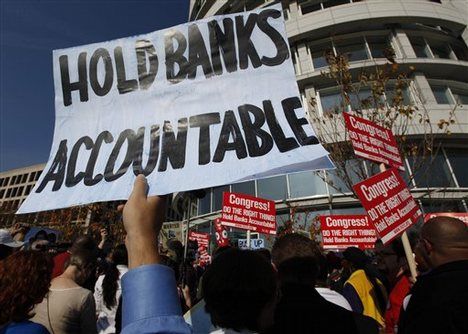










 The Hedge


