CALIFORNIA HOMEOWNER BILL OF RIGHTS
Kamala D. Harris, Attorney General of California
The 2012 California Homeowner Bill of Rights is a legislative package designed to bring fairness, accountability and transparency to the state’s mortgage and foreclosure process.
More than one million California homes were lost to foreclosure between 2008 and 2011—with an additional 500,000 currently in the foreclosure pipeline. Seven of the nation’s 10 hardest-hit cities by foreclosure rate in 2011 were in California.
The California Homeowner Bill of Rights marks the third step in Attorney General Harris’ response to the state’s foreclosure and mortgage crisis. The first step was to create the Mortgage Fraud Strike Force, which has been investigating and prosecuting misconduct at all stages of the mortgage process. The second step was to extract a commitment from the nation’s five largest banks of an estimated $18 billion for California borrowers. The settlement contained thoughtful reforms but are only applicable for three years, and only to loans serviced by the settling banks.
Two key bills contain significant mortgage and foreclosure reforms. AB 278 (Eng/Feuer/Mitchell/Pérez) and SB 900 (Leno/Evans/Corbett/DeSaulnier/Pavley/Steinberg) have been thoroughly considered by a legislative conference committee. The major provisions of the bills include:
Dual track foreclosure ban – The legislation would require a mortgage servicer to render a decision on a loan modification application before advancing the foreclosure process by filing a notice of default or notice of sale, or by conducting a trustee’s sale. The foreclosure process is essentially paused upon the completion of a loan modification application for the duration of the lender’s review of that application.
Single point of contact – The legislation would require a mortgage servicer to designate a “single point of contact” for borrowers who are potentially eligible for a federal or proprietary loan modification application. The single point of contact is an individual or team which must have knowledge of the borrower’s status and foreclosure prevention alternatives, access to decision makers, and the responsibility to coordinate the flow of documentation between borrower and mortgage servicer.
Enforceability – Includes authority for borrowers to seek redress of “material” violations of the legislation. Injunctive relief would be available prior to a foreclosure sale and recovery of damages would be available following a sale.
Verification of documents – The legislation would subject the recording and filing of multiple unverified documents to a civil penalty of up to $7,500 per loan in an action brought by a civil prosecutor. It would also allow enforcement under a violator’s licensing statute by the Department of Corporations, Department of Real Estate or Department of Financial Institutions.
v v v v
The other bills in the California Homeowner Bill of Rights are:
BLIGHT PREVENTION LEGISLATION: AB 2314 (Carter) & SB 1472 (Pavley and DeSaulnier) to help combat the blight and crime associated with foreclosed properties.
v AB 2314: Passed out of Assembly (71-0). It was passed out of Senate Judiciary on June 26 (4-0). It will be heard next on the Senate floor.
v SB 1472: Passed out of Senate (36-0). It passed out of Assembly Housing and Community Development (7-0) on June 27, and will be heard next in Assembly Judiciary Committee on July 3.
TENANT PROTECTION LEGISLATION: AB 2610 (Skinner) and SB 1473 (Hancock) to help protect tenants in foreclosed properties.
v AB 2610: Passed out of Assembly (56-14). It will be heard next in Senate Judiciary on July 3.
v SB 1473: Passed out of Senate (25-13). It passed out the Assembly Housing and Community Development on June 27 (6-1) and will be heard next in Assembly Judiciary on July 3.
ENHANCEMENT OF ATTORNEY GENERAL ENFORCEMENT ACT: AB 1950 (Davis) to strengthen the law enforcement response to mortgage and foreclosure fraud.
v AB 1950: Passed out of Assembly (56-22). It passed out of Senate Banking (5-0) on June 27 and will be heard next in the Senate Judiciary, July 3, 2012.
ATTORNEY GENERAL SPECIAL GRAND JURY ACT: AB 1763 (Davis) and SB 1474 (Hancock) to strengthen prosecutions of complex, multi-jurisdictional fraud and crimes.
v SB 1474: Passed out of Senate (38-0). Passed out of Assembly Public Safety (4-0) and will be heard next in Assembly Appropriations.
v AB 1763: Passed out of Assembly (78-0). Passed out of Senate Public Safety on June 26 (7-0). It will be heard next in Senate Appropriations.
Assembly Bill No. 278
CHAPTER 86
An act to amend and add Sections 2923.5 and 2923.6 of, to amend and
repeal Section 2924 of, to add Sections 2920.5, 2923.4, 2923.7, 2924.17,
and 2924.20 to, to add and repeal Sections 2923.55, 2924.9, 2924.10,
2924.18, and 2924.19 of, and to add, repeal, and add Sections 2924.11,
2924.12, and 2924.15 of, the Civil Code, relating to mortgages.
[Approved by Governor July 11, 2012. Filed with
Secretary of State July 11, 2012.]
legislative counsel’s digest
AB 278, Eng. Mortgages and deeds of trust: foreclosure.
(1) Existing law, until January 1, 2013, requires a mortgagee, trustee,
beneficiary, or authorized agent to contact the borrower prior to filing a
notice of default to explore options for the borrower to avoid foreclosure,
as specified. Existing law requires a notice of default or, in certain
circumstances, a notice of sale, to include a declaration stating that the
mortgagee, trustee, beneficiary, or authorized agent has contacted the
borrower, or has tried with due diligence to contact the borrower, or that no
contact was required for a specified reason.
This bill would add mortgage servicers, as defined, to these provisions
and would extend the operation of these provisions indefinitely, except that
it would delete the requirement with respect to a notice of sale. The bill
would, until January 1, 2018, additionally require the borrower, as defined,
to be provided with specified information in writing prior to recordation of
a notice of default and, in certain circumstances, within 5 business days
after recordation. The bill would prohibit a mortgage servicer, mortgagee,
trustee, beneficiary, or authorized agent from recording a notice of default
or, until January 1, 2018, recording a notice of sale or conducting a trustee’s
sale while a complete first lien loan modification application is pending,
under specified conditions. The bill would, until January 1, 2018, establish
additional procedures to be followed regarding a first lien loan modification
application, the denial of an application, and a borrower’s right to appeal a
denial.
(2) Existing law imposes various requirements that must be satisfied
prior to exercising a power of sale under a mortgage or deed of trust,
including, among other things, recording a notice of default and a notice of
sale.
The bill would, until January 1, 2018, require a written notice to the
borrower after the postponement of a foreclosure sale in order to advise the
borrower of any new sale date and time, as specified. The bill would provide
that an entity shall not record a notice of default or otherwise initiate the
94
foreclosure process unless it is the holder of the beneficial interest under
the deed of trust, the original or substituted trustee, or the designated agent
of the holder of the beneficial interest, as specified.
The bill would prohibit recordation of a notice of default or a notice of
sale or the conduct of a trustee’s sale if a foreclosure prevention alternative
has been approved and certain conditions exist and would, until January 1,
2018, require recordation of a rescission of those notices upon execution of
a permanent foreclosure prevention alternative. The bill would, until January
1, 2018, prohibit the collection of application fees and the collection of late
fees while a foreclosure prevention alternative is being considered, if certain
criteria are met, and would require a subsequent mortgage servicer to honor
any previously approved foreclosure prevention alternative.
The bill would authorize a borrower to seek an injunction and damages
for violations of certain of the provisions described above, except as
specified. The bill would authorize the greater of treble actual damages or
$50,000 in statutory damages if a violation of certain provisions is found
to be intentional or reckless or resulted from willful misconduct, as specified.
The bill would authorize the awarding of attorneys’ fees for prevailing
borrowers, as specified. Violations of these provisions by licensees of the
Department of Corporations, the Department of Financial Institutions, and
the Department of Real Estate would also be violations of those respective
licensing laws. Because a violation of certain of those licensing laws is a
crime, the bill would impose a state-mandated local program.
The bill would provide that the requirements imposed on mortgage
servicers, and mortgagees, trustees, beneficiaries, and authorized agents,
described above are applicable only to mortgages or deeds of trust secured
by residential real property not exceeding 4 dwelling units that is
owner-occupied, as defined, and, until January 1, 2018, only to those entities
who conduct more than 175 foreclosure sales per year or annual reporting
period, except as specified.
The bill would require, upon request from a borrower who requests a
foreclosure prevention alternative, a mortgage servicer who conducts more
than 175 foreclosure sales per year or annual reporting period to establish
a single point of contact and provide the borrower with one or more direct
means of communication with the single point of contact. The bill would
specify various responsibilities of the single point of contact. The bill would
define single point of contact for these purposes.
(3) Existing law prescribes documents that may be recorded or filed in
court.
This bill would require that a specified declaration, notice of default,
notice of sale, deed of trust, assignment of a deed of trust, substitution of
trustee, or declaration or affidavit filed in any court relative to a foreclosure
proceeding or recorded by or on behalf of a mortgage servicer shall be
accurate and complete and supported by competent and reliable evidence.
The bill would require that before recording or filing any of those documents,
a mortgage servicer shall ensure that it has reviewed competent and reliable
evidence to substantiate the borrower’s default and the right to foreclose,
94
Ch. 86 — 2 —
including the borrower’s loan status and loan information. The bill would,
until January 1, 2018, provide that any mortgage servicer that engages in
multiple and repeated violations of these requirements shall be liable for a
civil penalty of up to $7,500 per mortgage or deed of trust, in an action
brought by specified state and local government entities, and would also
authorize administrative enforcement against licensees of the Department
of Corporations, the Department of Financial Institutions, and the Department
of Real Estate.
The bill would authorize the Department of Corporations, the Department
of Financial Institutions, and the Department of Real Estate to adopt
regulations applicable to persons and entities under their respective
jurisdictions for purposes of the provisions described above. The bill would
provide that a violation of those regulations would be enforceable only by
the regulating agency.
(4) The bill would state findings and declarations of the Legislature in
relation to foreclosures in the state generally, and would state the purposes
of the bill.
(5) The California Constitution requires the state to reimburse local
agencies and school districts for certain costs mandated by the state. Statutory
provisions establish procedures for making that reimbursement.
This bill would provide that no reimbursement is required by this act for
a specified reason.
The people of the State of California do enact as follows:
SECTION 1. The Legislature finds and declares all of the following:
(a) California is still reeling from the economic impacts of a wave of
residential property foreclosures that began in 2007. From 2007 to 2011
alone, there were over 900,000 completed foreclosure sales. In 2011, 38 of
the top 100 hardest hit ZIP Codes in the nation were in California, and the
current wave of foreclosures continues apace. All of this foreclosure activity
has adversely affected property values and resulted in less money for schools,
public safety, and other public services. In addition, according to the Urban
Institute, every foreclosure imposes significant costs on local governments,
including an estimated nineteen thousand two hundred twenty-nine dollars
($19,229) in local government costs. And the foreclosure crisis is not over;
there remain more than two million “underwater” mortgages in California.
(b) It is essential to the economic health of this state to mitigate the
negative effects on the state and local economies and the housing market
that are the result of continued foreclosures by modifying the foreclosure
process to ensure that borrowers who may qualify for a foreclosure
alternative are considered for, and have a meaningful opportunity to obtain,
available loss mitigation options. These changes to the state’s foreclosure
process are essential to ensure that the current crisis is not worsened by
unnecessarily adding foreclosed properties to the market when an alternative
to foreclosure may be available. Avoiding foreclosure, where possible, will
94
— 3 — Ch. 86
help stabilize the state’s housing market and avoid the substantial,
corresponding negative effects of foreclosures on families, communities,
and the state and local economy.
(c) This act is necessary to provide stability to California’s statewide and
regional economies and housing market by facilitating opportunities for
borrowers to pursue loss mitigation options.
SEC. 2. Section 2920.5 is added to the Civil Code, to read:
2920.5. For purposes of this article, the following definitions apply:
(a) “Mortgage servicer” means a person or entity who directly services
a loan, or who is responsible for interacting with the borrower, managing
the loan account on a daily basis including collecting and crediting periodic
loan payments, managing any escrow account, or enforcing the note and
security instrument, either as the current owner of the promissory note or
as the current owner’s authorized agent. “Mortgage servicer” also means a
subservicing agent to a master servicer by contract. “Mortgage servicer”
shall not include a trustee, or a trustee’s authorized agent, acting under a
power of sale pursuant to a deed of trust.
(b) “Foreclosure prevention alternative” means a first lien loan
modification or another available loss mitigation option.
(c) (1) Unless otherwise provided and for purposes of Sections 2923.4,
2923.5, 2923.55, 2923.6, 2923.7, 2924.9, 2924.10, 2924.11, 2924.18, and
2924.19, “borrower” means any natural person who is a mortgagor or trustor
and who is potentially eligible for any federal, state, or proprietary
foreclosure prevention alternative program offered by, or through, his or
her mortgage servicer.
(2) For purposes of the sections listed in paragraph (1), “borrower” shall
not include any of the following:
(A) An individual who has surrendered the secured property as evidenced
by either a letter confirming the surrender or delivery of the keys to the
property to the mortgagee, trustee, beneficiary, or authorized agent.
(B) An individual who has contracted with an organization, person, or
entity whose primary business is advising people who have decided to leave
their homes on how to extend the foreclosure process and avoid their
contractual obligations to mortgagees or beneficiaries.
(C) An individual who has filed a case under Chapter 7, 11, 12, or 13 of
Title 11 of the United States Code and the bankruptcy court has not entered
an order closing or dismissing the bankruptcy case, or granting relief from
a stay of foreclosure.
(d) “First lien” means the most senior mortgage or deed of trust on the
property that is the subject of the notice of default or notice of sale.
SEC. 3. Section 2923.4 is added to the Civil Code, to read:
2923.4. (a) The purpose of the act that added this section is to ensure
that, as part of the nonjudicial foreclosure process, borrowers are considered
for, and have a meaningful opportunity to obtain, available loss mitigation
options, if any, offered by or through the borrower’s mortgage servicer,
such as loan modifications or other alternatives to foreclosure. Nothing in
94
Ch. 86 — 4 —
the act that added this section, however, shall be interpreted to require a
particular result of that process.
(b) Nothing in this article obviates or supersedes the obligations of the
signatories to the consent judgment entered in the case entitled United States
of America et al. v. Bank of America Corporation et al., filed in the United
States District Court for the District of Columbia, case number
1:12-cv-00361 RMC.
SEC. 4. Section 2923.5 of the Civil Code is amended to read:
2923.5. (a) (1) A mortgage servicer, mortgagee, trustee, beneficiary,
or authorized agent may not record a notice of default pursuant to Section
2924 until both of the following:
(A) Either 30 days after initial contact is made as required by paragraph
(2) or 30 days after satisfying the due diligence requirements as described
in subdivision (e).
(B) The mortgage servicer complies with paragraph (1) of subdivision
(a) of Section 2924.18, if the borrower has provided a complete application
as defined in subdivision (d) of Section 2924.18.
(2) A mortgage servicer shall contact the borrower in person or by
telephone in order to assess the borrower’s financial situation and explore
options for the borrower to avoid foreclosure. During the initial contact, the
mortgage servicer shall advise the borrower that he or she has the right to
request a subsequent meeting and, if requested, the mortgage servicer shall
schedule the meeting to occur within 14 days. The assessment of the
borrower’s financial situation and discussion of options may occur during
the first contact, or at the subsequent meeting scheduled for that purpose.
In either case, the borrower shall be provided the toll-free telephone number
made available by the United States Department of Housing and Urban
Development (HUD) to find a HUD-certified housing counseling agency.
Any meeting may occur telephonically.
(b) A notice of default recorded pursuant to Section 2924 shall include
a declaration that the mortgage servicer has contacted the borrower, has
tried with due diligence to contact the borrower as required by this section,
or that no contact was required because the individual did not meet the
definition of “borrower” pursuant to subdivision (c) of Section 2920.5.
(c) A mortgage servicer’s loss mitigation personnel may participate by
telephone during any contact required by this section.
(d) A borrower may designate, with consent given in writing, a
HUD-certified housing counseling agency, attorney, or other adviser to
discuss with the mortgage servicer, on the borrower’s behalf, the borrower’s
financial situation and options for the borrower to avoid foreclosure. That
contact made at the direction of the borrower shall satisfy the contact
requirements of paragraph (2) of subdivision (a). Any loan modification or
workout plan offered at the meeting by the mortgage servicer is subject to
approval by the borrower.
(e) A notice of default may be recorded pursuant to Section 2924 when
a mortgage servicer has not contacted a borrower as required by paragraph
(2) of subdivision (a) provided that the failure to contact the borrower
94
— 5 — Ch. 86
occurred despite the due diligence of the mortgage servicer. For purposes
of this section, “due diligence” shall require and mean all of the following:
(1) A mortgage servicer shall first attempt to contact a borrower by
sending a first-class letter that includes the toll-free telephone number made
available by HUD to find a HUD-certified housing counseling agency.
(2) (A) After the letter has been sent, the mortgage servicer shall attempt
to contact the borrower by telephone at least three times at different hours
and on different days. Telephone calls shall be made to the primary telephone
number on file.
(B) A mortgage servicer may attempt to contact a borrower using an
automated system to dial borrowers, provided that, if the telephone call is
answered, the call is connected to a live representative of the mortgage
servicer.
(C) A mortgage servicer satisfies the telephone contact requirements of
this paragraph if it determines, after attempting contact pursuant to this
paragraph, that the borrower’s primary telephone number and secondary
telephone number or numbers on file, if any, have been disconnected.
(3) If the borrower does not respond within two weeks after the telephone
call requirements of paragraph (2) have been satisfied, the mortgage servicer
shall then send a certified letter, with return receipt requested.
(4) The mortgage servicer shall provide a means for the borrower to
contact it in a timely manner, including a toll-free telephone number that
will provide access to a live representative during business hours.
(5) The mortgage servicer has posted a prominent link on the homepage
of its Internet Web site, if any, to the following information:
(A) Options that may be available to borrowers who are unable to afford
their mortgage payments and who wish to avoid foreclosure, and instructions
to borrowers advising them on steps to take to explore those options.
(B) A list of financial documents borrowers should collect and be
prepared to present to the mortgage servicer when discussing options for
avoiding foreclosure.
(C) A toll-free telephone number for borrowers who wish to discuss
options for avoiding foreclosure with their mortgage servicer.
(D) The toll-free telephone number made available by HUD to find a
HUD-certified housing counseling agency.
(f) This section shall apply only to mortgages or deeds of trust described
in Section 2924.15.
(g) This section shall apply only to entities described in subdivision (b)
of Section 2924.18.
(h) This section shall remain in effect only until January 1, 2018, and as
of that date is repealed, unless a later enacted statute, that is enacted before
January 1, 2018, deletes or extends that date.
SEC. 5. Section 2923.5 is added to the Civil Code, to read:
2923.5. (a) (1) A mortgage servicer, mortgagee, trustee, beneficiary,
or authorized agent may not record a notice of default pursuant to Section
2924 until both of the following:
94
Ch. 86 — 6 —
(A) Either 30 days after initial contact is made as required by paragraph
(2) or 30 days after satisfying the due diligence requirements as described
in subdivision (e).
(B) The mortgage servicer complies with subdivision (a) of Section
2924.11, if the borrower has provided a complete application as defined in
subdivision (f) of Section 2924.11.
(2) A mortgage servicer shall contact the borrower in person or by
telephone in order to assess the borrower’s financial situation and explore
options for the borrower to avoid foreclosure. During the initial contact, the
mortgage servicer shall advise the borrower that he or she has the right to
request a subsequent meeting and, if requested, the mortgage servicer shall
schedule the meeting to occur within 14 days. The assessment of the
borrower’s financial situation and discussion of options may occur during
the first contact, or at the subsequent meeting scheduled for that purpose.
In either case, the borrower shall be provided the toll-free telephone number
made available by the United States Department of Housing and Urban
Development (HUD) to find a HUD-certified housing counseling agency.
Any meeting may occur telephonically.
(b) A notice of default recorded pursuant to Section 2924 shall include
a declaration that the mortgage servicer has contacted the borrower, has
tried with due diligence to contact the borrower as required by this section,
or that no contact was required because the individual did not meet the
definition of “borrower” pursuant to subdivision (c) of Section 2920.5.
(c) A mortgage servicer’s loss mitigation personnel may participate by
telephone during any contact required by this section.
(d) A borrower may designate, with consent given in writing, a
HUD-certified housing counseling agency, attorney, or other adviser to
discuss with the mortgage servicer, on the borrower’s behalf, the borrower’s
financial situation and options for the borrower to avoid foreclosure. That
contact made at the direction of the borrower shall satisfy the contact
requirements of paragraph (2) of subdivision (a). Any loan modification or
workout plan offered at the meeting by the mortgage servicer is subject to
approval by the borrower.
(e) A notice of default may be recorded pursuant to Section 2924 when
a mortgage servicer has not contacted a borrower as required by paragraph
(2) of subdivision (a) provided that the failure to contact the borrower
occurred despite the due diligence of the mortgage servicer. For purposes
of this section, “due diligence” shall require and mean all of the following:
(1) A mortgage servicer shall first attempt to contact a borrower by
sending a first-class letter that includes the toll-free telephone number made
available by HUD to find a HUD-certified housing counseling agency.
(2) (A) After the letter has been sent, the mortgage servicer shall attempt
to contact the borrower by telephone at least three times at different hours
and on different days. Telephone calls shall be made to the primary telephone
number on file.
(B) A mortgage servicer may attempt to contact a borrower using an
automated system to dial borrowers, provided that, if the telephone call is
94
— 7 — Ch. 86
answered, the call is connected to a live representative of the mortgage
servicer.
(C) A mortgage servicer satisfies the telephone contact requirements of
this paragraph if it determines, after attempting contact pursuant to this
paragraph, that the borrower’s primary telephone number and secondary
telephone number or numbers on file, if any, have been disconnected.
(3) If the borrower does not respond within two weeks after the telephone
call requirements of paragraph (2) have been satisfied, the mortgage servicer
shall then send a certified letter, with return receipt requested.
(4) The mortgage servicer shall provide a means for the borrower to
contact it in a timely manner, including a toll-free telephone number that
will provide access to a live representative during business hours.
(5) The mortgage servicer has posted a prominent link on the homepage
of its Internet Web site, if any, to the following information:
(A) Options that may be available to borrowers who are unable to afford
their mortgage payments and who wish to avoid foreclosure, and instructions
to borrowers advising them on steps to take to explore those options.
(B) A list of financial documents borrowers should collect and be
prepared to present to the mortgage servicer when discussing options for
avoiding foreclosure.
(C) A toll-free telephone number for borrowers who wish to discuss
options for avoiding foreclosure with their mortgage servicer.
(D) The toll-free telephone number made available by HUD to find a
HUD-certified housing counseling agency.
(f) This section shall apply only to mortgages or deeds of trust described
in Section 2924.15.
(g) This section shall become operative on January 1, 2018.
SEC. 6. Section 2923.55 is added to the Civil Code, to read:
2923.55. (a) A mortgage servicer, mortgagee, trustee, beneficiary, or
authorized agent may not record a notice of default pursuant to Section 2924
until all of the following:
(1) The mortgage servicer has satisfied the requirements of paragraph
(1) of subdivision (b).
(2) Either 30 days after initial contact is made as required by paragraph
(2) of subdivision (b) or 30 days after satisfying the due diligence
requirements as described in subdivision (f).
(3) The mortgage servicer complies with subdivision (c) of Section
2923.6, if the borrower has provided a complete application as defined in
subdivision (h) of Section 2923.6.
(b) (1) As specified in subdivision (a), a mortgage servicer shall send
the following information in writing to the borrower:
(A) A statement that if the borrower is a servicemember or a dependent
of a servicemember, he or she may be entitled to certain protections under
the federal Servicemembers Civil Relief Act (50 U.S.C. Sec. 501 et seq.)
regarding the servicemember’s interest rate and the risk of foreclosure, and
counseling for covered servicemembers that is available at agencies such
as Military OneSource and Armed Forces Legal Assistance.
94
Ch. 86 — 8 —
(B) A statement that the borrower may request the following:
(i) A copy of the borrower’s promissory note or other evidence of
indebtedness.
(ii) A copy of the borrower’s deed of trust or mortgage.
(iii) A copy of any assignment, if applicable, of the borrower’s mortgage
or deed of trust required to demonstrate the right of the mortgage servicer
to foreclose.
(iv) A copy of the borrower’s payment history since the borrower was
last less than 60 days past due.
(2) A mortgage servicer shall contact the borrower in person or by
telephone in order to assess the borrower’s financial situation and explore
options for the borrower to avoid foreclosure. During the initial contact, the
mortgage servicer shall advise the borrower that he or she has the right to
request a subsequent meeting and, if requested, the mortgage servicer shall
schedule the meeting to occur within 14 days. The assessment of the
borrower’s financial situation and discussion of options may occur during
the first contact, or at the subsequent meeting scheduled for that purpose.
In either case, the borrower shall be provided the toll-free telephone number
made available by the United States Department of Housing and Urban
Development (HUD) to find a HUD-certified housing counseling agency.
Any meeting may occur telephonically.
(c) A notice of default recorded pursuant to Section 2924 shall include
a declaration that the mortgage servicer has contacted the borrower, has
tried with due diligence to contact the borrower as required by this section,
or that no contact was required because the individual did not meet the
definition of “borrower” pursuant to subdivision (c) of Section 2920.5.
(d) A mortgage servicer’s loss mitigation personnel may participate by
telephone during any contact required by this section.
(e) A borrower may designate, with consent given in writing, a
HUD-certified housing counseling agency, attorney, or other adviser to
discuss with the mortgage servicer, on the borrower’s behalf, the borrower’s
financial situation and options for the borrower to avoid foreclosure. That
contact made at the direction of the borrower shall satisfy the contact
requirements of paragraph (2) of subdivision (b). Any foreclosure prevention
alternative offered at the meeting by the mortgage servicer is subject to
approval by the borrower.
(f) A notice of default may be recorded pursuant to Section 2924 when
a mortgage servicer has not contacted a borrower as required by paragraph
(2) of subdivision (b), provided that the failure to contact the borrower
occurred despite the due diligence of the mortgage servicer. For purposes
of this section, “due diligence” shall require and mean all of the following:
(1) A mortgage servicer shall first attempt to contact a borrower by
sending a first-class letter that includes the toll-free telephone number made
available by HUD to find a HUD-certified housing counseling agency.
(2) (A) After the letter has been sent, the mortgage servicer shall attempt
to contact the borrower by telephone at least three times at different hours
94
— 9 — Ch. 86
and on different days. Telephone calls shall be made to the primary telephone
number on file.
(B) A mortgage servicer may attempt to contact a borrower using an
automated system to dial borrowers, provided that, if the telephone call is
answered, the call is connected to a live representative of the mortgage
servicer.
(C) A mortgage servicer satisfies the telephone contact requirements of
this paragraph if it determines, after attempting contact pursuant to this
paragraph, that the borrower’s primary telephone number and secondary
telephone number or numbers on file, if any, have been disconnected.
(3) If the borrower does not respond within two weeks after the telephone
call requirements of paragraph (2) have been satisfied, the mortgage servicer
shall then send a certified letter, with return receipt requested, that includes
the toll-free telephone number made available by HUD to find a
HUD-certified housing counseling agency.
(4) The mortgage servicer shall provide a means for the borrower to
contact it in a timely manner, including a toll-free telephone number that
will provide access to a live representative during business hours.
(5) The mortgage servicer has posted a prominent link on the homepage
of its Internet Web site, if any, to the following information:
(A) Options that may be available to borrowers who are unable to afford
their mortgage payments and who wish to avoid foreclosure, and instructions
to borrowers advising them on steps to take to explore those options.
(B) A list of financial documents borrowers should collect and be
prepared to present to the mortgage servicer when discussing options for
avoiding foreclosure.
(C) A toll-free telephone number for borrowers who wish to discuss
options for avoiding foreclosure with their mortgage servicer.
(D) The toll-free telephone number made available by HUD to find a
HUD-certified housing counseling agency.
(g) This section shall not apply to entities described in subdivision (b)
of Section 2924.18.
(h) This section shall apply only to mortgages or deeds of trust described
in Section 2924.15.
(i) This section shall remain in effect only until January 1, 2018, and as
of that date is repealed, unless a later enacted statute, that is enacted before
January 1, 2018, deletes or extends that date.
SEC. 7. Section 2923.6 of the Civil Code is amended to read:
2923.6. (a) The Legislature finds and declares that any duty that
mortgage servicers may have to maximize net present value under their
pooling and servicing agreements is owed to all parties in a loan pool, or to
all investors under a pooling and servicing agreement, not to any particular
party in the loan pool or investor under a pooling and servicing agreement,
and that a mortgage servicer acts in the best interests of all parties to the
loan pool or investors in the pooling and servicing agreement if it agrees to
or implements a loan modification or workout plan for which both of the
following apply:
94
Ch. 86 — 10 —
(1) The loan is in payment default, or payment default is reasonably
foreseeable.
(2) Anticipated recovery under the loan modification or workout plan
exceeds the anticipated recovery through foreclosure on a net present value
basis.
(b) It is the intent of the Legislature that the mortgage servicer offer the
borrower a loan modification or workout plan if such a modification or plan
is consistent with its contractual or other authority.
(c) If a borrower submits a complete application for a first lien loan
modification offered by, or through, the borrower’s mortgage servicer, a
mortgage servicer, mortgagee, trustee, beneficiary, or authorized agent shall
not record a notice of default or notice of sale, or conduct a trustee’s sale,
while the complete first lien loan modification application is pending. A
mortgage servicer, mortgagee, trustee, beneficiary, or authorized agent shall
not record a notice of default or notice of sale or conduct a trustee’s sale
until any of the following occurs:
(1) The mortgage servicer makes a written determination that the borrower
is not eligible for a first lien loan modification, and any appeal period
pursuant to subdivision (d) has expired.
(2) The borrower does not accept an offered first lien loan modification
within 14 days of the offer.
(3) The borrower accepts a written first lien loan modification, but
defaults on, or otherwise breaches the borrower’s obligations under, the
first lien loan modification.
(d) If the borrower’s application for a first lien loan modification is
denied, the borrower shall have at least 30 days from the date of the written
denial to appeal the denial and to provide evidence that the mortgage
servicer’s determination was in error.
(e) If the borrower’s application for a first lien loan modification is
denied, the mortgage servicer, mortgagee, trustee, beneficiary, or authorized
agent shall not record a notice of default or, if a notice of default has already
been recorded, record a notice of sale or conduct a trustee’s sale until the
later of:
(1) Thirty-one days after the borrower is notified in writing of the denial.
(2) If the borrower appeals the denial pursuant to subdivision (d), the
later of 15 days after the denial of the appeal or 14 days after a first lien
loan modification is offered after appeal but declined by the borrower, or,
if a first lien loan modification is offered and accepted after appeal, the date
on which the borrower fails to timely submit the first payment or otherwise
breaches the terms of the offer.
(f) Following the denial of a first lien loan modification application, the
mortgage servicer shall send a written notice to the borrower identifying
the reasons for denial, including the following:
(1) The amount of time from the date of the denial letter in which the
borrower may request an appeal of the denial of the first lien loan
modification and instructions regarding how to appeal the denial.
94
— 11 — Ch. 86
(2) If the denial was based on investor disallowance, the specific reasons
for the investor disallowance.
(3) If the denial is the result of a net present value calculation, the monthly
gross income and property value used to calculate the net present value and
a statement that the borrower may obtain all of the inputs used in the net
present value calculation upon written request to the mortgage servicer.
(4) If applicable, a finding that the borrower was previously offered a
first lien loan modification and failed to successfully make payments under
the terms of the modified loan.
(5) If applicable, a description of other foreclosure prevention alternatives
for which the borrower may be eligible, and a list of the steps the borrower
must take in order to be considered for those options. If the mortgage servicer
has already approved the borrower for another foreclosure prevention
alternative, information necessary to complete the foreclosure prevention
alternative.
(g) In order to minimize the risk of borrowers submitting multiple
applications for first lien loan modifications for the purpose of delay, the
mortgage servicer shall not be obligated to evaluate applications from
borrowers who have already been evaluated or afforded a fair opportunity
to be evaluated for a first lien loan modification prior to January 1, 2013,
or who have been evaluated or afforded a fair opportunity to be evaluated
consistent with the requirements of this section, unless there has been a
material change in the borrower’s financial circumstances since the date of
the borrower’s previous application and that change is documented by the
borrower and submitted to the mortgage servicer.
(h) For purposes of this section, an application shall be deemed
“complete” when a borrower has supplied the mortgage servicer with all
documents required by the mortgage servicer within the reasonable
timeframes specified by the mortgage servicer.
(i) Subdivisions (c) to (h), inclusive, shall not apply to entities described
in subdivision (b) of Section 2924.18.
(j) This section shall apply only to mortgages or deeds of trust described
in Section 2924.15.
(k) This section shall remain in effect only until January 1, 2018, and
as of that date is repealed, unless a later enacted statute, that is enacted
before January 1, 2018, deletes or extends that date.
SEC. 8. Section 2923.6 is added to the Civil Code, to read:
2923.6. (a) The Legislature finds and declares that any duty mortgage
servicers may have to maximize net present value under their pooling and
servicing agreements is owed to all parties in a loan pool, or to all investors
under a pooling and servicing agreement, not to any particular party in the
loan pool or investor under a pooling and servicing agreement, and that a
mortgage servicer acts in the best interests of all parties to the loan pool or
investors in the pooling and servicing agreement if it agrees to or implements
a loan modification or workout plan for which both of the following apply:
(1) The loan is in payment default, or payment default is reasonably
foreseeable.
94
Ch. 86 — 12 —
(2) Anticipated recovery under the loan modification or workout plan
exceeds the anticipated recovery through foreclosure on a net present value
basis.
(b) It is the intent of the Legislature that the mortgage servicer offer the
borrower a loan modification or workout plan if such a modification or plan
is consistent with its contractual or other authority.
(c) This section shall become operative on January 1, 2018.
SEC. 9. Section 2923.7 is added to the Civil Code, to read:
2923.7. (a) Upon request from a borrower who requests a foreclosure
prevention alternative, the mortgage servicer shall promptly establish a
single point of contact and provide to the borrower one or more direct means
of communication with the single point of contact.
(b) The single point of contact shall be responsible for doing all of the
following:
(1) Communicating the process by which a borrower may apply for an
available foreclosure prevention alternative and the deadline for any required
submissions to be considered for these options.
(2) Coordinating receipt of all documents associated with available
foreclosure prevention alternatives and notifying the borrower of any missing
documents necessary to complete the application.
(3) Having access to current information and personnel sufficient to
timely, accurately, and adequately inform the borrower of the current status
of the foreclosure prevention alternative.
(4) Ensuring that a borrower is considered for all foreclosure prevention
alternatives offered by, or through, the mortgage servicer, if any.
(5) Having access to individuals with the ability and authority to stop
foreclosure proceedings when necessary.
(c) The single point of contact shall remain assigned to the borrower’s
account until the mortgage servicer determines that all loss mitigation options
offered by, or through, the mortgage servicer have been exhausted or the
borrower’s account becomes current.
(d) The mortgage servicer shall ensure that a single point of contact refers
and transfers a borrower to an appropriate supervisor upon request of the
borrower, if the single point of contact has a supervisor.
(e) For purposes of this section, “single point of contact” means an
individual or team of personnel each of whom has the ability and authority
to perform the responsibilities described in subdivisions (b) to (d), inclusive.
The mortgage servicer shall ensure that each member of the team is
knowledgeable about the borrower’s situation and current status in the
alternatives to foreclosure process.
(f) This section shall apply only to mortgages or deeds of trust described
in Section 2924.15.
(g) (1) This section shall not apply to a depository institution chartered
under state or federal law, a person licensed pursuant to Division 9
(commencing with Section 22000) or Division 20 (commencing with Section
50000) of the Financial Code, or a person licensed pursuant to Part 1
(commencing with Section 10000) of Division 4 of the Business and
94
— 13 — Ch. 86
Professions Code, that, during its immediately preceding annual reporting
period, as established with its primary regulator, foreclosed on 175 or fewer
residential real properties, containing no more than four dwelling units, that
are located in California.
(2) Within three months after the close of any calendar year or annual
reporting period as established with its primary regulator during which an
entity or person described in paragraph (1) exceeds the threshold of 175
specified in paragraph (1), that entity shall notify its primary regulator, in
a manner acceptable to its primary regulator, and any mortgagor or trustor
who is delinquent on a residential mortgage loan serviced by that entity of
the date on which that entity will be subject to this section, which date shall
be the first day of the first month that is six months after the close of the
calendar year or annual reporting period during which that entity exceeded
the threshold.
SEC. 10. Section 2924 of the Civil Code, as amended by Section 1 of
Chapter 180 of the Statutes of 2010, is amended to read:
2924. (a) Every transfer of an interest in property, other than in trust,
made only as a security for the performance of another act, is to be deemed
a mortgage, except when in the case of personal property it is accompanied
by actual change of possession, in which case it is to be deemed a pledge.
Where, by a mortgage created after July 27, 1917, of any estate in real
property, other than an estate at will or for years, less than two, or in any
transfer in trust made after July 27, 1917, of a like estate to secure the
performance of an obligation, a power of sale is conferred upon the
mortgagee, trustee, or any other person, to be exercised after a breach of
the obligation for which that mortgage or transfer is a security, the power
shall not be exercised except where the mortgage or transfer is made pursuant
to an order, judgment, or decree of a court of record, or to secure the payment
of bonds or other evidences of indebtedness authorized or permitted to be
issued by the Commissioner of Corporations, or is made by a public utility
subject to the provisions of the Public Utilities Act, until all of the following
apply:
(1) The trustee, mortgagee, or beneficiary, or any of their authorized
agents shall first file for record, in the office of the recorder of each county
wherein the mortgaged or trust property or some part or parcel thereof is
situated, a notice of default. That notice of default shall include all of the
following:
(A) A statement identifying the mortgage or deed of trust by stating the
name or names of the trustor or trustors and giving the book and page, or
instrument number, if applicable, where the mortgage or deed of trust is
recorded or a description of the mortgaged or trust property.
(B) A statement that a breach of the obligation for which the mortgage
or transfer in trust is security has occurred.
(C) A statement setting forth the nature of each breach actually known
to the beneficiary and of his or her election to sell or cause to be sold the
property to satisfy that obligation and any other obligation secured by the
deed of trust or mortgage that is in default.
94
Ch. 86 — 14 —
(D) If the default is curable pursuant to Section 2924c, the statement
specified in paragraph (1) of subdivision (b) of Section 2924c.
(2) Not less than three months shall elapse from the filing of the notice
of default.
(3) Except as provided in paragraph (4), after the lapse of the three months
described in paragraph (2), the mortgagee, trustee, or other person authorized
to take the sale shall give notice of sale, stating the time and place thereof,
in the manner and for a time not less than that set forth in Section 2924f.
(4) Notwithstanding paragraph (3), the mortgagee, trustee, or other person
authorized to take sale may record a notice of sale pursuant to Section 2924f
up to five days before the lapse of the three-month period described in
paragraph (2), provided that the date of sale is no earlier than three months
and 20 days after the recording of the notice of default.
(5) Until January 1, 2018, whenever a sale is postponed for a period of
at least 10 business days pursuant to Section 2924g, a mortgagee, beneficiary,
or authorized agent shall provide written notice to a borrower regarding the
new sale date and time, within five business days following the
postponement. Information provided pursuant to this paragraph shall not
constitute the public declaration required by subdivision (d) of Section
2924g. Failure to comply with this paragraph shall not invalidate any sale
that would otherwise be valid under Section 2924f. This paragraph shall be
inoperative on January 1, 2018.
(6) No entity shall record or cause a notice of default to be recorded or
otherwise initiate the foreclosure process unless it is the holder of the
beneficial interest under the mortgage or deed of trust, the original trustee
or the substituted trustee under the deed of trust, or the designated agent of
the holder of the beneficial interest. No agent of the holder of the beneficial
interest under the mortgage or deed of trust, original trustee or substituted
trustee under the deed of trust may record a notice of default or otherwise
commence the foreclosure process except when acting within the scope of
authority designated by the holder of the beneficial interest.
(b) In performing acts required by this article, the trustee shall incur no
liability for any good faith error resulting from reliance on information
provided in good faith by the beneficiary regarding the nature and the amount
of the default under the secured obligation, deed of trust, or mortgage. In
performing the acts required by this article, a trustee shall not be subject to
Title 1.6c (commencing with Section 1788) of Part 4.
(c) A recital in the deed executed pursuant to the power of sale of
compliance with all requirements of law regarding the mailing of copies of
notices or the publication of a copy of the notice of default or the personal
delivery of the copy of the notice of default or the posting of copies of the
notice of sale or the publication of a copy thereof shall constitute prima
facie evidence of compliance with these requirements and conclusive
evidence thereof in favor of bona fide purchasers and encumbrancers for
value and without notice.
(d) All of the following shall constitute privileged communications
pursuant to Section 47:
94
— 15 — Ch. 86
(1) The mailing, publication, and delivery of notices as required by this
section.
(2) Performance of the procedures set forth in this article.
(3) Performance of the functions and procedures set forth in this article
if those functions and procedures are necessary to carry out the duties
described in Sections 729.040, 729.050, and 729.080 of the Code of Civil
Procedure.
(e) There is a rebuttable presumption that the beneficiary actually knew
of all unpaid loan payments on the obligation owed to the beneficiary and
secured by the deed of trust or mortgage subject to the notice of default.
However, the failure to include an actually known default shall not invalidate
the notice of sale and the beneficiary shall not be precluded from asserting
a claim to this omitted default or defaults in a separate notice of default.
SEC. 11. Section 2924 of the Civil Code, as amended by Section 2 of
Chapter 180 of the Statutes of 2010, is repealed.
SEC. 12. Section 2924.9 is added to the Civil Code, to read:
2924.9. (a) Unless a borrower has previously exhausted the first lien
loan modification process offered by, or through, his or her mortgage servicer
described in Section 2923.6, within five business days after recording a
notice of default pursuant to Section 2924, a mortgage servicer that offers
one or more foreclosure prevention alternatives shall send a written
communication to the borrower that includes all of the following information:
(1) That the borrower may be evaluated for a foreclosure prevention
alternative or, if applicable, foreclosure prevention alternatives.
(2) Whether an application is required to be submitted by the borrower
in order to be considered for a foreclosure prevention alternative.
(3) The means and process by which a borrower may obtain an application
for a foreclosure prevention alternative.
(b) This section shall not apply to entities described in subdivision (b)
of Section 2924.18.
(c) This section shall apply only to mortgages or deeds of trust described
in Section 2924.15.
(d) This section shall remain in effect only until January 1, 2018, and
as of that date is repealed, unless a later enacted statute, that is enacted
before January 1, 2018, deletes or extends that date.
SEC. 13. Section 2924.10 is added to the Civil Code, to read:
2924.10. (a) When a borrower submits a complete first lien modification
application or any document in connection with a first lien modification
application, the mortgage servicer shall provide written acknowledgment
of the receipt of the documentation within five business days of receipt. In
its initial acknowledgment of receipt of the loan modification application,
the mortgage servicer shall include the following information:
(1) A description of the loan modification process, including an estimate
of when a decision on the loan modification will be made after a complete
application has been submitted by the borrower and the length of time the
borrower will have to consider an offer of a loan modification or other
foreclosure prevention alternative.
94
Ch. 86 — 16 —
(2) Any deadlines, including deadlines to submit missing documentation,
that would affect the processing of a first lien loan modification application.
(3) Any expiration dates for submitted documents.
(4) Any deficiency in the borrower’s first lien loan modification
application.
(b) For purposes of this section, a borrower’s first lien loan modification
application shall be deemed to be “complete” when a borrower has supplied
the mortgage servicer with all documents required by the mortgage servicer
within the reasonable timeframes specified by the mortgage servicer.
(c) This section shall not apply to entities described in subdivision (b)
of Section 2924.18.
(d) This section shall apply only to mortgages or deeds of trust described
in Section 2924.15.
(e) This section shall remain in effect only until January 1, 2018, and
as of that date is repealed, unless a later enacted statute, that is enacted
before January 1, 2018, deletes or extends that date.
SEC. 14. Section 2924.11 is added to the Civil Code, to read:
2924.11. (a) If a foreclosure prevention alternative is approved in writing
prior to the recordation of a notice of default, a mortgage servicer, mortgagee,
trustee, beneficiary, or authorized agent shall not record a notice of default
under either of the following circumstances:
(1) The borrower is in compliance with the terms of a written trial or
permanent loan modification, forbearance, or repayment plan.
(2) A foreclosure prevention alternative has been approved in writing by
all parties, including, for example, the first lien investor, junior lienholder,
and mortgage insurer, as applicable, and proof of funds or financing has
been provided to the servicer.
(b) If a foreclosure prevention alternative is approved in writing after
the recordation of a notice of default, a mortgage servicer, mortgagee, trustee,
beneficiary, or authorized agent shall not record a notice of sale or conduct
a trustee’s sale under either of the following circumstances:
(1) The borrower is in compliance with the terms of a written trial or
permanent loan modification, forbearance, or repayment plan.
(2) A foreclosure prevention alternative has been approved in writing by
all parties, including, for example, the first lien investor, junior lienholder,
and mortgage insurer, as applicable, and proof of funds or financing has
been provided to the servicer.
(c) When a borrower accepts an offered first lien loan modification or
other foreclosure prevention alternative, the mortgage servicer shall provide
the borrower with a copy of the fully executed loan modification agreement
or agreement evidencing the foreclosure prevention alternative following
receipt of the executed copy from the borrower.
(d) A mortgagee, beneficiary, or authorized agent shall record a rescission
of a notice of default or cancel a pending trustee’s sale, if applicable, upon
the borrower executing a permanent foreclosure prevention alternative. In
the case of a short sale, the rescission or cancellation of the pending trustee’s
sale shall occur when the short sale has been approved by all parties and
94
— 17 — Ch. 86
proof of funds or financing has been provided to the mortgagee, beneficiary,
or authorized agent.
(e) The mortgage servicer shall not charge any application, processing,
or other fee for a first lien loan modification or other foreclosure prevention
alternative.
(f) The mortgage servicer shall not collect any late fees for periods during
which a complete first lien loan modification application is under
consideration or a denial is being appealed, the borrower is making timely
modification payments, or a foreclosure prevention alternative is being
evaluated or exercised.
(g) If a borrower has been approved in writing for a first lien loan
modification or other foreclosure prevention alternative, and the servicing
of that borrower’s loan is transferred or sold to another mortgage servicer,
the subsequent mortgage servicer shall continue to honor any previously
approved first lien loan modification or other foreclosure prevention
alternative, in accordance with the provisions of the act that added this
section.
(h) This section shall apply only to mortgages or deeds of trust described
in Section 2924.15.
(i) This section shall not apply to entities described in subdivision (b) of
Section 2924.18.
(j) This section shall remain in effect only until January 1, 2018, and as
of that date is repealed, unless a later enacted statute, that is enacted before
January 1, 2018, deletes or extends that date.
SEC. 15. Section 2924.11 is added to the Civil Code, to read:
2924.11. (a) If a borrower submits a complete application for a
foreclosure prevention alternative offered by, or through, the borrower’s
mortgage servicer, a mortgage servicer, trustee, mortgagee, beneficiary, or
authorized agent shall not record a notice of sale or conduct a trustee’s sale
while the complete foreclosure prevention alternative application is pending,
and until the borrower has been provided with a written determination by
the mortgage servicer regarding that borrower’s eligibility for the requested
foreclosure prevention alternative.
(b) Following the denial of a first lien loan modification application, the
mortgage servicer shall send a written notice to the borrower identifying
with specificity the reasons for the denial and shall include a statement that
the borrower may obtain additional documentation supporting the denial
decision upon written request to the mortgage servicer.
(c) If a foreclosure prevention alternative is approved in writing prior to
the recordation of a notice of default, a mortgage servicer, mortgagee, trustee,
beneficiary, or authorized agent shall not record a notice of default under
either of the following circumstances:
(1) The borrower is in compliance with the terms of a written trial or
permanent loan modification, forbearance, or repayment plan.
(2) A foreclosure prevention alternative has been approved in writing by
all parties, including, for example, the first lien investor, junior lienholder,
94
Ch. 86 — 18 —
and mortgage insurer, as applicable, and proof of funds or financing has
been provided to the servicer.
(d) If a foreclosure prevention alternative is approved in writing after
the recordation of a notice of default, a mortgage servicer, mortgagee, trustee,
beneficiary, or authorized agent shall not record a notice of sale or conduct
a trustee’s sale under either of the following circumstances:
(1) The borrower is in compliance with the terms of a written trial or
permanent loan modification, forbearance, or repayment plan.
(2) A foreclosure prevention alternative has been approved in writing by
all parties, including, for example, the first lien investor, junior lienholder,
and mortgage insurer, as applicable, and proof of funds or financing has
been provided to the servicer.
(e) This section applies only to mortgages or deeds of trust as described
in Section 2924.15.
(f) For purposes of this section, an application shall be deemed “complete”
when a borrower has supplied the mortgage servicer with all documents
required by the mortgage servicer within the reasonable timeframes specified
by the mortgage servicer.
(g) This section shall become operative on January 1, 2018.
SEC. 16. Section 2924.12 is added to the Civil Code, to read:
2924.12. (a) (1) If a trustee’s deed upon sale has not been recorded, a
borrower may bring an action for injunctive relief to enjoin a material
violation of Section 2923.55, 2923.6, 2923.7, 2924.9, 2924.10, 2924.11, or
2924.17.
(2) Any injunction shall remain in place and any trustee’s sale shall be
enjoined until the court determines that the mortgage servicer, mortgagee,
trustee, beneficiary, or authorized agent has corrected and remedied the
violation or violations giving rise to the action for injunctive relief. An
enjoined entity may move to dissolve an injunction based on a showing that
the material violation has been corrected and remedied.
(b) After a trustee’s deed upon sale has been recorded, a mortgage
servicer, mortgagee, trustee, beneficiary, or authorized agent shall be liable
to a borrower for actual economic damages pursuant to Section 3281,
resulting from a material violation of Section 2923.55, 2923.6, 2923.7,
2924.9, 2924.10, 2924.11, or 2924.17 by that mortgage servicer, mortgagee,
trustee, beneficiary, or authorized agent where the violation was not corrected
and remedied prior to the recordation of the trustee’s deed upon sale. If the
court finds that the material violation was intentional or reckless, or resulted
from willful misconduct by a mortgage servicer, mortgagee, trustee,
beneficiary, or authorized agent, the court may award the borrower the
greater of treble actual damages or statutory damages of fifty thousand
dollars ($50,000).
(c) A mortgage servicer, mortgagee, trustee, beneficiary, or authorized
agent shall not be liable for any violation that it has corrected and remedied
prior to the recordation of a trustee’s deed upon sale, or that has been
corrected and remedied by third parties working on its behalf prior to the
recordation of a trustee’s deed upon sale.
94
— 19 — Ch. 86
(d) A violation of Section 2923.55, 2923.6, 2923.7, 2924.9, 2924.10,
2924.11, or 2924.17 by a person licensed by the Department of Corporations,
Department of Financial Institutions, or Department of Real Estate shall be
deemed to be a violation of that person’s licensing law.
(e) No violation of this article shall affect the validity of a sale in favor
of a bona fide purchaser and any of its encumbrancers for value without
notice.
(f) A third-party encumbrancer shall not be relieved of liability resulting
from violations of Section 2923.55, 2923.6, 2923.7, 2924.9, 2924.10,
2924.11, or 2924.17 committed by that third-party encumbrancer, that
occurred prior to the sale of the subject property to the bona fide purchaser.
(g) A signatory to a consent judgment entered in the case entitled United
States of America et al. v. Bank of America Corporation et al., filed in the
United States District Court for the District of Columbia, case number
1:12-cv-00361 RMC, that is in compliance with the relevant terms of the
Settlement Term Sheet of that consent judgment with respect to the borrower
who brought an action pursuant to this section while the consent judgment
is in effect shall have no liability for a violation of Section 2923.55, 2923.6,
2923.7, 2924.9, 2924.10, 2924.11, or 2924.17.
(h) The rights, remedies, and procedures provided by this section are in
addition to and independent of any other rights, remedies, or procedures
under any other law. Nothing in this section shall be construed to alter, limit,
or negate any other rights, remedies, or procedures provided by law.
(i) A court may award a prevailing borrower reasonable attorney’s fees
and costs in an action brought pursuant to this section. A borrower shall be
deemed to have prevailed for purposes of this subdivision if the borrower
obtained injunctive relief or was awarded damages pursuant to this section.
(j) This section shall not apply to entities described in subdivision (b) of
Section 2924.18.
(k) This section shall remain in effect only until January 1, 2018, and
as of that date is repealed, unless a later enacted statute, that is enacted
before January 1, 2018, deletes or extends that date.
SEC. 17. Section 2924.12 is added to the Civil Code, to read:
2924.12. (a) (1) If a trustee’s deed upon sale has not been recorded, a
borrower may bring an action for injunctive relief to enjoin a material
violation of Section 2923.5, 2923.7, 2924.11, or 2924.17.
(2) Any injunction shall remain in place and any trustee’s sale shall be
enjoined until the court determines that the mortgage servicer, mortgagee,
trustee, beneficiary, or authorized agent has corrected and remedied the
violation or violations giving rise to the action for injunctive relief. An
enjoined entity may move to dissolve an injunction based on a showing that
the material violation has been corrected and remedied.
(b) After a trustee’s deed upon sale has been recorded, a mortgage
servicer, mortgagee, trustee, beneficiary, or authorized agent shall be liable
to a borrower for actual economic damages pursuant to Section 3281,
resulting from a material violation of Section 2923.5, 2923.7, 2924.11, or
2924.17 by that mortgage servicer, mortgagee, trustee, beneficiary, or
94
Ch. 86 — 20 —
authorized agent where the violation was not corrected and remedied prior
to the recordation of the trustee’s deed upon sale. If the court finds that the
material violation was intentional or reckless, or resulted from willful
misconduct by a mortgage servicer, mortgagee, trustee, beneficiary, or
authorized agent, the court may award the borrower the greater of treble
actual damages or statutory damages of fifty thousand dollars ($50,000).
(c) A mortgage servicer, mortgagee, trustee, beneficiary, or authorized
agent shall not be liable for any violation that it has corrected and remedied
prior to the recordation of the trustee’s deed upon sale, or that has been
corrected and remedied by third parties working on its behalf prior to the
recordation of the trustee’s deed upon sale.
(d) A violation of Section 2923.5, 2923.7, 2924.11, or 2924.17 by a
person licensed by the Department of Corporations, Department of Financial
Institutions, or Department of Real Estate shall be deemed to be a violation
of that person’s licensing law.
(e) No violation of this article shall affect the validity of a sale in favor
of a bona fide purchaser and any of its encumbrancers for value without
notice.
(f) A third-party encumbrancer shall not be relieved of liability resulting
from violations of Section 2923.5, 2923.7, 2924.11, or 2924.17 committed
by that third-party encumbrancer, that occurred prior to the sale of the subject
property to the bona fide purchaser.
(g) The rights, remedies, and procedures provided by this section are in
addition to and independent of any other rights, remedies, or procedures
under any other law. Nothing in this section shall be construed to alter, limit,
or negate any other rights, remedies, or procedures provided by law.
(h) A court may award a prevailing borrower reasonable attorney’s fees
and costs in an action brought pursuant to this section. A borrower shall be
deemed to have prevailed for purposes of this subdivision if the borrower
obtained injunctive relief or was awarded damages pursuant to this section.
(i) This section shall become operative on January 1, 2018.
SEC. 18. Section 2924.15 is added to the Civil Code, to read:
2924.15. (a) Unless otherwise provided, paragraph (5) of subdivision
(a) of Section 2924, and Sections 2923.5, 2923.55, 2923.6, 2923.7, 2924.9,
2924.10, 2924.11, and 2924.18 shall apply only to first lien mortgages or
deeds of trust that are secured by owner-occupied residential real property
containing no more than four dwelling units. For these purposes,
“owner-occupied” means that the property is the principal residence of the
borrower and is security for a loan made for personal, family, or household
purposes.
(b) This section shall remain in effect only until January 1, 2018, and
as of that date is repealed, unless a later enacted statute, that is enacted
before January 1, 2018, deletes or extends that date.
SEC. 19. Section 2924.15 is added to the Civil Code, to read:
2924.15. (a) Unless otherwise provided, Sections 2923.5, 2923.7, and
2924.11 shall apply only to first lien mortgages or deeds of trust that are
secured by owner-occupied residential real property containing no more
94
— 21 — Ch. 86
than four dwelling units. For these purposes, “owner-occupied” means that
the property is the principal residence of the borrower and is security for a
loan made for personal, family, or household purposes.
(b) This section shall become operative on January 1, 2018.
SEC. 20. Section 2924.17 is added to the Civil Code, to read:
2924.17. (a) A declaration recorded pursuant to Section 2923.5 or, until
January 1, 2018, pursuant to Section 2923.55, a notice of default, notice of
sale, assignment of a deed of trust, or substitution of trustee recorded by or
on behalf of a mortgage servicer in connection with a foreclosure subject
to the requirements of Section 2924, or a declaration or affidavit filed in
any court relative to a foreclosure proceeding shall be accurate and complete
and supported by competent and reliable evidence.
(b) Before recording or filing any of the documents described in
subdivision (a), a mortgage servicer shall ensure that it has reviewed
competent and reliable evidence to substantiate the borrower’s default and
the right to foreclose, including the borrower’s loan status and loan
information.
(c) Until January 1, 2018, any mortgage servicer that engages in multiple
and repeated uncorrected violations of subdivision (b) in recording
documents or filing documents in any court relative to a foreclosure
proceeding shall be liable for a civil penalty of up to seven thousand five
hundred dollars ($7,500) per mortgage or deed of trust in an action brought
by a government entity identified in Section 17204 of the Business and
Professions Code, or in an administrative proceeding brought by the
Department of Corporations, the Department of Real Estate, or the
Department of Financial Institutions against a respective licensee, in addition
to any other remedies available to these entities. This subdivision shall be
inoperative on January 1, 2018.
SEC. 21. Section 2924.18 is added to the Civil Code, to read:
2924.18. (a) (1) If a borrower submits a complete application for a first
lien loan modification offered by, or through, the borrower’s mortgage
servicer, a mortgage servicer, trustee, mortgagee, beneficiary, or authorized
agent shall not record a notice of default, notice of sale, or conduct a trustee’s
sale while the complete first lien loan modification application is pending,
and until the borrower has been provided with a written determination by
the mortgage servicer regarding that borrower’s eligibility for the requested
loan modification.
(2) If a foreclosure prevention alternative has been approved in writing
prior to the recordation of a notice of default, a mortgage servicer, mortgagee,
trustee, beneficiary, or authorized agent shall not record a notice of default
under either of the following circumstances:
(A) The borrower is in compliance with the terms of a written trial or
permanent loan modification, forbearance, or repayment plan.
(B) A foreclosure prevention alternative has been approved in writing
by all parties, including, for example, the first lien investor, junior lienholder,
and mortgage insurer, as applicable, and proof of funds or financing has
been provided to the servicer.
94
Ch. 86 — 22 —
(3) If a foreclosure prevention alternative is approved in writing after
the recordation of a notice of default, a mortgage servicer, mortgagee, trustee,
beneficiary, or authorized agent shall not record a notice of sale or conduct
a trustee’s sale under either of the following circumstances:
(A) The borrower is in compliance with the terms of a written trial or
permanent loan modification, forbearance, or repayment plan.
(B) A foreclosure prevention alternative has been approved in writing
by all parties, including, for example, the first lien investor, junior lienholder,
and mortgage insurer, as applicable, and proof of funds or financing has
been provided to the servicer.
(b) This section shall apply only to a depository institution chartered
under state or federal law, a person licensed pursuant to Division 9
(commencing with Section 22000) or Division 20 (commencing with Section
50000) of the Financial Code, or a person licensed pursuant to Part 1
(commencing with Section 10000) of Division 4 of the Business and
Professions Code, that, during its immediately preceding annual reporting
period, as established with its primary regulator, foreclosed on 175 or fewer
residential real properties, containing no more than four dwelling units, that
are located in California.
(c) Within three months after the close of any calendar year or annual
reporting period as established with its primary regulator during which an
entity or person described in subdivision (b) exceeds the threshold of 175
specified in subdivision (b), that entity shall notify its primary regulator, in
a manner acceptable to its primary regulator, and any mortgagor or trustor
who is delinquent on a residential mortgage loan serviced by that entity of
the date on which that entity will be subject to Sections 2923.55, 2923.6,
2923.7, 2924.9, 2924.10, 2924.11, and 2924.12, which date shall be the first
day of the first month that is six months after the close of the calendar year
or annual reporting period during which that entity exceeded the threshold.
(d) For purposes of this section, an application shall be deemed
“complete” when a borrower has supplied the mortgage servicer with all
documents required by the mortgage servicer within the reasonable
timeframes specified by the mortgage servicer.
(e) If a borrower has been approved in writing for a first lien loan
modification or other foreclosure prevention alternative, and the servicing
of the borrower’s loan is transferred or sold to another mortgage servicer,
the subsequent mortgage servicer shall continue to honor any previously
approved first lien loan modification or other foreclosure prevention
alternative, in accordance with the provisions of the act that added this
section.
(f) This section shall apply only to mortgages or deeds of trust described
in Section 2924.15.
(g) This section shall remain in effect only until January 1, 2018, and
as of that date is repealed, unless a later enacted statute, that is enacted
before January 1, 2018, deletes or extends that date.
SEC. 22. Section 2924.19 is added to the Civil Code, to read:
94
— 23 — Ch. 86
2924.19. (a) (1) If a trustee’s deed upon sale has not been recorded, a
borrower may bring an action for injunctive relief to enjoin a material
violation of Section 2923.5, 2924.17, or 2924.18.
(2) Any injunction shall remain in place and any trustee’s sale shall be
enjoined until the court determines that the mortgage servicer, mortgagee,
beneficiary, or authorized agent has corrected and remedied the violation
or violations giving rise to the action for injunctive relief. An enjoined entity
may move to dissolve an injunction based on a showing that the material
violation has been corrected and remedied.
(b) After a trustee’s deed upon sale has been recorded, a mortgage
servicer, mortgagee, beneficiary, or authorized agent shall be liable to a
borrower for actual economic damages pursuant to Section 3281, resulting
from a material violation of Section 2923.5, 2924.17, or 2924.18 by that
mortgage servicer, mortgagee, beneficiary, or authorized agent where the
violation was not corrected and remedied prior to the recordation of the
trustee’s deed upon sale. If the court finds that the material violation was
intentional or reckless, or resulted from willful misconduct by a mortgage
servicer, mortgagee, beneficiary, or authorized agent, the court may award
the borrower the greater of treble actual damages or statutory damages of
fifty thousand dollars ($50,000).
(c) A mortgage servicer, mortgagee, beneficiary, or authorized agent
shall not be liable for any violation that it has corrected and remedied prior
to the recordation of the trustee’s deed upon sale, or that has been corrected
and remedied by third parties working on its behalf prior to the recordation
of the trustee’s deed upon sale.
(d) A violation of Section 2923.5, 2924.17, or 2917.18 by a person
licensed by the Department of Corporations, the Department of Financial
Institutions, or the Department of Real Estate shall be deemed to be a
violation of that person’s licensing law.
(e) No violation of this article shall affect the validity of a sale in favor
of a bona fide purchaser and any of its encumbrancers for value without
notice.
(f) A third-party encumbrancer shall not be relieved of liability resulting
from violations of Section 2923.5, 2924.17 or 2924.18, committed by that
third-party encumbrancer, that occurred prior to the sale of the subject
property to the bona fide purchaser.
(g) The rights, remedies, and procedures provided by this section are in
addition to and independent of any other rights, remedies, or procedures
under any other law. Nothing in this section shall be construed to alter, limit,
or negate any other rights, remedies, or procedures provided by law.
(h) A court may award a prevailing borrower reasonable attorney’s fees
and costs in an action brought pursuant to this section. A borrower shall be
deemed to have prevailed for purposes of this subdivision if the borrower
obtained injunctive relief or damages pursuant to this section.
(i) This section shall apply only to entities described in subdivision (b)
of Section 2924.18.
94
Ch. 86 — 24 —
(j) This section shall remain in effect only until January 1, 2018, and as
of that date is repealed, unless a later enacted statute, that is enacted before
January 1, 2018, deletes or extends that date.
SEC. 23. Section 2924.20 is added to the Civil Code, to read:
2924.20. Consistent with their general regulatory authority, and
notwithstanding subdivisions (b) and (c) of Section 2924.18, the Department
of Corporations, the Department of Financial Institutions, and the Department
of Real Estate may adopt regulations applicable to any entity or person
under their respective jurisdictions that are necessary to carry out the
purposes of the act that added this section. A violation of the regulations
adopted pursuant to this section shall only be enforceable by the regulatory
agency.
SEC. 24. The provisions of this act are severable. If any provision of
this act or its application is held invalid, that invalidity shall not affect other
provisions or applications that can be given effect without the invalid
provision or application.
SEC. 25. No reimbursement is required by this act pursuant to Section
6 of Article XIII B of the California Constitution because the only costs that
may be incurred by a local agency or school district will be incurred because
this act creates a new crime or infraction, eliminates a crime or infraction,
or changes the penalty for a crime or infraction, within the meaning of
Section 17556 of the Government Code, or changes the definition of a crime
within the meaning of Section 6 of Article XIII B of the California
Constitution.
Senate Bill No. 900
CHAPTER 87
An act to amend and add Sections 2923.5 and 2923.6 of, to amend and
repeal Section 2924 of, to add Sections 2920.5, 2923.4, 2923.7, 2924.17,
and 2924.20 to, to add and repeal Sections 2923.55, 2924.9, 2924.10,
2924.18, and 2924.19 of, and to add, repeal, and add Sections 2924.11,
2924.12, and 2924.15 of, the Civil Code, relating to mortgages.
[Approved by Governor July 11, 2012. Filed with
Secretary of State July 11, 2012.]
legislative counsel’s digest
SB 900, Leno. Mortgages and deeds of trust: foreclosure.
(1) Existing law, until January 1, 2013, requires a mortgagee, trustee,
beneficiary, or authorized agent to contact the borrower prior to filing a
notice of default to explore options for the borrower to avoid foreclosure,
as specified. Existing law requires a notice of default or, in certain
circumstances, a notice of sale, to include a declaration stating that the
mortgagee, trustee, beneficiary, or authorized agent has contacted the
borrower, has tried with due diligence to contact the borrower, or that no
contact was required for a specified reason.
This bill would add mortgage servicers, as defined, to these provisions
and would extend the operation of these provisions indefinitely, except that
it would delete the requirement with respect to a notice of sale. The bill
would, until January 1, 2018, additionally require the borrower, as defined,
to be provided with specified information in writing prior to recordation of
a notice of default and, in certain circumstances, within 5 business days
after recordation. The bill would prohibit a mortgage servicer, mortgagee,
trustee, beneficiary, or authorized agent from recording a notice of default
or, until January 1, 2018, recording a notice of sale or conducting a trustee’s
sale while a complete first lien loan modification application is pending,
under specified conditions. The bill would, until January 1, 2018, establish
additional procedures to be followed regarding a first lien loan modification
application, the denial of an application, and a borrower’s right to appeal a
denial.
(2) Existing law imposes various requirements that must be satisfied
prior to exercising a power of sale under a mortgage or deed of trust,
including, among other things, recording a notice of default and a notice of
sale.
The bill would, until January 1, 2018, require a written notice to the
borrower after the postponement of a foreclosure sale in order to advise the
borrower of any new sale date and time, as specified. The bill would provide
that an entity shall not record a notice of default or otherwise initiate the
93
foreclosure process unless it is the holder of the beneficial interest under
the deed of trust, the original or substituted trustee, or the designated agent
of the holder of the beneficial interest, as specified.
The bill would prohibit recordation of a notice of default or a notice of
sale or the conduct of a trustee’s sale if a foreclosure prevention alternative
has been approved and certain conditions exist and would, until January 1,
2018, require recordation of a rescission of those notices upon execution of
a permanent foreclosure prevention alternative. The bill would until January
1, 2018, prohibit the collection of application fees and the collection of late
fees while a foreclosure prevention alternative is being considered, if certain
criteria are met, and would require a subsequent mortgage servicer to honor
any previously approved foreclosure prevention alternative.
The bill would authorize a borrower to seek an injunction and damages
for violations of certain of the provisions described above, except as
specified. The bill would authorize the greater of treble actual damages or
$50,000 in statutory damages if a violation of certain provisions is found
to be intentional or reckless or resulted from willful misconduct, as specified.
The bill would authorize the awarding of attorneys’ fees for prevailing
borrowers, as specified. Violations of these provisions by licensees of the
Department of Corporations, the Department of Financial Institutions, and
the Department of Real Estate would also be violations of those respective
licensing laws. Because a violation of certain of those licensing laws is a
crime, the bill would impose a state-mandated local program.
The bill would provide that the requirements imposed on mortgage
servicers, and mortgagees, trustees, beneficiaries, and authorized agents,
described above are applicable only to mortgages or deeds of trust secured
by residential real property not exceeding 4 dwelling units that is
owner-occupied, as defined, and, until January 1, 2018, only to those entities
who conduct more than 175 foreclosure sales per year or annual reporting
period, except as specified.
The bill would require, upon request from a borrower who requests a
foreclosure prevention alternative, a mortgage servicer who conducts more
than 175 foreclosure sales per year or annual reporting period to establish
a single point of contact and provide the borrower with one or more direct
means of communication with the single point of contact. The bill would
specify various responsibilities of the single point of contact. The bill would
define single point of contact for these purposes.
(3) Existing law prescribes documents that may be recorded or filed in
court.
This bill would require that a specified declaration, notice of default,
notice of sale, deed of trust, assignment of a deed of trust, substitution of
trustee, or declaration or affidavit filed in any court relative to a foreclosure
proceeding or recorded by or on behalf of a mortgage servicer shall be
accurate and complete and supported by competent and reliable evidence.
The bill would require that, before recording or filing any of those
documents, a mortgage servicer shall ensure that it has reviewed competent
and reliable evidence to substantiate the borrower’s default and the right to
93
Ch. 87 — 2 —
foreclose, including the borrower’s loan status and loan information. The
bill would, until January 1, 2018, provide that any mortgage servicer that
engages in multiple and repeated violations of these requirements shall be
liable for a civil penalty of up to $7,500 per mortgage or deed of trust, in
an action brought by specified state and local government entities, and would
also authorize administrative enforcement against licensees of the
Department of Corporations, the Department of Financial Institutions, and
the Department of Real Estate.
The bill would authorize the Department of Corporations, the Department
of Financial Institutions, and the Department of Real Estate to adopt
regulations applicable to persons and entities under their respective
jurisdictions for purposes of the provisions described above. The bill would
provide that a violation of those regulations would be enforceable only by
the regulating agency.
(4) The bill would state findings and declarations of the Legislature in
relation to foreclosures in the state generally, and would state the purposes
of the bill.
(5) The California Constitution requires the state to reimburse local
agencies and school districts for certain costs mandated by the state. Statutory
provisions establish procedures for making that reimbursement.
This bill would provide that no reimbursement is required by this act for
a specified reason.
The people of the State of California do enact as follows:
SECTION 1. The Legislature finds and declares all of the following:
(a) California is still reeling from the economic impacts of a wave of
residential property foreclosures that began in 2007. From 2007 to 2011
alone, there were over 900,000 completed foreclosure sales. In 2011, 38 of
the top 100 hardest hit ZIP Codes in the nation were in California, and the
current wave of foreclosures continues apace. All of this foreclosure activity
has adversely affected property values and resulted in less money for schools,
public safety, and other public services. In addition, according to the Urban
Institute, every foreclosure imposes significant costs on local governments,
including an estimated nineteen thousand two hundred twenty-nine dollars
($19,229) in local government costs. And the foreclosure crisis is not over;
there remain more than two million “underwater” mortgages in California.
(b) It is essential to the economic health of this state to mitigate the
negative effects on the state and local economies and the housing market
that are the result of continued foreclosures by modifying the foreclosure
process to ensure that borrowers who may qualify for a foreclosure
alternative are considered for, and have a meaningful opportunity to obtain,
available loss mitigation options. These changes to the state’s foreclosure
process are essential to ensure that the current crisis is not worsened by
unnecessarily adding foreclosed properties to the market when an alternative
to foreclosure may be available. Avoiding foreclosure, where possible, will
93
— 3 — Ch. 87
help stabilize the state’s housing market and avoid the substantial,
corresponding negative effects of foreclosures on families, communities,
and the state and local economy.
(c) This act is necessary to provide stability to California’s statewide and
regional economies and housing market by facilitating opportunities for
borrowers to pursue loss mitigation options.
SEC. 2. Section 2920.5 is added to the Civil Code, to read:
2920.5. For purposes of this article, the following definitions apply:
(a) “Mortgage servicer” means a person or entity who directly services
a loan, or who is responsible for interacting with the borrower, managing
the loan account on a daily basis including collecting and crediting periodic
loan payments, managing any escrow account, or enforcing the note and
security instrument, either as the current owner of the promissory note or
as the current owner’s authorized agent. “Mortgage servicer” also means a
subservicing agent to a master servicer by contract. “Mortgage servicer”
shall not include a trustee, or a trustee’s authorized agent, acting under a
power of sale pursuant to a deed of trust.
(b) “Foreclosure prevention alternative” means a first lien loan
modification or another available loss mitigation option.
(c) (1) Unless otherwise provided and for purposes of Sections 2923.4,
2923.5, 2923.55, 2923.6, 2923.7, 2924.9, 2924.10, 2924.11, 2924.18, and
2924.19, “borrower” means any natural person who is a mortgagor or trustor
and who is potentially eligible for any federal, state, or proprietary
foreclosure prevention alternative program offered by, or through, his or
her mortgage servicer.
(2) For purposes of the sections listed in paragraph (1), “borrower” shall
not include any of the following:
(A) An individual who has surrendered the secured property as evidenced
by either a letter confirming the surrender or delivery of the keys to the
property to the mortgagee, trustee, beneficiary, or authorized agent.
(B) An individual who has contracted with an organization, person, or
entity whose primary business is advising people who have decided to leave
their homes on how to extend the foreclosure process and avoid their
contractual obligations to mortgagees or beneficiaries.
(C) An individual who has filed a case under Chapter 7, 11, 12, or 13 of
Title 11 of the United States Code and the bankruptcy court has not entered
an order closing or dismissing the bankruptcy case, or granting relief from
a stay of foreclosure.
(d) “First lien” means the most senior mortgage or deed of trust on the
property that is the subject of the notice of default or notice of sale.
SEC. 3. Section 2923.4 is added to the Civil Code, to read:
2923.4. (a) The purpose of the act that added this section is to ensure
that, as part of the nonjudicial foreclosure process, borrowers are considered
for, and have a meaningful opportunity to obtain, available loss mitigation
options, if any, offered by or through the borrower’s mortgage servicer,
such as loan modifications or other alternatives to foreclosure. Nothing in
93
Ch. 87 — 4 —
the act that added this section, however, shall be interpreted to require a
particular result of that process.
(b) Nothing in this article obviates or supersedes the obligations of the
signatories to the consent judgment entered in the case entitled United States
of America et al. v. Bank of America Corporation et al., filed in the United
States District Court for the District of Columbia, case number
1:12-cv-00361 RMC.
SEC. 4. Section 2923.5 of the Civil Code is amended to read:
2923.5. (a) (1) A mortgage servicer, mortgagee, trustee, beneficiary,
or authorized agent may not record a notice of default pursuant to Section
2924 until both of the following:
(A) Either 30 days after initial contact is made as required by paragraph
(2) or 30 days after satisfying the due diligence requirements as described
in subdivision (e).
(B) The mortgage servicer complies with paragraph (1) of subdivision
(a) of Section 2924.18, if the borrower has provided a complete application
as defined in subdivision (d) of Section 2924.18.
(2) A mortgage servicer shall contact the borrower in person or by
telephone in order to assess the borrower’s financial situation and explore
options for the borrower to avoid foreclosure. During the initial contact, the
mortgage servicer shall advise the borrower that he or she has the right to
request a subsequent meeting and, if requested, the mortgage servicer shall
schedule the meeting to occur within 14 days. The assessment of the
borrower’s financial situation and discussion of options may occur during
the first contact, or at the subsequent meeting scheduled for that purpose.
In either case, the borrower shall be provided the toll-free telephone number
made available by the United States Department of Housing and Urban
Development (HUD) to find a HUD-certified housing counseling agency.
Any meeting may occur telephonically.
(b) A notice of default recorded pursuant to Section 2924 shall include
a declaration that the mortgage servicer has contacted the borrower, has
tried with due diligence to contact the borrower as required by this section,
or that no contact was required because the individual did not meet the
definition of “borrower” pursuant to subdivision (c) of Section 2920.5.
(c) A mortgage servicer’s loss mitigation personnel may participate by
telephone during any contact required by this section.
(d) A borrower may designate, with consent given in writing, a
HUD-certified housing counseling agency, attorney, or other advisor to
discuss with the mortgage servicer, on the borrower’s behalf, the borrower’s
financial situation and options for the borrower to avoid foreclosure. That
contact made at the direction of the borrower shall satisfy the contact
requirements of paragraph (2) of subdivision (a). Any loan modification or
workout plan offered at the meeting by the mortgage servicer is subject to
approval by the borrower.
(e) A notice of default may be recorded pursuant to Section 2924 when
a mortgage servicer has not contacted a borrower as required by paragraph
(2) of subdivision (a) provided that the failure to contact the borrower
93
— 5 — Ch. 87
occurred despite the due diligence of the mortgage servicer. For purposes
of this section, “due diligence” shall require and mean all of the following:
(1) A mortgage servicer shall first attempt to contact a borrower by
sending a first-class letter that includes the toll-free telephone number made
available by HUD to find a HUD-certified housing counseling agency.
(2) (A) After the letter has been sent, the mortgage servicer shall attempt
to contact the borrower by telephone at least three times at different hours
and on different days. Telephone calls shall be made to the primary telephone
number on file.
(B) A mortgage servicer may attempt to contact a borrower using an
automated system to dial borrowers, provided that, if the telephone call is
answered, the call is connected to a live representative of the mortgage
servicer.
(C) A mortgage servicer satisfies the telephone contact requirements of
this paragraph if it determines, after attempting contact pursuant to this
paragraph, that the borrower’s primary telephone number and secondary
telephone number or numbers on file, if any, have been disconnected.
(3) If the borrower does not respond within two weeks after the telephone
call requirements of paragraph (2) have been satisfied, the mortgage servicer
shall then send a certified letter, with return receipt requested.
(4) The mortgage servicer shall provide a means for the borrower to
contact it in a timely manner, including a toll-free telephone number that
will provide access to a live representative during business hours.
(5) The mortgage servicer has posted a prominent link on the homepage
of its Internet Web site, if any, to the following information:
(A) Options that may be available to borrowers who are unable to afford
their mortgage payments and who wish to avoid foreclosure, and instructions
to borrowers advising them on steps to take to explore those options.
(B) A list of financial documents borrowers should collect and be
prepared to present to the mortgage servicer when discussing options for
avoiding foreclosure.
(C) A toll-free telephone number for borrowers who wish to discuss
options for avoiding foreclosure with their mortgage servicer.
(D) The toll-free telephone number made available by HUD to find a
HUD-certified housing counseling agency.
(f) This section shall apply only to mortgages or deeds of trust described
in Section 2924.15.
(g) This section shall apply only to entities described in subdivision (b)
of Section 2924.18.
(h) This section shall remain in effect only until January 1, 2018, and as
of that date is repealed, unless a later enacted statute, that is enacted before
January 1, 2018, deletes or extends that date.
SEC. 5. Section 2923.5 is added to the Civil Code, to read:
2923.5. (a) (1) A mortgage servicer, mortgagee, trustee, beneficiary,
or authorized agent may not record a notice of default pursuant to Section
2924 until both of the following:
93
Ch. 87 — 6 —
(A) Either 30 days after initial contact is made as required by paragraph
(2) or 30 days after satisfying the due diligence requirements as described
in subdivision (e).
(B) The mortgage servicer complies with subdivision (a) of Section
2924.11, if the borrower has provided a complete application as defined in
subdivision (f) of Section 2924.11.
(2) A mortgage servicer shall contact the borrower in person or by
telephone in order to assess the borrower’s financial situation and explore
options for the borrower to avoid foreclosure. During the initial contact, the
mortgage servicer shall advise the borrower that he or she has the right to
request a subsequent meeting and, if requested, the mortgage servicer shall
schedule the meeting to occur within 14 days. The assessment of the
borrower’s financial situation and discussion of options may occur during
the first contact, or at the subsequent meeting scheduled for that purpose.
In either case, the borrower shall be provided the toll-free telephone number
made available by the United States Department of Housing and Urban
Development (HUD) to find a HUD-certified housing counseling agency.
Any meeting may occur telephonically.
(b) A notice of default recorded pursuant to Section 2924 shall include
a declaration that the mortgage servicer has contacted the borrower, has
tried with due diligence to contact the borrower as required by this section,
or that no contact was required because the individual did not meet the
definition of “borrower” pursuant to subdivision (c) of Section 2920.5.
(c) A mortgage servicer’s loss mitigation personnel may participate by
telephone during any contact required by this section.
(d) A borrower may designate, with consent given in writing, a
HUD-certified housing counseling agency, attorney, or other advisor to
discuss with the mortgage servicer, on the borrower’s behalf, the borrower’s
financial situation and options for the borrower to avoid foreclosure. That
contact made at the direction of the borrower shall satisfy the contact
requirements of paragraph (2) of subdivision (a). Any loan modification or
workout plan offered at the meeting by the mortgage servicer is subject to
approval by the borrower.
(e) A notice of default may be recorded pursuant to Section 2924 when
a mortgage servicer has not contacted a borrower as required by paragraph
(2) of subdivision (a) provided that the failure to contact the borrower
occurred despite the due diligence of the mortgage servicer. For purposes
of this section, “due diligence” shall require and mean all of the following:
(1) A mortgage servicer shall first attempt to contact a borrower by
sending a first-class letter that includes the toll-free telephone number made
available by HUD to find a HUD-certified housing counseling agency.
(2) (A) After the letter has been sent, the mortgage servicer shall attempt
to contact the borrower by telephone at least three times at different hours
and on different days. Telephone calls shall be made to the primary telephone
number on file.
(B) A mortgage servicer may attempt to contact a borrower using an
automated system to dial borrowers, provided that, if the telephone call is
93
— 7 — Ch. 87
answered, the call is connected to a live representative of the mortgage
servicer.
(C) A mortgage servicer satisfies the telephone contact requirements of
this paragraph if it determines, after attempting contact pursuant to this
paragraph, that the borrower’s primary telephone number and secondary
telephone number or numbers on file, if any, have been disconnected.
(3) If the borrower does not respond within two weeks after the telephone
call requirements of paragraph (2) have been satisfied, the mortgage servicer
shall then send a certified letter, with return receipt requested.
(4) The mortgage servicer shall provide a means for the borrower to
contact it in a timely manner, including a toll-free telephone number that
will provide access to a live representative during business hours.
(5) The mortgage servicer has posted a prominent link on the homepage
of its Internet Web site, if any, to the following information:
(A) Options that may be available to borrowers who are unable to afford
their mortgage payments and who wish to avoid foreclosure, and instructions
to borrowers advising them on steps to take to explore those options.
(B) A list of financial documents borrowers should collect and be
prepared to present to the mortgage servicer when discussing options for
avoiding foreclosure.
(C) A toll-free telephone number for borrowers who wish to discuss
options for avoiding foreclosure with their mortgage servicer.
(D) The toll-free telephone number made available by HUD to find a
HUD-certified housing counseling agency.
(f) This section shall apply only to mortgages or deeds of trust described
in Section 2924.15.
(g) This section shall become operative on January 1, 2018.
SEC. 6. Section 2923.55 is added to the Civil Code, to read:
2923.55. (a) A mortgage servicer, mortgagee, trustee, beneficiary, or
authorized agent may not record a notice of default pursuant to Section 2924
until all of the following:
(1) The mortgage servicer has satisfied the requirements of paragraph
(1) of subdivision (b).
(2) Either 30 days after initial contact is made as required by paragraph
(2) of subdivision (b) or 30 days after satisfying the due diligence
requirements as described in subdivision (f).
(3) The mortgage servicer complies with subdivision (c) of Section
2923.6, if the borrower has provided a complete application as defined in
subdivision (h) of Section 2923.6.
(b) (1) As specified in subdivision (a), a mortgage servicer shall send
the following information in writing to the borrower:
(A) A statement that if the borrower is a servicemember or a dependent
of a servicemember, he or she may be entitled to certain protections under
the federal Servicemembers Civil Relief Act (50 U.S.C. Sec. 501 et seq.)
regarding the servicemember’s interest rate and the risk of foreclosure, and
counseling for covered servicemembers that is available at agencies such
as Military OneSource and Armed Forces Legal Assistance.
93
Ch. 87 — 8 —
(B) A statement that the borrower may request the following:
(i) A copy of the borrower’s promissory note or other evidence of
indebtedness.
(ii) A copy of the borrower’s deed of trust or mortgage.
(iii) A copy of any assignment, if applicable, of the borrower’s mortgage
or deed of trust required to demonstrate the right of the mortgage servicer
to foreclose.
(iv) A copy of the borrower’s payment history since the borrower was
last less than 60 days past due.
(2) A mortgage servicer shall contact the borrower in person or by
telephone in order to assess the borrower’s financial situation and explore
options for the borrower to avoid foreclosure. During the initial contact, the
mortgage servicer shall advise the borrower that he or she has the right to
request a subsequent meeting and, if requested, the mortgage servicer shall
schedule the meeting to occur within 14 days. The assessment of the
borrower’s financial situation and discussion of options may occur during
the first contact, or at the subsequent meeting scheduled for that purpose.
In either case, the borrower shall be provided the toll-free telephone number
made available by the United States Department of Housing and Urban
Development (HUD) to find a HUD-certified housing counseling agency.
Any meeting may occur telephonically.
(c) A notice of default recorded pursuant to Section 2924 shall include
a declaration that the mortgage servicer has contacted the borrower, has
tried with due diligence to contact the borrower as required by this section,
or that no contact was required because the individual did not meet the
definition of “borrower” pursuant to subdivision (c) of Section 2920.5.
(d) A mortgage servicer’s loss mitigation personnel may participate by
telephone during any contact required by this section.
(e) A borrower may designate, with consent given in writing, a
HUD-certified housing counseling agency, attorney, or other advisor to
discuss with the mortgage servicer, on the borrower’s behalf, the borrower’s
financial situation and options for the borrower to avoid foreclosure. That
contact made at the direction of the borrower shall satisfy the contact
requirements of paragraph (2) of subdivision (b). Any foreclosure prevention
alternative offered at the meeting by the mortgage servicer is subject to
approval by the borrower.
(f) A notice of default may be recorded pursuant to Section 2924 when
a mortgage servicer has not contacted a borrower as required by paragraph
(2) of subdivision (b), provided that the failure to contact the borrower
occurred despite the due diligence of the mortgage servicer. For purposes
of this section, “due diligence” shall require and mean all of the following:
(1) A mortgage servicer shall first attempt to contact a borrower by
sending a first-class letter that includes the toll-free telephone number made
available by HUD to find a HUD-certified housing counseling agency.
(2) (A) After the letter has been sent, the mortgage servicer shall attempt
to contact the borrower by telephone at least three times at different hours
93
— 9 — Ch. 87
and on different days. Telephone calls shall be made to the primary telephone
number on file.
(B) A mortgage servicer may attempt to contact a borrower using an
automated system to dial borrowers, provided that, if the telephone call is
answered, the call is connected to a live representative of the mortgage
servicer.
(C) A mortgage servicer satisfies the telephone contact requirements of
this paragraph if it determines, after attempting contact pursuant to this
paragraph, that the borrower’s primary telephone number and secondary
telephone number or numbers on file, if any, have been disconnected.
(3) If the borrower does not respond within two weeks after the telephone
call requirements of paragraph (2) have been satisfied, the mortgage servicer
shall then send a certified letter, with return receipt requested, that includes
the toll-free telephone number made available by HUD to find a
HUD-certified housing counseling agency.
(4) The mortgage servicer shall provide a means for the borrower to
contact it in a timely manner, including a toll-free telephone number that
will provide access to a live representative during business hours.
(5) The mortgage servicer has posted a prominent link on the homepage
of its Internet Web site, if any, to the following information:
(A) Options that may be available to borrowers who are unable to afford
their mortgage payments and who wish to avoid foreclosure, and instructions
to borrowers advising them on steps to take to explore those options.
(B) A list of financial documents borrowers should collect and be
prepared to present to the mortgage servicer when discussing options for
avoiding foreclosure.
(C) A toll-free telephone number for borrowers who wish to discuss
options for avoiding foreclosure with their mortgage servicer.
(D) The toll-free telephone number made available by HUD to find a
HUD-certified housing counseling agency.
(g) This section shall not apply to entities described in subdivision (b)
of Section 2924.18.
(h) This section shall apply only to mortgages or deeds of trust described
in Section 2924.15.
(i) This section shall remain in effect only until January 1, 2018, and as
of that date is repealed, unless a later enacted statute, that is enacted before
January 1, 2018, deletes or extends that date.
SEC. 7. Section 2923.6 of the Civil Code is amended to read:
2923.6. (a) The Legislature finds and declares that any duty that
mortgage servicers may have to maximize net present value under their
pooling and servicing agreements is owed to all parties in a loan pool, or to
all investors under a pooling and servicing agreement, not to any particular
party in the loan pool or investor under a pooling and servicing agreement,
and that a mortgage servicer acts in the best interests of all parties to the
loan pool or investors in the pooling and servicing agreement if it agrees to
or implements a loan modification or workout plan for which both of the
following apply:
93
Ch. 87 — 10 —
(1) The loan is in payment default, or payment default is reasonably
foreseeable.
(2) Anticipated recovery under the loan modification or workout plan
exceeds the anticipated recovery through foreclosure on a net present value
basis.
(b) It is the intent of the Legislature that the mortgage servicer offer the
borrower a loan modification or workout plan if such a modification or plan
is consistent with its contractual or other authority.
(c) If a borrower submits a complete application for a first lien loan
modification offered by, or through, the borrower’s mortgage servicer, a
mortgage servicer, mortgagee, trustee, beneficiary, or authorized agent shall
not record a notice of default or notice of sale, or conduct a trustee’s sale,
while the complete first lien loan modification application is pending. A
mortgage servicer, mortgagee, trustee, beneficiary, or authorized agent shall
not record a notice of default or notice of sale or conduct a trustee’s sale
until any of the following occurs:
(1) The mortgage servicer makes a written determination that the borrower
is not eligible for a first lien loan modification, and any appeal period
pursuant to subdivision (d) has expired.
(2) The borrower does not accept an offered first lien loan modification
within 14 days of the offer.
(3) The borrower accepts a written first lien loan modification, but
defaults on, or otherwise breaches the borrower’s obligations under, the
first lien loan modification.
(d) If the borrower’s application for a first lien loan modification is
denied, the borrower shall have at least 30 days from the date of the written
denial to appeal the denial and to provide evidence that the mortgage
servicer’s determination was in error.
(e) If the borrower’s application for a first lien loan modification is
denied, the mortgage servicer, mortgagee, trustee, beneficiary, or authorized
agent shall not record a notice of default or, if a notice of default has already
been recorded, record a notice of sale or conduct a trustee’s sale until the
later of:
(1) Thirty-one days after the borrower is notified in writing of the denial.
(2) If the borrower appeals the denial pursuant to subdivision (d), the
later of 15 days after the denial of the appeal or 14 days after a first lien
loan modification is offered after appeal but declined by the borrower, or,
if a first lien loan modification is offered and accepted after appeal, the date
on which the borrower fails to timely submit the first payment or otherwise
breaches the terms of the offer.
(f) Following the denial of a first lien loan modification application, the
mortgage servicer shall send a written notice to the borrower identifying
the reasons for denial, including the following:
(1) The amount of time from the date of the denial letter in which the
borrower may request an appeal of the denial of the first lien loan
modification and instructions regarding how to appeal the denial.
93
— 11 — Ch. 87
(2) If the denial was based on investor disallowance, the specific reasons
for the investor disallowance.
(3) If the denial is the result of a net present value calculation, the monthly
gross income and property value used to calculate the net present value and
a statement that the borrower may obtain all of the inputs used in the net
present value calculation upon written request to the mortgage servicer.
(4) If applicable, a finding that the borrower was previously offered a
first lien loan modification and failed to successfully make payments under
the terms of the modified loan.
(5) If applicable, a description of other foreclosure prevention alternatives
for which the borrower may be eligible, and a list of the steps the borrower
must take in order to be considered for those options. If the mortgage servicer
has already approved the borrower for another foreclosure prevention
alternative, information necessary to complete the foreclosure prevention
alternative.
(g) In order to minimize the risk of borrowers submitting multiple
applications for first lien loan modifications for the purpose of delay, the
mortgage servicer shall not be obligated to evaluate applications from
borrowers who have already been evaluated or afforded a fair opportunity
to be evaluated for a first lien loan modification prior to January 1, 2013,
or who have been evaluated or afforded a fair opportunity to be evaluated
consistent with the requirements of this section, unless there has been a
material change in the borrower’s financial circumstances since the date of
the borrower’s previous application and that change is documented by the
borrower and submitted to the mortgage servicer.
(h) For purposes of this section, an application shall be deemed
“complete” when a borrower has supplied the mortgage servicer with all
documents required by the mortgage servicer within the reasonable
timeframes specified by the mortgage servicer.
(i) Subdivisions (c) to (h), inclusive, shall not apply to entities described
in subdivision (b) of Section 2924.18.
(j) This section shall apply only to mortgages or deeds of trust described
in Section 2924.15.
(k) This section shall remain in effect only until January 1, 2018, and
as of that date is repealed, unless a later enacted statute, that is enacted
before January 1, 2018, deletes or extends that date.
SEC. 8. Section 2923.6 is added to the Civil Code, to read:
2923.6. (a) The Legislature finds and declares that any duty mortgage
servicers may have to maximize net present value under their pooling and
servicing agreements is owed to all parties in a loan pool, or to all investors
under a pooling and servicing agreement, not to any particular party in the
loan pool or investor under a pooling and servicing agreement, and that a
mortgage servicer acts in the best interests of all parties to the loan pool or
investors in the pooling and servicing agreement if it agrees to or implements
a loan modification or workout plan for which both of the following apply:
(1) The loan is in payment default, or payment default is reasonably
foreseeable.
93
Ch. 87 — 12 —
(2) Anticipated recovery under the loan modification or workout plan
exceeds the anticipated recovery through foreclosure on a net present value
basis.
(b) It is the intent of the Legislature that the mortgage servicer offer the
borrower a loan modification or workout plan if such a modification or plan
is consistent with its contractual or other authority.
(c) This section shall become operative on January 1, 2018.
SEC. 9. Section 2923.7 is added to the Civil Code, to read:
2923.7. (a) Upon request from a borrower who requests a foreclosure
prevention alternative, the mortgage servicer shall promptly establish a
single point of contact and provide to the borrower one or more direct means
of communication with the single point of contact.
(b) The single point of contact shall be responsible for doing all of the
following:
(1) Communicating the process by which a borrower may apply for an
available foreclosure prevention alternative and the deadline for any required
submissions to be considered for these options.
(2) Coordinating receipt of all documents associated with available
foreclosure prevention alternatives and notifying the borrower of any missing
documents necessary to complete the application.
(3) Having access to current information and personnel sufficient to
timely, accurately, and adequately inform the borrower of the current status
of the foreclosure prevention alternative.
(4) Ensuring that a borrower is considered for all foreclosure prevention
alternatives offered by, or through, the mortgage servicer, if any.
(5) Having access to individuals with the ability and authority to stop
foreclosure proceedings when necessary.
(c) The single point of contact shall remain assigned to the borrower’s
account until the mortgage servicer determines that all loss mitigation options
offered by, or through, the mortgage servicer have been exhausted or the
borrower’s account becomes current.
(d) The mortgage servicer shall ensure that a single point of contact refers
and transfers a borrower to an appropriate supervisor upon request of the
borrower, if the single point of contact has a supervisor.
(e) For purposes of this section, “single point of contact” means an
individual or team of personnel each of whom has the ability and authority
to perform the responsibilities described in subdivisions (b) to (d), inclusive.
The mortgage servicer shall ensure that each member of the team is
knowledgeable about the borrower’s situation and current status in the
alternatives to foreclosure process.
(f) This section shall apply only to mortgages or deeds of trust described
in Section 2924.15.
(g) (1) This section shall not apply to a depository institution chartered
under state or federal law, a person licensed pursuant to Division 9
(commencing with Section 22000) or Division 20 (commencing with Section
50000) of the Financial Code, or a person licensed pursuant to Part 1
(commencing with Section 10000) of Division 4 of the Business and
93
— 13 — Ch. 87
Professions Code, that, during its immediately preceding annual reporting
period, as established with its primary regulator, foreclosed on 175 or fewer
residential real properties, containing no more than four dwelling units, that
are located in California.
(2) Within three months after the close of any calendar year or annual
reporting period as established with its primary regulator during which an
entity or person described in paragraph (1) exceeds the threshold of 175
specified in paragraph (1), that entity shall notify its primary regulator, in
a manner acceptable to its primary regulator, and any mortgagor or trustor
who is delinquent on a residential mortgage loan serviced by that entity of
the date on which that entity will be subject to this section, which date shall
be the first day of the first month that is six months after the close of the
calendar year or annual reporting period during which that entity exceeded
the threshold.
SEC. 10. Section 2924 of the Civil Code, as amended by Section 1 of
Chapter 180 of the Statutes of 2010, is amended to read:
2924. (a) Every transfer of an interest in property, other than in trust,
made only as a security for the performance of another act, is to be deemed
a mortgage, except when in the case of personal property it is accompanied
by actual change of possession, in which case it is to be deemed a pledge.
Where, by a mortgage created after July 27, 1917, of any estate in real
property, other than an estate at will or for years, less than two, or in any
transfer in trust made after July 27, 1917, of a like estate to secure the
performance of an obligation, a power of sale is conferred upon the
mortgagee, trustee, or any other person, to be exercised after a breach of
the obligation for which that mortgage or transfer is a security, the power
shall not be exercised except where the mortgage or transfer is made pursuant
to an order, judgment, or decree of a court of record, or to secure the payment
of bonds or other evidences of indebtedness authorized or permitted to be
issued by the Commissioner of Corporations, or is made by a public utility
subject to the provisions of the Public Utilities Act, until all of the following
apply:
(1) The trustee, mortgagee, or beneficiary, or any of their authorized
agents shall first file for record, in the office of the recorder of each county
wherein the mortgaged or trust property or some part or parcel thereof is
situated, a notice of default. That notice of default shall include all of the
following:
(A) A statement identifying the mortgage or deed of trust by stating the
name or names of the trustor or trustors and giving the book and page, or
instrument number, if applicable, where the mortgage or deed of trust is
recorded or a description of the mortgaged or trust property.
(B) A statement that a breach of the obligation for which the mortgage
or transfer in trust is security has occurred.
(C) A statement setting forth the nature of each breach actually known
to the beneficiary and of his or her election to sell or cause to be sold the
property to satisfy that obligation and any other obligation secured by the
deed of trust or mortgage that is in default.
93
Ch. 87 — 14 —
(D) If the default is curable pursuant to Section 2924c, the statement
specified in paragraph (1) of subdivision (b) of Section 2924c.
(2) Not less than three months shall elapse from the filing of the notice
of default.
(3) Except as provided in paragraph (4), after the lapse of the three months
described in paragraph (2), the mortgagee, trustee, or other person authorized
to take the sale shall give notice of sale, stating the time and place thereof,
in the manner and for a time not less than that set forth in Section 2924f.
(4) Notwithstanding paragraph (3), the mortgagee, trustee, or other person
authorized to take sale may record a notice of sale pursuant to Section 2924f
up to five days before the lapse of the three-month period described in
paragraph (2), provided that the date of sale is no earlier than three months
and 20 days after the recording of the notice of default.
(5) Until January 1, 2018, whenever a sale is postponed for a period of
at least 10 business days pursuant to Section 2924g, a mortgagee, beneficiary,
or authorized agent shall provide written notice to a borrower regarding the
new sale date and time, within five business days following the
postponement. Information provided pursuant to this paragraph shall not
constitute the public declaration required by subdivision (d) of Section
2924g. Failure to comply with this paragraph shall not invalidate any sale
that would otherwise be valid under Section 2924f. This paragraph shall be
inoperative on January 1, 2018.
(6) No entity shall record or cause a notice of default to be recorded or
otherwise initiate the foreclosure process unless it is the holder of the
beneficial interest under the mortgage or deed of trust, the original trustee
or the substituted trustee under the deed of trust, or the designated agent of
the holder of the beneficial interest. No agent of the holder of the beneficial
interest under the mortgage or deed of trust, original trustee or substituted
trustee under the deed of trust may record a notice of default or otherwise
commence the foreclosure process except when acting within the scope of
authority designated by the holder of the beneficial interest.
(b) In performing acts required by this article, the trustee shall incur no
liability for any good faith error resulting from reliance on information
provided in good faith by the beneficiary regarding the nature and the amount
of the default under the secured obligation, deed of trust, or mortgage. In
performing the acts required by this article, a trustee shall not be subject to
Title 1.6c (commencing with Section 1788) of Part 4.
(c) A recital in the deed executed pursuant to the power of sale of
compliance with all requirements of law regarding the mailing of copies of
notices or the publication of a copy of the notice of default or the personal
delivery of the copy of the notice of default or the posting of copies of the
notice of sale or the publication of a copy thereof shall constitute prima
facie evidence of compliance with these requirements and conclusive
evidence thereof in favor of bona fide purchasers and encumbrancers for
value and without notice.
(d) All of the following shall constitute privileged communications
pursuant to Section 47:
93
— 15 — Ch. 87
(1) The mailing, publication, and delivery of notices as required by this
section.
(2) Performance of the procedures set forth in this article.
(3) Performance of the functions and procedures set forth in this article
if those functions and procedures are necessary to carry out the duties
described in Sections 729.040, 729.050, and 729.080 of the Code of Civil
Procedure.
(e) There is a rebuttable presumption that the beneficiary actually knew
of all unpaid loan payments on the obligation owed to the beneficiary and
secured by the deed of trust or mortgage subject to the notice of default.
However, the failure to include an actually known default shall not invalidate
the notice of sale and the beneficiary shall not be precluded from asserting
a claim to this omitted default or defaults in a separate notice of default.
SEC. 11. Section 2924 of the Civil Code, as amended by Section 2 of
Chapter 180 of the Statutes of 2010, is repealed.
SEC. 12. Section 2924.9 is added to the Civil Code, to read:
2924.9. (a) Unless a borrower has previously exhausted the first lien
loan modification process offered by, or through, his or her mortgage servicer
described in Section 2923.6, within five business days after recording a
notice of default pursuant to Section 2924, a mortgage servicer that offers
one or more foreclosure prevention alternatives shall send a written
communication to the borrower that includes all of the following information:
(1) That the borrower may be evaluated for a foreclosure prevention
alternative or, if applicable, foreclosure prevention alternatives.
(2) Whether an application is required to be submitted by the borrower
in order to be considered for a foreclosure prevention alternative.
(3) The means and process by which a borrower may obtain an application
for a foreclosure prevention alternative.
(b) This section shall not apply to entities described in subdivision (b)
of Section 2924.18.
(c) This section shall apply only to mortgages or deeds of trust described
in Section 2924.15.
(d) This section shall remain in effect only until January 1, 2018, and
as of that date is repealed, unless a later enacted statute, that is enacted
before January 1, 2018, deletes or extends that date.
SEC. 13. Section 2924.10 is added to the Civil Code, to read:
2924.10. (a) When a borrower submits a complete first lien modification
application or any document in connection with a first lien modification
application, the mortgage servicer shall provide written acknowledgment
of the receipt of the documentation within five business days of receipt. In
its initial acknowledgment of receipt of the loan modification application,
the mortgage servicer shall include the following information:
(1) A description of the loan modification process, including an estimate
of when a decision on the loan modification will be made after a complete
application has been submitted by the borrower and the length of time the
borrower will have to consider an offer of a loan modification or other
foreclosure prevention alternative.
93
Ch. 87 — 16 —
(2) Any deadlines, including deadlines to submit missing documentation,
that would affect the processing of a first lien loan modification application.
(3) Any expiration dates for submitted documents.
(4) Any deficiency in the borrower’s first lien loan modification
application.
(b) For purposes of this section, a borrower’s first lien loan modification
application shall be deemed to be “complete” when a borrower has supplied
the mortgage servicer with all documents required by the mortgage servicer
within the reasonable timeframes specified by the mortgage servicer.
(c) This section shall not apply to entities described in subdivision (b)
of Section 2924.18.
(d) This section shall apply only to mortgages or deeds of trust described
in Section 2924.15.
(e) This section shall remain in effect only until January 1, 2018, and
as of that date is repealed, unless a later enacted statute, that is enacted
before January 1, 2018, deletes or extends that date.
SEC. 14. Section 2924.11 is added to the Civil Code, to read:
2924.11. (a) If a foreclosure prevention alternative is approved in writing
prior to the recordation of a notice of default, a mortgage servicer, mortgagee,
trustee, beneficiary, or authorized agent shall not record a notice of default
under either of the following circumstances:
(1) The borrower is in compliance with the terms of a written trial or
permanent loan modification, forbearance, or repayment plan.
(2) A foreclosure prevention alternative has been approved in writing by
all parties, including, for example, the first lien investor, junior lienholder,
and mortgage insurer, as applicable, and proof of funds or financing has
been provided to the servicer.
(b) If a foreclosure prevention alternative is approved in writing after
the recordation of a notice of default, a mortgage servicer, mortgagee, trustee,
beneficiary, or authorized agent shall not record a notice of sale or conduct
a trustee’s sale under either of the following circumstances:
(1) The borrower is in compliance with the terms of a written trial or
permanent loan modification, forbearance, or repayment plan.
(2) A foreclosure prevention alternative has been approved in writing by
all parties, including, for example, the first lien investor, junior lienholder,
and mortgage insurer, as applicable, and proof of funds or financing has
been provided to the servicer.
(c) When a borrower accepts an offered first lien loan modification or
other foreclosure prevention alternative, the mortgage servicer shall provide
the borrower with a copy of the fully executed loan modification agreement
or agreement evidencing the foreclosure prevention alternative following
receipt of the executed copy from the borrower.
(d) A mortgagee, beneficiary, or authorized agent shall record a rescission
of a notice of default or cancel a pending trustee’s sale, if applicable, upon
the borrower executing a permanent foreclosure prevention alternative. In
the case of a short sale, the rescission or cancellation of the pending trustee’s
sale shall occur when the short sale has been approved by all parties and
93
— 17 — Ch. 87
proof of funds or financing has been provided to the mortgagee, beneficiary,
or authorized agent.
(e) The mortgage servicer shall not charge any application, processing,
or other fee for a first lien loan modification or other foreclosure prevention
alternative.
(f) The mortgage servicer shall not collect any late fees for periods during
which a complete first lien loan modification application is under
consideration or a denial is being appealed, the borrower is making timely
modification payments, or a foreclosure prevention alternative is being
evaluated or exercised.
(g) If a borrower has been approved in writing for a first lien loan
modification or other foreclosure prevention alternative, and the servicing
of that borrower’s loan is transferred or sold to another mortgage servicer,
the subsequent mortgage servicer shall continue to honor any previously
approved first lien loan modification or other foreclosure prevention
alternative, in accordance with the provisions of the act that added this
section.
(h) This section shall apply only to mortgages or deeds of trust described
in Section 2924.15.
(i) This section shall not apply to entities described in subdivision (b) of
Section 2924.18.
(j) This section shall remain in effect only until January 1, 2018, and as
of that date is repealed, unless a later enacted statute, that is enacted before
January 1, 2018, deletes or extends that date.
SEC. 15. Section 2924.11 is added to the Civil Code, to read:
2924.11. (a) If a borrower submits a complete application for a
foreclosure prevention alternative offered by, or through, the borrower’s
mortgage servicer, a mortgage servicer, trustee, mortgagee, beneficiary, or
authorized agent shall not record a notice of sale or conduct a trustee’s sale
while the complete foreclosure prevention alternative application is pending,
and until the borrower has been provided with a written determination by
the mortgage servicer regarding that borrower’s eligibility for the requested
foreclosure prevention alternative.
(b) Following the denial of a first lien loan modification application, the
mortgage servicer shall send a written notice to the borrower identifying
with specificity the reasons for the denial and shall include a statement that
the borrower may obtain additional documentation supporting the denial
decision upon written request to the mortgage servicer.
(c) If a foreclosure prevention alternative is approved in writing prior to
the recordation of a notice of default, a mortgage servicer, mortgagee, trustee,
beneficiary, or authorized agent shall not record a notice of default under
either of the following circumstances:
(1) The borrower is in compliance with the terms of a written trial or
permanent loan modification, forbearance, or repayment plan.
(2) A foreclosure prevention alternative has been approved in writing by
all parties, including, for example, the first lien investor, junior lienholder,
93
Ch. 87 — 18 —
and mortgage insurer, as applicable, and proof of funds or financing has
been provided to the servicer.
(d) If a foreclosure prevention alternative is approved in writing after
the recordation of a notice of default, a mortgage servicer, mortgagee, trustee,
beneficiary, or authorized agent shall not record a notice of sale or conduct
a trustee’s sale under either of the following circumstances:
(1) The borrower is in compliance with the terms of a written trial or
permanent loan modification, forbearance, or repayment plan.
(2) A foreclosure prevention alternative has been approved in writing by
all parties, including, for example, the first lien investor, junior lienholder,
and mortgage insurer, as applicable, and proof of funds or financing has
been provided to the servicer.
(e) This section applies only to mortgages or deeds of trust as described
in Section 2924.15.
(f) For purposes of this section, an application shall be deemed “complete”
when a borrower has supplied the mortgage servicer with all documents
required by the mortgage servicer within the reasonable timeframes specified
by the mortgage servicer.
(g) This section shall become operative on January 1, 2018.
SEC. 16. Section 2924.12 is added to the Civil Code, to read:
2924.12. (a) (1) If a trustee’s deed upon sale has not been recorded, a
borrower may bring an action for injunctive relief to enjoin a material
violation of Section 2923.55, 2923.6, 2923.7, 2924.9, 2924.10, 2924.11, or
2924.17.
(2) Any injunction shall remain in place and any trustee’s sale shall be
enjoined until the court determines that the mortgage servicer, mortgagee,
trustee, beneficiary, or authorized agent has corrected and remedied the
violation or violations giving rise to the action for injunctive relief. An
enjoined entity may move to dissolve an injunction based on a showing that
the material violation has been corrected and remedied.
(b) After a trustee’s deed upon sale has been recorded, a mortgage
servicer, mortgagee, trustee, beneficiary, or authorized agent shall be liable
to a borrower for actual economic damages pursuant to Section 3281,
resulting from a material violation of Section 2923.55, 2923.6, 2923.7,
2924.9, 2924.10, 2924.11, or 2924.17 by that mortgage servicer, mortgagee,
trustee, beneficiary, or authorized agent where the violation was not corrected
and remedied prior to the recordation of the trustee’s deed upon sale. If the
court finds that the material violation was intentional or reckless, or resulted
from willful misconduct by a mortgage servicer, mortgagee, trustee,
beneficiary, or authorized agent, the court may award the borrower the
greater of treble actual damages or statutory damages of fifty thousand
dollars ($50,000).
(c) A mortgage servicer, mortgagee, trustee, beneficiary, or authorized
agent shall not be liable for any violation that it has corrected and remedied
prior to the recordation of a trustee’s deed upon sale, or that has been
corrected and remedied by third parties working on its behalf prior to the
recordation of a trustee’s deed upon sale.
93
— 19 — Ch. 87
(d) A violation of Section 2923.55, 2923.6, 2923.7, 2924.9, 2924.10,
2924.11, or 2924.17 by a person licensed by the Department of Corporations,
Department of Financial Institutions, or Department of Real Estate shall be
deemed to be a violation of that person’s licensing law.
(e) No violation of this article shall affect the validity of a sale in favor
of a bona fide purchaser and any of its encumbrancers for value without
notice.
(f) A third-party encumbrancer shall not be relieved of liability resulting
from violations of Section 2923.55, 2923.6, 2923.7, 2924.9, 2924.10,
2924.11, or 2924.17 committed by that third-party encumbrancer, that
occurred prior to the sale of the subject property to the bona fide purchaser.
(g) A signatory to a consent judgment entered in the case entitled United
States of America et al. v. Bank of America Corporation et al., filed in the
United States District Court for the District of Columbia, case number
1:12-cv-00361 RMC, that is in compliance with the relevant terms of the
Settlement Term Sheet of that consent judgment with respect to the borrower
who brought an action pursuant to this section while the consent judgment
is in effect shall have no liability for a violation of Section 2923.55, 2923.6,
2923.7, 2924.9, 2924.10, 2924.11, or 2924.17.
(h) The rights, remedies, and procedures provided by this section are in
addition to and independent of any other rights, remedies, or procedures
under any other law. Nothing in this section shall be construed to alter, limit,
or negate any other rights, remedies, or procedures provided by law.
(i) A court may award a prevailing borrower reasonable attorney’s fees
and costs in an action brought pursuant to this section. A borrower shall be
deemed to have prevailed for purposes of this subdivision if the borrower
obtained injunctive relief or was awarded damages pursuant to this section.
(j) This section shall not apply to entities described in subdivision (b) of
Section 2924.18.
(k) This section shall remain in effect only until January 1, 2018, and
as of that date is repealed, unless a later enacted statute, that is enacted
before January 1, 2018, deletes or extends that date.
SEC. 17. Section 2924.12 is added to the Civil Code, to read:
2924.12. (a) (1) If a trustee’s deed upon sale has not been recorded, a
borrower may bring an action for injunctive relief to enjoin a material
violation of Section 2923.5, 2923.7, 2924.11, or 2924.17.
(2) Any injunction shall remain in place and any trustee’s sale shall be
enjoined until the court determines that the mortgage servicer, mortgagee,
trustee, beneficiary, or authorized agent has corrected and remedied the
violation or violations giving rise to the action for injunctive relief. An
enjoined entity may move to dissolve an injunction based on a showing that
the material violation has been corrected and remedied.
(b) After a trustee’s deed upon sale has been recorded, a mortgage
servicer, mortgagee, trustee, beneficiary, or authorized agent shall be liable
to a borrower for actual economic damages pursuant to Section 3281,
resulting from a material violation of Section 2923.5, 2923.7, 2924.11, or
2924.17 by that mortgage servicer, mortgagee, trustee, beneficiary, or
93
Ch. 87 — 20 —
authorized agent where the violation was not corrected and remedied prior
to the recordation of the trustee’s deed upon sale. If the court finds that the
material violation was intentional or reckless, or resulted from willful
misconduct by a mortgage servicer, mortgagee, trustee, beneficiary, or
authorized agent, the court may award the borrower the greater of treble
actual damages or statutory damages of fifty thousand dollars ($50,000).
(c) A mortgage servicer, mortgagee, trustee, beneficiary, or authorized
agent shall not be liable for any violation that it has corrected and remedied
prior to the recordation of the trustee’s deed upon sale, or that has been
corrected and remedied by third parties working on its behalf prior to the
recordation of the trustee’s deed upon sale.
(d) A violation of Section 2923.5, 2923.7, 2924.11, or 2924.17 by a
person licensed by the Department of Corporations, Department of Financial
Institutions, or Department of Real Estate shall be deemed to be a violation
of that person’s licensing law.
(e) No violation of this article shall affect the validity of a sale in favor
of a bona fide purchaser and any of its encumbrancers for value without
notice.
(f) A third-party encumbrancer shall not be relieved of liability resulting
from violations of Section 2923.5, 2923.7, 2924.11, or 2924.17 committed
by that third-party encumbrancer, that occurred prior to the sale of the subject
property to the bona fide purchaser.
(g) The rights, remedies, and procedures provided by this section are in
addition to and independent of any other rights, remedies, or procedures
under any other law. Nothing in this section shall be construed to alter, limit,
or negate any other rights, remedies, or procedures provided by law.
(h) A court may award a prevailing borrower reasonable attorney’s fees
and costs in an action brought pursuant to this section. A borrower shall be
deemed to have prevailed for purposes of this subdivision if the borrower
obtained injunctive relief or was awarded damages pursuant to this section.
(i) This section shall become operative on January 1, 2018.
SEC. 18. Section 2924.15 is added to the Civil Code, to read:
2924.15. (a) Unless otherwise provided, paragraph (5) of subdivision
(a) of Section 2924, and Sections 2923.5, 2923.55, 2923.6, 2923.7, 2924.9,
2924.10, 2924.11, and 2924.18 shall apply only to first lien mortgages or
deeds of trust that are secured by owner-occupied residential real property
containing no more than four dwelling units. For these purposes,
“owner-occupied” means that the property is the principal residence of the
borrower and is security for a loan made for personal, family, or household
purposes.
(b) This section shall remain in effect only until January 1, 2018, and
as of that date is repealed, unless a later enacted statute, that is enacted
before January 1, 2018, deletes or extends that date.
SEC. 19. Section 2924.15 is added to the Civil Code, to read:
2924.15. (a) Unless otherwise provided, Sections 2923.5, 2923.7, and
2924.11 shall apply only to first lien mortgages or deeds of trust that are
secured by owner-occupied residential real property containing no more
93
— 21 — Ch. 87
than four dwelling units. For these purposes, “owner-occupied” means that
the property is the principal residence of the borrower and is security for a
loan made for personal, family, or household purposes.
(b) This section shall become operative on January 1, 2018.
SEC. 20. Section 2924.17 is added to the Civil Code, to read:
2924.17. (a) A declaration recorded pursuant to Section 2923.5 or, until
January 1, 2018, pursuant to Section 2923.55, a notice of default, notice of
sale, assignment of a deed of trust, or substitution of trustee recorded by or
on behalf of a mortgage servicer in connection with a foreclosure subject
to the requirements of Section 2924, or a declaration or affidavit filed in
any court relative to a foreclosure proceeding shall be accurate and complete
and supported by competent and reliable evidence.
(b) Before recording or filing any of the documents described in
subdivision (a), a mortgage servicer shall ensure that it has reviewed
competent and reliable evidence to substantiate the borrower’s default and
the right to foreclose, including the borrower’s loan status and loan
information.
(c) Until January 1, 2018, any mortgage servicer that engages in multiple
and repeated uncorrected violations of subdivision (b) in recording
documents or filing documents in any court relative to a foreclosure
proceeding shall be liable for a civil penalty of up to seven thousand five
hundred dollars ($7,500) per mortgage or deed of trust in an action brought
by a government entity identified in Section 17204 of the Business and
Professions Code, or in an administrative proceeding brought by the
Department of Corporations, the Department of Real Estate, or the
Department of Financial Institutions against a respective licensee, in addition
to any other remedies available to these entities. This subdivision shall be
inoperative on January 1, 2018.
SEC. 21. Section 2924.18 is added to the Civil Code, to read:
2924.18. (a) (1) If a borrower submits a complete application for a first
lien loan modification offered by, or through, the borrower’s mortgage
servicer, a mortgage servicer, trustee, mortgagee, beneficiary, or authorized
agent shall not record a notice of default, notice of sale, or conduct a trustee’s
sale while the complete first lien loan modification application is pending,
and until the borrower has been provided with a written determination by
the mortgage servicer regarding that borrower’s eligibility for the requested
loan modification.
(2) If a foreclosure prevention alternative has been approved in writing
prior to the recordation of a notice of default, a mortgage servicer, mortgagee,
trustee, beneficiary, or authorized agent shall not record a notice of default
under either of the following circumstances:
(A) The borrower is in compliance with the terms of a written trial or
permanent loan modification, forbearance, or repayment plan.
(B) A foreclosure prevention alternative has been approved in writing
by all parties, including, for example, the first lien investor, junior lienholder,
and mortgage insurer, as applicable, and proof of funds or financing has
been provided to the servicer.
93
Ch. 87 — 22 —
(3) If a foreclosure prevention alternative is approved in writing after
the recordation of a notice of default, a mortgage servicer, mortgagee, trustee,
beneficiary, or authorized agent shall not record a notice of sale or conduct
a trustee’s sale under either of the following circumstances:
(A) The borrower is in compliance with the terms of a written trial or
permanent loan modification, forbearance, or repayment plan.
(B) A foreclosure prevention alternative has been approved in writing
by all parties, including, for example, the first lien investor, junior lienholder,
and mortgage insurer, as applicable, and proof of funds or financing has
been provided to the servicer.
(b) This section shall apply only to a depository institution chartered
under state or federal law, a person licensed pursuant to Division 9
(commencing with Section 22000) or Division 20 (commencing with Section
50000) of the Financial Code, or a person licensed pursuant to Part 1
(commencing with Section 10000) of Division 4 of the Business and
Professions Code, that, during its immediately preceding annual reporting
period, as established with its primary regulator, foreclosed on 175 or fewer
residential real properties, containing no more than four dwelling units, that
are located in California.
(c) Within three months after the close of any calendar year or annual
reporting period as established with its primary regulator during which an
entity or person described in subdivision (b) exceeds the threshold of 175
specified in subdivision (b), that entity shall notify its primary regulator, in
a manner acceptable to its primary regulator, and any mortgagor or trustor
who is delinquent on a residential mortgage loan serviced by that entity of
the date on which that entity will be subject to Sections 2923.55, 2923.6,
2923.7, 2924.9, 2924.10, 2924.11, and 2924.12, which date shall be the first
day of the first month that is six months after the close of the calendar year
or annual reporting period during which that entity exceeded the threshold.
(d) For purposes of this section, an application shall be deemed
“complete” when a borrower has supplied the mortgage servicer with all
documents required by the mortgage servicer within the reasonable
timeframes specified by the mortgage servicer.
(e) If a borrower has been approved in writing for a first lien loan
modification or other foreclosure prevention alternative, and the servicing
of the borrower’s loan is transferred or sold to another mortgage servicer,
the subsequent mortgage servicer shall continue to honor any previously
approved first lien loan modification or other foreclosure prevention
alternative, in accordance with the provisions of the act that added this
section.
(f) This section shall apply only to mortgages or deeds of trust described
in Section 2924.15.
(g) This section shall remain in effect only until January 1, 2018, and
as of that date is repealed, unless a later enacted statute, that is enacted
before January 1, 2018, deletes or extends that date.
SEC. 22. Section 2924.19 is added to the Civil Code, to read:
93
— 23 — Ch. 87
2924.19. (a) (1) If a trustee’s deed upon sale has not been recorded, a
borrower may bring an action for injunctive relief to enjoin a material
violation of Section 2923.5, 2924.17, or 2924.18.
(2) Any injunction shall remain in place and any trustee’s sale shall be
enjoined until the court determines that the mortgage servicer, mortgagee,
beneficiary, or authorized agent has corrected and remedied the violation
or violations giving rise to the action for injunctive relief. An enjoined entity
may move to dissolve an injunction based on a showing that the material
violation has been corrected and remedied.
(b) After a trustee’s deed upon sale has been recorded, a mortgage
servicer, mortgagee, beneficiary, or authorized agent shall be liable to a
borrower for actual economic damages pursuant to Section 3281, resulting
from a material violation of Section 2923.5, 2924.17, or 2924.18 by that
mortgage servicer, mortgagee, beneficiary, or authorized agent where the
violation was not corrected and remedied prior to the recordation of the
trustee’s deed upon sale. If the court finds that the material violation was
intentional or reckless, or resulted from willful misconduct by a mortgage
servicer, mortgagee, beneficiary, or authorized agent, the court may award
the borrower the greater of treble actual damages or statutory damages of
fifty thousand dollars ($50,000).
(c) A mortgage servicer, mortgagee, beneficiary, or authorized agent
shall not be liable for any violation that it has corrected and remedied prior
to the recordation of the trustee’s deed upon sale, or that has been corrected
and remedied by third parties working on its behalf prior to the recordation
of the trustee’s deed upon sale.
(d) A violation of Section 2923.5, 2924.17, or 2917.18 by a person
licensed by the Department of Corporations, the Department of Financial
Institutions, or the Department of Real Estate shall be deemed to be a
violation of that person’s licensing law.
(e) No violation of this article shall affect the validity of a sale in favor
of a bona fide purchaser and any of its encumbrancers for value without
notice.
(f) A third-party encumbrancer shall not be relieved of liability resulting
from violations of Section 2923.5, 2924.17 or 2924.18, committed by that
third-party encumbrancer, that occurred prior to the sale of the subject
property to the bona fide purchaser.
(g) The rights, remedies, and procedures provided by this section are in
addition to and independent of any other rights, remedies, or procedures
under any other law. Nothing in this section shall be construed to alter, limit,
or negate any other rights, remedies, or procedures provided by law.
(h) A court may award a prevailing borrower reasonable attorney’s fees
and costs in an action brought pursuant to this section. A borrower shall be
deemed to have prevailed for purposes of this subdivision if the borrower
obtained injunctive relief or damages pursuant to this section.
(i) This section shall apply only to entities described in subdivision (b)
of Section 2924.18.
93
Ch. 87 — 24 —
(j) This section shall remain in effect only until January 1, 2018, and as
of that date is repealed, unless a later enacted statute, that is enacted before
January 1, 2018, deletes or extends that date.
SEC. 23. Section 2924.20 is added to the Civil Code, to read:
2924.20. Consistent with their general regulatory authority, and
notwithstanding subdivisions (b) and (c) of Section 2924.18, the Department
of Corporations, the Department of Financial Institutions, and the Department
of Real Estate may adopt regulations applicable to any entity or person
under their respective jurisdictions that are necessary to carry out the
purposes of the act that added this section. A violation of the regulations
adopted pursuant to this section shall only be enforceable by the regulatory
agency.
SEC. 24. The provisions of this act are severable. If any provision of
this act or its application is held invalid, that invalidity shall not affect other
provisions or applications that can be given effect without the invalid
provision or application.
SEC. 25. No reimbursement is required by this act pursuant to Section
6 of Article XIII B of the California Constitution because the only costs that
may be incurred by a local agency or school district will be incurred because
this act creates a new crime or infraction, eliminates a crime or infraction,
or changes the penalty for a crime or infraction, within the meaning of
Section 17556 of the Government Code, or changes the definition of a crime
within the meaning of Section 6 of Article XIII B of the California
Constitution.
O
93
38.017951
-122.135262



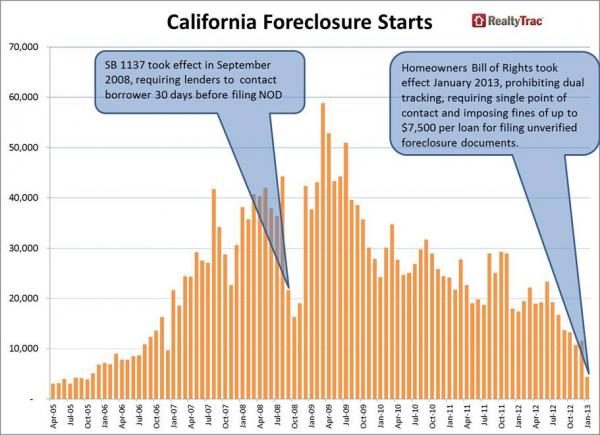
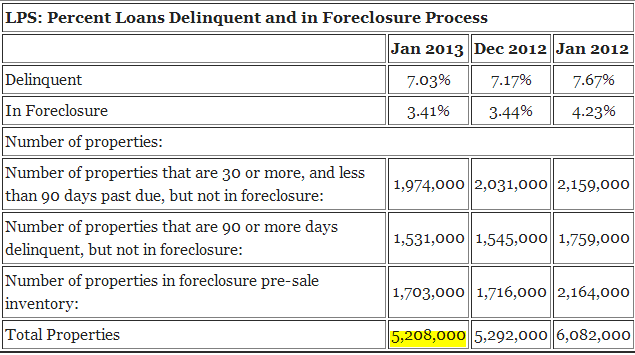
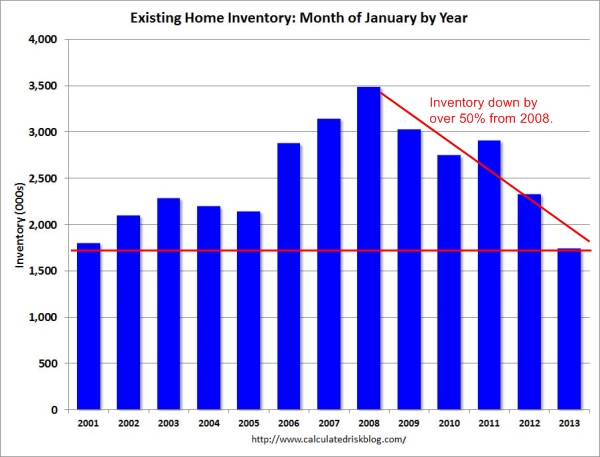
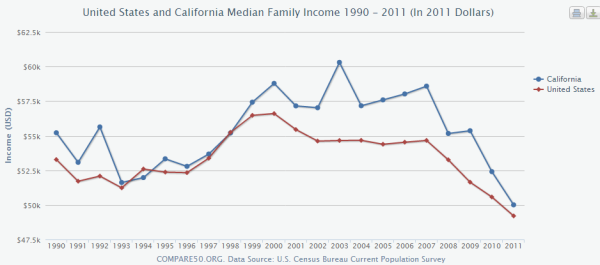
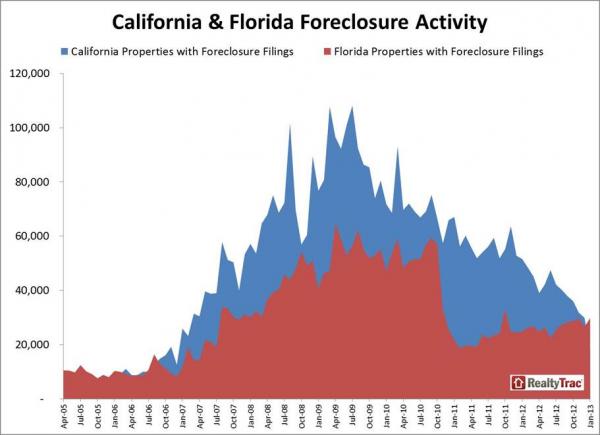



 Hide
Hide

 Show
Show









 The Hedge
43 Responses to “California Homeowners Bill of Rights pushes foreclosure starts down to levels last seen in 2005. Florida takes foreclosure activity title away from California”
I believe a similar dynamic is occurring here in Portland, albeit on a much smaller scale. The legislature passed a similar bill a few months ago, and most of the RE agents have no inventory to show prospective buyers – what a weird market that kind of law tends to create.
Seeing the same thing here on the oregon coast, one thing i have noted is that many houses on the listing show no furniture in them. As a buyer of real estate i have never seen the % so high. These houses are not REO, but have no furniture, leaving me to question what’s going on. Many realtors are fixing up friends and relatives, by telling buyers like myself that the house is already sold when in fact it hasn’t been. Thus keeping offers off the market. This has happened to us several times, only to find that the house sold a few months later for less than we would have offered. Even realtors tell me of this also.
Same thing happening to me here in LA. Saw a property in Eagle Rock go down in price from 300′s to 240K (!!) and could not get an offer in while willing to pay in 300′s…and just last week another short sale that got listed only to get a full mailbox and no return calls from realtor. I put in an offer immediately and was told it was pending while listed 200K below surrounding home prices. I will be watching as it goes through and will probably start filing FBI reports. This is BS.
The “Bills of Rights” above has 2 elements, the slowing foreclosure activity I’ve seen (occupancy field rep) hasn’t been due to the consumer protection provisions, many which actually help servicers too due to the clear, defined legal processes. I have seen plenty of homes that are in distress and abandon (including PDX which I visited last weekend) that would be marketable but for chain-of-title issues. As states and courts (like the above CA $7500 fine for filing unverified foreclosure documents, or in OR where MERS can’t be used for a non-judicial foreclosure) have clamped down it has become too risky and expensive for servicers to “recreate” proper title unless debtors co-operate in short sales or deed-in-lieu. Example: debtor dies and is deeply underwater with their mortgage, servicer doesn’t have clear chain-of-title due to securitization/MERS, heirs don’t want the property and don’t co-operate, so the house is sitting vacant and rotting. Stalemate.
BLS wrote: “…Example: debtor dies and is deeply underwater with their mortgage, servicer doesn’t have clear chain-of-title due to securitization/MERS …”
This is one of purposes behind the Federal Reserves’ MBS purchases, i.e. QE3, of $40 billion per month. If the real estate market where healthy there would be no reason to do QE3. But there are many mortgages with broken titles and improper paperwork. QE3 allows the Fed to fix the broken chain of custody.
Well, that’s just wonderful – paging Paul Volcker. He knew what to do with the distressed inventory of all of the failed S &L’s – get them off the books ASAP.
I can still remember back in 2002 when my mortgage broker told me that Wall Street had started making mortgage loans and that they were getting extremely loose with standards. First thing that I thought was,” When these thieves get into a market, it always ends badly for the average guy in there with them.”
Well, here we are again except instead of being the enablers with the cheap money, they are now the buyers. But I bet the end result will still be the same. They will get out when the getting is good and leave the mess behind them.
It isn’t easy to buy stolen property when competing with people who get to buy it first with money they stole from me.
+1
So what should the ave a hole like me do who has been on the sideline in so cal who only qual for FHA
Joe you, like me, can’t do a damn thing about it. The only option is to wait about three more years and save all the money you can so when it all comes apart and interest rates double down from current levels so prices drop. We have been priced out.
If you lived in your car you would be home by now. (bumpersticker)
What a manipulated market! Things will not end well is what history teaches us when market forces are flummoxed by manipulators. Anyone who has lived through “price controls” (or similar such as interest rate controls) can tell you what happens when market forces kick in again. Flippers and speculators are having a hayday! I feel sorry for their victims.
I love living in my house for free. I asked them, in writing, to verify and validate the debt. Many, many letters later they still could not, under the law. I asked them to foreclose on me so we would then see the real “standing party” or alleged Plaintiff. They filed the foreclosure complaint. I filed a motion for dismissal based on the fraudulent note and assignment in answer to their foreclosure complaint. TA-DA! No answer, no motion on the banks part. So I love the incompetence of the banks. This worked because I did the QUALIFED WRITTEN REQUEST and kept insisting they were not verifying the debt, there weren’t, and asked them over and over to “prove it”. This gave me the information I used against them in my motion for dismissal based on their fraudulent submission to the court. Got it? IF they refile, the question is “are you lying about these new docs or were you lying about the old docs submitted in the case you let die”? See?
May I ask you what the circumstances are that lead you to living in your house for free?
I just love answering this question from people who still don’t get it! Why am I “living in my house for free”?
Let’s see, in December 2007 when I was current on my mortgage, my loan servicer screwed up my account. I called GMAC Mortgage, and they failed to correct the problem.
In January 2008 when GMAC declared my account in default claiming that I was 34-days late on my payment, I again attempted to work with GMAC Mortgage, but they claimed they didn’t know me and refused to work with me.
In February 2008 when they sent me a Debt Validation Notice claiming that I owed a debt to Mortgage Electronic Registration Systems on a note dated December 23, 2005 I said “AHA. There’s the problem. I signed my note in May 2006 with WMC Mortgage Company” So I tried to work with them. What did they do?
They declared default. Then a few days later, they returned my payments that was sitting in their account. So what did I do? I tried to work with them! Yes, I did. I tried a forbearance agreement. The main sticking point was my refusal to admit default. I wouldn’t do it. I insisted that they admit to their screw-ups. They refused. So I sued them. After the fact they alleged that I couldn’t pay, but my robust bank statements told a different story.
I sued them. They did not foreclose on me. I sued them because it was the right thing to do. Unlike you, I believe that ALL parties to a contract MUST live up to their contractual obligations, not just the little guy who had no say in the contract terms and conditions. What did they do? They rescinded the default and then told the judge “I don’t know why she is suing us. We rescinded the default. No harm, no foul.”
The judge agreed with them. “No harm, no foul.” Two years of my life ruined. My security clearance gone. When the fight started, I was depositing over $23,000 per month in my account so the $3444 mortgage was not hard. They drove me into insolvency, but the judge saw “No harm.”
Five years later I am still fighting for my home. I’ve survived Bank of America and their fraud. They sold my home on September 24, 2012, I sued them on September 27, 2012, and I had my home back on October 4, 2012.
Yeah, I did. So what happened next? U.S. Bank eight SWAT officers to my home, and these officers posted a “Notice of Trustee” sign to my door, at gunpoint. So I sued U.S Bank. I got a restraining order against them. I got a Preliminary Injunction against them. I charged their lawyers with several crimes and got a California judge to agree to set a trial for the civil portion, as well as started working with state officials to bring criminal charges. What did they do?
One day after Chris Dorner went on his killing spree, their lawyers went to a small courthouse with limited e-filing capability and accused me and my husband of being “angry Blacks” and got a restraining order against us. They failed to inform us of the TRO. They failed to inform us of the hearing. I found out anyway.
This new judge ruled that sufficient cause exists for a hearing. Really pissed them off. They wanted the Order. I want them in jail. What you consider “living in a house for free”, I consider “working my butt off for my country.”
Five out of five judges side with me, yet they are still trying to sell my home next week. After all is said and done, I now have a copy of the loan I signed on June 1, 2006 — the loan I was always willing to pay. Unfortunately for them, they fought me for 60+ months trying to enforce a December 23, 2005 note and the Statute of Limitations has expired to enforce any note.
Given that ALL of this could have been avoided back in Jan 2008 if they had said “You are right. You did sign your note in 2006,” WHY SHOULD I PAY THEM A DIME NOW? They owe me for five years of abuse.
Does that help clear your muddled brain?
Yikes Karen. That’s awful. When I asked that question I wasn’t being antagonistic. I’ve heard of many different scenarios where each party is or can be at fault. It’s an awful situation with the market right now and you have been dealt with unfairly to the nines. It’s criminal. I’m a new Dad with a 4 month and trying to purchase my first home and can’t. I’m frustrated with the Fed, the banks, the investors/flippers the RE landscape and all the people that over reached as well. We have saved up just over a 100k and live in the Studio City/North Hollywood area. We want a home with long term appreciation because we will stay in it. We want a home. I wish you the absolute best in your fight and hope the perpetrators in your situation rot.
you could start a business helping other people keep their overmortgaged homes for free. Charge a commission, this could be very, very, big.
So no way to get clear title? What is your exit strategy? Very sad to think of the families and their pets put in turmoil, tossed and turned so that the greed of banking industry can tuck in to bed those who think the house on earth is the only one they ever have to occupy…
With rising property prices, all pay higher property taxes. CA just increased the sales tax 1/2 %. All workers had FICA go up 2%. I just checked “GasBuddy” for Van Nuys. The lowest price i see is $4.15/gal. Will retiring baby boomers and others now say, “We missed the last price bubble, let’s not miss this one.” What’s next? Something has to give.
“Welcome to the unintended consequences of massive market intervention.” Keeping inventories artificially low is exactly what the Fed, in collusion with the banks, wants to happen. Just like they manipulated the market on the way up flooding the market with unqualified “homeowners”, they are now limiting the offer to push prices higher.
Bernanke is merely a handmaiden for the big boys.
Oh boy. People camping out, trying to “snag their dream homes”.
http://abclocal.go.com/kabc/story?section=news/local/orange_county&id=9013331
And to think we once made fun of the USSR for their food lines …
Nobody know where the top of the market is, and nobody knows where the bottom is. My guess is we have a new full blown short term bubble, only to be followed by the next disaster of some sort (pick any card in my hand) that will cause another collapse. Something else to ponder; 700,000 is the new million. Because of artificially low rates your payment is about the same on the million dollar home versus what it would be if rates were at a historical average rate of 7%. My bet is to stay liquid and wait a while…
Here in the central valley of California I have noticed a large number of long term vacant homes. Nothing is happening with them their just sitting vacant many for two years or more already. But also several of the homes that were bought up by investors and put up for rent have gone unoccupied for several months due to the fact that their asking too much for the rent. But I think also less people are losing their homes to foreclosure and rental properties are staying vacant.
We’re in OC and have been looking at rentals. All but one have been vacant. A few have been on the market for 3 or 4 months. Have been told by agents that the owners are waiting for applicants with good credit. Husband looked at one yesterday in a good neighbourhood but the house was a complete dump. Asking premium rent. Apparently the owners are dentists who inherited the house and will not upgrade or fix anything. Husband said the place was putrid and kitchen etc original. Owners have rejected many applications due to poor credit and lowballing. We have great credit and wouldn’t rent it even if it was $1500 month less. Don’t know who will ever rent it. Owners seemingly will wait forever for someone to pay their asking. Has been on the market for many months.
Also encountering owners how will not get back to agents, taking a week to get back to them about simple questions. We asked one if they would repaint the house (they have just bought it with cash and was a foreclosure). They said they would do the downstairs only. Would not do the upstairs or the bannister. Problem is that is where all the drawings and scribbles are. There are massive amounts of pen scribbles all over the bannister and huge faces on one of the bedroom walls. All I hear is ‘stick it scum’, not the kind of relationship we’re looking for with a landlord.
It’s all getting demoralizing really.
“All but one have been vacant”? So lots of vacant rentals on the market? Maybe all the investors who bought to rent out at a profit are going to realize the rental market is flooded in OC. The crowd of buyers at this summer’s For Sale houses won’t include those investors like last summer. Smaller crowd, lower sales price for houses this summer (let’s see if it happens)
I have seen a lot of this up in the SF Bay Area (where I currently live despite my moniker). Empty properties with unrealistic rents. Bad condition, bad neighborhood, lack of transportation/services access charging double, triple what a fair rental price would be. I guess landlords don’t want to be locked in long-term to what they feel are “low” rents since they feel the employment situation & economy will pick up any day now.
Just got a new place up here that is live/work zoned and month to month lease at a comfortable rent with some utilities included – feels great to only have to give 30 days notice and be gone if I want. It was hard to find because most rentals up here are at least $2K/month – feels weird to pay that much. A lot of the other places I looked at were asking for $1700-$2K/month in bad neighborhoods with verifiable net income of 3X rent. I don’t know too many people living in the ghetto with net income of $6K but apparently these landlords have the expectation that there are.
I’ve seen enough in CA after 31 years. Sold my home and will close the end of the month. Destination Idaho. I sold in 7 days, standard sale. I had 12 views and 6 offers and took the one $ 7k over asking. Buyer is 100% VA with $20k cash over appraisal.
Anyway, while interviewing 2 of the major moving companies for bids, I asked if their outgoings are outpacing their incomings. Both said the CA outgoings the past 2 months are the talk of the moving industry !
It can’t just be me who knows the tax man will be coming with a vengeance. Can’t do anything about Obama, but I can sure do something about Jerry Brown and his public union thugs. I’ll snowbird out of Idaho in the winter, but not to CA. I feel sorry for my CA friends who are also fed up, but cannot leave due to family reasons.
You sounded pretty reasonable until you called working people thugs. The destruction of our economy began with Enron, a corporation committing fraud against the state of California, continued with Bush II’s unfunded wars and finished up with banks conning the govt out of regulating them. It is a fact that America’s most prosperous period coincided with the greatest number of union jobs.
i have reviewed a few graphs showing short sales rising as forclosures falling. I believe that the forclosure numbers are falling as the values rise, the note holders are reaching thier net shorts with overbidding and estimated values running upwards of 10-30%. remember you cant have a supply issue without demand. if demand is minlipulated the values are faux. do not be fooled.
The Homeowner’s Bill of Rights (HOBR) is just another stall tactic to draw out foreclosure. Politicians are actually doing a disservice to borrowers in foreclosure by passing this legislation.
Many states that are pro-borrower are changing their foreclosure process from non-judicial to judicial. While California is a mostly non-judicial state, we will see an increase in judicial foreclosures due to HOBR.
I think this is just another way to transfer wealth from the middle class and poor to the uber rich. Is that what the past what the past 30 years has been all about. Historically one of the ways the middle class could save for retirement was paying off a mortgage along with appreciation on their homes. Incomes are down nationwide I left CA in 2006 and returned in 2011 thinking I could buy a place as housing falls. It soon became apparent that I was wrong. Tons of evidently bogus listings dwindled to nothing and rentals were so high it was beyond my fixed income. So I moved again to Portland. After six months I caved in a bought a new condo. I know I paid too much and will probably watch the value go down but I desperately needed a place to take advantage of the low interest rates (that when up while I was looking). I notice that many of the RE agents here are being told lies or are telling me lies. When it comes to money no one tells the truth. The US housing market is a huge mess with the money going to Wall Street and other countries. It’s the same old story – the rich get richer and the rest of us – well you know. I will say it is a great deal more pleasant in Portland than CA. Public transportation is quite good. The people are quite friendly, the weather is not as bad as I expected. And Number One reason – no one talks about movies here – evidently the celebrity worship of Southern CA has not caught on here – yet. I don’t know how long it will take to return the housing market to normal conditions. Probably never. This has just been so profitable to the banks and the uber rich for them to give it up.
Wife and I have been looking for a house in La Canada Flintridge for the last 6 months. We were out bid by investors on two occasions. We’re still looking. But the sad reality is that since February, many new listings are asking above their 2006/2007 purchase prices. Are you kidding me? 1 year into the “recovery” we’re exceeding the last bubble highs? It’s insane. One good thing, maybe, this will force more inventories on the market due to less under water owners. Bad news is that if you miss one or two buying opportunities like we did, you may find yourself quickly priced out.
From Calculated Risk… the 2 bottoms of the housing market are here… for what its worth
http://www.calculatedriskblog.com/2013/03/housing-two-bottoms.html
Still paying $1/square foot/month in my rent controlled Warner Center apartment. Still avoiding purchasing a home because the government is artifically propping up the real estate prices. Saving up every penny. Hard to say where to put it. Real estate is too risky due to rampant market interventions. Stock market is very risky due to high frequency trading and the impact of Obamacare on individuals and companies. I got a promo from my stock trading company talking about which bonds are the best bet. Maybe that’s a clue that it is getting close to time to short the bond market. That will certainly change things in this country. Where are you people putting your money? I am all out of ideas.
gold
Why did this home jump 50% in 2 months? From 400 to 600k was this a foreclosure I could have bought in December for 400k?
Here is the address….
93 COSTA BRAVA, irvine, ca
Wecome to the Fascist States of Amerika!
This is the new normal, the one that everyone voted for. You love it don’t you!
http://www.alternet.org/economy/billionaire-speculators-greed-makes-life-hard-renters-and-would-be-homebuyers
Wow, this article really hit home as I am newly and currently a Florida resident for the time being. I can attest to the fact that the number of foreclosures and short-sales hitting the market here is unreal. Having just recently purchased a home here, I can also confirm that ‘all-cash buyers’ can swoop in and take a house of the market within literally five minutes of it being listed. This happened several times to us. I’m talking first-hand experience unfortunately. Money is cheap, as was stated here, and those with money are taking advantage of it. Who wouldn’t, right?
I too feel for the families in Florida and California not to mention all over the country facing these issues. Is the current climate setup for this to happen again? Let’s hope not. It is a great time to buy for new home owners and first time home buyers. I also agree with Kymmie that the number of short-sales and foreclosures is insane right now.